
The American West

The American West: Bill Carlisle – Wyoming’s Most Affable Train Robber
Bill Carlisle managed four solo robberies (three in a few months) in his extensive life of crime without injuring anyone. The train robberies promoted him from a common criminal to a newsworthy commodity.
Terry A. Del BeneFebruary 11, 2025

The American West: Wild Bill Hickok Invents the Old West Showdown
The walk-down, faceoff, quickdraw, showdown gunfight in the street has become an iconic image of the Old West. As far as history can tell us, the whole idea started with one of the Old West’s most famous gunfighters — Wild Bill Hickok.
R.B. MillerFebruary 09, 2025

The American West: American David Meriwether Taken Prisoner And Marched To Santa Fe
Anxious to make a trip to New Mexico to investigate stories of abundant gold there, David Meriwether headed West only to be captured by Spanish soldiers and marched to Santa Fe in 1820. When freed, he promised never to return—but he broke the promise thirty years later.
James A. CrutchfieldFebruary 09, 2025
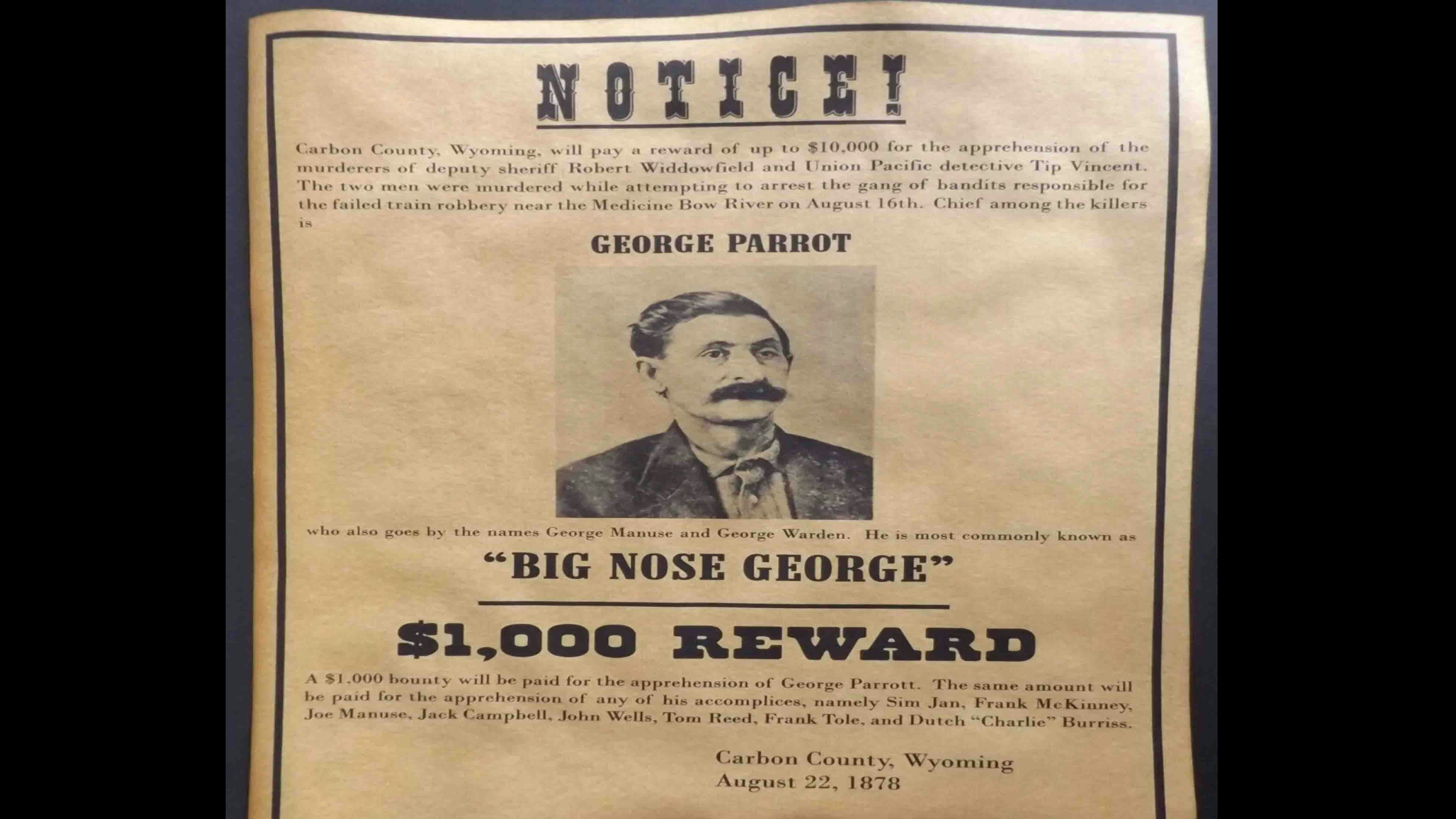
The American West: Tip Vincent And The 1878 Elk Mountain Murders
Henry H. “Tip” Vincent, a detective and tracker for the Union Pacific Railroad, carried a Sharps rifle loaned to him by Otto Franc as he pursued George Parott and a group of train robbers to the west side of Elk Mountain, where he was gunned down and the Sharps was stolen.
Mark E. MillerFebruary 07, 2025
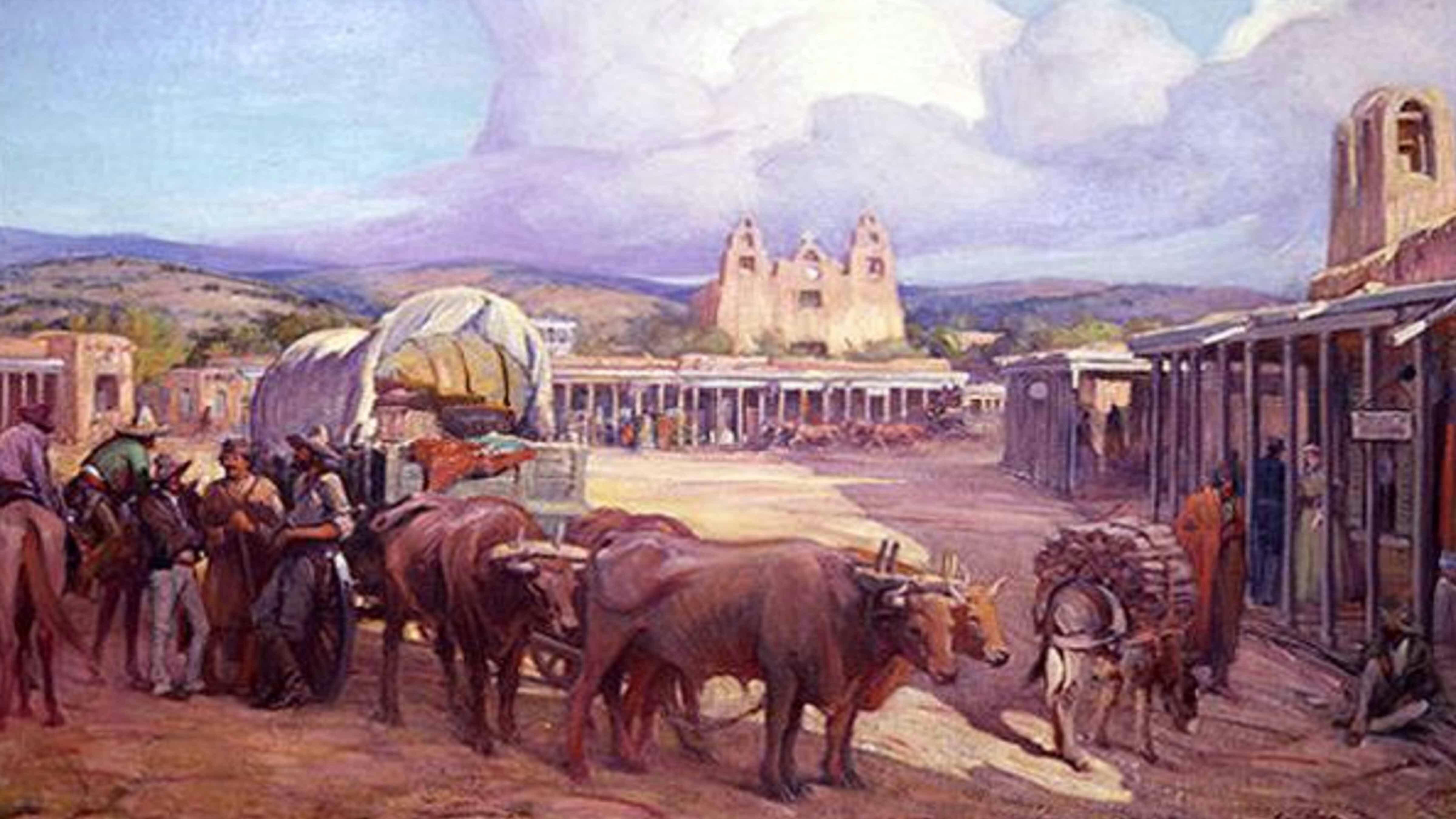
The American West: Josiah Gregg - Documentarian of the Santa Fe Trail
Josiah Gregg, through the magic of the written word, brought the romance and mystery of the Santa Fe Trail to anyone who would take the time to read his wonderful book.
James A. CrutchfieldFebruary 07, 2025

The American West: Charles Dickens Visits America’s Plains
In the 19th Century, the American West had a brisk tourism industry, which grew as the convenience of travel provided by coach service, railroads, and boats. Among the early travelers was Charles Dickens, England’s most accomplished author.
Terry A. Del BeneFebruary 06, 2025
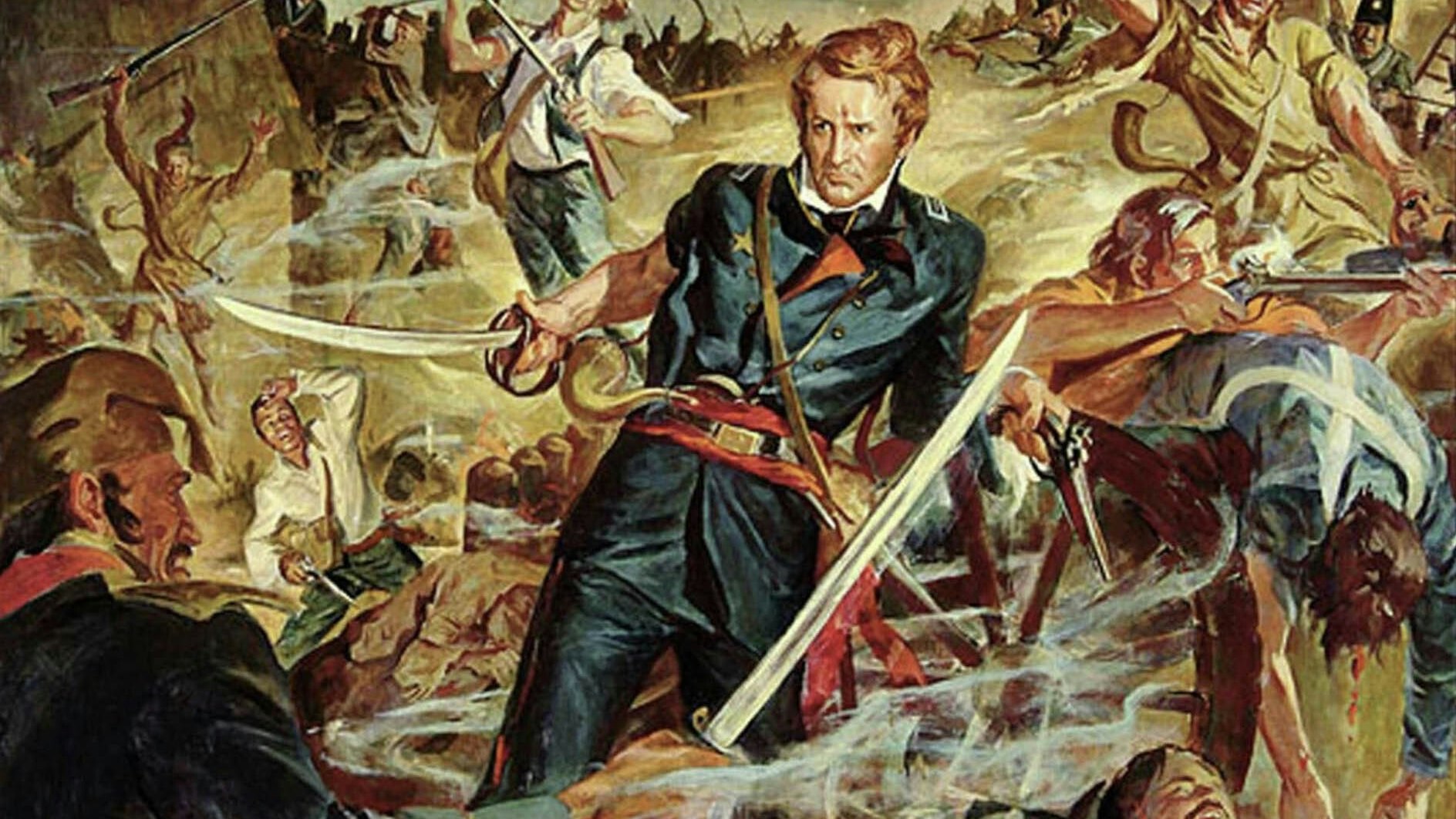
The American West: Like A Soldier -- Col. William Travis Fulfills Pledge Made At Alamo
William Barret Travis wrote to “The people of Texas and all Americans in the world,” on February 24, 1836, the second day of the siege at the Alamo, that he would “die like a soldier who never forgets what is due his own honor & that of his country.”
William GronemanFebruary 04, 2025
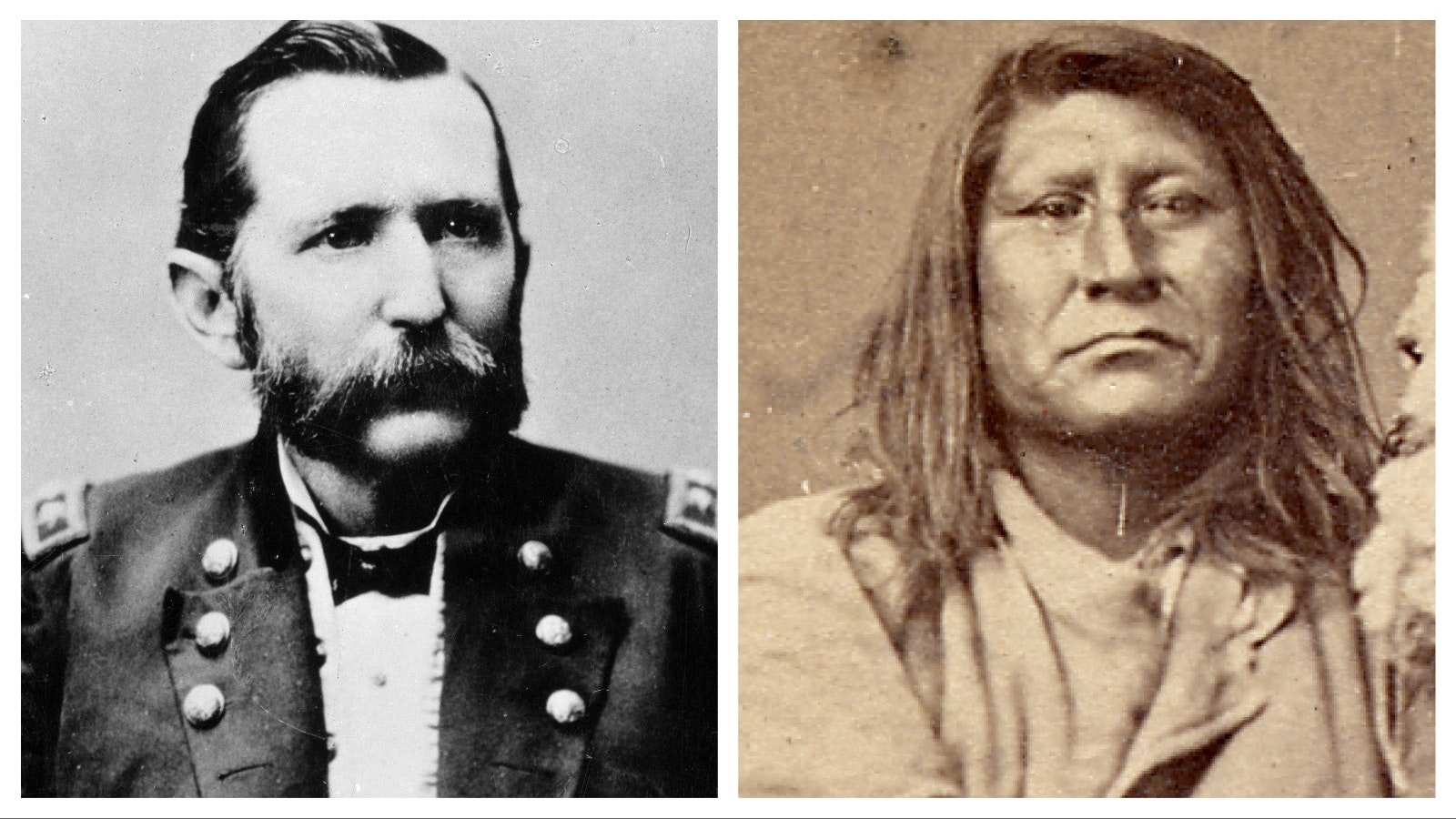
The American West: Massacre of Shoshones at Bear River
The massacre of Shoshones at Bear River in southeastern Idaho is the highest number of Indians killed by Army troops in the entire history of the Old West. Despite this, it is unchronicled in any major way in history even today.
R.B. MillerFebruary 03, 2025

The American West: Western Farmers Used Wind For Power Long Before Green Energy
For hundreds of years in America, the most important application of windmills was to provide power to pump for water and it became an essential of life on the Western plains and prairies.
Linda WommackFebruary 02, 2025

The American West: Mountain Man Joe Meek Arrived In Wyoming in 1829 As Greenhorn Teenager
The roar of the grizzly, war cries of the Blackfeet, and the lonesome song of the wind ushered 18-year-old Joe Meek to a world of the mountain men. Death was a constant companion and if you weren’t at the Rendezvous, it was assumed you had met the grim reaper along the way either by beast, enemy, or harsh weather.
Jackie DorothyFebruary 01, 2025

The American West: Wyoming Hereford Bulls Top Denver Stock Show In 1916
At the January 1916 Denver Stock Show, three registered Hereford bulls bred, reared, and shown by L. G. Davis of Saratoga not only took championship honors, but also brought record prices. All the bulls were sired by the Davis Ranch herd bull Beau Carlos II.
Dick PerueJanuary 26, 2025

The American West: Thomas H. Leforge/Horse Rider - Walking In Two Worlds
“I worship the Sun and Big Horn Mountains… their offspring lands and streams provided me with an abundance of good food and rich raiment. I was born an Ohio American, I shall die a Crow Indian American.” – Horse Rider
Terry A. Del BeneJanuary 25, 2025

Albert “Slick” Nard: The Outlaw & Deputy Despised By The Wild Bunch
Albert “Slick” Nard was both an outlaw and deputy during the late 1800s in Wyoming. He was scorned by the members of the Hole-in-the-Wall Gang as a despicable outlaw and informant.
Jackie DorothyJanuary 24, 2025

The American West: Shank’s Mare And Other Horses
John Muir is most closely associated with Yosemite and the Sierra Nevada mountains, first arriving there in 1868. He explored for a time, then an empty wallet forced him to a ranch in the San Joaquin Valley, where his work included breaking and training mustangs.
R.B. MillerJanuary 23, 2025

The American West: The World War II POW Camp Housed In Snowy Range
R. R. Crow, the owner of the sawmill and logging operations in the Upper North Platte River Valley, requested prisoners of war to help with his sawmill. His request was granted and Italian and German prisoners were housed in the mountain town of Ryan Park from 1943 to 1945.
Dick PerueJanuary 12, 2025

The American West: The Further Adventures Of Ned Beale And The Tejon Ranch
Ned Beale established the Tejon Indian Reservation but it was shut down shut down in 1864. By buying up and consolidating four Mexican land grants, Beale established the Tejon Ranch, which is still in operation today as a working ranch, and is California’s largest tract of private land.
R.B. MillerJanuary 11, 2025

The American West: Ute War Chief Kaniache Tangles With Kit Carson and Ouray
Kit Carson had to walk a fine line in negotiating with the Colorado Utes. He knew the government was eager to move the tribes onto reservations by force if necessary. The Indians knew it, too.
Linda WommackJanuary 10, 2025

The American West: Gateway To The West – St. Louis, Missouri
St. Louis, Missouri, the legendary “Gateway to the West,” has a long and important history in the story of America’s westward movement. Once owned by France and then by Spain, it it fell under the jurisdiction of the United States in 1803.
James A. CrutchfieldJanuary 09, 2025

The American West: How Sacajawea Helped Lewis and Clark
Lewis and Clark may not have starved as they ventured up the Missouri River and then down the Columbia River to the Pacific Ocean in 1805, but they could have suffered from scurvy without the food plants gathered and prepared by Sacajawea.
Candy MoultonJanuary 05, 2025

The American West: Bear Butte, The Cheyenne And Lakota Sacred Place
The Cheyenne who have lived in the Northern Plains for hundreds of years, call Bear Butte, Noahvose, or Where the Cheyenne Are Taught. The Lakota call the mountain Mato Paha meaning Bear Butte. The mountain is a sentinel guarding the approaches to the Black Hills.
Bill MarkleyJanuary 04, 2025

The American West: Cattlemen Needed A Solution To Control Rustlers And Hired Tom Horn
When cattlemen needed a solution to the rustling problem in Browns Park, they contacted a man from the Pinkerton Detective Agency. A man who could be relied on to do the job no questions asked: Tom Horn.
Linda WommackJanuary 03, 2025
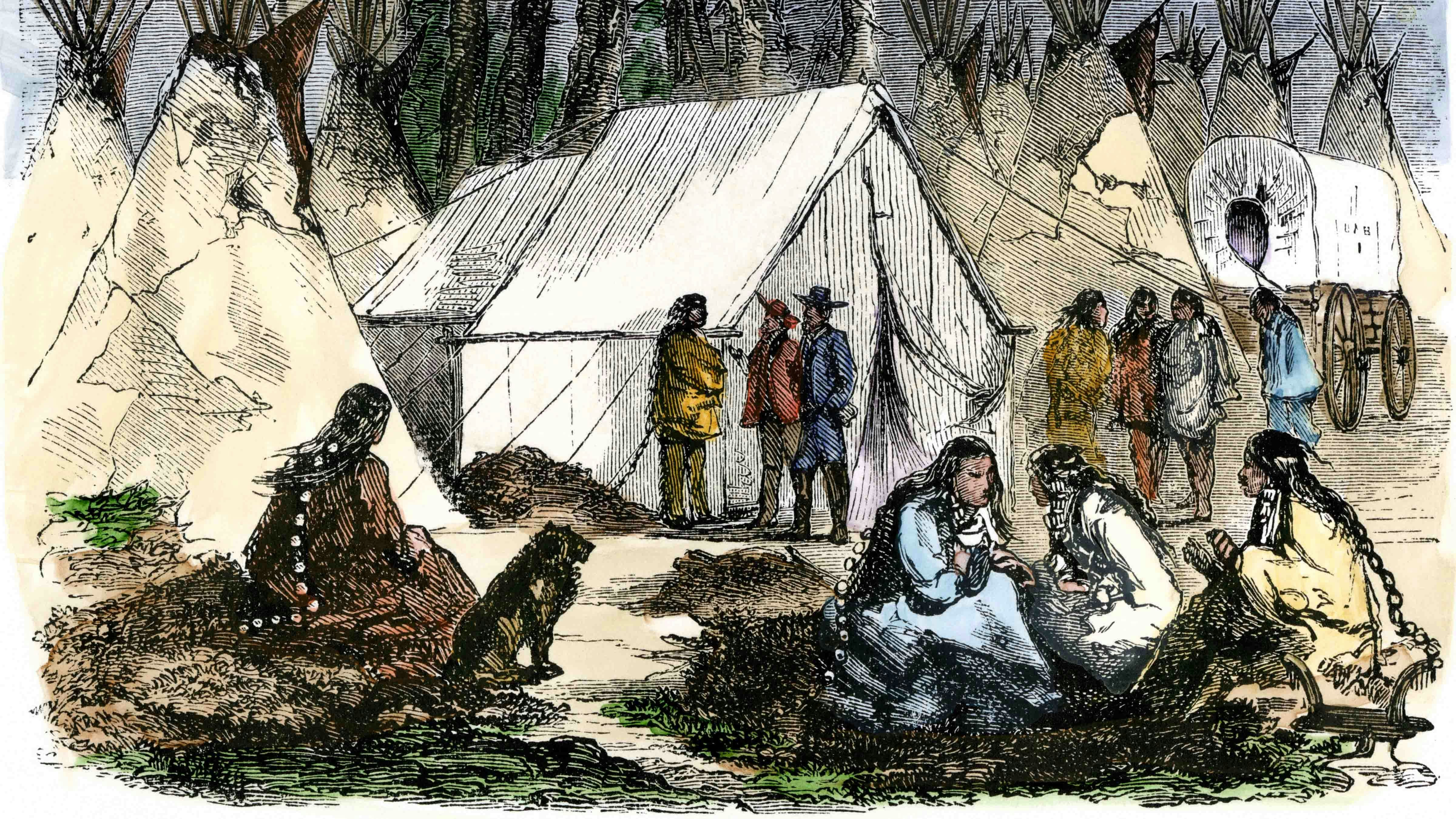
The American West: A Tale of Two Fur Men
John Jacob Astor's employees experienced many adventures and opportunities in the wilderness of the great Northwest before Astor had to pull out of the Pacific fur trade altogether. Two of them, Ross Cox and Alexander Ross, left written accounts of their adventures.
James A. CrutchfieldJanuary 03, 2025

The American West: Before Tesla Was An Automobile
The Tesla name was appropriated from the man who invented the world we live in today. A man who lived in Colorado Springs and demonstrated the feasibility of his invention at a gold mine in the Rocky Mountains above Telluride. That man was Nikola Tesla.
R.B. MillerJanuary 01, 2025
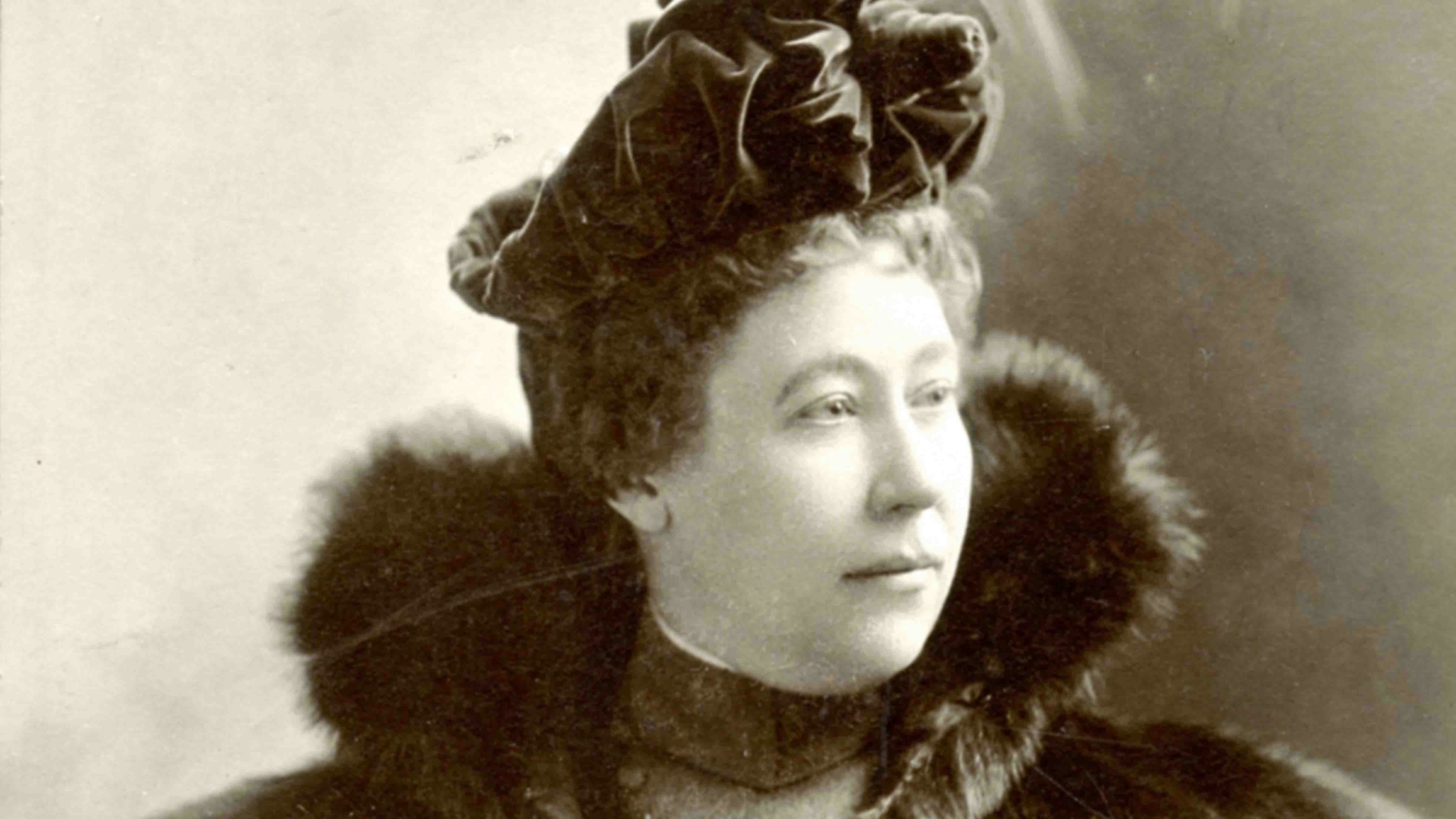
The American West: Wyoming’s First Female Doctor Kept Big Nose George's Head For Flower Pot
After the lynching and subsequent medical examination of outlaw Big Nose George Parrott, Lillian Heath, who became Wyoming’s first doctor, kept Parrott’s skull cap for years, and used it as a flower pot.
December 30, 2024