Black holes are known for capturing light and never letting it go. But even they have nothing on Wilderness Adventures when it comes to cellphones.
The Jackson Hole adventure camp has made a name for itself as the place for parents to send children for an abrupt and total digital disconnect, and they’re attracting thousands of guests as a result.
All the young people know going in that the minute they arrive at camp, they will be handing over their smartphones and living without them for the duration of their stays, whether that’s two weeks or six.
There’s no texting or Instagram. No TikTok, no news, no email, and no midnight YouTube rabbit holes.
Parents don’t even get nightly updates from their child. Instead, they get a periodic photo and trip update from staff.
It's quick reassurance that the kids are alive and muddy, smiling and well, even as they’re many miles off the grid, trying things they’ve never tried before — and fully engaged while they’re doing it.
In case of emergencies, birthdays or serious homesickness, staff will connect children to their parents by phone. Just not on their personal device.
That stays locked up tight, until it’s time to go home.

At Jackson Hole camp Wilderness Adventures, kids surrender their cellphones for weeks, trading TikTok for the Tetons and Yellowstone. It’s intimidating, but also life-changing for kids who have never known a life without smartphones. (Courtesy Wilderness Adventures) 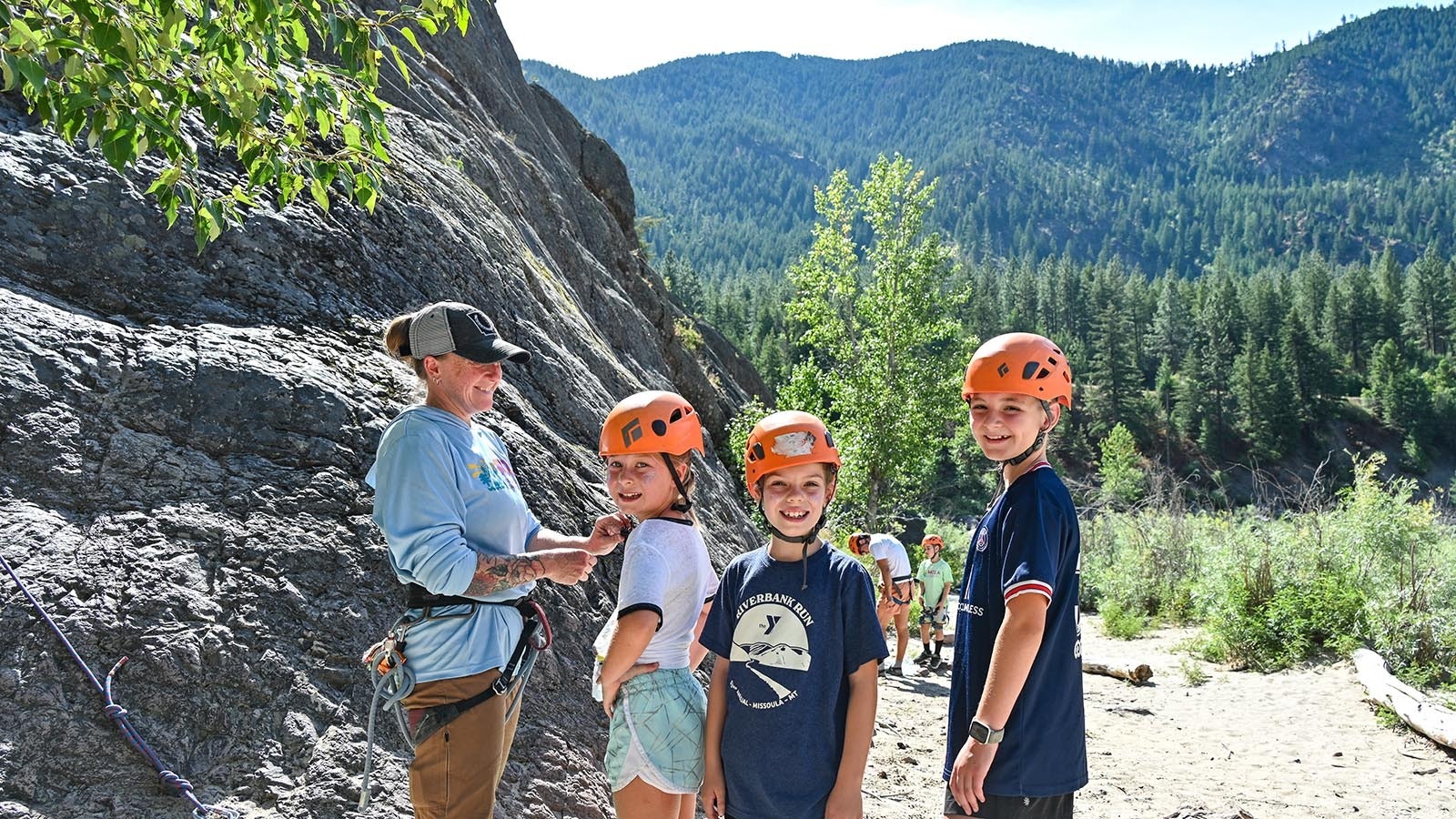
At Jackson Hole camp Wilderness Adventures, kids surrender their cellphones for weeks, trading TikTok for the Tetons and Yellowstone. It’s intimidating, but also life-changing for kids who have never known a life without smartphones. (Courtesy Wilderness Adventures) 
At Jackson Hole camp Wilderness Adventures, kids surrender their cellphones for weeks, trading TikTok for the Tetons and Yellowstone. It’s intimidating, but also life-changing for kids who have never known a life without smartphones. (Courtesy Wilderness Adventures)
Unwanted Distraction
The trend started at Wilderness Adventures long before digital detox became a buzzword, according to the camp’s owner, Tom Holland.
“Wilderness Adventures has been around for 50 years,” he told Cowboy State Daily. “And I’ve been on the program as a child. In fact, that’s what brought me out to Wyoming. I’m originally from Illinois and just went on my first trip with Wilderness Adventures in the Tetons.”
There were no smartphones and iPads when Holland was experiencing Wilderness Adventures, but there were CD players and the like. Holland was told to just leave all that at home, so his expensive gadgets wouldn’t get lost in the backcountry.
When Holland and his wife took over the business 11 years ago, what they noticed about smartphones was the huge distraction they created.
So they, too, implemented an electronic device ban, though not for the same reasons.
“What was once a, ‘Hey, let’s not bring the valuable thing, because you’re not going to need it,’ has now turned into, ‘Hey, let’s not bring that because you’ll be better off not having that device.”
Over time, more and more research has begun showing the value of disconnecting from digital devices, vindicating Holland’s decision.
“In a world where marketing to teenagers is primarily done through social media, it is hard not to see how this would help us as a business, to have kids posting about their trip in real time,” he said. “But we’re seeing the negative impacts of social media on teenagers and their confidence levels and their increased anxiety levels and increased depression.”
Talking The Parents Into It
Last year, nearly 2,500 youths passed through Wilderness Adventures combined day camps, residential camps and extended trips, which take place around the globe.
The youths came from 45 different states and 11 different foreign countries, Holland said, for the chance to explore Yellowstone and the Tetons, the Wind River Range, Yosemite, the North Cascades, Hawaii, Alaska, Ecuador, the Galapagos, the Alps, Costa Rica and even Kilimanjaro.
Not having a cellphone on such an epic trip was nerve-racking at first for Owen Dittrich, a high school student from St. Louis, on his first two-week Wilderness Adventure in Yellowstone.
“I’d never been out of contact with my family and parents,” he said. “So that was very scary.”
And not just for him. His parents were rattled by it, too.
“I went home and I was like, ‘Hey, I just got recommended for this amazing trip for two weeks.’ And they’re like, ‘Wow, this is amazing.’ And then I said, ‘But, I cannot have my phone for two weeks,’ and everyone just went silent for a second.”
Owen and his parents kept talking about the opportunity, feeling their way around something that felt uncomfortable and maybe even unsafe.
“It was mostly my mom,” Owen said. “She was like, ‘How am I going to know you’re OK?’ So, we had a few more meetings, and I just kept on filling in my parents about it and reassuring them that it’s going to be fine.”
Owen's experience isn’t unusual, Holland added.
Often, he finds it’s the parents he has to convince that doing without the cellphone will be OK and that the parents don’t have to hear from their child every single night.

At Jackson Hole camp Wilderness Adventures, kids surrender their cellphones for weeks, trading TikTok for the Tetons and Yellowstone. It’s intimidating, but also life-changing for kids who have never known a life without smartphones. (Courtesy Wilderness Adventures) 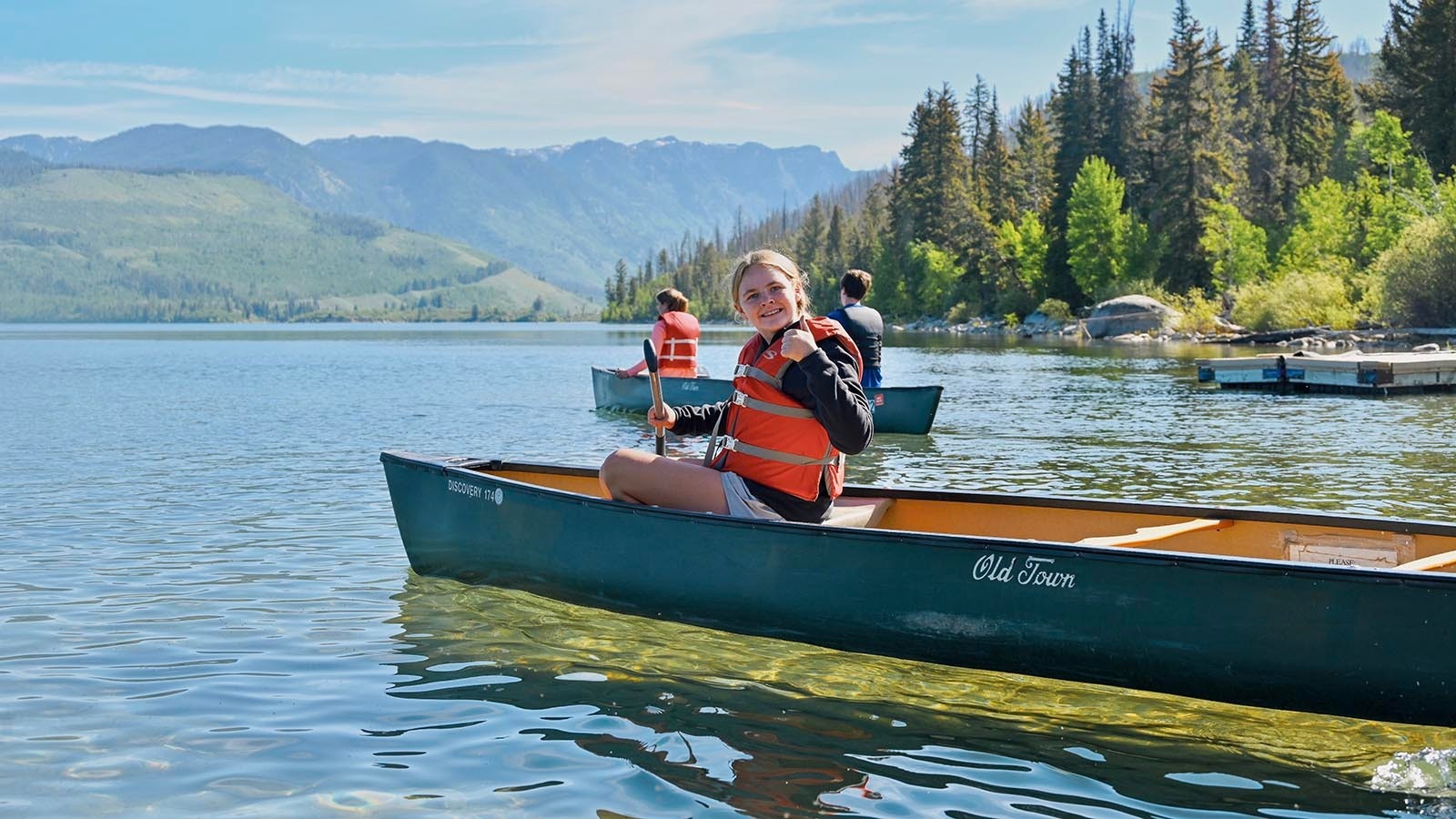
At Jackson Hole camp Wilderness Adventures, kids surrender their cellphones for weeks, trading TikTok for the Tetons and Yellowstone. It’s intimidating, but also life-changing for kids who have never known a life without smartphones. (Courtesy Wilderness Adventures) 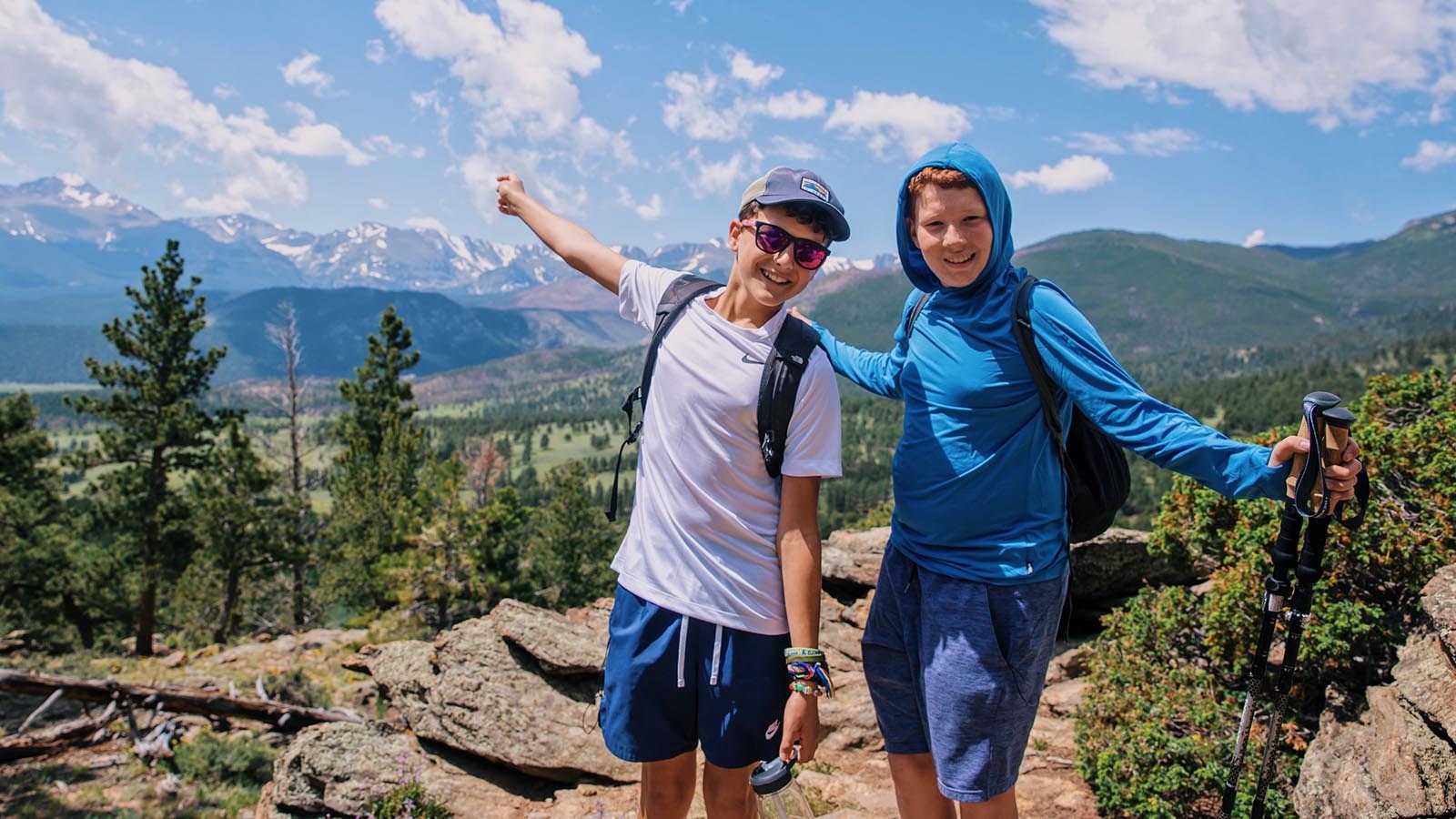
At Jackson Hole camp Wilderness Adventures, kids surrender their cellphones for weeks, trading TikTok for the Tetons and Yellowstone. It’s intimidating, but also life-changing for kids who have never known a life without smartphones. (Courtesy Wilderness Adventures)
The Anti-Social Media Summer
Owen succeeded in convincing his parents to let him take the trip by pretending it wasn’t that big a deal. But inside, he was nervous about it, and he had plenty of uncomfortable phantom phone moments at first.
“For like the next one to three days I would reach for it, and then remember, ‘Wait, I don’t have my phone,’” he said.
That induced a momentary sense of panic, thinking he’d lost the phone, before remembering that this was camp, and not having the phone was normal.
It took a week for that to wear off. What happened next was amazing and transformational.
“It was like this weight lifted off of me,” he said. “I felt a lot happier. I was appreciating everything around me, because Yellowstone is just a beautiful place.”
Nights that would have been spent scrolling online on his phone were spent staring up at stars instead and talking to his newfound camping buddies.
“We would sleep outside and we would just look up at the stars for like two or three hours,” he said.
That’s something he knows they wouldn’t have done if a cellphone had been within reach.
Since returning home, Owen will sometimes put his phone aside intentionally, taking a break from it. A friend of his, noticing this, was inspired to join Owen in spending an entire summer without social media.
“He’s actually gone without social media for two years now,” Owen said.
Their reward was less anxiety, Owen said, and better focus.
“Since you don’t have social media, there’s nothing really to do on your phone other than call people,” he said. “And during the summer, you don’t really call people, you just hang out with friends. I felt a lot more social with everybody.”
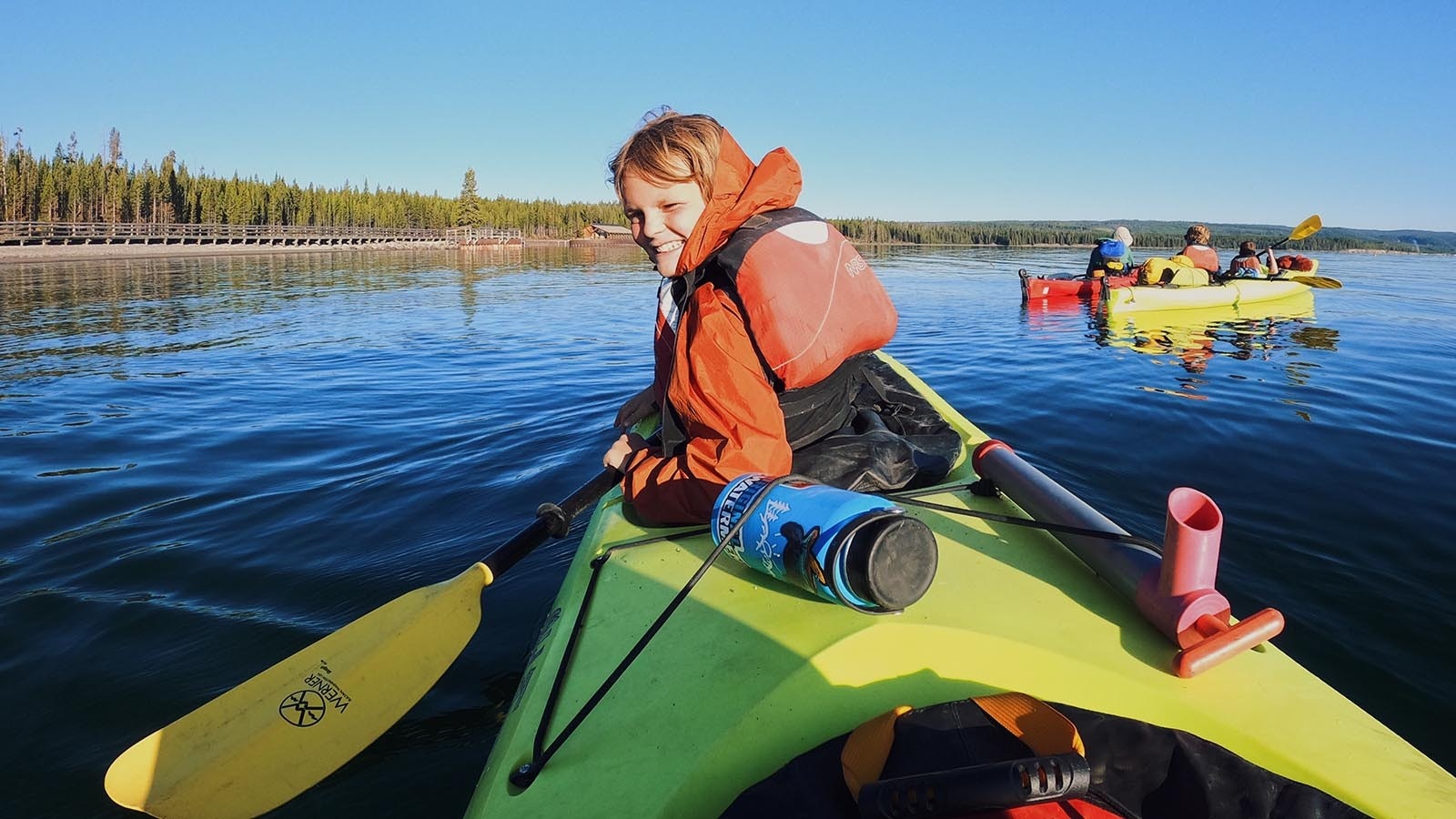
At Jackson Hole camp Wilderness Adventures, kids surrender their cellphones for weeks, trading TikTok for the Tetons and Yellowstone. It’s intimidating, but also life-changing for kids who have never known a life without smartphones. (Courtesy Wilderness Adventures) 
At Jackson Hole camp Wilderness Adventures, kids surrender their cellphones for weeks, trading TikTok for the Tetons and Yellowstone. It’s intimidating, but also life-changing for kids who have never known a life without smartphones. (Courtesy Wilderness Adventures) 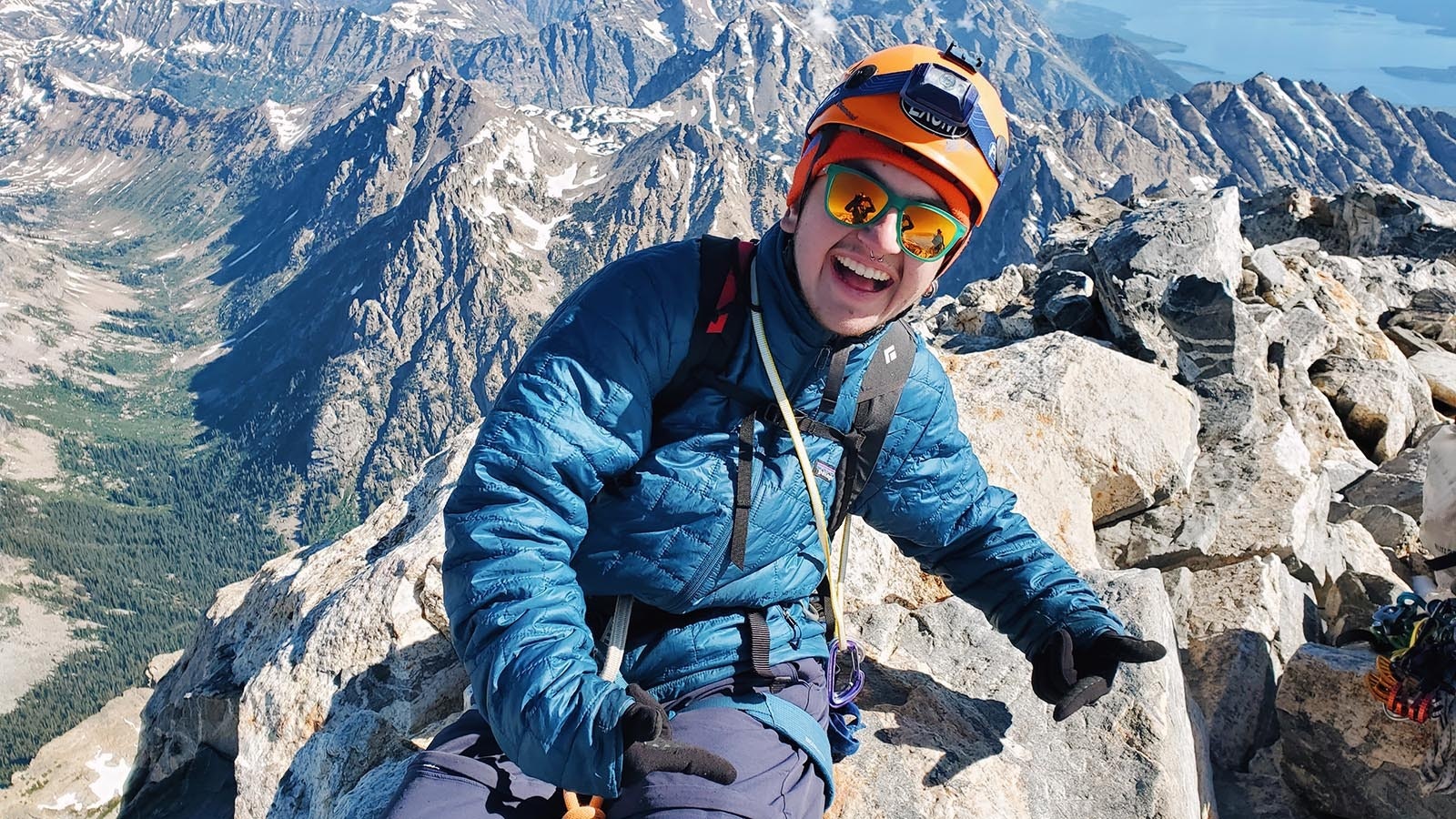
At Jackson Hole camp Wilderness Adventures, kids surrender their cellphones for weeks, trading TikTok for the Tetons and Yellowstone. It’s intimidating, but also life-changing for kids who have never known a life without smartphones. (Courtesy Wilderness Adventures)
Lasting Friendships
McCollough Frobouch, another longtime Wilderness Adventures participant, says doing without her cellphone on these trips taught her how to make deeper connections with other people.
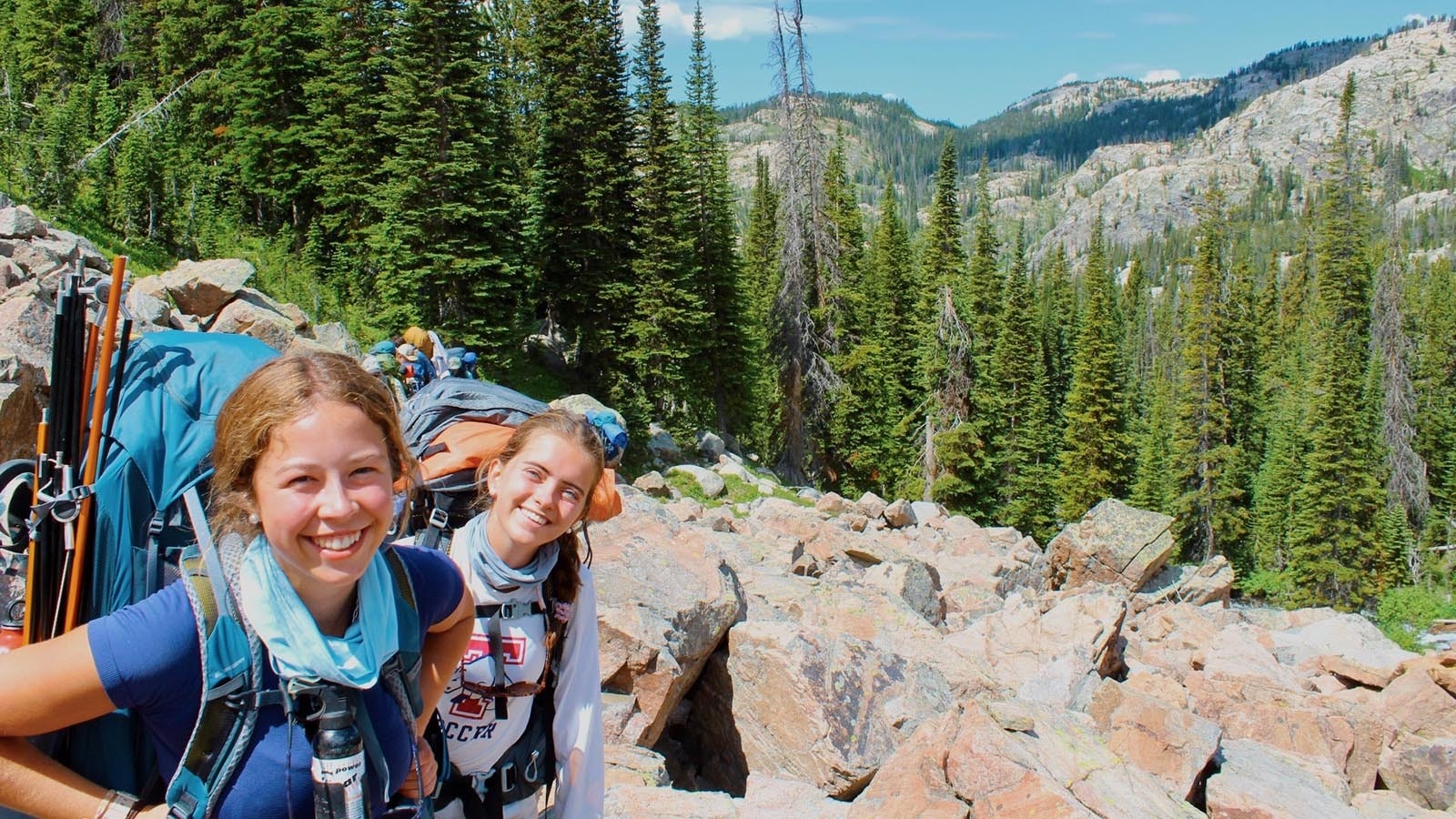
Her first trip, a two-week backpacking and sea kayaking adventure in the Grand Tetons during COVID, was full of the usual impulses — wanting to check the time, wanting to text her mom, wanting to snap a picture and post it on social media.
Once she got past that, she found herself making a deeper connection with not just the people around her but the world.
“Since we’re not all sitting there scrolling on our phones, you really get to meet new people,” she said. “You connect with people in ways you don’t back home when you’re on your phone all the time.”
Those friendships have been durable, too.
“I still keep in touch with most of the kids who I’ve gone on these trips with, even the ones from four to five years ago,” she said. “The bond you create is so deep and strong because you have no phones and technology, and you’re just in the woods creating a deeper connection to yourself and then to others.”
Ready To Take On The World
The psychological impact of the weeks-long digital fast is what is the most striking, however, both to the participants and their parents.
The transformation is so great, Holland has had parents call to ask him about what happened on the trip. Their kids are walking taller, offering to cook dinner and help with chores.
“The families are like, ‘Oh my gosh, they have such a better relationship with us, with their devices. They are more confident,’” Holland said. "We have principals who have called us saying, ‘Oh my gosh, these kids come back from these trips, and they are more engaged in school, more active, and wanting to participate more.' It’s amazing to see.’”
Frobouch loved getting away from the habit of comparing herself to others on social media.
“Instagram or TikTok … kind of doesn’t boost people’s morale about themselves,” she said. “Just being there, being yourself and not having Instagram or TikTok to compare you to, just boosts your morale and makes you feel like a better person.”
Owen loved grappling with the world hands-on.
“I did rock climbing and we also did backpacking and kayaking,” Owen said. “And then I went to Hawaii, which had all new different cool things. We did community service, and we were digging out plants from like mud, and it was amazing.
"We went surfing, we went paddle boarding, and we went snorkeling with manta rays at night.”
With no cellphone, both of them learned to rely on their own capabilities to solve problems. There was no calling mom or dad, no checking with Aunt Google or Uncle Artificial Intelligence.
That was freeing, but even better, they learned that their capabilities were greater than they thought. They were enough, even without their phones.
“After two weeks without the phone, you really realize that you have so much to do and you should really take advantage of that,” Owen said. “It makes you learn to really take advantage of what’s around you and how great things are.”
Renée Jean can be reached at renee@cowboystatedaily.com.