Call Michael DeGreve on a Friday at noon and you’ll learn a few things from hello.
You’ll learn he’s the kind of guy who answers unknown numbers on the first ring, and that he eats breakfast at noon.
“I’m a musician, brother. I’m on musician time,” he says, chewing through a bite of waffle. “We get started a little later than you do.”
You’d never guess by that gentle voice that this man had dropped LSD with Jimi Hendrix, got drunk with Janis Joplin, or cut a record with Graham Nash.
Then again, DeGreve was never known for conforming to expectations.
That includes his own expectations for Friday afternoon, which he’s now rearranged to accommodate the journalist he’s just met. Put differently, the guy can take a question and run with it, for two hours straight, virtually uninterrupted.
Of course, for someone like DeGreve, that’s barely enough time to scratch the surface.
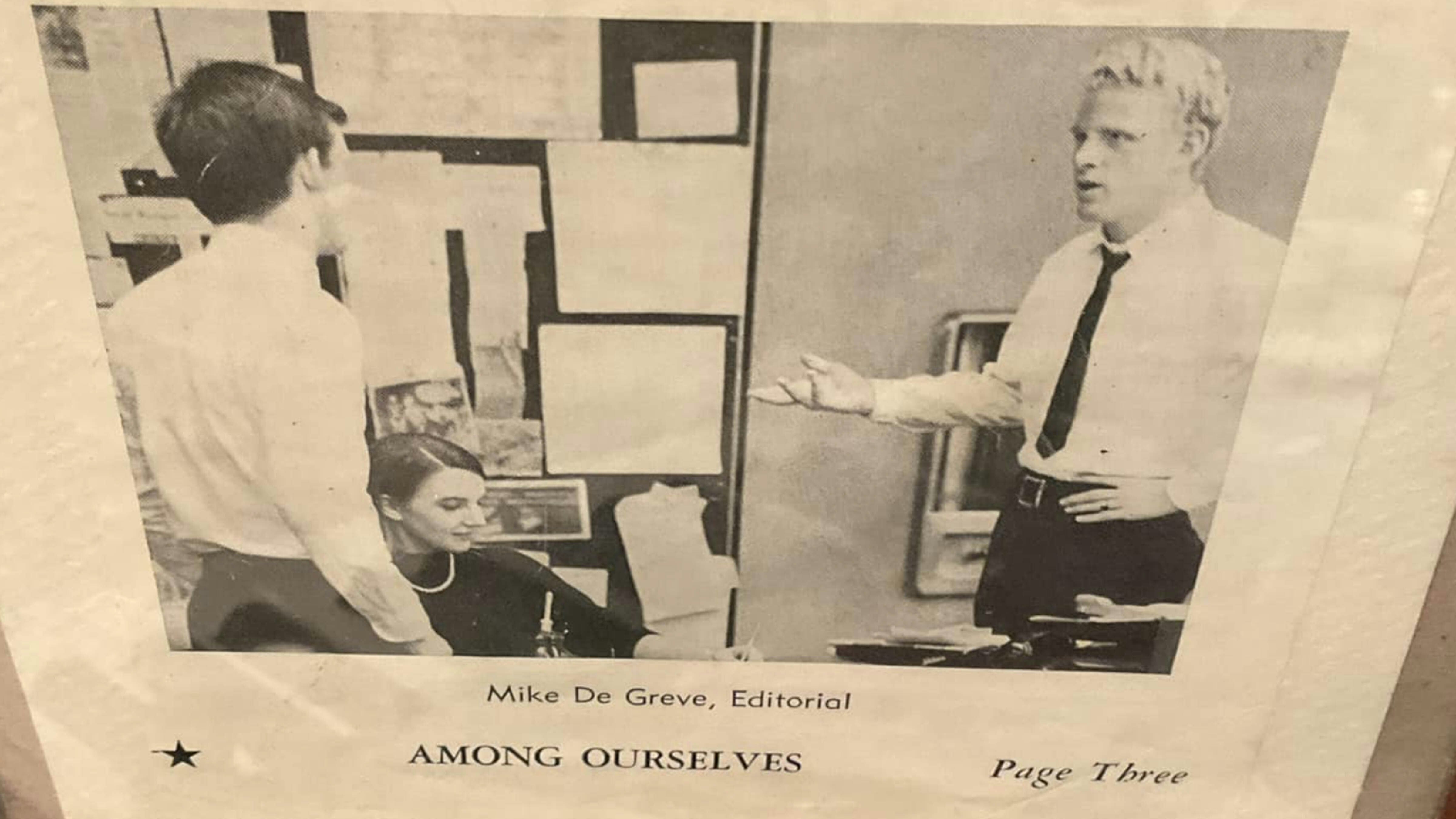
“I posted a couple photos online recently. One is me working at the L.A. Times looking like (Dudley) in "Leave it to Beaver," and another, I’m an All-American basketball player. People asked me, ‘How many lives did you live?’” DeGreve said.
“I don’t know, but they’ve all been fun.”
He lived at least a few of those lives in Wyoming.
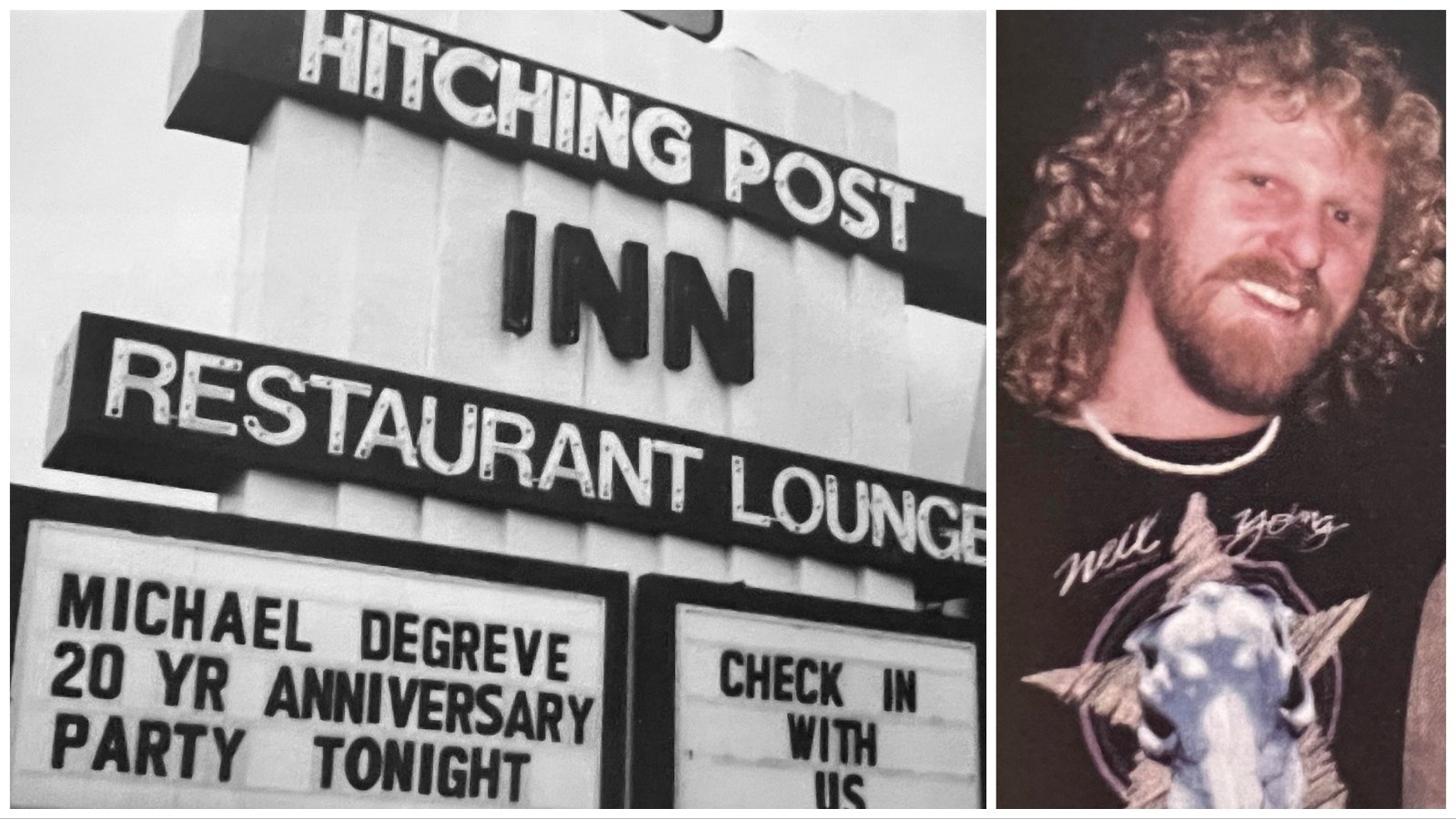
He was shaped as both a man and musician during a 30-year artist in residence at Cheyenne’s iconic Hitching Post Inn, where he transitioned from a guy who partied with draft-card burners to a hero of soldiers and vets.
Now, at 78, with a terminal illness tightening its grip, DeGreve is looking back on his Wyoming years for the strength to finish his last major work before the music stops.
“Some of my best songs I’ve never even recorded. I’ve got work to do, brother.”
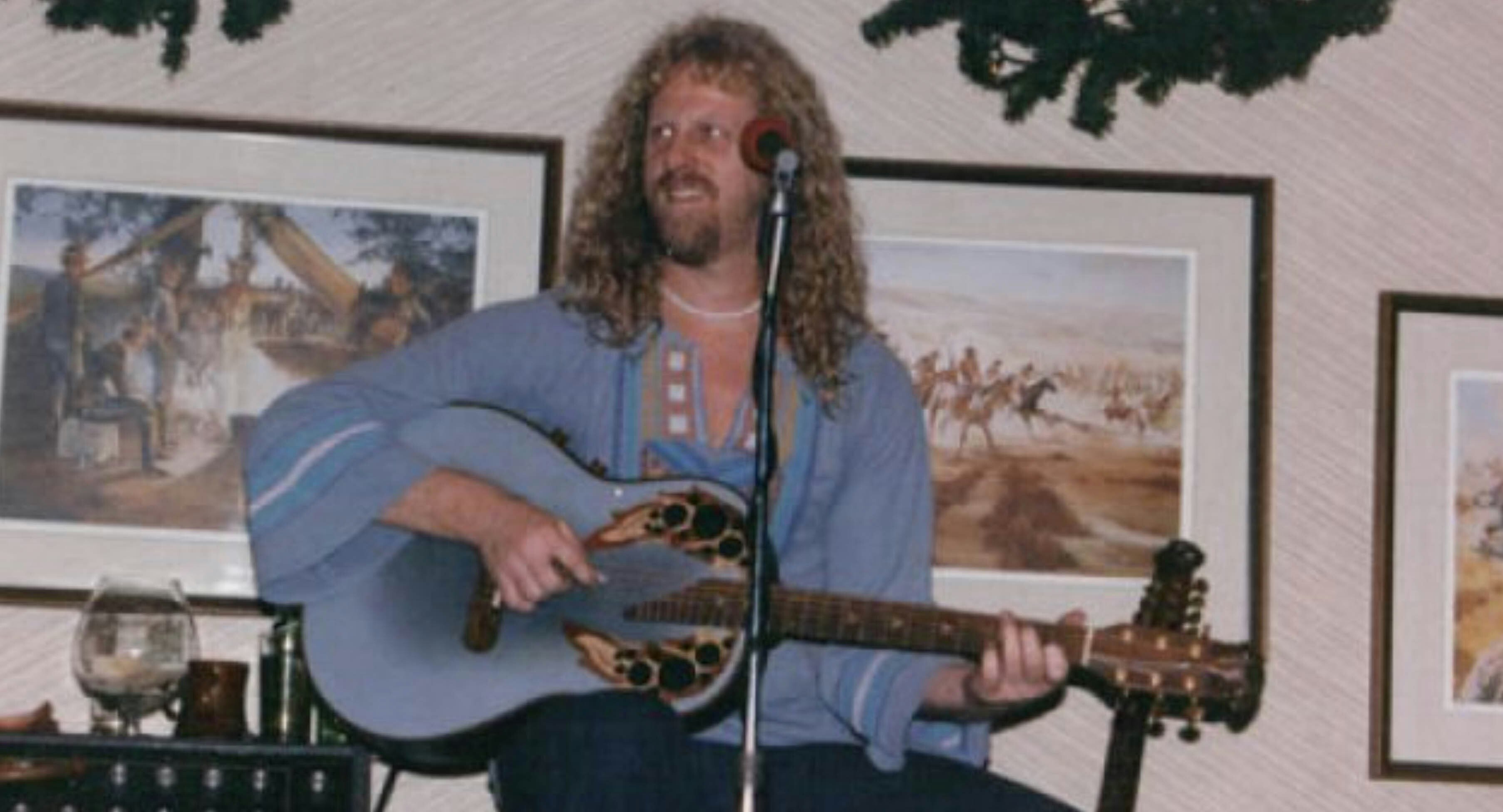
Singer, songwriter Michael DeGreve played at Cheyenne's Hitching Post for 30 years (Courtesy: Michael DeGreve) 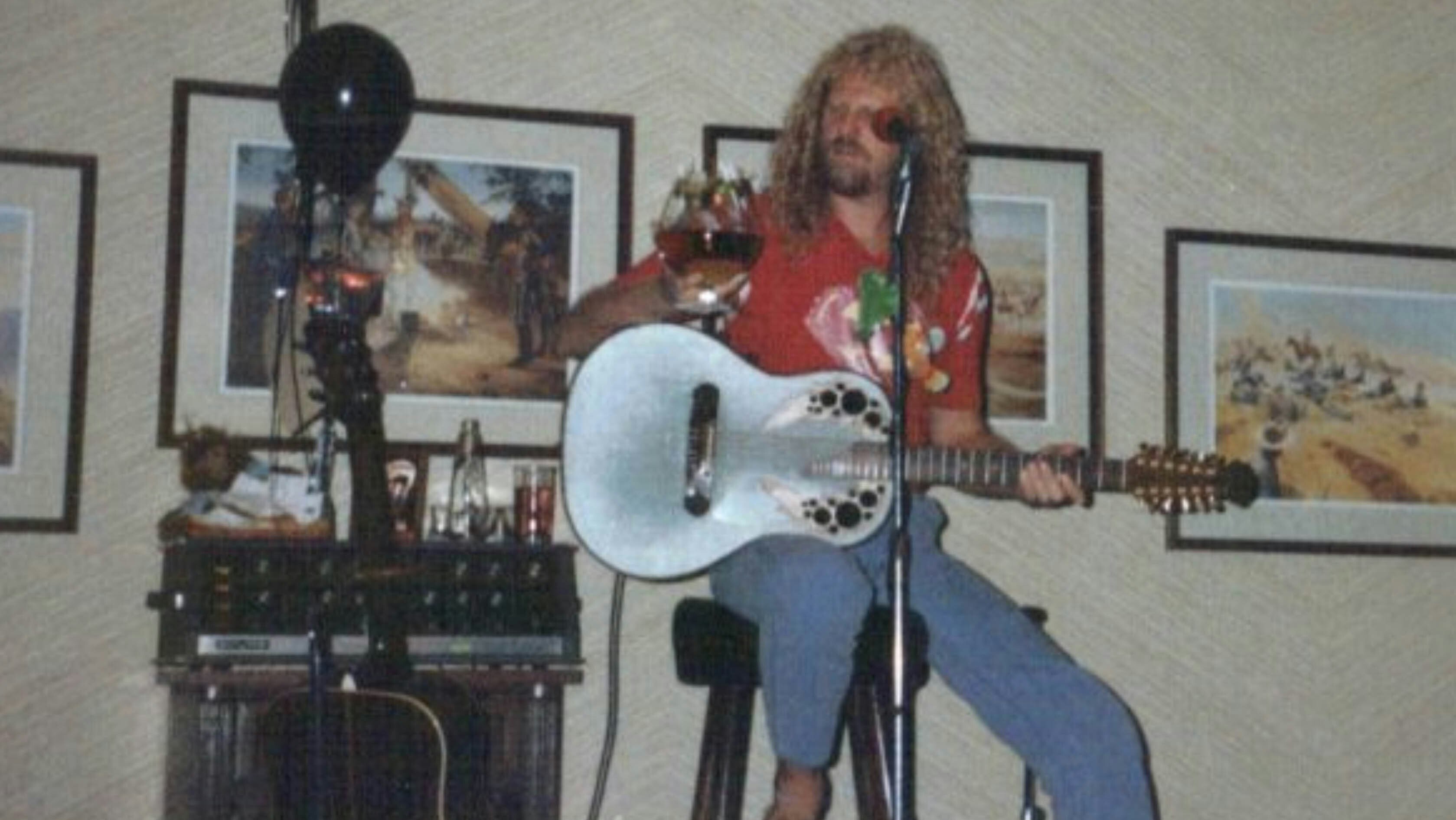
Singer, songwriter Michael DeGreve played at Cheyenne's Hitching Post for 30 years (Courtesy: Michael DeGreve) 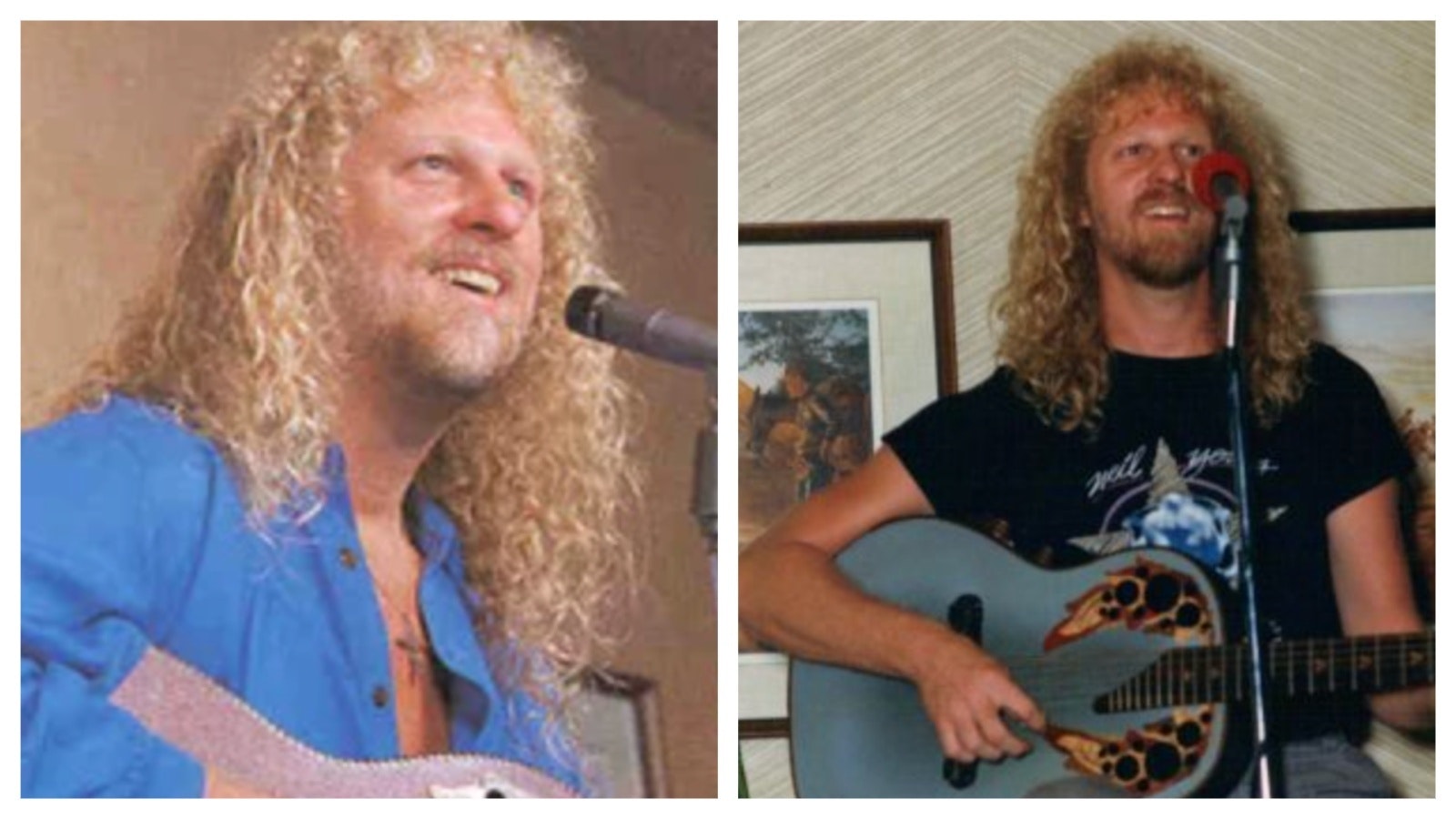
Singer, songwriter Michael DeGreve played at Cheyenne's Hitching Post for 30 years (Courtesy: Michael DeGreve) 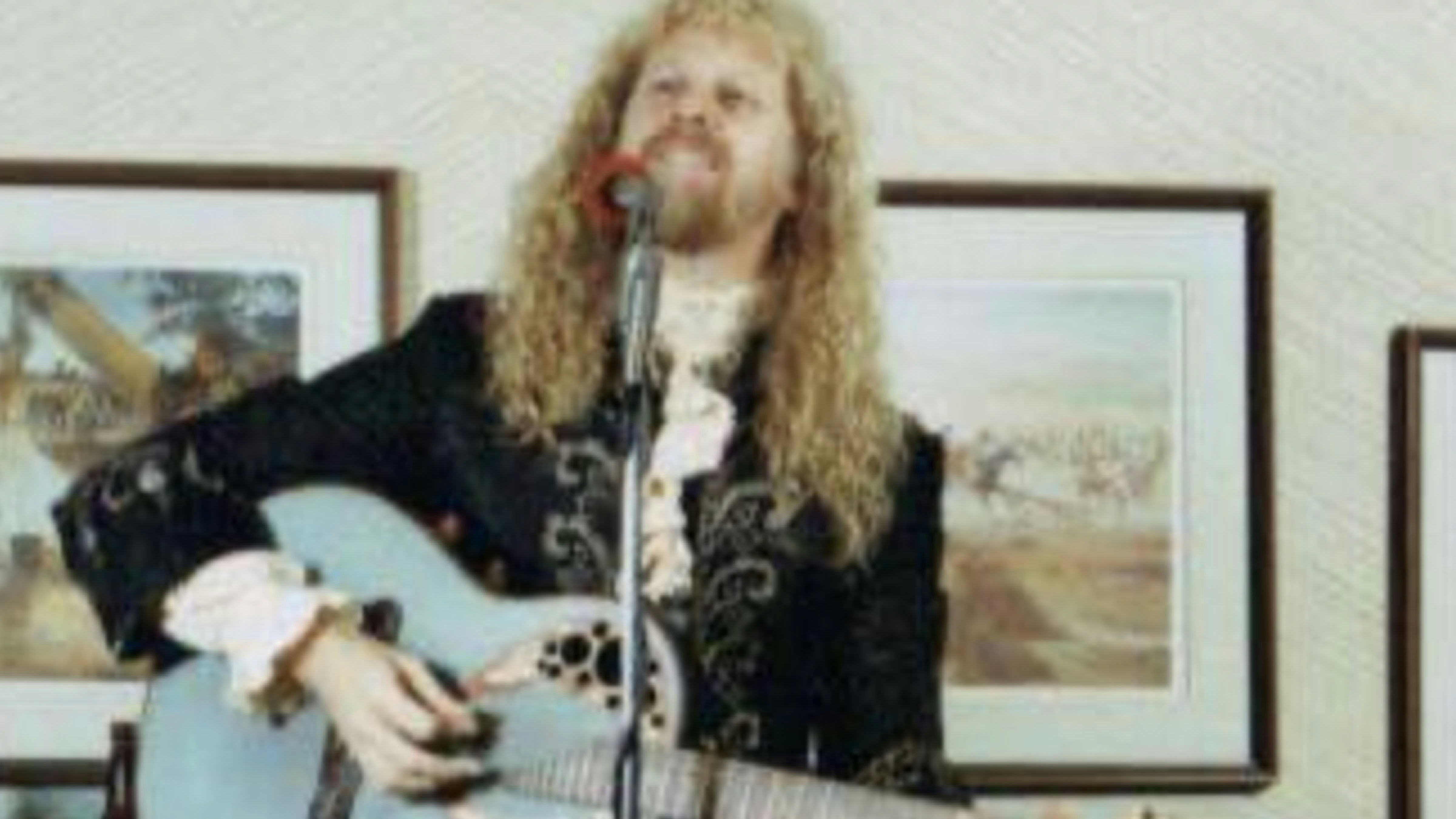
Singer, songwriter Michael DeGreve played at Cheyenne's Hitching Post for 30 years (Courtesy: Michael DeGreve) 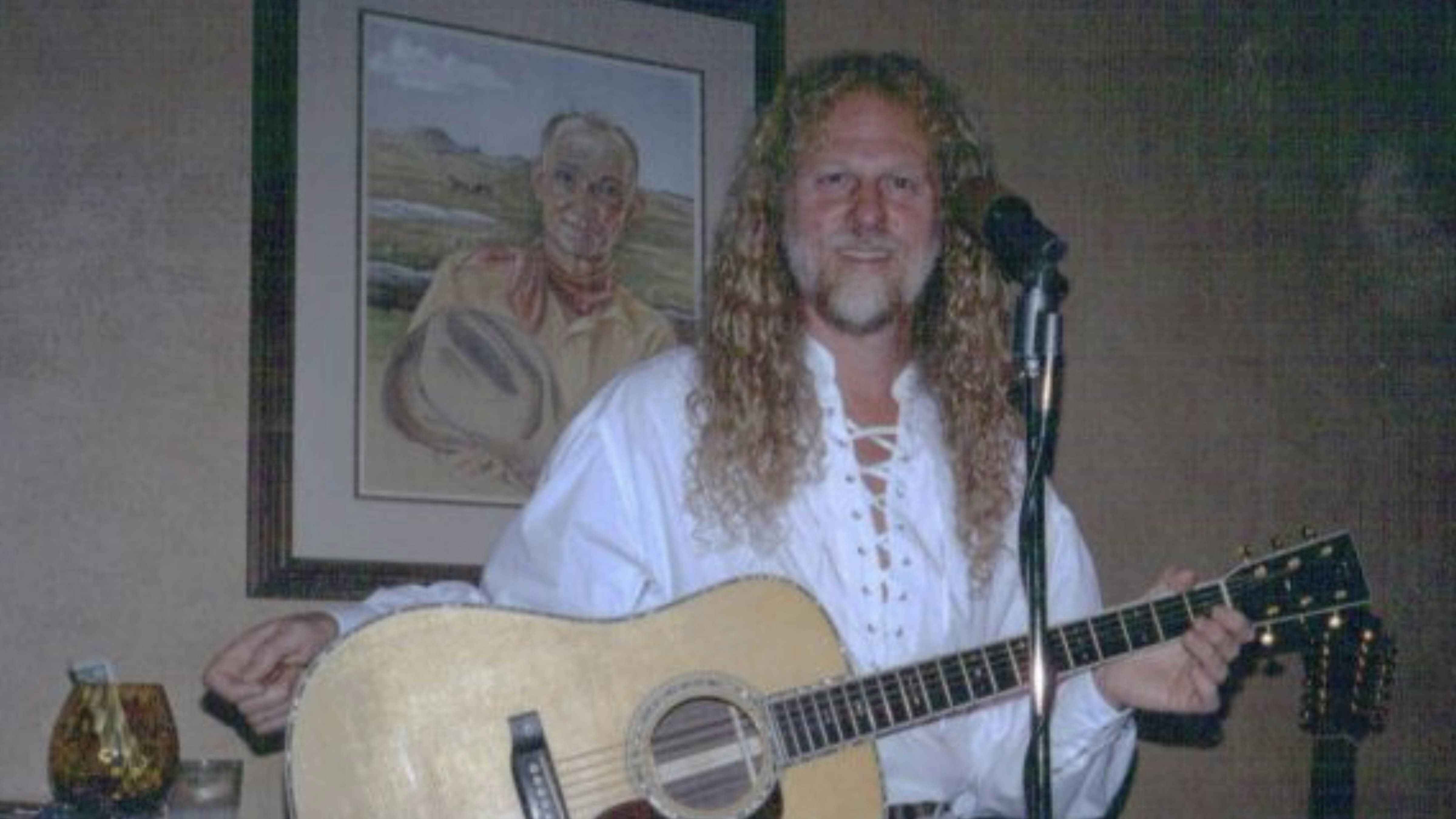
Singer, songwriter Michael DeGreve played at Cheyenne's Hitching Post for 30 years (Courtesy: Michael DeGreve) 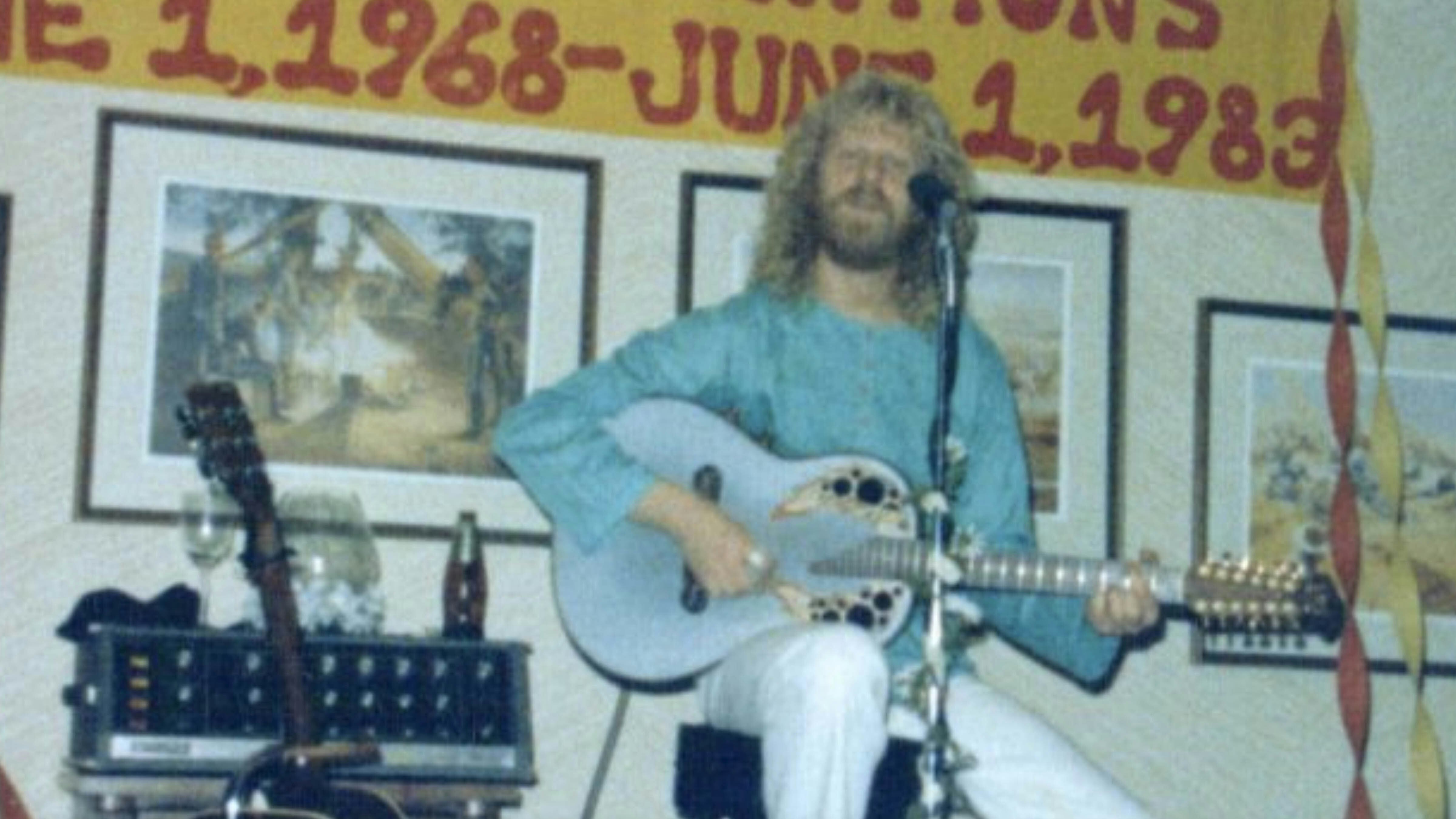
Singer, songwriter Michael DeGreve played at Cheyenne's Hitching Post for 30 years (Courtesy: Michael DeGreve)
Hitching Post Inn
They called it the Hitch, and it functioned as Wyoming’s unofficial second Capitol, a place where the majority of lawmakers and lobbyists slept, schemed and worked through their grudges each legislative session.
It was also one of the capital city’s year-round social hotspots, and for thirty years, from a small stage with a built-in sound system, one constant presence helped give the place its rhythm and warmth.
“The Hitching Post was like a really big house for a really big family, and we were fortunate enough to have an amazing musician playing in the living room every night.,” said Mark Harris, former legislator from Sweetwater County.
Beyond lawmakers, he was a hit with the city’s socialites, too, who came expressly for his set.
“He had groupies,” said Bob Farr, Cheyenne resident and lobby regular, who felt inclined to speculate further.
“I couldn’t say they were all his lovers, but probably a few of them were. And some of those girls came to see him practically every night.”
More than groupies, you might even say he had Cheyenne super-fans, like the woman named Betty who bought him a $20,000 guitar.
It was a Martin brand D-45, popularized by Steven Stills, a brazilian rosewood beauty known for its “baby grand piano” sound depth. But it’s not the specs of the ax, it’s how you use it, and DeGreve must have plucked those strings in all the right ways.
“I had it on loan for the weekend, and she came up at the break and said, ‘I love that guitar. I don’t want you to send it back. I’m buying it for you,’” DeGreve said. “I told her, 'Betty — Betty-Betty-Betty — no! You are not buying me this guitar.'”
She bought him the guitar.
He even built a following with the out-of-town visitors, who called ahead to confirm he was in town before they booked their rooms.
DeGreve turned the hotel lobby into a sort of grown‑up night-time story hour, playing requests from a staggering repertoire of 500 songs, all committed to memory.
“We’d try to pick the most obscure songs in the world to see if we could stump him. But you couldn’t do it,” said Brian Leneschmidt, Cheyenne resident who pursued his own musical career with the encouragement of DeGreve.
“This was before people had their iPads with lyrics on the mic stand. I was always blown away that he had that many songs in his head.”
He rang in dollar‑off shots at the top of each hour — always taking one himself — and each night delivered a famously rollicking toast that began, “All good things to all good people. Peace, love, sex, hope, sports, music, Hare Krishna….”
The crowd knew it by heart and recited it with him like a sing-a-long.
“He was the best at working a crowd, knowing how to make people feel at home, feel comfortable, feel included,” said Leneschmidt. “ It was just like being in your living room with a whole bunch of friends just having a great time, and the thing that made him so good is that he was an amazing storyteller.”
All American Turns Hollywood Hippie
Lobby regulars would have heard DeGreve share the stories of his Hollywood years, and how he grew up without a father but “ twice as good a mom.”
He was a Catholic kid from North L.A. and an All‑American basketball player at Verdugo Hills; he was recruited by John Wooden, and had scholarship offers and NBA dreams.
That plan changed after an ACL tear delayed his college start, and he took a job at the LA Times, where he fell under the wing of music critic Pete Johnson during a golden age of counter culture.
The Doors were still an opening act at the Whisky a Go Go. Jefferson Airplane, the Byrds and Buffalo Springfield were regulars on the Sunset Strip. It was infectious, DeGreve said, and it led him to give up his college scholarship and join a band called The Lid.
“The hippie thing bit me, brother,” he said. “My poor mom when I told her I’m not going back to college to play basketball, because I’m joining a rock‑and‑roll band on the streets of Hollywood.”
The Lid didn’t last, but he ascended as a solo performer and soon found himself among the era’s marquee talent. He also dabbled in its wild, all-night milieu, often referenced by the common phrase: “If you can remember the 60s, you weren’t really there.”
DeGreve remembers it clearly. But when you ask him about his wilder era, he becomes uncharacteristically shy, almost weary, as though it’s a part of his past he might prefer to forget.
“I’m not gonna say that I didn’t choose a few hippie things. I certainly did my experimentation. I had my psychedelic era,” he said.
But he pulled back early after seeing his closest friends pay a steep price from addiction. He was able to mitigate the self-destructive aspects of the counter culture by deepening his practice in Eastern spiritual philosophy, he said.
You can visualize what those “hippie things” might look like by recalling a few known anecdotes, like the fact that he dropped acid with Jimi Hendrix at the Whiskey a Go Go, or that he got drunk with Janis Joplin in the recording studio.
“Psychedelics, to me, were a catalyst. I learned a lot. But it wasn’t something I wanted to pursue as a lifestyle,” he said.
Power Couple
He married the actress Susan Sennett, who starred in the "Adventures of Ozzie and Harriet," and was a regular in national advertisement campaigns.
Meanwhile, Tina Turner played with DeGreve’s long golden hair during studio sessions with the biggest producers in Motown, which resulted in a cultishly revered album from The Truth described as “Peter, Paul and Mary meets Jefferson Airplane meets Motown.”
DeGreve and Sennett in the 70s enjoyed the spotlight as one of Hollywood’s young power couples. But he was restless to gig, spent much time on the road, and within five years their marriage unraveled.
‘Happens To Lots Of Folks’
Not long after his break from Sennett, he got a call from his agent asking his thoughts on Cheyenne.
“I said, I don’t know — where is it?” DeGreve recalled.
The plan was to stay for two weeks, sing a few songs, pick up a check and head back to California. But Wyoming has a way of roping people in.
“I drifted here from southern California/just to sing a couple songs and hit the road. That was eight years ago last time I counted/ happens to lots of folks this way I’m told,” DeGreve sang on Silver Linings from his album Gypsy’s Lament.
Eight years was just the beginning.
“Here I was this Hollywood hills hippie who came out and shook hands with a guy for a two week deal. I ended up staying there and playing six nights a week for the next 30 years.”
In Cheyenne, he wrote the acclaimed album “Gypsy’s Lament,” a record that was bolstered by a lineup of musical heavyweights, including Graham Nash of Crosby, Stills & Nash.
The way Nash entered the picture is a peculiar story, with an appropriately Hollywood twist, and all these years later, it still makes DeGreve grin.
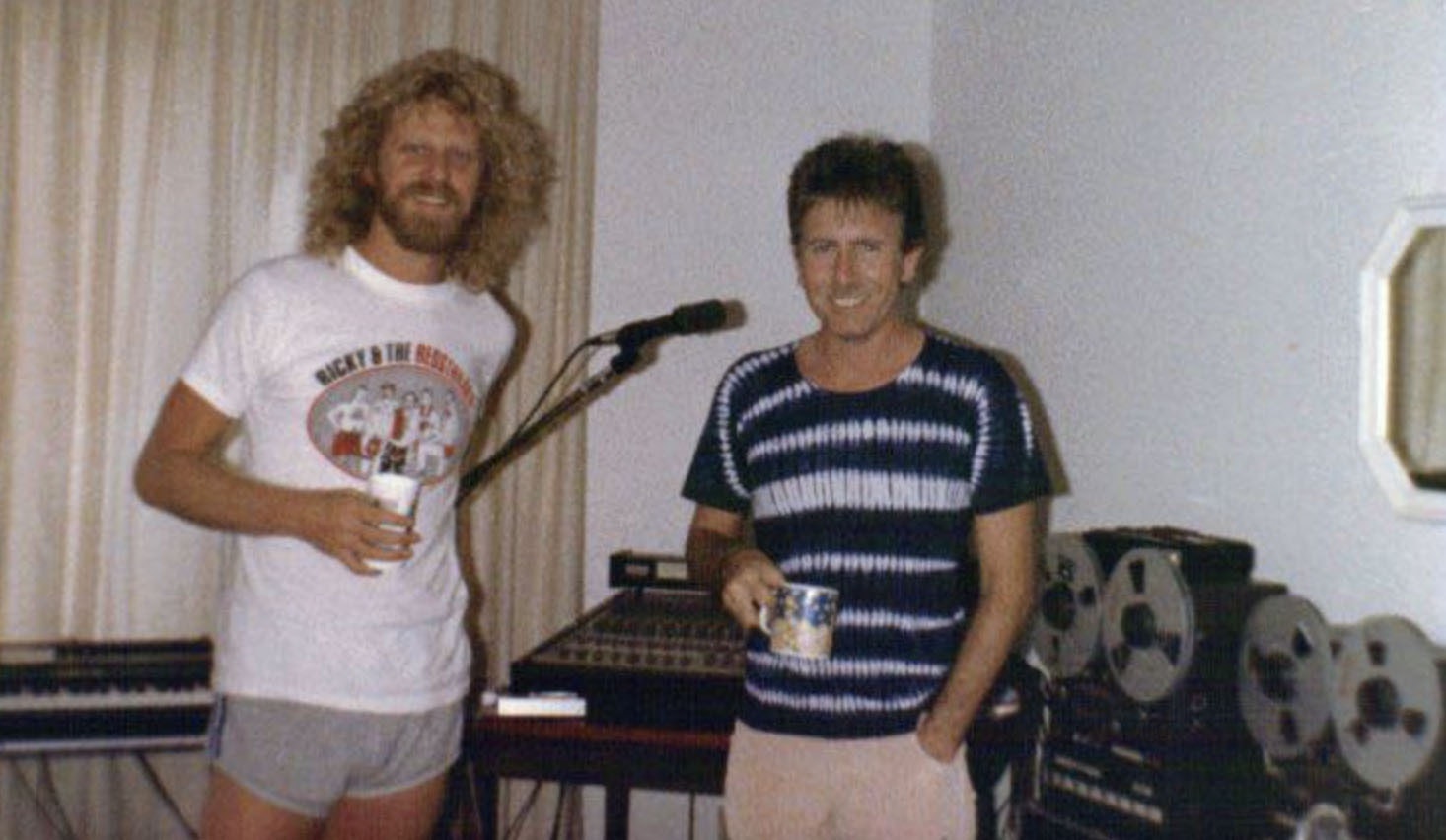
Michael Degreve and Graham Nash (Courtesy: Michael DeGreve) 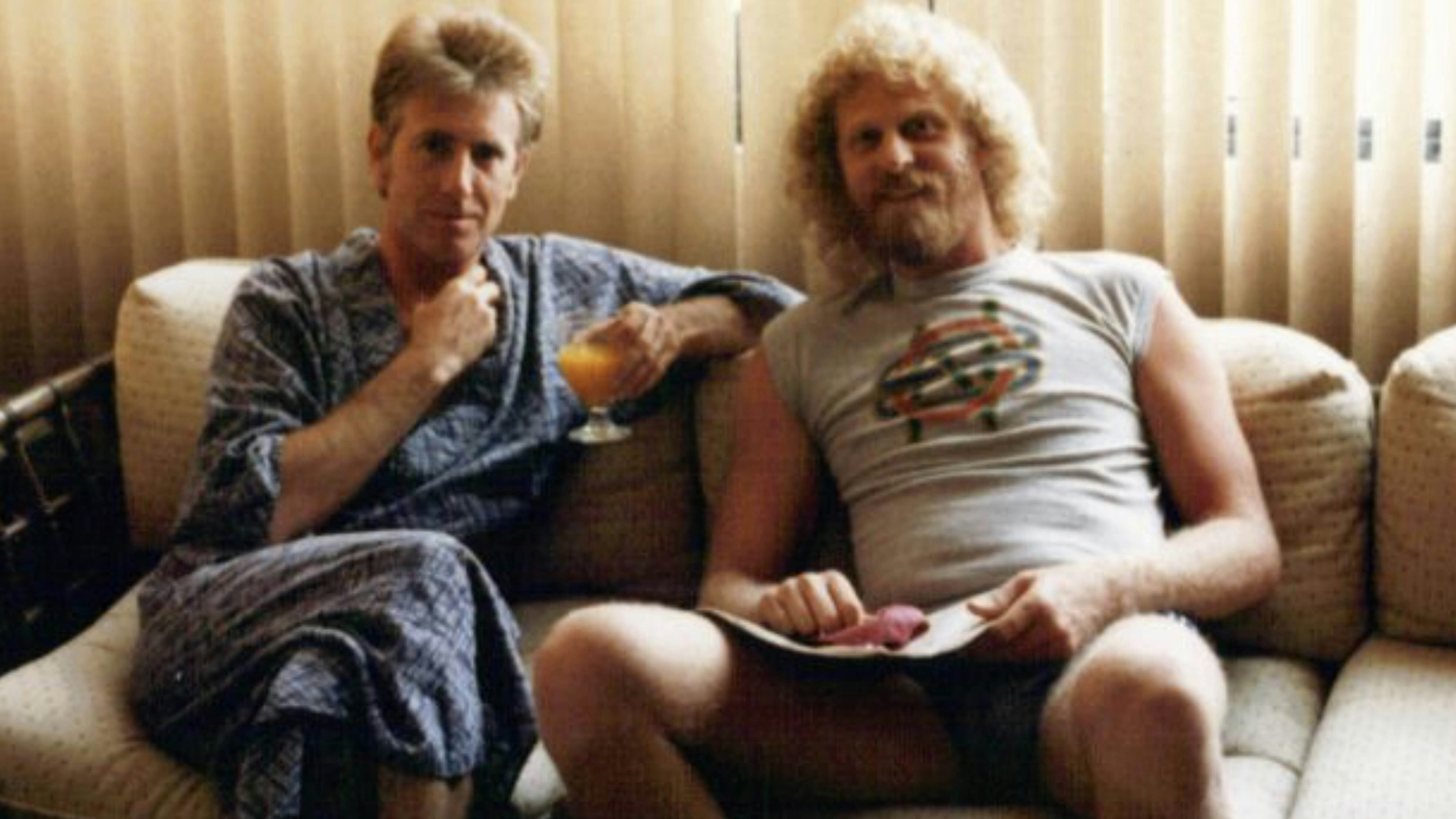
Michael DeGreve (right) and friend Graham Nash (Courtesy: Michael DeGreve)
Graham Nash In The Bathtub
After he and Sennett separated, they stayed in touch and she continued to call him on birthdays. It was his 27th birthday he remembers best.
“Susan called to wish me a happy birthday, and then she said, ‘There’s somebody in the bathtub who would like to wish you a happy birthday too: It’s Graham.’ And I said: NASH!” DeGreve recalled.
“Graham Nash was one of my all-time favorite musicians ever, and here he is telling me, ‘Man, I was always in love with Susan, but I never did anything while you guys were together –—God’s truth,’” DeGreve remembered.
“I said to him, Boy, you little sucker, the least you could have done was told me about it when you were living with Joni Mitchell. We could have worked something out.”
What they worked out instead was a musical collaboration, and you can hear Nash’s trademark high harmony on DeGreve’s songs.
David Lindley, who played lead guitar with Jackson Browne, helped on the album also, as did legendary bassists Randy Meisner, of the Eagles, and Leland Skylar, who played with James Taylor, Carole King and Phil Collins.
“That was my band. I had to pinch myself that they were there working on my music,” DeGreve said.
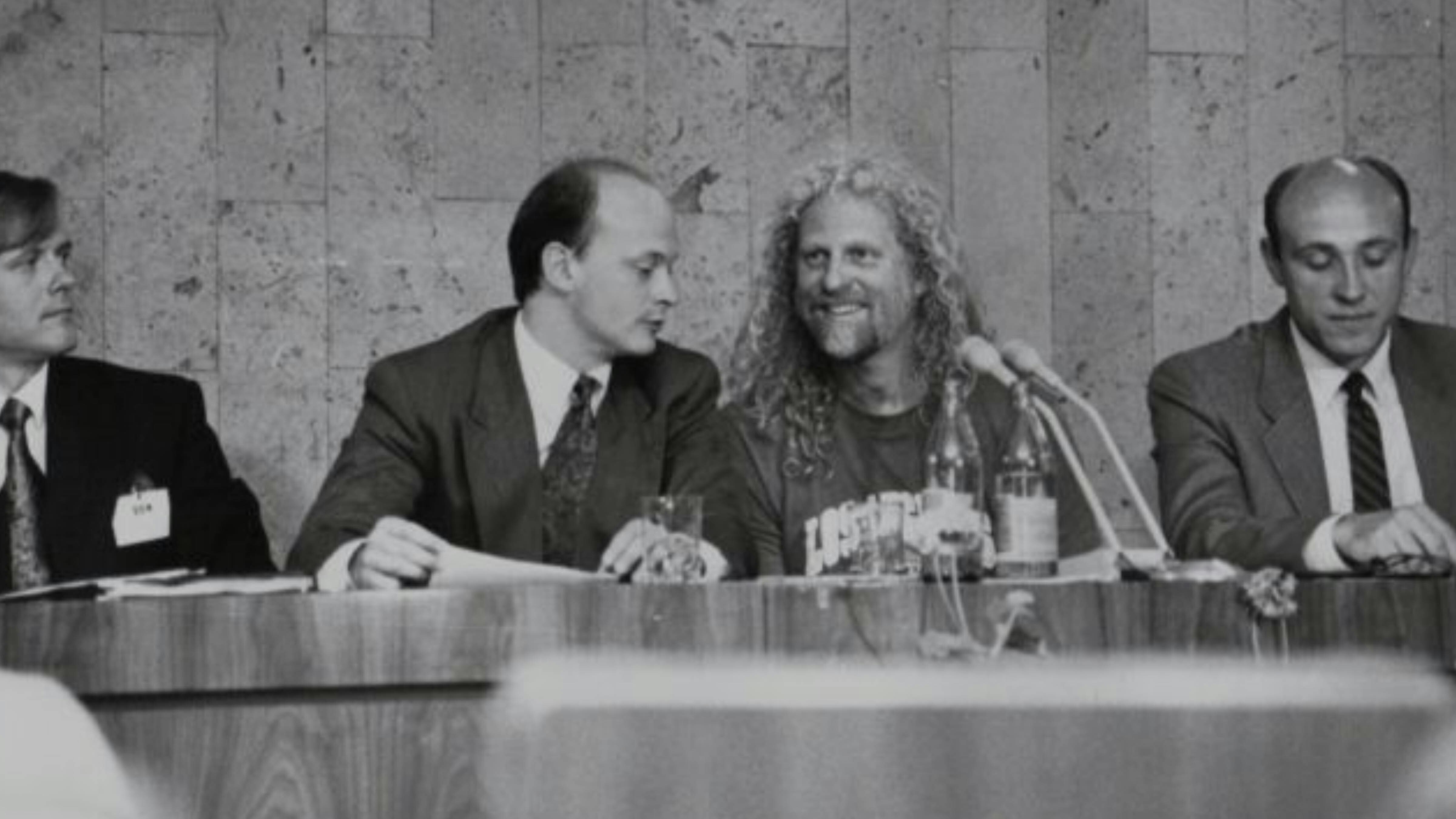
The album was a hit stateside, but it was a mega hit in Russia.
Rock Royalty In Russia
At the time there’d been Russian rig workers in the Wyoming oil fields. When they took "Gypsy’s Lament" back to their motherland, it blew up.
“All the sudden, people are calling me, like, ‘‘Misha, you must come to Moscow. You must do a film and you must play the big festival for all eastern Europe,’” DeGreve said, with a Russian accent.
In true Gypsy form, he headed for an unknown land.
“I got off the plane, I was crushed with roses, this big press conference at the airport. They treated me like a Beatle or something.”
‘First Vegetarian I Ever Met’
In some ways, DeGreve would seem like an unexpected fit in a place like Cheyenne.
“He was the first vegetarian I ever met,” said Leneschmidt.
In Hollywood, he partied with draft-card burners; in Cheyenne, he partied with soldiers and Vietnam vets. But that was the quiet magic of the Hitch: once you walked through those doors, it wasn’t about politics or tribes, it was about people, Harris said.
“With Michael in the lobby, we put all that stuff down, the fights and the debates. It was about relaxing and unwinding, and getting to know each other as human beings.”
DeeGreve helped build community outside the Hitch also.
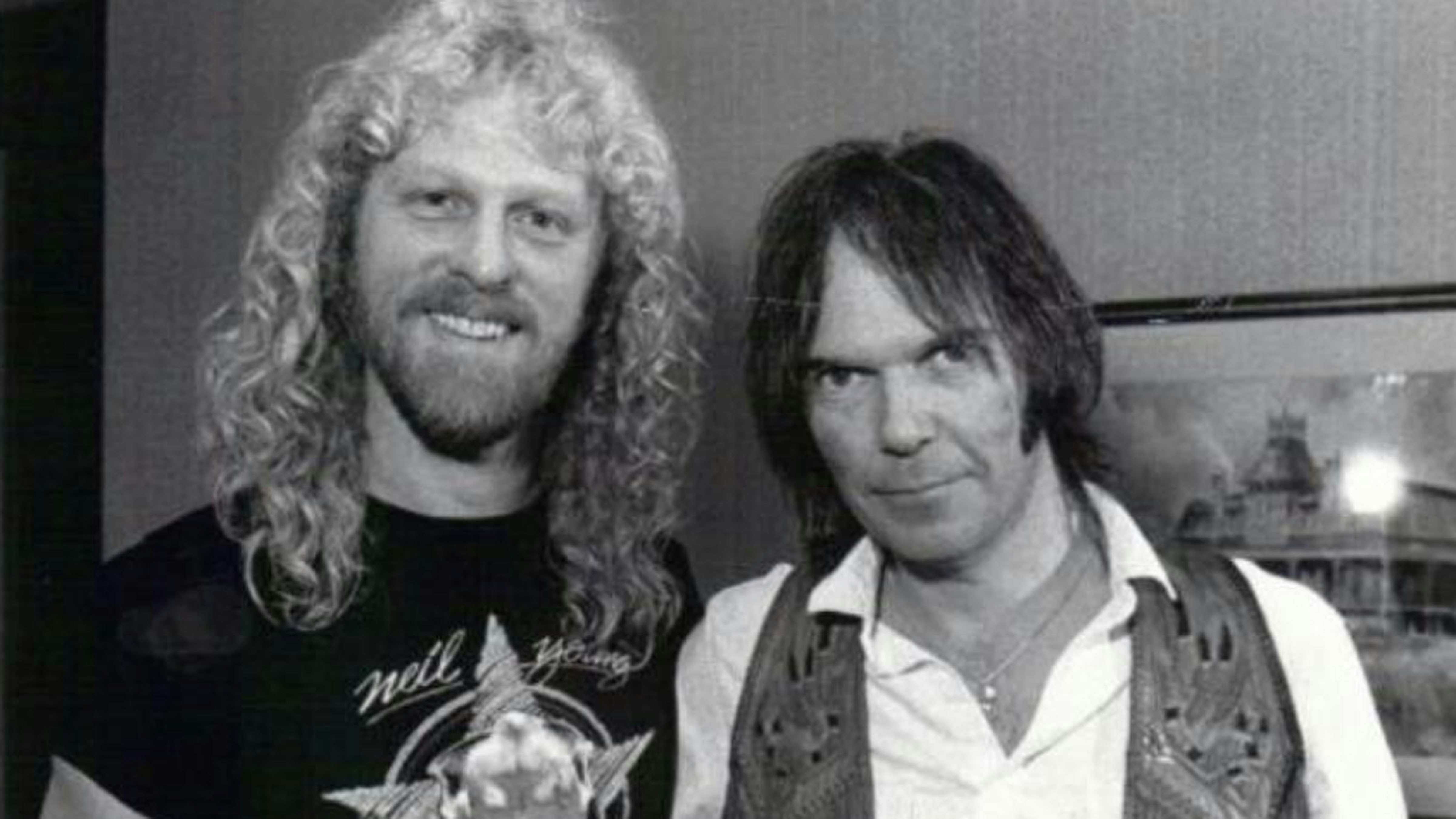
Michael DeGreve and Neil Young at benefit concert following 1985 flood in Cheyenne (Courtesy: Michael DeGreve) 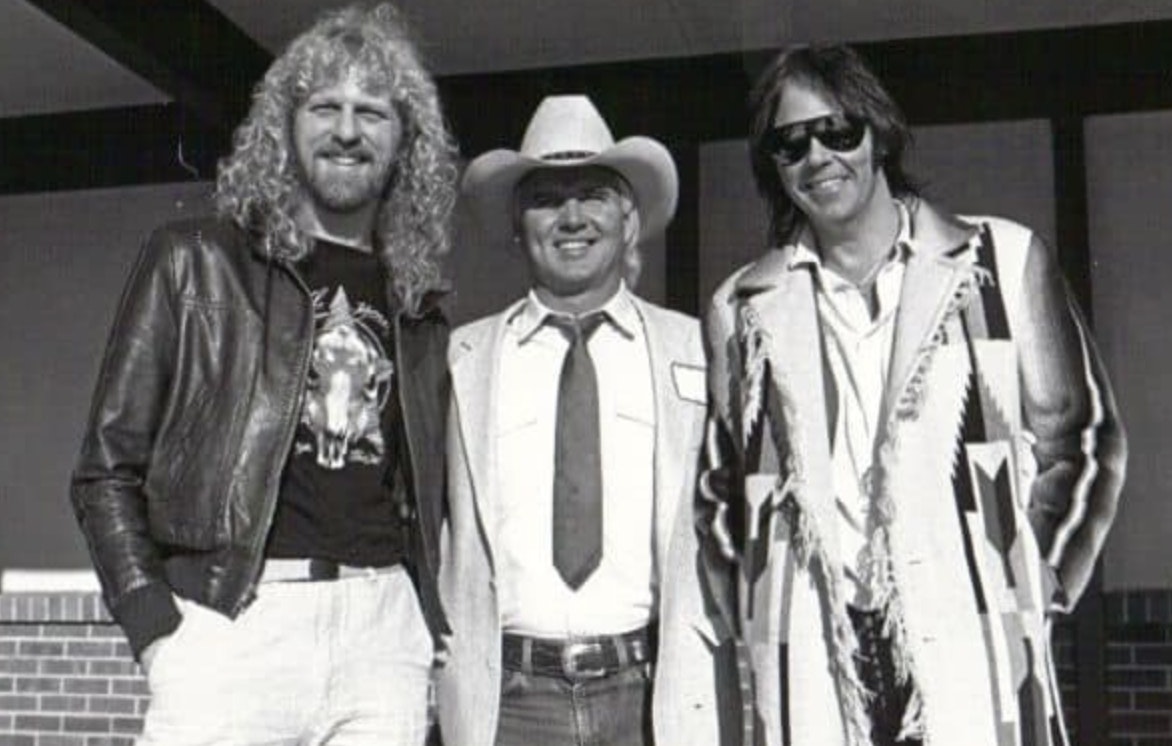
Michael DeGreve and Neil Young at benefit concert following 1985 flood in Cheyenne (Courtesy: Michael DeGreve)
Neil Young At Silver Linings
In 1985, the city was hit by a flash flood that killed a dozen people. Gov. Edgar Herschler called DeGreve with a request to help raise money for the injured families in a benefit concert.
DeGreve got onboard, and then he picked up the phone to call in a favor with another rock legend — Neil Young — who co-headlined the Silver Linings benefit concert at the Frontier Days stadium.
The next time he was approached for a community benefit, although, he hesitated.
‘God, I Hope They Like This Song’
Years later, as the city prepared to dedicate a war memorial, a local chapter of the Vietnam Vets Motorcycle Club petitioned DeGreve to write and perform a tribute song for the dedication event.
He begged off.
“I said, Look, it’s my era, my age, but I wasn’t there, brother, I’m not the guy to do this’” DeGreve recalled, explaining that the bikers wouldn’t take no for an answer. “They said, It doesn’t matter. We trust you.’”
He agreed, but he refused to preview the song for anyone ahead of the ceremony. When the day came, hundreds of bikers encircled the memorial. Television cameras rolled. Dignitaries stood by.
“I thought to myself: God, I hope they like this song,” he said.
He called it “American Soldier,” and it moved servicemen to tears.
“When I finished this biker known as Big John walked straight toward the stage. I thought, oh, he’s going to kill me. But he said, ‘Michael, I hate that f—ing song. It’s too close.’ Then he hugged me hard and started crying.”
It’s these memories that came first to mind when his act was cancelled by new owners of the Hitching Post Inn in the aughts, after which he moved to a multi-year gig in Wisconsin then on to another in Las Vegas.
When the hotel was later destroyed by an arson fire as part of an owner’s failed scheme to bilk the insurance policy, DeGreve was crushed by the news.
“I was there the day it burned down, and I sent some photos to Michael, and he was crying when I told him about it,” said Farr.
DeGreve remembers the moment vividly.
“For everything I’ve done in my life, that time in Cheyenne meant so much. That was my space, man. It was my family,” DeGreve said.
The former owner, Paul Smith, had stood up a placard at the hotel honoring DeGreve. Farr snuck in one night and excavated it.
“I became a halfway felon that night, risking my veterinary career, but I knew Michael would love to have that, so I snuck up there one night and pulled it out of the ground and then took it to him in Vegas,” said Farr.
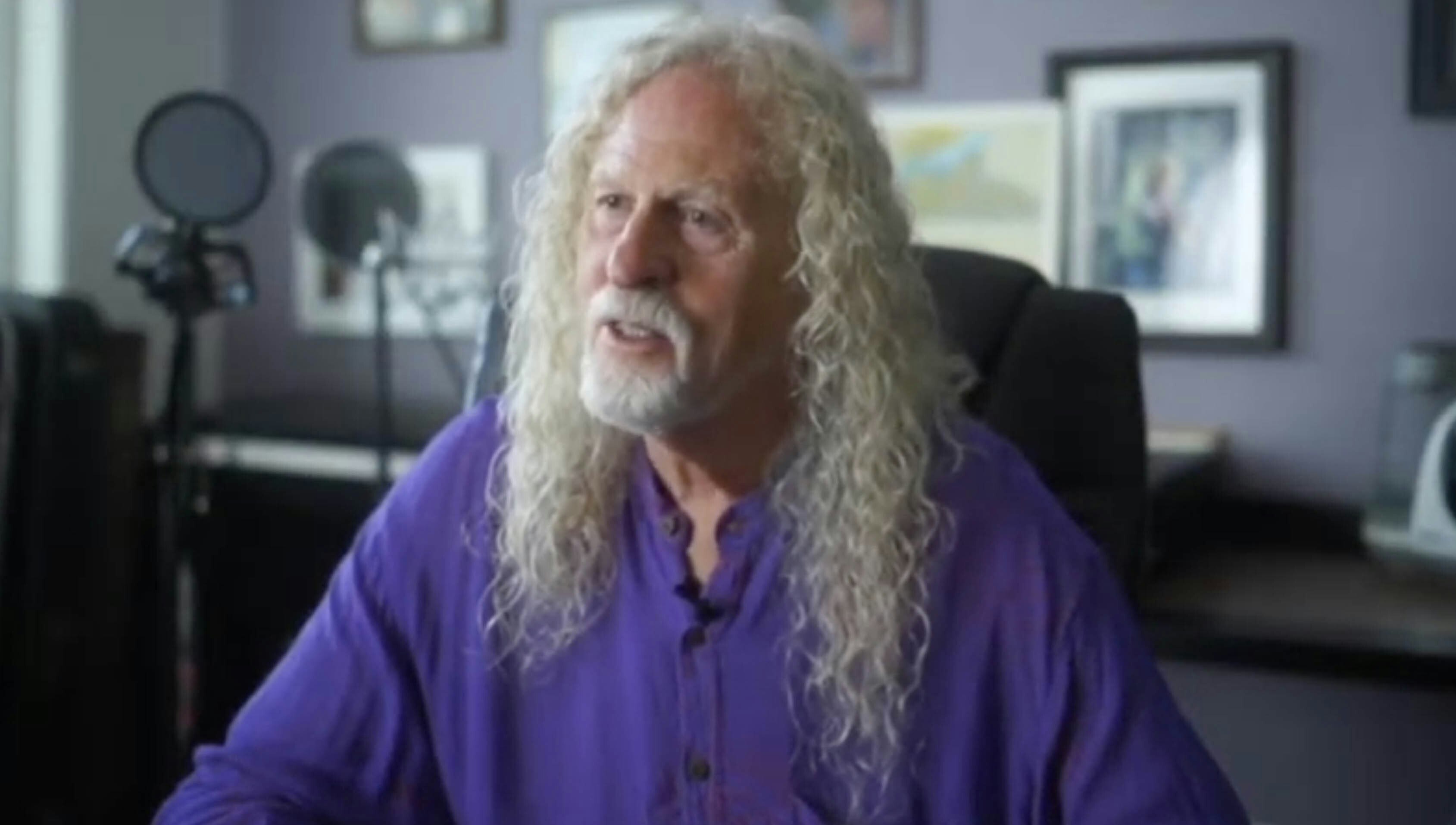
Michael DeGreve in 2019 (Cowboy State Daily Staff)
Final Act
DeGreve built a recording studio at a home in Grants Pass, Oregon, and set out on projects to honor the legacy of Hitch and his Cheyenne years, including a record with songs whose creative sparks are traced back to Wyoming.
But those projects were derailed in 2021 by a diagnosis of prostate cancer. By the time they discovered it, the cancer had already spread to his bones; his doctor told him he had a maximum of five years left.
It’s been four-and-a-half years since then.
After a failed chemotherapy treatment, he switched to experimental drugs that have helped stall the disease’s progression, which appears like a miracle to Farr.
“This cancer had spread everywhere in his body. He should have been dead,” said Farr. “And yet because of his personality, because of his wanting to live – his will to stay alive – and because of his wife, Kristen (Reitinger), who loves him and takes care of him, he’s still alive today.”
DeGreve sees his struggle through a lens of art and spirituality, with each day an opportunity to become a humbler man, while admitting that some aspects of the fight are harder to cope with than he’d have guessed.
“My whole life, and all the way into my mid‑70s, I still had all my hippie hair. Then they took it,” he said. “It’s depressing. You look in the mirror, and it’s like, who is that guy? I don’t know that dude. It’s all very humbling.”
“I don’t know what’s going to happen, but I’ll do whatever I have to and whatever they want to put me through to extend this life, and see if I can’t possibly beat this. My mantra every day is that it’s not what I can’t do — it’s what can I do,” he said, adding that in addition to his family, he’s fighting for the posterity of his music.
“Before I leave this planet, I’ve got to at least get these songs done,” DeGreve said. “Some of my best songs are never even recorded. ‘American Soldier,’ ‘Midnight Train to Moscow,’ ‘Night Fire,’ ‘The Promise.’ I want all the people in Wyoming that supported and loved me for all these decades to at least have these songs.”
Zakary Sonntag can be reached at zakary@cowboystatedaily.com.
Below is an interview Cowboy State Daily had with DeGreve nearly 7 years ago:
Zakary Sonntag can be reached at zakary@cowboystatedaily.com.