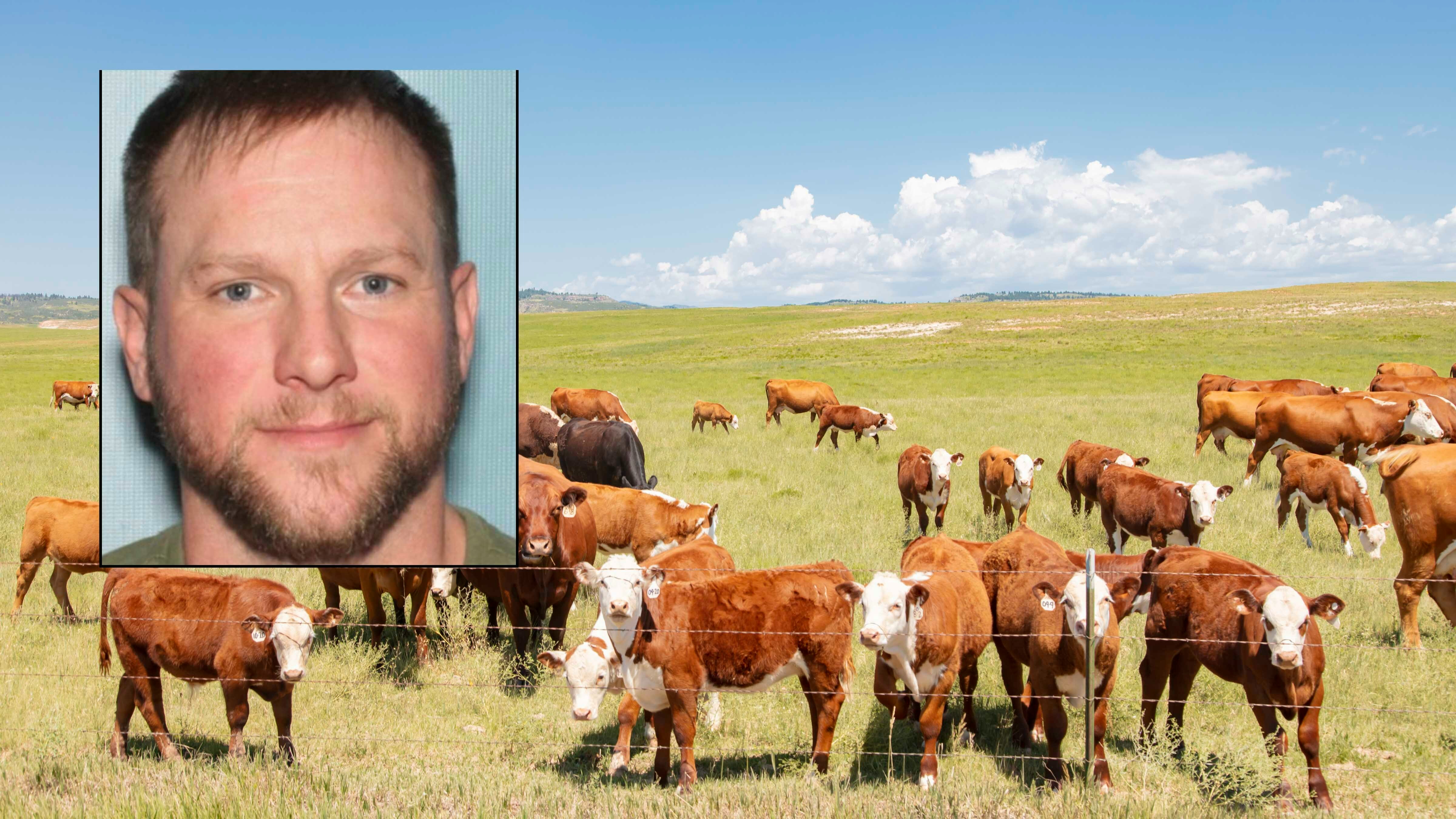
Dominic Bravo doesn’t sound like a marketer when he talks about tourism. He sounds like a commander, rallying the troops for battle.
Not that it’s a culture war or a partisan fight. It’s just the ever-present battle for relevance — to Bravo, an all too familiar fight.
“In all of the spaces that I’ve worked in, it always feels like fighting for relevancy because they always consider these to be soft industries,” Bravo said in his first major public conversation as Wyoming Office of Tourism’s newly appointed executive director. “You’re not health, you’re not public safety, you’re not roads, you’re not infrastructure, so how can you be critical?”
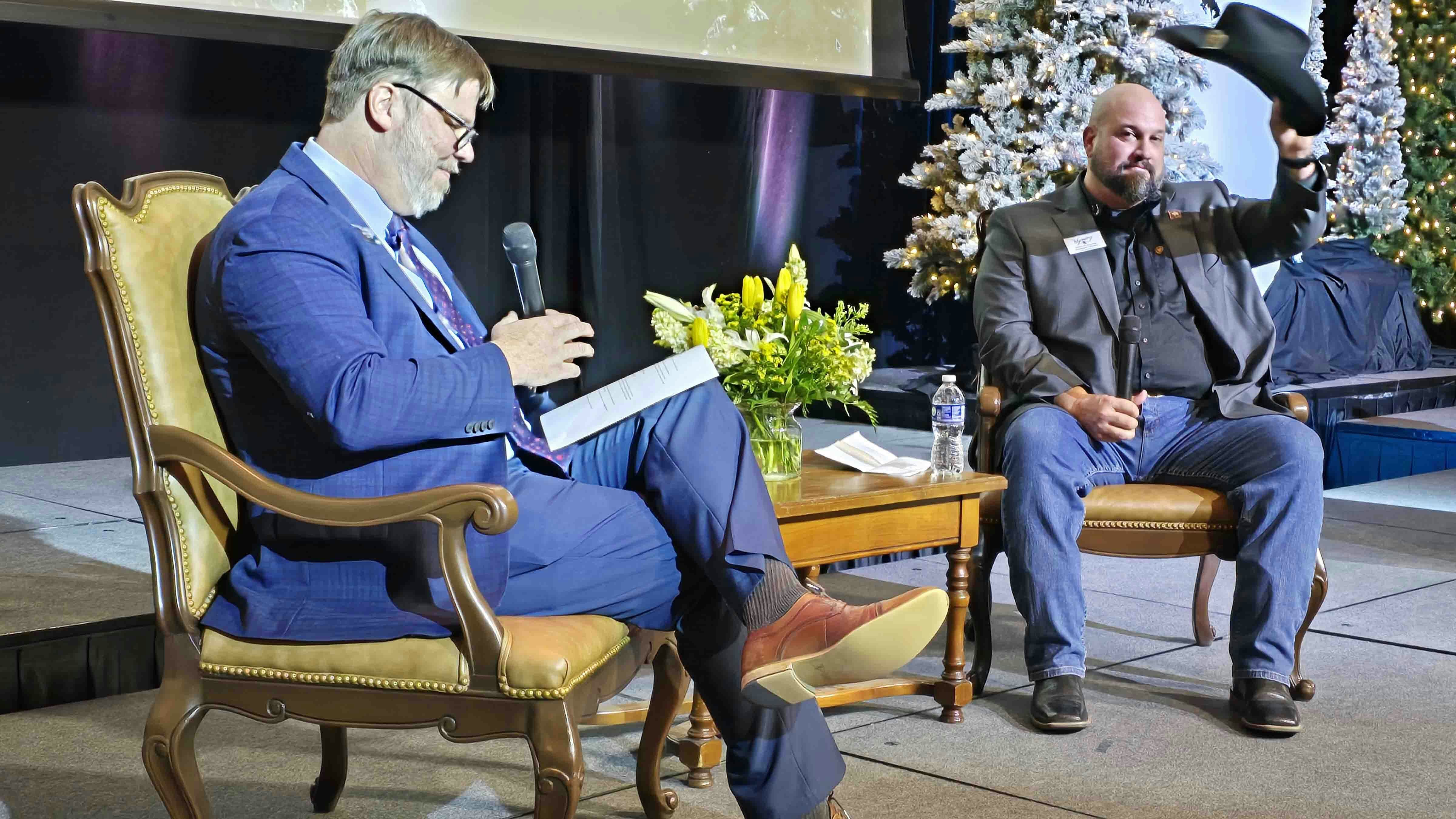
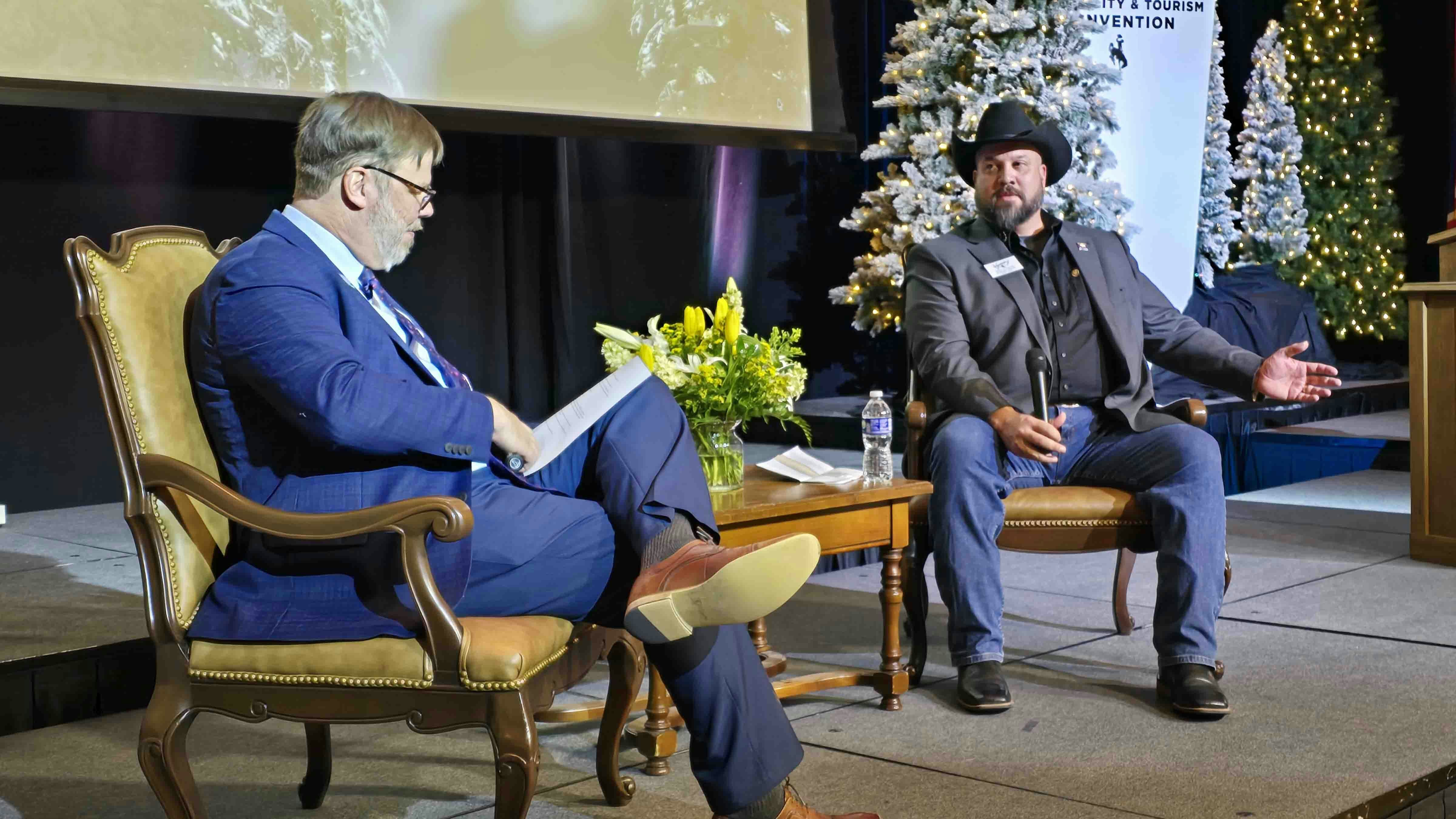
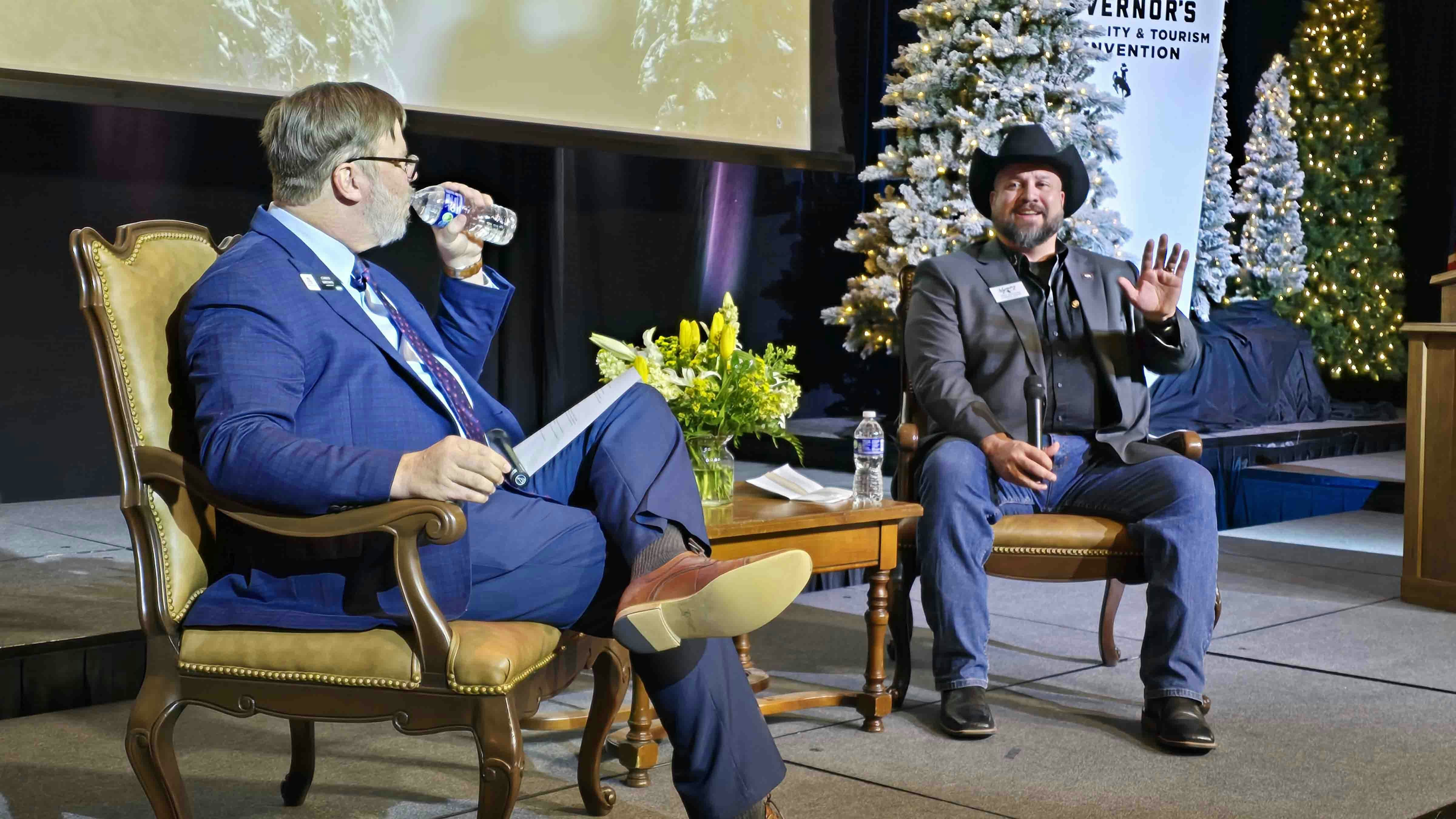
Bravo outlined the battle lines as he sees them, as well as his strategies for defending tourism, during a fireside chat led by Wyoming Hospitality and Travel Coalition Executive Director Chris Brown.
One thing Bravo finds disagreeable is the very idea that tourism is soft. Those are fighting words, as Bravo sees it. Tourism is the state’s No. 2 industry, generating nearly $5 billion in economic impact.
That makes it more than just a nice-to-have.
It’s a must have in Wyoming, for all the things people list as critical, Bravo said, whether that's roads and schools or police and fire departments.
But the essential nature of tourism drives even deeper than that.
All of the “great mom and pop shops” in small communities across the state can’t continue to exist without the extra business that tourism brings in.
“That’s a narrative I’m really trying to get out there,” he said. “The population of a local community can’t carry (those businesses) through time without visitors coming in and spending money. I think leaders don’t realize that if we didn’t have the visitors coming in and helping to prop up our business in that space, they wouldn’t enjoy the quality of life that we have.”
Bravo self-identifies as an introvert, he said at one point during the wide-ranging conversation with Brown.
But on this point, he knows he can’t afford to be quiet and watch from the corners of the battlefield.
“I’m a little bit of a shield,” he said. “But also, the tip of the spear.”
Finding Tourism
To understand Bravo’s policy ideas, it doesn’t hurt to understand his “jack of all trades” background and how that feeds into his new role.
Bravo didn’t start out planning a career in tourism at all, though he did have some early jobs in the hospitality industry while attending college to become a park ranger.
There was the job at a bistro, for example, where he was rapidly promoted to manager, and then there was the job at a gas station, where it was all about changing brakes and balancing tires as fast as possible. He also did a stint as backup night auditor at a hotel and served as security for events.
After college, Bravo landed in Nevada as a park ranger, a job that he loved and that felt secure.
But he wasn’t content to stay put for very long. He hand-trenched a phone line from the corner of his campground to his residence. Then he worked on a master’s degree, so he could pursue a job as a park superintendent, ultimately moving on to Carson City and then Reno.
“It was there that I kind of cut my teeth on everything under the sun,” he said. “Name it, I have probably dealt with it in some way, shape or form, there in the Carson City area.”
He and another ranger set up a park ranger association and pushed for legislation adding rangers to the police/fire retirement plan.
The experience gave him a taste for administration, and fueled his next leap to Wyoming, where he took a job as administrator for the Division of State Parks at the age of 30.
While here, Bravo has testified “at least 40 times” in front of legislative committees, helped stand up the Office of Outdoor Recreation, and then made another leap that wasn’t necessarily intuitive, leading VisitCheyenne.
Bravo took that job just in time for the global COVID-19 pandemic, which put a whammy on events, requiring him to think outside the box when the city’s signature event, Cheyenne Frontier Days, was canceled.
That led to a brand-new rodeo series, one that’s still going, as well as several other new events that are still going in Cheyenne.
What To Do About Too Much Love?
Wyoming’s biggest challenges, as Bravo sees it, are balance and politics.
“Each destination in our state is facing different challenges,” Bravo said. “So, to be able to balance that, and I’m picking on Teton County, but as I mentioned, like you definitely still want to maintain the level of business. I would never want someone to call like from the Wort Hotel, and say, ‘Whatever you’re doing is making our occupancy go down.’”
At the same time, there’s an overall visitor experience to think about across the state. In Teton County, hotel rooms are full at times, and roads and trails crowded. The visitor experience can suffer due to an area’s own success.
In the meantime, there are plenty of communities that would like a slice of that prosperity for themselves — more traffic, more “heads in beds,” more restaurant tabs and fuel receipts.
“How do we balance that?” Bravo said. “That does go back to one of the big goals I was talking about, that visitor management system.”
A data-driven visitor management system could help smooth out some of the peaks at very popular locations, without taking away from overall business, Bravo suggested, while also shifting some of the love to other places in the region that are hungry for it.
“(That) can take a very nuanced approach,” he said. “A lot of it is based on all the communities and folks who are probably doing the great work in your communities to either build up or do smart growth or manage their systems.”
Politics, meanwhile, is affecting multiple fronts of Wyoming tourism right now.
“The political climate right now makes it difficult for everything, for international travel, which is a very important piece for our entire state,” he said. “The JAC hearing that we had went really well, as far as the legislature, so that’s great. But it may not be the same story next time.”
The AI Elephant
Another of the challenges Bravo touched on is how rapidly the tourism sector is changing.
In particular, there’s a rather large AI elephant in the room.
“Folks are already doing it, where you travel, you plan your trip someplace,” Bravo said. “And it’s like, ‘Hey, Chat Gemini, whatever, Claude, you have my credit card. Why don’t you book me a trip flying into Denver? And I want to stop somewhere in the middle of Wyoming. I don’t know where. Just make it cool. Have some hiking trails and then head up to Jackson. Book my hotels. Make it happen.”
In a world where many travelers are using AI to plan their vacations and road trips, ensuring Wyoming is visible to the technology is key.
“If we aren’t at the forefront of that conversation, we’re going to be left behind,” he said, adding that the state can’t trust Google to determine the state’s relevance to vacation plans.
That’s largely about making sure the state’s story is in the right places, told in the right way, for both search engine optimization, and now AI optimization as well.
“Technology is moving so fast,” he said. “We have to be out in front. It’s exciting. But we have to be fast.”
Risk-Taker In A Kilt
For all his talk of strategy and following the data, Bravo is known for something else. He’s willing to look ridiculous, any time that’s what the job requires.
And sometimes when it doesn’t require it, but it will make everyone feel better.
He’ll cheerfully admit to owning a Santa Claus suit from his Nevada days. He’s a strongman powerlifter, and he’s spent years competing in Scottish Highland games. He also lays calm to being the only 300-pound adventure racer in the world.
“Being dramatic doesn’t mean being reckless,” he told the audience near the end of the fireside chat with Brown. “It means having the confidence to go first. It means building something that lasts.”
Bravo is also acutely aware that Wyoming Office of Tourism is already performing at gold medal standards, thanks to his predecessor, Diane Shober, who he described as a “legacy director.”
“It’s kind of fun to come in and be able to know that as long as you don’t mess anything up, you can do some really cool things,” he said, chuckling a little bit.
His goal, though, isn’t to preserve a status quo. It’s to figure out how to “ratchet” things to the next level.
“I would like my reputation to stay in that same vein,” he said. “I didn’t break it. It’s still known for its strong brand, but he did what he said he would do. He took it to the next level.”
Renée Jean can be reached at renee@cowboystatedaily.com.