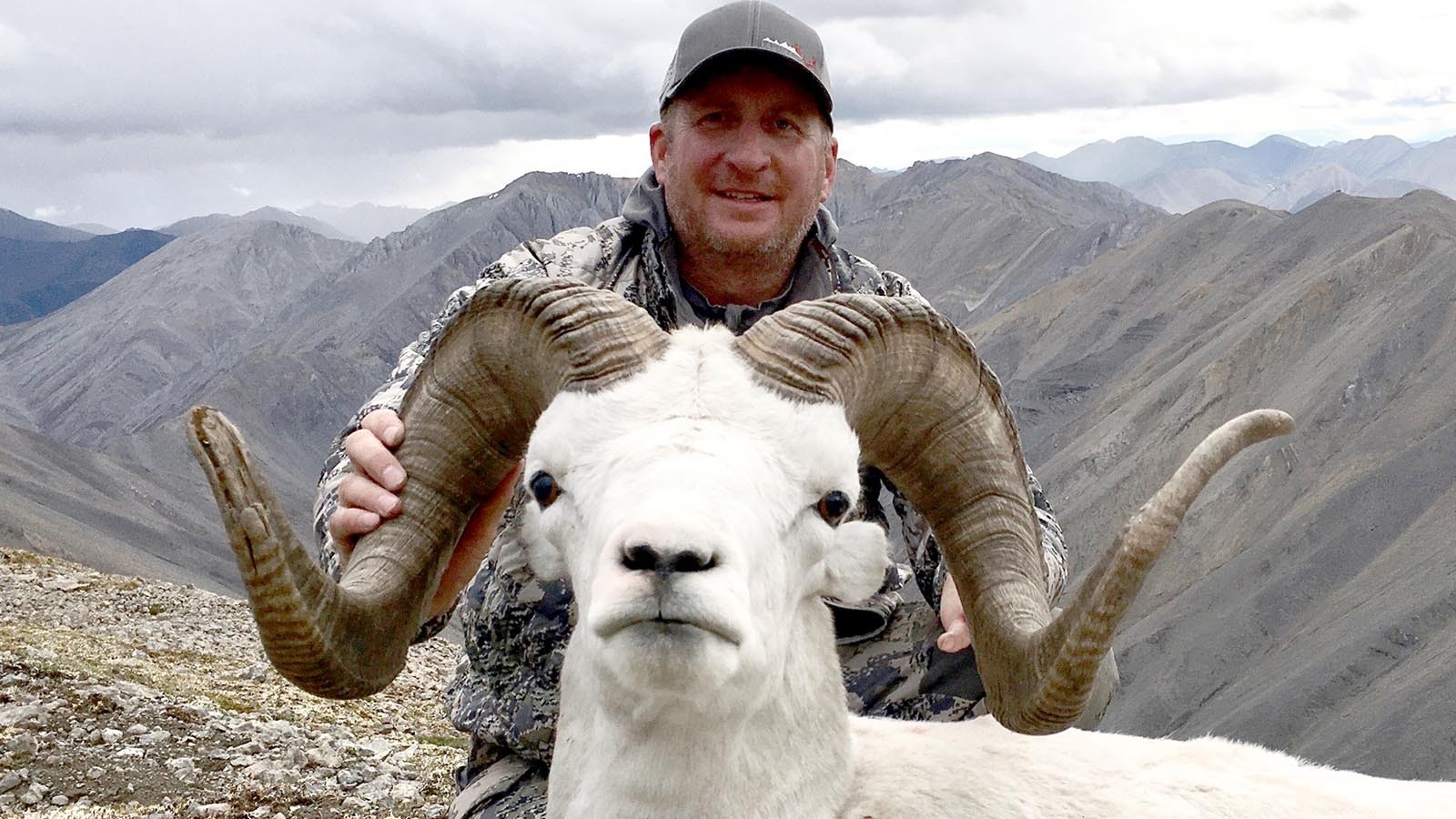
The term "trophy hunting" might conjure up images of well-heeled hunters blasting exotic animals just for bragging rights and something to hang on their walls.
Some hunters said that’s not the case at all. But an animal welfare advocate argued that trophy hunting has earned its negative reputation.
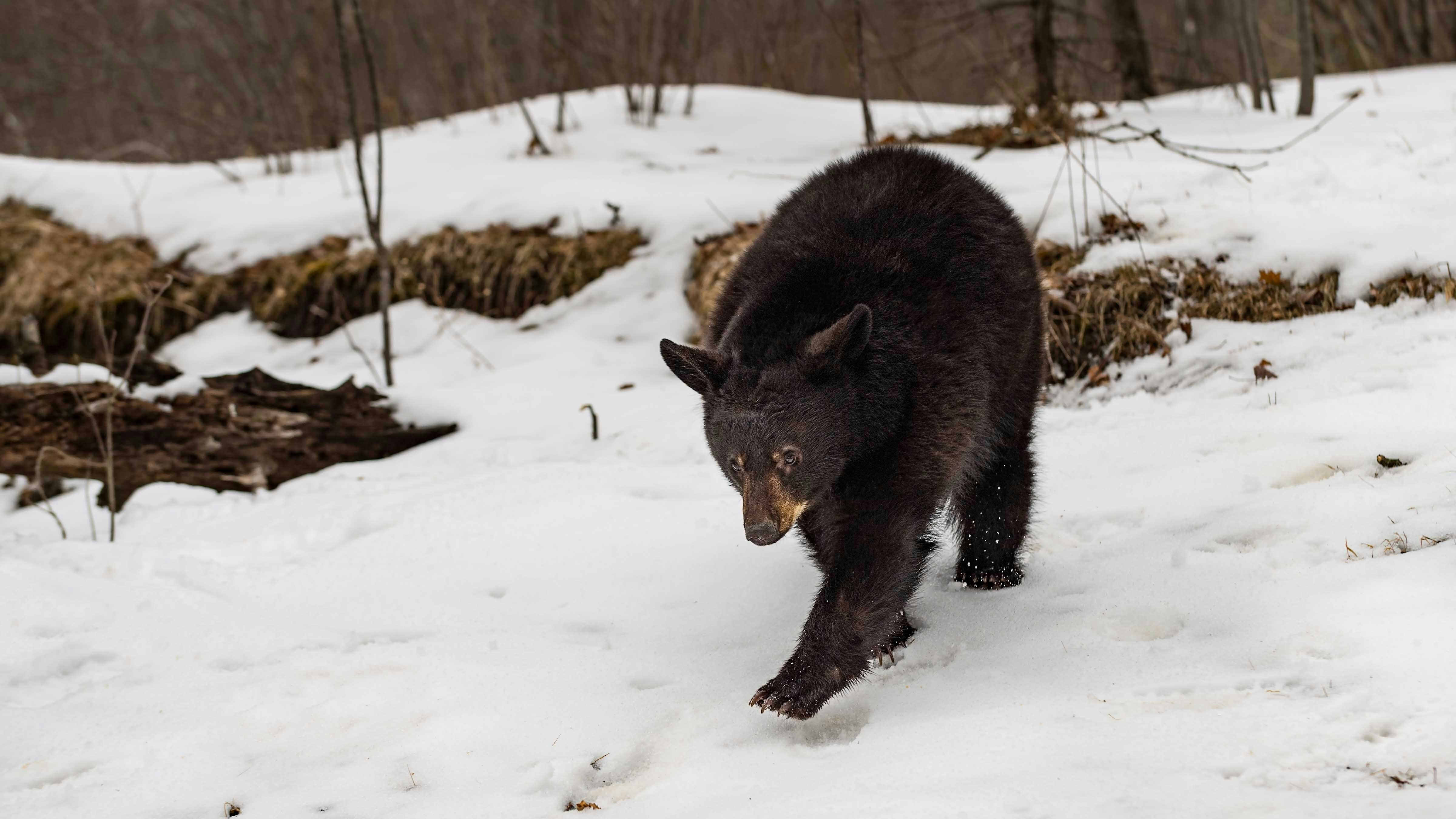
The term is getting thrown around more, as Wyoming’s grizzly bears might soon be delisted from federal endangered species protection, and hunted.
Proponents of delisting and hunting say grizzly tags could generate big money for wildlife conservation and help instill bears with a healthy fear of humans. That in turn could lessen the chances of bears mauling people or attacking livestock.
Opponents argue that grizzlies are worth far more alive than dead, because they are a huge magnet for tourists. And conflicts are best handled by wildlife agencies, not hunters.
Where Did The Term Come From?
The term trophy hunting dates back to President Theodore Roosevelt, and the founding of the Boone and Crockett Club (B&C).
The club’s record books are considered the gold standard for hunters' accomplishment across North America and around the world.
B&C accepts records only from wild animals that were hunted with a reasonable chance of escape. Animals fed antler growth supplements and raised and shot on fenced-in big game ranches don’t qualify.
The seeds of B&C go back to Roosevelt being appalled by unregulated, commercial slaughter of wildlife out West, Mike Opitz, vice president of the B&C’s big game records committee, told Cowboy State Daily.
“He personally witnessed the ongoing decimation of big game in North America in the latter part of the 1800s,” Opitz said.
Roosevelt, “with bulldog intention,” decided that something had to be done to save wild game animals, before they were all massacred for profit, he said.
In 1888, Roosevelt helped found B&C. The club’s core mission was to replace the commercial slaughter of wildlife with conservation through regulated hunting, he said.
The idea was that “we’ve got to go out and selectively hunt and occasionally take a nice, older male specimen,” Opitz said.
Soon, there were “big game competitions,” to see who could bag the largest bucks, bulls and other huge males, he said.
“If you win a competition, it’s like winning a trophy,” Opitz said.
And so, the term trophy hunting was coined.
“The trophy hunter was the opposite of the commercial hunter slaughtering game,” he said.
Opitz pushed back against the notion that trophy hunting is about ego.
“A trophy is indicative of good, sustainable conservation efforts,” he said.
“We’re celebrating the conservation success story, the fact that we still have these big game animals today, thriving on the landscape,” he said.
Trophy hunting is used as a negative term “by people who are against hunting,” particularly when it comes to grizzly bears, he added.
Game managers and biologists with the Wyoming Game and Fish Department and agencies in other states have the expertise to manage and conserve grizzlies, Opitz said.
“Let them do their job,” he said.
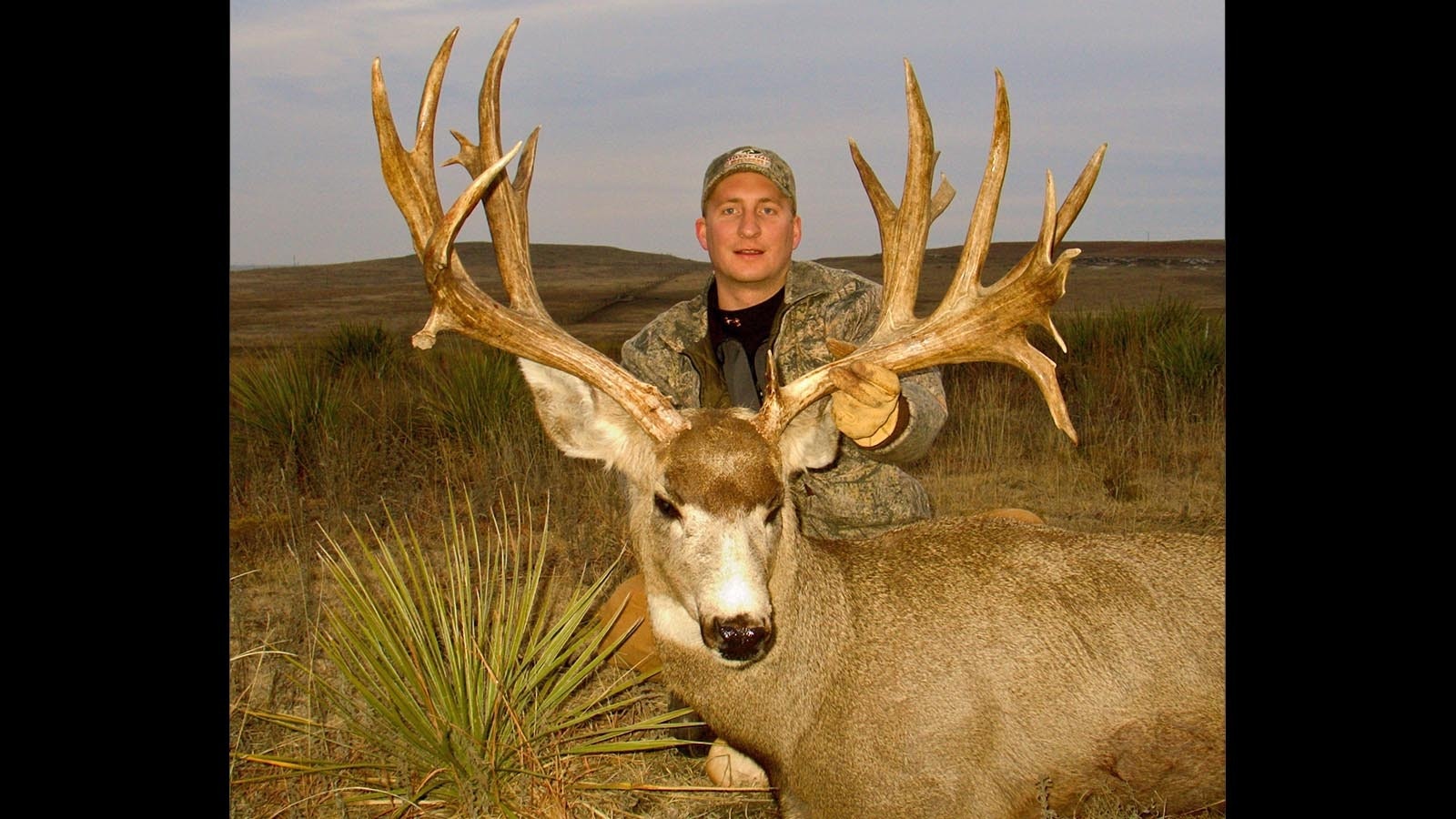
The Health Of The Herd
Outdoorsman Guy Eastman of Cody agreed that using trophy hunting in a negative context is ultimately about anti-hunting.
“I think a lot of people that use it that way, they don’t like hunting anyway. They use that as a crutch, because they don’t agree with any kind of hunting," Eastman said.
He represents the third generation of the famous outdoor multimedia family and has hunted trophy-sized animals in North America and Africa.
Trophy Hunters and “meat hunters” are both important to game herd health, Eastman said.
There is some crossover between those groups, he said.
But, generally speaking, meat hunters are out to get any legal animal they can find, to get food in the freezer. Whereas trophy hunters seek only the biggest bucks and bulls and won’t shoot smaller animals. So they might end up “eating their tags” (coming home empty handed), Eastman said.
Meat hunters are important for controlling herd size and preventing overpopulation, he said.
For instance, Game and Fish is offering generous numbers of cow elk tags, in the hopes that hunters will shoot more breeding age females in parts of Wyoming where elk herds have ballooned well past the agency’s objective numbers, he said.
Trophy hunters help protect the health of the herd.
In most cases, the gigantic bucks and bulls they shoot are older animals.
“They’re just laying around, waiting for the end, sucking up resources,” he said.
Trophy hunters removing those animals makes room for younger bucks and bulls to have more chances to breed with females, Eastman said.
He added that as he’s gotten older, he’s become less of a trophy hunter and more of a meat hunter.
“Trophy hunting is kind of a young man’s game. It pits your hunting skill, your outdoors skills and your physical capabilities against the wits of those bigger, older animals,” Eastman said.
“As I’ve gotten older, I’d rather just feed my family,” he added.
Grizzlies Worth Huge Money
Trophy hunting can also generate money for wildlife conservation, Eastman said.
In Wyoming, specialized Game and Fish commissioners’ tags, or the governor’s tags can easily fetch $30,000 or more when they go up for auction.
“And those tags are for trophy hunts,” he said.
If and when a grizzly hunting season is opened, those tags might auction off for $100,000 or more, he said.
As Eastman sees it, opposition to grizzly hunting isn’t really about bears being killed. Wildlife agents probably already kill more grizzlies than hunters would, for such things as preying on livestock or human-bear conflicts, he said.
Allowing grizzlies to be hunted might lessen those conflicts, Eastman said.
“We’re not talking about whether bears die. We’re talking about who pulls the trigger,” he said.
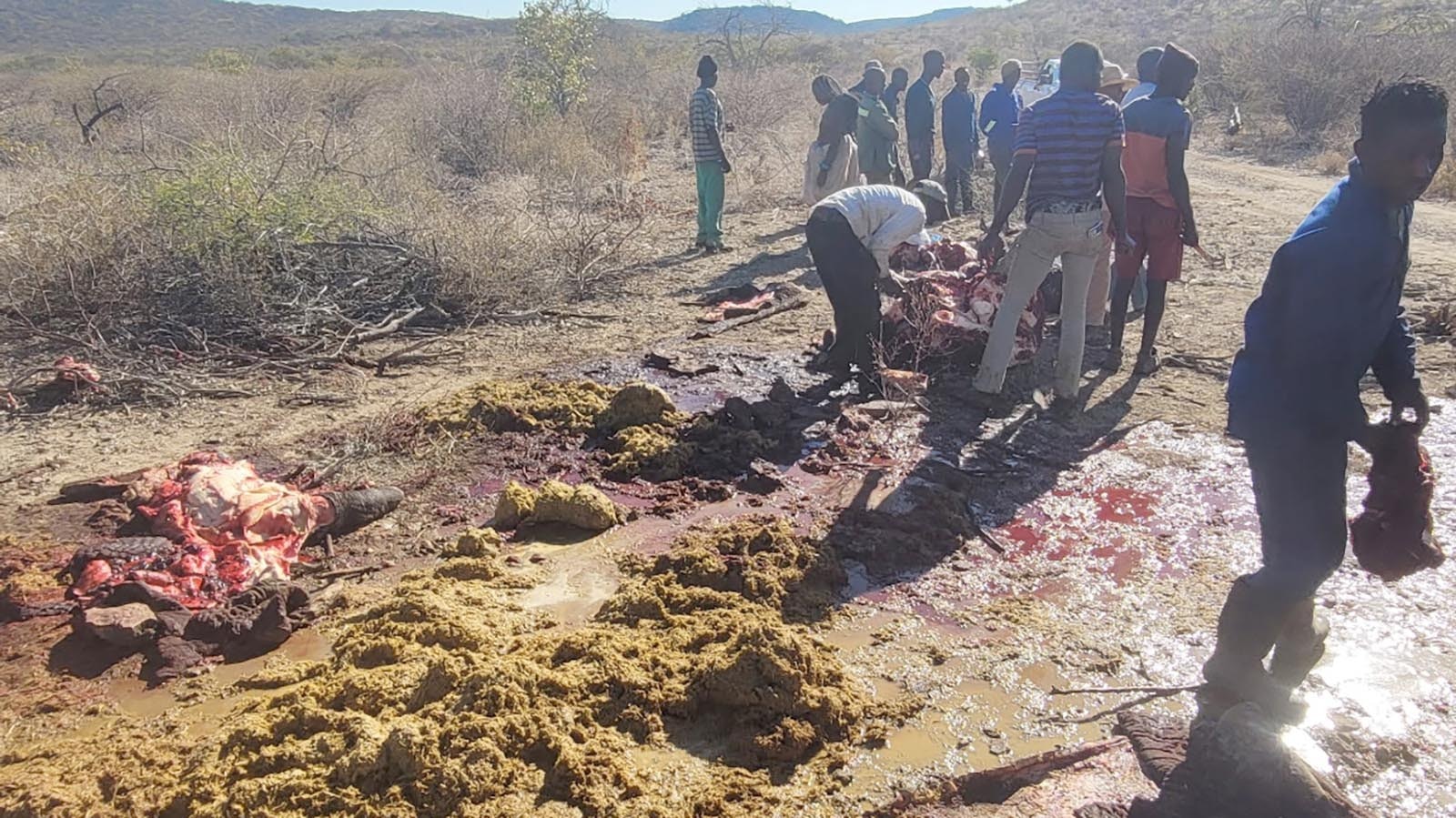
Elephants Don’t Go To Waste
The stigma against Safari hunting in Africa is also inaccurate, hunter Chuck Lakovitch of Jackson told Cowboy State Daily.
He’s gone hunting in Africa, most recently on an elephant hunt in Namibia in 2023.
“Contrary to popular belief from CNN, elephants aren’t endangered, there’s plenty of them,” he said.
And Safari hunting plays an important part in keeping the elephant population in check, he said.
There are also “trouble elephants” in Africa, he said. Those are typically aggressive bull elephants that crash through walls and rupture water tanks on farms, and sometimes even attack people.
His 2023 hunt involved a pair of “trouble bull” elephants, an older one and a younger one. Before he arrived they were involved in a “trampling” that killed a local woman and her two-year-old child, Lakovitch said.
Government game agents killed the older bull. A “PH” (professional hunter) was issued a permit for the younger bull.
Elephant tags might cost up to $70,000, but the PH got the permit for the young trouble bull at a reduced price, and Lakovitch bought it from him for $12,000.
When he arrived, the hunt for the trouble bull was closely regulated, Lakovitch said. They were accompanied by the director of the Namibian Department of Forestry, Tourism and Wildlife.
“The bull was among a herd of about 20 elephants. We tracked them for about 3 hours. The director was there with us, to point out the particular bull that they wanted taken.”
After Lakovitch shot the bull, the director “made a couple of phone calls.”
Soon, villagers showed up “with two Toyota trucks” and started taking the meat and other parts of the elephant, which would amount to at least a month’s worth of food for an entire village, he said.
The villagers were grateful, he said.
“They didn’t speak English, but they would come up to me, with their hands together, like they were praying, and said, ‘thank you,’” he said.
By the time they were done, “a pool of blood and the undigested contents of the elephant’s stomach” was all that was left, he said.
Hunters aren’t allowed to take home any meat from Africa. Lakovitch was allowed to keep the ivory (tusks) two large panels of hide and the elephant’s ears.
And even for these parts, there’s a lengthy paperwork process.
“They pack everything into one big crate. I’m hoping to get it in May,” he said.
Lakovitch said his hunt is an example of how trophy hunting in Africa helps remove dangerous animals, generates money for government wildlife conservation programs and provides protein-rich food for locals.
Public Support Is Waning
Wayne Pacelle, president of Animal Wellness Action and the Center for a Humane Economy told Cowboy State Daily that he doesn’t buy the arguments used to support trophy hunting.
“Trophy hunting is motivated predominantly by killing an animal for display, typically at your home,” he said.
There are three types of hunting, he added.
Sustenance hunting, by Indigenous people and people in poor rural areas is about putting food on the table just to survive, he said.
Sport hunting is also primarily about food, but not necessarily only for survival.
Trophy hunting is all about getting the largest horns, antlers, bear rug and the like, Pacelle said.
Public support remains strong for sustenance and ethical sport hunting but is rapidly waning for trophy hunting, he said.
As he sees it, trophy hunters don’t do anything for wildlife that can’t be done better by other parties.
Local officials or government wildlife agencies can deal with destructive or dangerous animals. And if those must be killed, the meat can still be donated to local villages or food banks, he said.
And while trophy hunting tags might generate big money, that’s being outpaced by the dollars generated by eco-tourism, wildlife watching and photography, he said.
Live animals are the gift that keeps on giving in that regard, he said.
“With a camera, you can shoot the same animal hundreds of times,” he said.
When it comes to grizzly bears, public opinion weighs heavily against them being hunted, Pacelle said.
“A protected population greatly enhances the wildlife viewing experience,” he said.
Mark Heinz can be reached at mark@cowboystatedaily.com.