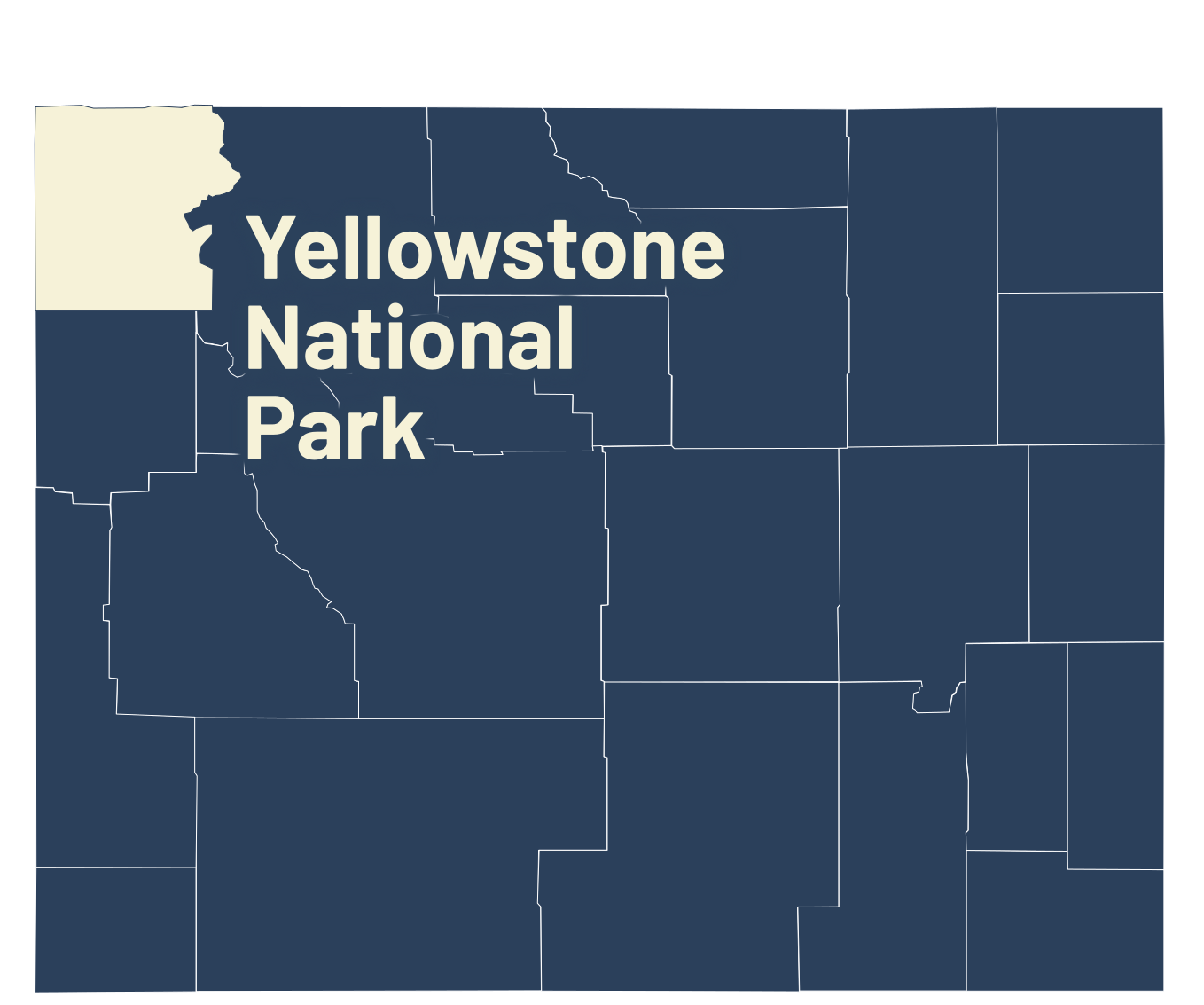
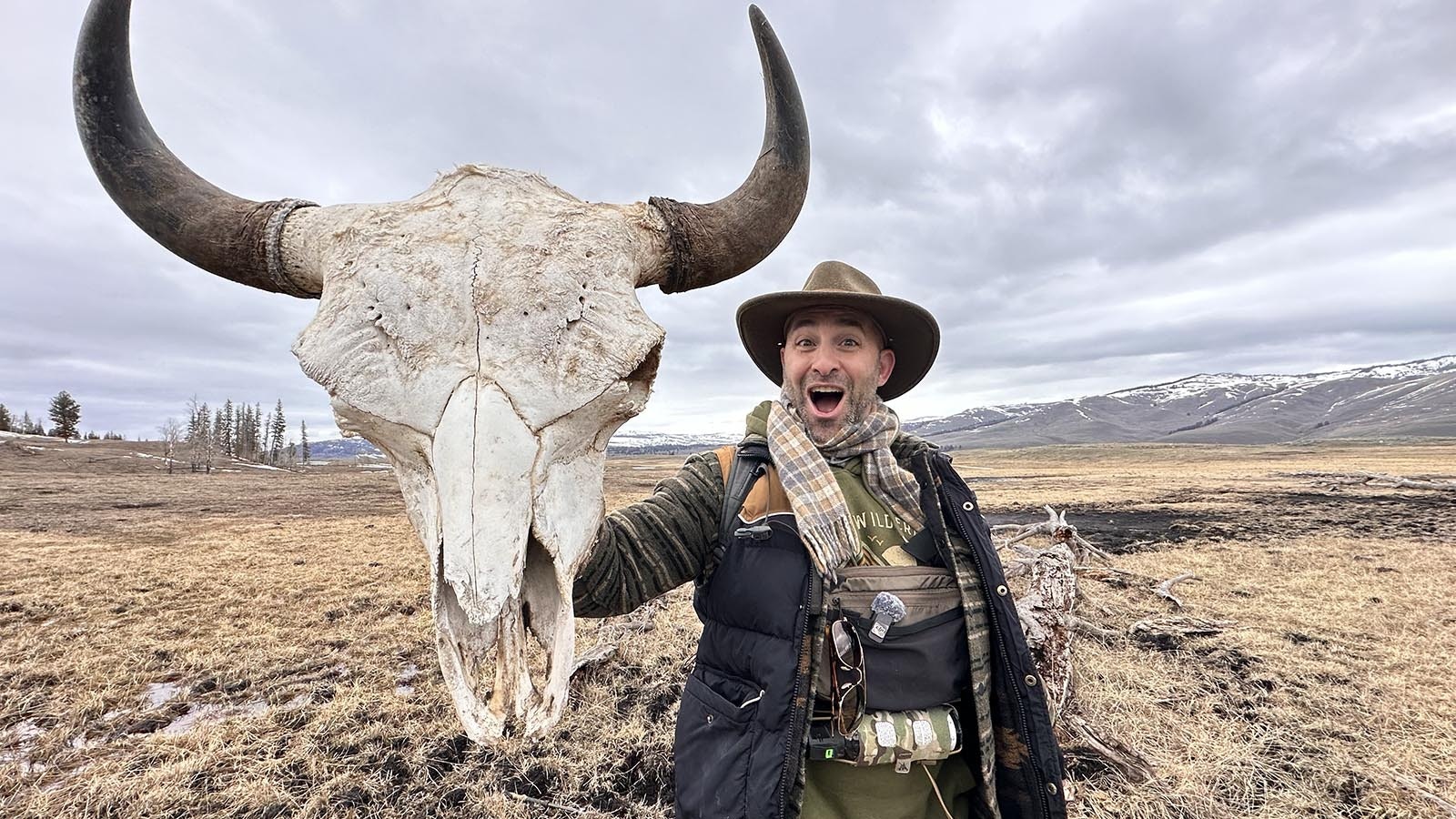
In a remote, seldom-seen corner of Yellowstone National Park, mass death fuels the renewal of life.
Only a few know how to get there, wildlife filmmaker Casey Anderson told Cowboy State Daily. He wouldn’t get any more specific about the location than saying it’s in Yellowstone’s “northern range.”
“Bones can be found just about anywhere in Yellowstone,” but are especially concentrated in the boneyard. That’s where droves of elk, bison and other wildlife go to die — usually right on the cusp of spring, he said.
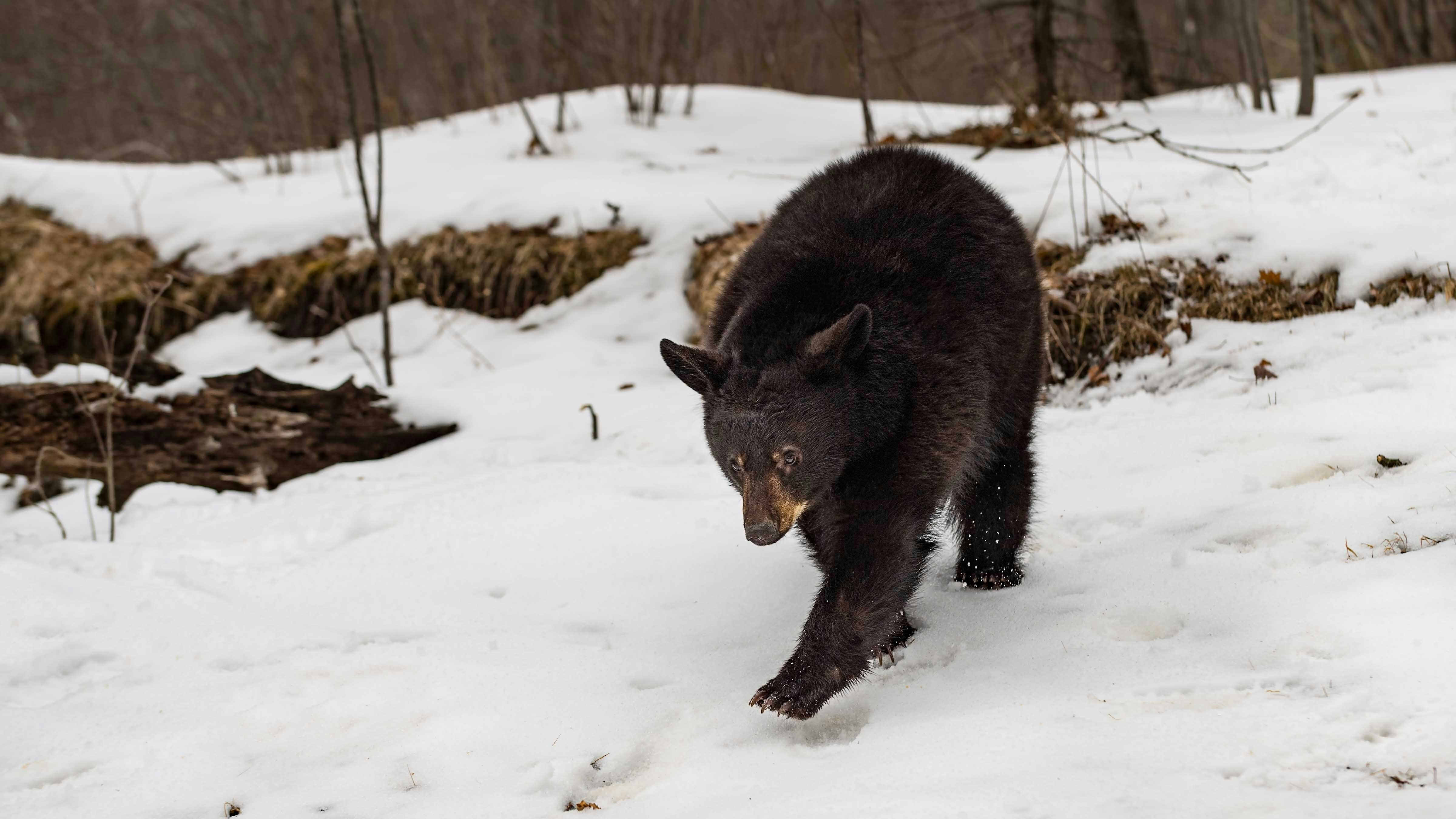
On the positive side, all those carcasses provide a feast for grizzlies, wolves, eagles and other carnivores, he said.
Like The ‘Lion King’ Scene
Prominent outdoors adventure influencer Coyote Peterson took a trip there with Anderson recently and featured it on his Brave Wilderness YouTube channel.
He likened it to the “elephant graveyard” scene in the classic animated Disney Movie “The Lion King.”
In that scene, mischievous lion cubs Simba and Nala disobey their parents and venture to the secretive place where elephants go to die, and their bones are piled high.
“That’s what it felt like going into the animal boneyard,” he told Cowboy State Daily.
“As soon as we got over that first ridge into the valley, we just started finding bones everywhere,” he added.
Why Do They Die There?
Why do so many animals end up dying in the animal boneyard?
Anderson said one reason is that spring’s supposed blessing — fresh, green grass — becomes a curse there.
The middle of winter isn’t actually the deadliest time for herbivores such as elk and bison.
Instead, most so-called winterkill takes place in early spring. By then grazing and browsing animals have burned off their fat reserves, having eaten nothing but scant, dry forage for months.
The animal boneyard is in one of the first areas of Yellowstone that starts to “green up” as the snow melts off, Anderson said.
The area is full of divots and holes in the ground left behind by ancient glaciers, he said.
As the snow melts, those form “perfect little pools” with lush grass growing around the edges.
So, starving herbivores, their strength nearly spent, start piling in to feed on the grass.
The problem is that their digestive systems haven’t had time to adjust to that much rich food, Anderson said.
“It’s like if you have a horse that was stuck eating dry grass all winter, and you all of the sudden started feeding him fresh, green alfalfa. That’s not good for him,” he said.
Particularly for elderly animals, the shock to the system is too much.
“They get diarrhea. They get dehydrated and it pushes them over the edge,” he said.
Wolves, Bears And Eagles Feast
The mass die-offs in the animal boneyard usually happen in March or April.
That’s the time when grizzlies start emerging from hibernation, wolves start “digging dens and having pups” and raptors start nesting.
The animal boneyard turns into a gigantic buffet for predators and scavengers.
“Those carnivores know to go there to scavenge the carcasses and prey upon the weakened animals,” he said.
“All of the sudden, there’s all this biomass, all these dead animals there on the ground for them. Nature has perfect timing” from the perspective of predators and scavengers, he said.
The Tables Turn
However, during mild winters, like this one has been so far, the tables turn in herbivores’ favor.
During the depths of a normal winter, deep snow makes it easier for predators like wolves and mountain lions to take down prey.
And then springtime brings hordes of weakened and dying herd animals to the boneyard.
When there’s little to no snow on the ground, it’s easier for prey animals to flee across the open ground, so predators’ success rate plummets, Anderson said.
And animals with more exposed forage to eat during the winter are more apt to survive the springtime dietary switchover.
If later winter and early spring blizzards don’t roll through Yellowstone, the outlook for carnivores could be stark.
“It’s going to be a tough time for our scavengers and predators if this winter stays this way,” Anderson said.
Leave It Where You Found It
Despite the grim realities that make the animal boneyard what it is, Peterson said it was practically heaven for him.
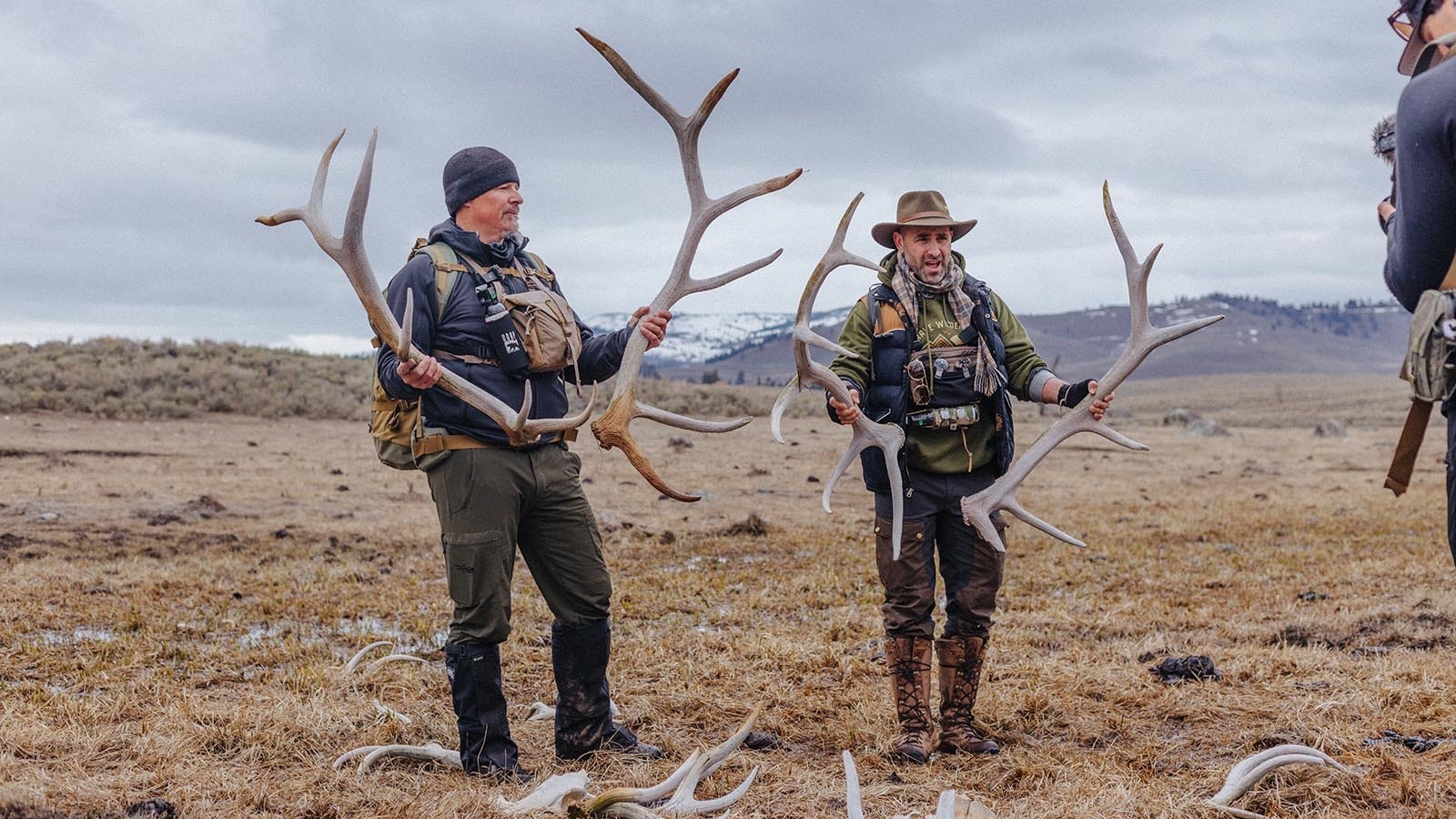
“I’m a bone hound,” who loves finding, admiring and studying skulls, antlers and other wildlife remains.
He and the Brave Wilderness crew have traveled all over the world, filming for YouTube and his television program on the Animal Planet channel.
“I don’t think I’ve ever found as many bones in a six to seven-hour window as we did in the animal boneyard,” he said.
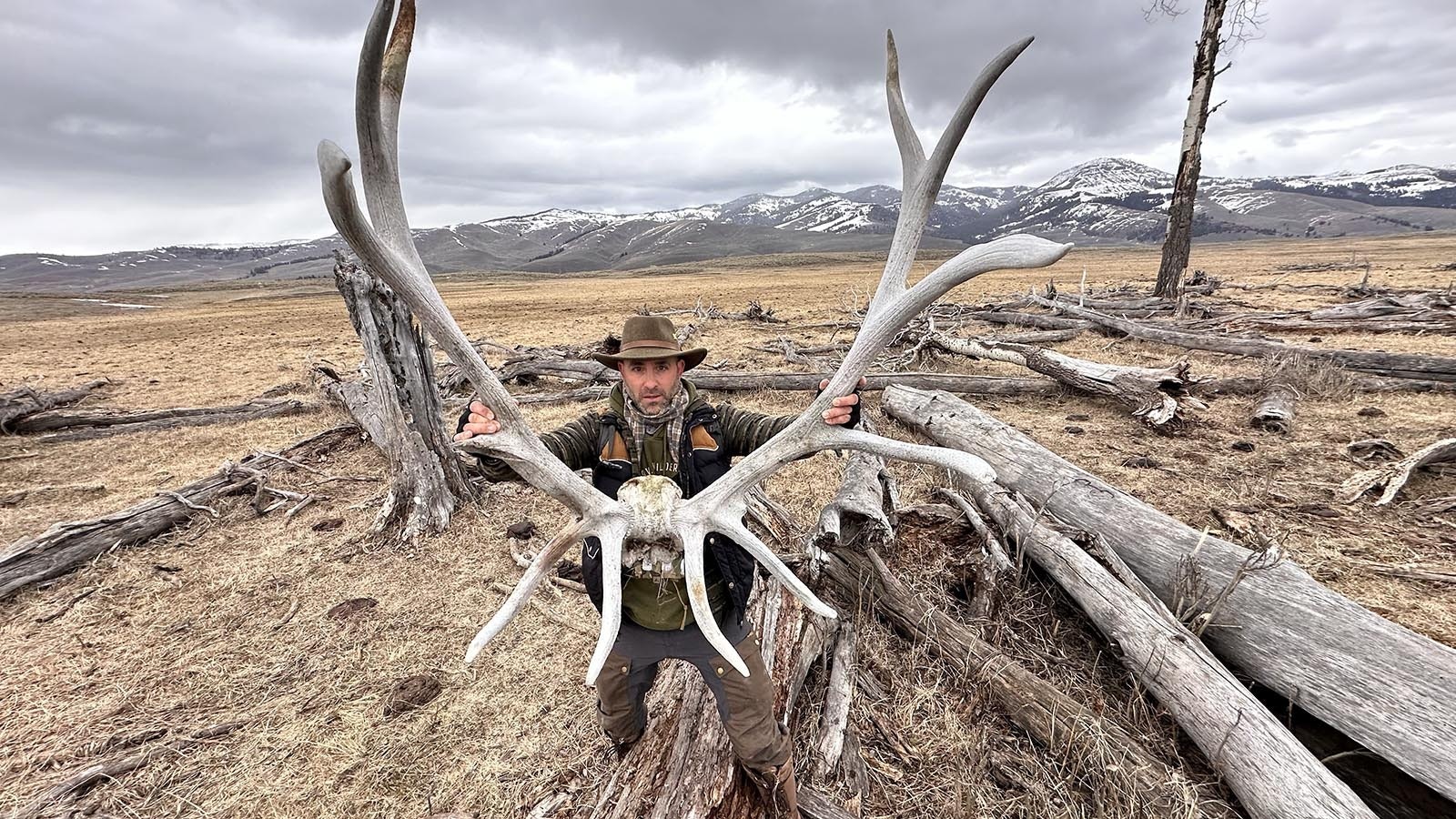
Among their finds was a bull elk skull cap and antlers that Anderson said was about the biggest he’s ever seen.
It was truly humongous, Peterson said.
“The camera didn’t even do justice to how massive those antlers and that skull top were,” he said. "It was like finding something out of the Pleistocene."
He was referencing the ancient Pleistocene Epoch, known for mammoths and other gigantic mammals.
Anderson and Peterson said they admired, filmed and photographed the skulls and bones on the spot, then put them back down in the graveyard and left them alone.
It’s illegal to remove animal parts from Yellowstone, including antlers and bones.
“Nothing we found there was taken from the wild. That’s a huge no-no in Yellowstone,” Peterson said.
Mark Heinz can be reached at mark@cowboystatedaily.com.