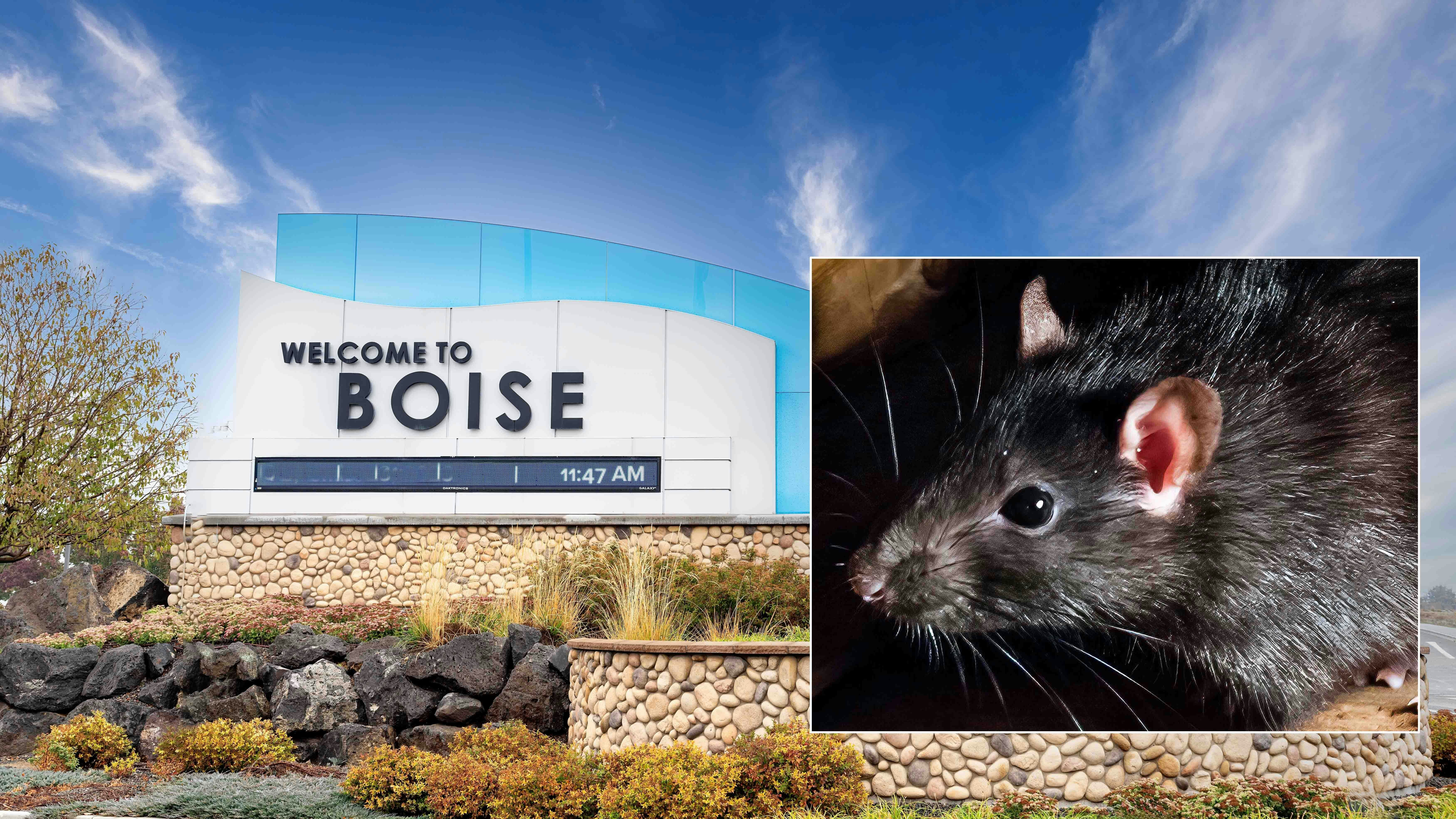
What started with an invasive Norway rat hitching a ride into a Boise, Idaho, suburb a couple of years ago has mushroomed into a full-blown spreading infestation, and exterminators can’t keep up.
Things got worse as another invasive species, roof rats, joined in.
“Within a year, it was like a nuclear bomb of rats went off,” exterminator Scott Springer told Cowboy State Daily.
He owns ProGuard Pest Control in Eagle, Idaho, and said “I’ve become the local rat expert.”
Rats have steadily spread across the Boise area, known as the Treasure Valley.
And Wyomingites shouldn’t assume they’re immune to such woes, a University of Wyoming zoology professor told Cowboy State Daily.
“The non-native rats can be found throughout Wyoming and so if any of the factors that favor rapid population growth kick in, then irruptions in rat populations can occur here in Wyoming or anywhere else,” said John Koprowski, dean of the UW’s Haub School of Environment & Natural Resources.
“The fact that the non-native species have been successful for centuries here in the US because of their association with people tells us that they are likely to be disappearing anytime soon,” he added.
Rat Report
The Treasure Valley has “always had mouse issues,” Springer said.
But he said he was surprised about two years ago when “I got a call from a customer, and he said, ‘I’m seeing some rat activity in my backyard.’”
The only Springer knew of where the native population of packrats, which mostly stuck to their natural habitat “up in the hills,” he said.
The customer is an avid hunter, so he and Springer set up a game camera in hopes of catching video of the alleged rodent intruder.
“Sure enough, we had video of a rat running across the fence in his backyard,” Springer said.
He identified it as a non-native Norway rat. He and the customer surmised that the rat had hitched a ride on a “moving pod” brought in by a neighbor who had relocated from out-of-state.
‘The Pinnacle Of Rats’
Since about 2017, the Boise area has seen a steady influx of newcomers, particularly from the Pacific Northwest, Springer said.
The Norway rat was apparently a pregnant female and soon set up a nest.
From there, the rat population grew exponentially. And to make matters worse, non-native roof rats started showing up too.
Springer’s not sure where they came from but guesses they probably also hitched a ride in with newcomers.
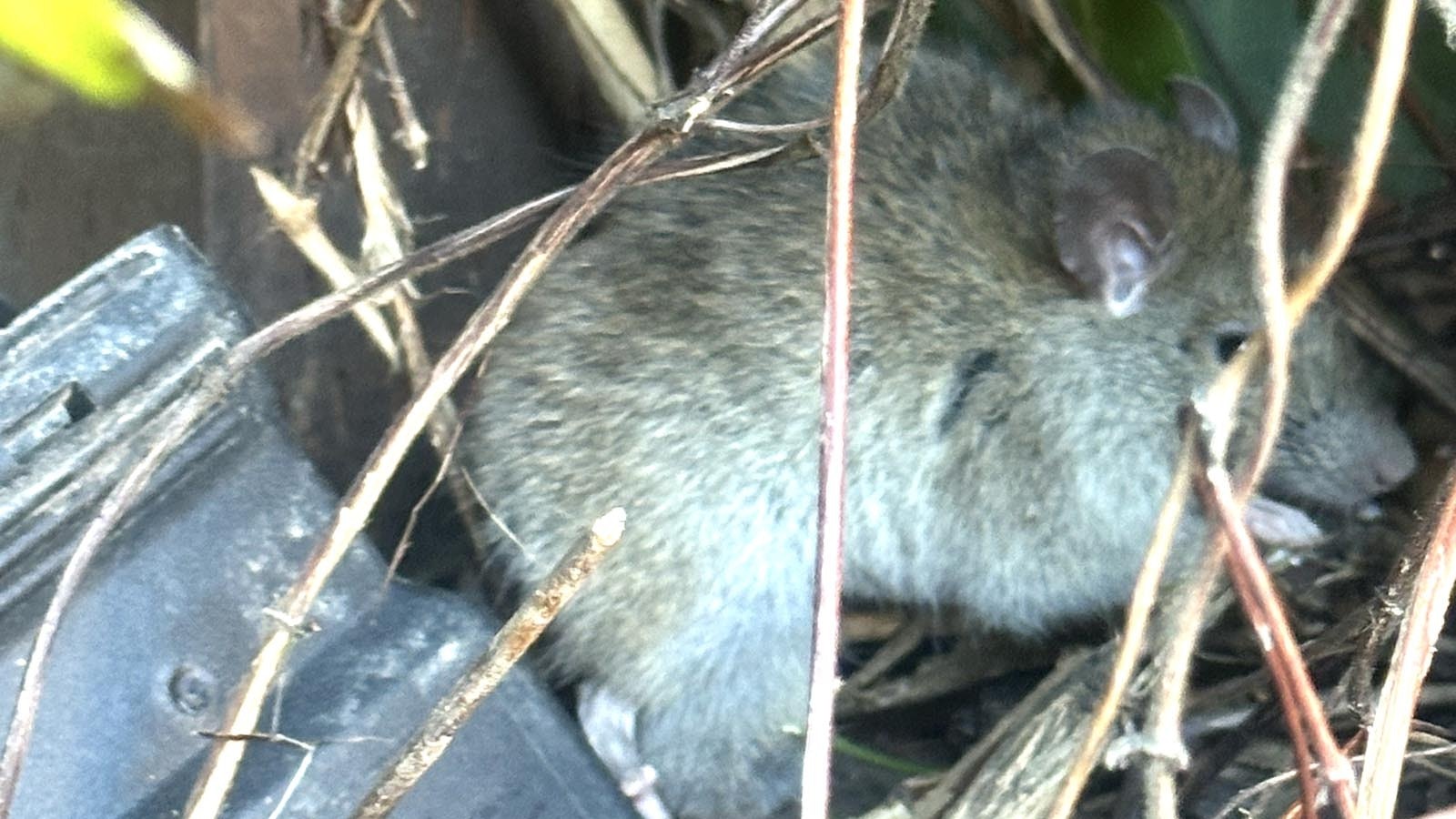
“Roof rats are the pinnacle of rats. They can climb trees and bushes” to get into houses, he said.
“If they get into your house, they can cause so much damage and such a short amount of time,” he added.
Springer said there’s no way to kill off all the rats at this point. The best the Boise area can hope for now is to manage their numbers and mitigate the damage.
He’s developed a begrudging respect for the rodents.
“They’re very resourceful. I have a newfound respect for how intelligent these rats are,” he said.
‘That Flood Of Rats’
Eagle was the perfect place for the rats to establish themselves, because it has many older homes, with owners that take a “do-it-yourself” approach to improvements, which can leave openings for rats to get in, Springer said.
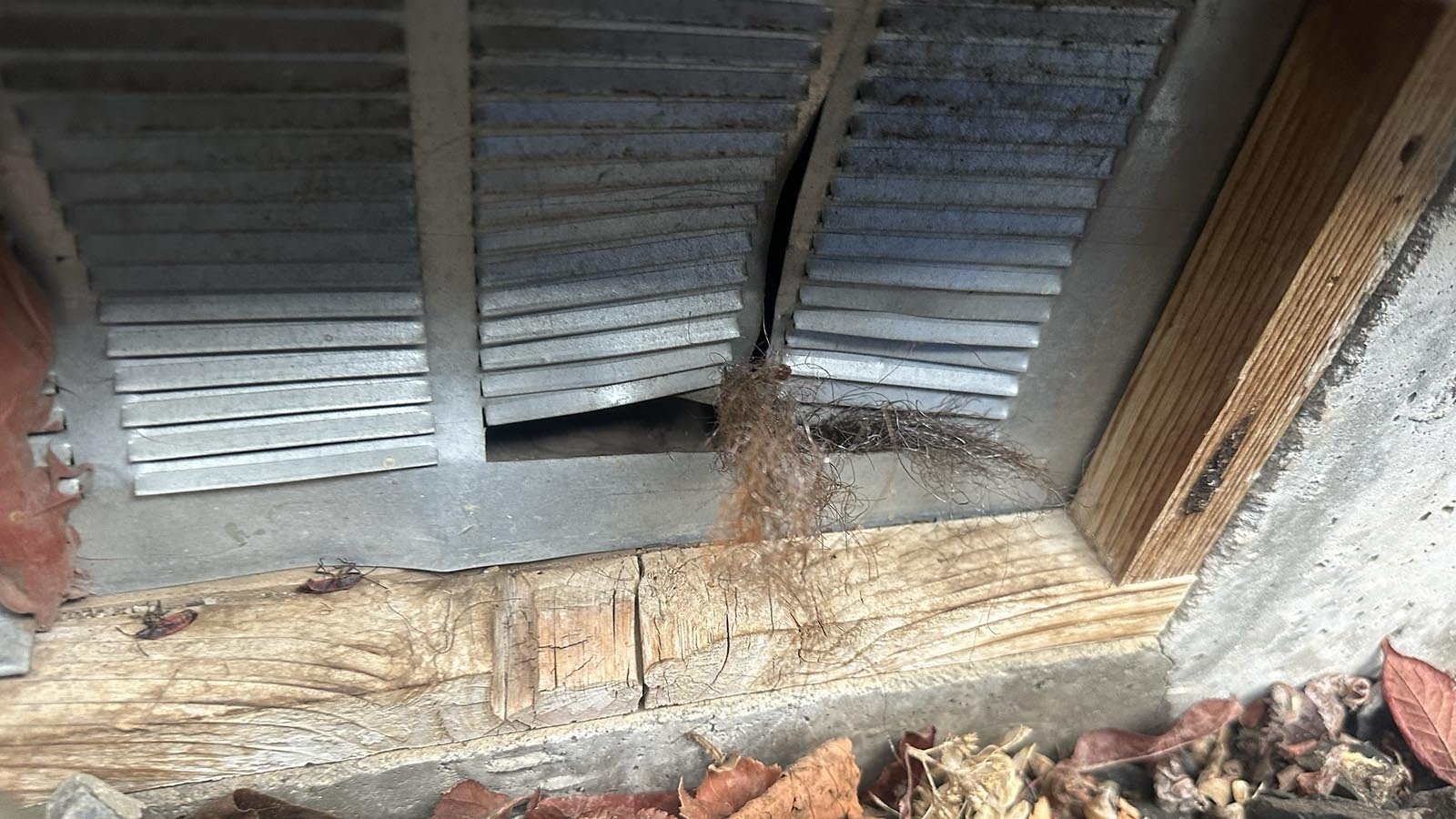
All a rat needs is a “thumb-sized” entry point, he said.
“The largest bone in their body is their skull. And if an opening is big enough to get their skull through, they can get through,” Springer said.
The rat invasion has radiated out from neighborhoods and spread to farms and ranches, Tim Hall, a service technician with the Meridian, Idaho-based Vertex Pest Control company.
“We’ve seen a lot of them getting into chicken coops, barns and sheds” and rats have been gorging themselves on feed grain, hay and other agricultural products, Hall said.
He shares Springer’s view that all hope is lost for stopping the rat tide dead.
“At this point, we’re just trying to spread awareness and manage the population,” he said.
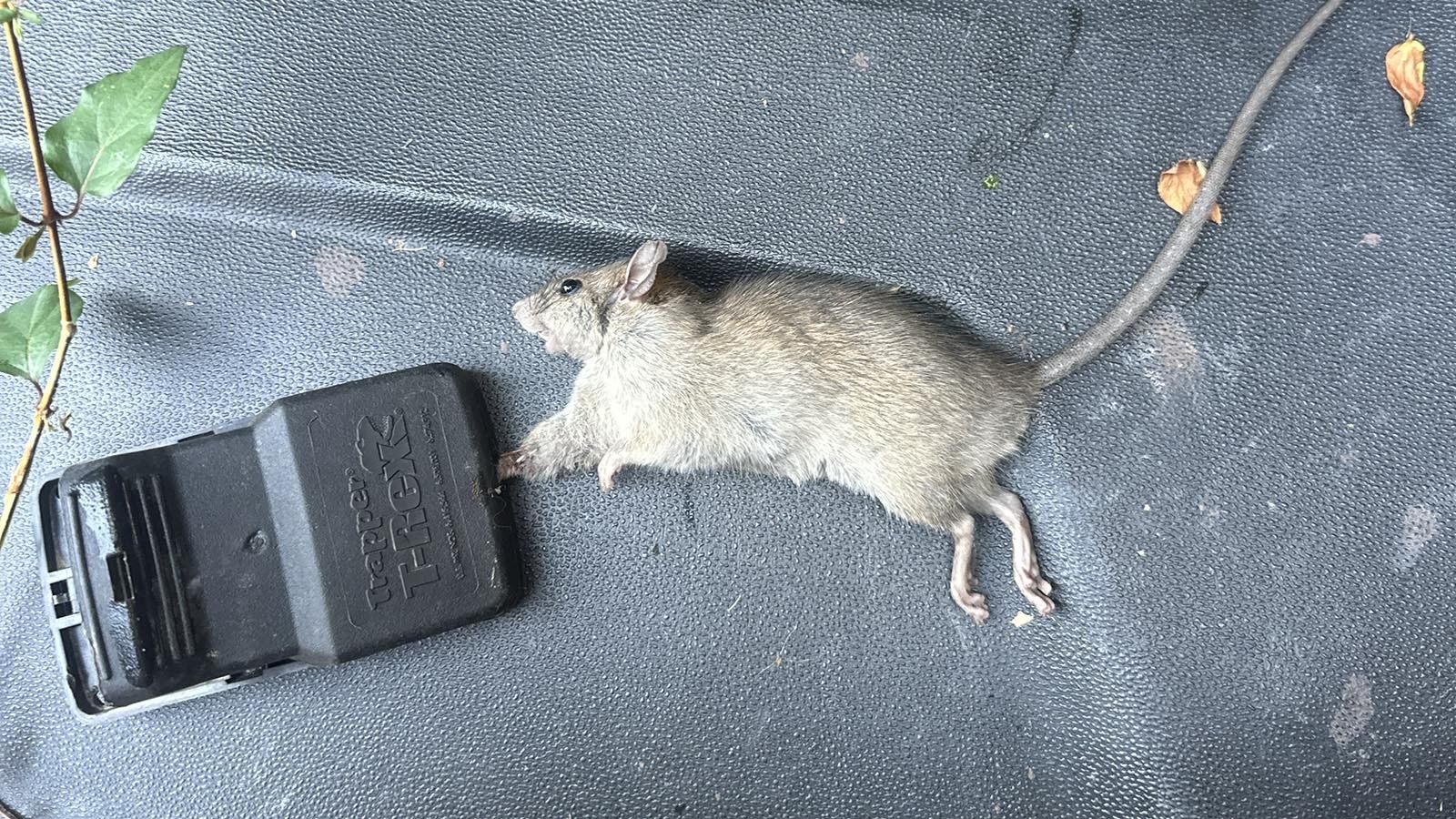
It’s a tall order. Roof rats can have four to five litters of young per year, while Norway rats can churn out up to eight litters each year, he said.
“There’s really no way to get completely rid of them. They can live in almost any environment, and they’ll find a way to do it,” Hall said.
Rats thrive outside during the warmer months, but look for shelter once temperatures start to drop, he said.
“Once the wintertime hits, you just see that flood of rats coming into peoples’ homes,” Hall said.
‘I Could Hear The Desperation In His Voice’
Rats pull clever tricks, Springer said.
He recalled one instance in which rats got into a customer’s attic insulation, but leaving out bait and setting traps for them wasn’t working.
Using cameras, he figured out that late at night, the rats would leave their nests, clamber across to a neighbor’s property and raid bird feeders there.
“They had a stockpile of food by their nests. Why would they touch my synthetic bait, when they had a stockpile of bird seed and other types of natural food?” he said.
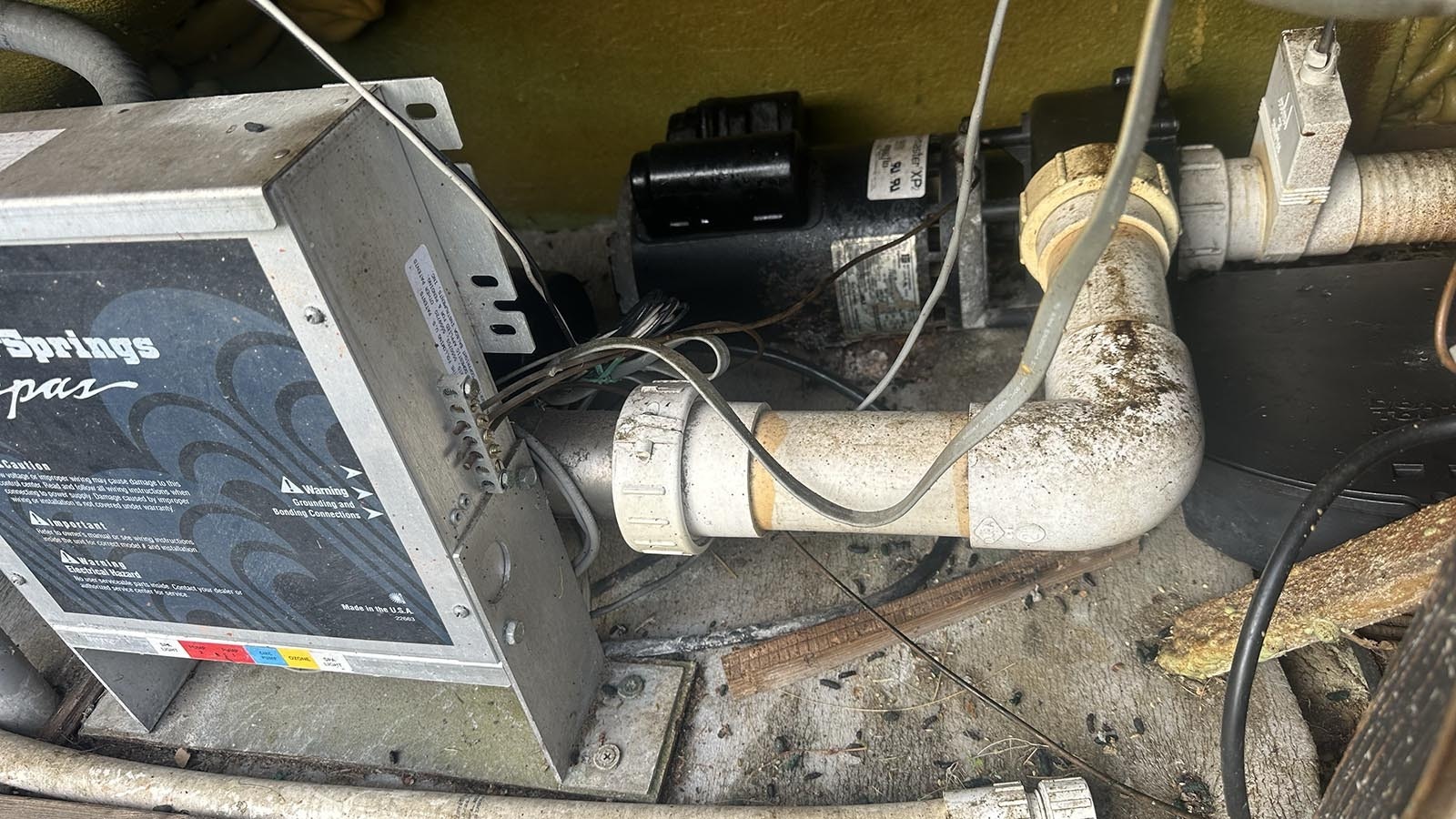
In another case, a homeowner called a plumber after “strange noises” coming from a vent alerted him to a leak in his main water line that was flooding his home’s crawlspace.
A plumber fixed the leak on a Friday, but rats chewed two new holes in the water line by the next day.
Springer said the homeowner called him that Sunday.
“I could hear the desperation in his voice. These rats went underneath his house, ate through his HVAC line (heating, cooling, air conditioning and ventilation), and were nesting in his HVAC unit,” he said.
Springer killed those rats off, but by the time everything was said in done, it ended up costing the homeowner “thousands and thousands of dollars” in repairs and restoration, he said.
Opportunists
Spikes in rat populations can result from favorable conditions, such as mild winters, Koprowski said.
“Most rodents are geared to exploit such favorable conditions by their adaptable behavior in finding foods and creatively building nests but also through their reproductive behavior, he said.
Rats can become “reproductively mature in months” leading to explosive population growth, he said.
In states such as Wyoming and Idaho, rat infestations are almost always caused by non-native species, Koprowski, said.
“We have native rats like packrats, woodrats, cotton rats in the western U.S., to name a few groups,” he said.
“But the rats that are often causing these problems are introduced Norway rats or black rats in warmer parts of the U.S. that were brought over from Eurasia long ago,” he added.
In addition to the destruction they can cause by gnawing, rats also carry nasty diseases, Koprowski said.
“The primary risk is disease that they can harbor directly, like hantavirus, or that they fleas or other ectoparasites can carry, like plague in some cases. Diseases can be spread through the fecal pellets, so be careful cleaning them up, bites or handling the rats, where their fleas can join you,” he said.
Holding The Line
Springer said that he and other exterminators are doing all they can to hold the line against the rats. He said he tried to elicit help from local officials to get the word out about steps people can take to stem the infestation, but it was to no avail.
As things stand now, homeowners should take precautions, and think twice about putting out tempting treats, like bird seed, Springer said.
“You need to be proactive. Don’t feed the birds, don’t feed the squirrels,” he said.
“Trees and bushes should be cut back at least two feet from the roofline. Walk around the outside of your house. Check the door seals, check the screens around your windows,” Springer added.
Mark Heinz can be reached at mark@cowboystatedaily.com.