The CEO of a tribal health clinic, and a state lawmaker who spent eight years studying health care funding, voiced surprise and concern Wednesday over a legislative committee’s push to deny tribal health clinics $58 million of federal money.
The move will ultimately cost the state more money than it saves, Rep. Lloyd Larsen, R-Lander, told Cowboy State Daily on Wednesday.
He said if tribal clinics are short-changed and have to cut services, many Medicaid-covered tribal members may seek services at off-reservation facilities — where the state pays half instead of none of the bill.
As former House Appropriations member, Larsen oversaw the Wyoming Department of Health’s budget for eight years.
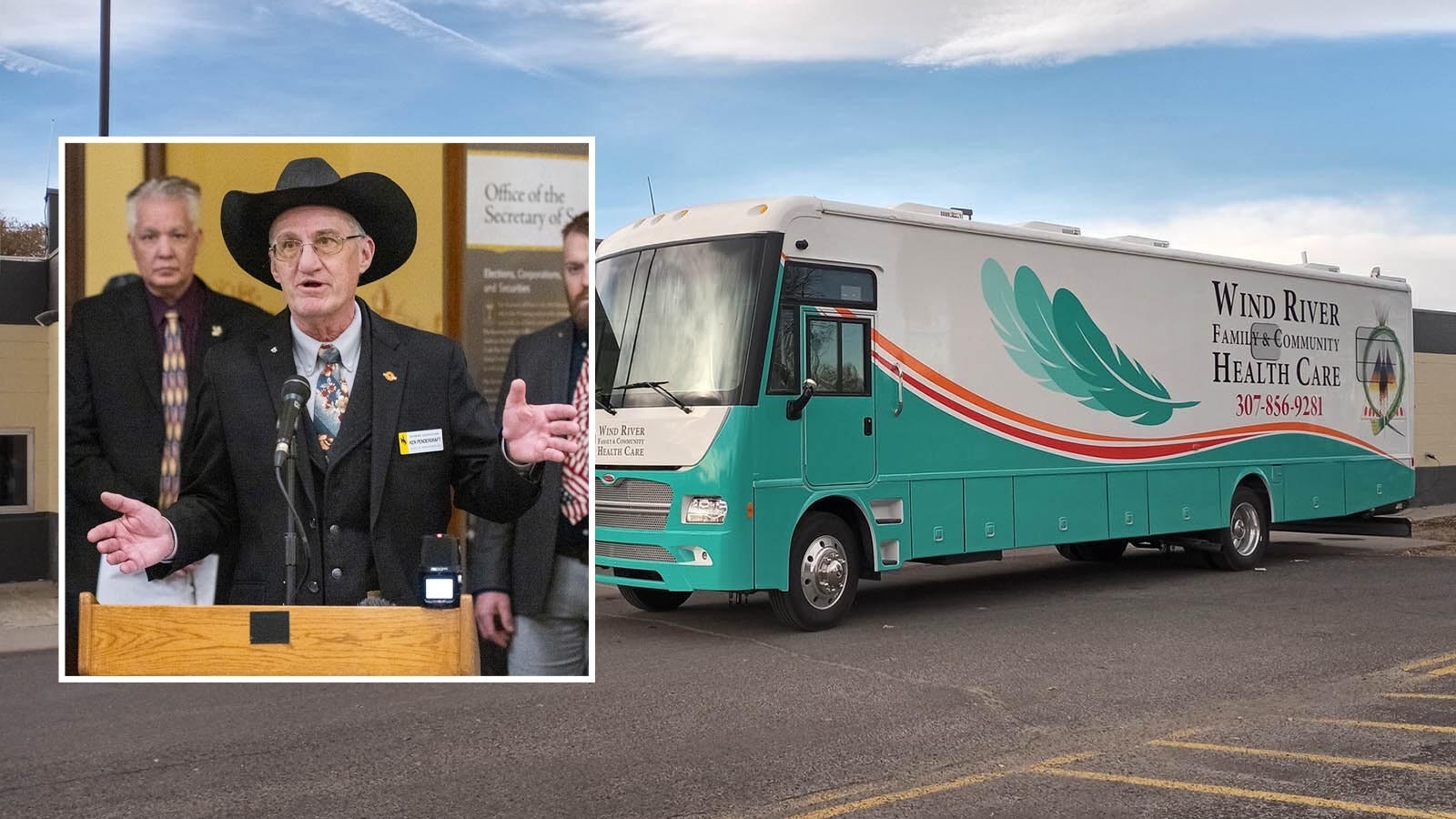
Rep. Ken Pendergraft, R-Sheridan, advanced the $58 million denial to tribal clinics, and a series of other proposed cuts to the governor’s recommended $3 billion budget for the Wyoming Department of Health during a Joint Appropriations Committee meeting Tuesday in Cheyenne.
Due to actions advanced at that meeting, the Wyoming Department of Health is now facing millions in cuts or denials from the governor’s proposed budget, unless the Legislature reverses the votes in its session next month.
Some of those are denials of what the state would pay the agency to administer programs, and some are denials of the agency’s ability to use federal money for those programs.
WDH serves as a pass-through and matching center for numerous federal grants, but relies on state legislative authorization to spend that money.
“It was Reagan who famously said, government is not the solution to the problem — government is the problem,” said Pendergraft in introducing his budget proposals. “I believe it quite wholeheartedly.
"The problem is, we’ve become addicted to government intervention, and a lot of people have become dependent on government.”
Rick Brannan, CEO of the federally-funded but Northern Arapaho tribal-run clinic Wind River Family and Community Health Care, told Cowboy State Daily in a Wednesday phone interview that tribal members aren’t addicted to government-provided health care: they’re banking on vital services that the federal government promised to tribes when it made treaties with them more than a century ago.
Health care is "not like a luxury here or anything. It’s a necessity,” said Brannan, who lamented most the high diabetes rates on the Wind River Indian Reservation in central Wyoming.
He also said his clinic is already under-funded, and that Arapaho tribal members already have a shorter lifespan than non-tribal members.
“A lot of people, you see them without any feet, in a wheelchair, and their legs are pretty well amputated,” he said, referring to diabetic tribal members.
The money denied "isn’t to fund any free meals,” he added. “It’s just basic clinics: equipment, supplies. But the most important thing is adequate and highly-trained skilled professionals that take care of patients.”
Brannan, like Larsen, said the move could send tribal members to off-reservation clinics and force the state to pay for their services with its own money.
The Breakdown
The $58 million the Joint Appropriations Committee ultimately voted Tuesday to deny was to be 100% federally-funded through the Wyoming Department of Health’s Medicaid funding office.
It was also meant to cover Medicaid’s 11% rate increase that took effect Jan. 1, 2025, and previous underfunding.
Meaning, the federal government decided prior to last year that the clinics it funds weren’t receiving enough Medicaid payout for doctor’s visits, so it increased the rates they could charge for Medicaid-covered patients.
It then sought to pay for that increase by funneling $58 million through the Wyoming Department of Health to the local tribal health facilities.
Those include Brannan’s clinic, which the locals call Wind River Cares, the Eastern Shoshone tribal-run Warm Valley Health Care, and the Shoshone Tribe’s long-term care facility Morning Star Care Center.
In clinics off the reservation, Wyoming sets its own Medicaid rates since it has to pay half the cost of Medicaid bills to those clinics. (The federal government pays the other half.)
But on the reservation, the federal government controls its rates, since it funds those clinics.
The Pragmatist
Tuesday’s meeting left Larsen puzzled and anticipating massive debates in the legislative budget session that convenes Feb. 9.
He said at least two of the proposed denials are likely to make Wyoming pay more from its own checking account, which lawmakers call the general fund.
“If these are the type of adjustments they’re going to be making in the (budget) bill, I think it’s going to open the door for great debate on the floor,” said Larsen in a Wednesday phone interview. “Because their efforts to save money, at least in these two points … is going to cost the state money.”
The other cut Larsen referenced as one of the “two points” is a move to deny $11.24 million in state money and deny authorization to spend $16.4 in federal funds ($27.6 million total) for the WDH-administered “community choices waiver.”
The program involves reimbursing home care providers so that certain Medicaid patients can stay home instead of moving into nursing homes.
Nursing homes are more expensive at about $6,000 a month while home care is around $2,000 a month, said Larsen. Wyoming pays half that cost since it’s on a 50/50 match arrangement with the federal government for covering Medicaid bills.
The $27.6 million was sought to cover growing enrollment in the home health care program, says WDH’s budget narrative.
In 2016, the department noted around 1,600 Medicaid recipients in nursing homes across the state. That figure has dropped to 1,140 in the past decade, while more people are choosing to stay in their homes.
The home-care patient total has increased from 1,600 to 2,366 in that same timeframe.
Pendergraft and his committee chairman Rep. John Bear, R-Gillette, who also supported the denials, did not respond by publication to requests for comments or interviews in response to Larsen’s concerns.
Pendergraft’s Big Boost
Pendergraft didn’t only run cuts and denials Tuesday.
He requested — and successfully advanced — an increase of $4.5 million from the state’s general fund and $4.5 million in federal funding authorization to back the Medicaid-funded developmental disability program and reduce the considerable list of people waiting for those services.
Pendergraft also advanced an increase to the governor's recommendation to add $5.45 million from the general fund and the same figure in federal funds ($10.9 million total) to boost provider rates and, Bear said, replace money streams once fed by American Rescue Plan Act funding.
Bear told the committee Tuesday that he’d like to see the wait list eliminated, but he acknowledged these figures would likely reduce it by half.
The wait list ranges from 274 people (in April 2024) to 546 (in March 2023) and sits now at about 440.
Addressing the wait list has been a long mission of Pendergraft’s, he's said: he emphasized it in a November interview with Cowboy State Daily. He’s also reminded other state officials of this need while discussing cuts to other agencies’ budgets.
Sen. Mike Gierau, D-Jackson, credited Senate Appropriations Chair Tim Salazar, R-Riverton, for bringing the issue to light and working toward a solution.
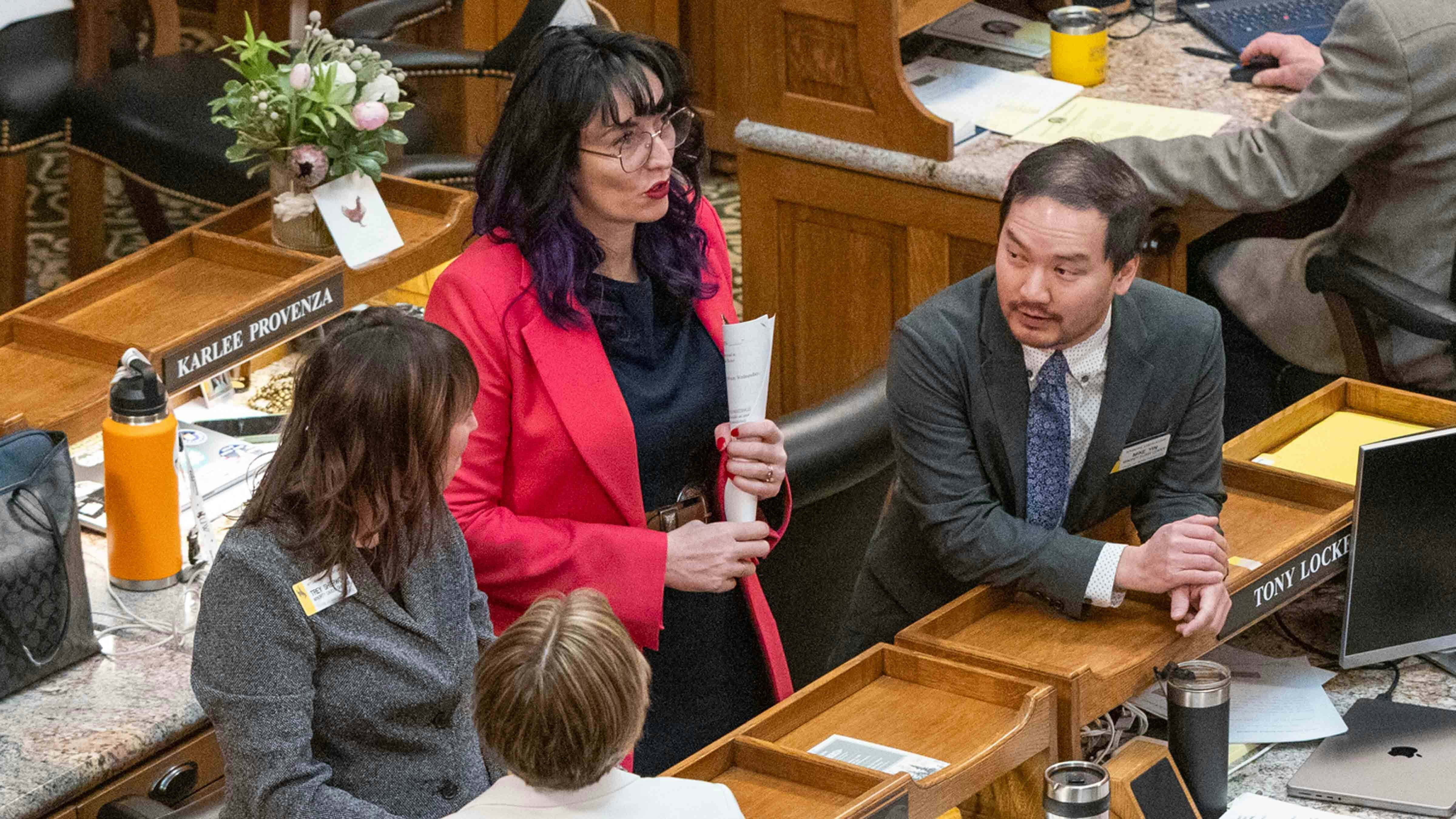
Rep. Trey Sherwood, D-Laramie, successfully advanced another increase of $203,497 to give public health nurses "parity" in their pay across the state.
Rep. Scott Smith, R-Lingle, advanced a nearly $1.9 million change to increase State Hospital pay to nurses, moving them from the 2022 pay table to the 2024 pay table.
The Other Denials
The other proposed denials, which the Legislature could still reverse, that the committee approved are as follows:
• A denial of $63,123 and two proposed full-time employees, and $189,367 in federal match to help employees administer Medicaid. Sherwood worried aloud that this could bog down the existing employees and potentially increase their error rate, leading to federal government clawbacks or punitive measures.
• A denial of $1.76 million from the general fund and the same figure in federal match spending authorization to “adequately cover cost related to outpatient behavioral health coverage” for Medicaid-covered adults and children, including autism, substance abuse, and mental health treatments, according to WDH’s budget narrative.
• A denial of $8.577 million from the state’s checking account and the same figure in federal spending authorization, which was meant to increase support to critical access hospitals and obstetrics services. These costs could be covered by the federally-funded Rural Health Transformation Plan for which the Trump administration just approved Wyoming, Rep. Abby Angelos, R-Gillette, said. (Sen. Mike Gierau, D-Jackson, cast it as odd that Wyoming lawmakers are now trusting the federal government to keep its promises.)
• A denial of $672,728 in Medicaid home health increases, and the same amount in federal funds.
• A denial of $2.53 million in state funds and the same in federal match to boost government compensation of Medicaid funded OB services.
• A denial of $2.97 million that WDH’s public health laboratory says it needs for climbing costs and standards.
• A denial of $11 million to address reported inflation in WDH-administered specialized preschools.
Not every denial is actually a reduction of the taxpayer's bottom line.
For example, Pendergraft advanced a $344 million denial of federal funds in the state budget, but he and other committee members promised that that money — a funneling of the Trump-backed Rural Health Transformation Program — would resurface in a standalone bill.
The committee made a "global amendment" barring WDH from funding sex change and abortion services.
Sen. Ogden Driskill, R-Devils Tower, asked about life-of-the-mother situation, but the committee didn't approve a caveat for his concern.
Clair McFarland can be reached at clair@cowboystatedaily.com.