As a wildlife filmmaker, Casey Anderson knows that sometimes the best material comes from happy accidents.
That’s what happened when he left cameras inside two grizzly dens north of Yellowstone, then forgot about them for 10 years.
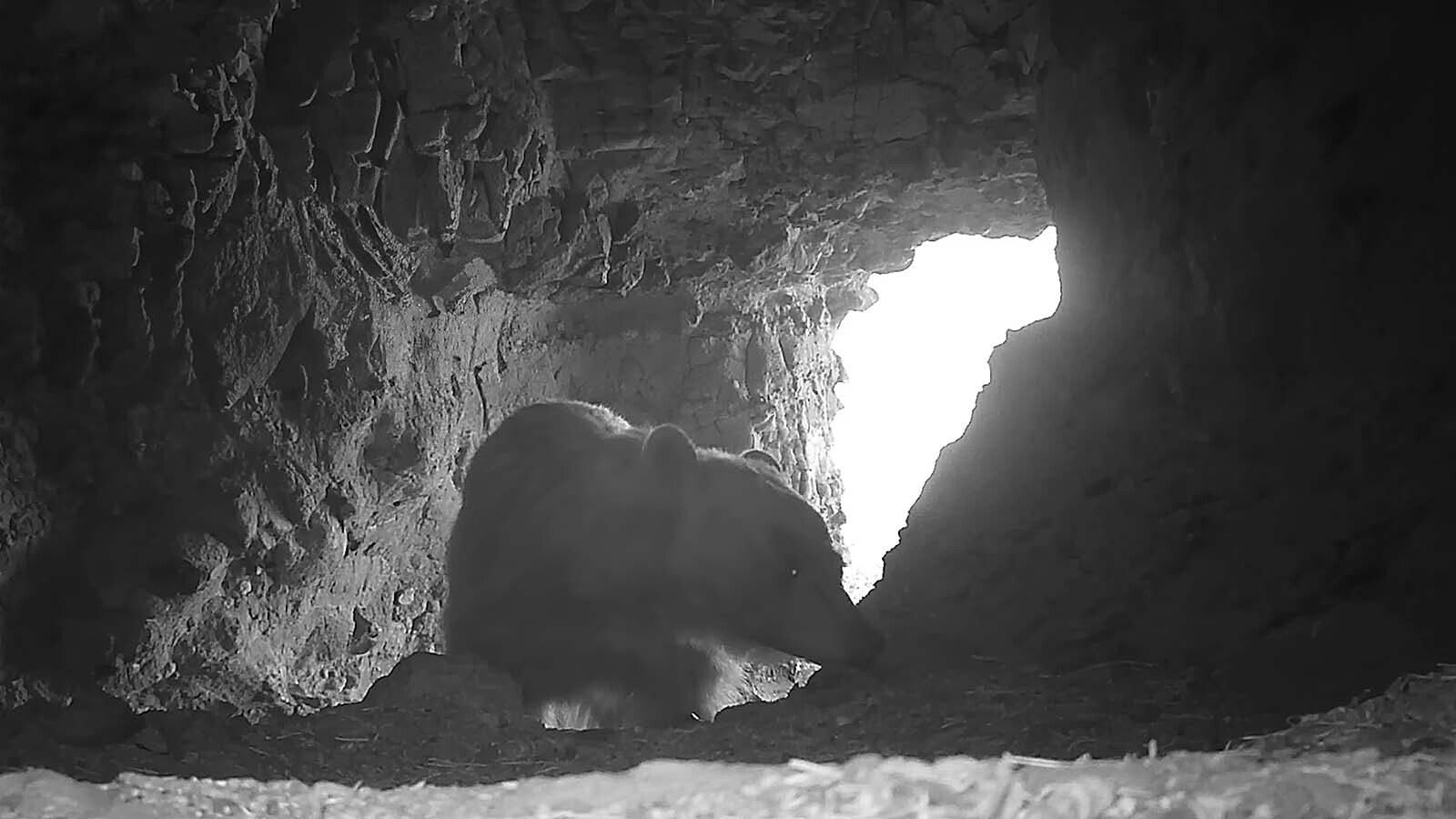
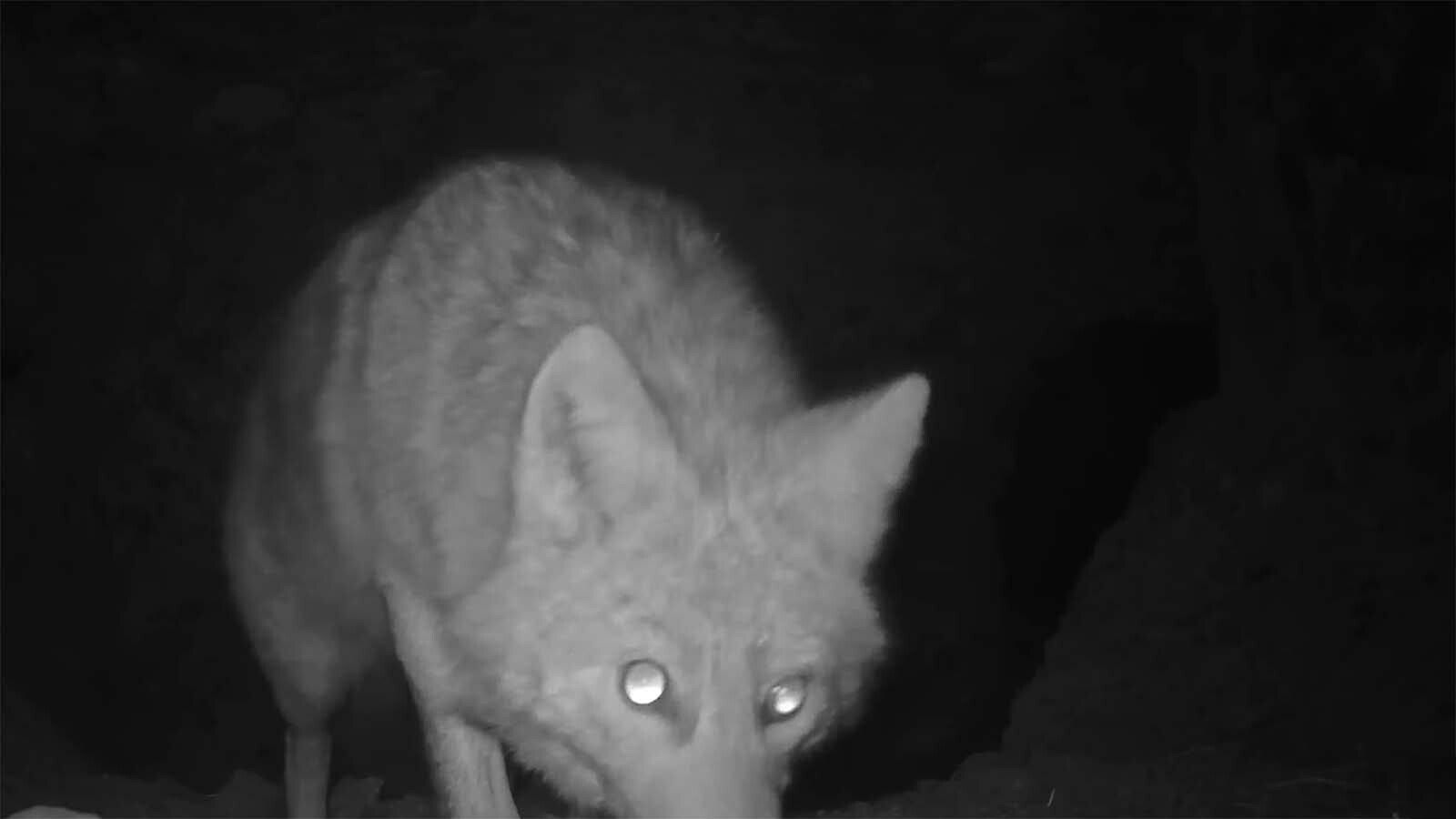
Over that decade from 2015 to 2025, the motion-activated cameras caught images of not only bears, but a mountain lion, a coyote and other wild creatures venturing into the cramped caves.
“I wish I’d done it on purpose,” he told Cowboy State Daily during a telephone interview from his home in Emigrant, Montana.
As it was, after placing the “camera traps” in the bear dens in 2015, Anderson got busy with other projects and more or less forgot about those cameras.
This summer, he and some friends finally hiked into the remote, high-altitude location where the bear dens were.
They didn’t hold out much hope of finding the cameras, much less recovering any images from them.
To their amazement, one camera was still fully intact. The other had been trashed by a bear, but its SD card survived and had recorded video clips on it.
Between them, the cameras had recorded about 300 clips of wild animals’ comings and goings in the caves, which are situated in extremely rough, rocky, high-altitude terrain.
A Rare Find
The two grizzly dens were an almost impossibly rare find to begin with, Anderson said.
Bears seek out the most remote and gnarliest locations they can find for dens so they won’t be disturbed during winter hibernation, Anderson said.
And despite popular images of “bear caves,” grizzlies rarely den up for the winter in caves.
Instead, they usually dig their own dens into the sides of steep alpine slopes, “going down, and then turning back up” to create a cozy pocket to retain heat over the winter, he said.
Most natural caves aren’t configured that way.
“There are plenty of little caves up there (in the mountains), but the bears don’t use most of them,” Anderson said.
So, when he was trekking the area in 2015, he couldn’t believe his luck when he found two hard dens in caves on the same day.
He couldn’t pass up the opportunity to set cameras in them in hopes of capturing interesting video clips for his "Endless Venture" YouTube channel.
Bears Don’t Hang Out In Dens
While grizzlies might use the same den for hibernation year after year, they don’t hang out in the dens after waking up in the spring.
“The kind of Disney storybook ‘bear cave thing,’ that doesn’t really happen,” Anderson said.
Instead, grizzlies wander about looking for food during the spring, summer and fall, and find resting spaces undeath trees, rock outcroppings and the like, he said.
Placing motion-activated cameras in the two rare cave dens provided an opportunity to find out what sort of animals might wander in and out while the bears were absent.
Nature’s ‘Message Boards’
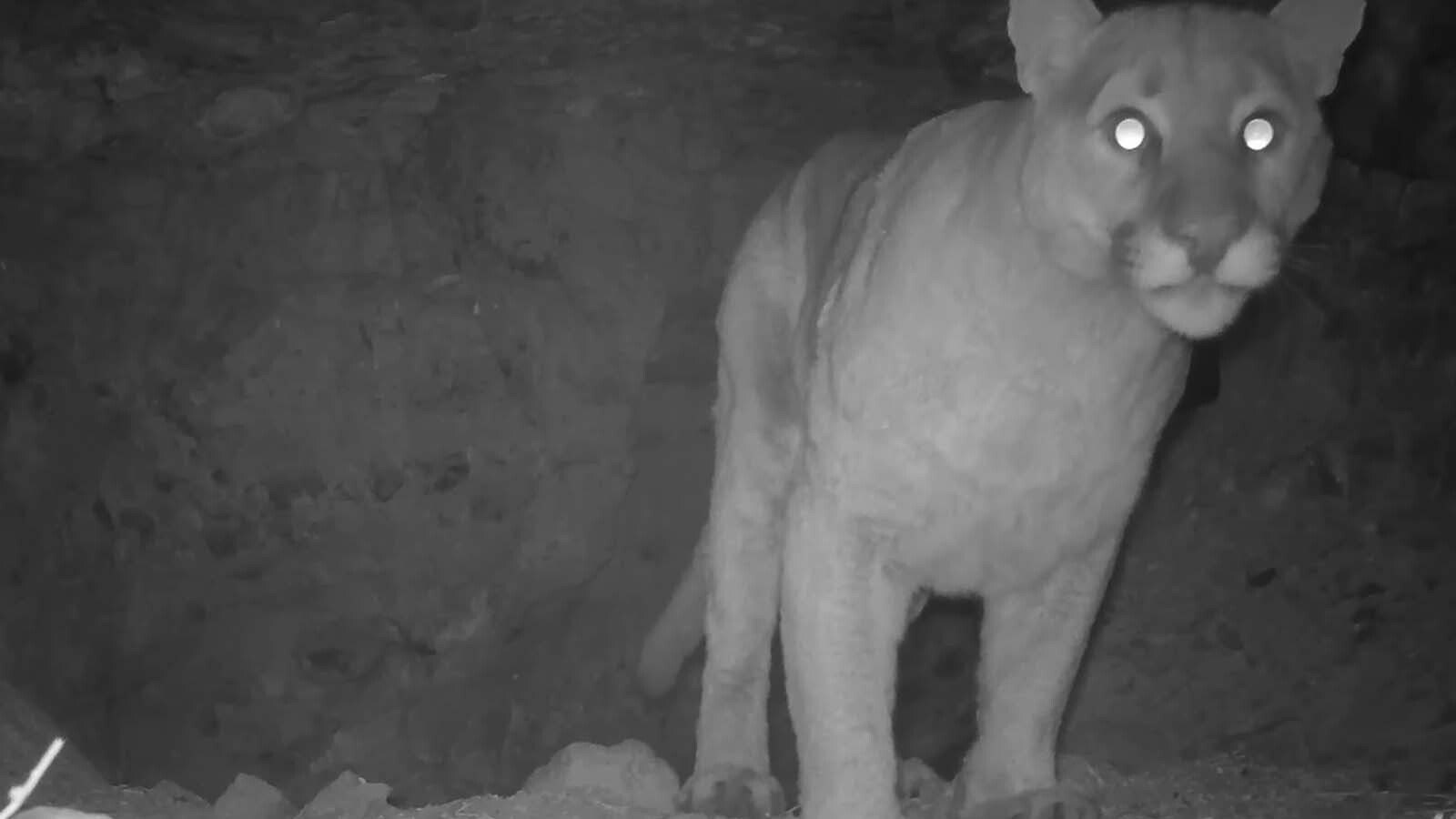
Of the clips the cameras captured from 2015 to 2025, one of Anderson’s favorites is of a huge male mountain lion that wandered into a cave to mark it with his scent.
The caves, and similar spots, serve as nature’s “message boards,” Anderson said.
Animals of several different species will wander by and mark the spot with their scent.
“All these animals, they go to check in to see, ‘Who’s in this territory?’” he said.
“You’ll see where them mark on top of each other’s marks,” he added.
The mountain lion’s daytime venture into the cave made for a dramatic clip, Anderson said.
“You first see this shadow, then this big cat comes in, and it’s a beautiful mountain lion,” he said.
Smaller animals like marmots also showed up.
And one clip shows a “mystery creature” that might be a wolverine, Anderson said.
Wolverines are notoriously elusive and few and far between, so spotting one is considered a rare privilege among wildlife enthusiasts.
Getting clear video of a mountain lion in the cave was also a rare treat, Anderson said.
“There’s just something about it (that video clip),” he said. "Here’s this animal that spends its live trying not to be seen, and mountain lions are really good at it."
Grizzly Graveyards
Grizzly dens not only give bears a place to hibernate during the winter, they also frequently end up being their final resting place.
Anderson said that during his long filmmaking career in the wild, he’s found only three grizzly carcasses out in the open.
Those bears had either been killed by other bears or apparently died from gunshot wounds.
Most grizzlies when they become old or sick go crawl into their dens one last time “and never wake up,” Anderson said.
The highest reaches of mountain ranges in Wyoming in Montana are “grizzly graveyards,” he said.
“There’s a bunch of dens up there with dead bears in them, because that’s where they go to die,” he said.
Mark Heinz can be reached at mark@cowboystatedaily.com.