People have been stuck in cities for so long, they’re starting to develop a terror of nature that researchers in Sweden and Japan have labeled “biophobia.”
Wyoming mental health counselor Ashley Skates told Cowboy State Daily that she’s treated people with phobias but hasn’t seen any clients suffering from biophobia.
Although, it seems the condition could be impossible to live with in a place like Wyoming, she said.
Backcountry guide Kipp Saile told Cowboy State Daily it’s not uncommon for city folks coming to Yellowstone country for the first time to have some apprehension about going into the wild.
However, he’s skeptical that full-blown “biophobia” is really a thing. And if they have a trusted guide, most people quickly fall in love with nature, he said.
Growing Mental Health Crisis?
Researchers at Lund University in Sweden and the University of Tokyo performed a “systematic review of 196 studies on biophobia,” and recently published their findings in Frontiers In Ecology and the Environment.
Biophobia extends beyond typical nature-based aversions, such as “animal species typically linked to fear or disgust,” according to the study's abstract.
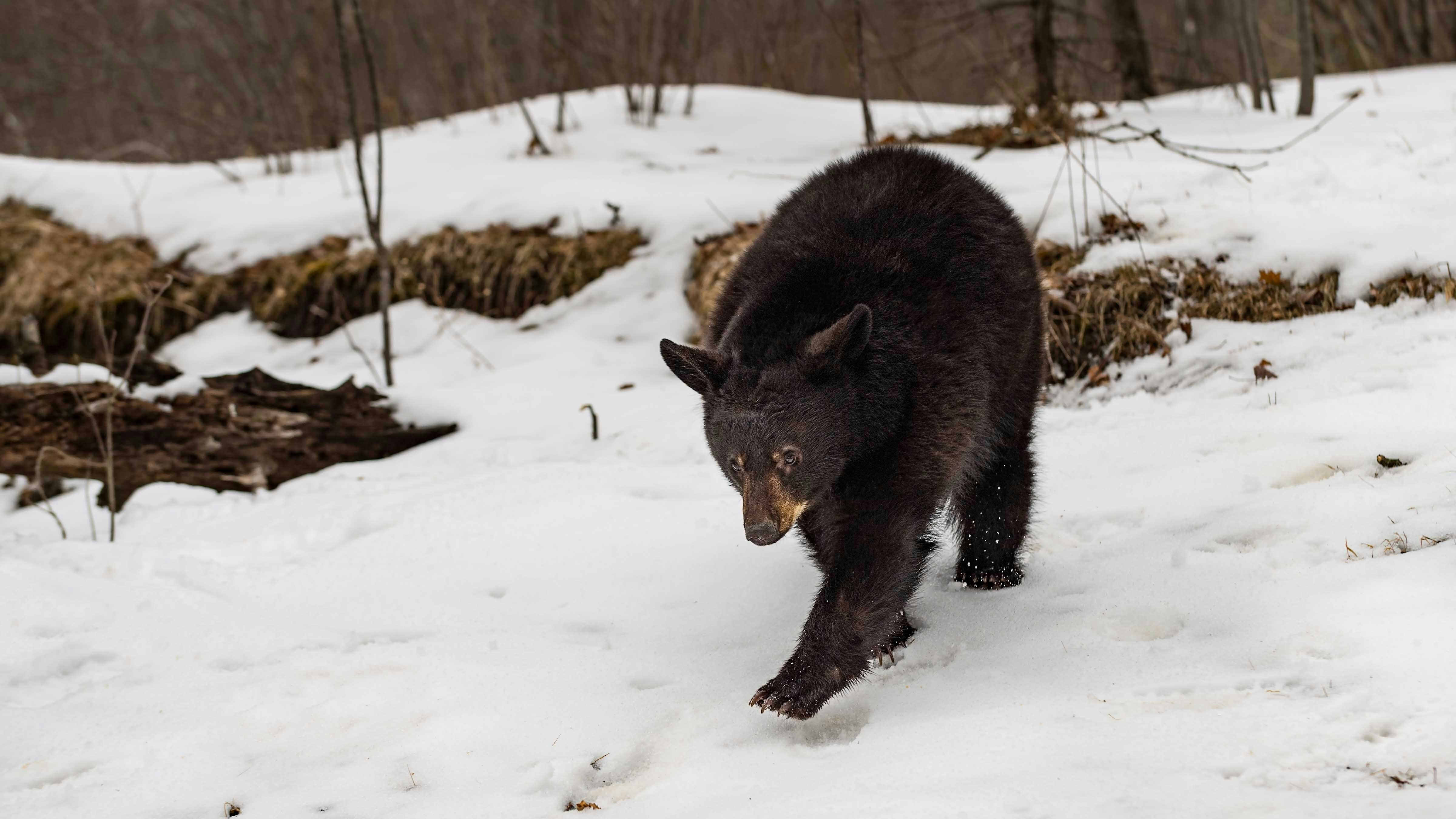
In other words, it goes way past such things as a phobia of snakes or spiders, and manifests as full-blown fear or disgust toward nature in general, researchers claim.
Biophobia could be a growing mental health crisis. And if enough people develop the disorder, it could hamper efforts to conserve nature, the researchers claim.
“Human–nature relationships are often framed positively, but research rarely addresses biophobia, the aversion to nature. However, negative relationships with nature are likely to become more widespread following societal and environmental changes, with serious implications for public health and conservation efforts,” according to the paper’s abstract.
People Feeling Out Of Place
While more city folks might be diagnosed with biophobia, rural states such as Wyoming seem to be avoiding it so far, said Skates, a licensed clinical social worker.
“That ‘biophobia’ term seems to be becoming more prevalent in urban areas, where they’ve had such a longstanding disconnect from nature,” said Skates, the owner/operator of Alliance Christian Counseling and program director for Rocky Mountain Wellness Connection.
A generalized fear of nature might also be associated with places where there’s a high risk of natural disasters, she added.
“Imagine living in ‘Tornado Alley’ or places where hurricanes are prevalent,” she said.
Natural landscapes might also make people feel uneasy, if they’re not acclimated to the surroundings, Skates added.
Some people visiting the Rocky Mountains and High Plains for the first time might initially feel “overwhelmed” by the enormousness of the landscapes here, she said.
“I’ve actually talked to people from the Midwest, where they’re used to seeing trees everywhere,” she said.
“They’re used to places where you’re driving down a long country road and you can’t see left or right, because there’s trees everywhere. And when they get out to big sky country, it can be overwhelming,” she said.
Conversely, people who are used to the vast spaces of Wyoming and travel to the heavily-forested Midwest or East might develop a feeling akin to claustrophobia, she said.
However, those are temporary feelings of displacement or unease, not a full-blown phobia, she said.
Phobias Are No Joke
Acute phobias, such as a crippling fear of spiders, can make life difficult for those who suffer from them, Skates said.
But the good news is, they’re treatable.
Phobias might be rooted in a traumatic past incident that the person associates with a particular creature, Skates said.
That in turn can send their brain or body into overdrive when they’re exposed to the trigger, such as a snake or spider.
Treatment can begin with teaching the client to recognize the symptoms and bring them under control, through such things as deep breathing exercises, she said.
“The first line of defense is regulating the central nervous system. To get them (patients) to understand the brain and body processes behind the symptoms and teaching them how to manage the symptoms,” she said.
After that, some “slow exposure” to the trigger can help a person eventually bring their phobia under control, Skates said.
Nature Is ‘Life Changing’
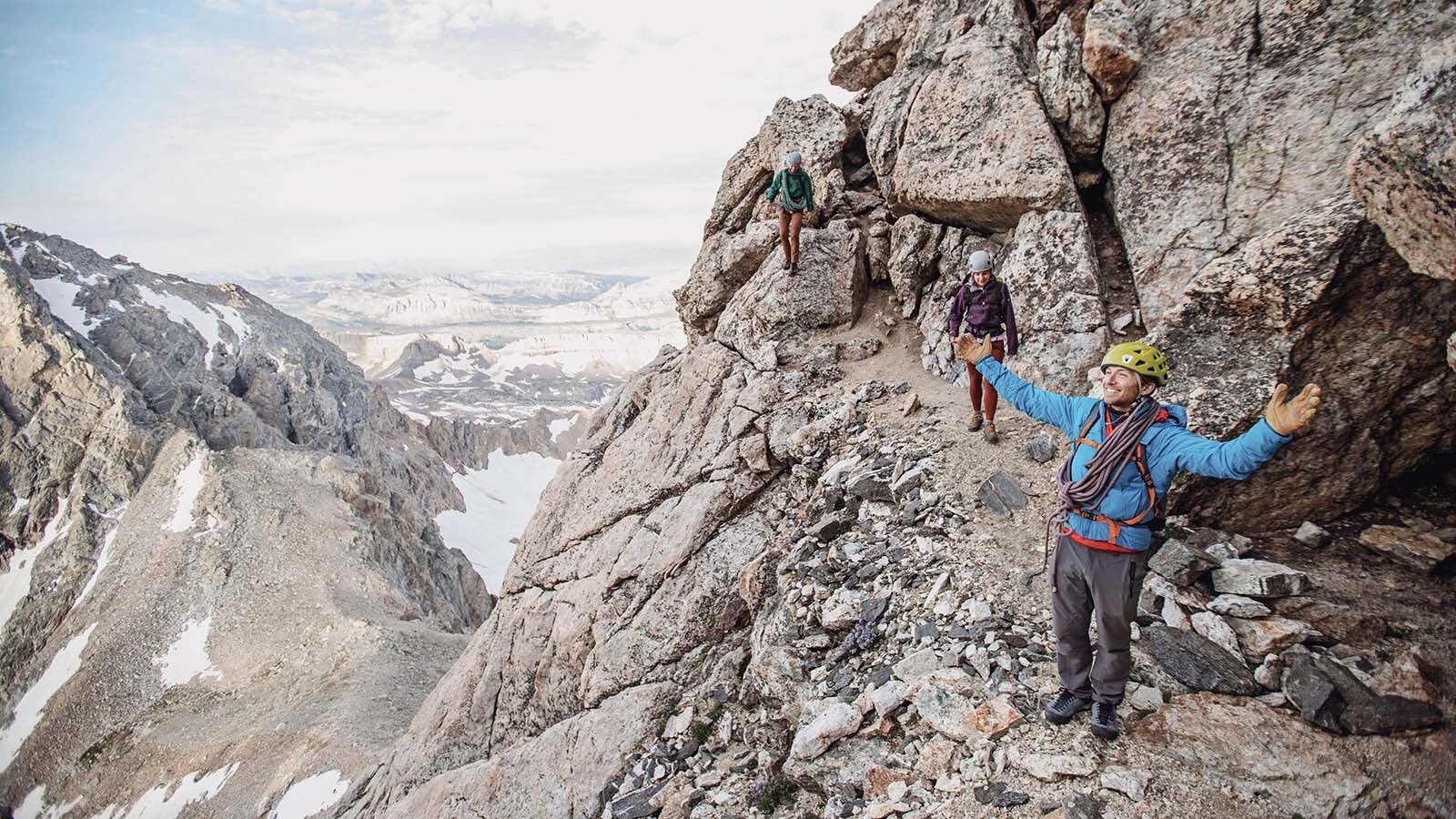
Saile frequently introduces people to true wilderness for the first time. He said it’s not uncommon for them to be a little fearful at first.
He runs Rockin’ HK Outfitters out of Pray, Montana, with his wife Heidi. They take clients to the most remote corners of Yellowstone National Park.
Having grown up in Detroit, Saile said he’s convinced that cities are far more dangerous than the wilderness will ever be.
“You have a 90% greater chance of dying in the urban world than you ever would out here, especially if you’re with a seasoned guide,” he said.
He doesn’t recommend people with no experience taking off into the backcountry alone; that would be ignoring a healthy respect for nature.
But inexperienced people can hire a guide, instead of letting a fear of nature stop them from experiencing it, he said.
He added that he’s skeptical about the biophobia research.
“A phobia of nature, really?” he said.
Whatever fears city slickers might have, Saile said he helps clients overcome them through trust.
“They trust me. And if you find that you trust somebody, you’ll believe what they’re telling you,” he said.
Saile said he’s never seen anybody regret overcoming their apprehension about taking those first few steps into the wild.
Backcountry adventures are “life-changing” for people, he said.
What started out as fear can turn into newfound confidence in themselves, he said.
“We teach people that they can do and experience more than they think they can,” he said.
Mark Heinz can be reached at mark@cowboystatedaily.com.