As the Rocky Mountain region continues to have an unprecedentedly warm, dry December, botanists are noticing a concerning trend. Fruiting trees and many perennial plants are in bloom.
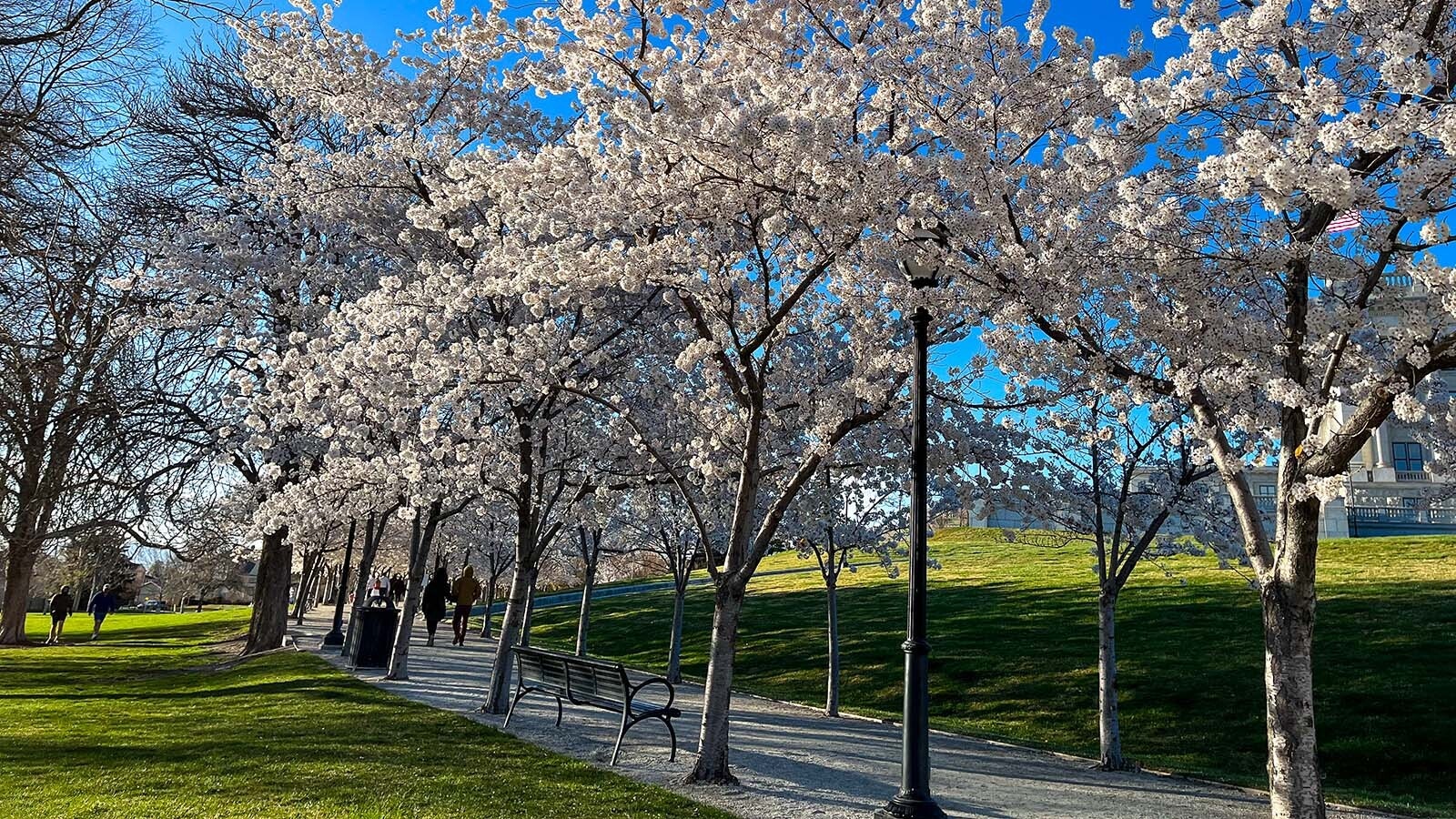
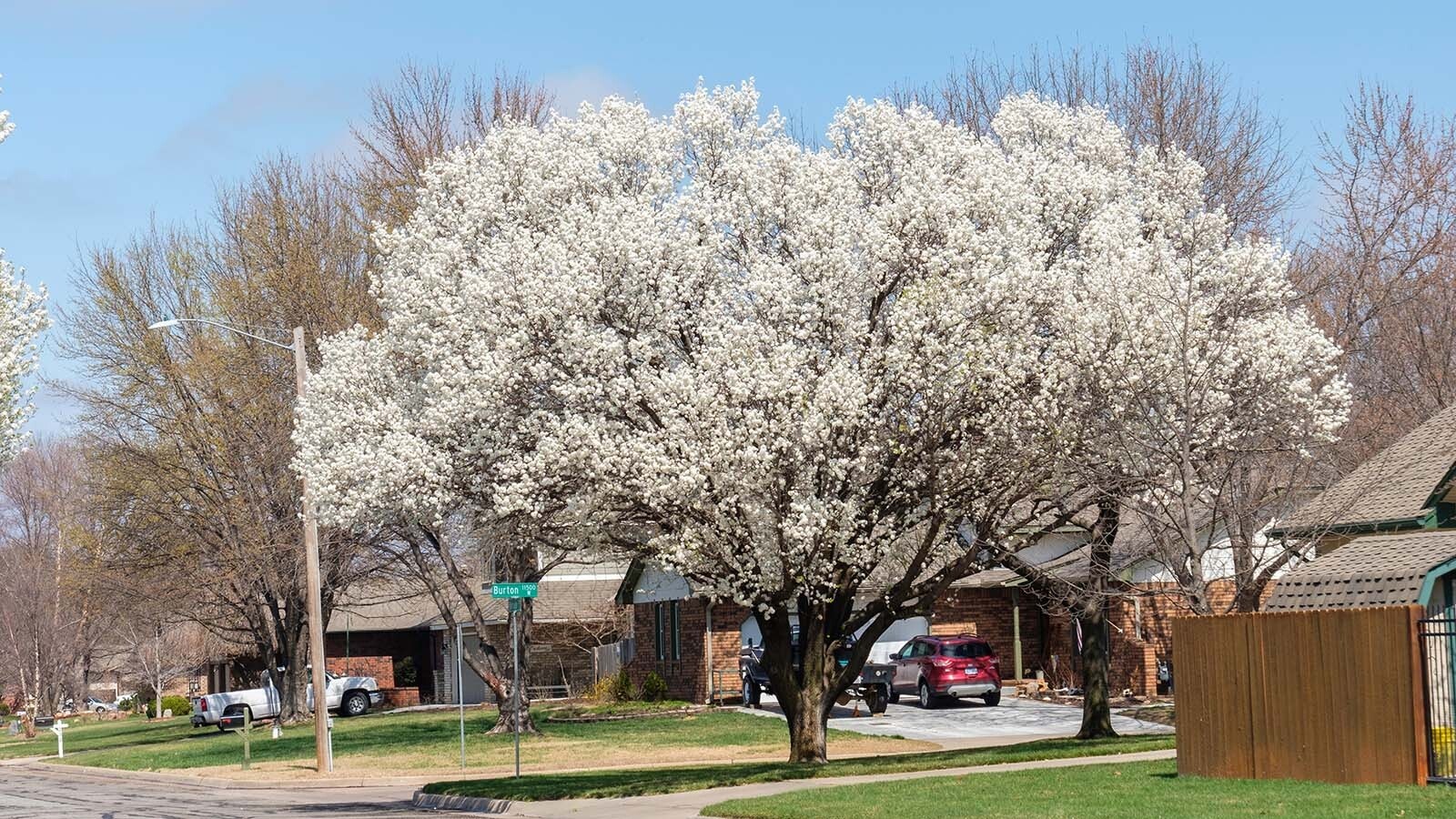
Pear trees in Salt Lake City, Utah, are covered with blossoms. Lilacs in Colorado are opening as they would to signal the arrival of spring.
In the meantime, many places around Wyoming saw their hottest Christmas Days ever, breaking 150-year-old records.
Shane Smith, former director of the Cheyenne Botanic Gardens, said it’s a sign that Wyoming’s trees are more stressed about this nightmare start of the winter season than its people.
The time might have come for “winter watering” to keep them happier and healthier until things cool off, he said.
“They want to reproduce in case they don’t survive,” he said. “Flowering is a common response plants have to stress. We can’t make it cooler, but we can try to alleviate some of the stress in whatever way we can.”
When In Doubt, Drought
Smith was enjoying some time in the valleys of western Colorado when he noticed the lilacs growing new, small leaves.
It correlates with what’s been observed in Utah, a direct response to the above-average temperatures and below-average precipitation experienced over the last two months of 2025.
“Salt Lake City has had only 2 two inches of snow this winter, so far,” he said. “Temperatures have been 10-20 degrees above normal for days on end. That’s especially hard on fruiting trees.”
Fruiting trees, like pears and apples, need to reach a certain threshold of “chilling hours.” Those are hours when the temperature needs to be 45 degrees or lower to stay on a stress-free schedule, meteorologically speaking.
Smith said the blooming in Utah, Colorado, and other states shows these plants are in drought mode. Their response to the persistent warmth and dryness is prompting them to salvage what they can in case they die.
“You can't take rhubarb to Florida and grow it, and it’s hard to grow an apple in the tropics,” he said. “These plants need winter, and a certain amount of cold to stay happy.”
Top Down
Smith doubts the current conditions will be enough to destroy these stressed-out plants, but there could be noticeable signs of their struggles. The first place to look is at the very tops of the trees.
“A tree might not die, but the tops of the upper branches will start to die or fall away,” he said. “That’s the tree thinking it needs to reduce its size to survive.
"Evergreens are particularly sensitive to dry winters, because they keep their leaves all winter and lose moisture out of their leaves.”
Trees are particularly susceptible to these conditions because they were a rarity on the landscape before white settlers moved westward.
Wyoming is mostly a short-grass prairie environment, which isn’t ideal habitat for the towering deciduous and fruiting trees in many Cowboy State towns.
“According to historical records), there were only nine trees in Cheyenne in the early 1870s,” Smith said. “Trees didn’t pop up here like they do back East and in more habitable areas for plants.”
However, those old trees have weathered many storms and droughts over the years.
New growth is most likely to suffer and die in this warm winter weather, which is why Smith recommends that anyone with new landscaping pay particular attention to their yards.
“Newly planted trees really benefit from a bark wrap, because it prevents cracking,” he said. “The bark heats up in the warm, sunny days, then cracks when the night temperatures drop. It's like taking an ice cube and putting it in hot water.”
Smith doesn’t doubt the durability of Wyoming’s trees and plants, but they can be damaged and weakened without preventive measures. That’s where people might need to step in.
Winter Watering
By now, most Wyomingites have probably received reminders to disconnect their hoses to prevent them from freezing. In times like these, the best thing they could do is winter watering.
Smith said if conditions remain as warm and dry as they have been, watering your prized plants might be in their best interest. If they’re blooming or showing signs of growth, they’re probably struggling.
Then there’s the wind.
Wind is the one thing that hasn’t been in short supply in December, and those sustained winds will also drain moisture from evergreens and other plants already struggling to keep their cool.
“It's a higher priority for newer growth, because they don't have a good root system, but even older trees like a little bit of water too,” he said. “You don’t want your prized mature trees dying. They add value to your home.”
Smith’s recommendation is for anyone who wants to do some winter watering to set up the hose in their garage and use buckets to deliver moisture to the parched earth. That won’t alleviate their stress, but it’ll give them something to work with while Wyoming’s winter stubbornly refuses to arrive.
Not A New Normal (Hopefully)
The sudden blooming of plants in Western states is concerning, and not concerning. There could be seasonal impacts to these early bloomings, but Smith and most other horticulturists believe the plants themselves will be able to survive.
What concerns Smith more is what this could mean going forward. The pressing concern would be if this becomes “the new normal,” and even the signs of relief in the short-term aren’t as encouraging as he’d hope.
“In my experience, this December is unprecedented,” he said. “I follow Don Day and other meteorologists, and it looks like the moisture is going to return to some extent, but temperatures aren’t going back to normal.
"I know a lot of people in fruit-growing country are watching nervously.”
Andrew Rossi can be reached at arossi@cowboystatedaily.com.