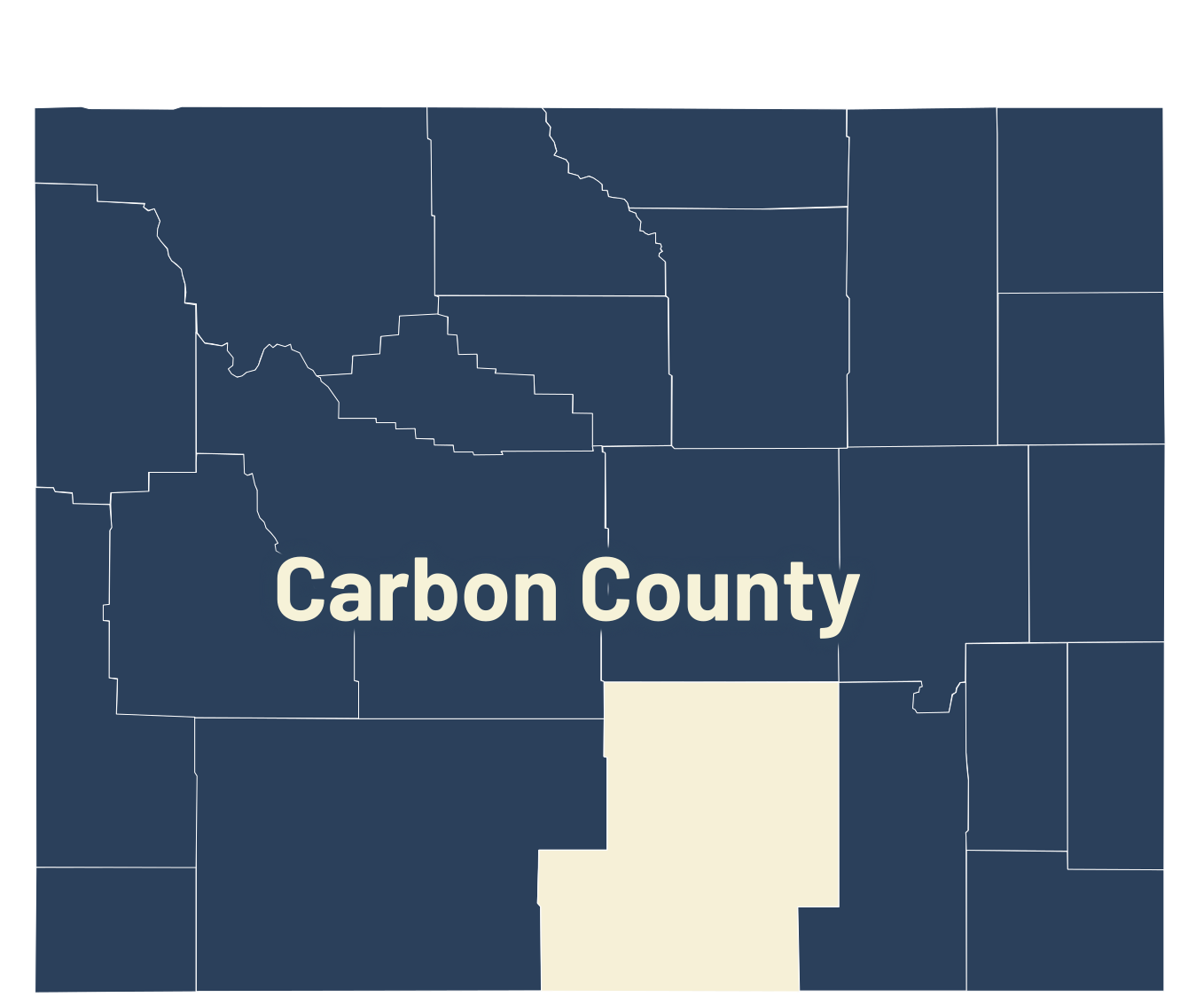
A Salt Lake City-based power company is touting a proposed 900-megawatt project at Seminoe Reservoir in Carbon County as a huge economic boon for the area.
But wildlife advocates, county commissioners and the Wyoming Game and Fish Department are worried about the potential impact on Wyoming’s premier bighorn sheep herd.
There’s also concern over how it could affect the blue-ribbon trout fishing along the famed Miracle Mile stretch of the North Platte River.
Bighorns In Peril?
Controversy over rPlus Hydro’s proposed Seminoe Pumped Storage Project has been brewing for months.
The stakes are ratcheting up as the Jan. 2 deadline looms for comments to be submitted to the Federal Energy Regulatory Commission (FERC).
The latest entity to weigh in is the Natrona County Commission. A Dec. 2 draft of a letter the commission plans to send to FERC decries the project's potential effects on the county’s wildlife and recreation-based economy.
The Carbon County Commission and Game and Fish previously expressed similar misgivings.
In a letter sent to FERC in April, Game and Fish Deputy Director of External Affairs Doug Brimeyer stated that the project’s estimated five-year construction time could affect an “entire generation of wildlife.”
Most notably, the project could disrupt crucial winter habitat for the Ferris-Seminoe bighorn sheep herd, he stated.
rPlus Hydro hopes to start construction by 2027. Among other things, the project would entail blasting tunnels, to shift water between a new upper reservoir and the existing lower reservoir.
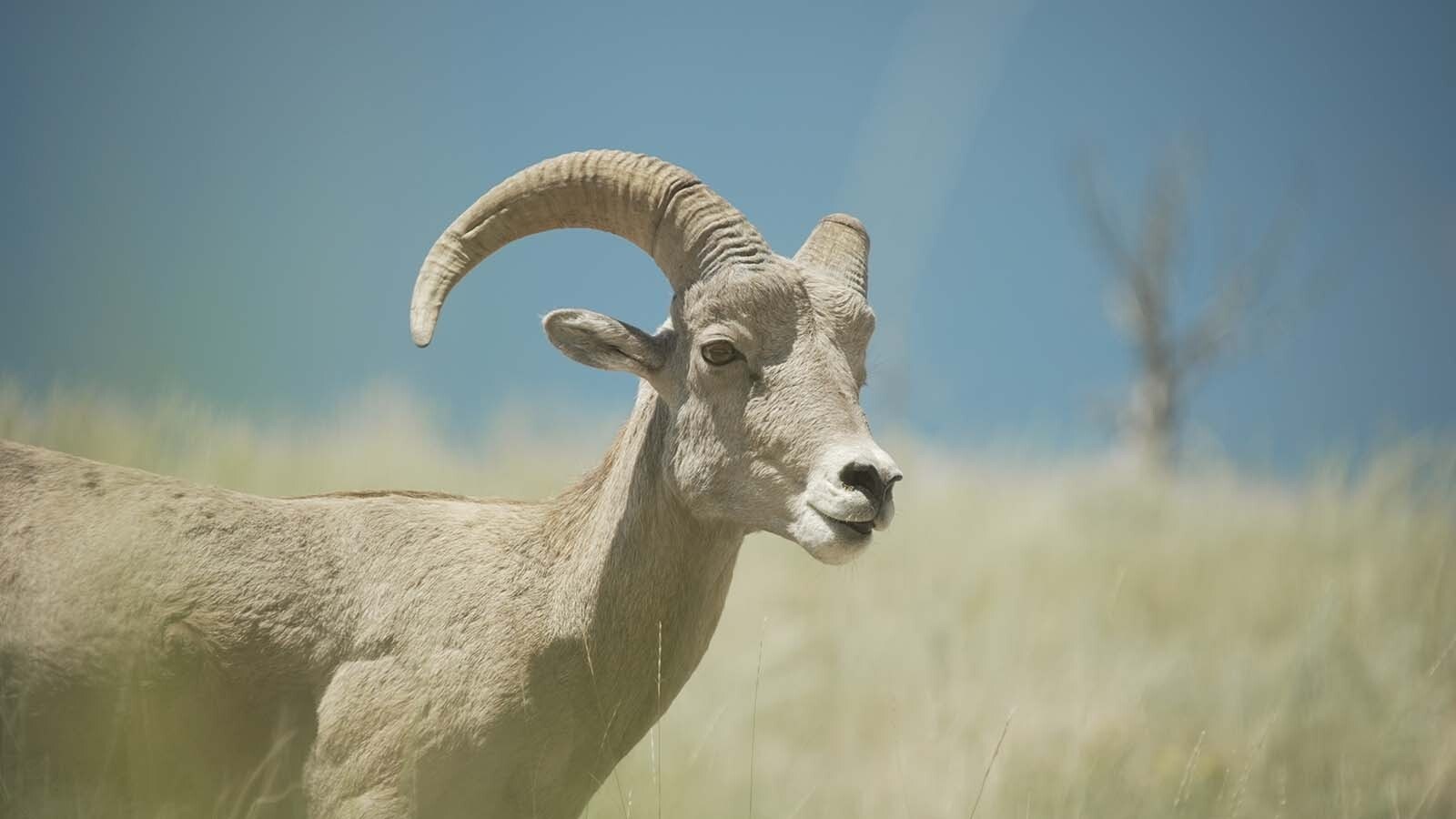
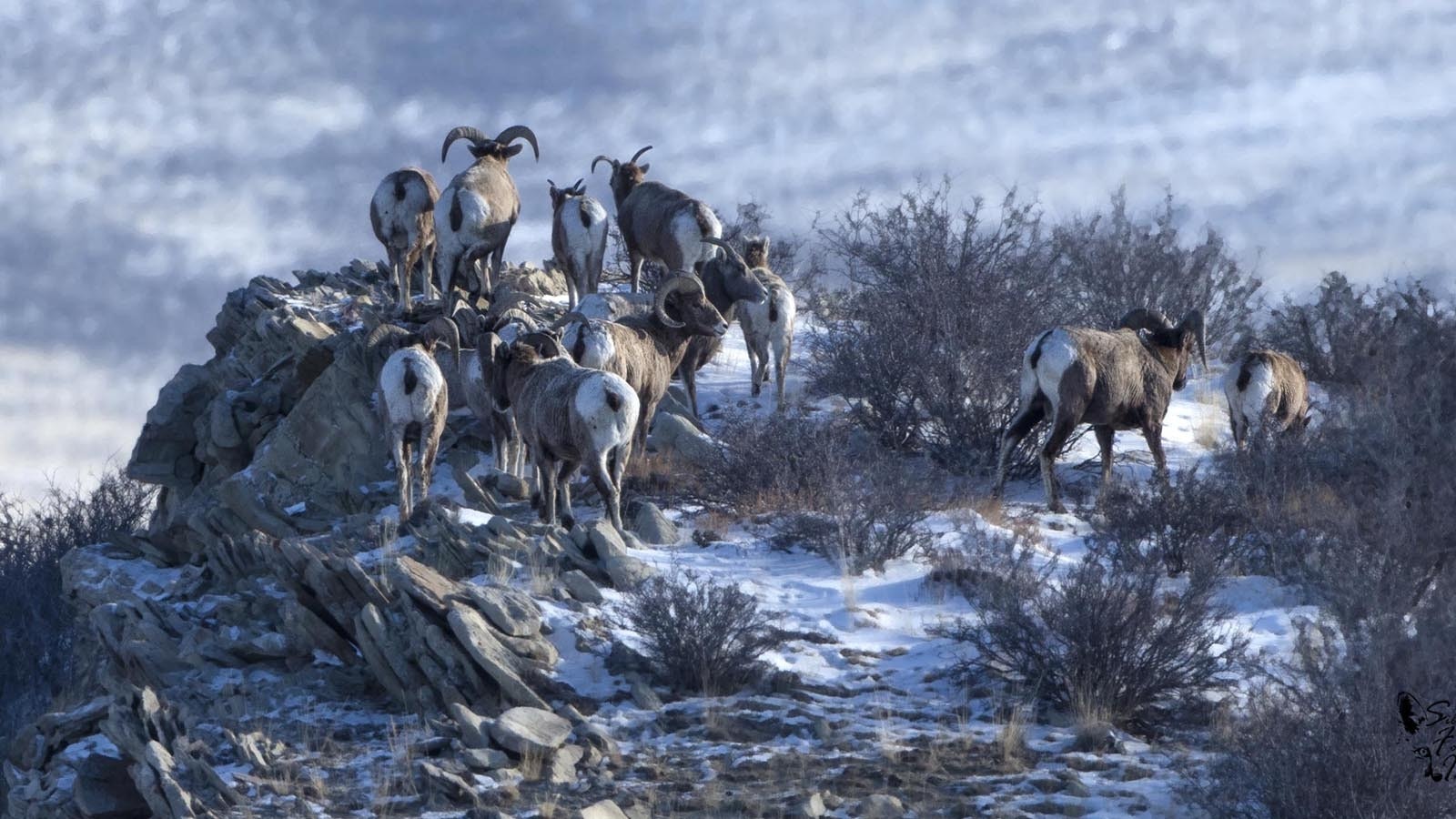
The Ferris-Seminoe bighorn sheep are one of Wyoming’s most prized herds. There’s concern that a proposed power project at Seminoe Reservoir could disrupt their crucial winter habitat. (Courtesy Samuel Pyke, Hill Shadow Pictures) 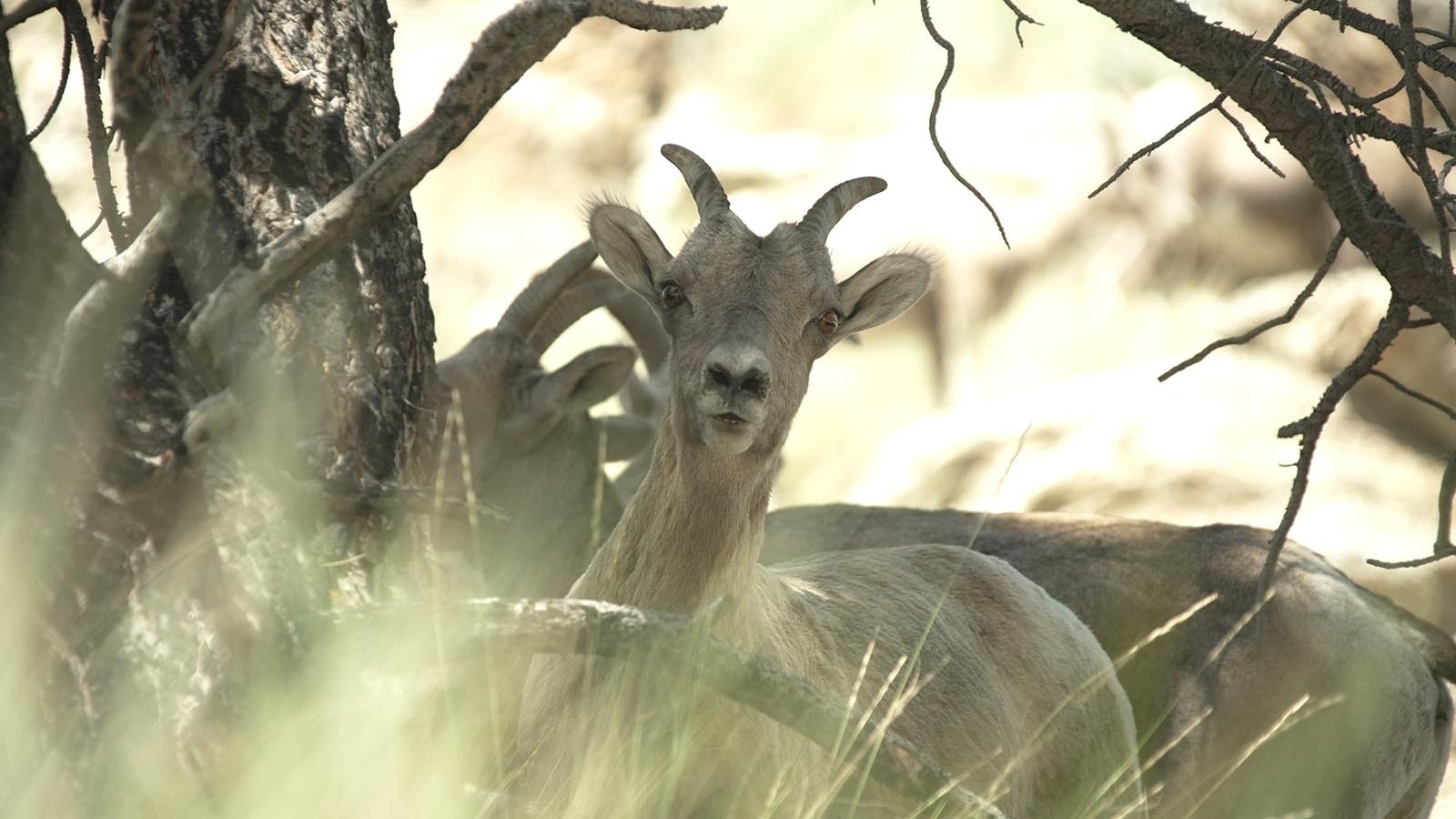
The Ferris-Seminoe bighorn sheep are one of Wyoming’s most prized herds. There’s concern that a proposed power project at Seminoe Reservoir could disrupt their crucial winter habitat. (Courtesy Samuel Pyke, Hill Shadow Pictures) 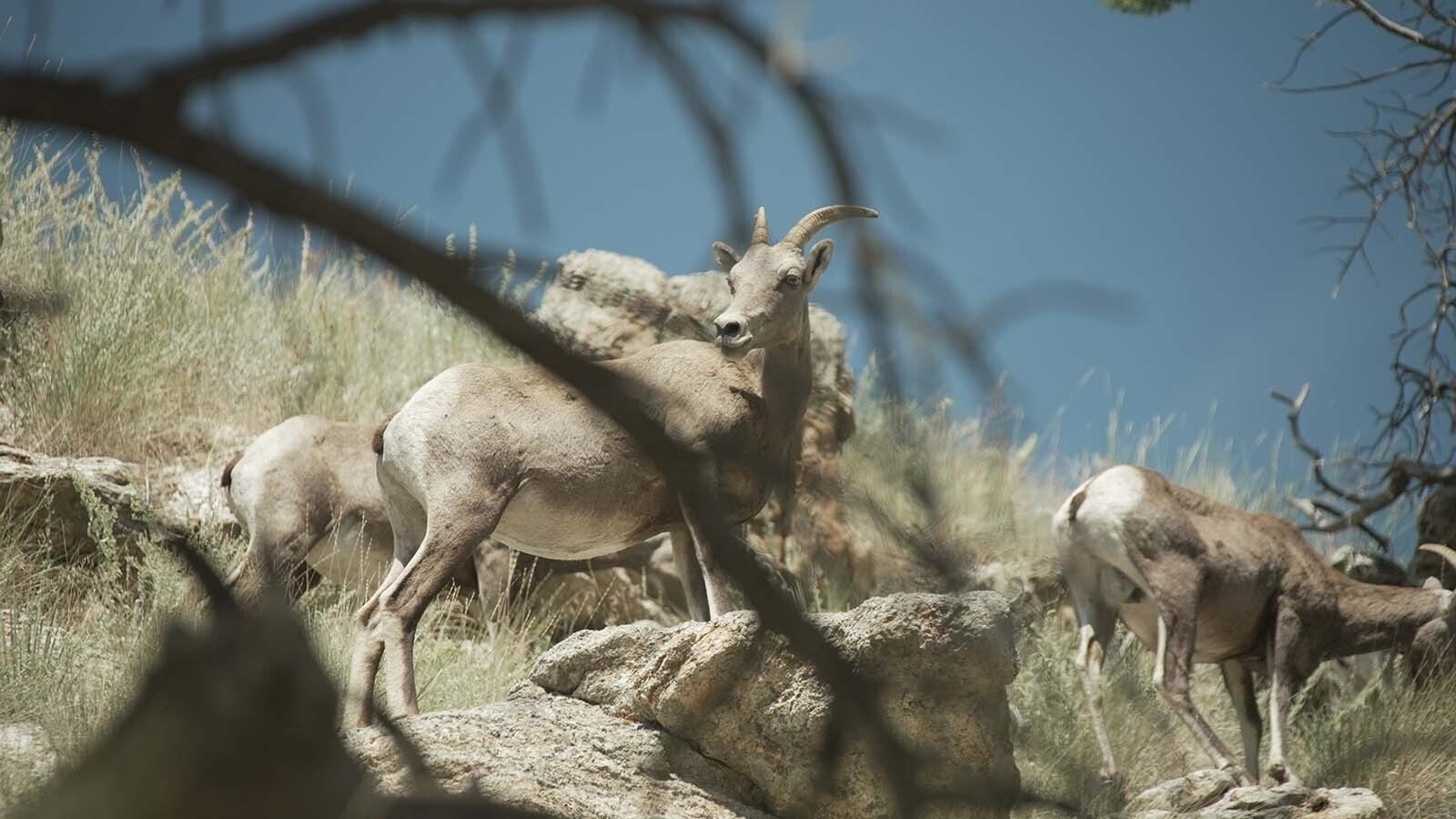
The Ferris-Seminoe bighorn sheep are one of Wyoming’s most prized herds. There’s concern that a proposed power project at Seminoe Reservoir could disrupt their crucial winter habitat. (Courtesy Samuel Pyke, Hill Shadow Pictures)
Carbon County Not Happy
There’s serious concern that the project’s planning process hasn’t given adequate weight to studies on protecting wildlife in the area, Carbon County Commissioner Gwynn Bartlett told Cowboy State Daily.
Carbon County Commissioner Sue Jones said she is concerned that the project would involve “blasting, and a lot of it” in the vicinity of the bighorn sheep.
Jones also questioned whether the touted economic benefit of the pumped storage project would outweigh the losses to the county’s existing economy and lifestyle.
Seminoe is “one of the sacred areas of Carbon County” and “a destination for people from Cheyenne and Colorado,” Jones told Cowboy State Daily.
“We already see millions of dollars in economic benefit” from hunting, fishing and other outdoor recreation there, she added.
Jones said that her county commission reached out to the Natrona County commissioners, who were apparently largely unaware of the project and its potential effects.
Natrona County Commission Chairman Dave North said the movement of water that the pumped storage project would entail — roughly 454 gallons per minute — is bound to hurt fisheries in Seminoe. And perhaps downstream, along the North Platte River’s Miracle Mile.
“The sheer volume of water that they’re talking about pumping into and out of Seminoe is amazing,” he said.
The reservoir is known for trout and walleye fishing, he said. And the Miracle Mile has some of the best trout fishing in the West.
The massive movement of water could affect water temperature, which in turn could disrupt aquatic habitat and fish spawning cycles, North said.
He’s also worried about the bighorns and other wildlife.
“Bighorn sheep don’t do well with disturbance,” he said.
Not Just Any Bighorn Herd
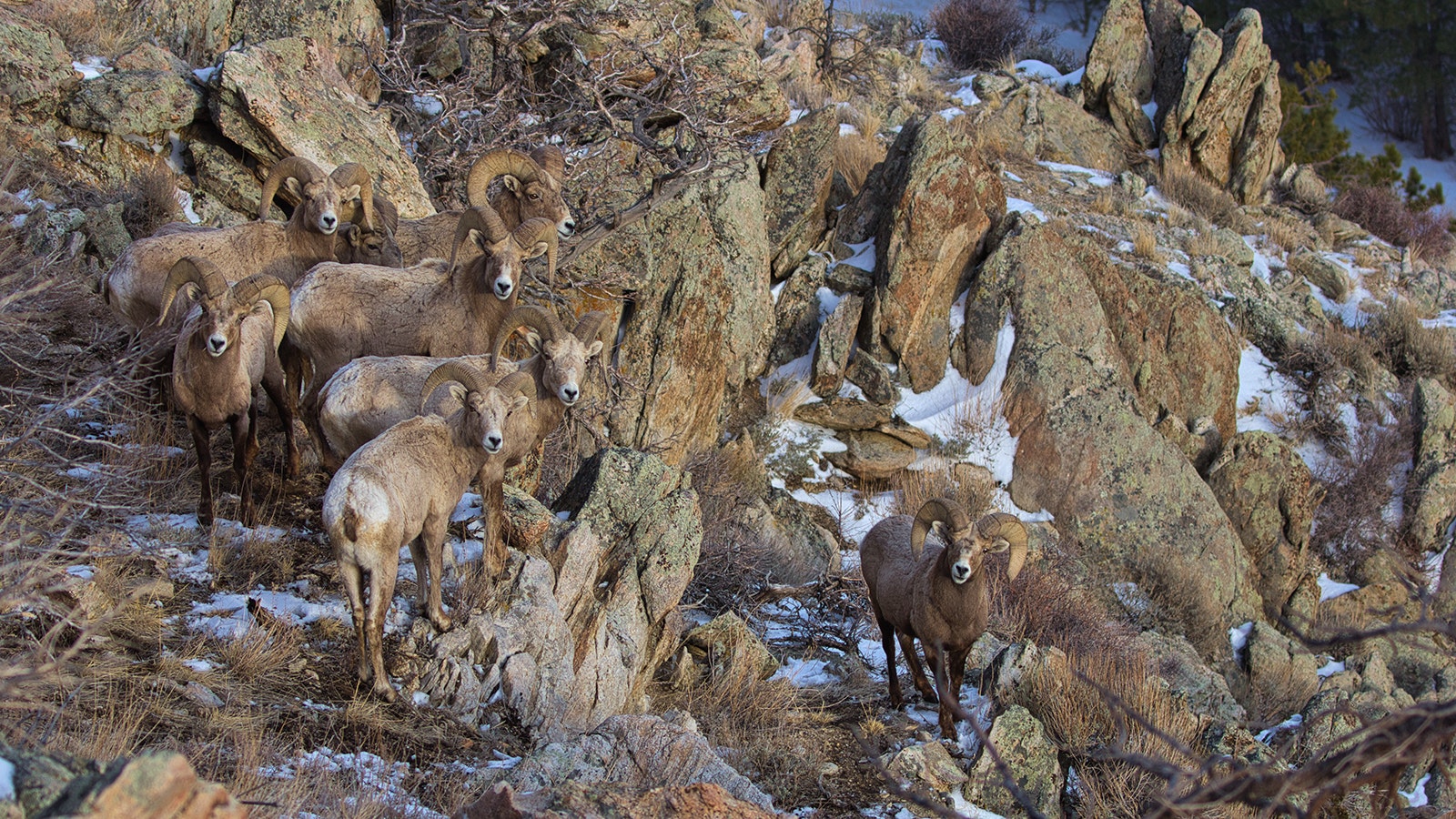
The importance of the Ferris-Seminoe bighorn sheep herd can’t be overstated, Katie Cheesbrough, executive director of the Wyoming Wild Sheep Foundation, told Cowboy State Daily.
“It is the healthiest bighorn sheep herd in Wyoming,” she said.
Bighorn sheep are susceptible to devastating pneumonia outbreaks. But so far, the Ferris-Seminoe sheep tested negative for the strain of bacterial pneumonia that has devastated other herds.
For instance, the beloved Whiskey Mountain bighorn sheep herd near Dubois has been battling relentless pneumonia infections for decades.
The project might have “population-level” impacts on the Ferris-Seminoe herd, she said.
In addition to disrupting the herd’s wintering grounds, it could disturb “lambing” areas, or the secluded places ewes go to give birth during the spring, she said.
The project could also run counter to the resource management plan (RMP) from the Bureau of Land Management’s Rawlins field office, Cheesbrough said.
Protection of bighorn sheep habitat is written into that RMP. So changing it could amount to essentially revising the entire RMP to favor just one developer, she said.
‘Source Herd’
The Ferris-Seminoe herd’s disease-free status makes it the last best option for capturing sheep to relocate to other areas in Wyoming; to either reintroduce bighorns, or boost struggling herds.
So, as goes that herd, potentially goes Wyoming’s statewide bighorn sheep management and conservation, Cheesbrough said.
“If this herd is impacted too heavily and we can no longer use it as a source herd for transplants, that has potential impacts on Wyoming’s entire bighorn sheep population,” she said.
Mark Heinz can be reached at mark@cowboystatedaily.com.