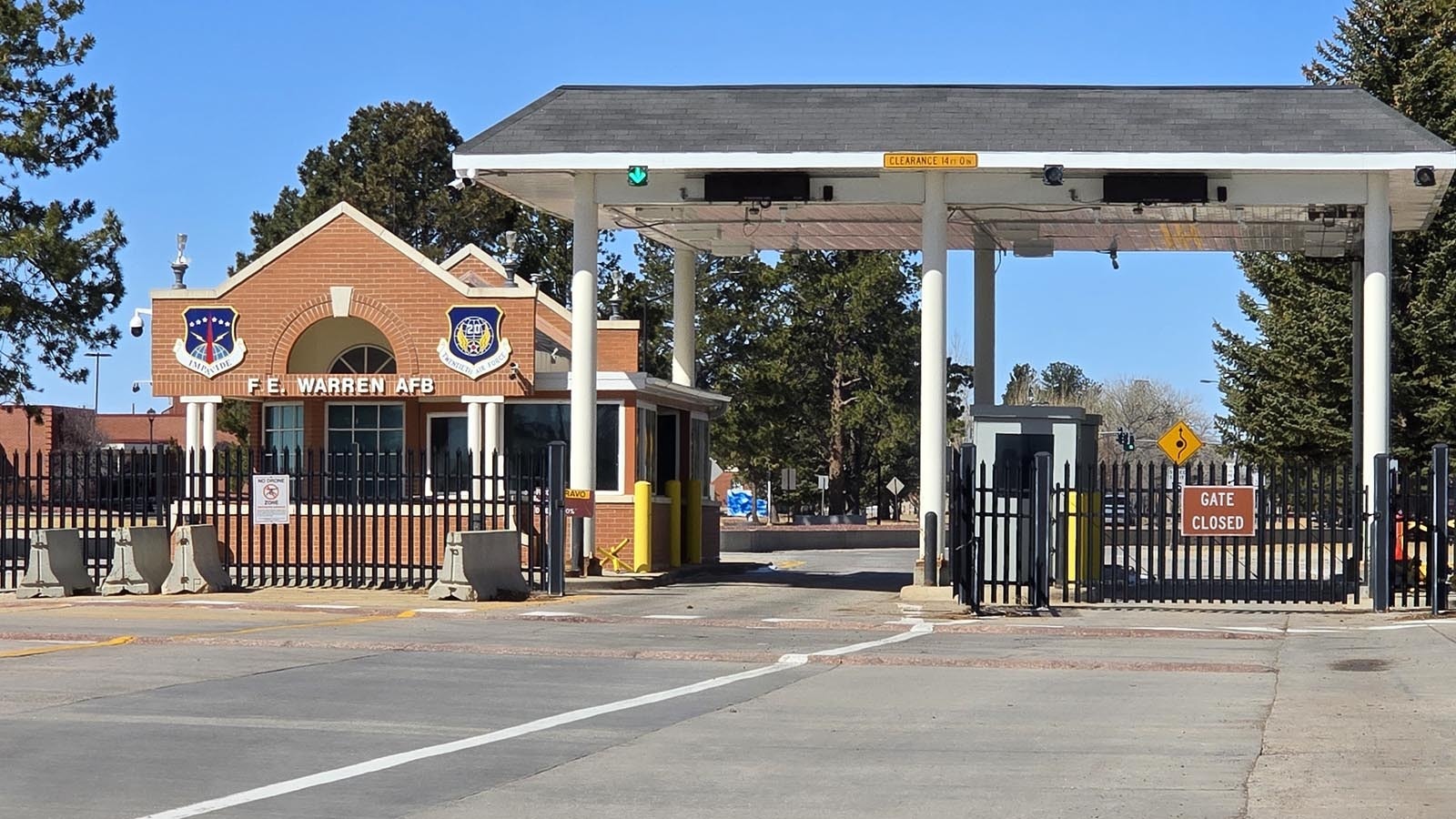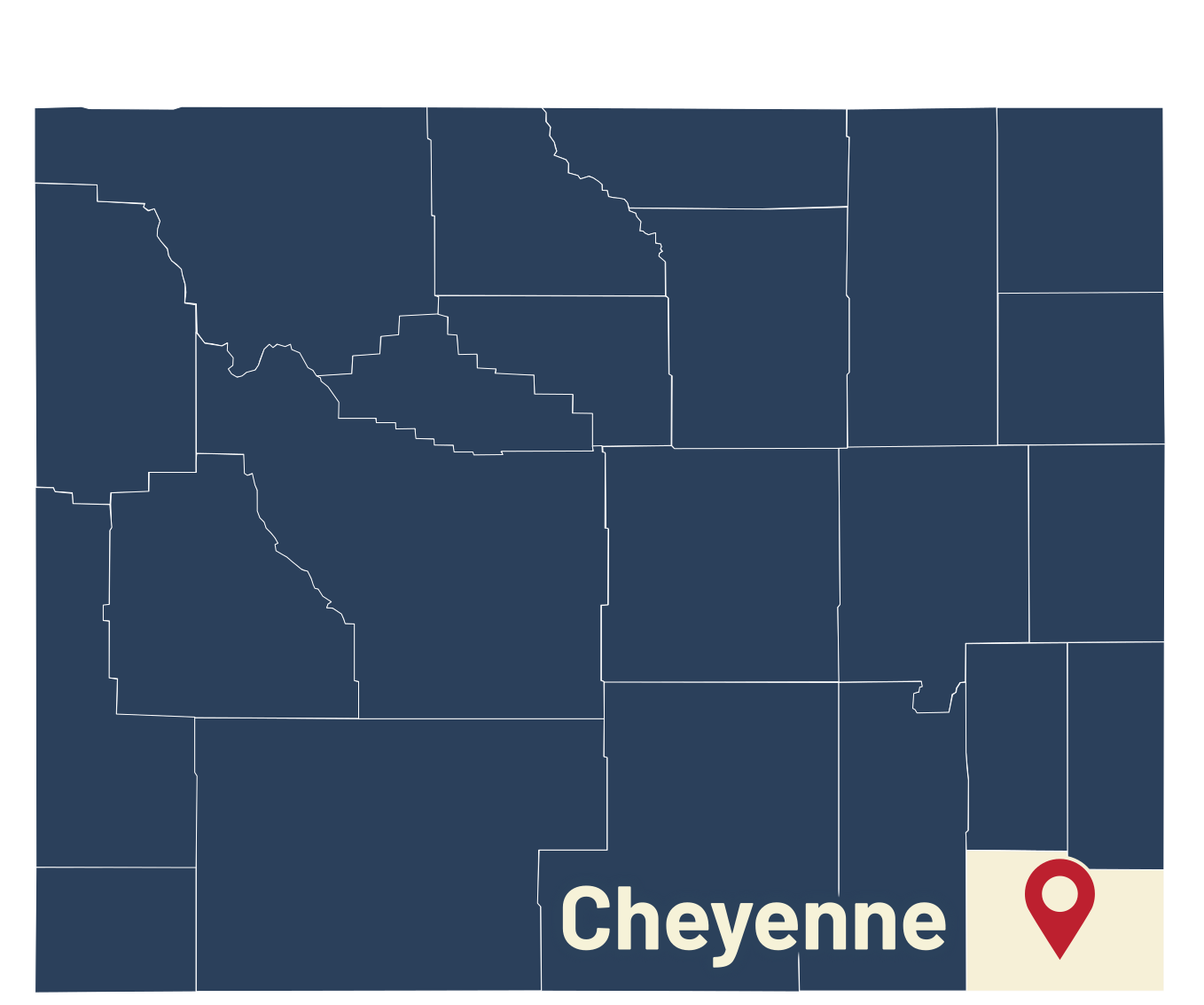
Born in Cheyenne to a respected Civil War veteran, businessman and community leader, Howard McCrum Snyder was 10 years old when his father died.
Albert Snyder had served as Union Gen. Ulysses S. Grant’s chief of telegraphy during the last months of the Civil War and earlier as a soldier in a Pennsylvania unit that participated on the frontline of the bloodiest battle of the war — Antietam.
The youngest of three sons born to Albert C. Snyder and his wife, Priscilla, on Feb. 7, 1881, Howard Snyder like his dad would go on to play an important role for a winning general and future president.
That was as his doctor.
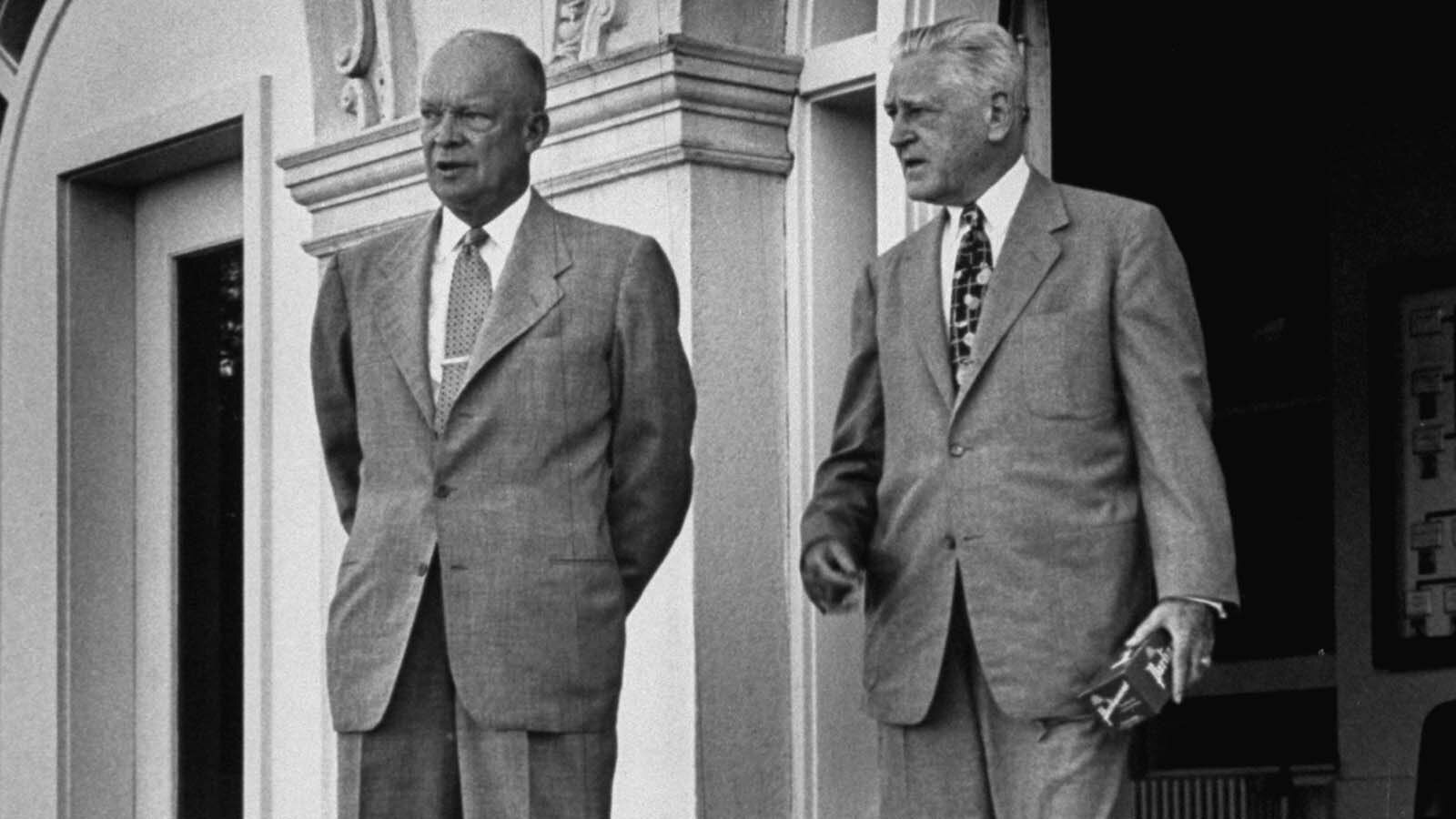
Snyder’s military retirement was shelved twice, so he could serve Gen. Dwight D. Eisenhower first as World War II ended and later as the presidential family physician through two terms of Eisenhower’s presidency.
As with President Joe Biden’s time in the White House, the heat of national scrutiny about the president’s health was on Snyder’s actions as Eisenhower suffered a heart attack in 1955 and then a life-threatening intestinal blockage in June 1956 as a new presidential election loomed that November.
“Of all the persons in Washington who felt today that they were living through a nightmare for the second time, the man who must have felt it most keenly was the president’s physician, Maj. Gen. Howard McC. Snyder,” the New York Times reported on June 9, 1956. “Once again he found himself the world’s most important physician in charge of the world’s most important patient — with the world’s fate to some degree, at stake.”
According to his obituary, Howard Snyder attended the University of Colorado and Jefferson Medical College in Philadelphia for his medical degree. He served an internship at a Philadelphia hospital and in 1907 served as a contract Army surgeon at Fort Douglas, Utah.
Enjoying the military, he went through the Army Medical School in 1908 and was commissioned a first lieutenant in the regular Army. His first assignment was in the Philippines, and it was there that Snyder married his wife, Alice Elizabeth Conklin of Washington, D.C., on July 12, 1910.
The Cheyenne Semi-Weekly Tribune carried the story in its Aug. 26, 1910 edition.
“Dr. Snyder grew to manhood in Cheyenne,” the newspaper reported. “The young people became engaged during the visit of Miss Conklin and her parents in Manila and the wedding date was set forward on account of the return of Mr. And Mrs. Conklin to America, taking place on the eve of their departure.”
Back In Cheyenne
The Wyoming Tribune reported a year later that on Sept. 28, 1911, Snyder who had been traveling with a field artillery unit from Wisconsin to Fort Sheridan, Ill., was reassigned to Fort D. A. Russell in Cheyenne. While in his hometown, newspaper articles and social pages mention his name as involved on court martial juries and other matters.
He is mentioned by the Omaha World Herald in Aug. 5, 1912 as the inspector for a Nebraska national guard unit that was serving at Pole Mountain, a national guard training area west of Cheyenne.
Snyder was reassigned from Fort D. A. Russell to Walter Reed Medical Center in Washington, D.C., on July 27, 1915. In 1916, he was deployed with Gen. John J. “Black Jack” Pershing to Mexico as an army surgeon in response to Pancho Villa’s attack on a New Mexico border town.
In Oct. 1918 as U.S. troops were engaged in World War I, Snyder was put in charge of Camp Crane in Allentown, Pennsylvania, where troops were being trained for medical and hospital service.
He again spent time on staff at Walter Reed Hospital in Washington in 1919 and from 1924-1929 served as the post surgeon and doctor for all academy sports at West Point. He was named an honorary graduate of the United States Military Academy Class of 1929.
New York City’s Brooklyn Eagle reported on June 28, 1929, that then “Lt. Col. Howard McC. Snyder,” surgeon of the United States Military Academy at West Point served as the reviewing officer for the First Brigade for members of the 105th and 106th Infantry.
“Prior to the review, the medical officer, who will leave for Puerto Rico shortly, was the guest of the officers at a dinner held in the officers’ mess,” the newspaper reported. Snyder spent the following three years in Puerto Rico.
At the start of World War II, then Brig. Gen. Snyder served on the staff of the Inspector General based in Washington, D.C., traveling to hospitals around the world in war zones to ensure proper care was being administered to troops.
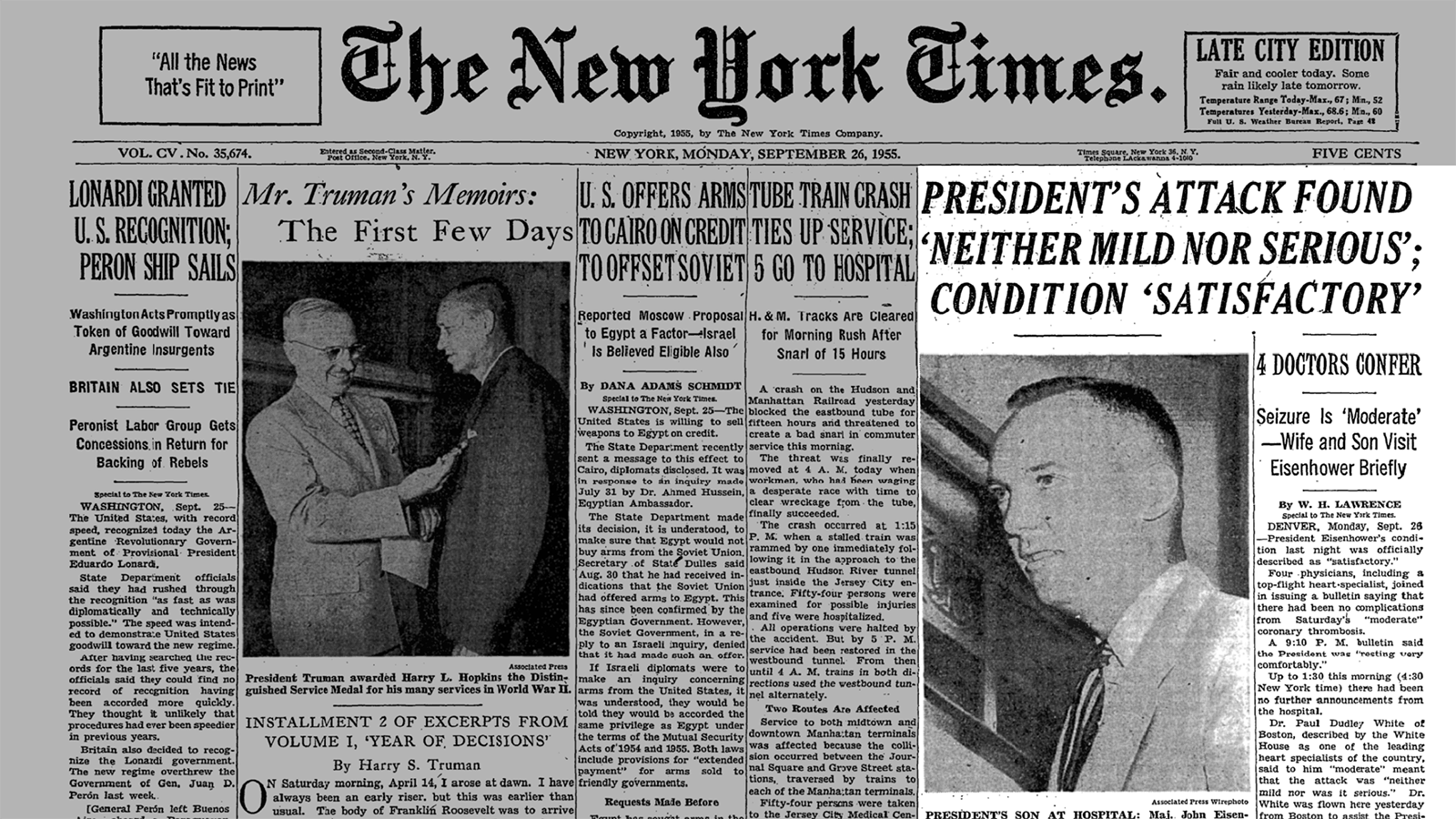
President Dwight Eisenhower’s heart attack and Maj. Gen. Howard Snyder’s description as “mild” was questioned by the press. (Courtesy New York Times) 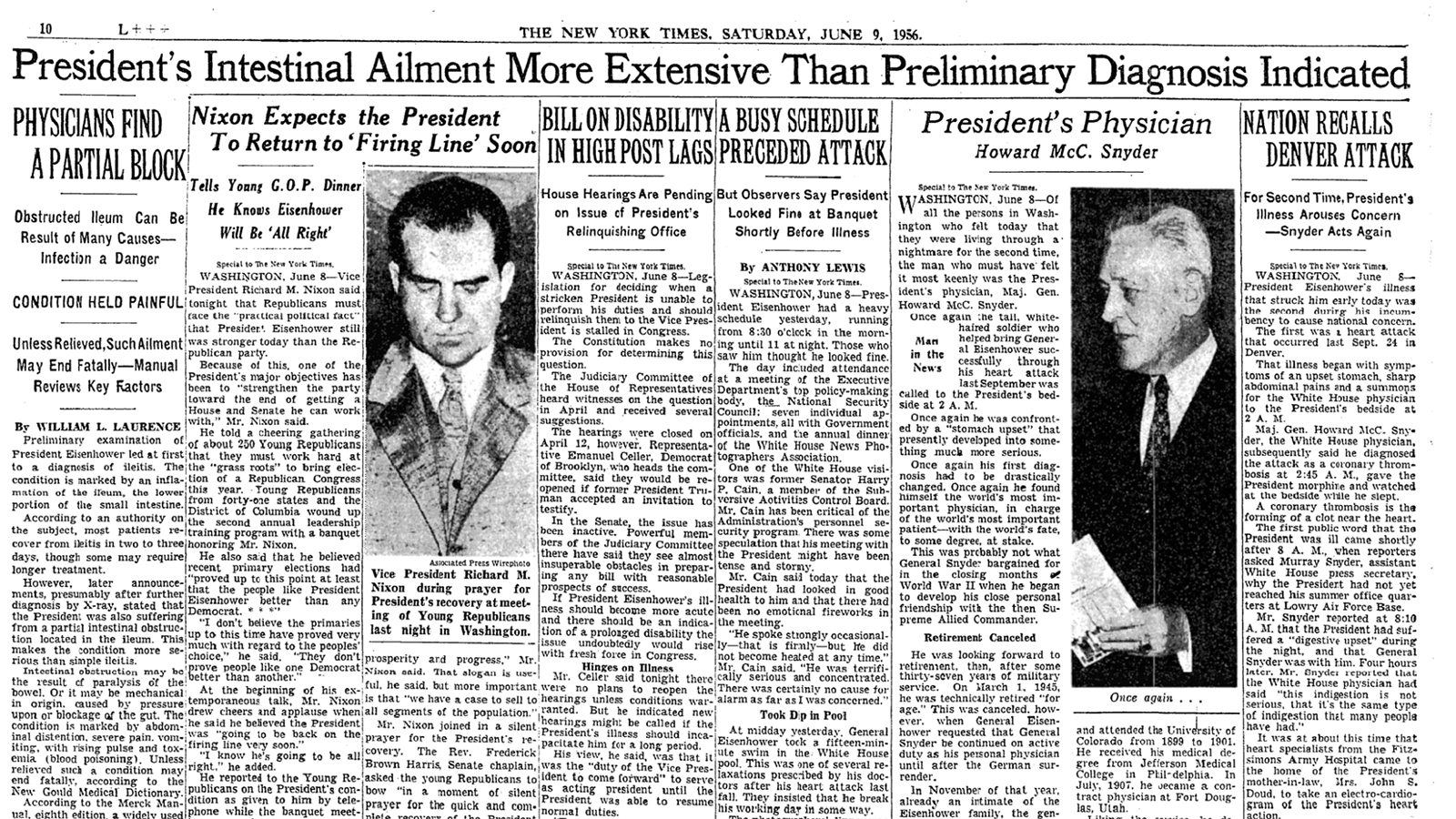
Maj. Gen. Howard Snyder took heat from the press when President Eisenhower had a serious stomach issue. (Courtesy New York Times) 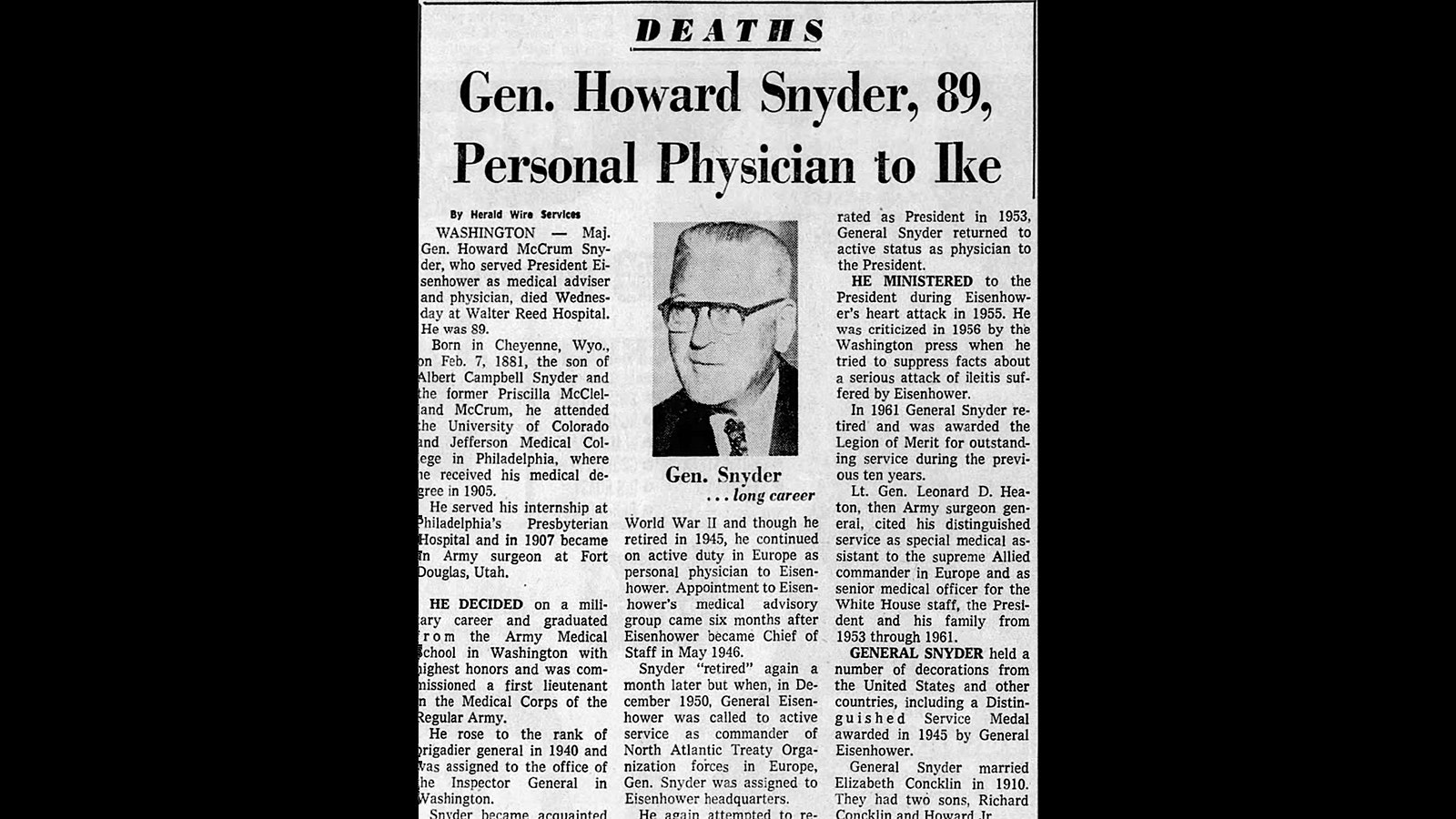
The obituary for Maj. Gen. Howard McC. Snyder appeared in several newspapers, including the Miami Herald on Sept. 24, 1970. (Courtesy Newspapers.com) 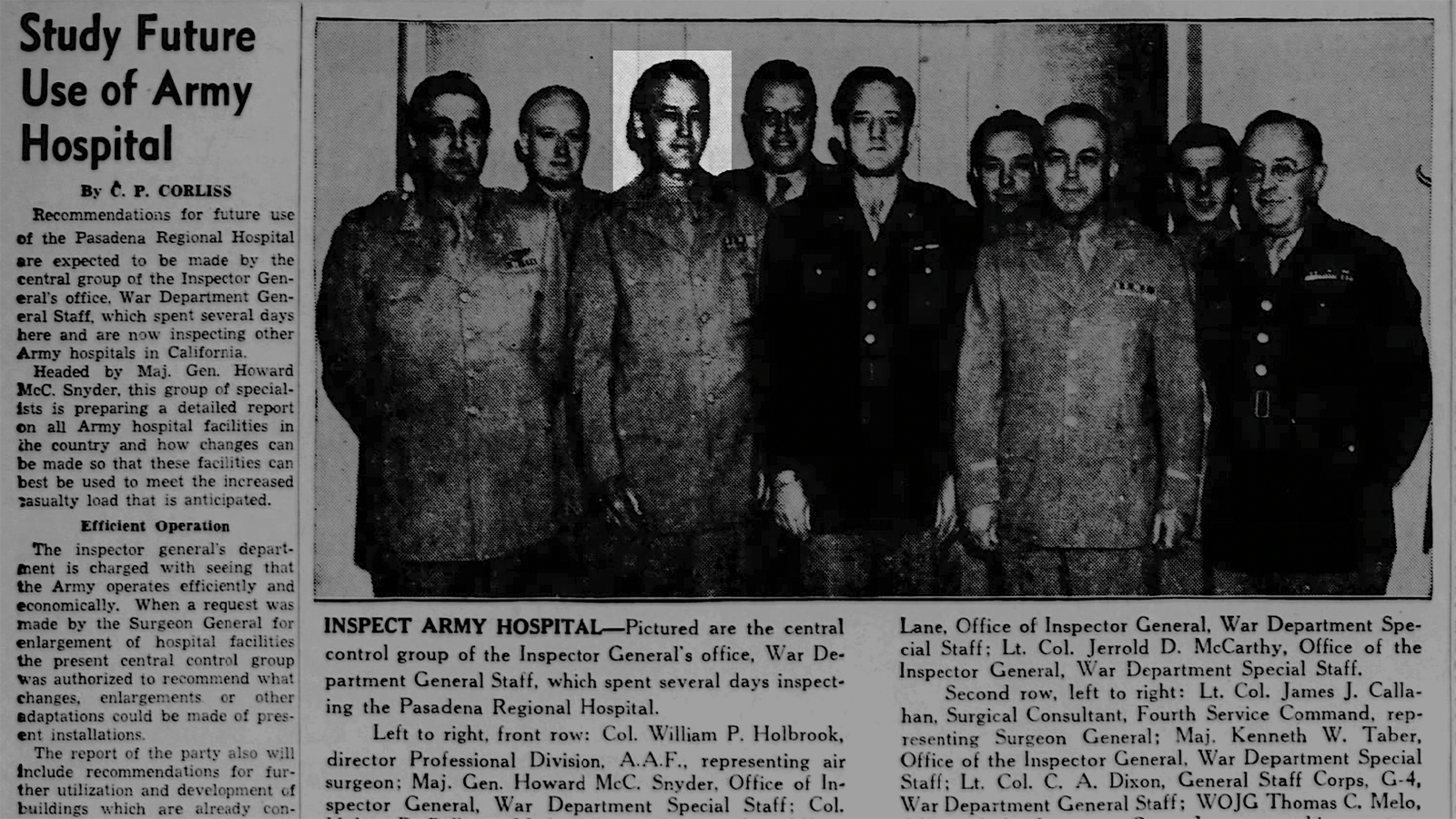
During World War II, Maj. Gen. Howard McC. Snyder served in the Inspector General’s office. He is shown here third from left. (Courtesy Newspapers.com) 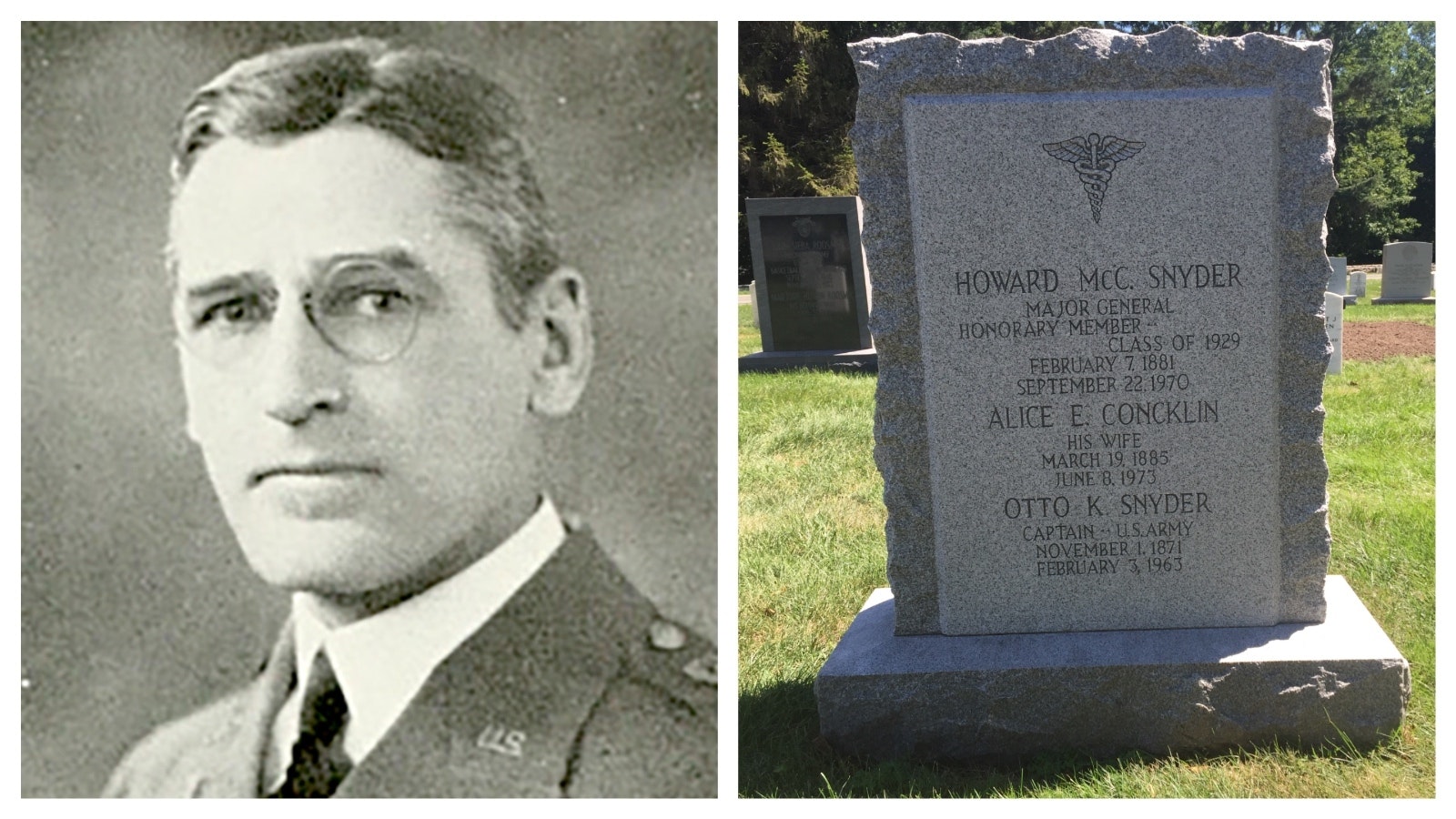
Left, as a young U.S. Army surgeon, Howard McC. Snyder served at Fort D. A. Russell in his hometown. Right, Maj. Gen. Howard McC. Snyder is buried in the cemetery at West Point. (Wyoming State Archives; Find a Grave) 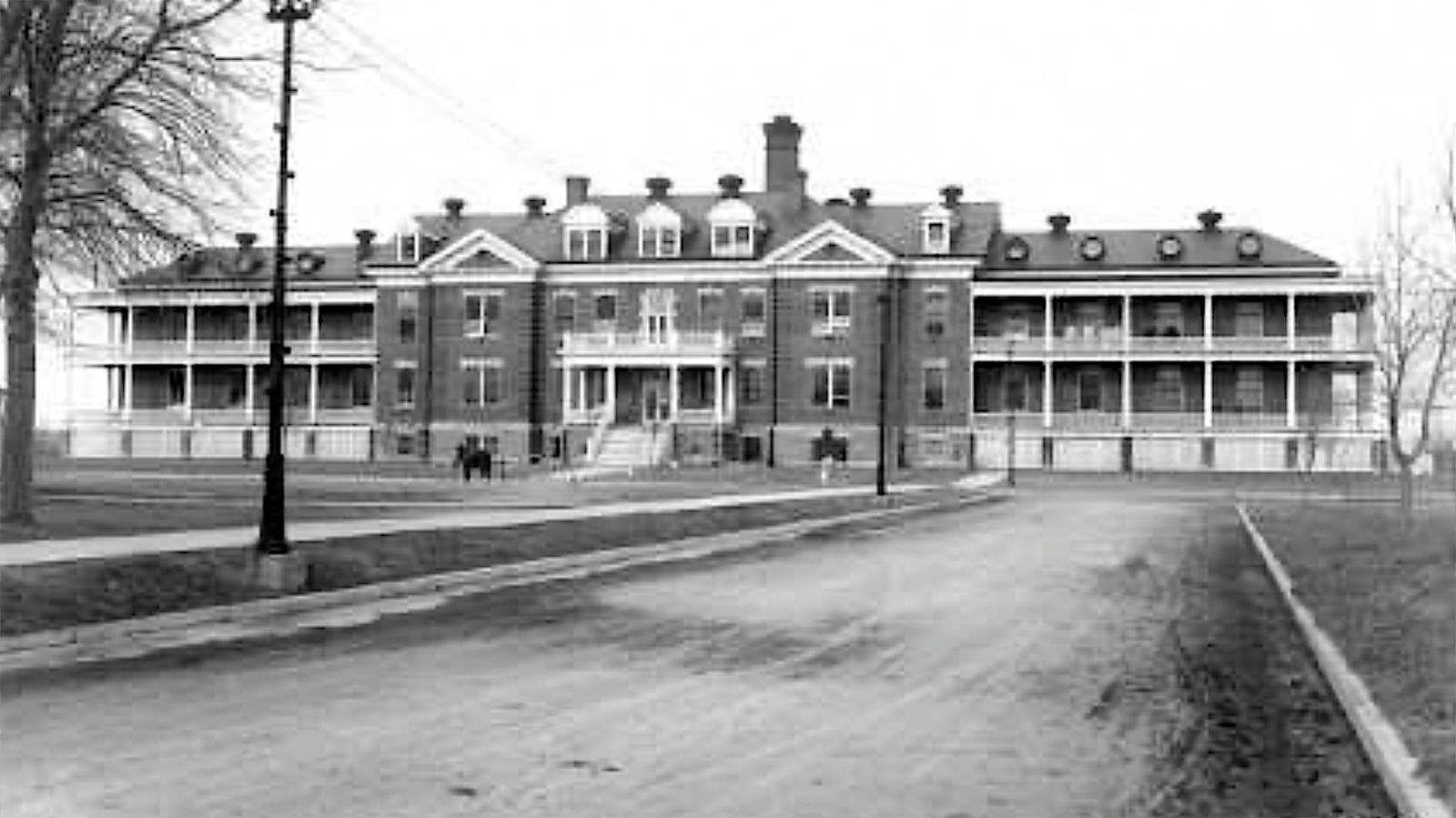
As a young U.S. Army surgeon, Howard McC. Snyder served at Fort D. A. Russell in his hometown. (Wyoming State Archives)
Meeting ‘Ike’
It was in that context that he met Eisenhower. An article in the Journal of Pediatric Urology on July 23, 2020, eulogizing Snyder’s grandson, Howard McCrum Snyder III, also a respected physician, wrote that his grandfather had written a “blistering account of poorly funded military hospitals that angered the Supreme Allied Commander.”
“Eisenhower demanded to see Snyder,” the journal reported. “They became fast friends.”
In the closing months of World War II on March 1, 1945, Snyder was “technically retired” from the service. However, Eisenhower requested Snyder continue as his personal physician until after the German surrender.
In May 1946, as Eisenhower was named Chief of Staff of the Army, Snyder was named to Eisenhower’s medical advisory group. He retired from that role in June 1948.
When Eisenhower became commander of the North Atlantic Treaty Organization in 1950, Snyder was again called back to serve as Eisenhower’s personal doctor. And then during Eisenhower’s 1952 campaign against President Harry Truman, Snyder rode the campaign train with Eisenhower and following his election was named the official physician at the White House.
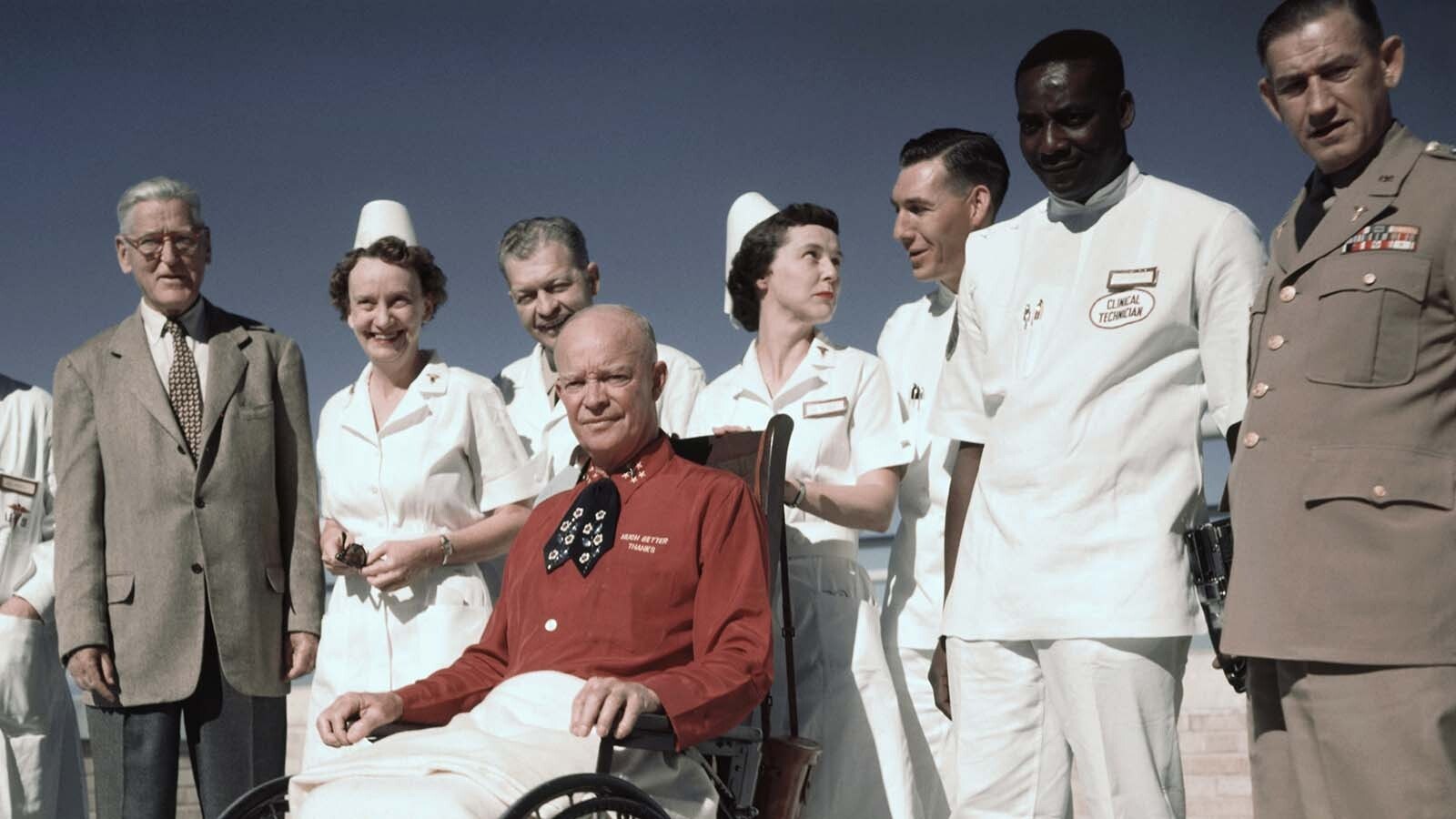
In September 1955, Snyder was with the Eisenhowers taking a vacation at a ranch in Colorado when the president suffered a heart attack on Sept. 23. Snyder initially characterized it as “mild.” Historian Stephen Ambrose in his biography “Eisenhower” wrote that Snyder was called by the president’s wife at 2 a.m.
He gave the president amyl nitrate to sniff and a shot that contained papaverine and morphine sulphate. The president slept until noon and when he woke, Snyder ordered an electrocardiogram and had him put in the hospital.
Eisenhower insiders wanted civilian specialists to look at the president as well. They were flown in from Boston and Washington, D.C.
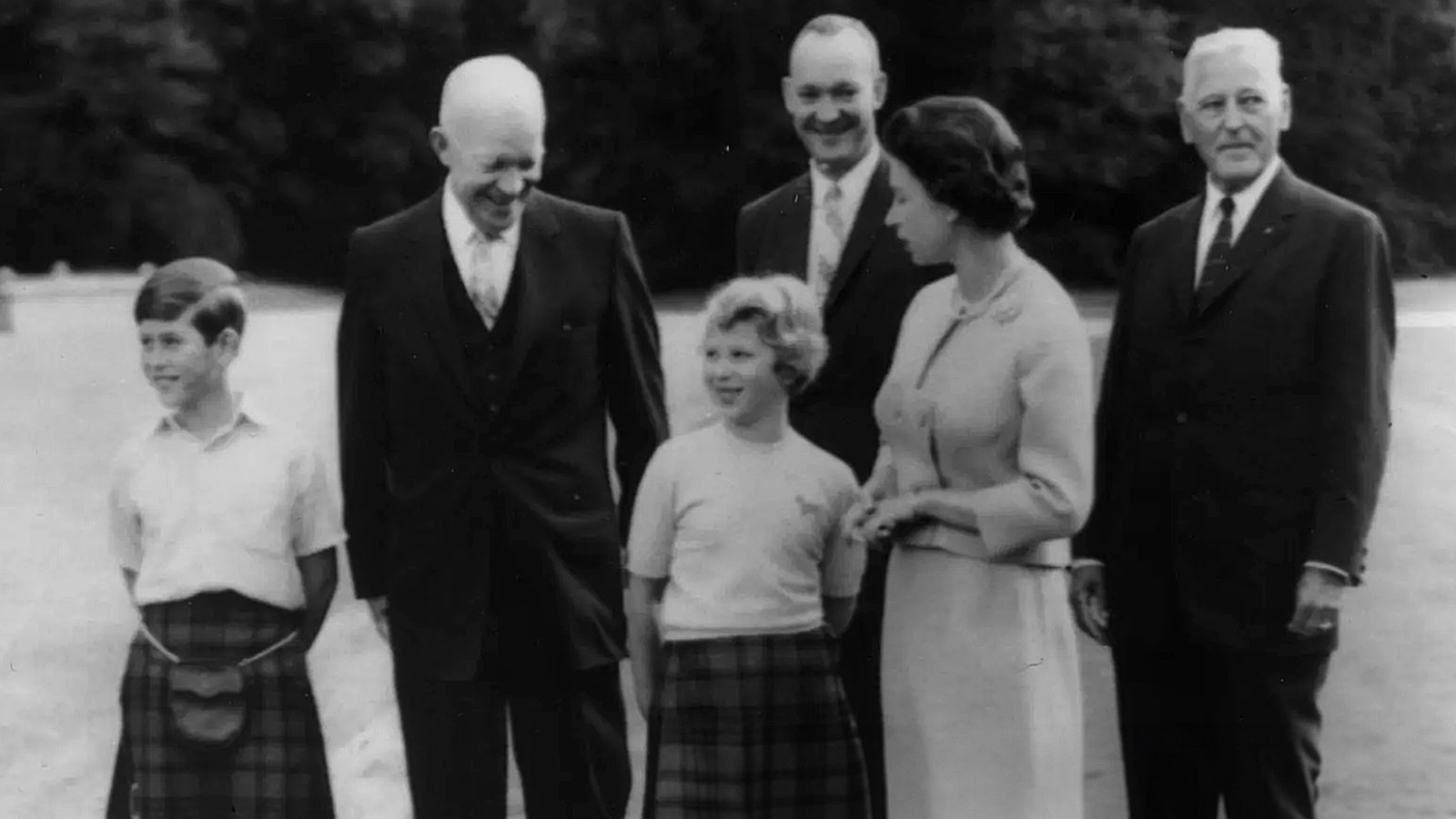
Releasing The Truth
A conversation about whether to inform the media with Snyder, Eisenhower and his press secretary was held. The president remembered Woodrow Wilson’s White House covering up his stroke and ordered the truth to be released.
Snyder issued an initial statement about the heart attack calling it “a mild coronary thrombosis” and in a later statement dropped the word “mild.”
The noted heart specialist from Boston confirmed treatment was appropriate but upgraded the heart attack to a “moderate” one and determined the president was making satisfactory progress.
Eisenhower recovered and returned to Washington, D.C., as speculation mounted, he would not seek a second term.
In his biography of Eisenhower, Ambrose wrote that Snyder in conversation with Mamie Eisenhower and John Eisenhower, the president’s son, advised that he thought it would be better the president run for a second term believing that “inactivity would be fatal for Eisenhower.”
Snyder also told the president back in Washington, D. C., that his responses to the “little annoyances” seemed to bother him more than the issues of state and that he needed to relax more. He advised Eisenhower to be deliberate about times for rest and recreation.
In June 1956, Eisenhower’s health issues again hit the front pages, and Snyder was put on the hot seat for ordering some Milk of Magnesia for the president when shortly after midnight Mamie Eisenhower called, telling him the president was suffering from stomach issues. Eisenhower had a history of stomach problems.
At 2 a.m. Mamie Eisenhower called again, and Snyder went to the White House for the rest of the night with the president and after the president emptied the contents of his stomach and developed a headache sent him to Walter Reed where he was diagnosed with ileitis, inflammation of the lower intestine. Three specialists were called in, and a successful surgery was performed.
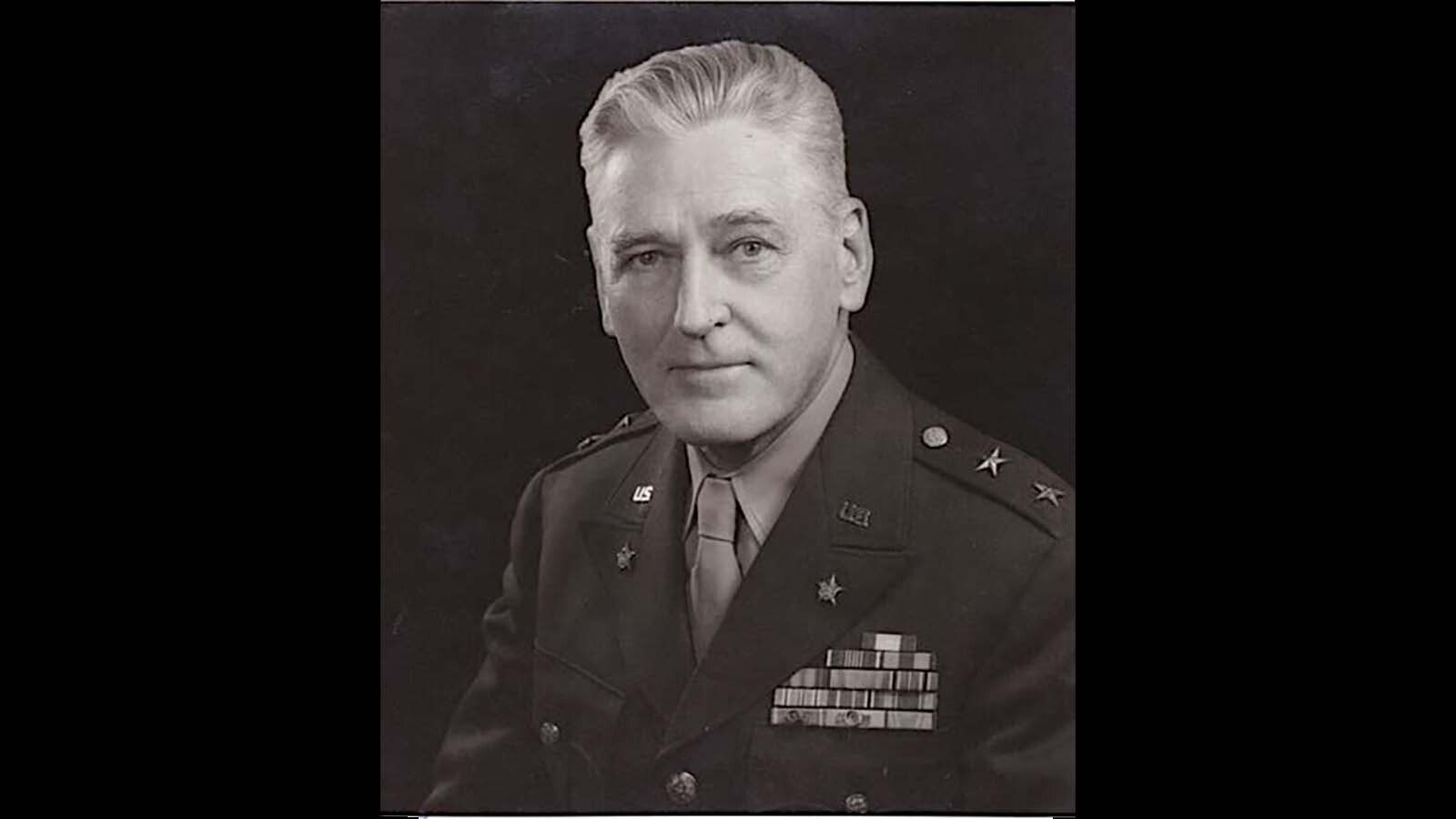
More Scrutiny
When Eisenhower decided to run for a second term and won the election, Snyder’s retirement was put off for another four years as he accompanied the president around the world.
On Nov. 25, 1957, Eisenhower while working in the Oval Office suffered a stroke. He was helped to his bed, Snyder arrived and called for neurologists. That night, he and the president’s son, John Eisenhower stayed by the bedside. On Nov. 27, Eisenhower recovered enough to go to church.
The news media put heat on Snyder.
“Today as on previous occasions, the assertion was made at the White House that Dr. Howard McC. Snyder, the 76-year-old White House physician, had immediately and correctly diagnosed the ailment on first examination of the president,” The New York Times reported on Nov. 27, 1957. “But had kept the news of its seriousness from the public until the diagnosis had been confirmed after many hours of observation and in consultation with other physicians.”
Snyder would go on to be at Eisenhower’s side the remainder of his presidency. On a trip to India in December 1959, Snyder told the press despite Eisenhower’s grueling schedule “he’s standing up really well.”
Snyder, who had two sons who both went on to honored military careers, witnessed Eisenhower promote his oldest son, Howard McCrum Snyder Jr. to brigadier general in October 1958.
In December 1960 after John F. Kennedy beat Richard Nixon and was preparing to succeed Eisenhower in office, the American Medical Association honored Snyder for his contributions to the president’s health. He was given a silver cigarette case to commemorate the honor.
A letter from Eisenhower was read to the delegates in the room.
“(The) American medical profession could not have chosen a better man to honor than Dr. Snyder,” the president wrote.
As Supreme Allied Commander, Eisenhower had awarded Snyder a Distinguished Service Medal in 1945. He also had several other decorations and honors for his service from both the U.S. and other nations.
Snyder died in Washington, D.C., at Walter Reed Army Medical Center on Sept. 22, 1970. He was 89.
The honorary member of West Point’s Class of 1929 is buried at the United States Military Academy Post Cemetery in Orange County, New York.
Dale Killingbeck can be reached at dale@cowboystatedaily.com.