Wyoming has an acute nursing care shortage even as it has more retirees than ever moving to the state.
That’s creating a service gap that University of Wyoming educators say could get worse under a federal proposal that would remove its nurse practitioner program from the list of degrees considered “professional.”
The Department of Education’s designation is about more than just respect, Wyoming educators say. It’s an internal designation that will determine how much federal loan money students are allowed to pursue.
The Trump administration has billed that as a means of forcing universities to reduce program costs that it says are too high for the return on investment that the programs offer to their graduates.
The University of Wyoming says it will be difficult to offer its nurse practitioner program for much less than now charges for tuition.
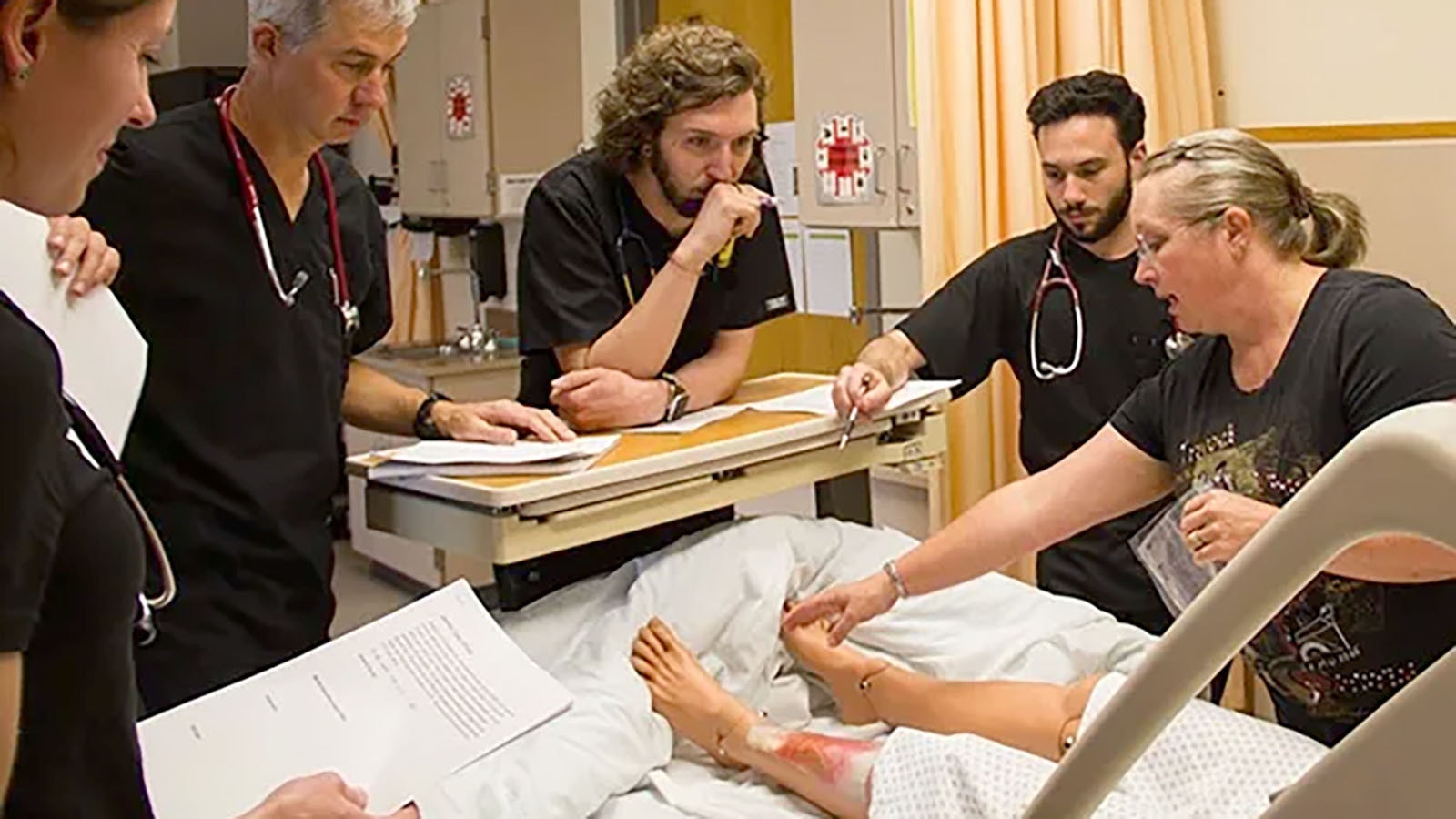
That’s because it involves hiring specialists to teach classes, as well as materials for hands-on practice, so that students become expert before they open independent practices.
Students also must complete clinical training alongside other nurse practitioners and physicians to demonstrate they are ready for an independent practice.
Moving the goalposts on that program to a lifetime $100,000 loan cap could put the nurse practitioner program out of reach for some, Sherrill Jean Smith, dean of University of Wyoming’s Fay W. Whitney School of Nursing, told Cowboy State Daily.
“Previously, there was guidance about what a professional degree was that used language that said, 'included but not limited to' things like pharmacy, dentistry, physician — all of those things,” she said. “The new proposal actually spells out what can be included as a professional degree versus what is not, and it’s creating two different levels of loan opportunities for students pursuing a graduate degree.”
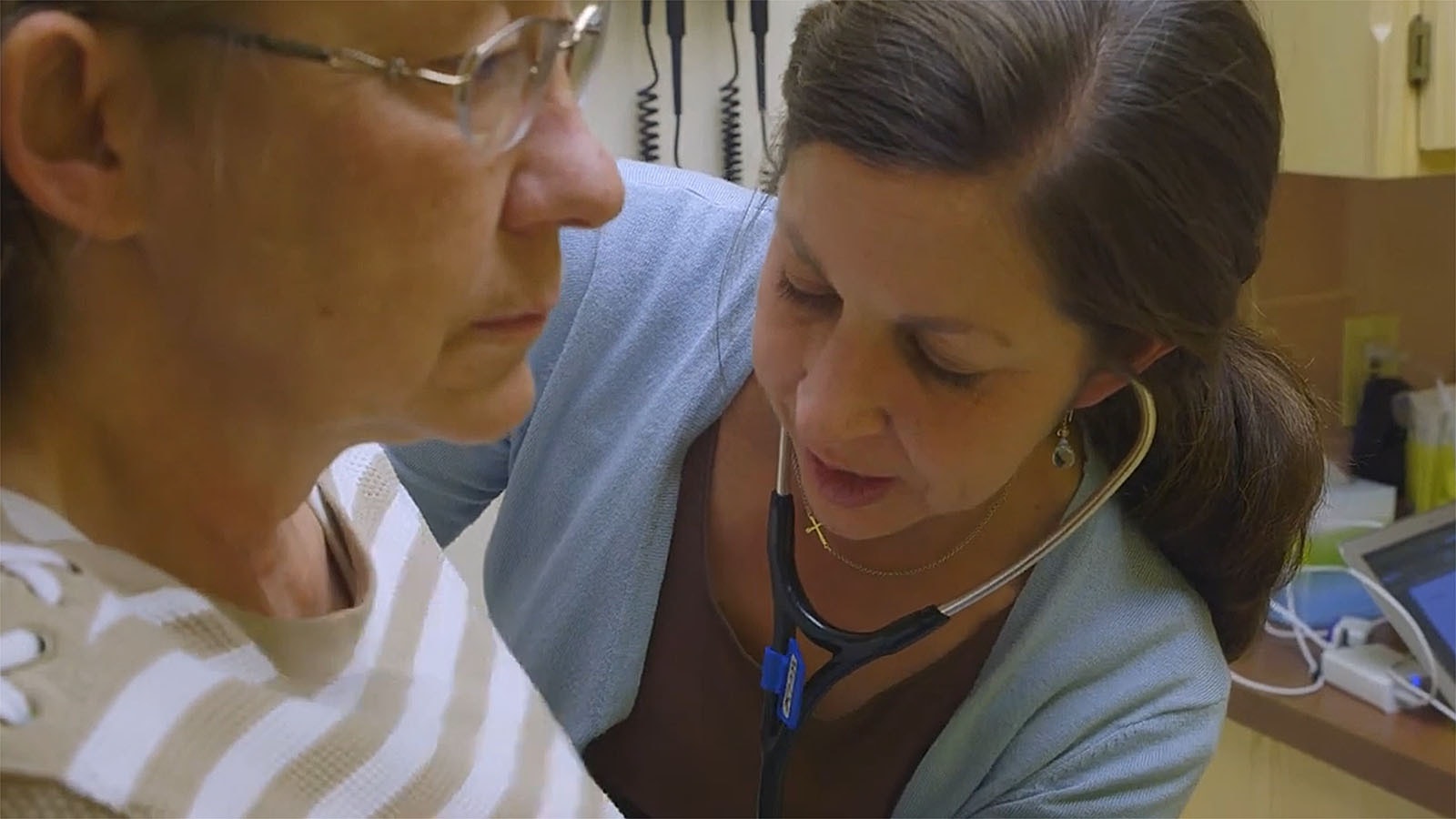
Many Rural Areas Rely On Nurse Practitioners
Wyoming’s program is a three-year doctoral level program with two paths. One is for the family nurse practitioner, and the other is for the psychiatric nurse practitioner.
“Nurse practitioners are often the only provider for some of the more rural places in Wyoming,” she said. “It is concerning to know that our students would not have access to the amount of money they might have had before from federal loans and whether or how that might affect our enrollment is, of course, a concern.”
Many rural areas in Wyoming have struggled to recruit full-fledged doctors.
Nurse practitioners are helping to fill a gap that isn’t likely to be filled any other way.
“Both providers are trained to take care of children up through older adults,” Smith said. “And they can be independently in practice to take care of people in Wyoming by state law. That’s not common across the country, but our nurse practitioners can independently practice and prescribe and are doing so in some of the most remote parts of Wyoming.”
The Department of Education changes aren’t limited to nursing degrees. There are several career programs that require a high level of expensive training that would potentially be affected, Smith said.
“Here at the university, we offer a lot of these other programs,” she said. “We’re going to start a PA (physician assistant) Program. We’re going to start an OT (occupational therapy) program.
"We already have speech therapy and social work. We offer some of those other things, in addition to nursing, that those students won’t have access to the higher loan levels to help them complete their degrees.”
What’s In The Department of Education Proposal
The Department of Education’s proposed caps for federal student loans are $200,000 lifetime for professional degrees like dentistry and medical doctors and $100,000 lifetime for non-professional degrees, which includes nursing and an array of other programs that the administration said would have a negative return on investment for tuitions that exceed that cap.
The administration has characterized concern about the changes as “Democrat fear-mongering” and said the designation of graduate nursing programs was an internal one not meant to downplay the importance of any particular career from a societal standpoint.
“It has no bearing on whether a program is professional in nature or not,” an online fact sheet posted by the Department of Education says.
The department also said 95% of graduate nursing students borrow less than the proposed annual loan limit, according to its data, and thus won’t be affected by the new, $100,000 lifetime cap.
“Placing a cap on loans will push the remaining graduate nursing programs to reduce their program costs,” the statement adds. “Ensuring that nurses will not be saddled with unmanageable student loan debt.”
The caps on loan amounts also only apply to graduate programs and do not affect undergraduate nursing programs, the Department of Education said.
Becoming A Nurse Practitioner Is Expensive
Smith said tuition for the University of Wyoming’s nurse practitioner program is right at the edge of the proposed federal loan limits for a nonprofessional degree.
That figure, though, won’t include anything beyond tuition. No help with books or living expenses.
That’s a problem because it’s such a rigorous program, one that requires a lot of its students, who must literally become experts at everything expected of them in their independent practices in a three-year timespan.
“Students who want to be successful really can’t work full-time in this degree program,” she said. “They have to have other ways to be able to pay for their schooling.”
Wyoming’s nurse practitioner program already compares favorably with other universities in terms of affordability, Smith added, and she doesn’t believe there’s much room to cut any expenses.
“I’ve looked at what the tuition is (in other states),” Smith said. “We actually have one of the most affordable programs in the Mountain West here, or in the general region. (The program) is more expensive just because … they have to have at least basic knowledge in every area of practice — mental health, cardiac, women’s health, pediatric."
Part of the expense involves getting expert specialty providers to teach classes. Supplies must also be obtained for all of the hands-on practice in all the skilled tasks a nurse practitioner must become expert at doing — suturing, casting, EKGs, pelvic exams, and more.
“(It’s) all of the things that you want people to have done before they are taking care of you,” Smith said.
The program also requires clinical time working with other nurse practitioners and physicians. That's critical to ensuring that candidates exhibit the highest level of skill before they are turned loose to begin an independent practice.
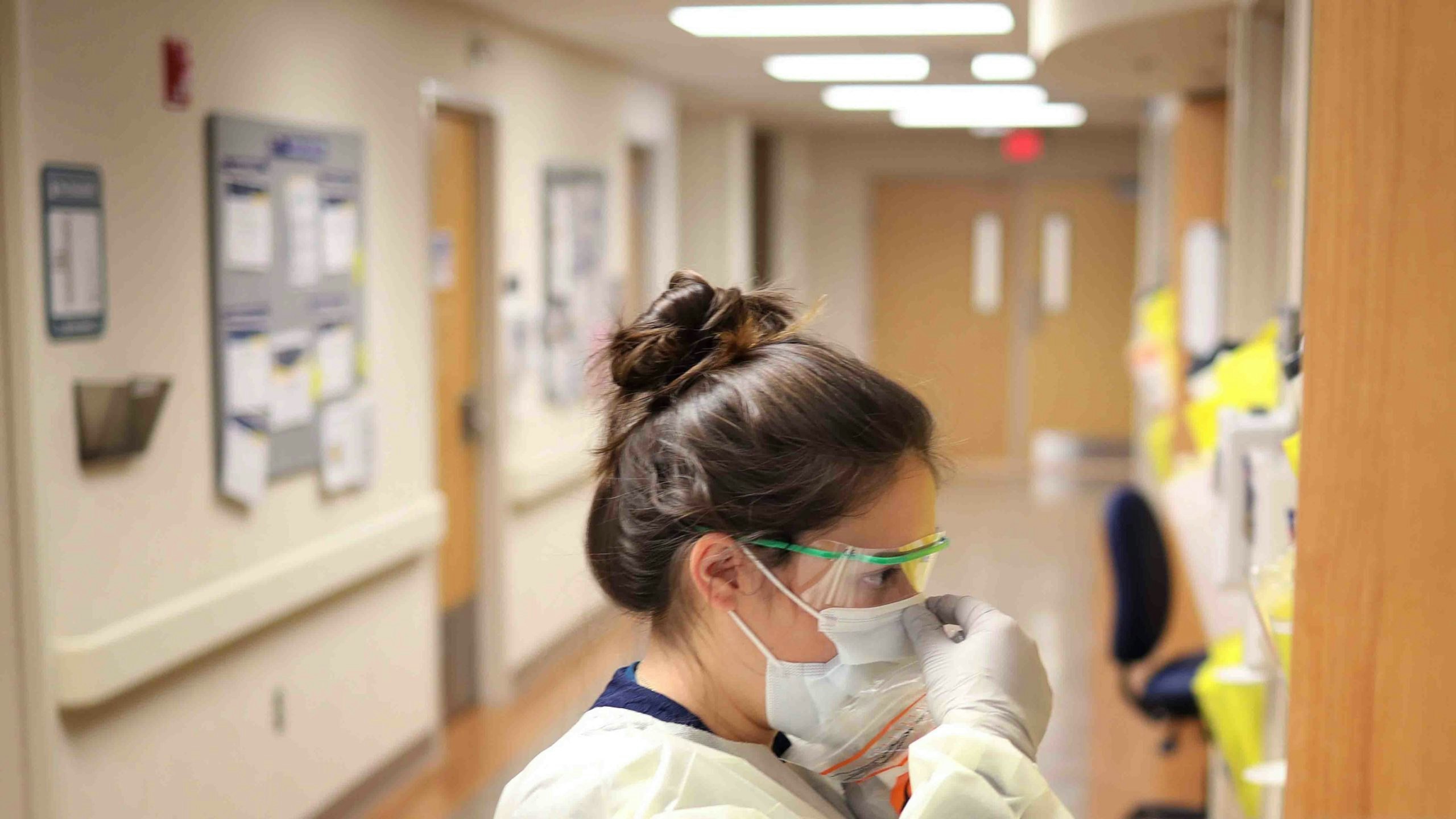
Maintaining Workforce Pipeline
University of Wyoming has an important role to play in helping fill workforce shortages across the state, Dean of the College of Health Sciences Patrick Hardigan told Cowboy State Daily.
“We have a significant shortage in behavioral health or mental health across the state, primary care, speech language pathologists, occupational therapists, nursing,” he said. “There’s also a significant maternal care shortage. Wyoming has critical shortages.
"So, any federal policy that will affect our training pipelines will ultimately affect these shortages, and we must manage that carefully in our college and then the university.”
How the lifetime limits will affect career changers who want to go back to school for a new degree was not clear from the online materials available, but it’s something University of Wyoming plans to study.
The University has already formed a working group to look at the administration’s proposed changes. The purpose of that is two-fold.
First, so that University officials may provide public comment on the proposal when the public comment period opens.
Second, to ensure that the doors to higher education programs remain open for Wyoming students who want to pursue careers in nursing, social services, and other fields that have been put under the $100,000 lifetime cap.
“This will be a challenge for many people around the United States in terms of affordability,” Hardigan said. “We are fortunate here that we already took a close look at our tuition, and that is something we are going to continue to work with … to make sure we can meet the needs of those students, so they do still have those opportunities.
"Because if they can’t afford coming to college that impacts our primary care workforce.”
New Scholarships?
One possibility the university is exploring are scholarships to help with any funding gaps students face while pursuing degree programs, particularly those under the $100,000 lifetime cap.
“We have affordable programs here and we want to make sure we maintain that affordability,” Hardigan said. “The legislature provides very strong support. We have a lot of good donors out there for our scholarship programs. But we’ll have to be very aware of what is the cost of going to school now, to make sure that we don’t (exceed) those caps.”
Smith said groups are also mobilizing to comment on the changes once the comment period opens, which is expected to happen in January.
“The organizations I belong to are advocating for (nursing) to be included,” Smith said, referring to the professional designation. “We will certainly comment when the comment period opens up.
"And, in the meantime, I know as a university, we’re going to be looking at what, if any, options there will be for us to be able to continue to support our students.”
Renée Jean can be reached at renee@cowboystatedaily.com.