The end can’t come soon enough for the Joe Biden-era Bureau of Land Management Public Lands Rule, say Wyoming’s U.S. senators and energy sector advocates.
The 2024 Conservation and Landscape Health Rule, better known as the Public Lands Rule, steered the BLM toward land protection and conservation.
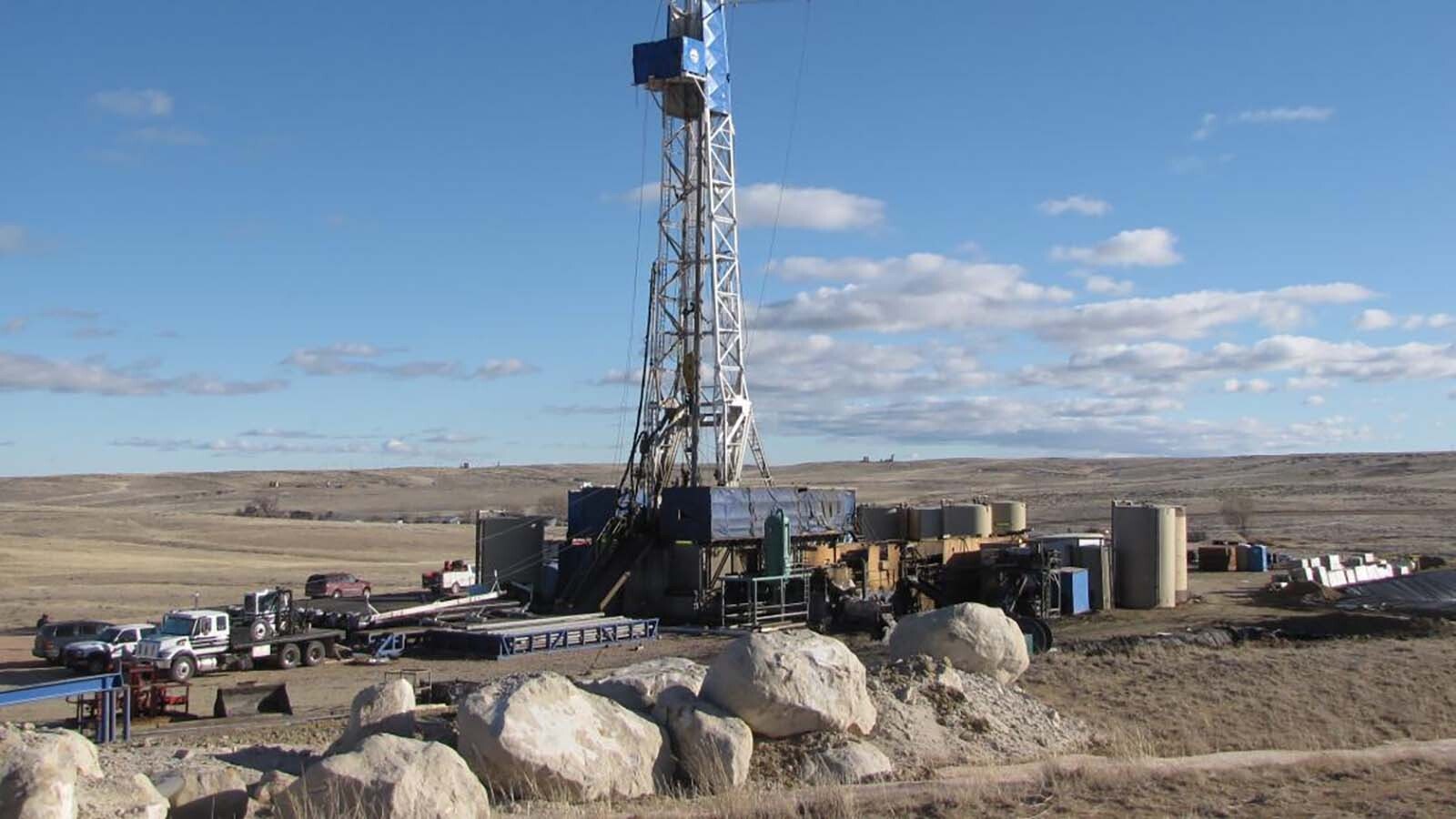
Energy advocates say that put a chilling effect on industry exploration and development at a time when America needs it most, and many local economies in Wyoming depend on it.
In September, the U.S. Department of the Interior under Interior Secretary Doug Burgum announced its intent to repeal the Public Lands Rule and opened a public comment period on the matter.
The public comment period ended Monday.
The U.S. Senate Western Caucus, chaired by Wyoming Republican Cynthia Lummis, wasted no time sending a letter to Burgum urging him to rescind the rule now that the comment period has closed.
Opposing Views
Not everyone thinks that’s a good idea.
Some wildlife and conservation advocates have told Cowboy State Daily that rescinding the rule would put Wyoming’s wide-open spaces and abundant wildlife at risk.
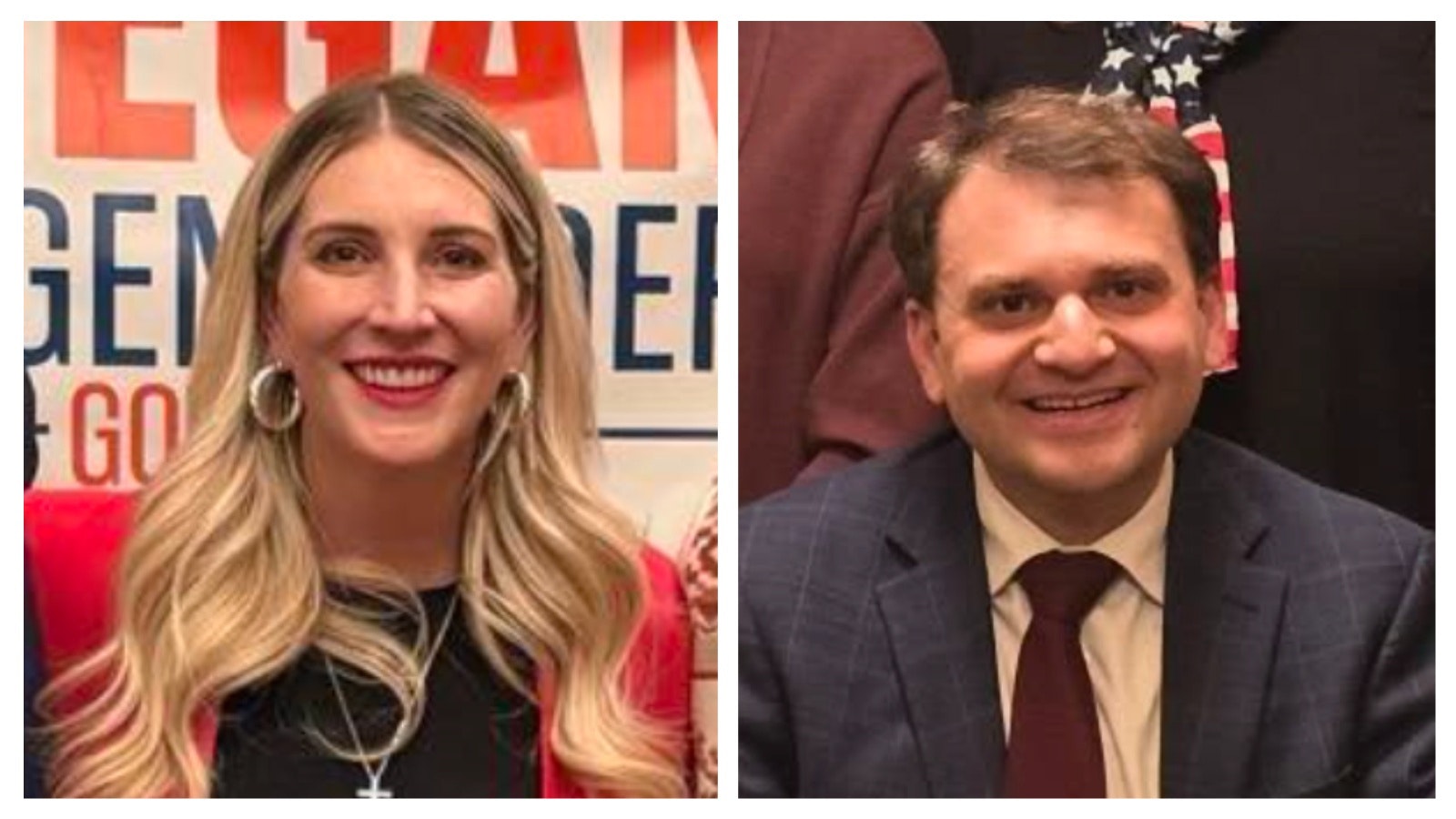
However, Kirkwood Oil and Gas landman Steve Degenfelder and Dru Palmer, the natural resources policy advisor for Campbell and Converse counties, told Cowboy State Daily that they agree with the senators.
“These are two of the highest energy-producing counties in the state,” Palmer said. “We strongly support rescinding the rule."
Degenfelder said that as it stands, the rule “can hurt access to those (energy) leases.”
The rule also disregards new technology, such as horizontal drilling, that can enable the development of energy resources “from great distances away from sensitive habitats,” he added.
Senators Chomping At The Bit
In their letter to Burgum, the senators state that the rule has discouraged new investments in energy development, as well as cattle grazing and other uses of BLM lands.
Those are intended to be “working landscapes” that provide a balance between extractive use, recreation and cultural heritage, the senators wrote.
The Public Lands Rule “attempted to upend this equilibrium by elevating ‘conservation’ to a standalone use of Federal lands — placing it on par with, and in practice above, traditional productive uses such as grazing, mineral development, timber harvest, and recreation,” according to the letter.
"That is not just legally dubious, it is devastating for the West,” it adds.
Along with Lummis, the letter was signed by Wyoming Republican John Barrasso and Sens. Steve Daines, R-Montana; Kevin Cramer, R-North Dakota; John Curtis. R-Utah; Mike Crapo, R-Idaho; James Risch, R-Idaho; Mike Lee, R-Utah; Dan Sullivan, R-Alaska; Pete Ricketts, R-Nebraska; John Hoeven, R-North Dakota; and Tim Sheehy, R-Montana.
Wrong Approach?
The Public Lands Rule contradicted the BLM’s mission of administering “multiple-use” public lands, Palmer said.
Prioritizing conservation over everything else caused a “socio-economic impact” on Converse and Campbell counties, she said.
Changes in BLM policy go through the process set by the National Environmental Protection Act (NEPA).
That involves giving local and regional stakeholders, such as the energy industry, ranchers, wildlife advocates and others, a seat at the table for discussions about policy, Palmer said.
Contrary to that, the Public Lands Rule sets a “top-down, one-size-fits-all approach,” she said.
Degenfelder said the rule sets a precedent of “no-use” for BLM lands in Wyoming, where the economy hinges on multiple-use.
He said there’s good reason to think that the rule will be repealed.
Energy development is prioritized in President Donald Trump’s so-called One Big Beautiful Bill, which was passed by Congress and signed into law earlier this year.
“I think that the Secretary of the Interior is trying to align his agency with the directive of Congress and the President” as outlined in the bill, he said.
If the rule is repealed, Palmer said she’s not worried that land and wildlife conservation in Wyoming will be undermined.
Wyomingites value a balance between the need for economic development and the inherent value of the state’s landscapes and wildlife, she said.
“I think everyone in Wyoming is inherently a conservationist,” she said.
Mark Heinz can be reached at mark@cowboystatedaily.com.