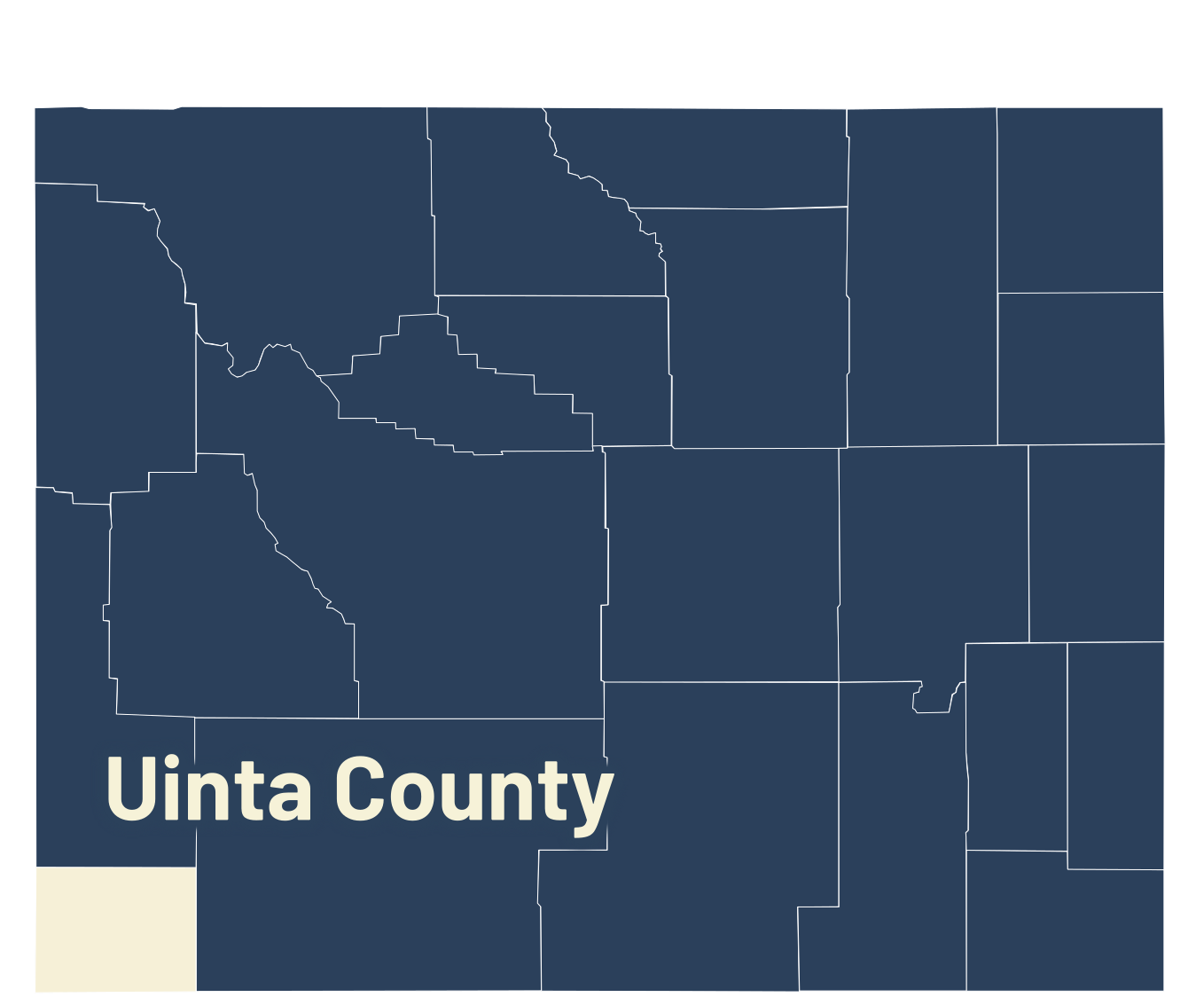
Uinta County voters who don’t want an additional 1% tax for a new swimming pool and other projects totaling about $40.6 million outnumbered those who did by more than double in Tuesday’s special election.
It’s a decisive defeat that has a state representative pleased, and the project proponents regrouping.
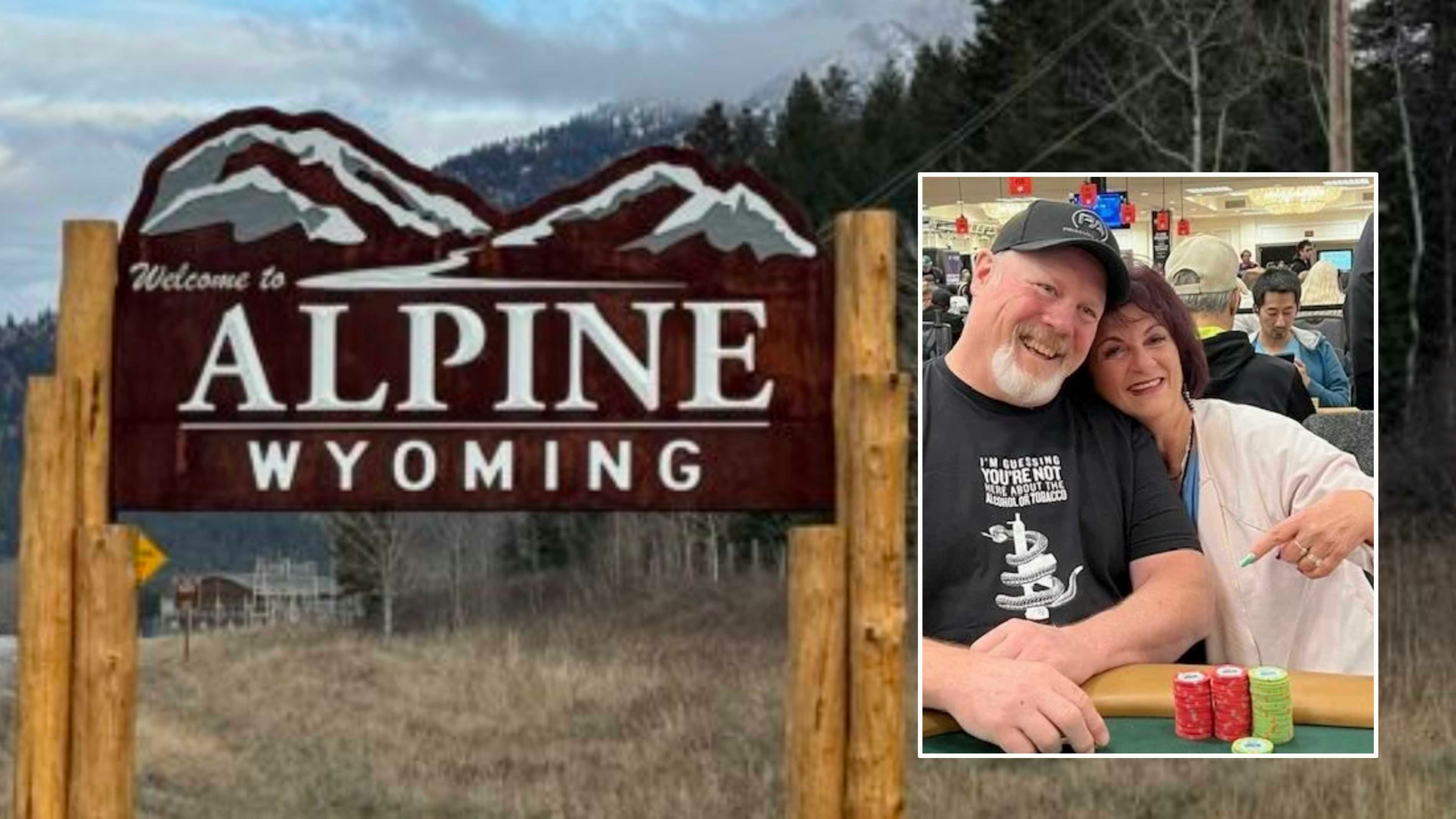
The proposal was to add a 1% specific purpose excise tax to the 5% Uinta County pays currently in sales tax to fund a $28.8 million pool that would replace the 41-year-old pool now in Evanston.
The taxwould also have continued until it collected:
• $856,769 for a secondary access road for the Upper Deer Mountain subdivision of Bear River;
• $2.2 million for improvements to Mountain View’s public park, including Americans With Disabilities Act-compliant bathrooms;
• $5.43 million for a rebuild of equipment at Lyman’s Heritage Park, and expansion of the Lyman sewer system;
• $3.3 million for two fire engines and two ambulances for Uinta County.
According to unofficial results posted by Uinta County, the 1% tax had 1,566 votes in favor and 3,611 votes against, a margin of nearly 70% against the measure.
Reactions
State Rep. Joe Webb, R-Evanston, told Cowboy State Daily on Wednesday that he’s happy with the special election’s outcome.
“It wasn’t a tax I was comfortable with,” said Webb. “I just didn’t feel it was a necessary tax.”
As to cultural or economic factors hitting the ballot, Webb said, “I think people feel like they’re taxed enough, and this wasn’t a necessary tax.”
Webb in a Sept. 27 Facebook post urged people to vote “AGAINST” the increase.
Kim Larson, director of the Evanston Parks and Recreation District, said the outcome is disappointing and proponents of replacing the aging pool are regrouping.
“This (kind of tax) has been a good way for other counties to fund projects, and you know, we don’t have the oil money anymore that just donates millions,” she said.
She also said early progress on the project didn’t predict its massive defeat.
“Even in the first communications with Lyman, Mountain View, Bear River (people), it seemed like everyone was on board and excited,” she said.
As to the pool, “we continue to Band-Aid it, but there’s going to be a point where we can’t Band-Aid it any longer,” Larson said. “We grew up with a community pool … We have no regrets on the efforts and the passion we put into it.”
Goldwater Story
Controversy dogged the project, said Larson.
The Goldwater Institute published an Oct. 22 piece saying government officials started using public resources — “resources funded by the very taxpayers they needed to convince” to campaign for the tax hike.
A nonprofit group backing the “Yes” campaign used the local rec center address as its headquarters and distributed pro-tax campaign signs form the facility during work hours, according to the report.
The Uinta County Fire and Ambulance urged people to “VOTE YES” via a social media post, it adds.
Goldwater noted that Wyoming law forbids public officials from using public resources for political campaign activity.
The group sent a letter to Uinta County Attorney Loretta Howieson Kallas addressing these concerns.
“It appears that campaign activities have been conducted directly out of the Rec Center,” reads the letter, adding that the Evanston Parks and Recreation Center in August posted to its Facebook page that “Yes” yard signs supporting the tax were available at the center.
That post includes the center’s logo, says the letter.
Goldwater accused rec center leaders of hosting “town hall meetings” framed as informational but intended as campaign drivers.
Nope, Says County Attorney
Kallas in an Oct. 23 response letter referred the group to the definitions underpinning the state’s ban on public officials campaigning with public resources.
That law defines “public official” as a person elected to a state or local office, or a person appointed to fill a vacancy in one of those offices.
Larson and the Uinta County Rural Fire District Chief Administrative Officer Eric Quinney aren’t local officers under the statute, she said, since the statute defines those offices as belonging to board members.
Larson and Quinney are employees, not members, of their agencies’ respective boards, added Kallas.
Plunging further into the issue, Kallas said Quinney’s Facebook post was free to make, and may have been posted in his personal time as well.
“(It) most certainly cannot be argued to have incurred any cost to the fire district,” she wrote.
A nonprofit group and a political action committee (PAC) both formed in 2024, and have since raised money through fundraising and donations, says the letter.
Kallas defended these efforts unfolding at the rec center, as one of the recreation district’s umbrella organizations is the local school district, which has a carveout to allow campaign advertising on its property.
The Goldwater story was “definitely a turning point, to be honest,” said Larson, adding that she was surprised at how unpleasant people became and how much “misinformation” reigned.
Kallas said she was disheartened by the Goldwater letter, and she encourages people to attend community board work sessions to see how decisions are made.
“The misinformation and mischaracterization on how this vote came about and why it occurred in the manner that it did were issues fully disclosed and discussed in work sessions for both the four municipalities and the county,” said Kallas. “And while people may have agreed or disagreed with the purposes of the special purpose excise tax, the misinformation … (was) a disservice to our community.”
‘Thin’
The institute in a Wednesday statement to Cowboy State Daily said it disagrees “with the county attorney’s thin legal analysis.”
“It is wrong — and against Wyoming law — for public officials to use taxpayer resources for political purposes,” the statement says, adding that those resources include “even social media accounts” which courts across the country have recognized as public resources regardless of whether they were free to create.
The institute pushed back on Kallas characterizing its overture as an attempt to get anyone fired, saying its letter “mentions potential statutory penalties” but doesn’t call for criminal charges or terminations.
The statutes the institute invoked, however, call for criminal fines of up to $1,000 and termination from public positions, for violators.
Clair McFarland can be reached at clair@cowboystatedaily.com.