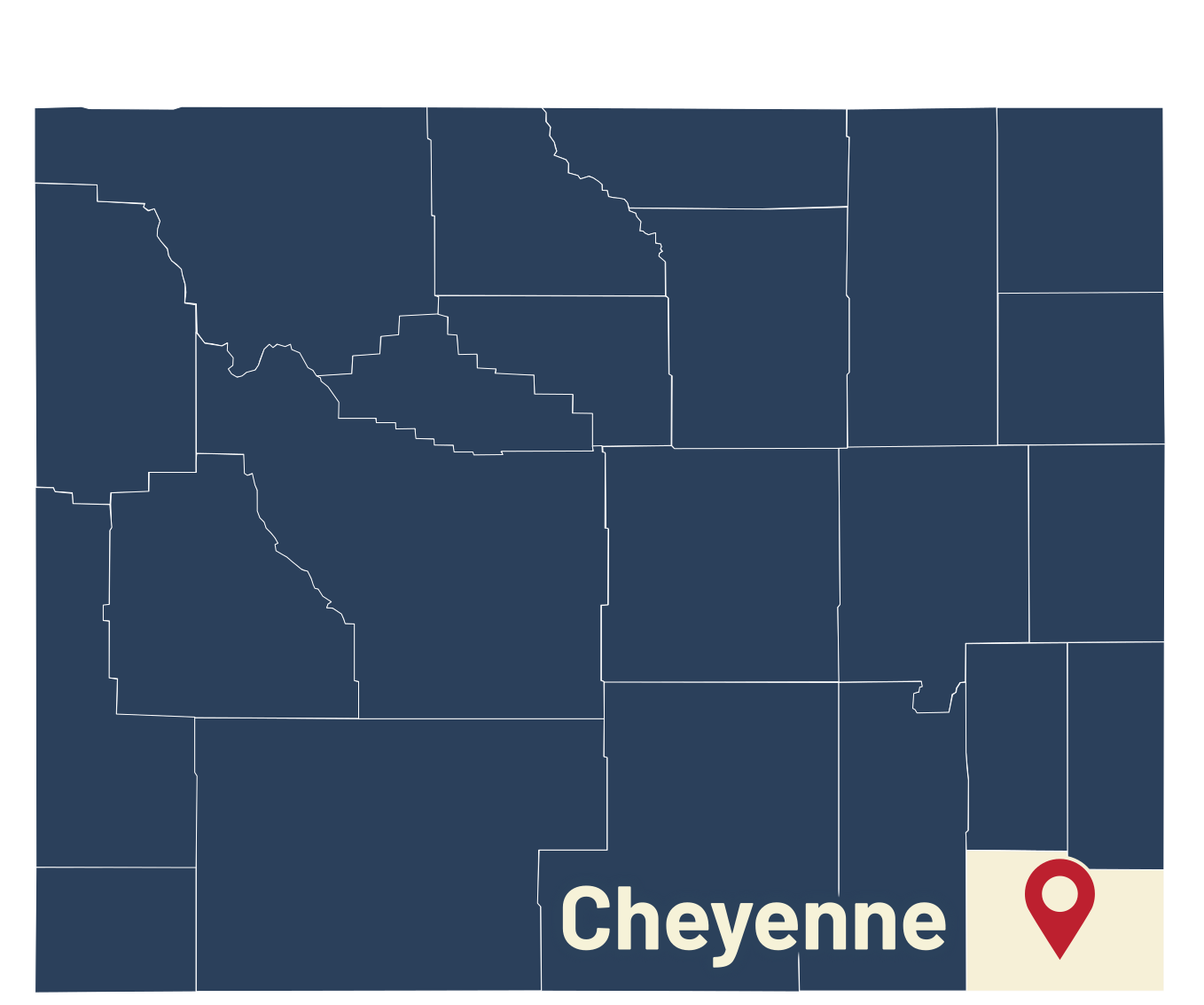
Belvoir Ranch’s project manager Dustin Humphreys was at first dismayed when he learned that the city of Cheyenne was going to allow NextEra Energy Inc. to erect 75 wind turbines on 16,600 acres of the 18,800-acre property it bought in 2003 to secure future water and landfill space.
Humphreys, who retired from Wyoming State Parks, is an avid mountain biker.
He became involved with the Belvoir project because he believed it had enormous potential to become a mountain biking magnet for the entire region.
But only if it’s done right.
Turbines all over the property didn’t fit into his vision at all.
“When I first started this project, there were no wind turbines out here,” Humphreys said, giving them a sidelong glance as he drove toward the Harriman Exit off Interstate 80 west of Cheyenne, where the Belvoir Ranch’s new trailhead lies.
“And don’t get me wrong — I think renewable energy is important, it’s critical to our future,” he said. "But I wasn’t sure how that trail system was going to fit in with us out there. I was worried the windmills would detract from Belvoir’s recreational potential.”
Now that the trails have been finished, Humphreys feels differently. That’s thanks to a smart layout that makes the wind turbines all but invisible.
The turbine leases, which are worth $39 million to the city over the next 39 years, helped pay for the project, which was able to double its initial 6 miles of trail to 12.
“Once we started building trails out there it was interesting, because once you kind of drop over this ridge, you’re not really focused on wind turbines anymore,” Humphreys said. “They’re not something that’s prevalent.”
Twelve miles of new trails have been completed at the Belvoir Ranch, and they're likely to open to the public sometime next spring, Humphreys said.
“The things we have left to finish are directional signage in and out of the trailhead,” he said. “We’ve got kiosk signage to put up, directional signage for the trails, and intersection signs.”
The other big thing that’s being figured out behind the scenes is the overall management of the trail system.
“We want to make sure that the restrooms are clean,” Humphreys said. “We want to make sure that the weeds are taken care of. We want to make sure that the roads are being taken care of.
"So, we want to have all our ducks in a row before we open this up to the public. The last thing we want is a trail system that nobody’s taking care of here.”
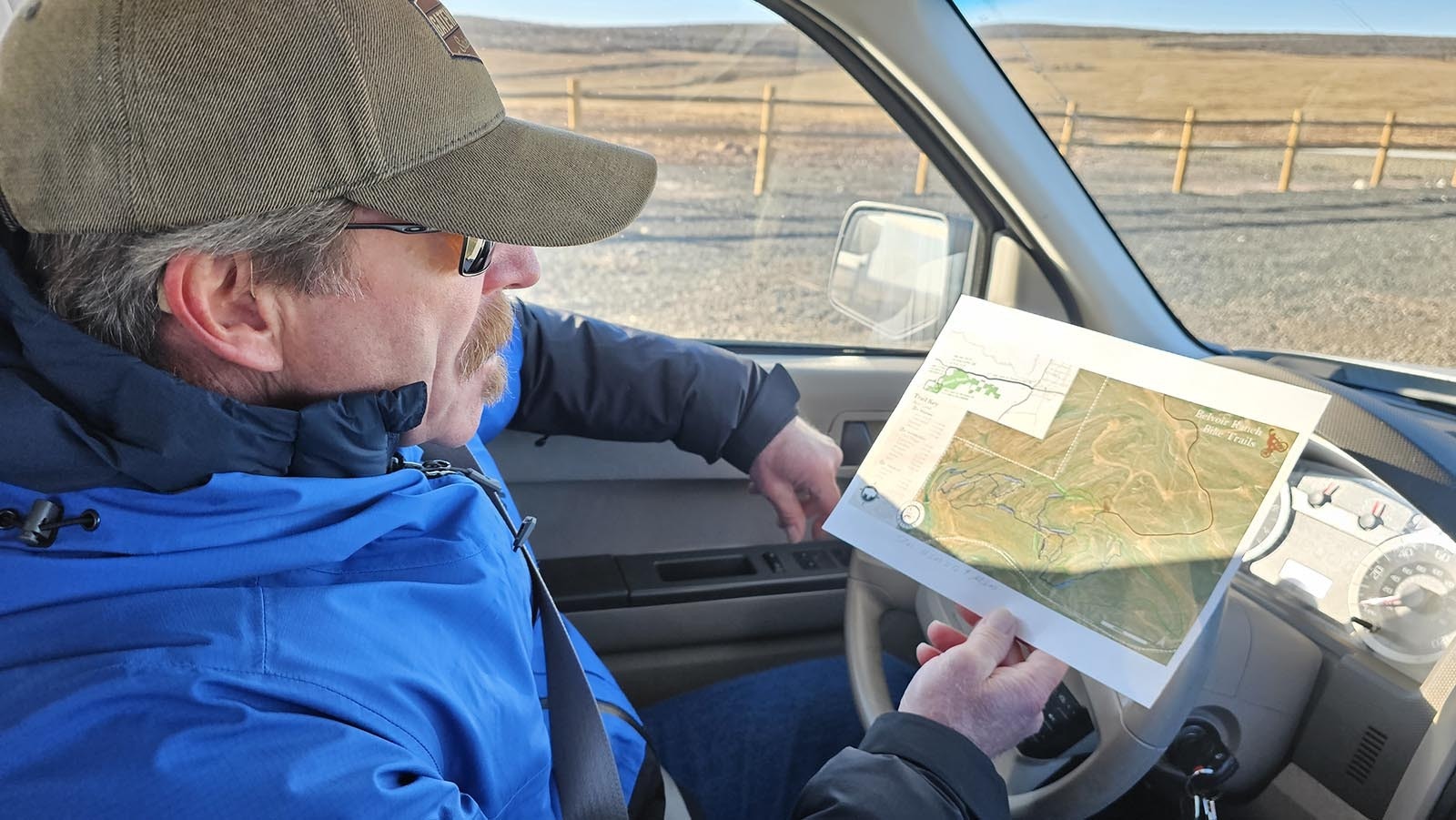
Dusty Humphreys, project manager for the Belvoir Ranch, talks about the 12 miles of trails that have been built there. (Renee Jean, Cowboy State Daily) 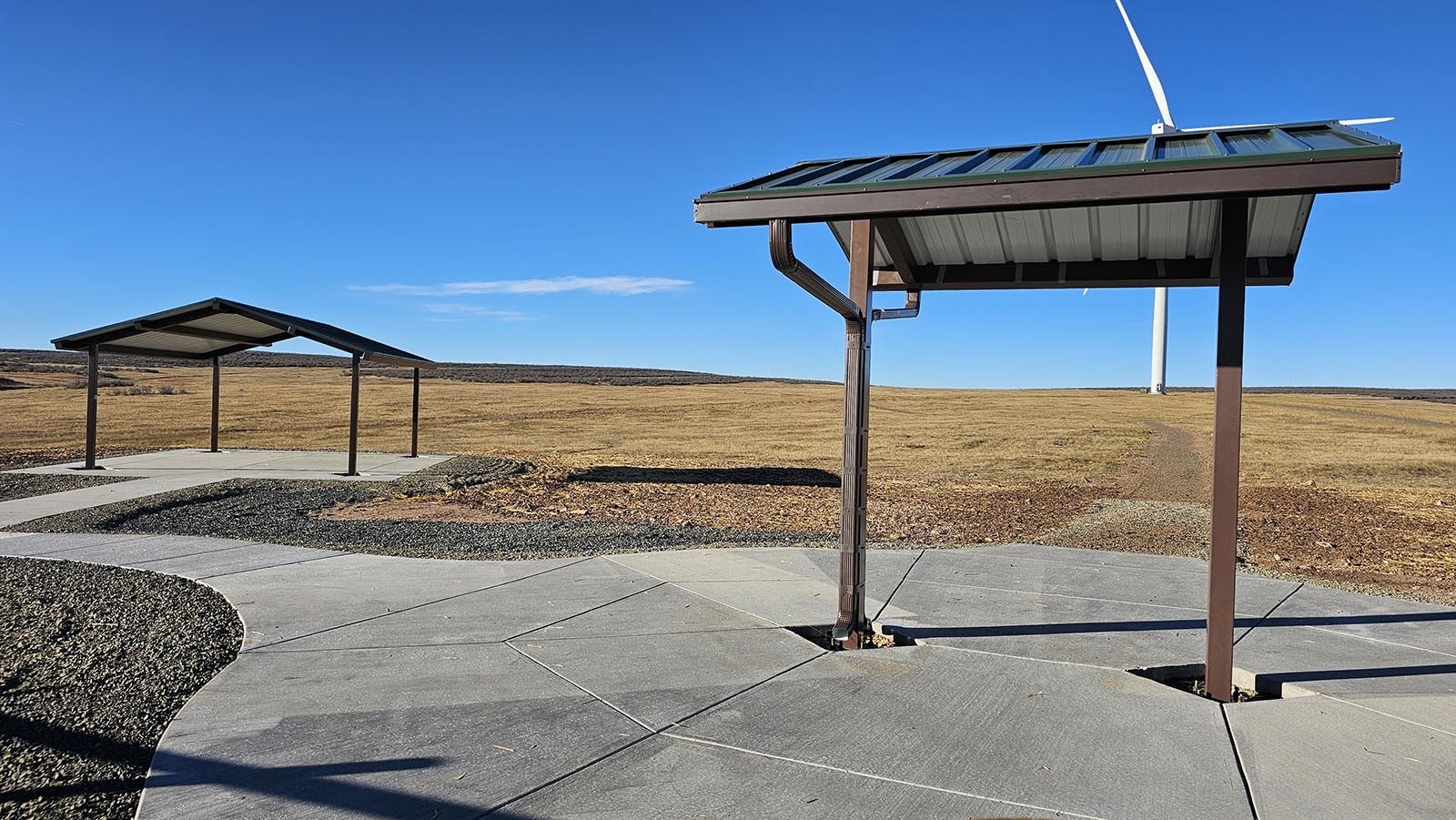
The structure on the left at the Belvoir Ranch will have picnic tables while the structure on the right will have maps. A wind turbine is visible in the background, but the turbines all disappear as users take to the trails, thanks to their orientation. (Renee Jean, Cowboy State Daily) 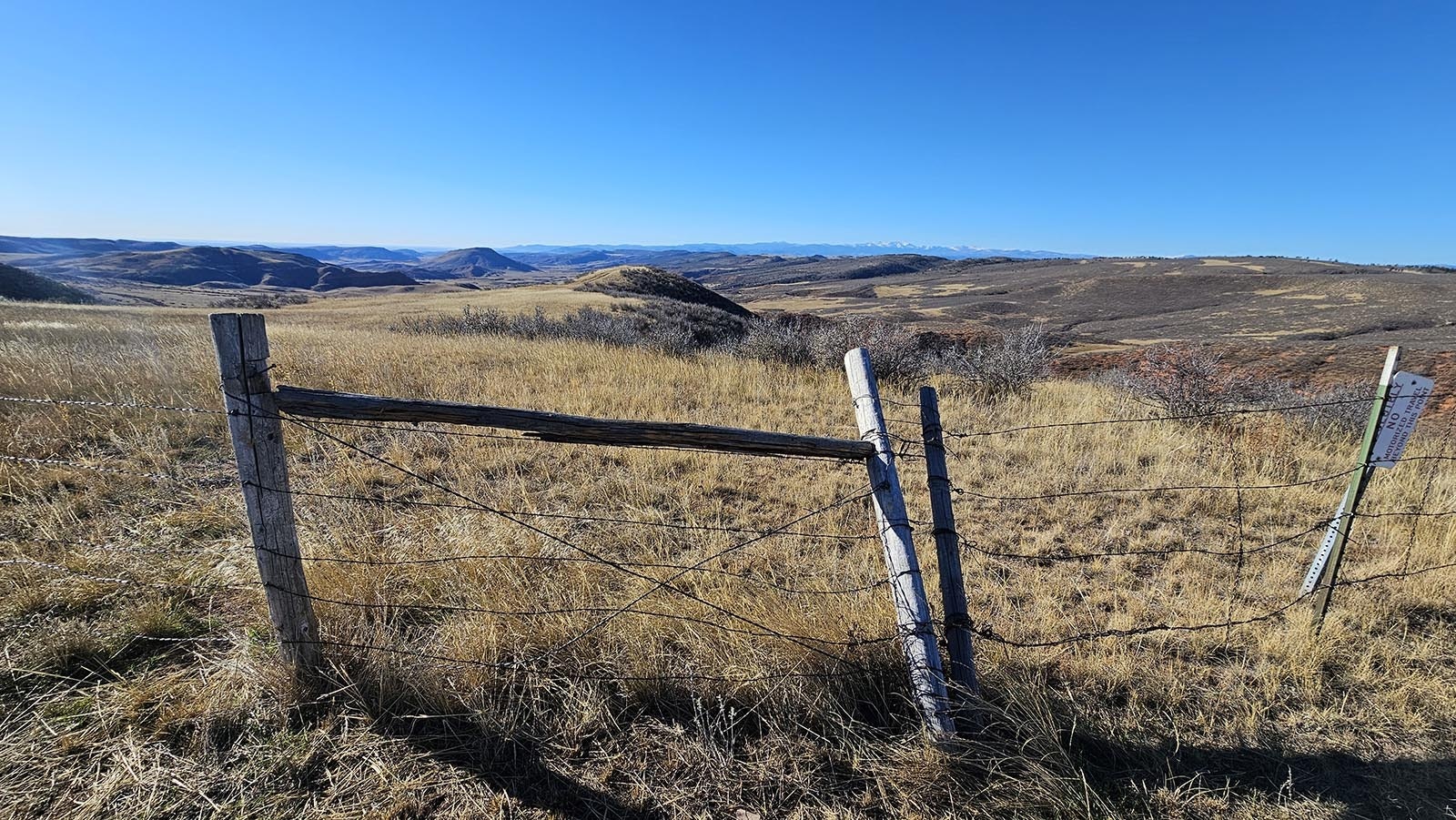
Beyond this fence lies The Hole. Presently adjacent to the Belvoir Ranch recreational area, the city of Cheyenne hopes to tie into it one day. (Renee Jean, Cowboy State Daily) 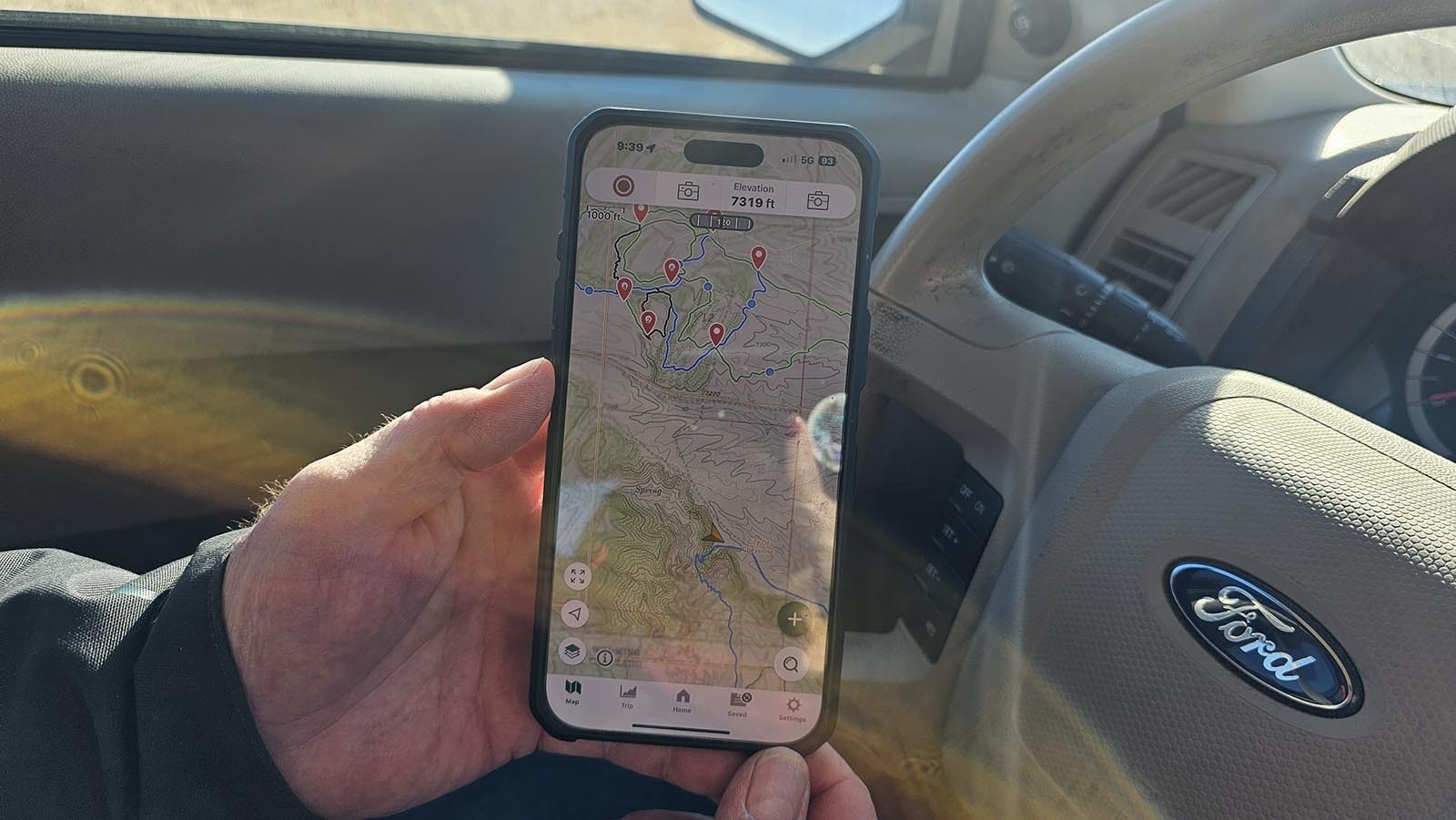
The top of the map shows the new trails Cheyenne has built in the Belvoir Ranch. The bottom of the map, where the gold arrow is, shows where the ranch's trail system could one day tie into Colorado trails for Red Mountain and the Soapstone Prairie. (Renee Jean, Cowboy State Daily) 
Belvoir Ranch Manager Will Robinson is excited for the improvements. (Renee Jean, Cowboy State Daily)
A Modern-Day Disappearing Trick
The Belvoir Ranch recreational area lies in a vast, sunlit bowl of lush, green prairie punctuated by red, lichened rock and tied to a sense that the world seems to go on forever, with no one else but you and your traveling companions in it.
The further a visitor goes down into the bowl of this land, which was created by an ancient geological uplift, the less noticeable the wind turbines lining the highway getting to the location become.
Before long, they have all but disappeared from view, like some kind of magic trick.
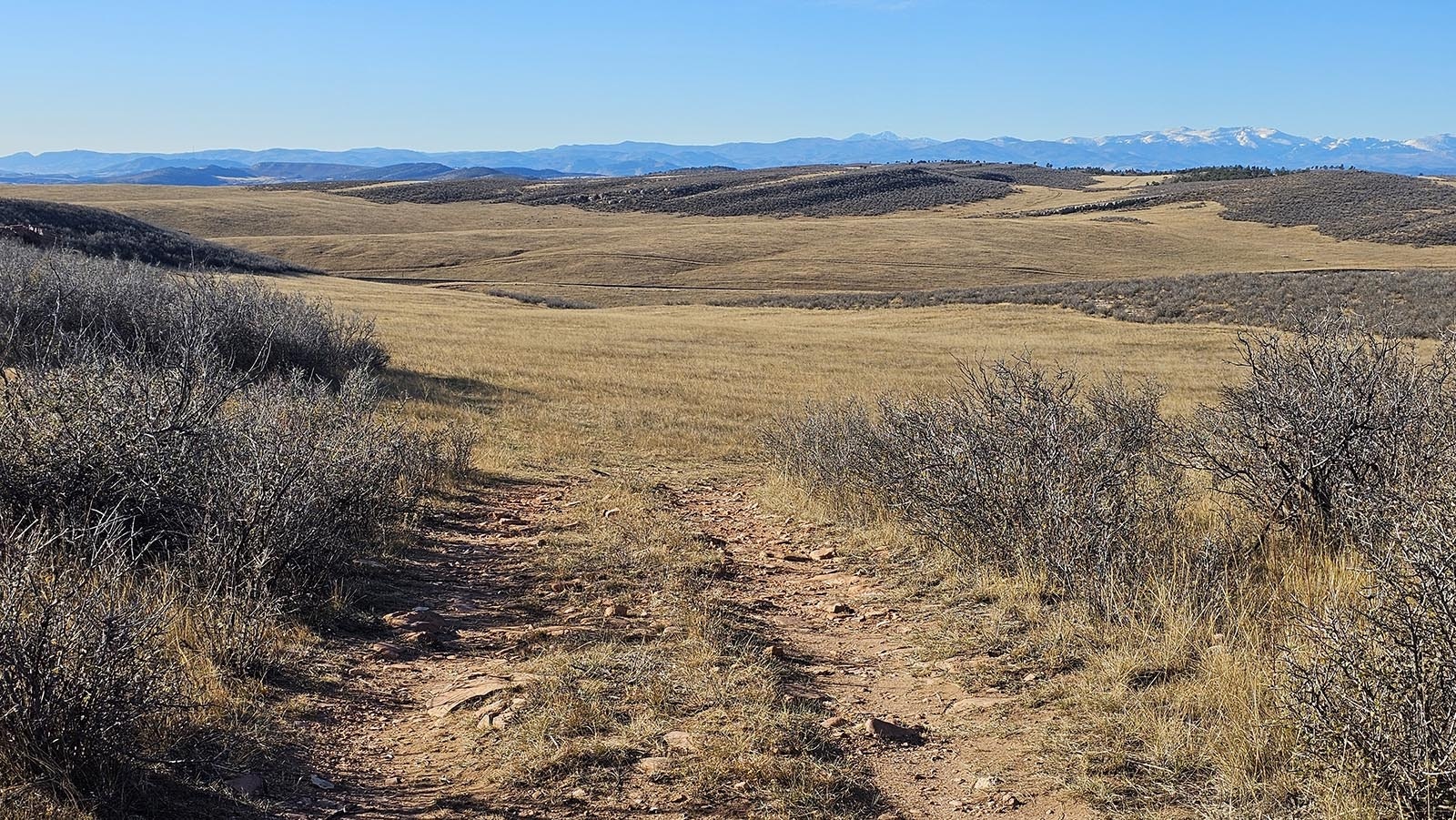
But the magic lies in careful trail design that orients hikers and mountain bikers toward the Rocky Mountain vista that lies off in the distance.
“I have to thank Todd Thibodeau with TPT Trails for really laying out an outstanding trail system here,” Humphreys said. “They did a nice job, and he kind of intentionally directed some of those trails to where the view of the wind turbines is kind of hidden.”
Thibodeau has more than 40 years of trail experience and retired from Wyoming State Parks to pursue a passion for building outdoor trails.
Among his accomplishments in that regard is an International Mountain Biking Association EPICS trail in Curt Gowdy State Park.
To be an IMBA EPICS ride, a trail has to not only be an immersive experience, it has to offer next-level technical and physical challenges as well as stunning scenery worthy of celebration. Nominations for the designation are crowd-sourced annually.
Belvoir Ranch, with its stunning scenery, could be another candidate once complete, Humphreys believes, particularly if it can one day tie into the nearby Big Hole.
That slice of landscape is already connected to Red Mountain and the spectacular Soapstone Prairie across the border in Colorado.
Why Does A City Buy A Ranch?
Cheyenne acquired the Belvoir Ranch in 2003 for $5.9 million, said Mayor Patrick Collins.
“We had a couple of purposes,” he said about why the city bought the ranch. “One was that, at the time, we weren’t sure that DEQ (Wyoming Department of Environmental Quality) would allow us to expand our landfill. And at the time, we were actually sending our garbage to Colorado.”
The other reason the city wanted the land was for its 3,000 acre-feet of water reserves. An acre-foot is the amount of water it takes to cover 1 acre of land in 1 foot of water.
“In 2003, we already saw that we were going to be struggling with water in the future,” Collins said. “We use just over 12,000 acre-feet of water now, so let’s say (Belvoir) is about 20% of our total water needs.”
Building infrastructure to bring that water to Cheyenne will be expensive, Collins said, but the fact that the ranch is close by and the city owns it is important for the future.
“It would give us some ability to grow or to weather a call on the Colorado River,” he said.
Cheyenne doesn’t have any buyer's remorse about the decision to buy the Belvoir. In fact, it has since bought water rights from the nearby Polo Ranch to continue building future water capacity so the city can grow.
“They can still have water for their day-to-day operations, but all the other water we get,” Collins said. “And that’s a ranch just west that we did a while ago.
"Now we have the Belvoir Ranch, and if I could find a couple more where we are able to bring those water resources to bear, I would do it tomorrow.”
Recreation wasn’t the city’s first thought for the Belvoir Ranch, but it was a sweet afterthought, Collins said, likening it to the “really good frosting on a carrot cake,” which he loves.
Recreation is still not the priority for the property, Collins added, but he believes it is an exciting opportunity that will help grow the city’s tourism, as well as create another amenity for its residents.
“I want to pay a little bit of credit to our past councilman, Scott Roybal,” Collins added. “This has been one of his main goals. He’s always said when we bought the ranch in 2003 that it’s owned by the people but not really open to the people.
"And he worked really hard to remind the council of that and push us."
Roybal, who died unexpectedly in September, would have been proud to cut the ribbon on the Belvoir Ranch, Collins said, something that’s likely to happen next spring.
“I know he’ll be there in spirit, but I’m very sad he’s not going to be there in person to help celebrate that success,” he said.
The Rocky Mountains on the horizon help frame the Belvoir Ranch recreation area as users start to descend into its bowl, which was created by an ancient geological lift. (Renee Jean, Cowboy State Daily) 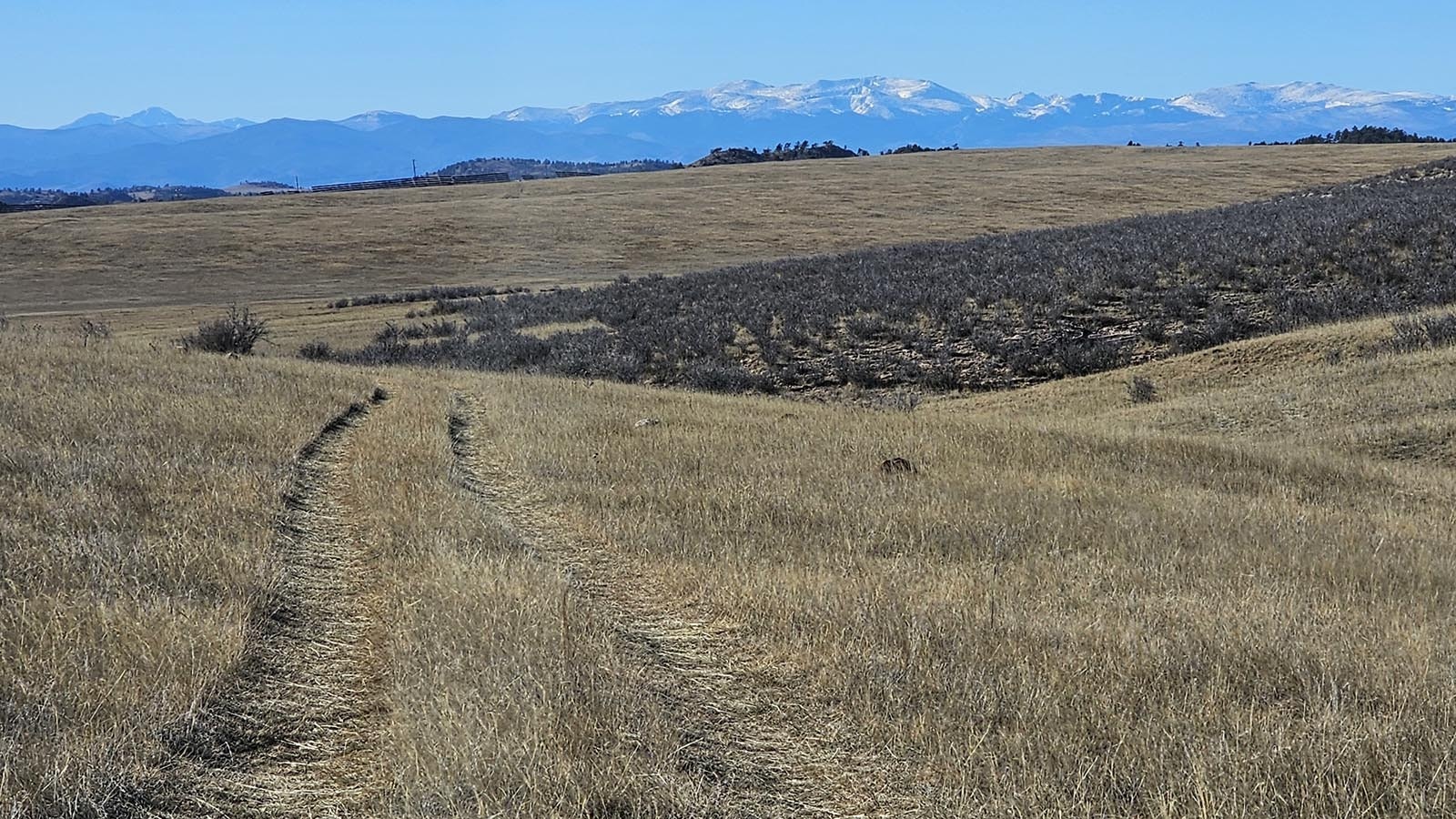
The Rocky Mountains frame the Belvoir Ranch recreational area. (Renee Jean, Cowboy State Daily) 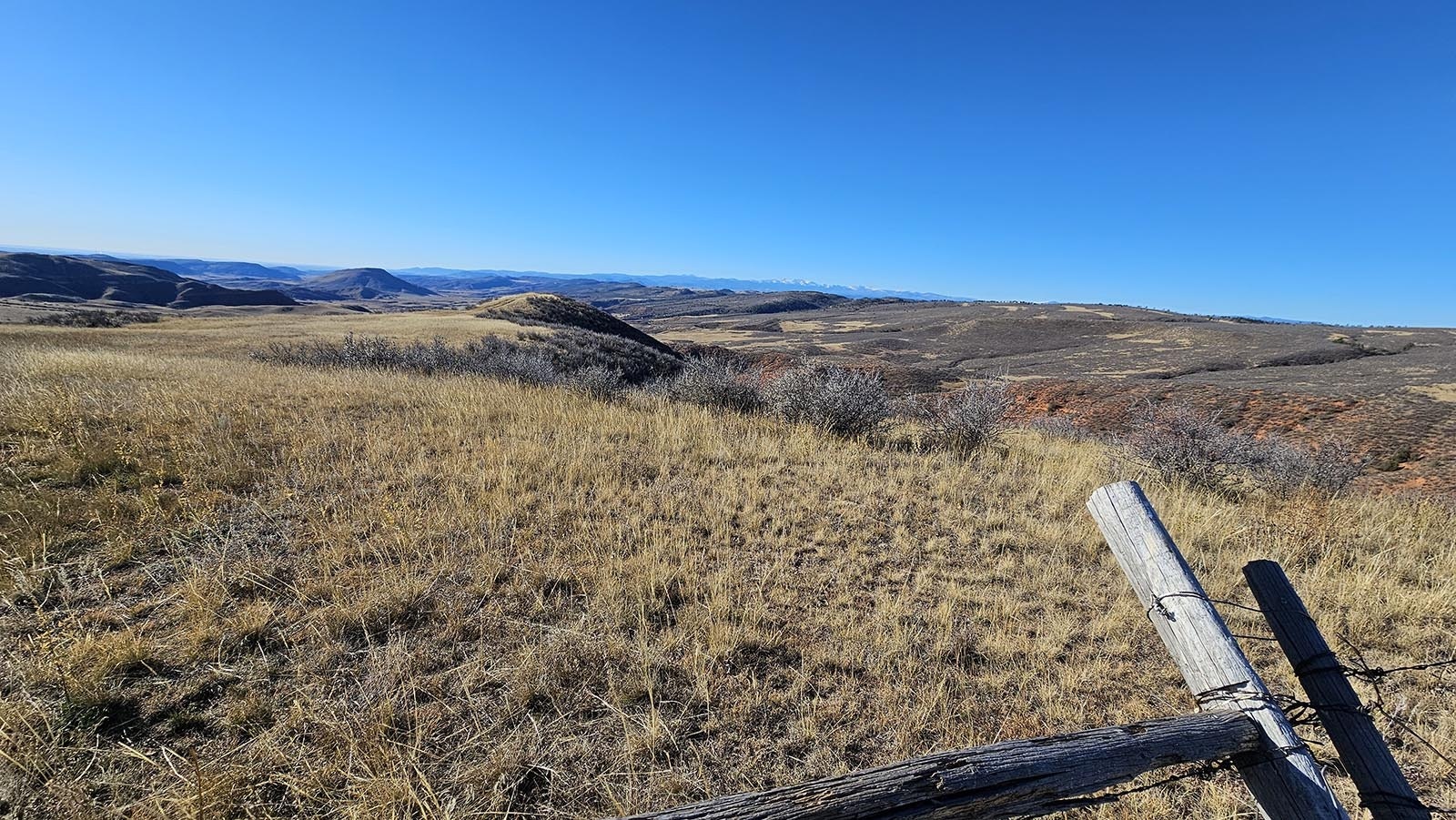
Beyond this fence lies The Hole. Presently adjacent to the Belvoir Ranch recreational area, the city of Cheyenne hopes to tie into it one day. (Renee Jean, Cowboy State Daily) 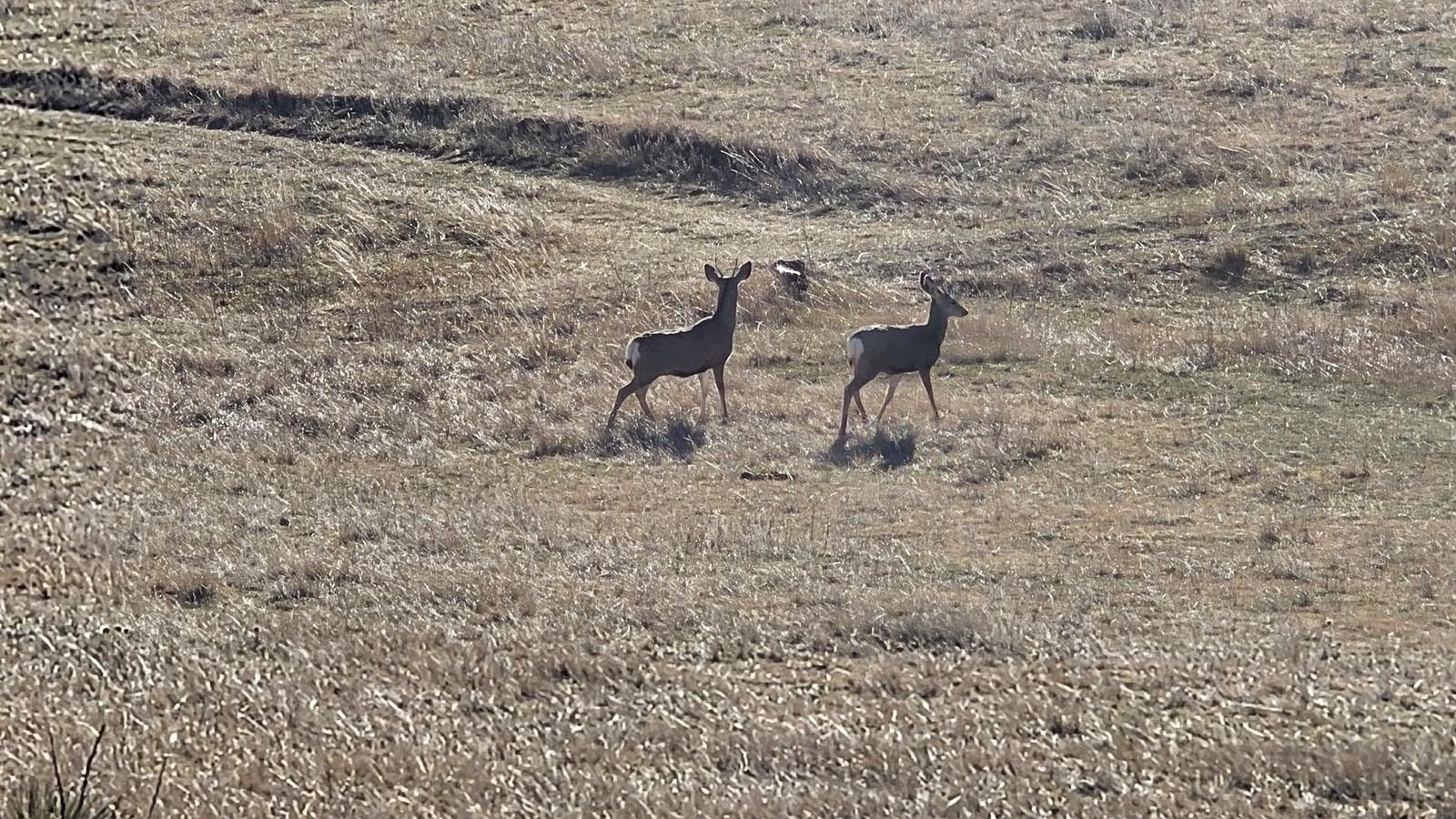
These two mule deer at the Belvoir Ranch didn't hang around too long. (Renee Jean, Cowboy State Daily) 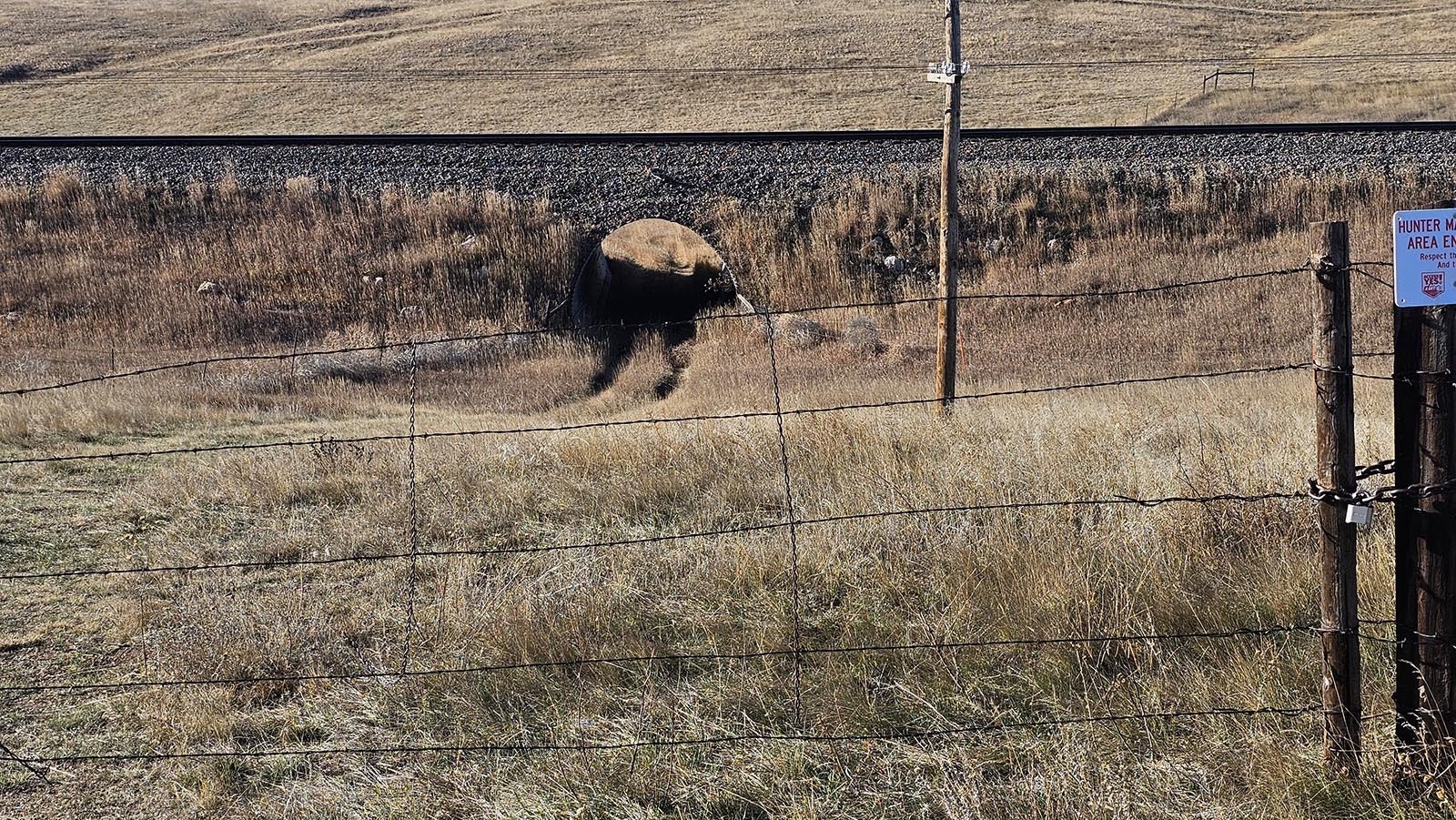
This underpass might someday be used to continue the trails at Belvoir Ranch, if Cheyenne can work out an agreement with Union Pacific for allowing its use. (Renee Jean, Cowboy State Daily)
The Great Wall Of China At Belvoir Ranch
Cheyenne has added onto the Belvoir Ranch recreational project significantly since the whole thing began in 2003. In 2005, the city bought the adjacent Big Hole for $525,000.
The Big Hole is a stunning piece of landscape, one that could eventually tie the Belvoir Ranch’s newly completed trails into 40-plus more miles of trails already built on the Colorado side.
“Cheyenne has an amazing backyard,” Humphreys said, gesturing at the undulating green hills with red rock showing through. “It really does (lend itself) for this type of activity.”
Getting to the Big Hole could be interesting, since it requires crossing over a section of railroad owned by Union Pacific.
“I tell people that’s the Great Wall of China for us,” Collins said. “We can’t seem to get under it or over it. But eventually we’ll figure out a solution that we’ll be able to hook up to the Big Hole, which is already connected to the trail system for both Fort Collins and Larimer County.
"It’s just epic, really wonderful trails, and we would be able to take our (trails) and connect it to those trails systems. That would be beautiful.”
The railroad easement, Collins added, dates to the 1800s.
An underpass for ranch management underneath the railroad track was permitted at some point, but there are concerns about allowing more widespread use by pedestrians, Humphreys said.
Another option would be to build a bridge, but that would cost $4.5 million for the specifications Union Pacific would require, Humphreys said.
“Because it’s going to be a pedestrian crossing, it has to be ADA compliant, for one thing,” he explained. “So, there’s going to be concrete involved.”
The bridge would also have to completely span Union Pacific’s easement, which is more than 260 feet long, another factor that adds to the cost of that option.
“All we have to do is get from there to there,” he said, displaying a map with an app that shows a very short section of land to cross. “Once we get across the railroad, which I think we will at some point … they’ve got about 45 miles in there that we can connect to.”
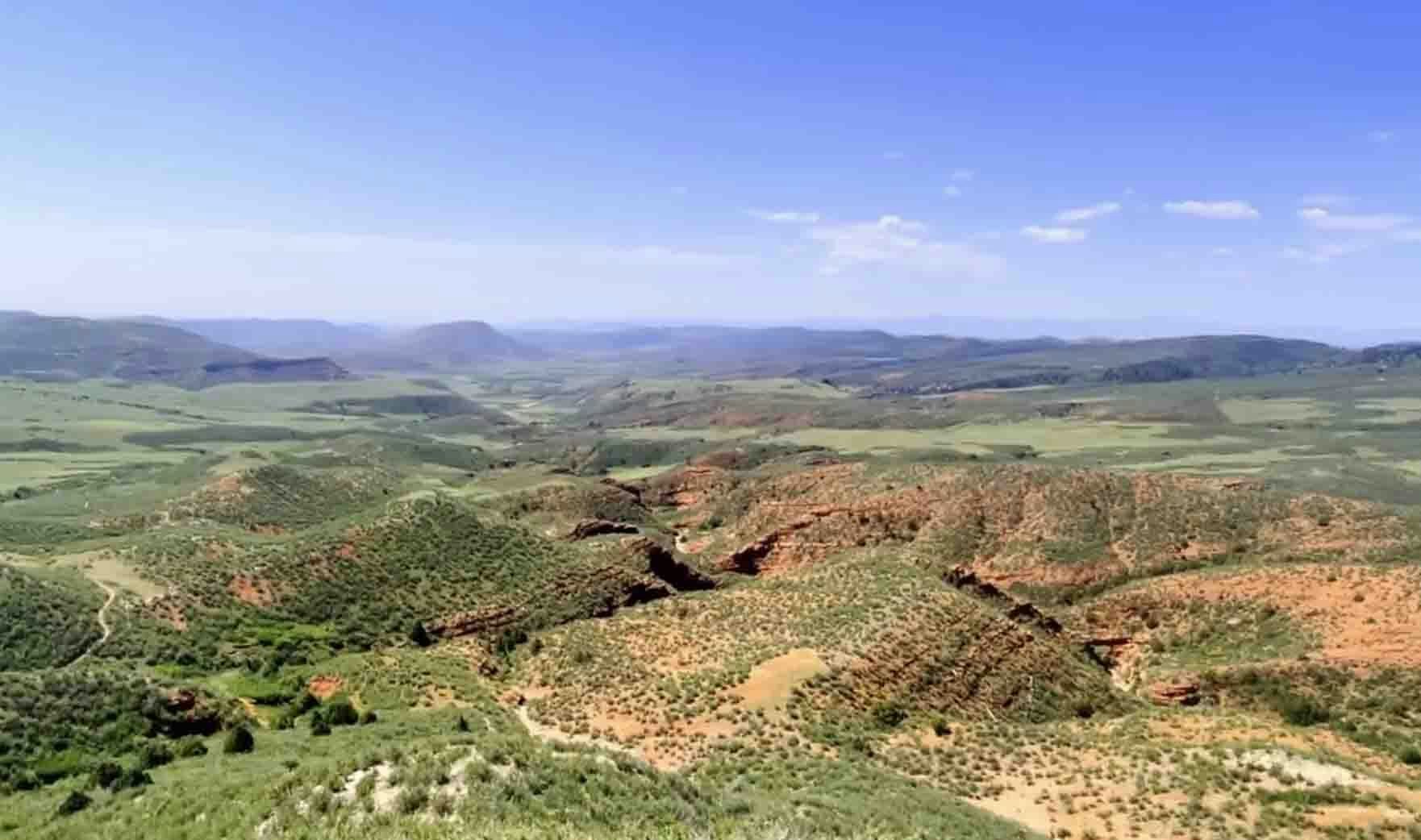
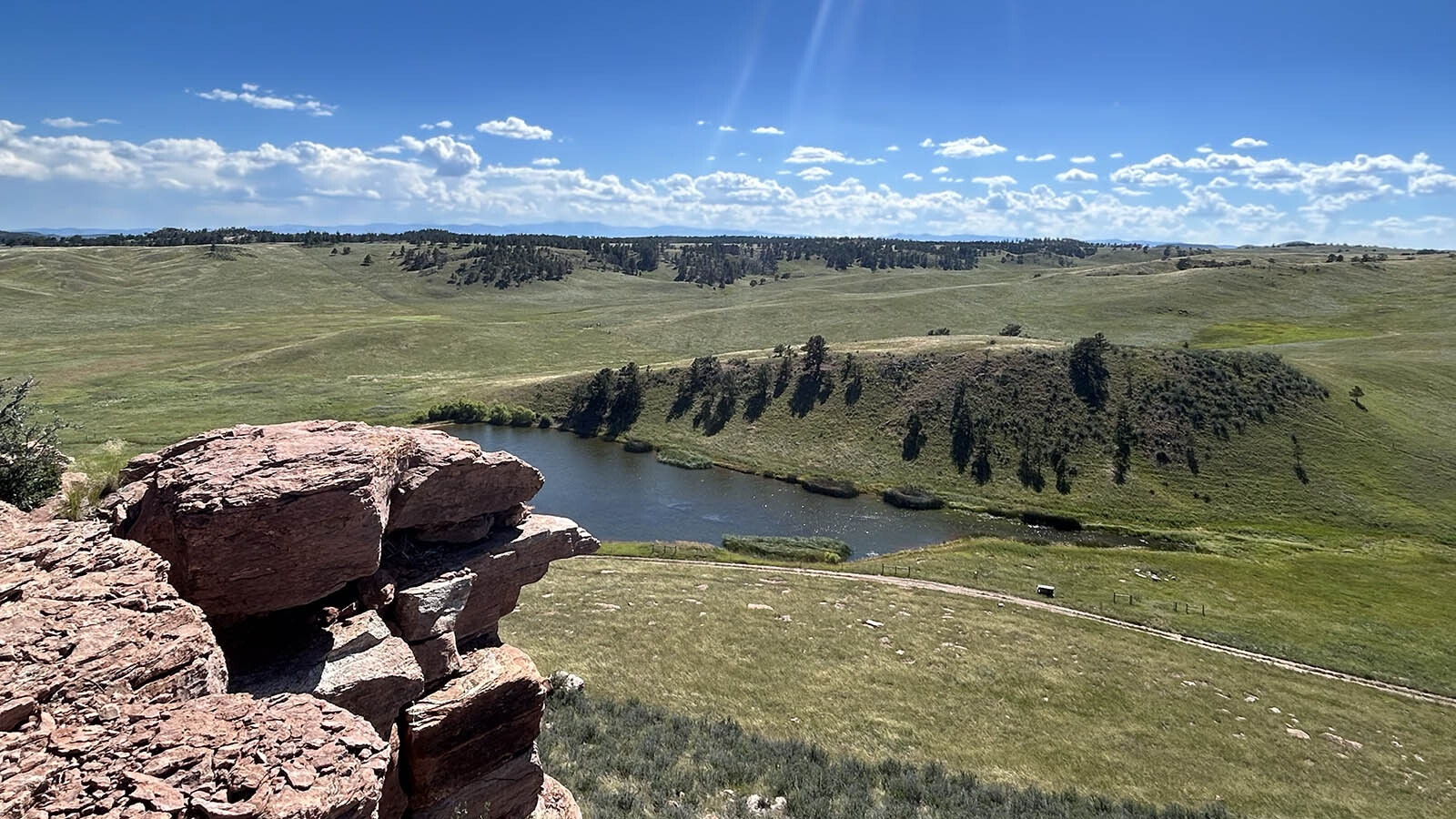
The Belvoir Ranch west of Cheyenne offers some of the most spectacular views in southeast Wyoming. (Charles Bloom, City of Cheyenne) 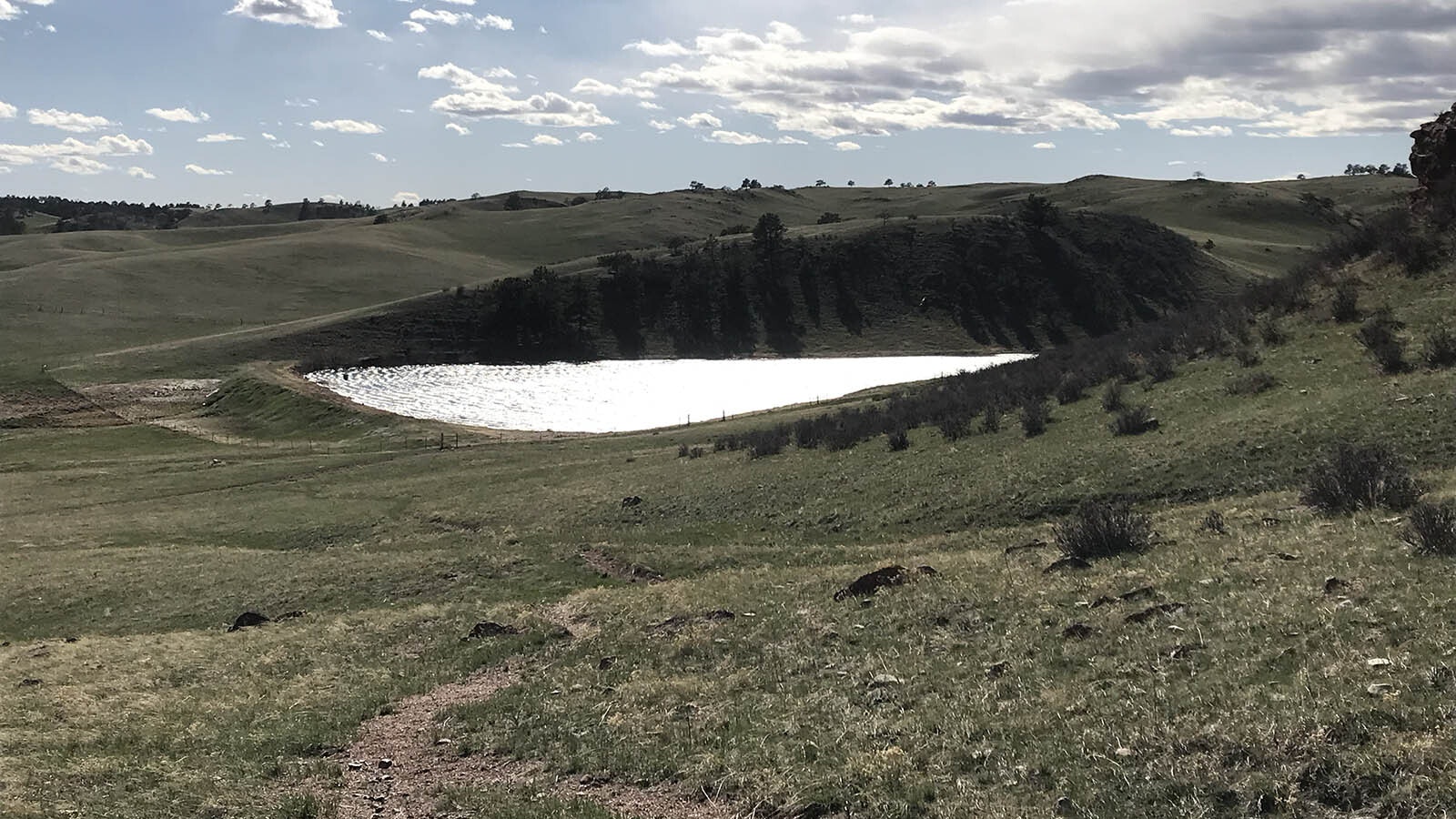
The Belvoir Ranch west of Cheyenne offers some of the most spectacular views in southeast Wyoming. (Charles Bloom, City of Cheyenne) 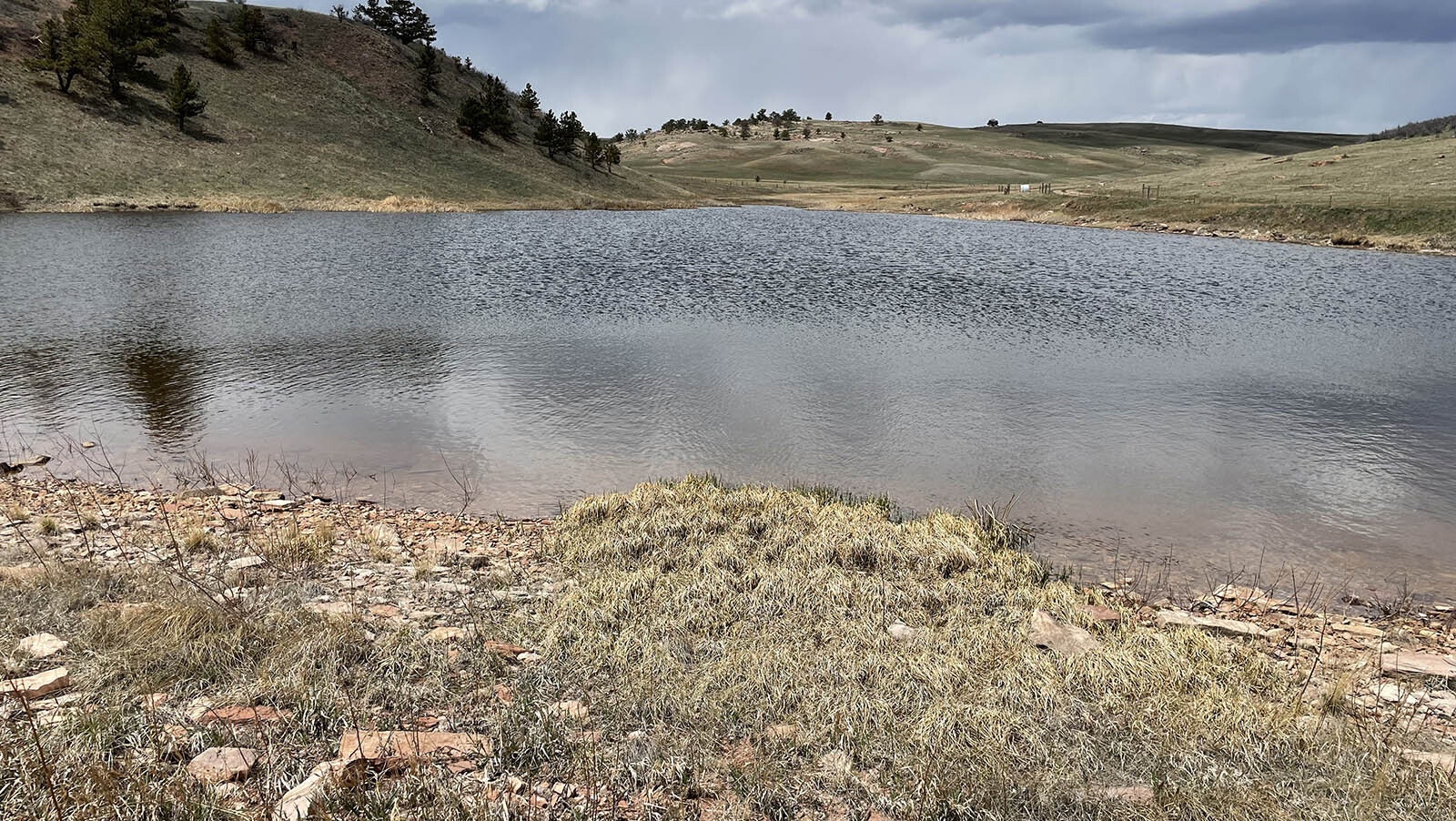
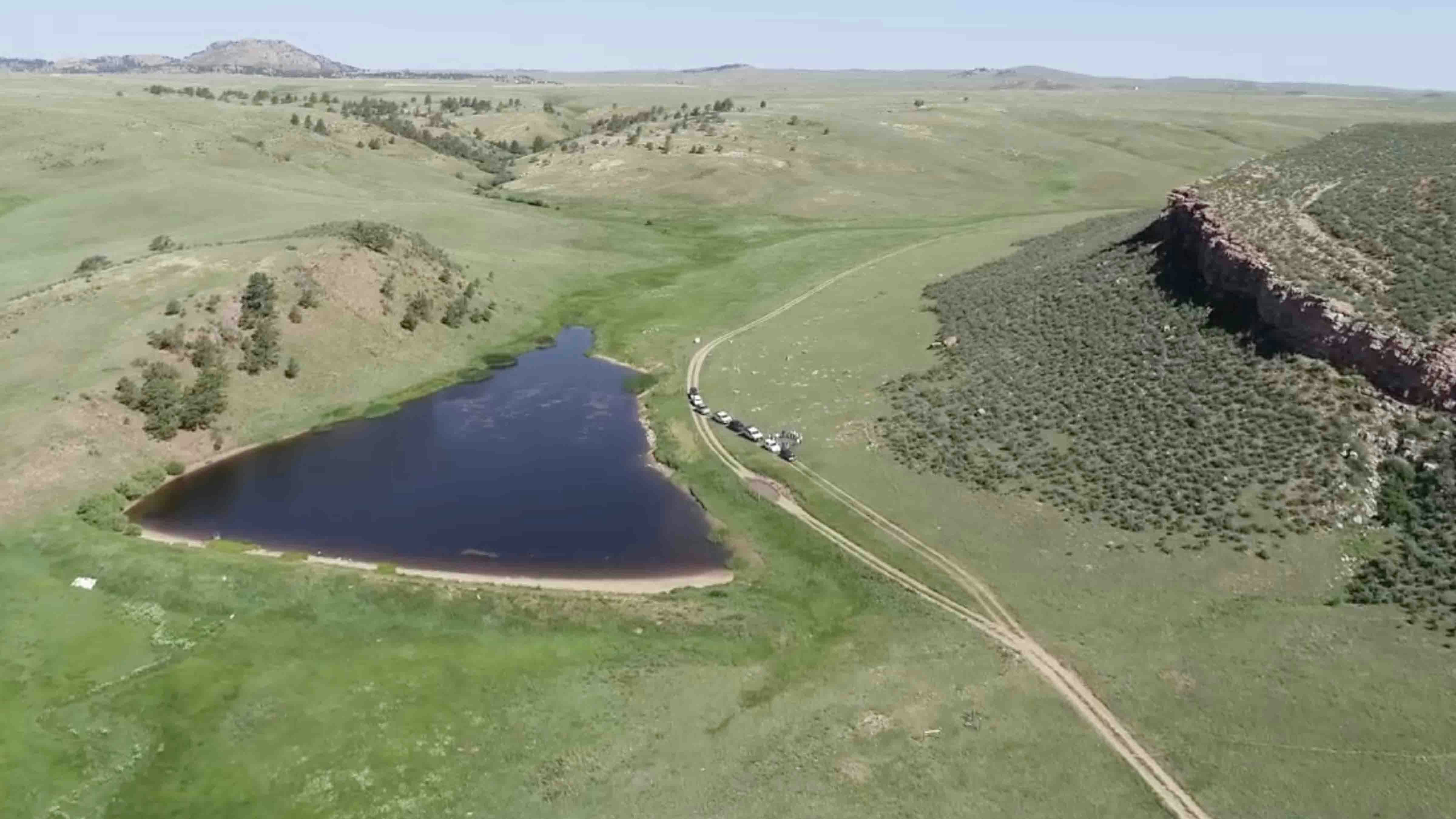
This reservoir on the Belvoir Ranch west of Cheyenne will be included in the first phase of public access development. The plan is to eventually stock the reservoir with fish and build a trail down to it. (City of Cheyenne) 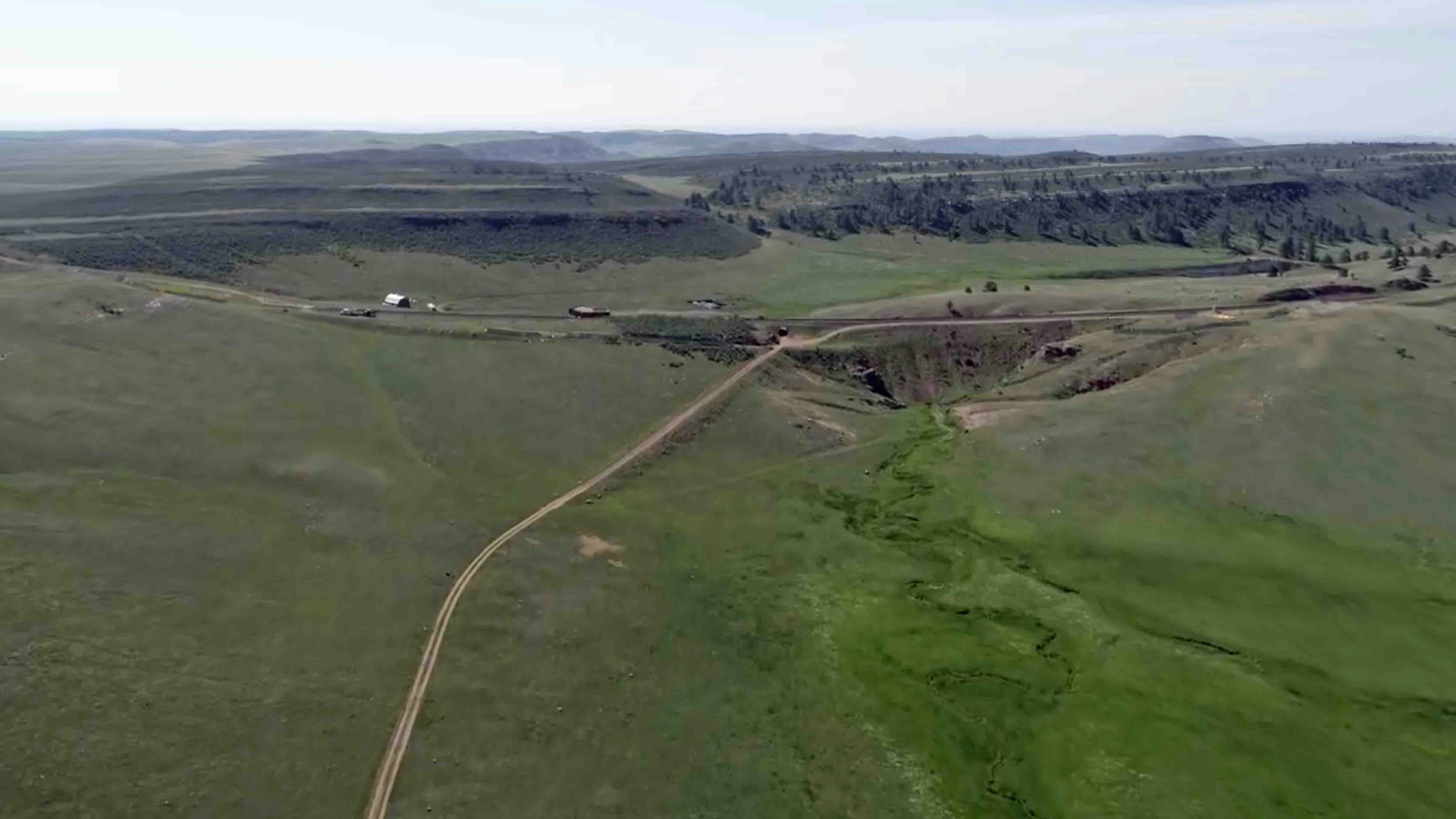
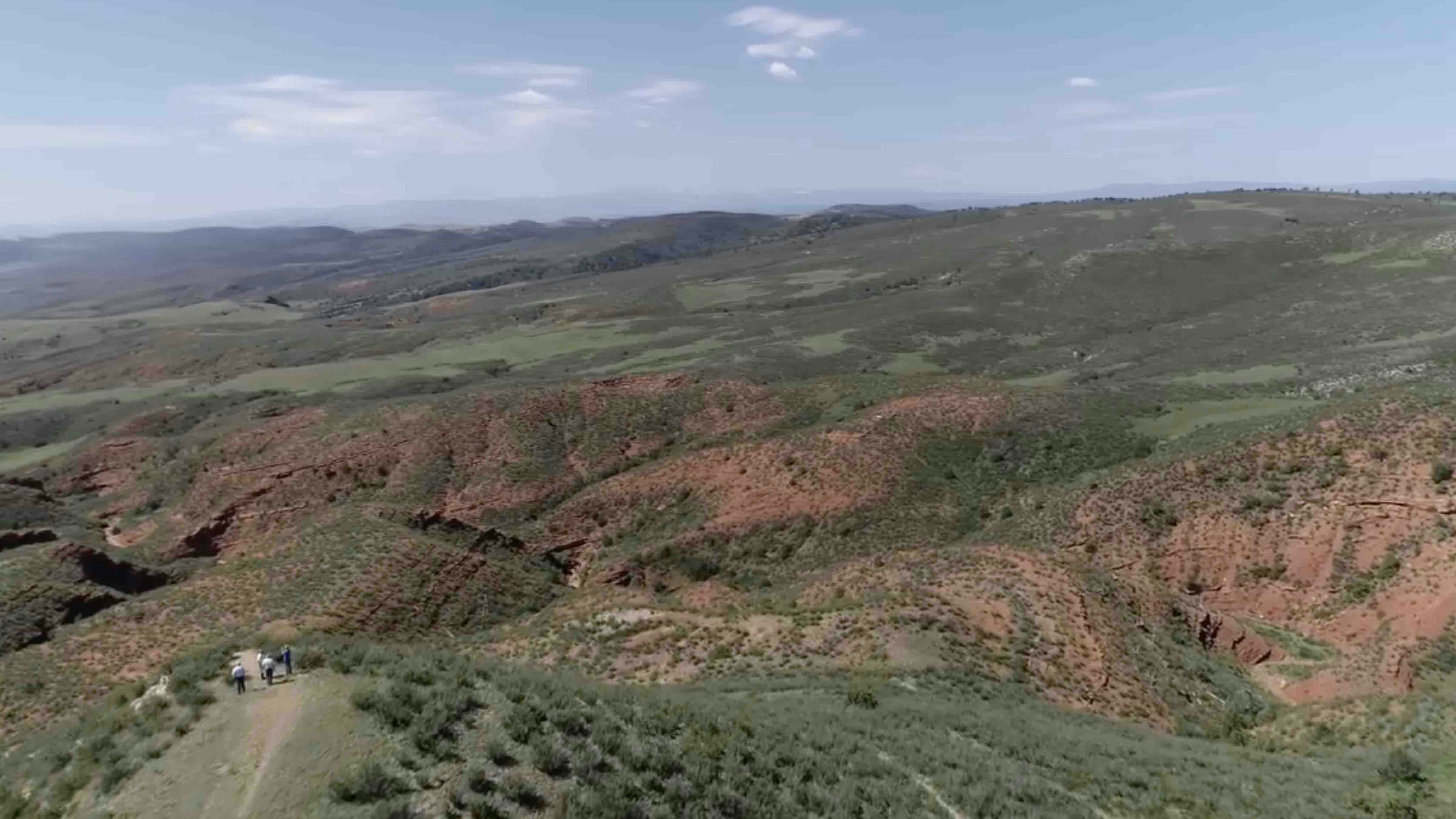
Wildlife Heaven
Not long into the Belvoir Ranch tour with Cowboy State Daily, two mule deer were spotted several hundred yards away, eyeing our sport utility vehicle cautiously.
They didn’t wait around too long before turning tail and zooming away, up to the rim of a hill for one last look. Then they plunged down out of sight.
“It’s rare that I come out here and don’t see wildlife,” Humphreys said. “Sometimes I’ll see deer, elk, antelope — you know, all in the same day. Sometimes I just see a few deer, a few antelope, one or two elk.
“I’ve seen jackrabbits out here all the time,” he continued. “And coyotes. It’s really rich with wildlife out here and a lot of interesting birds, lots of raptors.”
Cattle also graze the mountainsides in the summer, creating an idyllic pastoral scene that would make a beautiful watercolor or postcard.
The whole is framed by the Rocky Mountains off in the distance, so it doesn’t take long for it to feel as though the clocks have stopped moving.
More Amenities — Including Fishing — Likely
Eventually, Humphreys believes more amenities will be added to the Belvoir Ranch, polishing what he believes is already an outdoor recreation gem.
In fact, work is progressing on a reservoir that could, in the future, be stocked with trout and might one day host a few camping sites.
“There’s no plans in concrete right now to allow that, but I think the City Council would like to see that happen, and I think this is a perfect area down here for it,” Humphreys said. “But that’s a decision that’ll have to be made at a higher level.”
Equestrian trails are also being considered, though that trail system would be separated from the hiking and mountain biking trails, Humphrey said.
Horses aren’t all that keen on strangers hiking and biking up to them, Humphreys said. Horse hooves, meanwhile, tend to tear up mountain biking trails quickly by cutting divots into the trails that collect water and accelerate erosion.
While the hiking and biking trails may look primitive, they have actually been carefully engineered to minimize erosion, ensuring maintenance is minimal.
Renée Jean can be reached at renee@cowboystatedaily.com.