Kipp Saile was born and raised in Michigan and trained to be a chef, yet ended up spending decades leading horseback expeditions into the most remote reaches of Yellowstone National Park.
When asked what’s driven his choices and kept him on his career path, he credits his horses and mules.
“I’m just a horse guy. I love horses,” he told Cowboy State Daily. "I’ve also started learning about mules. That’s just the type of lifestyle I wanted."
His last venture with clients into the park wrapped up last week.
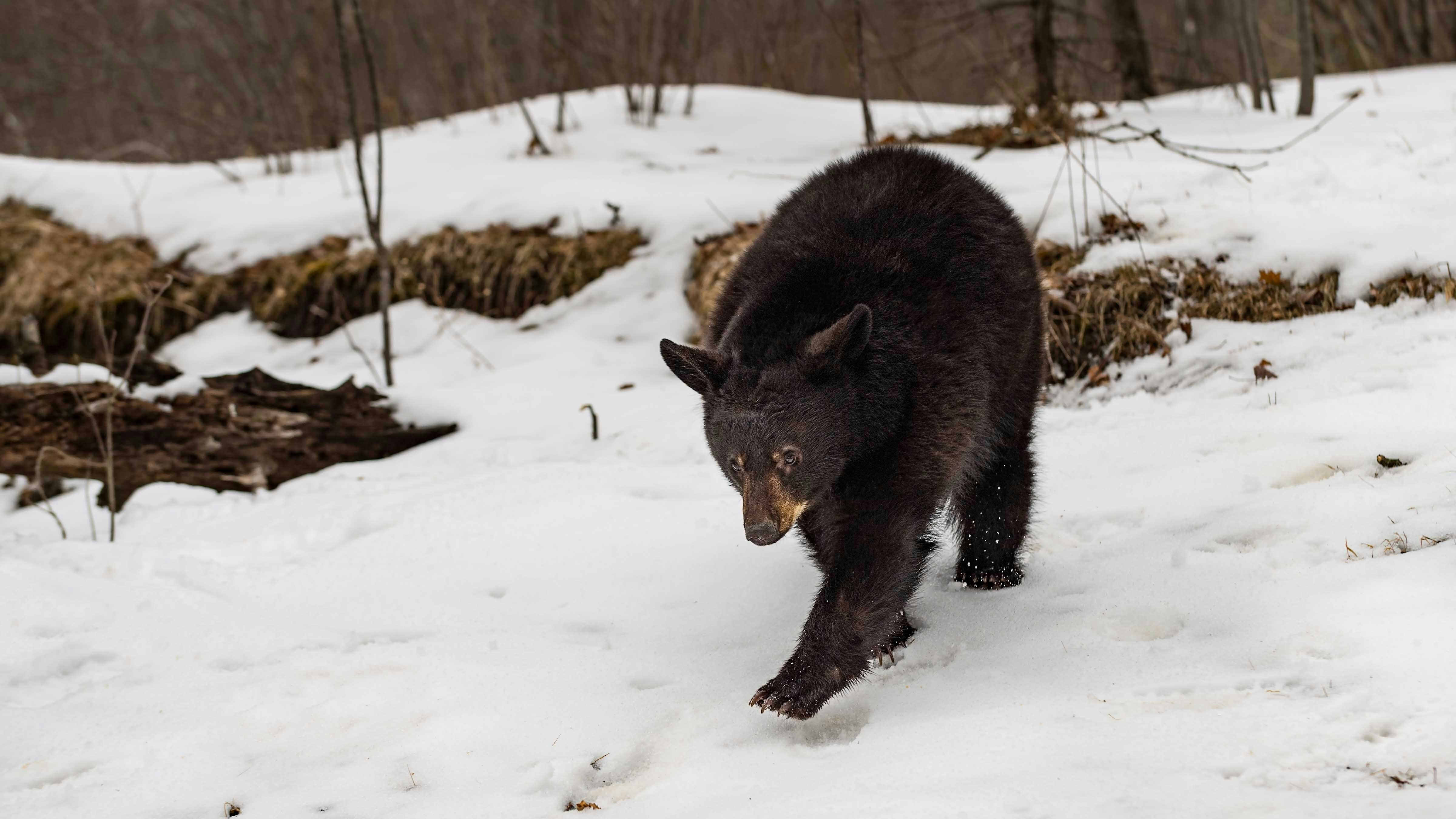
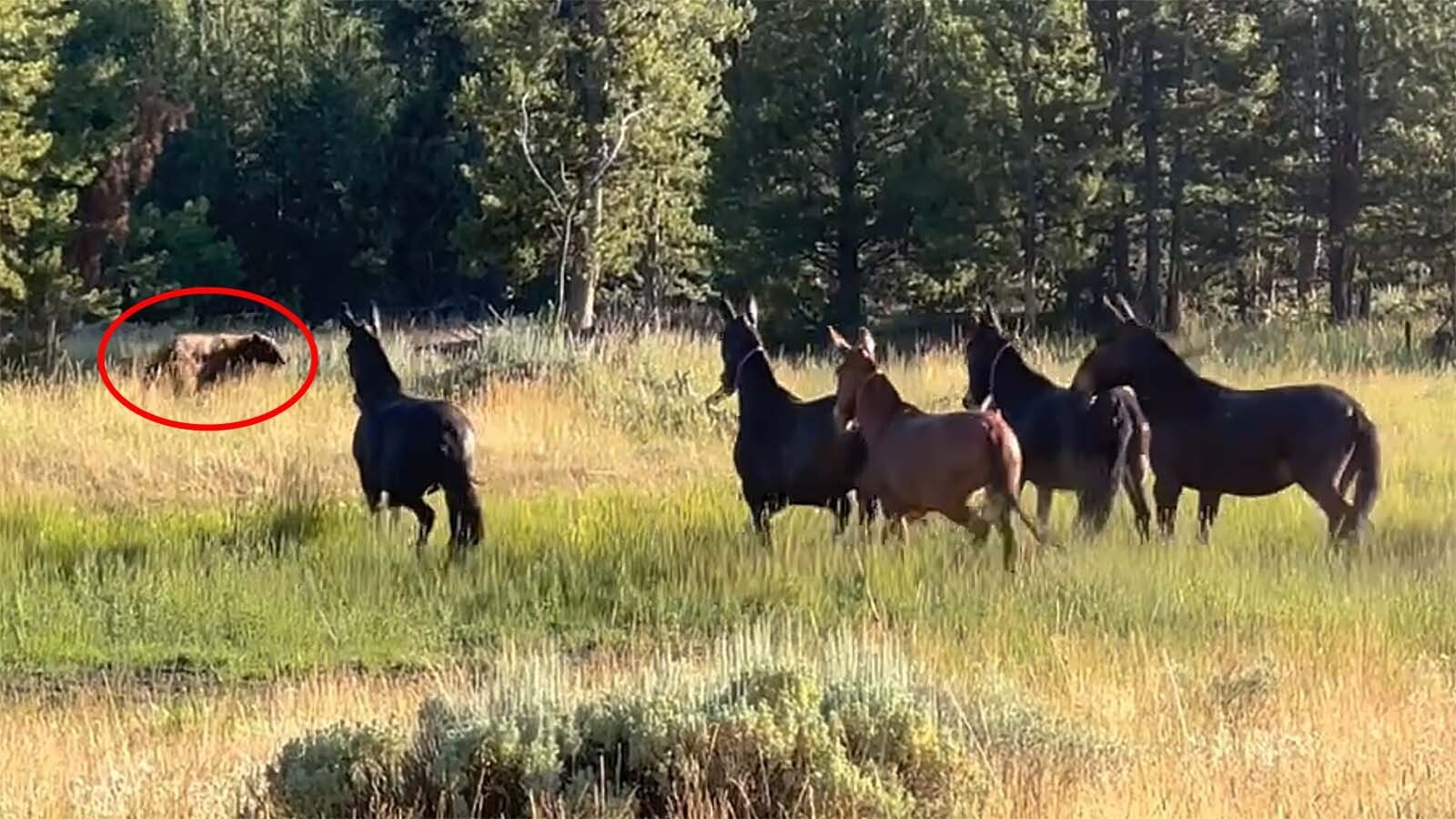
One of the highlights of the trip was when his horses and mules ganged up to chase off a grizzly bear that had gotten too close to camp.
That’s just the way it is in the backcountry, where his riding and pack animals feel at home and know how to take care of themselves, said Saile, who runs Rockin’ HK Outfitters out of Pray, Montana, with his wife Heidi.
They cater to clients who want to get far off the beaten path, and who have the grit and patience to go see parts of Yellowstone that most tourists hardly dream of.
In a world where many people want “instant gratification, where they can see wildlife through a window,” his outfit offers something completely different.
From his perspective, it’s about as close to a dream job as anyone can get.
“We’re mountain people. I’d rather live up there in a tent than down at my house,” he said.
The Grizzly That Got A Little Too Close
Yellowstone is the heart of grizzly county in the Lower 48, but Saile said he isn’t afraid of bears.
So long as people are alert, respectful and follow basic rules — such as keeping a clean camp — there’s little risk of trouble with grizzlies, he said.
Also, adult grizzlies are smart enough to avoid people, particularly the larger groups he leads.
“There’s usually 12 people and 20 to 25 horses and mules,” he said. “The adult bears, they don’t want to have anything to do with that."
On the occasions bears show up near camp, Saile said his policy is to leave them alone so long as they keep a safe distance.
Juvenile bears can sometimes raise a ruckus, he added. Not so much because they’re deliberately trying to be aggressive, but because they just don’t know any better.
That was the case when a younger grizzly approached the camp during the latest outing.
The bear didn’t seem to have a care in the world and even “cruised right through” the area where tents had been set up.
While the bear seemed carefree, the nearby mules and horses were watching it closely, keeping their eyes on the bear.
Then they finally decided they’d had enough.
A couple of the horses and mules started approaching the bear, and before long “the whole herd joined in,” Saile said.
The juvenile bear got the message and hustled away.
“They escorted him out of camp,” Saile said.
Lamenting The Loss Of Elk
Saile is protective of the places he's found deep inside Yellowstone and declined to divulge any details about the locations.
As far as he's concerned, they’re some of the last best places left in the Lower 48.
“I seek out places where you can’t find people,” he said.
Over more than 30 years of exploring Yellowstone, he’s seen the elk herds decline, which he laments.
Yellowstone’s northern elk herd once numbered more than 18,000. Now, it’s down to about 4,000, he said.
Saile said wolves are to blame. After decades of being absent from the park, wolves were reintroduced in 1995-1996.
“I didn’t want wolves introduced, because anybody with a brain in their head knew what it was going to do to the elk herd,” he said.
“I didn’t want wolves to begin with,” Saile added. "I’m not dead set against them being here now, because I like all wildlife. I just didn’t like the way they went about bringing them here."
When elk were still plentiful, one of the best services Rockin’ HK had to offer were “elk rut trips” in September, he said.
The rut, or mating season, is when bull elk really put on a show, bugling and sparring with each other over cow elk.
“You could see the elk rut taking place right out in front of our camps,” he said. “We were having National Geographic days, every day."
Saile said he’s skeptical of arguments that elk were overgrazing Yellowstone before the wolves returned. Or that they were tearing up riparian zones (the areas of greenery along creeks and streams).
As he sees it, the number of bison have greatly increased in the absence of elk, and bison are much harder on riparian zones than elk.
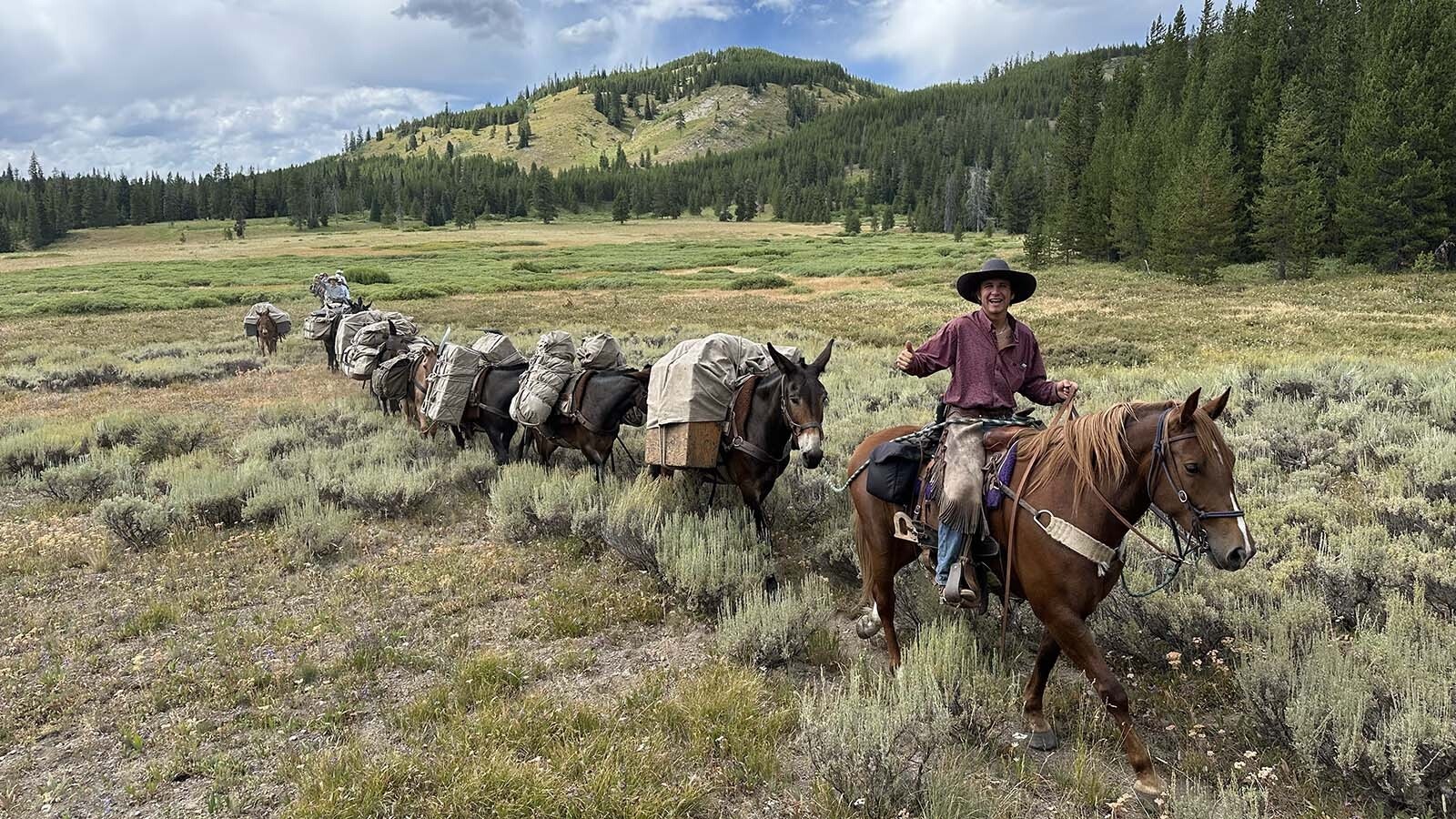
Rockin’ HK Outfitters offers horse pack trips into remote parts of Yellowstone National Park, that most people never see. (Courtesy Kipp Saile/Rockin’ H Outfitters) 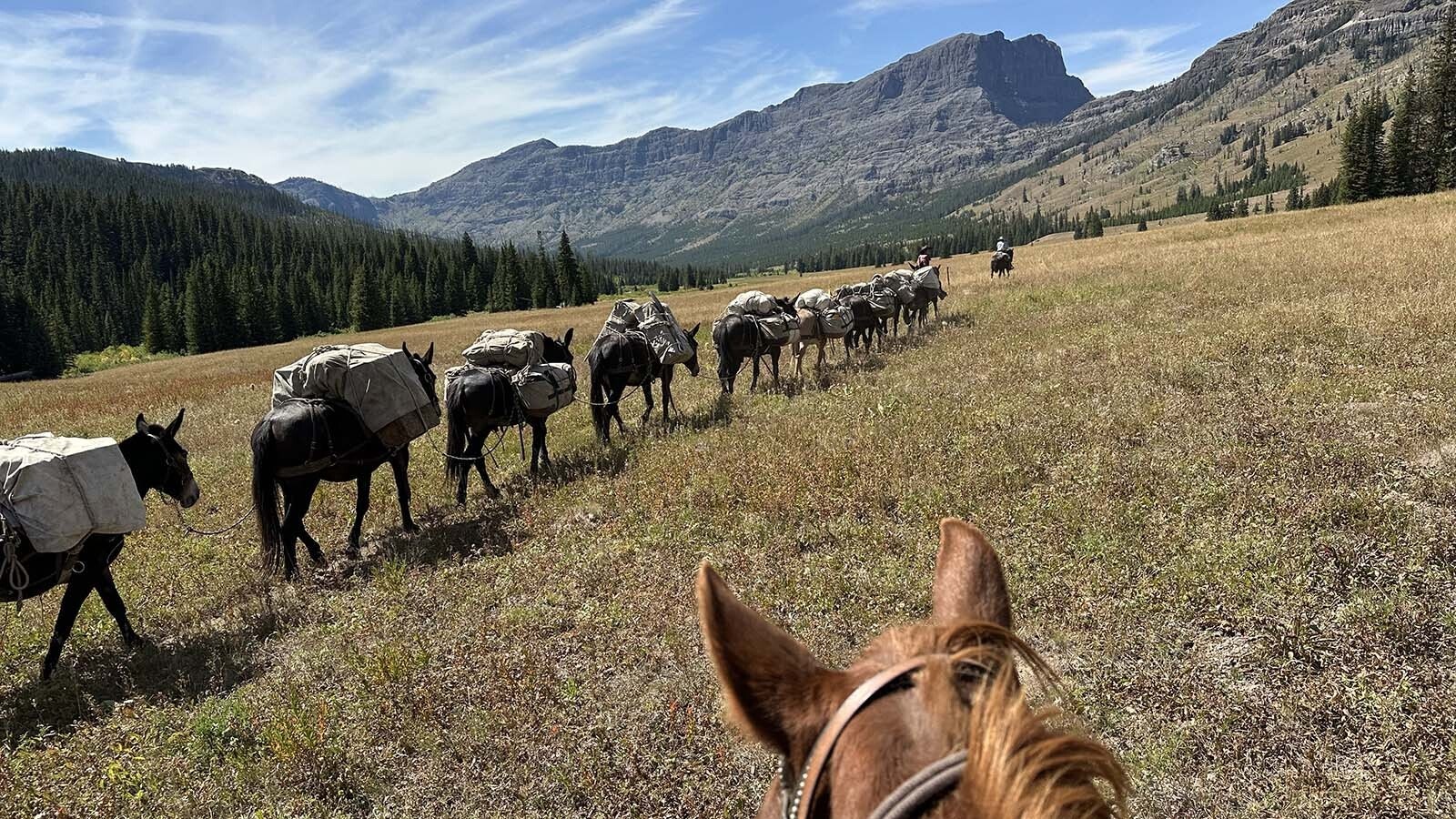
Rockin’ HK Outfitters offers horse pack trips into remote parts of Yellowstone National Park, that most people never see. (Courtesy Kipp Saile/Rockin’ H Outfitters) 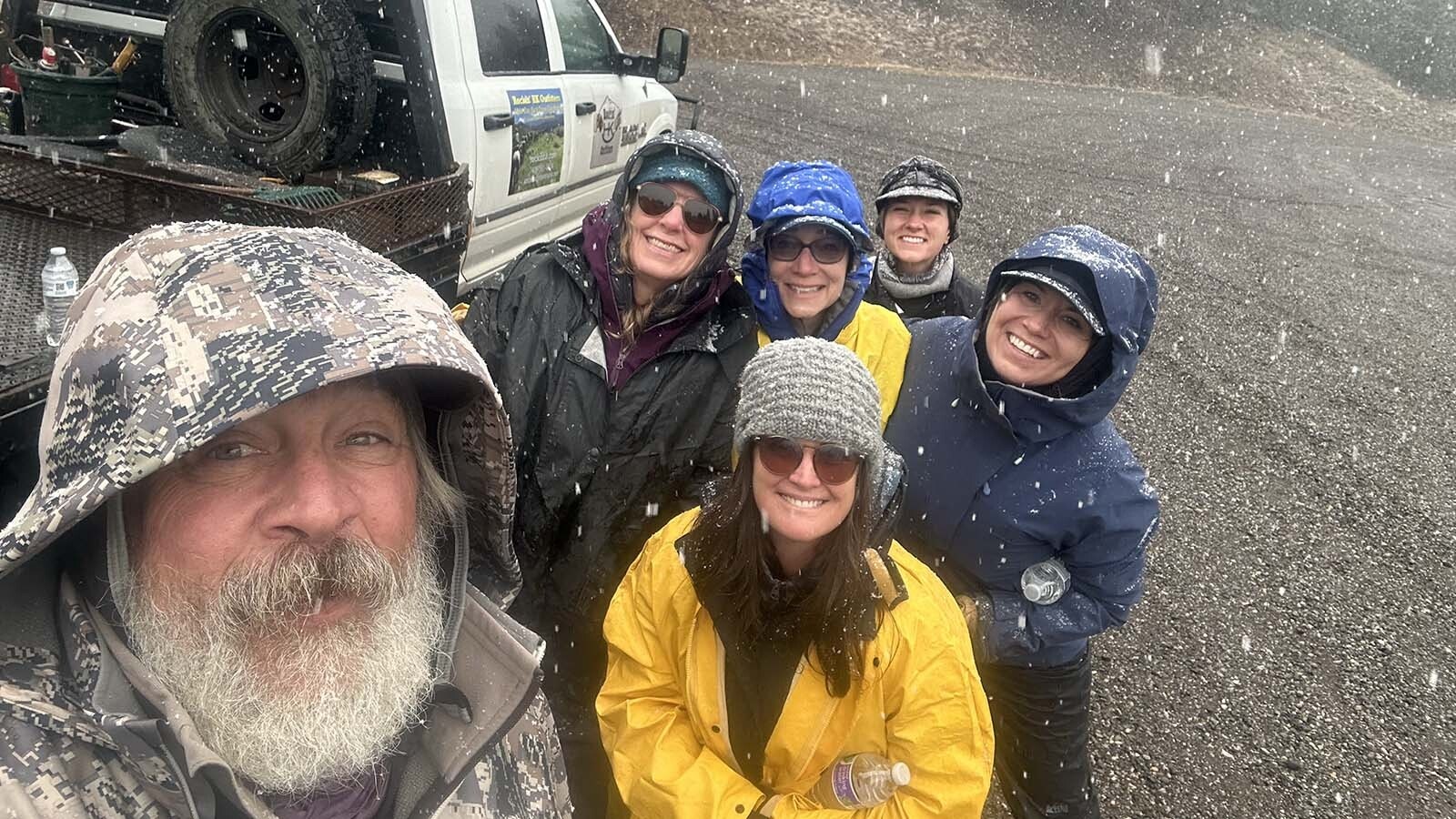
Kipp Saile has been a backcountry guide in Yellowstone National Park for more than three decades. (Courtesy Kipp Saile/Rockin’ H Outfitters) 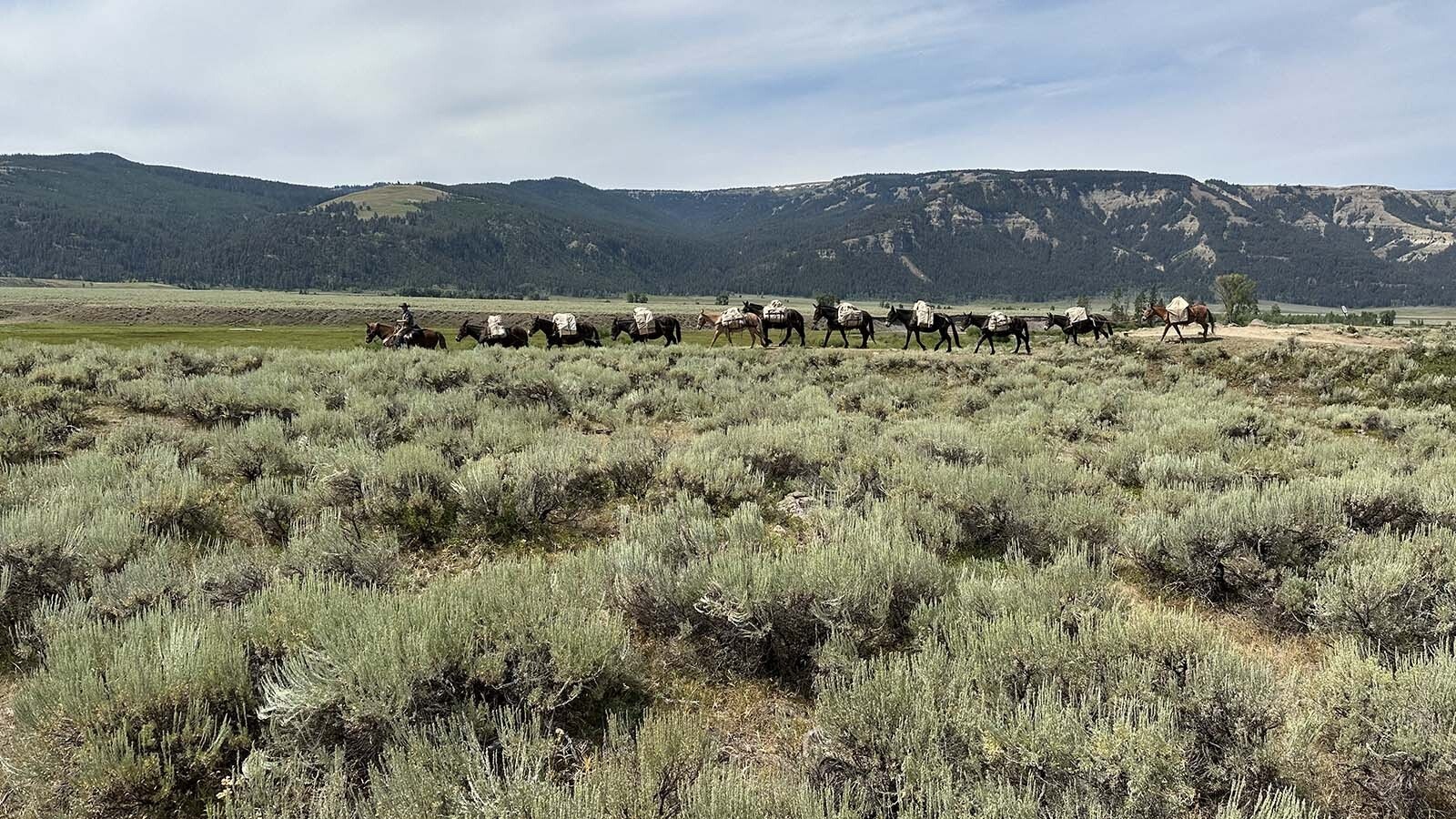
Rockin’ HK Outfitters offers horse pack trips into remote parts of Yellowstone National Park, that most people never see. (Courtesy Kipp Saile/Rockin’ H Outfitters)
Hooked On The West
Saile always loved the outdoors and exploring the remote parts of northern Michigan when he lived there. But when he experienced the mountains of the West during skiing trips, he knew he found his new home.
He moved to Montana in 1989. Before long, he had a job working for a horse pack outfitter and learned everything he could about business.
Eventually, he bought his boss out and never looked back.
He still has immense respect for the old-timers.
“I’m still a newbie” in backcountry outfitting, he said.
Even so, Rockin’ HK strives to go above and beyond when it comes to customer service, and he said they’ve built a lasting business mostly on word-of-mouth from satisfied customers.
“We don’t do much advertising,” he said.
During his time out West, Saile said he’s seen things change, and not always for the better.
He loves wide open spaces, and having a few close friends, rather than being amid crowds of people.
“I’ve got a bigger bond with animals,” he said.
The pace of growth in Montana and around the region troubles him.
“Montana and Wyoming aren’t supposed to be about money. It’s more about the lifestyle, although, that’s changing,” he said.
And he knows his horses and mules will always have his back.
Mark Heinz can be reached at mark@cowboystatedaily.com.