Solar panels aren’t always a nightmare. Sometimes they work out even better than expected.
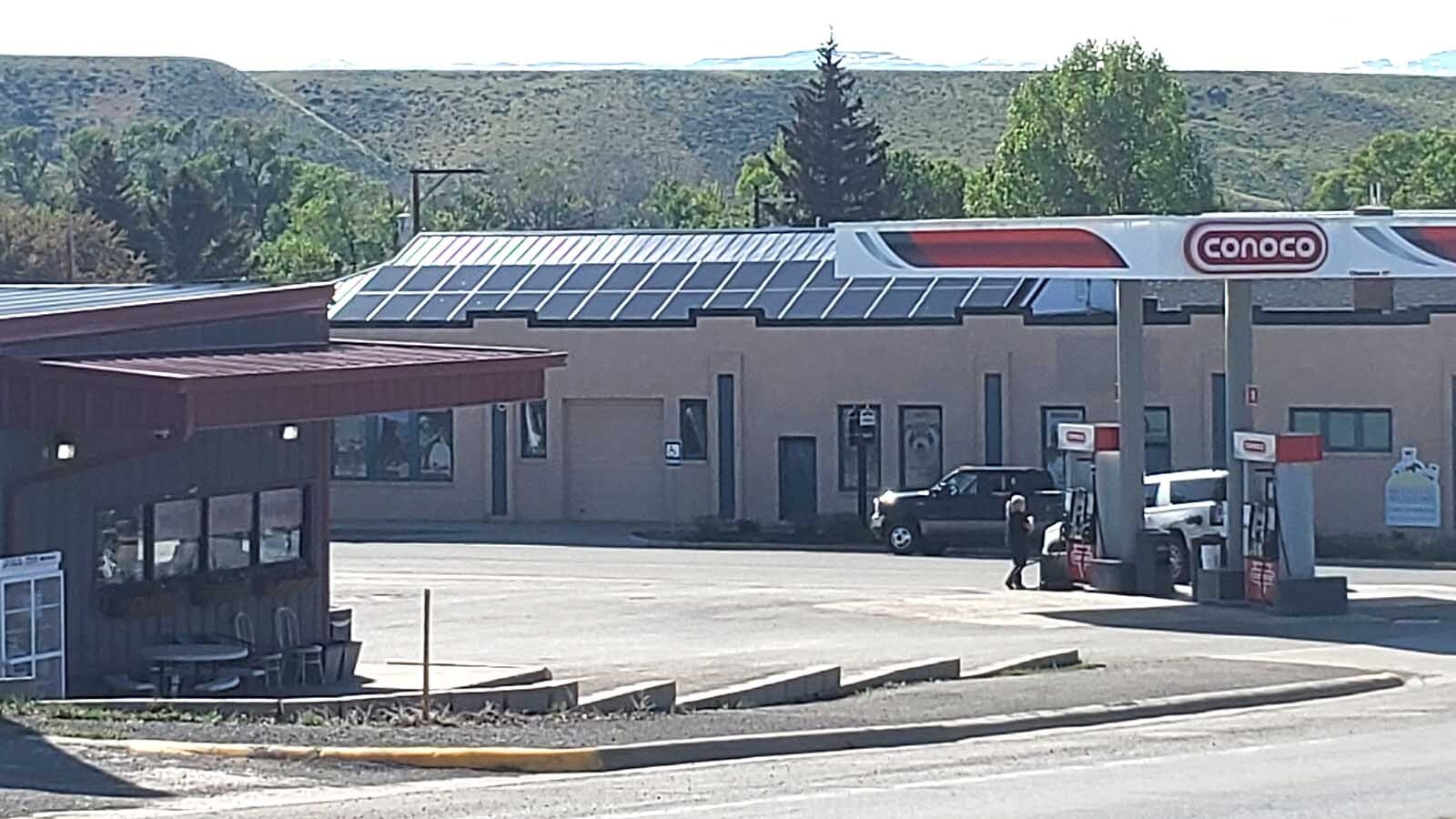
That’s what the Meeteetse Museums is finding out with its own rooftop solar, which became active in early June and has already saved the museums in the tiny Park County, Wyoming, town hundreds of dollars.
The solar panel was among projects the museums had been treading water on when the Trump administration decided to claw back humanities money on already-approved grants in April.
Wyoming’s small museums are a healthy part of the state’s tourism landscape in many small towns like Meeteetse. Many of them were caught up in the federal dragnet, and there was much confusion at the time about what would and wouldn’t be funded.
Meeteetse Museums Director Alexandra Deselms said the museum’s contract for the solar installment had been signed right before the cut-off date, allowing for reimbursement of their grant after all.
“Our materials had been sitting in the warehouse,” Deselms said. “They had already been ordered. They weren’t in progress, they had been ordered and were here. We just needed to schedule (the installation) and finish the payment.”
Because of that, Meeteetse Museums squeezed by on its grant funding and was able to install its customized solar panels in early June.
Saving Triple What Was Expected
People in Wyoming like to tell horror stories about solar panel troubles.
As one family living near Cheyenne found out, not all solar panel companies are completely honest about their products.
And some companies go out of business after their installation, leaving customers even deeper down a solar panel rabbit hole.
But in Meeteetse Museums' case, things are going better than expected so far, Deselms said.
“We’ve saved over $700 compared to last summer’s electricity bills so far,” Deselms said.
She’d been expecting more like $200 worth of savings over that time. Saving nearly three times as much in expenses is a big boost for the museums.
“Compared to last year’s June and July bills, we have generated over 5.8 megawatt hours and are 64% self-powered with an energy offset of 119%,” Deselms said in a recent newsletter about the panel. “So, we are sharing our energy generation with our neighbors in the grid!”
Savings Should Mean More Programs But … HVAC First
Deselms plans to use the museums' savings to offer more programs and exhibits, as well as collections care. But there is one huge maintenance task looming that will have to get taken care of first.
“One of our HVAC systems in the main museum doesn’t work,” she said. “It was the room that was damaged when our roof leaked. So, we’re looking to get that HVAC system replaced.
“Then we were told earlier this summer that our HVAC system is kind of at the end of its life.”
That’s going to no doubt mean seeking some state grants, Deselms said, but having lower utility expenses is also going to be a big help in navigating that going forward.
“And we hadn’t realized it, but one of the things we got with the solar panels was a free app that connects to our inverter and tracks all of the data so we can see it in real time what our energy input is. That’s been really cool to see,” she said.
Deselms plans to create an online energy exhibit about the museum’s new solar panel, something she hopes to present before the end of this year, so other people can follow along with their solar panel and see for themselves how it’s doing.
The virtual exhibit is just one of several projects underway at the museums, including exterior renovations at the museums and new windows, which have been possible in part by support for the museum’s WyoGives Day, which raised a little more than $45,000.
Installation Was A Breeze
While some families have reported complicated installations almost like building a brand-new house, Meeteetse Museums experienced the opposite.
Its net metering system required inspections by various parties, but it went forward in an organized fashion.
“(It) only took about three or four days, and the power was only off for a few hours, just as they worked to kind of connect it to the electrical box,” Deselms said. “It was right after Memorial Day, so we weren’t super busy. We just closed for those few hours.”
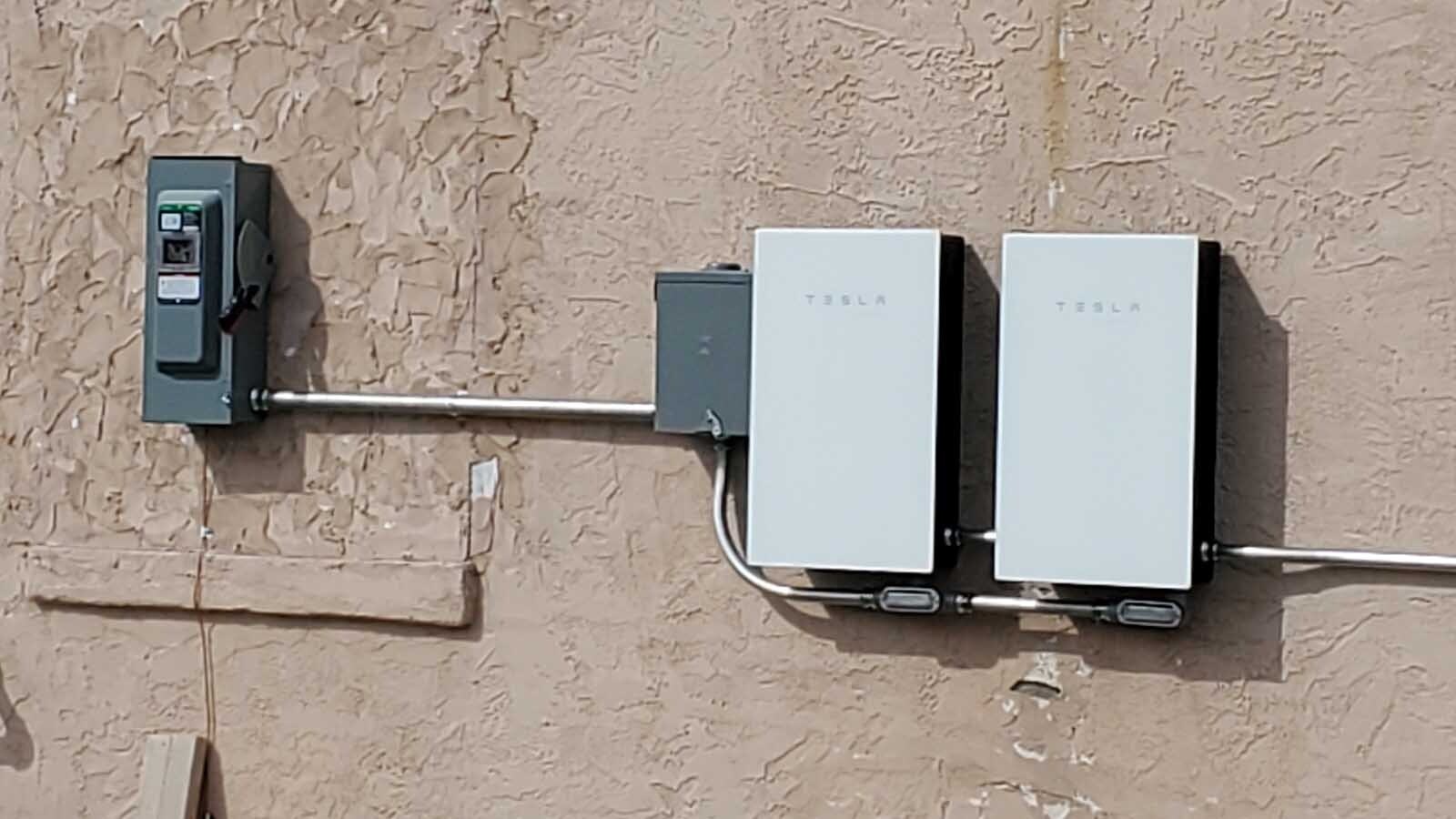
The system has been inspected by the local fire marshal, along with the solar company’s electrician. Big Horn Rural Electric also came out to set up the net metering, after which the solar panel technicians, who were on site and ready to go, set the museums up with the Tesla app.
“It kind of scans the inverter that’s on the outside of the building, and then it kind of connects to that, and there’s a computer in there somewhere that kind of sends information to their system into the app,” Deselms said. “So that way we can kind of track how much we’re using, how much we’re producing, and then track it daily over time, monthly, that kind of thing.”
Deselms isn’t too worried about the performance of the museum’s solar panels in winter.
That’s partly because her biggest expense has been for cooling in during summers, but also because the black panels are facing south and will get plenty of sunshine. She believes that will melt all the snow relatively quickly.
“We’re really pleased that everything came together and that we were able to do this,” she said. “And that we’re already seeing savings from it.”
Renée Jean can be reached at renee@cowboystatedaily.com.