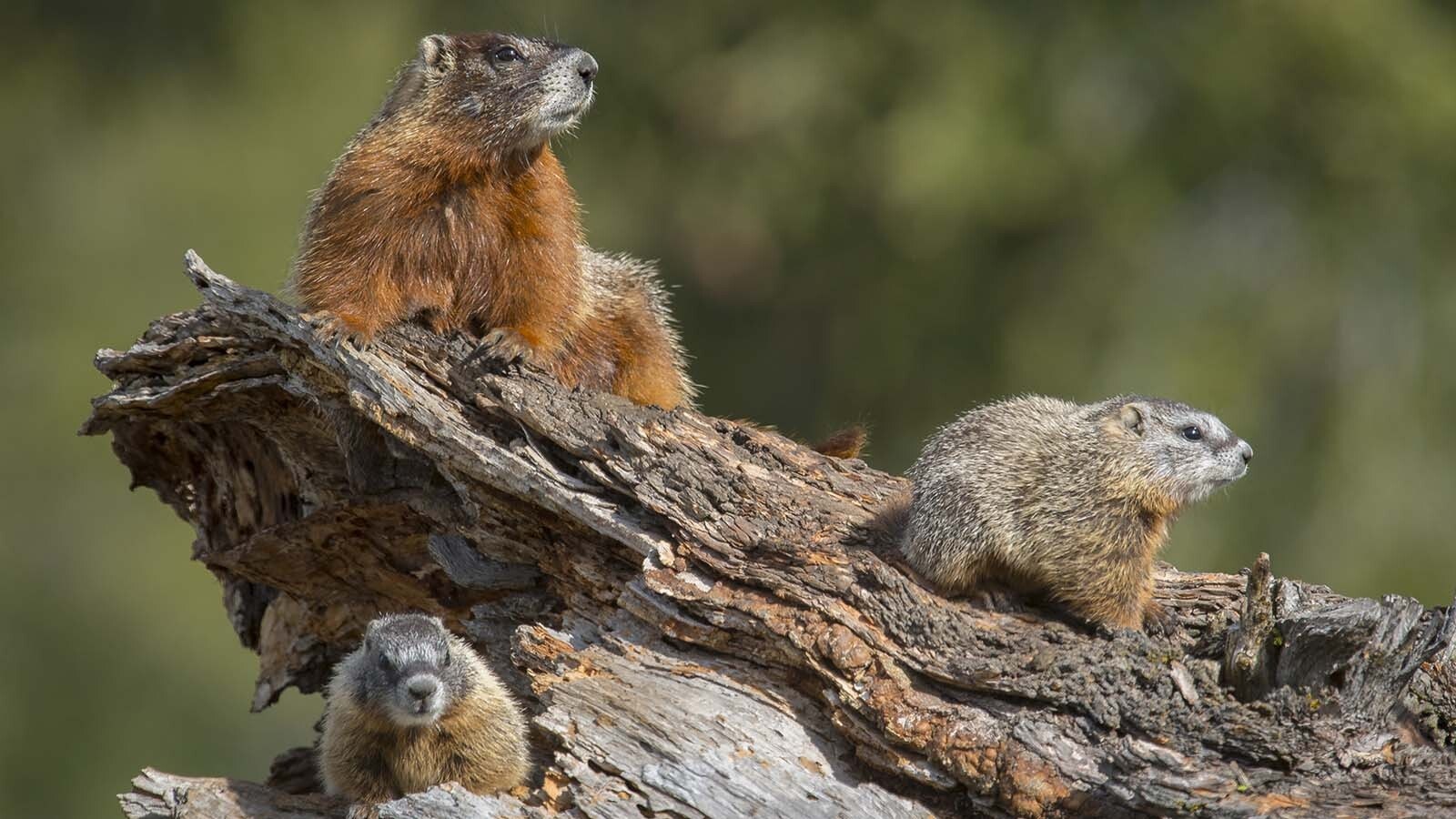
Marmots might be regarded as bumbling, pudgy and even cute, but they can destroy vehicles by crawling into engine compartments and chewing through hoses, wires and other vital parts.
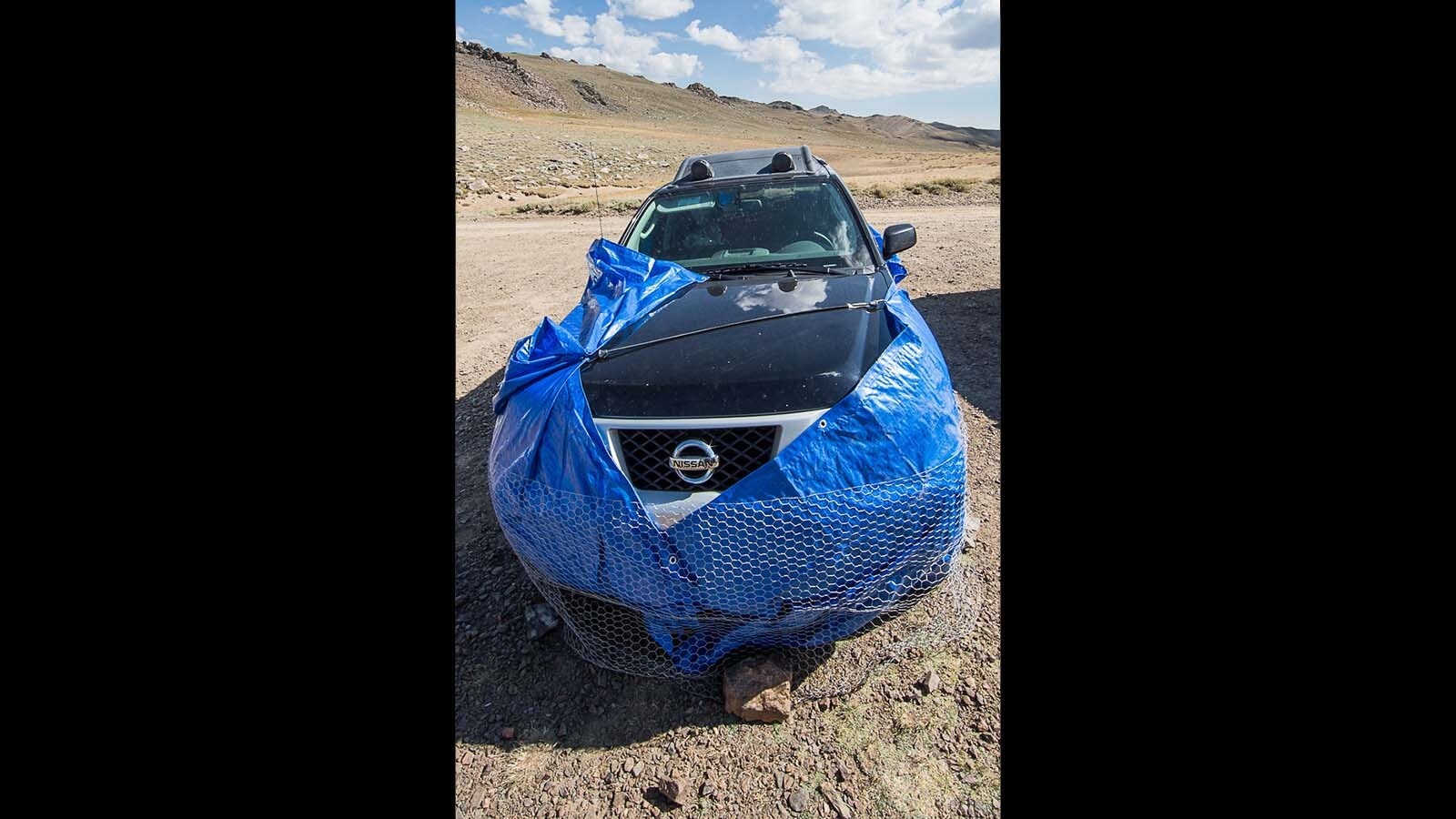
It’s gotten so bad in one national park in California, the National Park Service (NPS) is telling people to wrap their vehicles in tarps to ward off the marauding rodents.
Colloquially known as groundhogs, rock chucks or whistle pigs, marmots can wreak havoc on researchers’ vehicles, retired University of Wyoming archaeology professor Robert Kelly told Cowboy State Daily.
“This has long been a problem with researchers, like archaeologists, who work in the alpine (high mountain areas). The buggers chew up the wires and radiator hoses,” he said.
“Some say that if you leave up the vehicle’s hood, the marmots will leave it be,” he added.
Drastic Measures Against Marmots
Kelly said he’s not sure why leaving vehicle hoods up might deter marmots. Perhaps it’s because that leaves the critters feeling exposed when they crawl inside engine compartments.
He said that he first encountered that method of preventing marmots from vandalizing vehicles in 1986 at a research station in California’s White Mountains.
“I pulled up to the research station, and there were eight or nine vehicles parked there, with their hoods up,” he said.
He was baffled by the sight and asked the staff about it.
“They told me, ‘It’s to keep the marmots out of the engine compartments,’” he said.
At Sequoia and Kings Canyon National Parks in California, the NPS recommends more drastic measures.
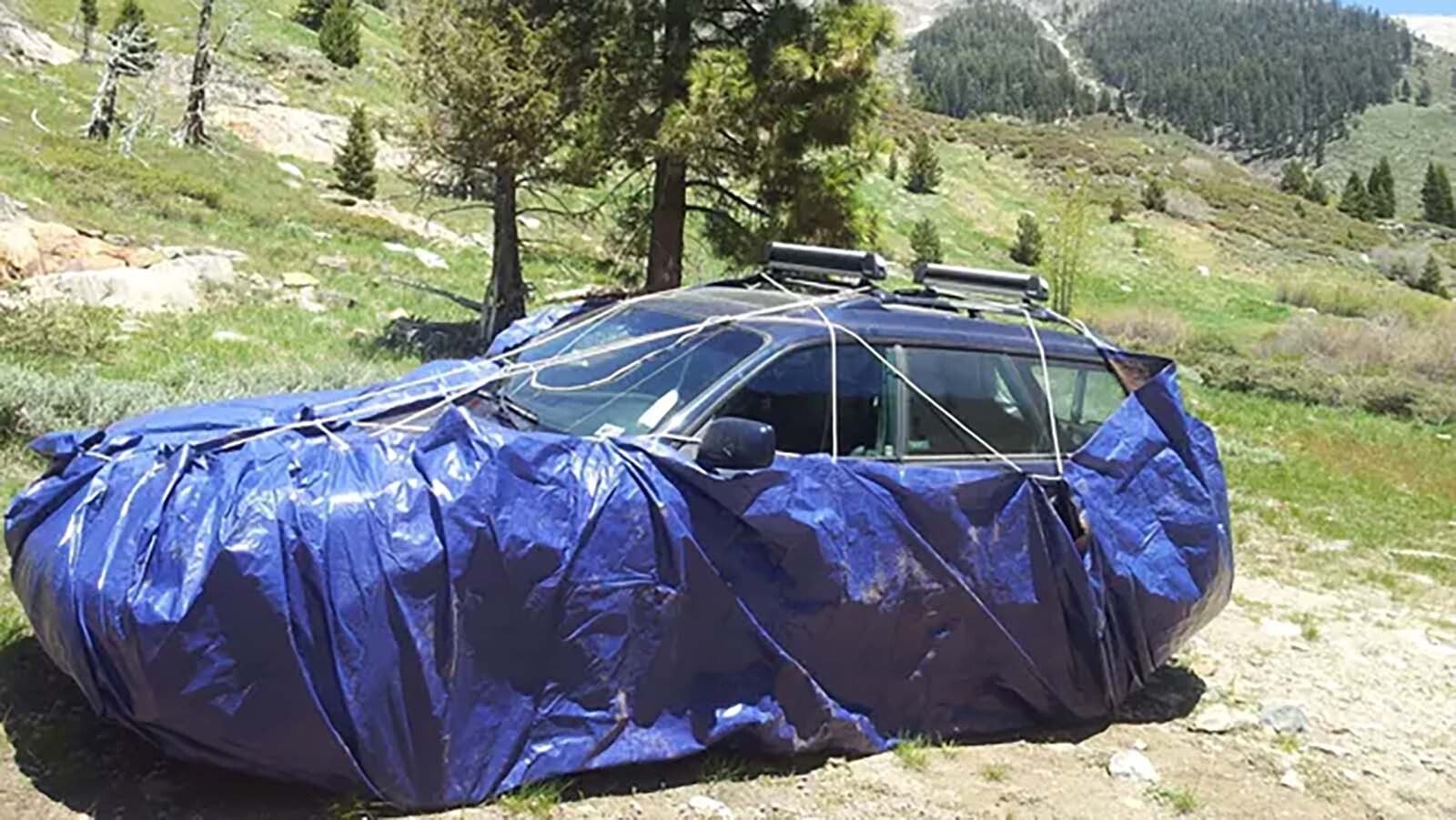
Particularly in the Mineral King area, park visitors are advised to wrap their rides in tarps to keep marmots from ruining them.
“Physically block marmots by driving over a tarp and then wrapping it around your entire vehicle.” the NPS states on a website page offering tips to protect vehicles.
“Cover the wheel wells. Wrapping chicken wire around the vehicle is no longer advised, as marmots have learned to get around the wire,” according to the park service.
While vacationers in California do what they can to protect their vehicles, Wyoming’s Yellowstone National Park has been spared from the whistle pig apocalypse – at least for now.
Yellowstone spokeswoman Linda Veress told Cowboy State Daily that she wasn’t aware of any serious problem with marmots disabling vehicles in the park.
‘They Know The World By Chewing’
Like all rodents, marmots love to chew things, Gary Beauvais, director of the Wyoming Natural Diversity Database at UW, told Cowboy State Daily.
He said he wasn’t sure why marmots were going so hard after vehicles in Sequoia-Kings Canyon parks.
“The only thing that comes to mind is, they’re a rodent, and rodents know the world by chewing,” he said.
Rodents long ago “hit on the adaptation of strong teeth and heavy jaws,” he said. “It opened up a lot of niches and potential ways of living for them.”
Rodents have thrived in many forms all over the world, from rats and mice that will chew through just about anything to get food, to beavers that chew down trees.
“Around here, you get squirrels that can use their teeth to open really heavily armored pinecones and get to those really heavy pine seeds,” he said.
That Marmot Had Somewhere To Go
In addition to their mighty teeth and jaws, marmots sometimes have a devil-may-care attitude.
Kelly recalled how he and other researchers were practically run off a hiking trail by a marmot in Montana’s Glacier National Park.
He was leading a group of five, single file, along a narrow trail cut into a steep mountainside.
“I can see, coming down the trail straight at me, is a marmot. He just kept chugging along,” Kelly said.
“I started to realize, ‘I don’t think he’s going to stop,’” he said,
So, Kelly stepped aside, uphill, as did those behind him, one after the other.
“The marmot just kept going right past us. He didn’t even care,” Kelly said.
Clearly, the marmot had somewhere to go. Perhaps down to a parking lot, seeking vehicles with closed hoods.
Mark Heinz can be reached at mark@cowboystatedaily.com.