The Wyoming Legislature may need to back up its demand for tight monitoring of land sales around critical infrastructures with money, the project’s administrator said Monday.
A new law that becomes active July 1 requires Wyoming agencies to investigate land transfers near critical infrastructures, which include but are not limited to power plants and military bases. It’s designed to curb sales in sensitive zones to foreign adversaries and the companies they own.
Collecting that data and launching those investigations will likely require money for a streamlined software system, Brian Erickson, Wyoming Office of Homeland Security critical infrastructure analyst, told the legislative Joint Judiciary Committee during its Monday meeting in Torrington.
He didn’t give a specific dollar amount.
Ashley Paulsrud, state Homeland Security Grants and Finance Section Chief, told Cowboy State Daily in a follow-up phone call that those figures are still uncertain.
The department’s “request for information” phase by which it compared software options on a hypothetical, tentative level yielded prices ranging from $80,000 to about $3 million, she said.
The department is now formulating its “request for proposal” description so that it can generate more detailed bids to bring before the legislature ahead of its 2026 budget session, she said.
‘That’s A Lot Of Land’
Erickson told the committee that his office dispatched surveys to county emergency managers who involved “several other partners,” to determine which lands the local entities considered critical infrastructures.
The counties’ answers ranged from power plants and military zones to the lone “mom and pop” grocery stores in small towns, Erickson said, adding that his agency is prioritizing energy and military sites first, followed by communications, water and transportation.
The department is evaluating the counties’ surveys.
At this point, those involved have identified more than 1,500 critical infrastructure points throughout Wyoming, comprising 10 million acres or about 15% of the state, he said.
“That’s a lot of land,” Erickson added.
Committee Co-Chair Art Washut, R-Casper, remarked that simple legislation often has large impacts on those called to administer it.
“I think the legislation was well-intended,” said Washut. “I’m not sure most of us were thinking of every communications tower and irrigation dam and so forth as critical infrastructure when we voted for this legislation, so thank you for your presentation.”
Erickson noted that the department is still “working through” the surveys, having gone through about 88% of them, and is trying to verify which zones are critical and how large those should be.
Streamline This
If the state officials flag a land transfer within a critical infrastructure’s vicinity, they’ll have to investigate further, Erickson noted.
There are two people in his office working on the critical infrastructure project, he said.
“We are going to need to have a software system to help expedite this,” he said. “Because with just two of us, we’re not going to be able to get through every transaction throughout a year.”
The software will require “a lot of money,” he added.
Erickson said Wyoming will be the first state to stand up a software system for these investigations, and “realistically we’re going to be the giant whose shoulders other states stand on.”
He said he’s heard from officials in other states that they should be monitoring those transactions but don’t know how.
Wyoming’s software system will set the standard for these goals, he said.
Land transfer data from the clerks will start hitting the Wyoming Office of Homeland Security July 1.
“And that’s when we have to start going through it,” said Erickson.
Just A Little Background
Lawmakers in the Legislature’s recent 2025 winter session changed state law to require county clerks to report land transfers (not including those given in people’s wills), to the Wyoming Office of Homeland Security (WOHS).
The law requires the state homeland security office and the Wyoming Division of Criminal Investigation, in turn, to investigate those conveyances to see if they fall concerningly close to critical infrastructures.
If they do, and those investigators have a "reasonable suspicion" of national security threats, they will then have to determine if the transfer involves a threat to national or state security, or to the critical infrastructure.
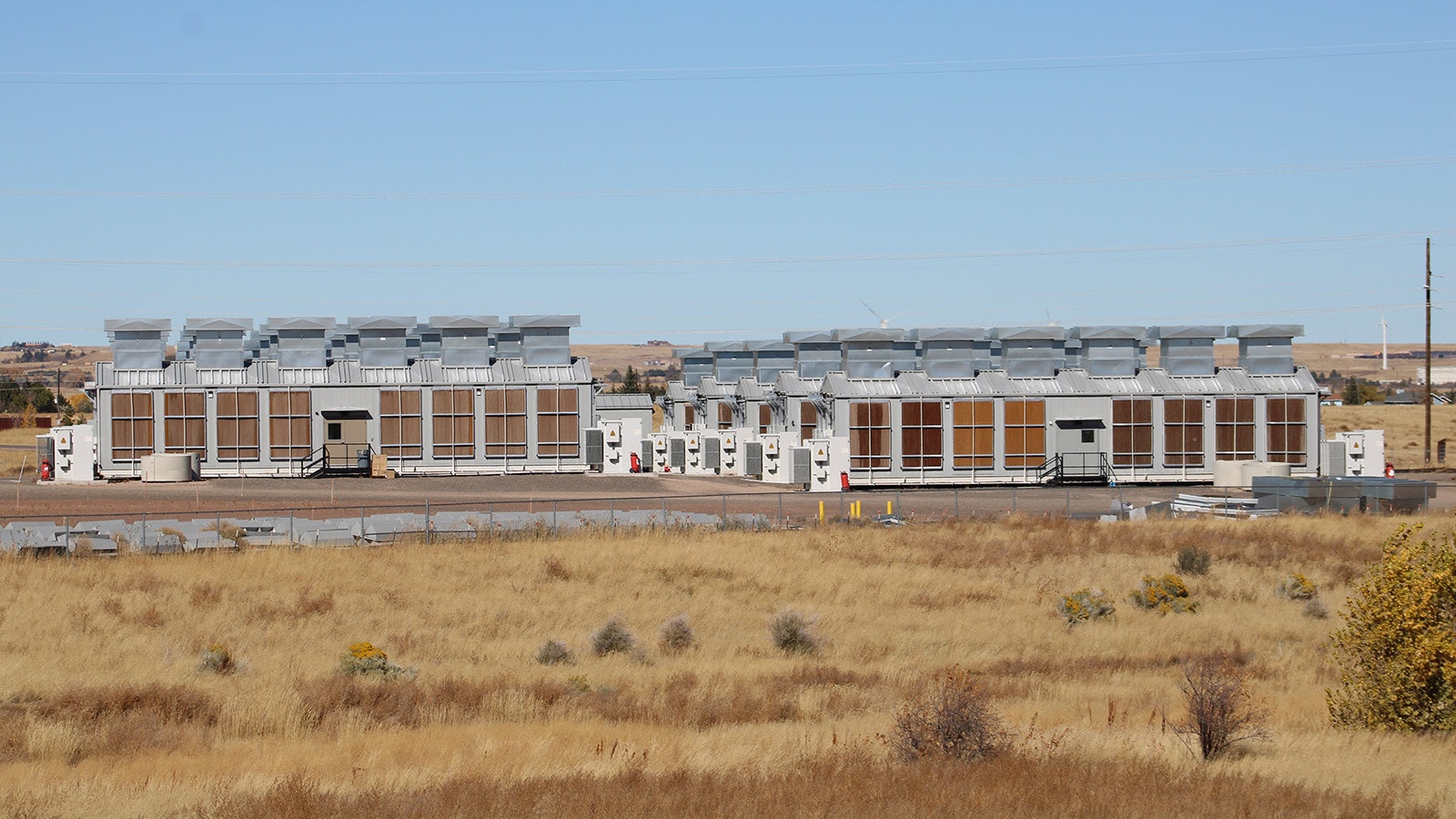
The legislation followed a crypto mining company’s June 2022 purchase of land near the Cheyenne-based FE Warren Air Force base, which is a strategic missile base.
Saying People’s Republic of China nationals controlled the company, then-President Joe Biden two years later ordered the company to sell the land.
Shell Companies
Rep. Ken Chestek, D-Laramie, indicated the department has a difficult task ahead.
“How does someone determine whether (the buyer is) a foreign adversary?” he asked. “Seems like it would be easy for a foreign adversary to hide behind a straw party.”
That’s true, said Erickson. “That’s why there’s a huge investigative process that has to go on there.”
The agency will have to lean on other agencies. It will have to draw from already-available data like tax data, beneficial ownership of companies – “and it’s really going to be a work in progress as we go through this process.”
Clair McFarland can be reached at clair@cowboystatedaily.com.