For those who have never tried wild turkey hunting during Wyoming’s spring season, now is a great time to start.
“This is arguably one of the best springs to get out and hunt turkeys,” Brandon Werner, the Wyoming Game and Fish Department’s Caper region wildlife management coordinator, told Cowboy State Daily.
Northeast Wyoming resident Owen Miller told Cowboy State Daily that he’s had a successful spring turkey season, along with friends, family and clients that he guides on hunts.
“Breeding season is in full swing. Hens are nesting and the toms (male turkeys) are responding well to calls,” he said.
“I've called in quite a few birds this year that were several hundred yards away, and brought them into my decoys, 15 yards away,” Miller added.
Mild Winters And Wet Springs
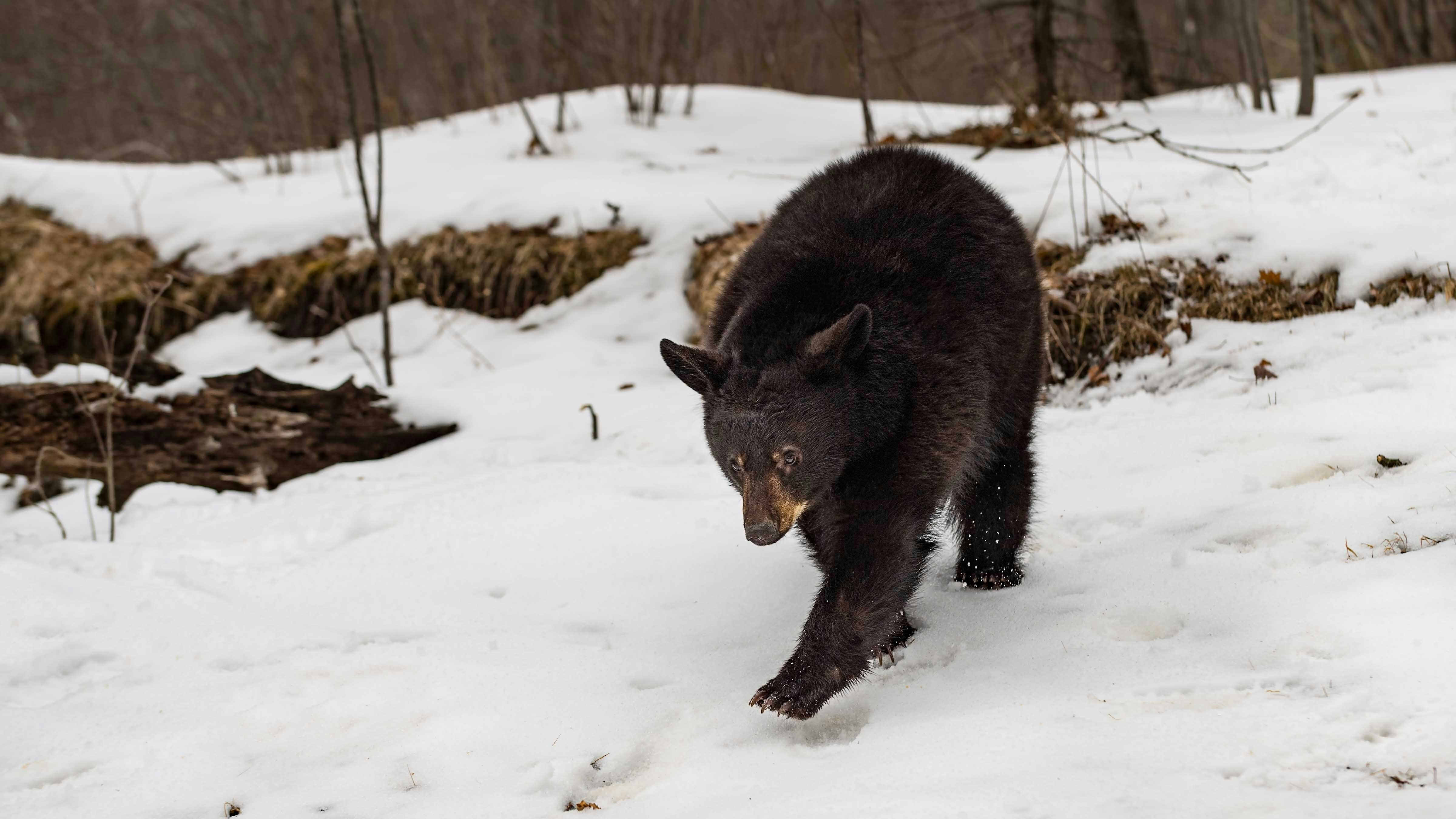
Turkeys, along with black bears, are one of the few species that can be hunted in both the fall and spring. Wyoming’s spring wild turkey hunting seasons run until the end of May.
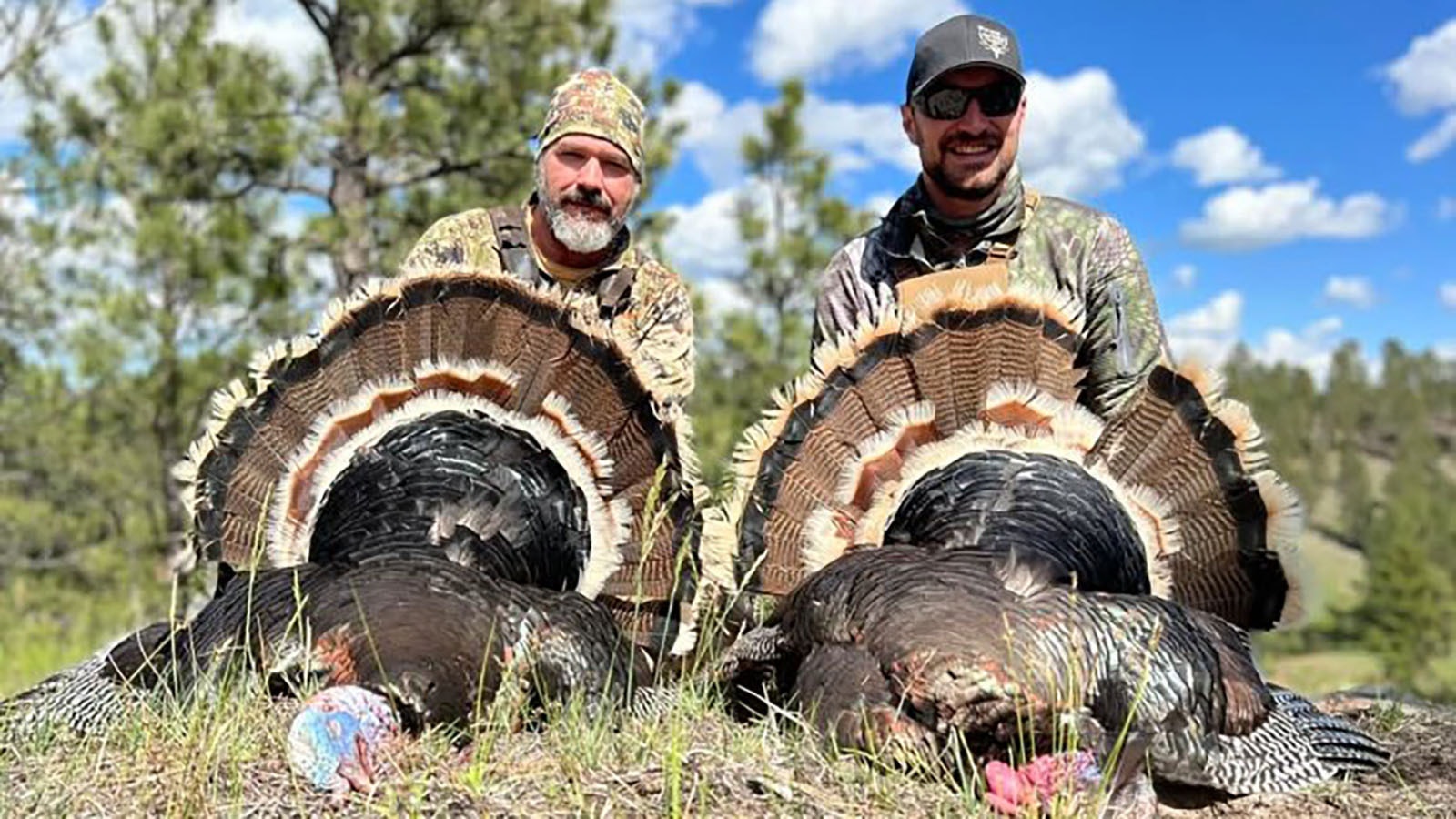
Merriam’s wild turkeys are the primary species here, and the biggest populations are in the Black Hills, the Laramie Range and the Bighorn Basin.
Turkeys in Wyoming are expanding their range to the south and west, Werner said.
Wild turkey populations tend to ebb and flow and have been on the upswing for a while in Wyoming, he said.
For the past couple of years, turkeys have enjoyed relatively mild winters, followed by moist spring across their core ranges, Werner said.
That’s led to some fruitful spring hatches, with averages of about four pullets (young turkeys) per hen, he said.
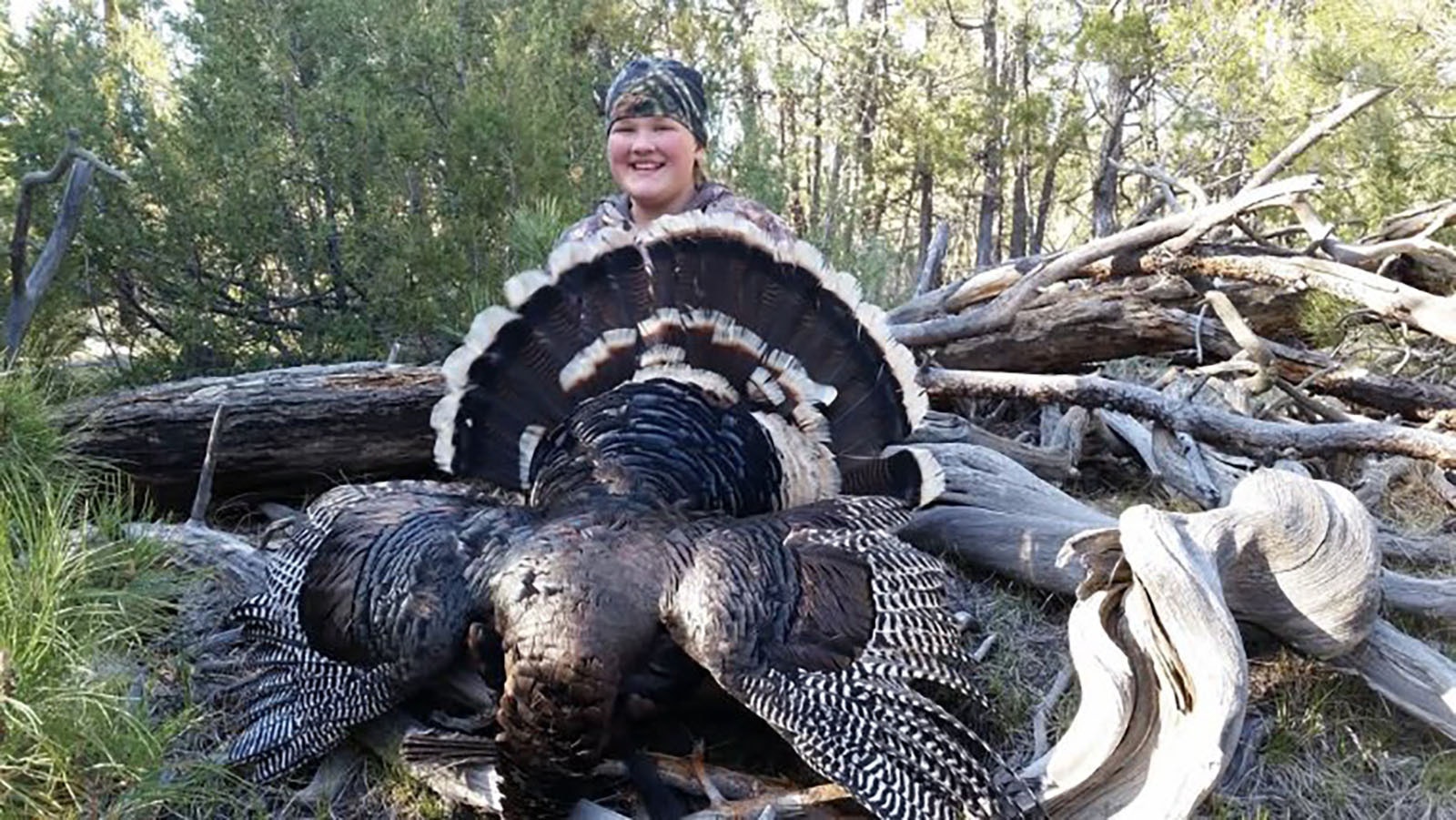
Turkey Grand Slam
Avid hunters are probably familiar with the “grand slam” of bighorn sheep hunting. Meaning, when a hunter is skilled and lucky enough to bag all four major species of bighorns. Those include Rocky Mountain bighorn sheep (the species found in Wyoming) desert bighorn sheep, Dall sheep and Stone’s sheep.
There’s also a grand slam for turkeys, including Merriam’s, Eastern wild turkeys, Rio Grande turkeys and Osceola turkeys – a species found primarily in Florida.
Spring turkey hunting is growing in popularity in Wyoming, Werner said. Hunters include residents, as well as an increasing number of out-of-staters who come to Wyoming to bag Merriam’s turkeys and complete their grand slams.
Miller agreed that turkeys are thriving in Wyoming, and it’s becoming a destination for hunters from elsewhere.
“I feel the turkey population is very healthy and will be guiding hunters in the following years, as many come to the Black Hills in search of a Merriam’s gobbler to complete their multi-species turkey grand slam,” he said.
Patience Required
Many people might think turkeys are dim-witted, because they see them pulling such antics as trying to cross streets right in front of cars when they stray into town, Game and Fish Casper region spokeswoman Janet Milek told Cowboy State Daily.
But out in the countryside, turkeys prove themselves to be extremely clever, frequently giving hunters the slip.
“Don’t ever underestimate the intelligence of these birds,” Milek said.
Turkeys have keen eyesight and hearing. The most common tactic hunters use is to dress up in camouflage and try calling big toms into shooting distance.
People might associate wild turkeys with lowland habitat, such as river bottoms. But during the spring, they can also be found in the mountains, Werner said.
Using shotguns to make headshots on tom turkeys at close range is common. Some hunters also use rifles, or archery equipment.
During the spring hunts, about 70% of kills are made with shotguns, and 12% with rifles, Werner said. The rest are made with archery, or black powder muzzle-loaders.
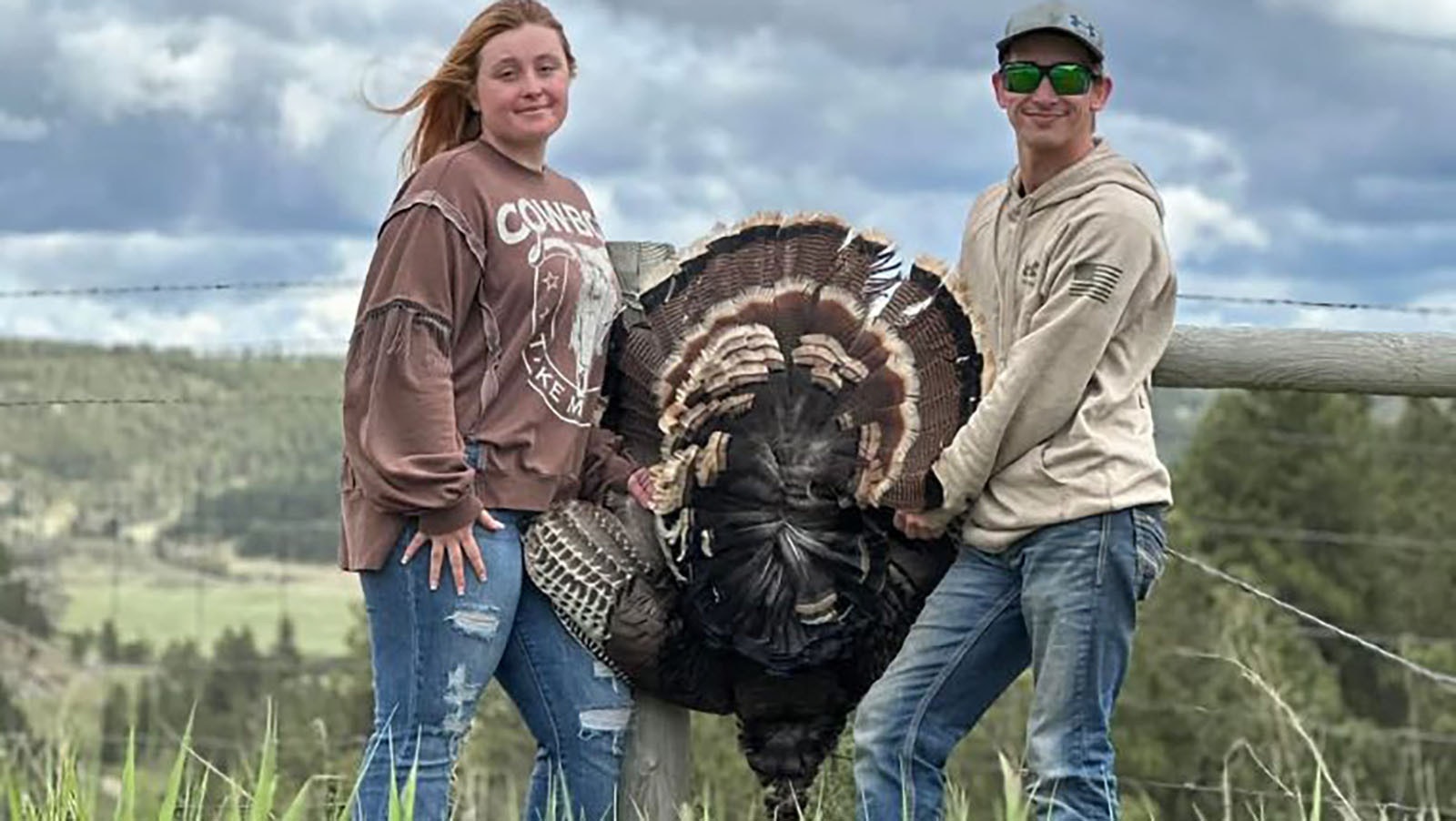
Good Luck Out There
Turkey hunting is popular because younger children can participate, Werner said.
Milek said it’s a good cure for cabin fever as the snow finally starts to melt.
It gives people something to do in the spring, particularly Wyoming residents. “It just gives you something fun to do with your family and a reason to get out into the mountains,” she said.
Miller said he and several people that he’s hunted with this spring have been successful.
“We've given several birds a ride in the pickup, including a very rare, black, melanistic bird that we watched and filmed for an hour before we made a move on him. And harvested the bird about an hour later at 10 yards,” he said.
Mark Heinz can be reached at mark@cowboystatedaily.com.