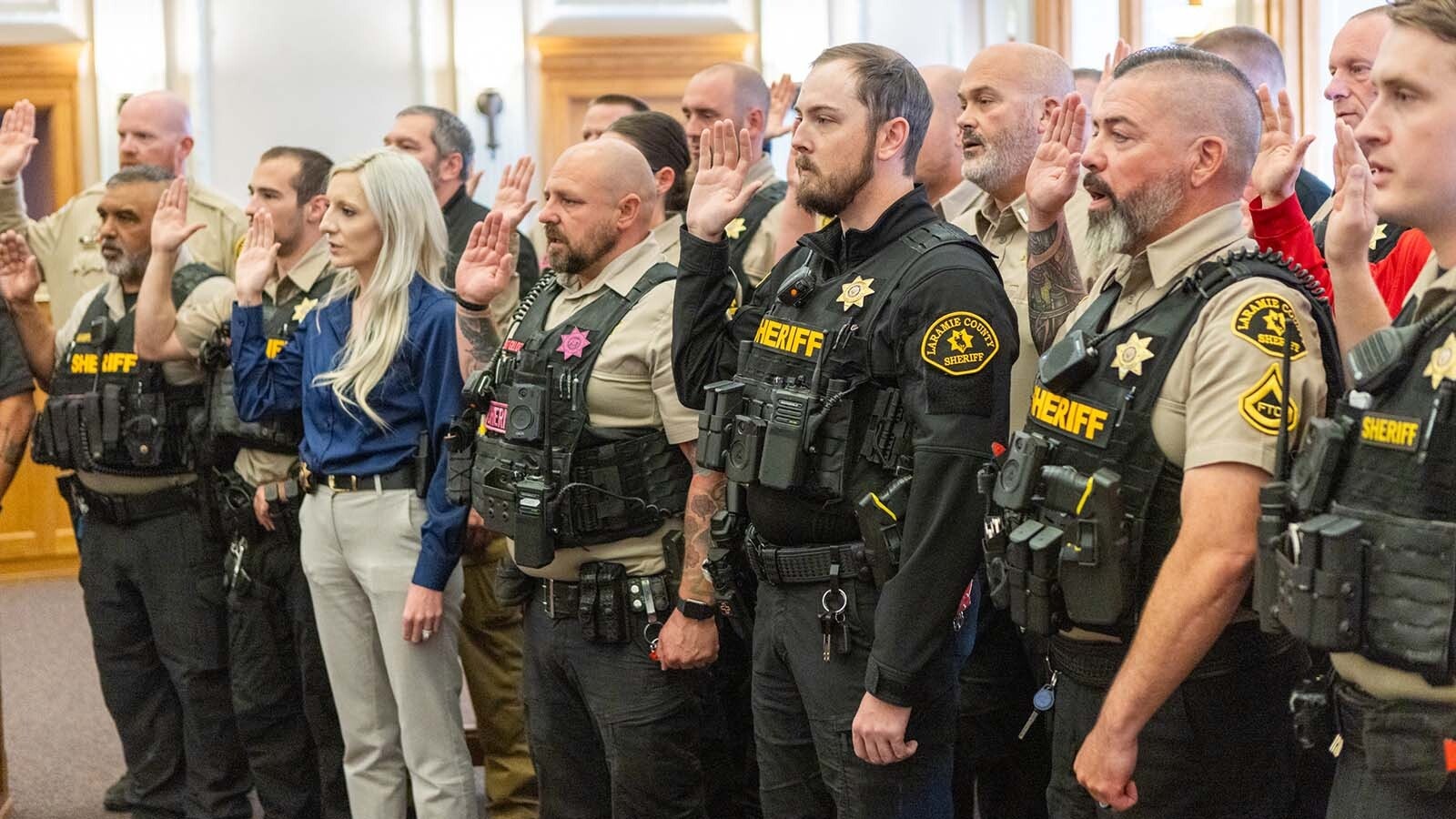
A woman accused of furnishing guns to her son, who then went on to shoot and kill a Sheridan police sergeant last year, says the government is withholding evidence that could show her son actually stole the guns from her.
William Lowery, 46, fatally shot Sheridan Police Sgt. Nevada Krinkee on Feb. 13, 2024. Lowery fled and took refuge in a local woman’s home. During a two-day standoff he fired on police.
Law enforcement personnel gouged the home open Feb. 14, 2024, and Lowery fled into the streets, still armed, authorities say. A Casper Police Department officer who was helping on scene shot Lowery, and he died.
Law enforcement agents found “upwards of 17 firearms” in a home associated with Lowery, a vehicle, and on his person at the time of his death, says an April 23 filing by Assistant Federal public defender Jordan Deckenbach.
Lowery’s mother Eileen Hurley, 71, was federally indicted Jan. 15 with four felonies, on allegations that she gave three guns she bought in 2022 to Lowery, who was a convicted felon and wasn’t allowed to have guns.
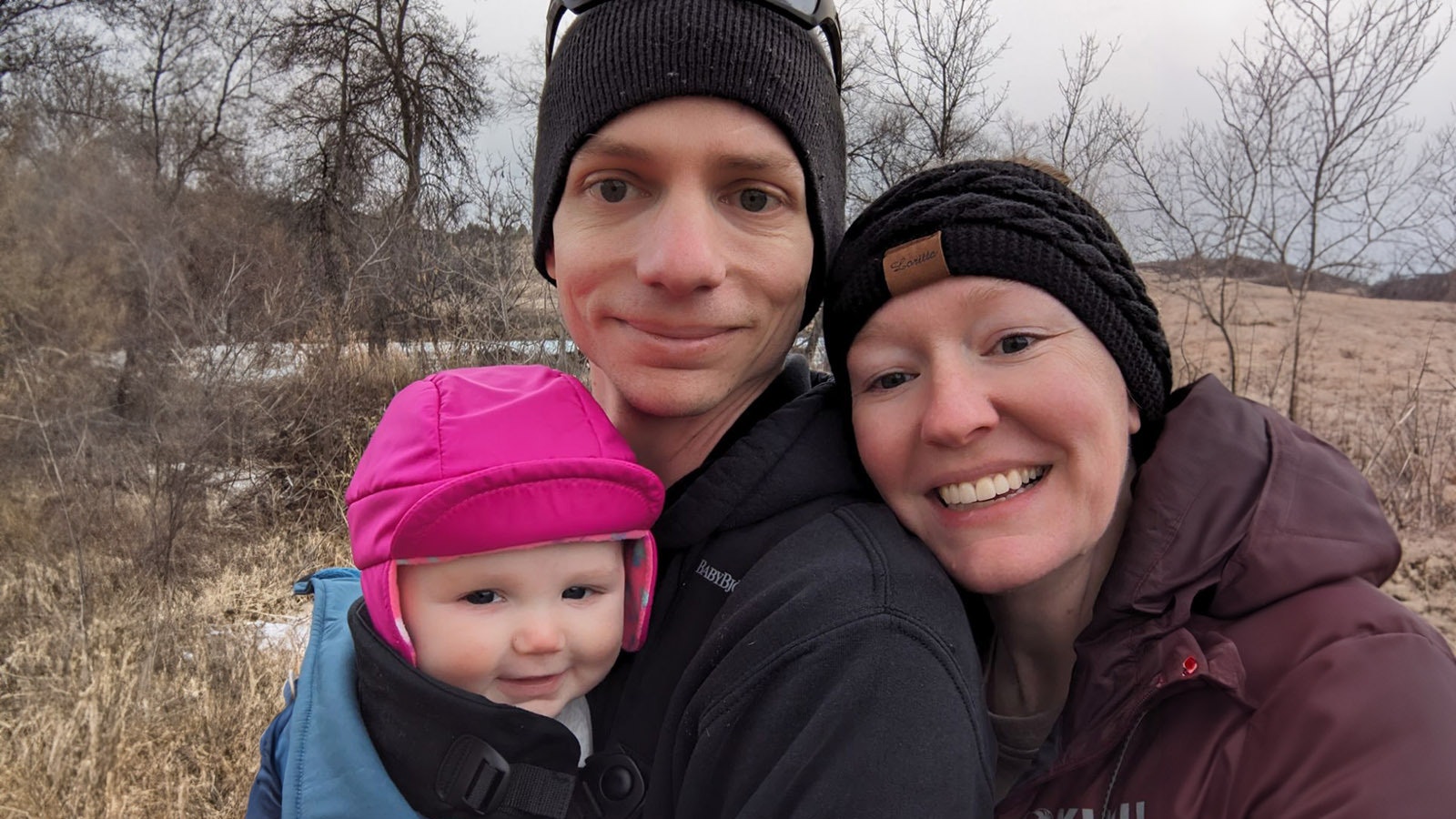
Sheridan Police Sgt. Nevada Krinkee, his wife Karla and their daughter. (Courtesy Kane Funeral Home; Cowboy State Daily Illustration) 
(Pat Maio, Cowboy State Daily) 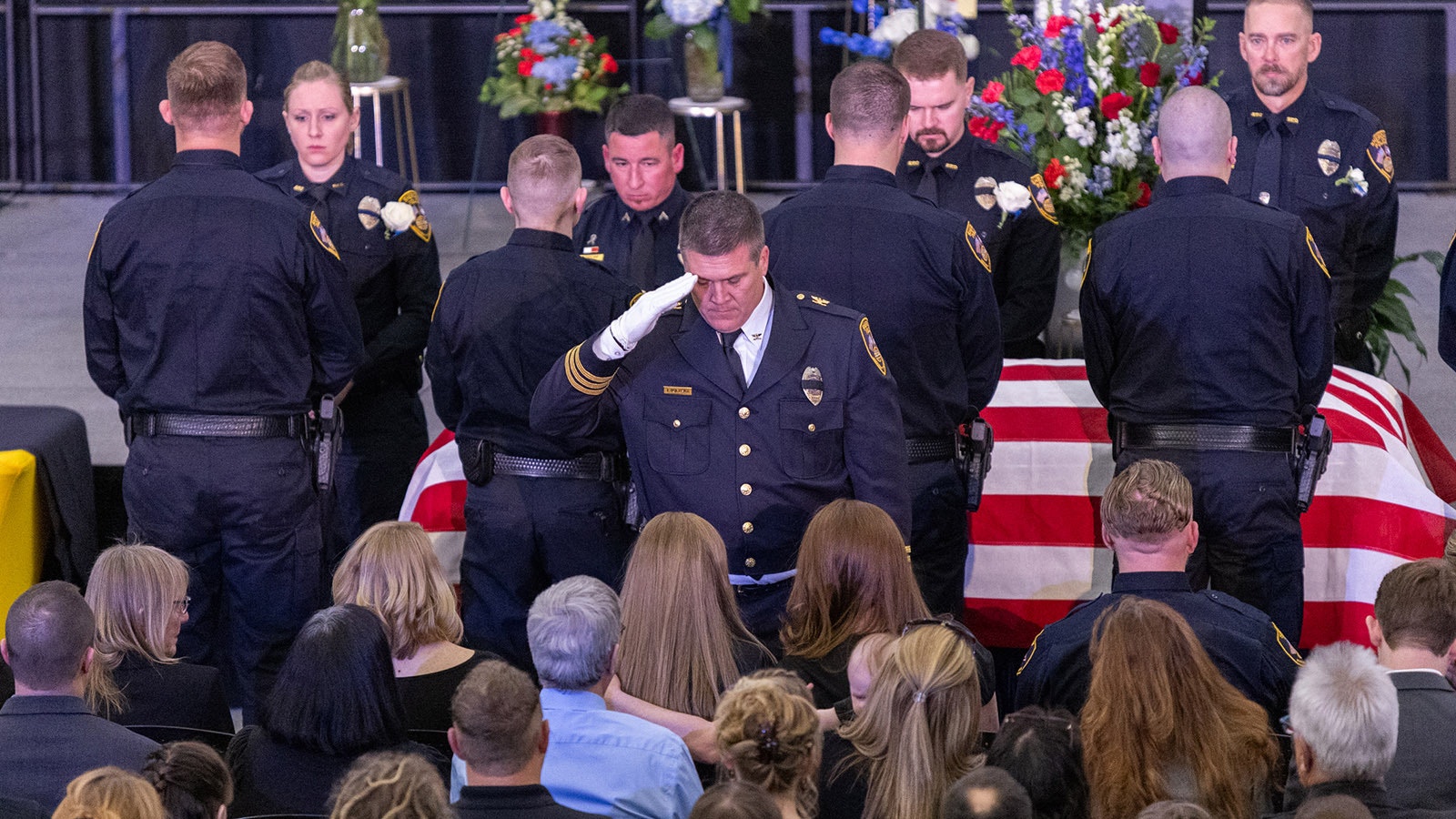
Memorial service for Sheridan Police Sgt. Nevada Krinkee on March 1, 2024. (Matt Idler for Cowboy State Daily) 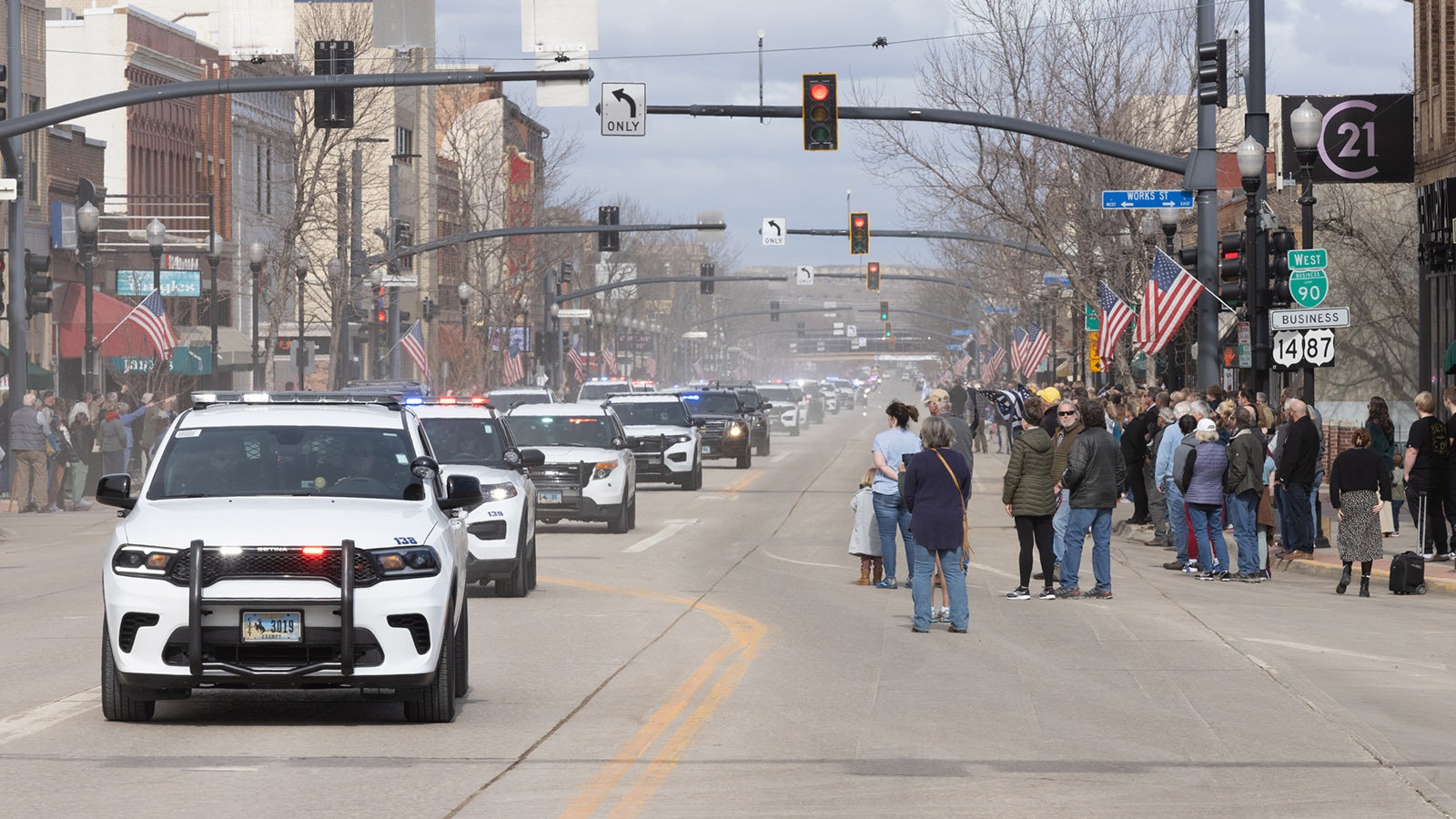
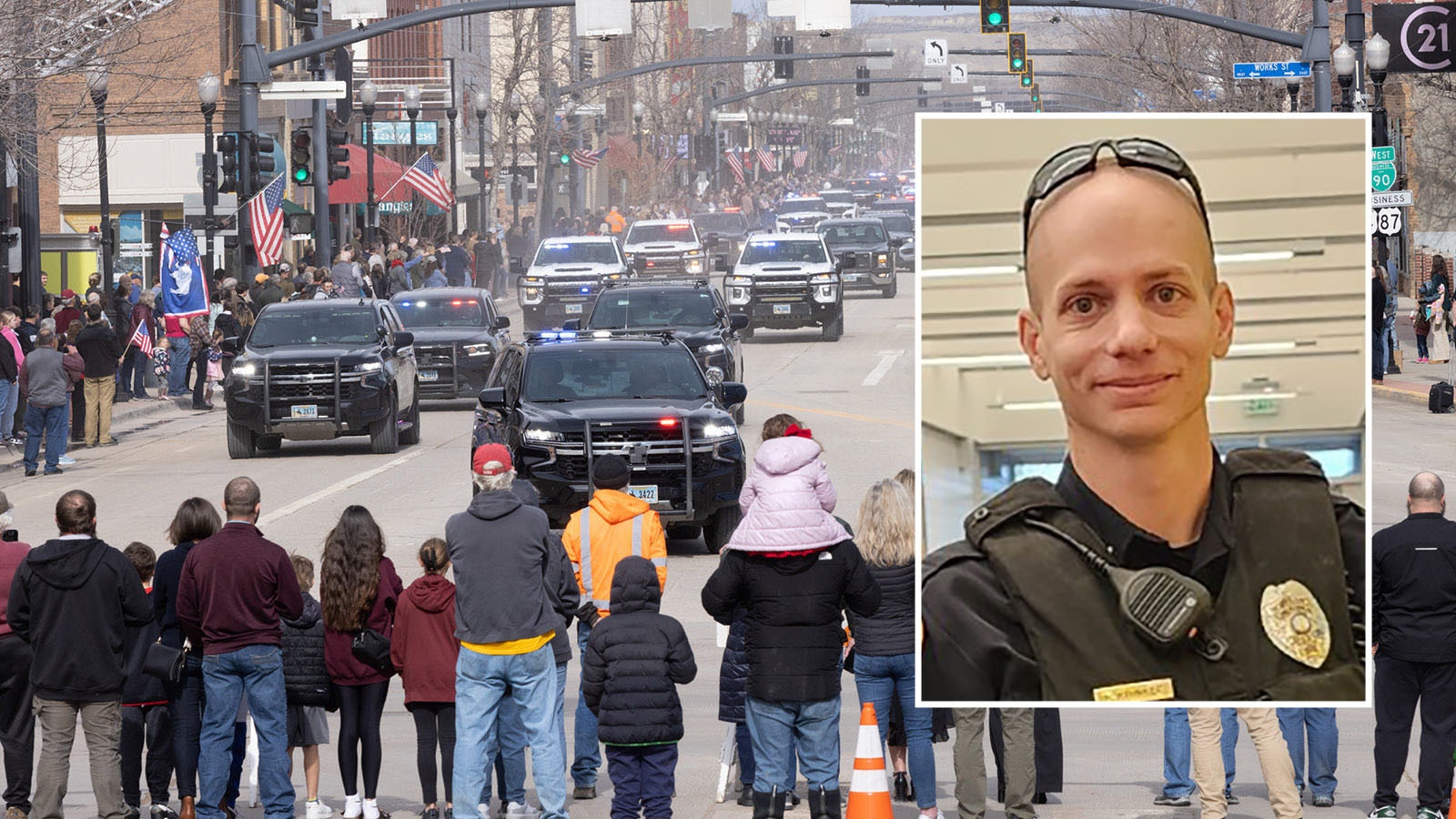
Sheridan residents line the streets downtown Friday, March 1, 2024, to watch a long procession of law enforcement escort the body of Sheridan police Sgt. Nevada Krinkee and his family to a memorial service for the officer, who was killed in the line of duty Feb. 13. (Matt Idler for Cowboy State Daily) 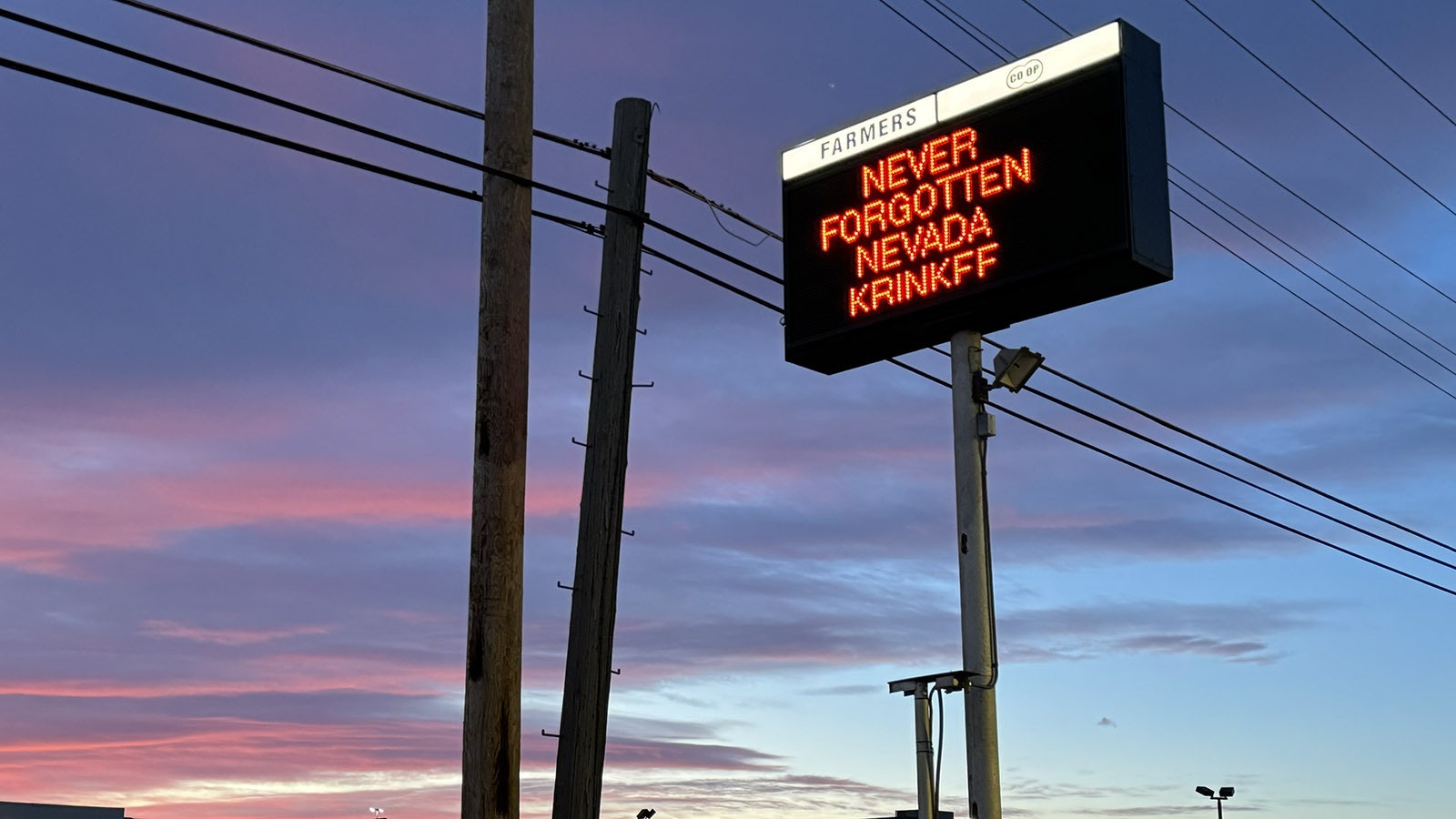
(Pat Maio, Cowboy State Daily) 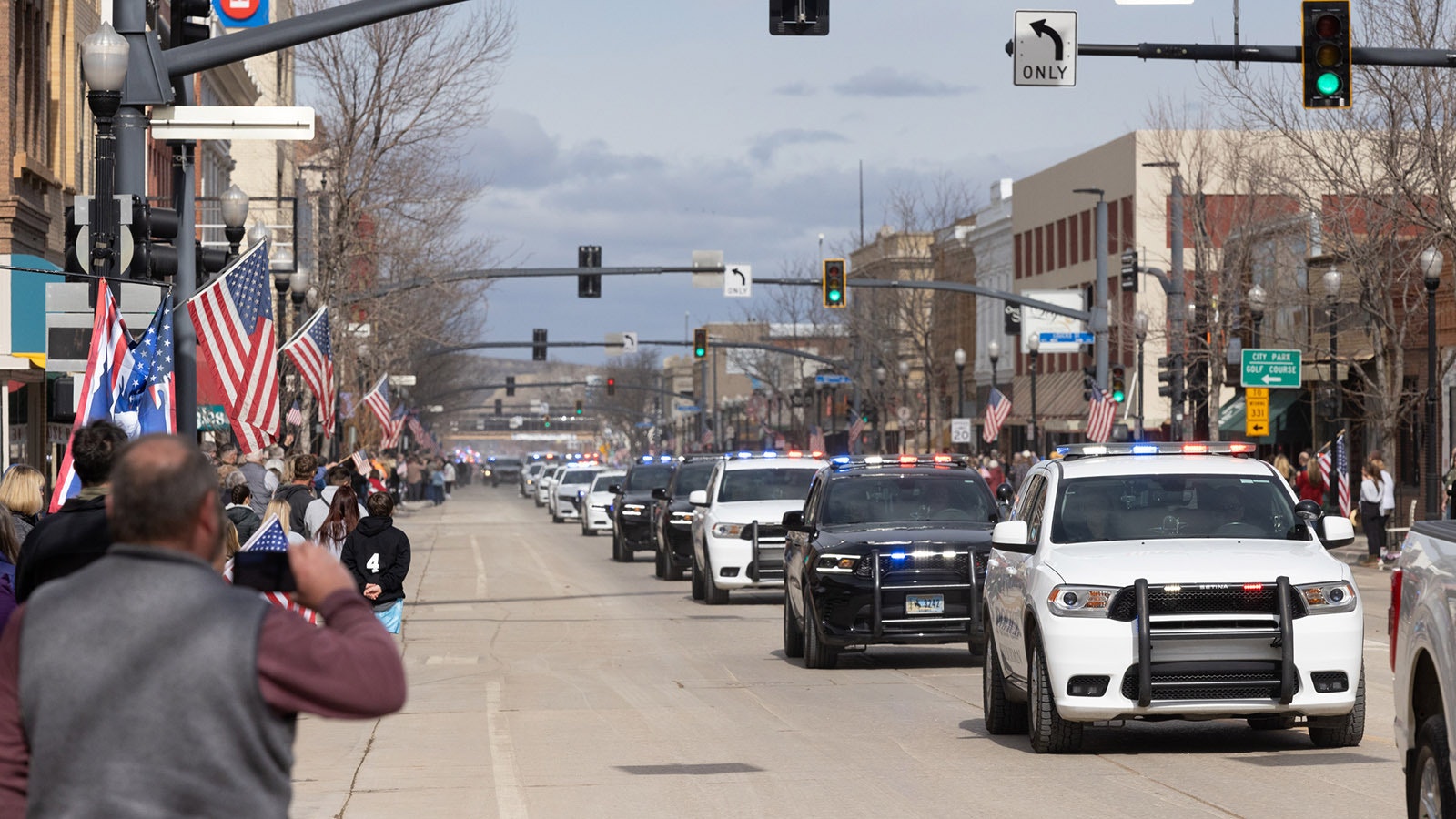
Sheridan residents line the streets downtown Friday to watch a long procession of law enforcement escort the body of Sheridan police Sgt. Nevada Krinkee and his family to a memorial service for the officer, who was killed in the line of duty Feb. 13. (Matt Idler for Cowboy State Daily)
What She Claims
Now her defense attorney, Deckenbach, says the government is withholding “material” evidence about how Lowery obtained the approximately 14 other guns he’s suspected of getting from other people.
Deckenbach’s filing is also the first public document confirming that Hurley’s case stems from Lowery’s shooting and standoff.
“The government’s theory is that Ms. Hurley bought these handguns on behalf of Prohibited Person #1,” wrote Deckenbach, who went on to describe the “Prohibited Person” as being the suspect in the Feb. 14, 2024,Sheridan incident.
Early in the investigation, Wyoming Division of Criminal Investigation agents asked for the U.S. Bureau of Alcohol, Tobacco and Firearms to run an “urgent trace” on the guns, wrote Deckenbach.
The two agencies then launched an investigation into how Lowery got those guns, which led to the ATF’s discovery of Hurley’s May 2022 purchase of three guns.
Agents then interviewed Hurley.
In one of her interviews, she told investigators that Lowery had stolen the guns from her, says Deckenbach’s filing.
Deckenbach on March 19 of this year asked the federal case prosecutor to disclose law enforcement reports about how Lowery got the other guns.
“The government denied this request,” wrote the defense attorney. “Ms. Hurley now motions the Court to order the government to provide these materials to the defense.”
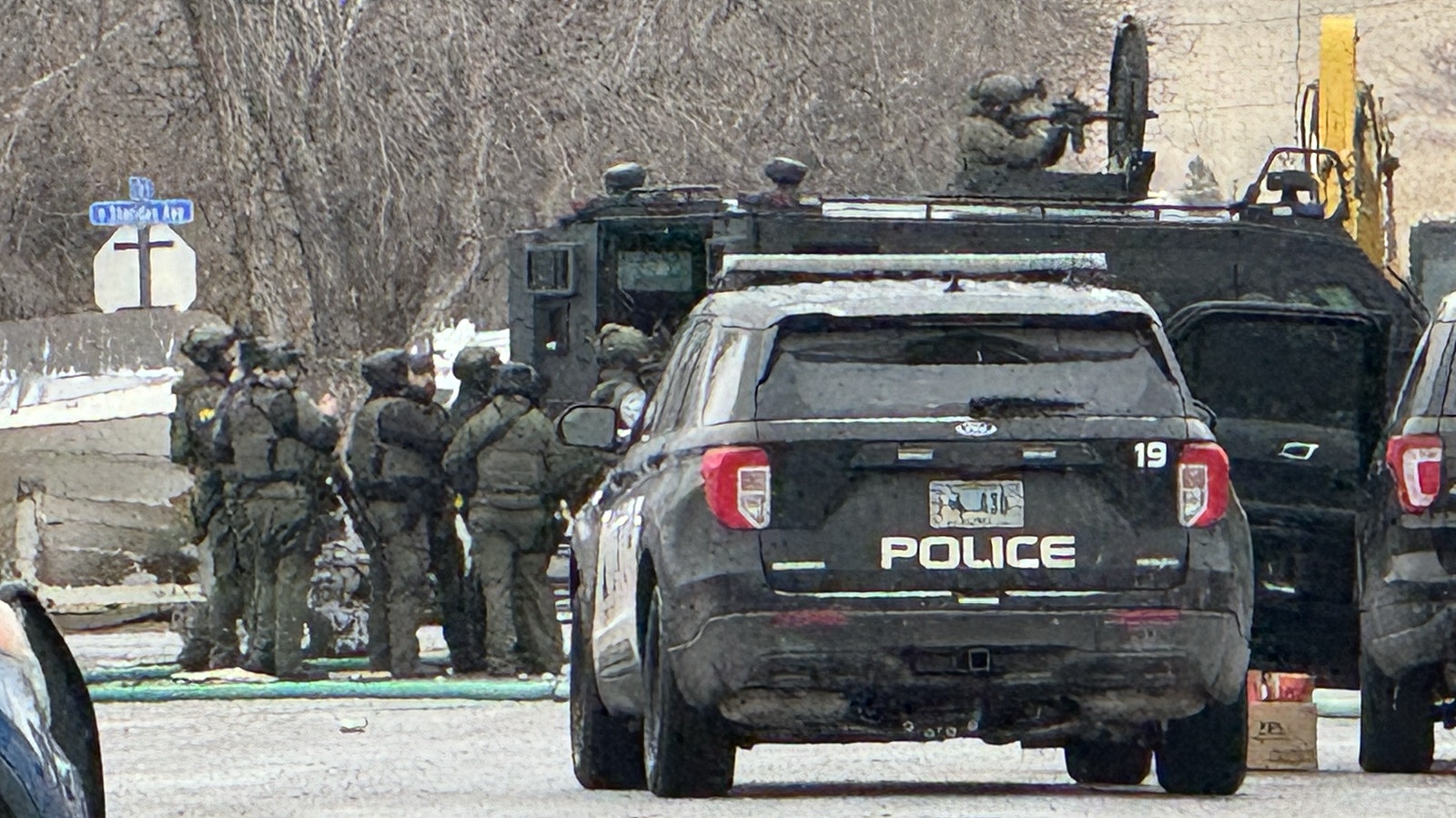
Scenes Wednesday morning from a standoff in Sheridan between law enforcement and a man suspected of shooting and killing a police officer. (Andrew Rossi and Pat Maio, Cowboy State Daily) 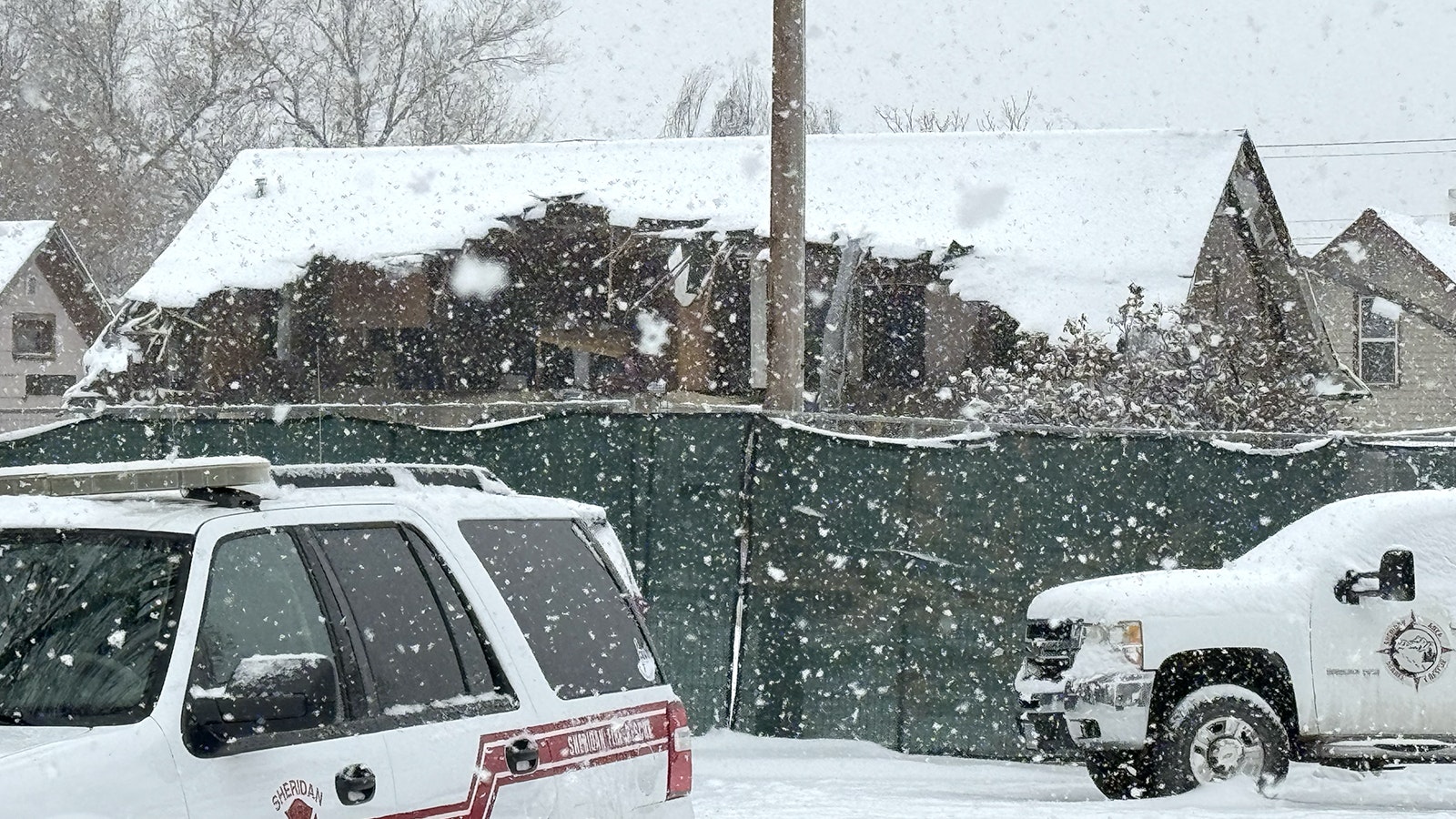
The house a man suspected of shooting and killing a Sheridan police officer Tuesday barricaded himself in for more than 30 hours was torn open in several places during the standoff as law enforcement tried to get him out. (Andrew Rossi, Cowboy State Daily) 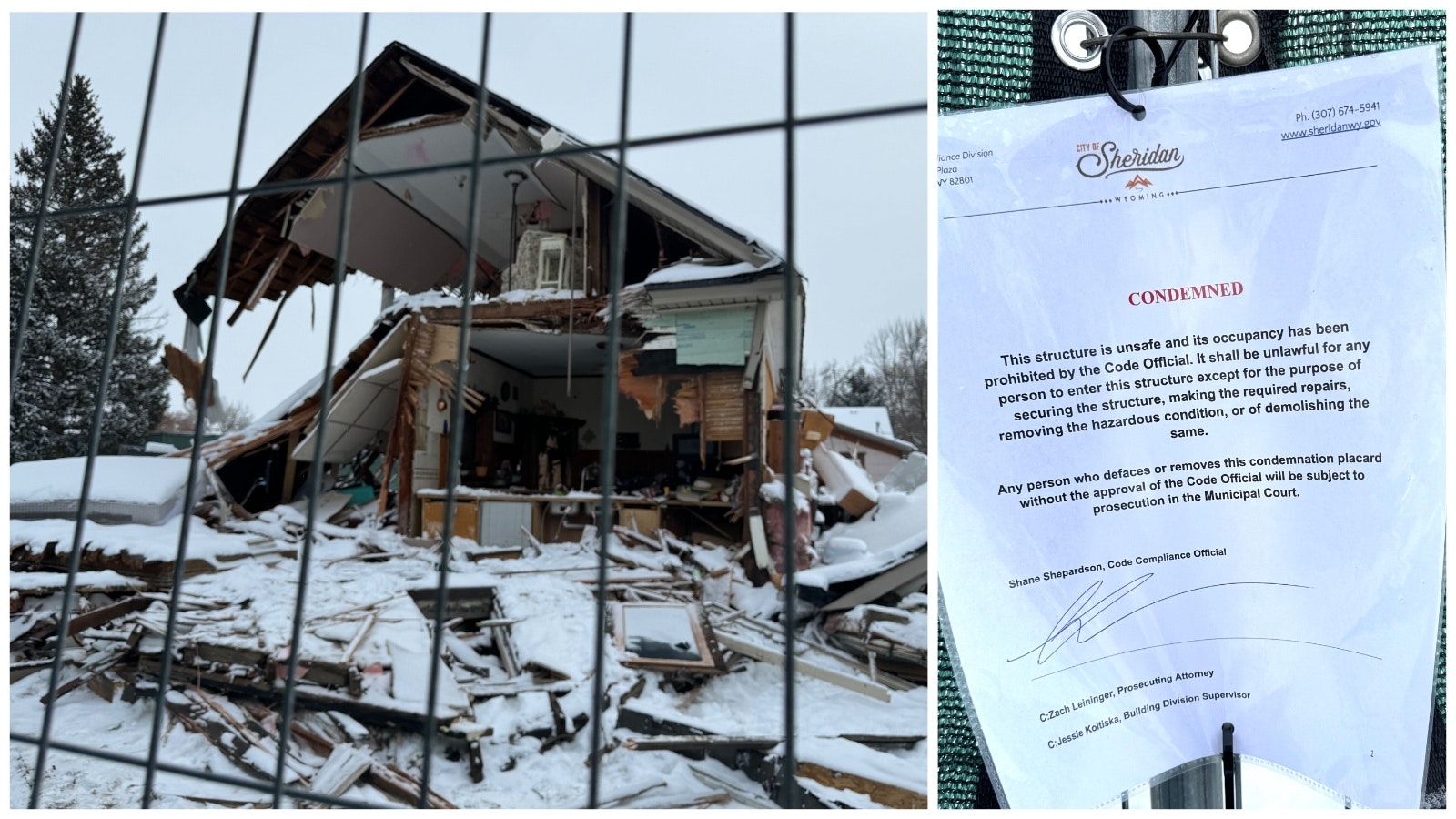
The aftermath of a more than 30-hour standoff between police and a man suspected of killing a Sheridan police officer. (Pat Maio, Cowboy State Daily) 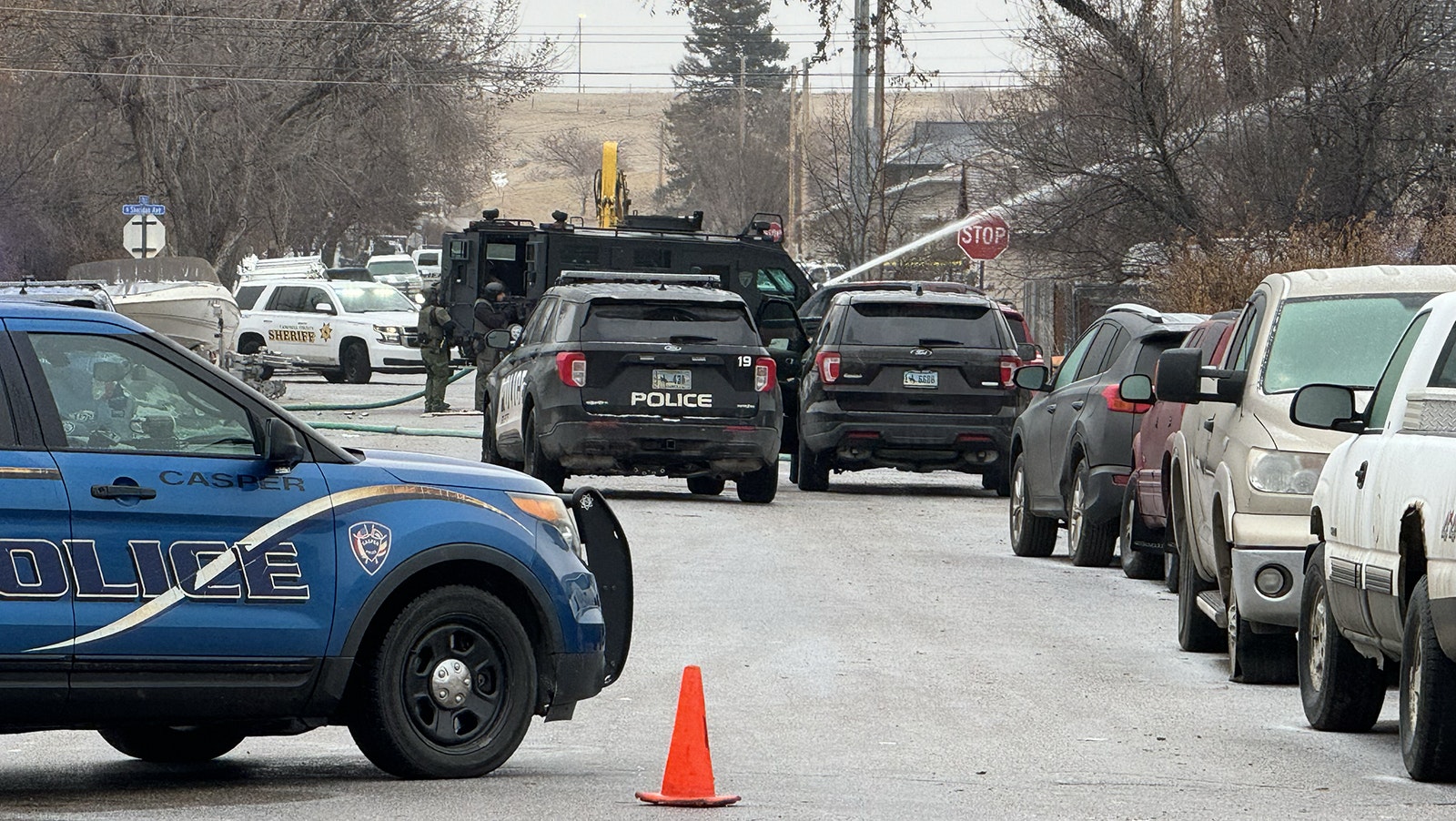
Scenes Wednesday morning from a standoff in Sheridan between law enforcement and a man suspected of shooting and killing a police officer. (Andrew Rossi and Pat Maio, Cowboy State Daily) 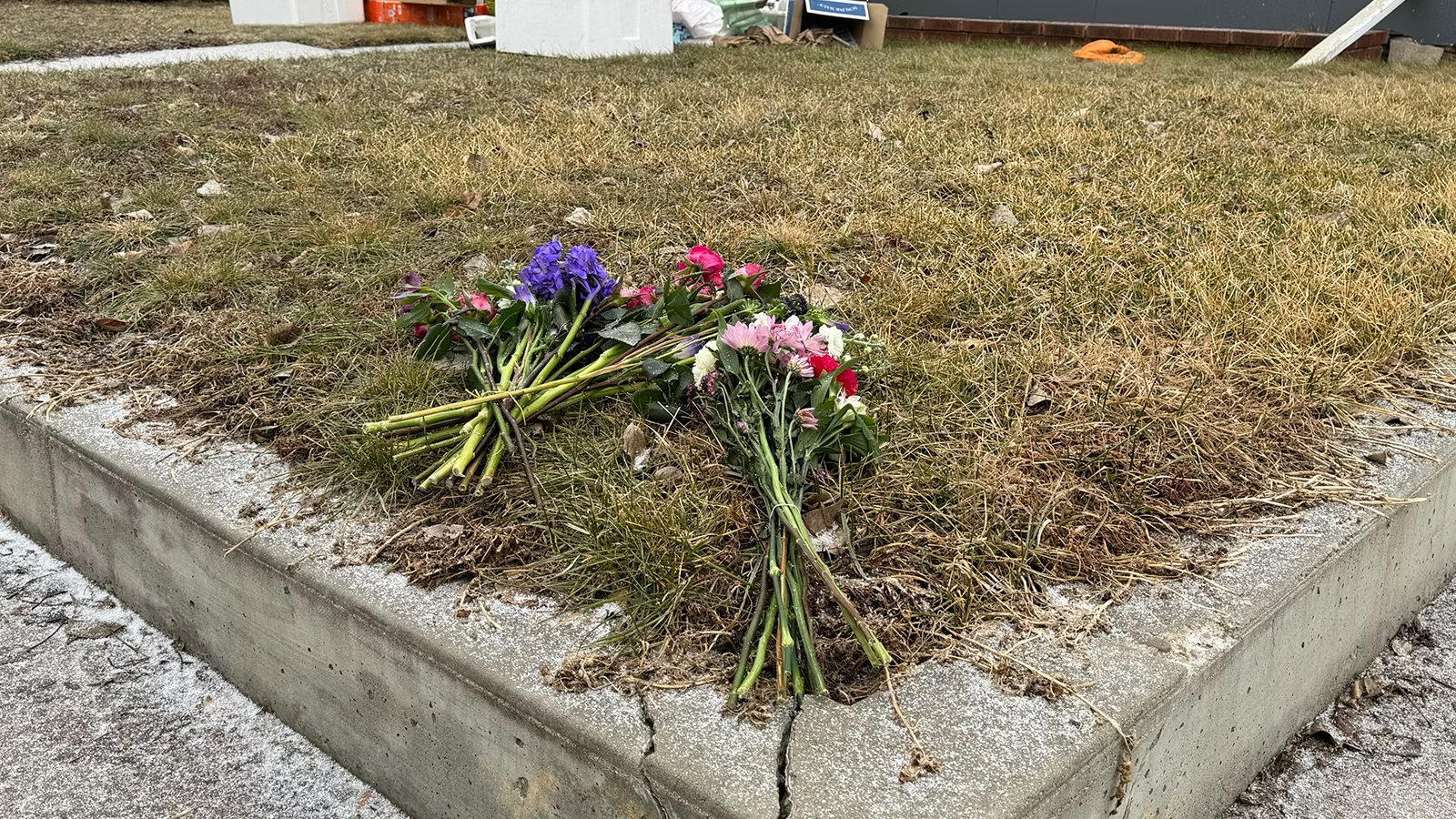
Flowers for Sgt. Nevada Krinkee have begun showing up at the corner of 5th and Val Vista streets in Sheridan where he was shot and killed Tuesday. (Andrew Rossi and Pat Maio for Cowboy State Daily) 
After a 32-hour standoff between law enforcement and a man suspected of killing a local police officer, the Sheridan home he barricaded himself in shows the extensive damage done to it during attempts to get to the suspect. (James Garden via Facebook)
And Here’s Why
Deckenbach’s filing invokes the U.S. Constitution’s promise of “due process” for criminal defendants, and a federal rule of criminal procedure that requires the government to let a criminal defendant peruse items “material” to preparing her defense.
He pointed to a different federal court’s 1996 finding that a piece of evidence is “material” if the defense needs it to prepare witnesses.
That’s what Deckenbach wants to do.
“The defense seeks to interview and potentially subpoena witnesses for trial who also had their firearms taken from them by (Lowery),” he wrote. “Such evidence will establish a modus operandi for how (Lowery) came to possess firearms generally, which will help establish the credibility of Ms. Hurley’s claim that she too was a victim of (Lowery).”
According to Deckenbach, the prosecutor rejected the defender’s request while calling it a “fishing expedition” — or a vague hunt for any helpful evidence.
Deckenbach in his filing tells the judge that it’s not a fishing expedition, it’s a clear goal.
“(Prosecutors should not be) denying discovery just because it may support the defense’s theory versus the government’s theory,” Deckenbach added.
If the defender could run traces on the guns himself, he would, he added.
But he has to rely on law enforcement reports for that evidence.
Clair McFarland can be reached at clair@cowboystatedaily.com.