A Colorado congresswoman is calling for DOGE to step in and re-evaluate any and all congressionally approved funding for the Front Range Passenger Rail project, a project that Cheyenne has been looking at tying into.
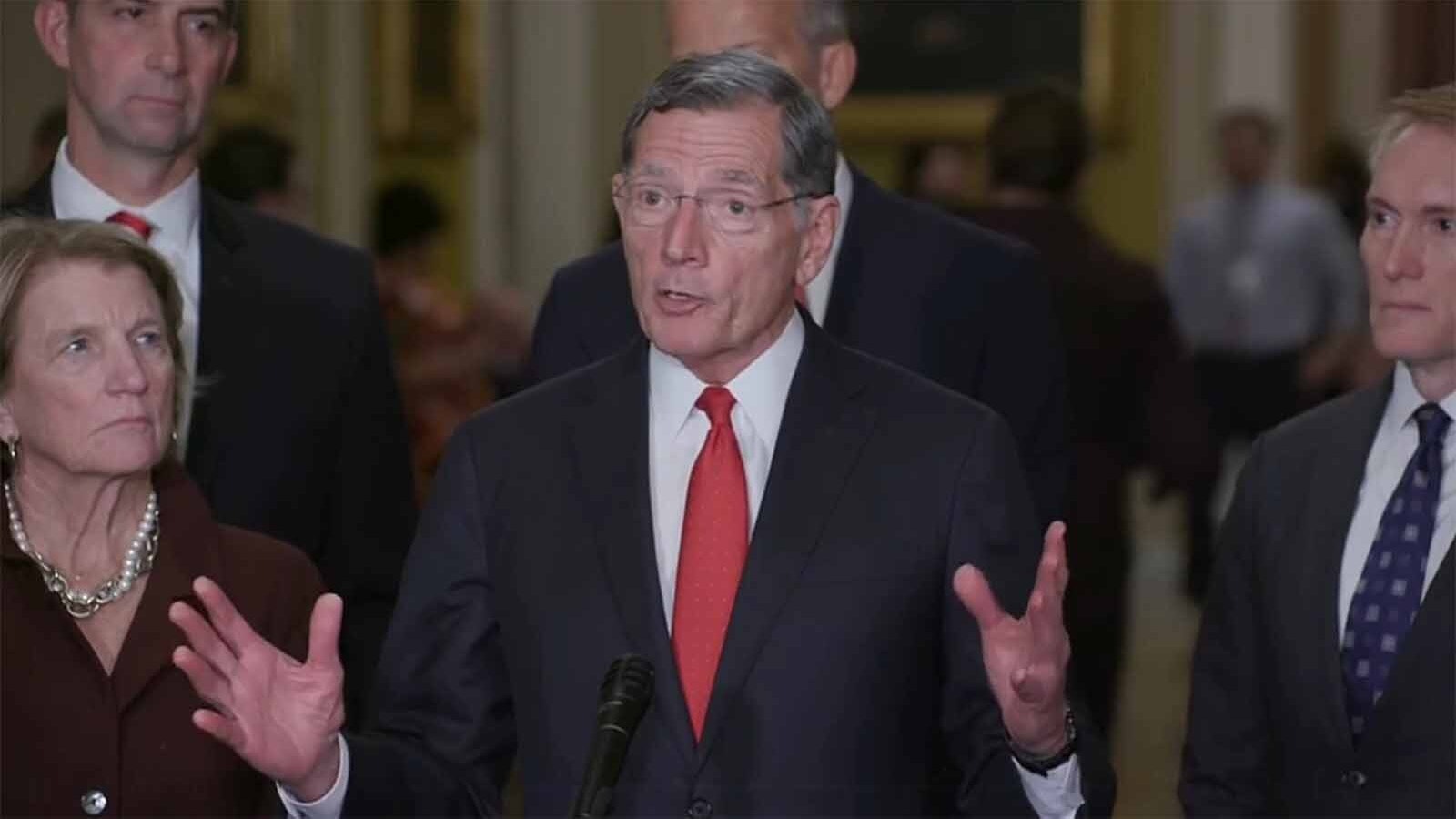
U.S. Rep. Lauren Boebert, R-Colorado, has written a letter to both the U.S. Department of Transportation and to representatives of DOGE, including Elon Musk, calling for a re-evaluation of the Front Range Rail Project, saying it is too expensive and that many of her constituents feel the project is a misuse of taxpayer money.
But the project would be primarily funded with state money, according to the Cheyenne representative who serves on the Front Range Passenger Rail District’s board, Dale Steenbergen.
“The only money we’ve really gotten so far has been for planning,” he told Cowboy State Daily. “And the project is intended to be funded by Colorado, so there shouldn’t be any immediate problem for us (from Boebert’s call).”
The Front Range Passenger Rail Project was conceived by Colorado as a way for motorists to beat traffic on Interstate 25, alleviating congestion from Fort Collins to Pueblo. Cheyenne officials have shown interest in extending the line northward, if built, for commuters.
Front Range Passenger Rail District Communications Director Nancy Burke told Cowboy State Daily that the project hasn’t received any federal funding at all, and that it has no present plan to use any federal funds for the Colorado portion of the project.
“The state did apply for a grant from Consolidated Rail and Infrastructure through the Northwest Rail Line, but that’s not specific to us at all,” she said. “It could support us, but we have not received anything from it and that (grant) is really about train safety.”
Steenbergen said Boebert’s call is a little confusing, given that the primary source of funding for the Front Range project in Colorado has been envisioned as a state-level tax. Such a tax would ultimately have to have a majority to move forward, which Steenbergen pointed out would be a way of determining whether voters support the project.
At some point, Steenbergen acknowledged that the Front Range project might seek federal funding, particularly on the Wyoming side, if and when funding to expand passenger rail services is available. But in that case, they would be congressionally approved funds, which would be going to some state somewhere, and might as well come to the West to improve transportation here, as opposed to elsewhere.
“It’s a little interesting, and we’ll have some more meetings coming up, so there could be something that pops up with all of that,” Steenbergen said. “But I don’t think anybody has too much concern over (Boebert’s call). I think she probably just assumed that it would be federal funding.”
Rail Concerns
Cowboy State Daily reached out to Boebert for further clarification but had not received a response at the time of this article’s posting. In her letter to the Department of Transportation and to DOGE, she said her constituents believe the project will harm their quality of life and is a misuse of taxpayer funding. She also claimed that costs for the Front Range project have skyrocketed to $14 billion or more.
That figure mirrors one in a report from a 2020 Colorado Public Radio analysis, which had also looked at expanded national rail connections through the Front Range, including routes like Houston to Denver and El Paso to Billings via Denver.
The Front Range Passenger Rail District’s website estimates that costs for the Colorado part of the project are a more modest $3 to $3.5 billion — a “bare bones” estimate prepared by Ernst and Young and discussed by the district’s board in 2024.
The state’s study on the project looks at using existing, underutilized freight track wherever possible to help defray costs of the project.
“As I continue to hear from leaders and constituents across Douglas County, it’s clear there are serious concerns with the Front Range Passenger Rail proposal that will harm our community’s quality of life and cost hundreds of millions in state and federal funds,” she said. “Our nation owes more than $36 trillion in debt, and we simply cannot afford spending resources on projects that will not benefit most Coloradans. It’s imperative that DOGE and US DOT reevaluate the importance of this project before we spend another dollar.”
Although Boebert seemed to suggest voters in her district don’t want the project, Pueblo voters, at least, have already somewhat weighed in on the project. In 2016, they voted to approve funding for a passenger rail station that could serve the Front Range project, as well as Amtrak’s Southwest Chief.
Pueblo County Commissioners, meanwhile, recently adopted a plan placing the voter-approved station at the former baggage depot building, which is part of the historic Union Depot.
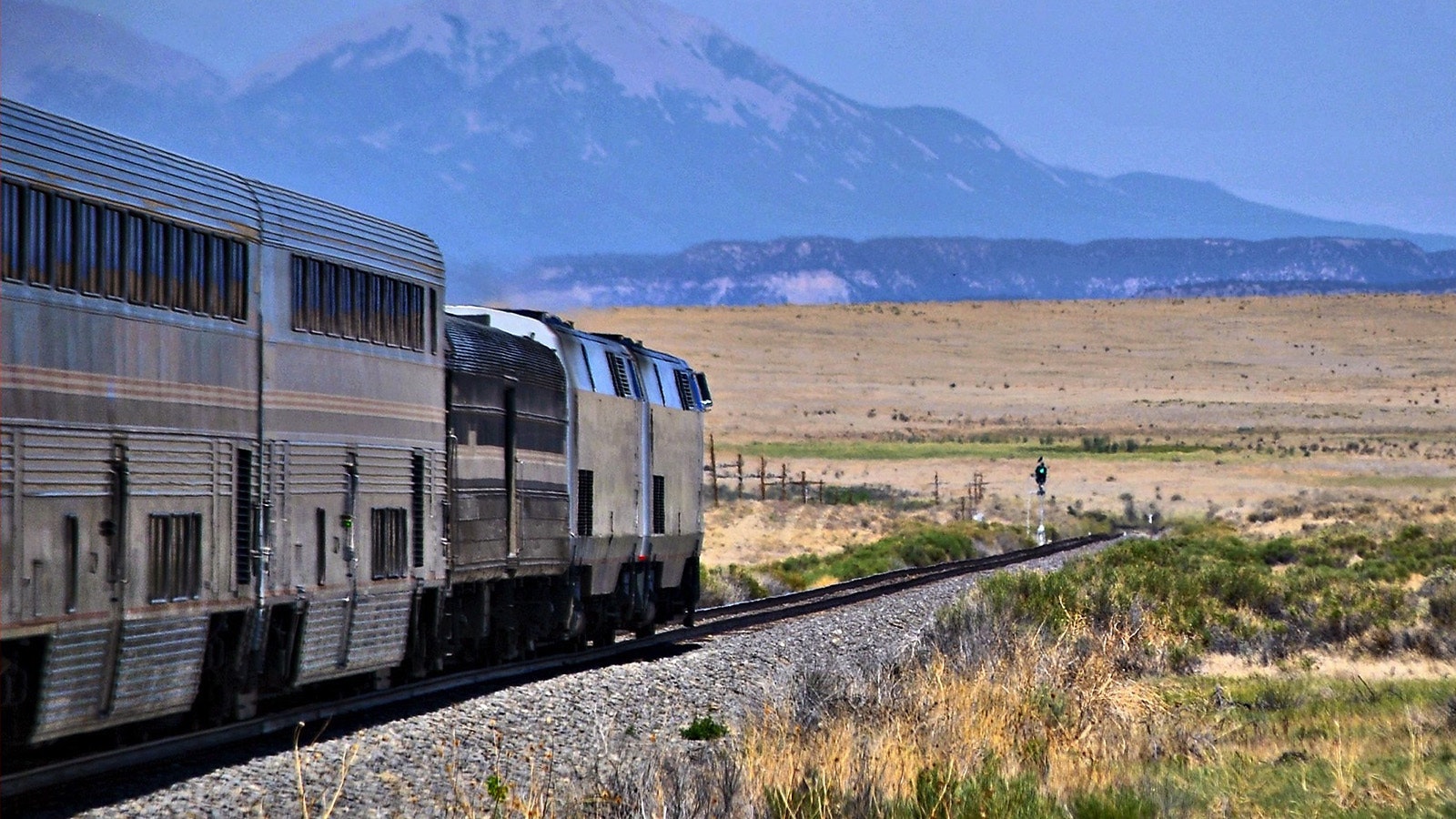
Amtrak has proposed expanding the Southwest Chief passenger line. The latter project has applied for and received federal funding from the Consolidated Rail Infrastructure and Safety Improvement program, which aims to improve and expand the nation’s passenger rail network.
Wyoming Connection
Cheyenne advocates of tying into the Front Range project from Cheyenne to Fort Collins point out that the two cities have a healthy number of commuters traveling I-25 between those cities in all seasons. A tie-in would provide them with a safer means of getting to and from work, particularly in winter, while also alleviating congestion from the steadily increasing I-25 traffic. That could save money long-term, advocates say, by not requiring more lanes for I-25 to carry increased traffic.
Among those advocating for a Cheyenne tie-in to the Front Range project is Cheyenne resident Steve Borin. He serves on a Cheyenne committee that’s looking at tying into the Front Range project. He also meets regularly with a committee he calls the “Never Say Never” group, which is actively looking at ways to advance the project without waiting on Colorado.
He believes waiting on Colorado is a mistake. Now is an ideal time to make the project happen, in his mind, due to inflation, and he doesn’t want to see the project stretch into decades to get there.
“Traffic is increasingly crazy on that corridor (I-25)” Borin told Cowboy State Daily. “There’s no limit to the growth that’s going to go on this I-25 area.”
People in the area who have to commute between Fort Collins and Wyoming would welcome a safer means of transportation, Borin said, and technological advancements are making travel by rail more cost-effective every day.
“We’re really coming into an age where we could figure out how to have cheaper track made and follow Burlington Northern’s open space,” he said. “It’s time to make a move, and every day we wait will just cost us more money.”
The cost of cars, Borin added, has also been increasing, which means a passenger rail service could help ease the strain on pocketbooks for commuters and other travelers.
“Generation Z doesn’t even want to own cars anymore,” he added.
Borin said that Elon Musk, who has been publicly associated with DOGE even while claiming not to be its actual leader, is familiar with Fort Collins, because his brother owns a restaurant there. He hopes such a connection might help protect the overall project, in spite of Boebert’s letter.
“Transportation is a major thing,” he said. “The more you can move people the more you can move commerce. Bottom line, I don’t want to give up on this.”
Renée Jean can be reached at renee@cowboystatedaily.com.