As California’s wolf population expands, the predators there are costing ranchers millions — not just in value of the cattle killed, but through collateral effects as well, according to a new study.
A study conducted by researchers at the University of California-Davis (UC Davis) indicates that one wolf can cause $69,000 to $162,000 in “direct and indirect losses from lower pregnancy rates in cows and decreased weight gain in calves,” according to summary of the research.
Those results should come as no surprise to Wyoming ranchers, Jim Magagna, executive vice president of the Wyoming Stock Growers Association, told Cowboy State Daily.
“I’ve raised the point many times that it’s not just the animal they kill, there are other costs involved,” he said.
Wolf and Wildlife Advocates president and founder Kim Bean told Cowboy State Daily that she would “back whatever evidence is out there” regarding collateral damage caused to livestock herds by wolves.
But she urges ranchers to consider using non-lethal deterrents for wolves instead of just killing them.
California Wolf Packs Grow
California once had thriving populations of wolves and grizzly bears. However, by the early 20th century, both of those species had been wiped out there.
There’s been some talk of reintroducing grizzly bears to California, although many argue that wouldn’t be feasible.
Meanwhile, wolves returned to California on their own.
A lone wolf crossed into California from Oregon in 2011. An established wolf pack was documented in Siskiyou County, California, in 2015.
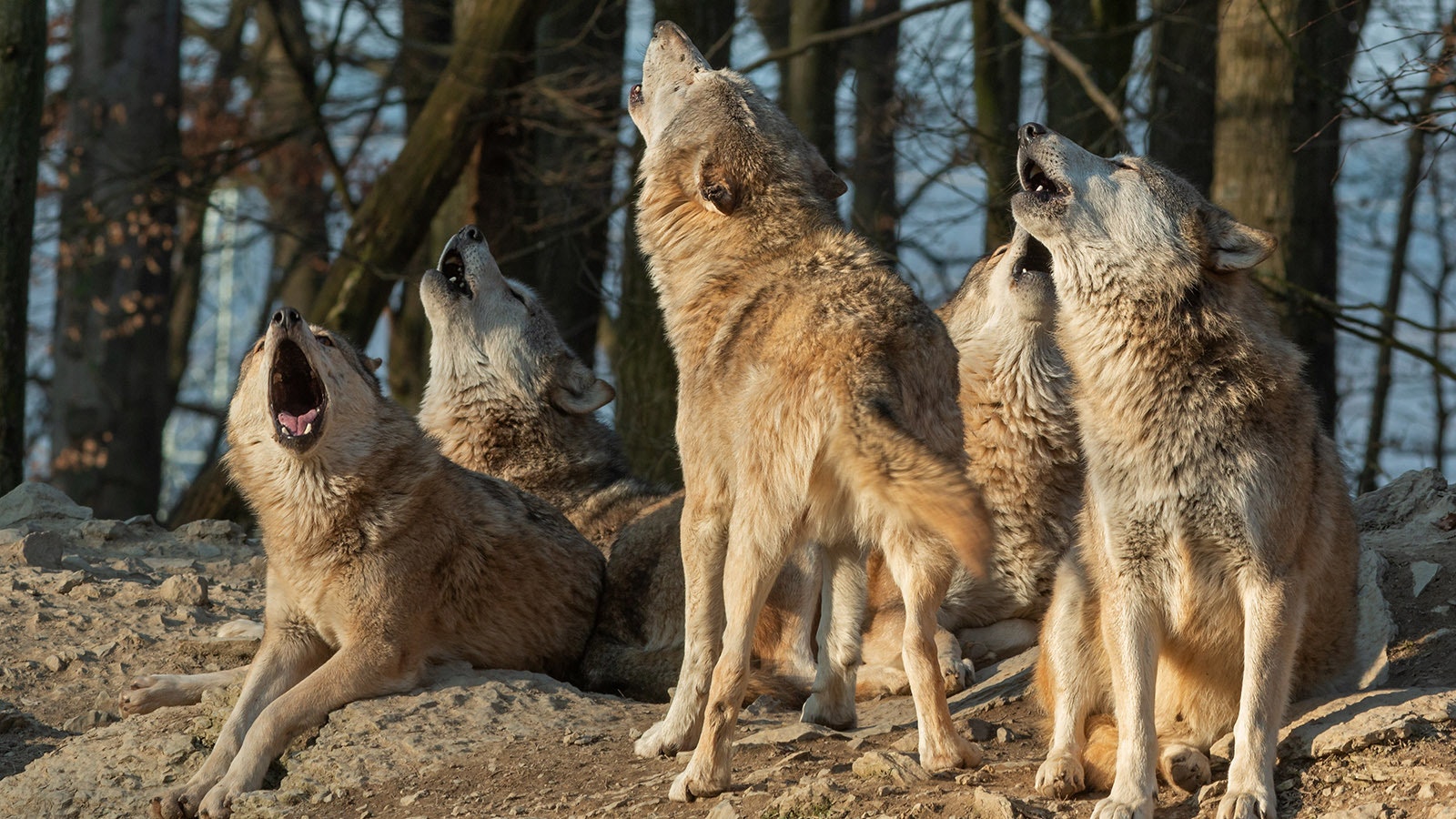
By the end of 2024, California had seven established wolf packs.
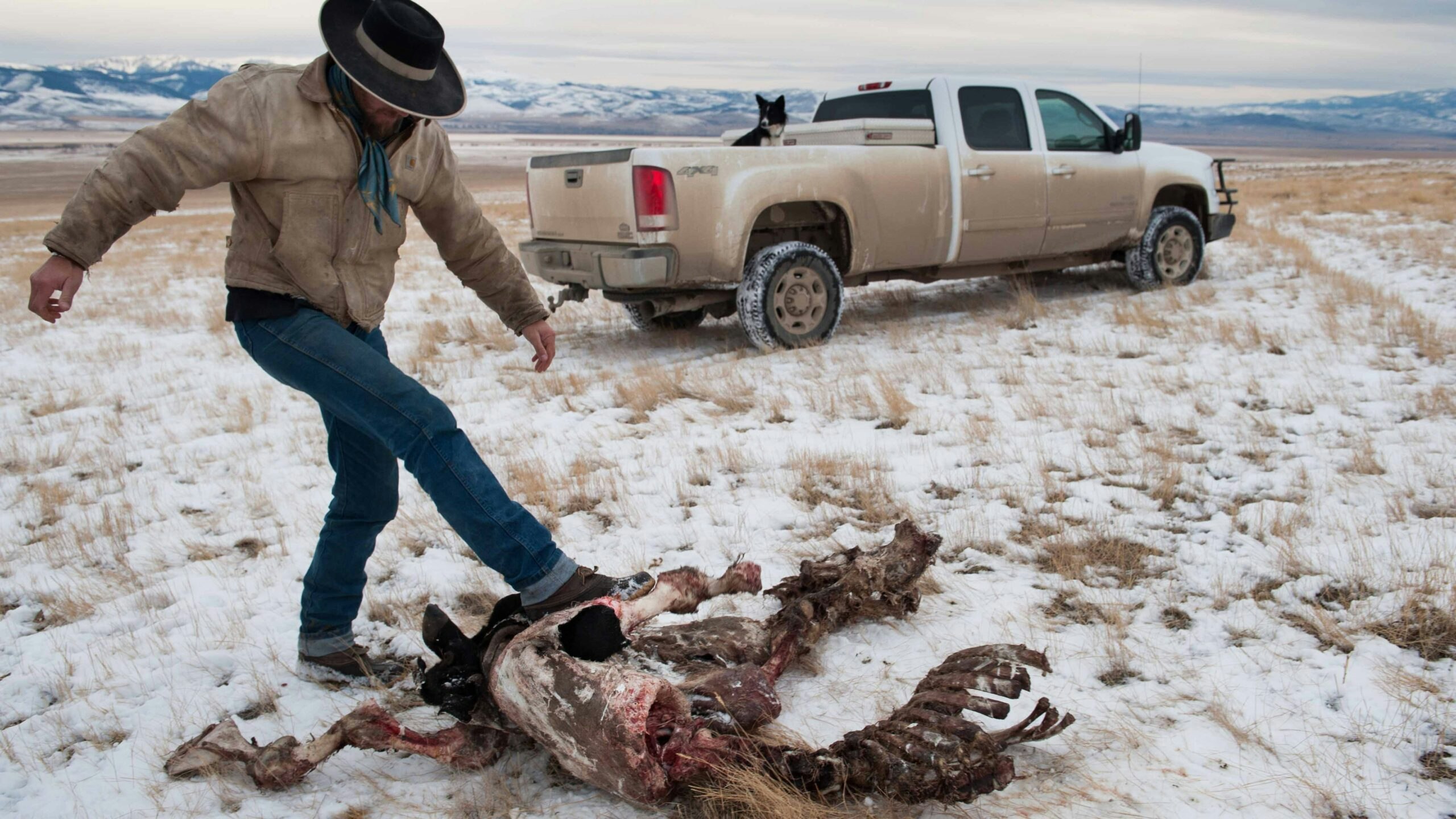
California ranchers have expressed alarm over their state’s growing wolf population and attacks on cattle there.
Wolves remain protected in California unlike in much of Wyoming, where ranchers can kill them at any time.
Kirk Wilbur, vice president of government affairs for the California Cattleman’s Association, previously told Cowboy State Daily that his state’s $3 million compensation fund for livestock losses to wolves was starting to run dry.
Study Results From Wolf Scat, Cattle Hair
The UC Davis study focused on the effects to livestock caused by three wolf packs in northeastern California. Researchers studied interactions between wolves and cattle from June to October in 2022, 2023 and 2024.
Researches surmised that “total indirect losses” to ranchers ranged from $1.4 million to $3.4 million.
Among their findings was that 72% of the wolf scat samples taken in 2022 and 2023 contained cattle DNA. Also, that hair samples from cattle contained elevated levels of the stress-related hormone cortisol.
Wolves Make Cattle ‘Bunch Up’
Ranchers in Wyoming are aware of the secondary effects that wolves and other predators have on cattle, Magagna said.
Wolves can make cattle herds “bunch up” instead of spreading across the landscape and actively graze, he said.
That can lead to weight loss in cattle and lower fertility rates in cows, he said.
“It also impacts the resource (rangeland and forage) as they are forced into bunches,” Magagna said.
That can include things such as bunched-up cattle trampling streambanks or over-grazing certain areas.
Non-Lethal Options
Bean said that as an advocate for wolves, she recognizes that ranchers’ concerns must be taken seriously. Those include worries over effects that go beyond only cattle that are maimed and killed in wolf attacks.
Non-lethal options for deterring wolves could strike a balance between the need to conserve wolves and the need to protect cattle, leaving “no dead cows, and no dead wolves,” she said.
The use of drones to haze wolves away from livestock herds is starting to show promise, she noted.
Killing wolves shouldn’t be the go-to option, Bean said.
“You’re literally ranching in wild country,” she said. “You can’t expect killing predators to be the be-all, end-all.”
Mark Heinz can be reached at mark@cowboystatedaily.com.