WASHINGTON, D.C. — The U.S. Fish and Wildlife Service and the National Marine Fisheries Service have proposed a rule that would nullify the regulatory definition of “harm” under the Endangered Species Act.
The agencies want to fall back on language in the law itself that prohibits the “take” of a specimen, a huge change that could revamp the ESA completely.
The law gives unambiguous examples of taking, such as shooting or trapping. But it also contains the word “harm” as a form of a take, while not defining harm.
Interpreting the law, regulators wrote a definition of harm that includes habitat “modification or degradation” to the extent that breeding, feeding and sheltering are deemed to be impaired. The definition says such compromised habitat is illegal where it “actually kills or injures” protected wildlife.
As a result, industries ranging from housing and commercial construction to natural resources extraction have been locked out of enormous swaths of land for several decades — much to the chagrin of business interests and their political allies such as Congress members from Wyoming and nearby states.
The agencies under President Donald Trump’s administration now want to get rid of that regulatory definition of harm. Rather than attempting to redefine the term, the agencies say the totality of language in the statute itself is sufficient and yields the “best meaning.”
“The existing regulatory definition of ‘harm,’ which includes habitat modification, runs contrary to the best meaning of the statutory term ‘take,’” the agencies wrote in a summary of the proposed rule.
The proposed rule to rescind the definition of harm was proposed Thursday, triggering a public comment period that ends May 19.
Wyoming Delegation Reacts
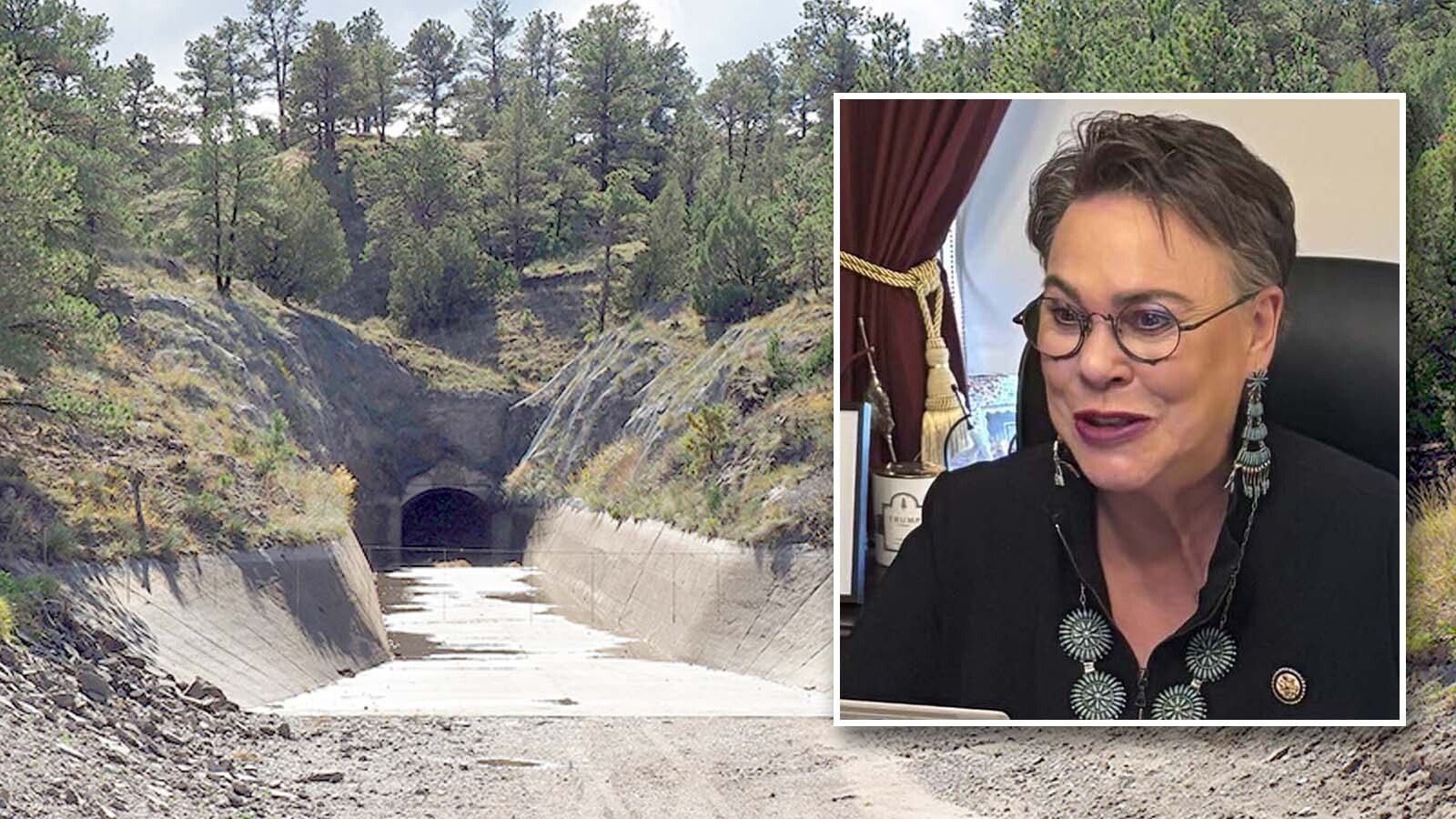
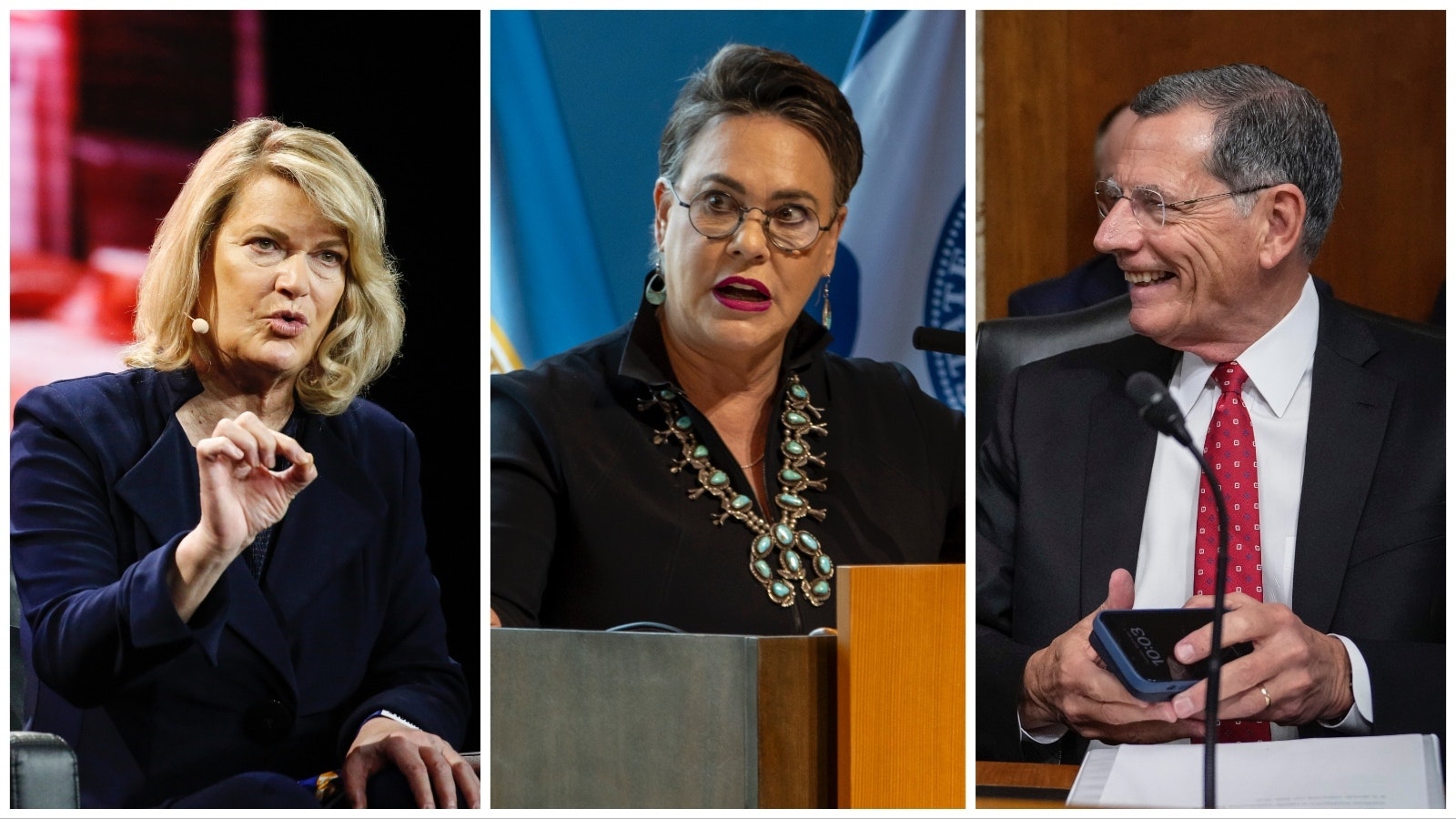
U.S. Rep. Harriet Hageman, R-Wyoming, said the proposed nullification is a “great solution” to just one example of regulatory overreach.
“The repeal of this definition is a great solution to a problem we see across the federal government,” Hageman told Cowboy State Daily. “Agencies are interpreting and defining laws enacted by Congress to suit their own agenda rather than follow congressional intent. It is the activist agencies who have been able to inflict the most harm on our citizens.”
Those remarks were echoed by U.S. Sen. Cynthia Lummis, R-Wyoming. Also, Lummis told Cowboy State Daily, agencies in the past have wrongly turned the ESA into a wedge issue.
“The Obama and Biden administrations allowed the ESA to be the death knell of local communities bound by its outdated policies,” Lummis said. “We have a responsibility to modernize the ESA so it not only better fits its intended purpose but empowers our landowners and businesses to be partners in preserving our iconic species and landscapes, and that’s exactly what President Trump is doing.”
Added Senate Republican Whip John Barrasso of Wyoming: “The Trump administration is working to modernize and strengthen the Endangered Species Act to make it work better for wildlife and for people. This proposed rule will allow us to follow the best available science to protect species and their habitat while also protecting our Wyoming way of life.”
‘Primary Driver Of Species Extinction’
The nation’s leading environmental group, Sierra Club, said the agencies’ proposal would “drastically limit the protections” of the ESA.
“Such a move would undo a half century of regulatory precedent, which properly has protected imperiled wildlife and wildlife habitat from activities like industrial development under the ESA,” the group said. “Science demonstrates that habitat loss is the primary driver of species extinction. The United States alone loses a football field’s worth of natural space every 30 seconds to development.”
The Wyoming state director for another environmental group, The Conservation Fund, did not return amessage from Cowboy State Daily seeking comment.
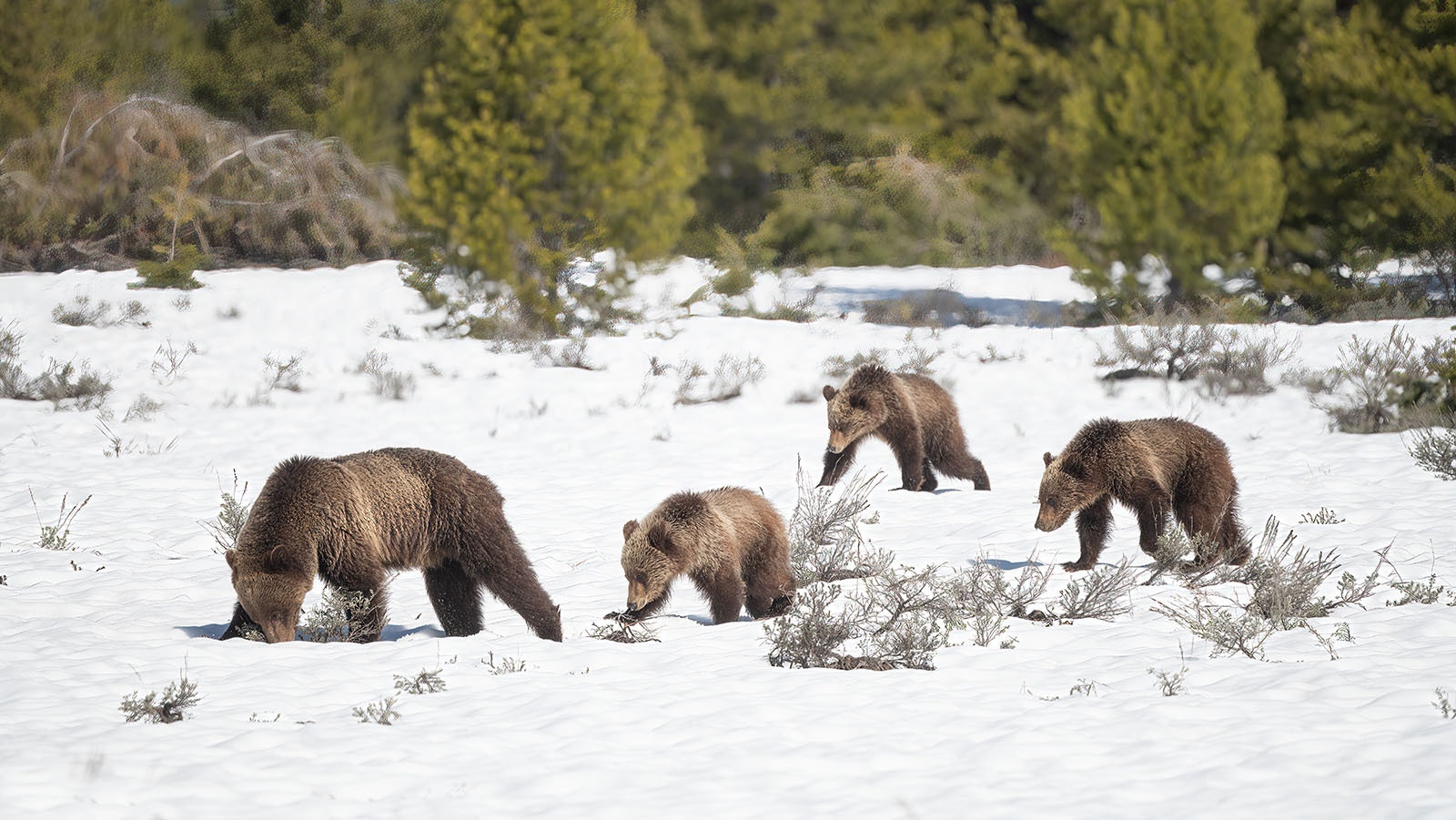
Grizzly, Lynx, Toad And More
According to the Fish and Wildlife Service, 16 animal species found in Wyoming are on the Endangered Species Act list.
Mammals include the grizzly bear, Canada lynx, black-footed ferret, Preble’s meadow jumping mouse and northern long-eared bat.
Other animals include the Wyoming toad, western glacier stonefly, piping plover, whooping crane, yellow-billed cuckoo, and a half-dozen fish species including the pallid sturgeon.
A handful of plant species found in Wyoming are on the list as well, including the western prairie fringed orchid and the whitebark pine tree, among others.
Petroleum Association of Wyoming
Regulations on habitat protection are keenly felt in industries including oil and gas drilling, timber harvestingand mining.
Ryan McConnaughey, vice president and director of communications for the Petroleum Association of Wyoming, said Congress should be clear what its laws mean to prevent regulators from making policy.
“For decades in natural resource policy Congress has shirked its responsibility to keep federal laws updated for modern times,” McConnaughey told Cowboy State Daily. “If Congress intended the definition of ‘take’ and ‘harm’ to be something other than the plain meaning of those words, then it is their responsibility to change the definitions in a new law.
“20,000-plus Wyomingites work in the oil and gas industry. Most of us live here because we love this state and all it has to offer to both care for our families, and enjoy our beautiful outdoors, including robust wildlife populations. No arcane rule revision will change that fact.”
Nesvik On Deck
The Wyoming Economic Development Association did not return an email Friday from Cowboy State Daily seeking comment on the proposal.
Paul Souza is the director the Fish and Wildlife Service. Brian Nesvik, the former head of Wyoming Game and Fish, is slated to replace him.
Nesvik is awaiting confirmation by the full U.S. Senate to lead the agency after recently surviving a 10-9, party-line vote in a Senate committee. He has been a vocal advocate of delisting the grizzly bear from the endangered list.
Sean Barry can be reached at sean@cowboystatedaily.com.