Despite being nearly eight months away, Wyoming lawmakers are already thinking about how they plan to meet the state’s needs in next year’s biennial budget in a significantly altered economic landscape impacted by President Donald Trump’s tariffs and overall economic policies.
The tariff war Trump is currently engaging in could significantly alter Wyoming’s revenues by causing extreme market uncertainty in the short run, while showing signs of potential gains for Wyoming industries in the long view.
During a town hall on Monday in Cheyenne, leaders of the Wyoming Senate said they want to take a fine-tooth comb to the state’s fiscal picture for the 2027/2028 biennium to make sure that the state’s money is spent as efficiently as possible, and Wyoming can squeeze the most value possible out of its spending.
“I’m looking forward this year to working with our equal partners in the House to see what we can do about efficiency and about how we spend our money, how we spend our constituents' money,” Senate Vice President Tim Salazar, R-Riverton, said. “This does not happen every year. We have an opportunity and I’m looking forward to it.”
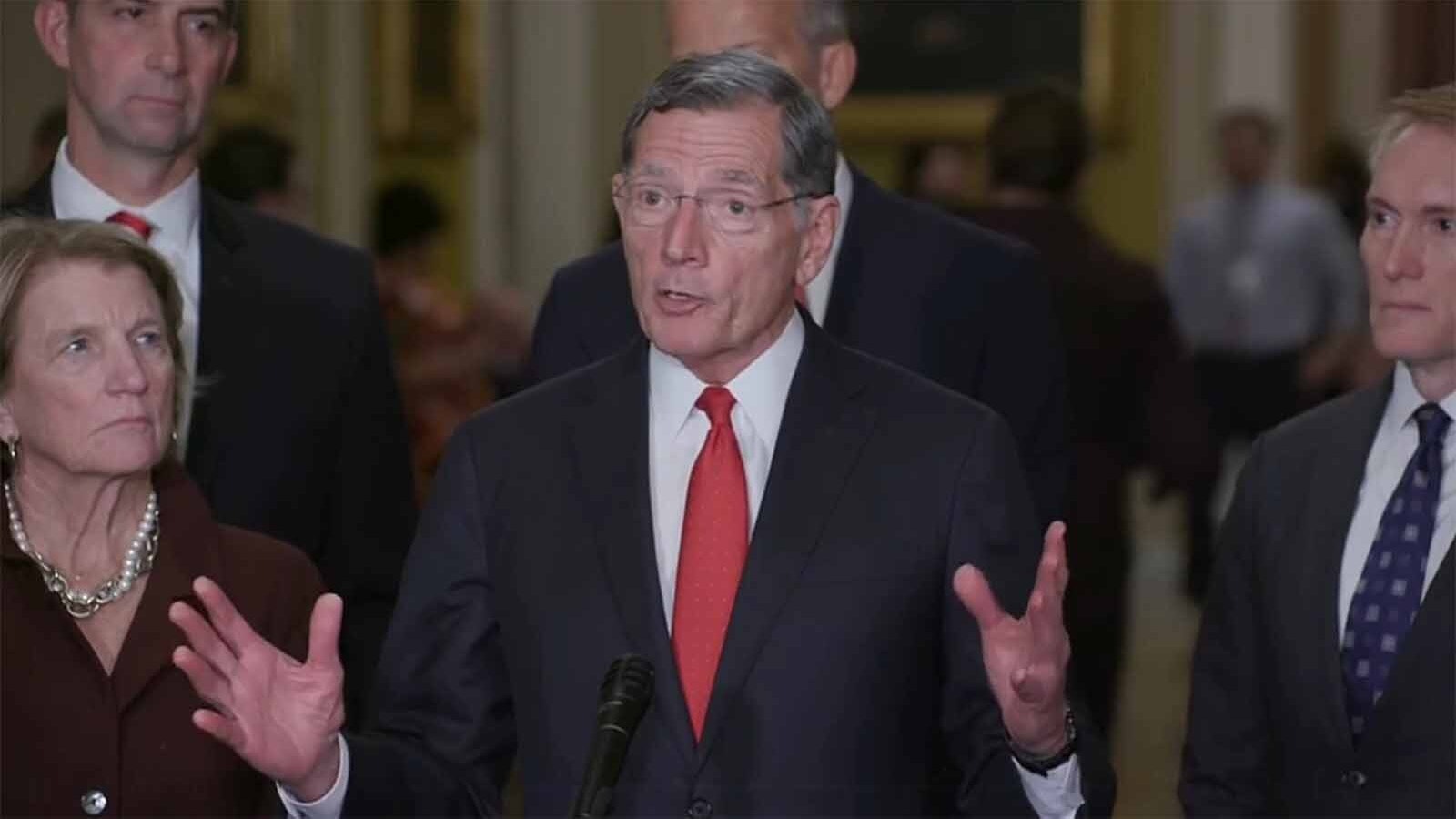
Rep. John Bear, R-Gillette, chair of the House Appropriations Committee and chairman emeritus of the Wyoming Freedom Caucus, has already expressed a desire to limit governmental growth no matter the state’s economic picture, though has stopped short of committing to make cuts to existing funding.
“All government agencies need to be mindful of the potential they will not have the same money as they had last year,” he said.
Senate President Bo Biteman, R-Ranchester, wants to put a concerted focus on the upcoming biennial budget because he believes the supplemental budget has started to become an opportunity for state agencies and other groups to take “a second bite at the apple” when their original budget requests are denied in the biennial budget.
This year, the Senate refused to pass a supplemental budget, arguing that all of the state’s emergency needs were covered in standalone bills. It was the first known time in the history of the Legislature that this happened.
Senate Majority Leader Tara Nethercott, R-Cheyenne, believes there are misconceptions that the state’s budget has been steadily growing, but she maintains the biennium budget has been around $9 billion to $10 billion for about a decade.
“Anyone who voted ‘no’ against the biennium budget 10 months prior and then was gnashing their teeth about failing to pass an additional $1.5 billion? That’s the question you should be asking,” Nethercott said. “How could they not pass a true biennium budget, but then 10 months later wanting to spend $1.5 billion more?”

Oil And Gas Prices
Wyoming relies heavily on fossil fuel revenue, amounting to nearly 50% of its overall revenue.
Salazar also brought up the declining price in oil as a cause for concern in Wyoming’s economic forecast. Recently, oil fell to just $60 a barrel, the lowest prices we’ve seen since 2021. Salazar predicted that by January the price could be $30 per barrel, which could lead to some hard budgetary choices.
“Some tough decisions are going to have to be made,” he said. “While no one likes doing that, that’s our job.”
Bear has similar concerns.
“I think there’s going to be some ups and downs,” Bear said. “It’s kind of like the stock market, I think those tariffs are going to be an important thing for the future. It’s just going to be a little harder to say what it’s going to look like. I just can’t forecast what it’s going to look like.”
During Cowboy State Daily’s election night coverage last year, former Gov. Mike Sullivan questioned whether Republican desires to lower energy prices will help the industry as a whole and believes higher oil prices and the resurgence of industries like uranium and trona are a positive for Wyoming.
“That’s (low prices) not in our favor,” he said. “They talk a big talk about how you can drill, drill, drill, but if you drill, drill, drill it will go back to $20 (per barrel).”
Bear expects a clearer picture to start emerging about Wyoming’s next budget by the late summer after different state agencies start submitting their individual budget requests.
Health Funding
The Trump administration has also slashed or paused many federal grants, a move that had a significant impact on the Wyoming Department of Health and some of the services it was providing around the state.
Department of Health Director Stefan Johansson stressed to Cowboy State Daily that his agency isn’tdepending on this outside funding as a permanent source of revenue.
“By and large, the one-time grants did not incorporate into the core or permanent functions of the Department of Health,” he said. “We did not become reliant on temporary grants even despite them being cut of a little before originally anticipated.”
Johansson said bigger, more long-term questions exist about funding programs like Medicaid reimbursements in the maternity care space, home health rates for high-needs children, more funding for early preschool children and behavioral health rebasing, issues requested for coverage in this year’s supplemental budget that was killed.
Johansson plans to work with Gov. Mark Gordon on finding funding at the governor’s disposal to pay for some of these services but expects most of the programs to come back to the Legislature for consideration in the upcoming session.
He said funding is the tightest it’s been in his agency in a few years, and he doesn’t expect the state to have nearly as much in savings available as it did the past two bienniums.
“In the past we’ve been able to stave off and or reinstate funding from previous cuts,” he said. “This biennium, we do not have as much luxury.”
Johansson also expects a broader discussion during the 2026 session about the role of state government in health care.

Senate Minority Leader Tara Nethercott, R-Cheyenne speaks during a town hall event Monday in Cheyenne. (Leo Wolfson, Cowboy State Daily) 
Senate Vice President Tim Salazar, R-Riverton, believes prices on barrels of oil could drop to as low as $30 by next January when the Legislature starts crafting its next biennial budget. (Leo Wolfson, Cowboy State Daily)
School Funding
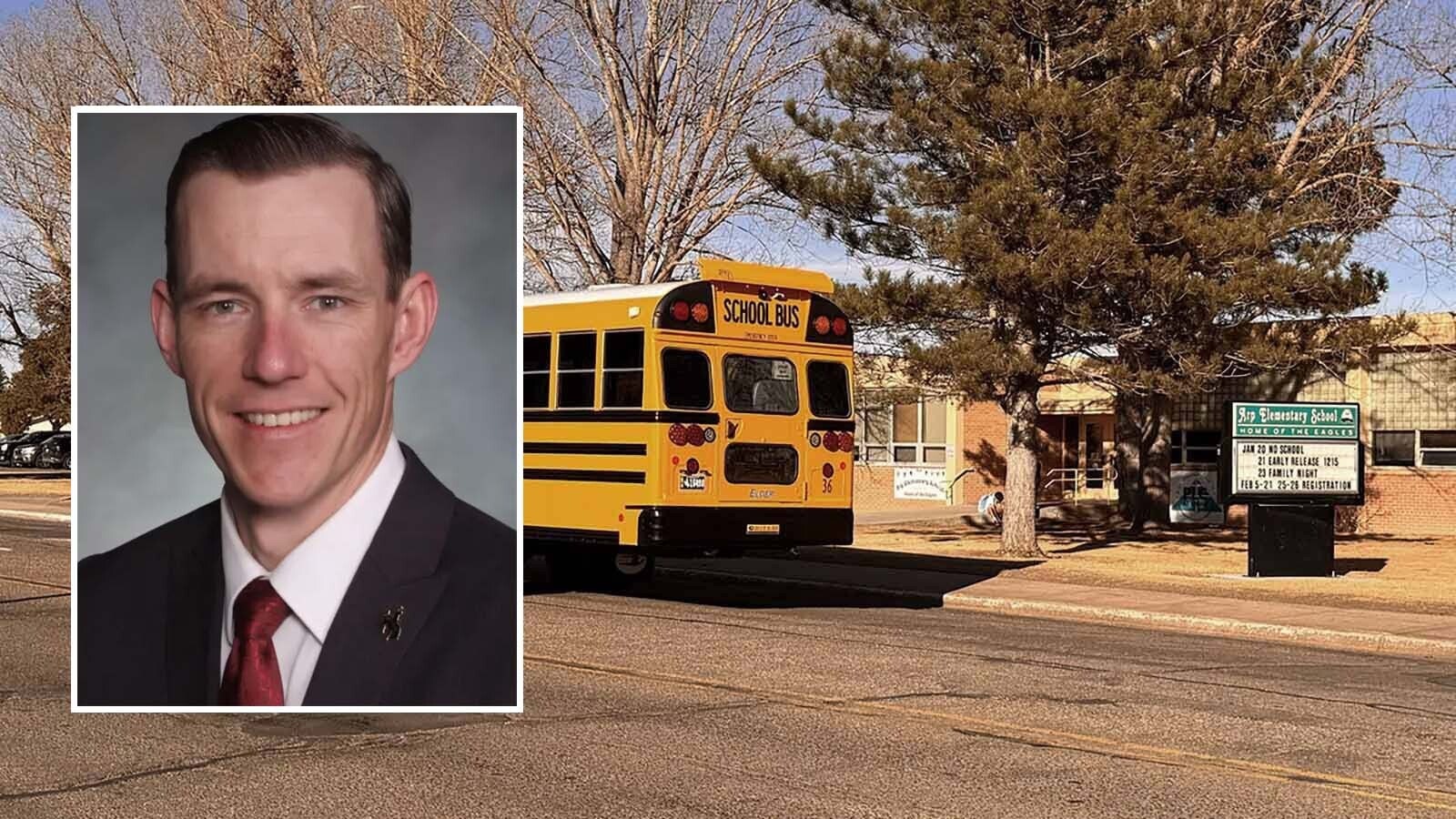
Another part of the budgeting process will begin this summer when the Select Committee on School Finance Recalibration meets to recalibrate Wyoming’s funding model, which involves a review of how Wyoming funds education and what it provides to students. Currently, the state spends about $1.5 billion a year on public education.
Biteman said the recalibration process needs “fresh ideas” and outside the box thinking to make education funding more sustainable in Wyoming. Despite having some of the highest per-pupil funding in the country at around $17,000 per child, Wyoming typically ranks around the middle of the pack for test scores.
He said high and low-performing school districts should be doing more collaborating to find out what works well.
“What can we do to make sure our education dollars are being spent wisely and we’re not just constantly paying more and more and expecting different results?” he questioned.
Nethercott agreed but took a slightly different focus, saying Wyoming must find new funding models in order to fulfill its constitutional obligations to properly fund education and school facilities as fossil fuel revenues continue to decline.
She said efficiency issues exist in Wyoming’s education system because of the state’s rural identity, which leads to certain schools being kept alive despite small student populations out of a desire to maintain local heritage. The Wyoming Constitution requires that services be provided fairly and equally across the state, which leads to different per-pupil funding models for a large school in Laramie County than a rural school in Washakie County.
“When you have more students you can consolidate resources,” Nethercott said.
Leo Wolfson can be reached at leo@cowboystatedaily.com.