Gov. Mark Gordon isn’t pleased about a new law that gives the Legislature and public more oversight of the rules that Wyoming’s state government agencies make, and that he has the final say to approve or deny.
During a Board of Land Commissioners meeting last week, Gordon said he’ll give above-and-beyond deference to the Legislature to honor the spirit of the new law, planning to wait until a majority of state legislators sign off on a major rule before he does so himself.
“Which may slow down rulemaking, which may be problematic, but that’s I think the issue that we have,” Gordon said.
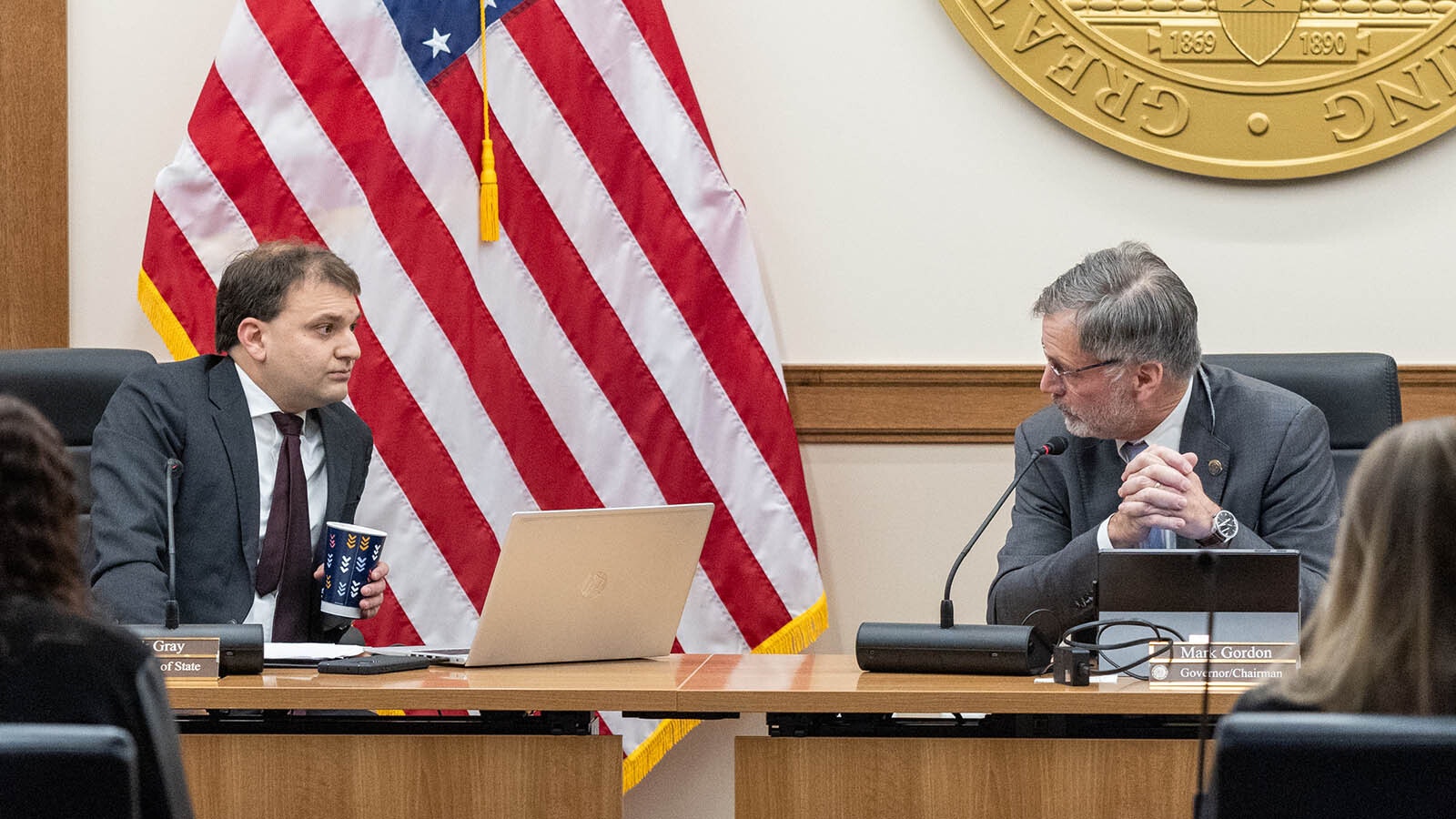
While Gordon said he’s trying to adhere to the spirit of the new law, others like political rival Secretary of State Chuck Gray say he’s being petty. Their back and forth at the meeting sparked an exchange about how they were arguing despite Gordon believing they agreed with each other.
The new law Gordon is reacting to is Senate Enrolled Act 59, which he attempted to veto, but the veto was overridden by the Legislature.
SEA 59 puts more scrutiny on the rules that state agencies pass and the governor approves.
Unlike laws created by the Legislature, only the governor gets to approve or block administrative rules from going into effect, which tend to be more specific and designed as a tool or instructions to facilitate a specific law.
SEA 59 requires that the Legislative Service Office (LSO) perform an economic analysis any time it’s believed a new agency rule will lead to a direct or indirect cost on Wyoming’s economy of $1 million or more, or will have a significant adverse effect on competition, employment, investment, productivity or innovation in the state.
The results of these studies will be provided to the Legislature and the public.
Rather than having the Legislature back-seat drive his decisions on agency rules, Gordon instead said he’ll wait for feedback from legislators before acting.
It’s About Transparency
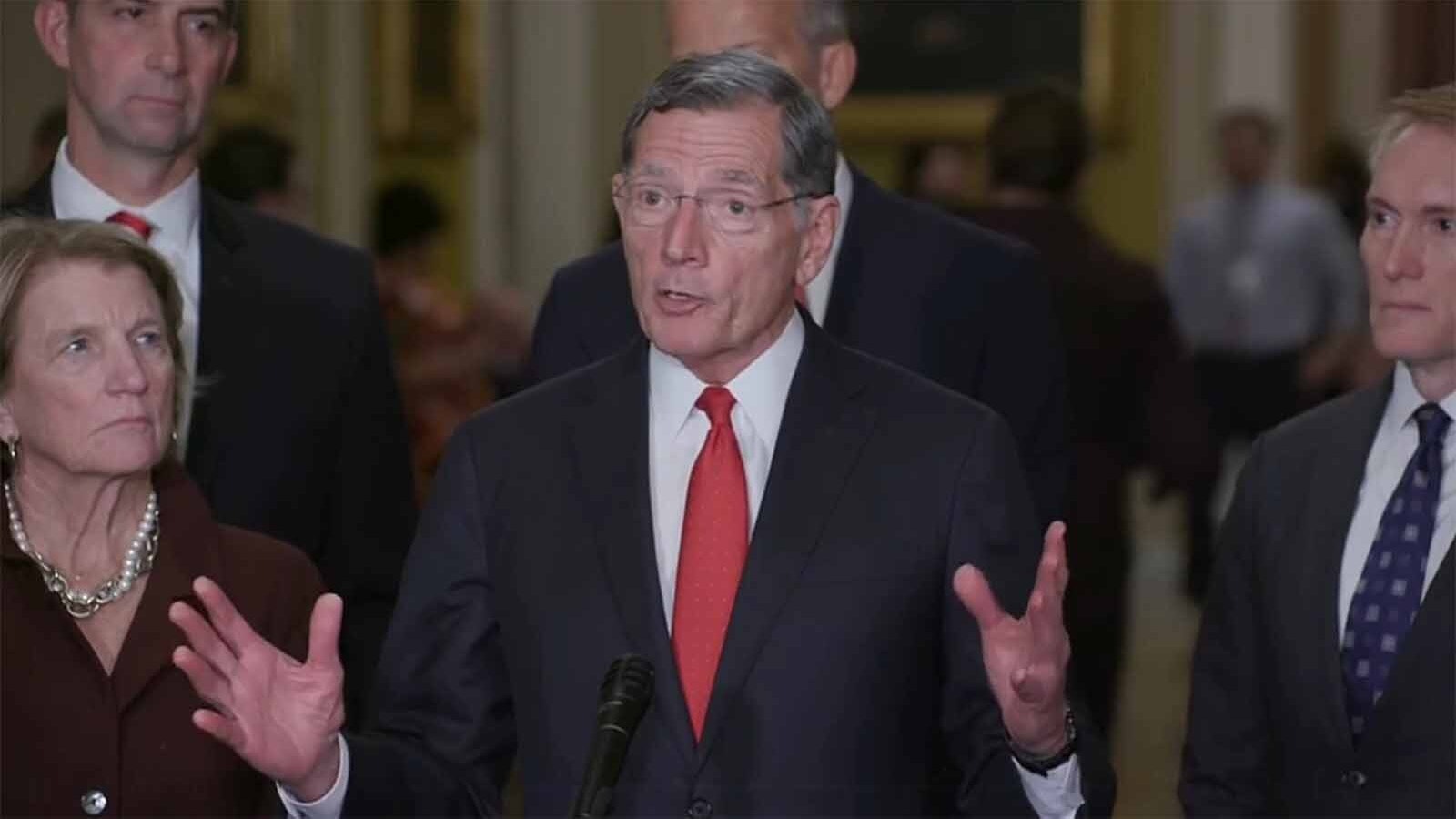
State Sen. Brian Boner, R-Douglas, the sponsor of SEA 59, said performing studies like these will bring a more fact-based analysis to approving a new rule.
“It makes the rulemaking process much more transparent,” he said. “It allows for a much more fact-based discussion on the role the government plays in the private sector.”
The law also provides $400,000 for the LSO to hire two staffers to perform these studies.
The law is similar to a bill U.S. Rep. Harriet Hageman has sponsored called the REINS Act, which would require major regulations from federal agencies to secure approval from Congress.
The Wyoming law, which goes into effect in July 2026, also makes it easier for the Legislature to remove rules after they’ve already been approved by the governor.
Gordon criticized the new law at the meeting as “trying to solve bureaucracy with even greater bureaucracy.”
“This is a very failed idea,” he said.
Although the Legislature can’t block rules before they go into effect, the Management Council gets to review and provide a recommendation on proposed rules, and a narrow mechanism also exists for the Legislature to remove rules after they’ve gone into effect.
“They already have a bite at the apple, so they want to be able to come in after the fact,” Gordon said.
Boner said Gordon’s pledge “goes above and beyond” the changes made in the new law.
“I’m glad he’s taking the intent of the bill to limit regulatory authority seriously, but what he’s doing goes far beyond the law,” Boner said.
Gray, Gordon Spar Again
When asked to clarify his stance by Gray, Gordon said he wants to gain a “reasonable expectation” that a rule won’t be reversed by the Legislature after he already approves it.
A spokesperson for the governor further clarified that Gordon “wants government business conducted efficiently, responsibly and with accountability to the right people.”
Gordon expressed concern that a rule could go through the entire public comment and normal approval process before a single legislator could call for more study into the rule.
“The intent of this was to try to roll back the administrative state, and we need to make sure that we roll back the administrative state, not just expand it,” Gordon said.
Gray disagreed and said the current rulemaking process is not working. He mentioned how his own proposed rules were vetoed by the governor twice last year.
Gray claimed those vetoes came because the governor didn’t like that the secretary was pushing “conservative ideals,” but Gordon stated at the time he believed Gray was exceeding his statutory authority.
Gray also said he isn’t aware of a time the Legislature has actually blocked a rule.
“I just think this brings that meat to a process when costs are going to be imposed,” he said.
Gordon then claimed he and Gray were like-minded on the issue and that he simply wants to wait until LSO completes an economic analysis and the Legislature gives feedback on it before implementing a rule.
“Let’s not go through the whole process of the review and everything else until you have some guarantee that these rules will have effect beyond the next few months,” Gordon said. “We’re in agreement.”
Gray continued to prod the governor, saying if they really are in agreement, “you don’t need to be so upset.”
“Thank you Mr. Secretary, I appreciate your comment,” Gordon responded.
Gray said the exchange was evidence that the governor “likes to make misleading statements about conservative pieces of legislation.”
“Overall, it just seems like he’s very confused about what the bill actually does and just seems to be upset about the fact that for once there is going to be conservative oversight over Gordon’s liberal actions,” Gray said.
During the upcoming interim session, the Management Audit Committee will study the new law and how it changes the current administrative rule process, and new law can be created to further allow for its implementation.
Leo Wolfson can be reached at leo@cowboystatedaily.com.