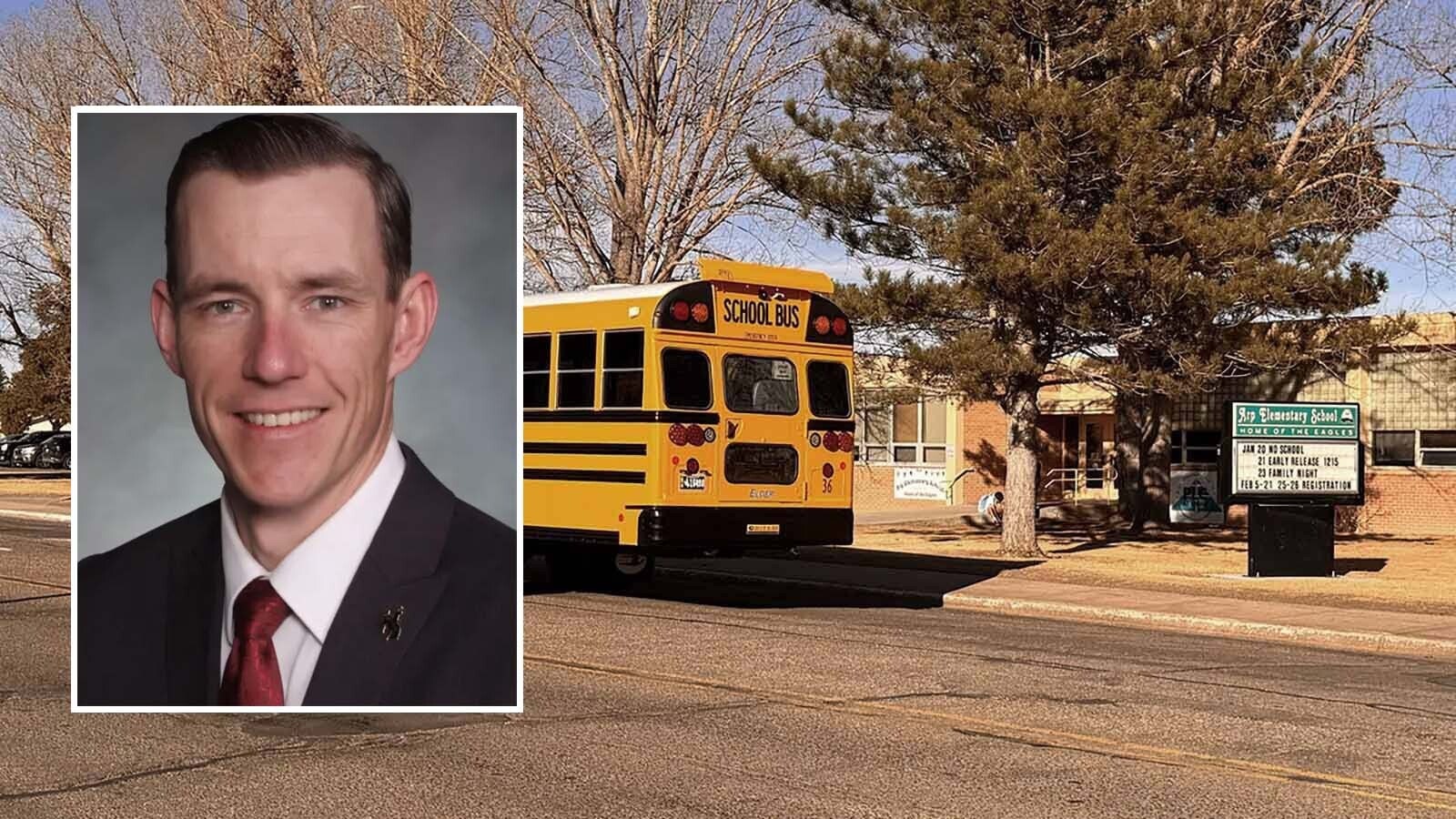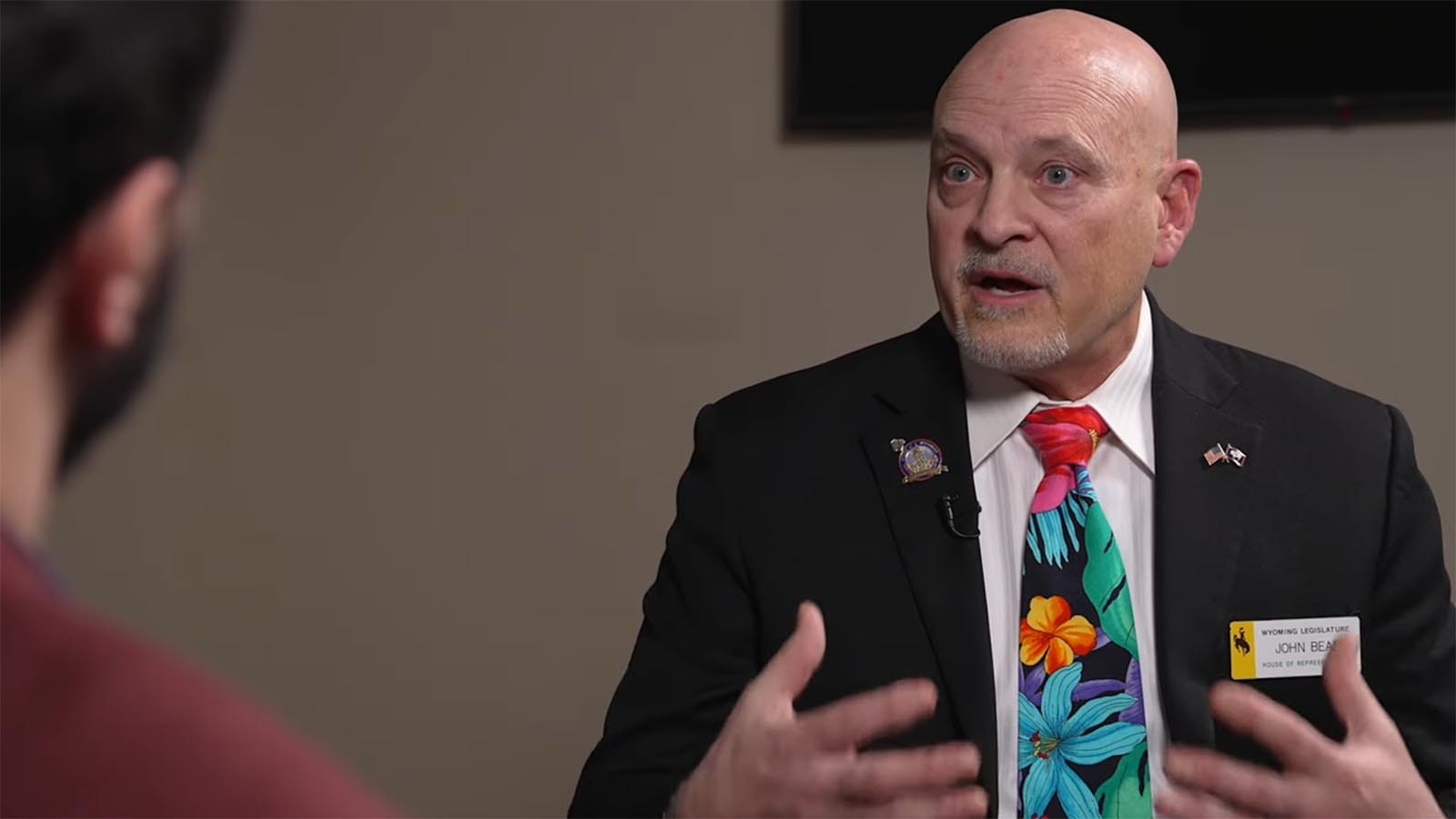
State Rep. John Bear, R-Gillette, sees the concept of a separation of church and state a little different than others. While Bear said he believes in a separation between state and church, he does not support separating church and state in the lawmaking process, no matter the religion.
“The state itself should not be dictating anything to the churches,” he said. “But we want moral, upright people serving in these positions, because they’re making decisions that are going to affect a whole lot of people.”
He and other Wyoming Freedom Caucus members like Chairman Rep. Rachel Rodriguez-Williams, R-Cody, spoke on the concept of bringing morality to lawmaking during this year’s Legislature. Of course, it’s their individual interpretation of morality that they support.
Bear said a sense of morality and religious background play into the decisions some legislators make on each one of their votes, allowing them to follow their moral compass above all other pressures.
“Because you have a core reason, bigger than yourself, outside of yourself, that really tells you what is moral and why is that important,” he said.
Bear has no illusions that more religious voices of different types in politics would create any fewer disagreements, but he believes the perspectives are vital to the lawmaking process.
“We can’t have freedom of religion unless we’re hearing from these other religions, so I’d welcome that,” he said.
This take is somewhat surprising as the Freedom Caucus has been labeled by some as a Christian nationalist group.
Root And Effect
The phrase a "separation of church and state" originated from "wall of separation between Church & State," which Thomas Jefferson used in an 1802 letter to members of the Danbury Baptist association in Connecticut.
Jefferson was explaining to the Baptists that the Bill of Rights prevented the establishment of a national church, so they did not have to fear government interference in their right to express religious freedom.
However, it was the Pilgrims themselves that sought to relieve themselves from an overbearing Church of England in their colonization of America.
Bear wants the public and its desires to be represented as accurately as possible in government.
He believes a perception from some that the Freedom Caucus employs aggressive, adversarial and combative tactics “is in the eyes of the beholder.” He sees this as a reaction to the group exposing what’s happening at the Capitol below the surface.
“The more you turn a light on to what’s happening, the more difficult decisions really are exposed,” he said. “Some people don’t like those difficult decisions being exposed to the public.”
The Freedom Caucus got heat in this year’s legislative session for sending text messages and emails to its followers, encouraging them to pressure senators to pass certain bills. Sen. Ogden Driskill, R-Devils Tower, called this effort “unbelievably offensive” and more akin to the behavior seen on Capitol Hill.
Efforts like these, Bear compares to the Founding Father’s desire to inform the public.
“I’m all for it, I think it should continue,” he said. “I would expect people to hold me accountable to every one of my votes. If I can’t explain that vote, then there’s a problem.”
Pushing The Tide
Bear, a retired Naval officer, grew up in Colorado, which is where he met his wife, a Gillette native.
Around 2007, he and his wife started a dry-cleaning business in Gillette and have been in Wyoming ever since. In 2020, Bear was asked to run for the Legislature to replace then-Rep. Scott Clem. After deliberating on the issue, he decided to run.
Wyoming politics has never been the same.
Bear has played an integral role and been largely credited for the rise of the Freedom Caucus, a group of staunchly conservative legislators which took over a majority of seats in the Wyoming House in the 2024 election. It was the first time a member of the State Freedom Caucus Network, a coalition of Freedom Caucus groups across 13 states, had taken over a state house.
“It’s a great success story, and it’s exactly what we’re trying to do in all of our states,” Andrew Roth, president of the network, told Bloomberg Government in a Monday story.
Bear credited his rise to a leadership position as chairman of the House Appropriations Committee to the Freedom Caucus takeover of the Wyoming House.
He believes there’s been a disconnect between the will of the people and the people representing them in the Wyoming Legislature for some time due to the commitments of the job. Since President Donald Trump was first elected, he’s seen a slow but steady change in that regard, he said, as an effort “to try and save the country.
Tax Cuts
Bear and other Freedom Caucus members pushed for significant tax cuts in this year’s legislative session, which passed with large majorities in the House and Senate.
As a result of the 2025 legislative session, homeowners can expect a 25% cut on their property taxes. Many around Wyoming have expressed concern that these cuts will drastically hurt local governments, emergency services and public schools.
Bear said there’s a certain contingency of people in Wyoming who are more concerned about the state’s revenue streams than the finances of the taxpayer. He believes focusing on the taxpayer and minimizing the role of government will allow business to take off and generate more revenue for the state.
“Freedom Caucus, we’re looking at it from the taxpayer’s point of view,” he said. “Lower taxes really helps the state in the long run.”
Looking ahead to next year’s biennial budget, Bear wants the Appropriations Committee to limit government spending as much as possible rather than making broad sweeping cuts. By limiting growth, he believes the surpluses created will allow the Legislature to do more tax cuts or at least keep taxes flat.
“If we don’t have these surpluses, at least we’re not taxing the people above and beyond what it takes to provide those basic services of government that we’re really constitutionally required to do,” he said.
Leo Wolfson can be reached at leo@cowboystatedaily.com.