
A couple living near the Jackson Hole Winery has gotten the winery shut down by alerting a state judge that its commercial activities fall outside the regulations of the area’s homeowners association.
Winery owner Bob Schroth, however, said he and his family are trying one last-ditch effort to keep the winery running on their Jackson home property.
“The winery is here. We have a huge following and it’s very well regarded in the community,” Schroth told Cowboy State Daily on Tuesday. “And you know we’ve been in business for years … and (the neighbors) just decided to do something in 2022.”
Wyoming District Court Judge Peter Froelicher in March judged the case in favor of the winery’s neighbors, Robert “Jerry” Kirk and Viesia Kirk.
The judge referenced the regulations of the homeowner’s association to which the Kirks and Schroths belong, which forbid commercial businesses. And he filed an order essentially blocking the Schroths from doing business in their home-based winery. The Schroths can still sell wines within Teton County, use their own labors to make wine, and hold their own private wine tastings on their property.
A Revelation
After that, the Schroths did some research and reportedly realized that though Robert Kirk had testified that he didn’t notice the winery’s commercial success until a 2020 visit, Kirk had bought a case of wine from the winery and left his email address for promotional materials as early as 2017.
The Schroths are asking Froelicher to revive the case in light of the new information and reconsider one of their arguments: that the Kirks unnecessarily delayed filing their November 2022 lawsuit. They’re also asking the judge to let them keep marketing wines from their home until they either get the case reopened for a trial or — if an appeal is needed — while they appeal its result.
Froelicher had not ruled on those requests as of Tuesday morning.
The Kirks countered in their own post-judgment filings, saying that Robert Kirk didn’t go to the winery to pick up his case of wine in 2017: he sent a friend to grab it for him.
“He has no recollection of receiving any email solicitations advertising the expanded winery operations or other activities (in 2017),” says Kirk’s counter filing, which urges the court against reopening this case.
Because, Homeowner’s Association
The Schroths in 1993 bought their property in a Teton County neighborhood called the Dairy Subdivision, which is under both Teton County land use regulations and the rules of its homeowner’s association.
The Kirks bought their land, a quarter of a mile away in the same subdivision, in the late 1990s.
In 2011, the Schroths approached the homeowner’s association’s “design committee” about making wine in their barn. A committee member approved the request, according to the Kirks’ initial lawsuit complaint filed Nov. 14, 2022.
The complaint says the Schroths didn’t get permission for what would follow: “high-intensity wine production, bottling, packaging and shipping of high volumes of wine to other destinations for profit.”
The complaint lists wine tastings, weddings and the placement of tents and advertising signs as part of the winery’s course of business. It says the winery ships about 4,000 cases of premium wine annually from the Schroths’ home lot to destinations around the world.
The complaint calls attention to the homeowner’s association rule against commercial businesses requiring public access or extra employees.
It’s important for the Schroths to comply with the rules so the Kirks can enjoy their home and property, says the Kirks’ original complaint, adding that letting people violate the neighborhood rules creates a risk that others will trample on those rules and diminish the region’s delights and value.
Robert Schroth countered, telling Cowboy State Daily on Tuesday that he’s surprised the Kirks sued over the business activities, and that the Schroths and Kirks do not share a private road.
“They don’t drive by the winery. Our customers don’t drive by their house, so they see no traffic. They can’t see the winery, they can’t hear it,” said Schroth. “It really has no effect on them at all. So …”
The Schroths’ recent filing puts this more bluntly, saying: “Plaintiffs will suffer no harm whatsoever from the operation of the winery, and never have.”
The Kirks could not be reached for comment by publication time. Their attorney, William Schwartz, did not immediately respond to a voicemail request for comment.
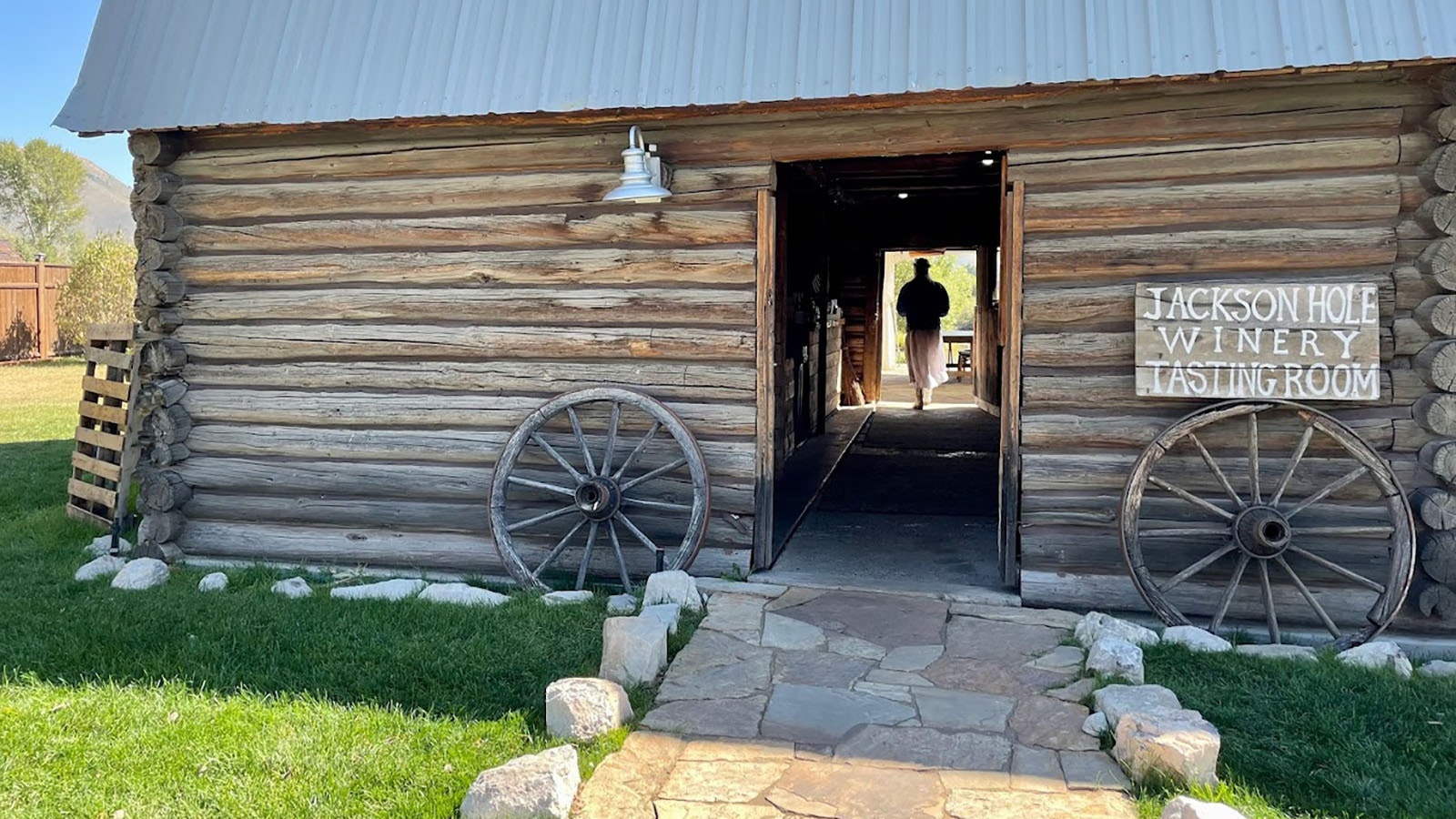
The Tasting Room at Jackson Hole Winery, a spot that Brent Hancock reviewed on Google as one of his favorite places: "Absolutley LOVE this winery." (Brent Hancock via Google) 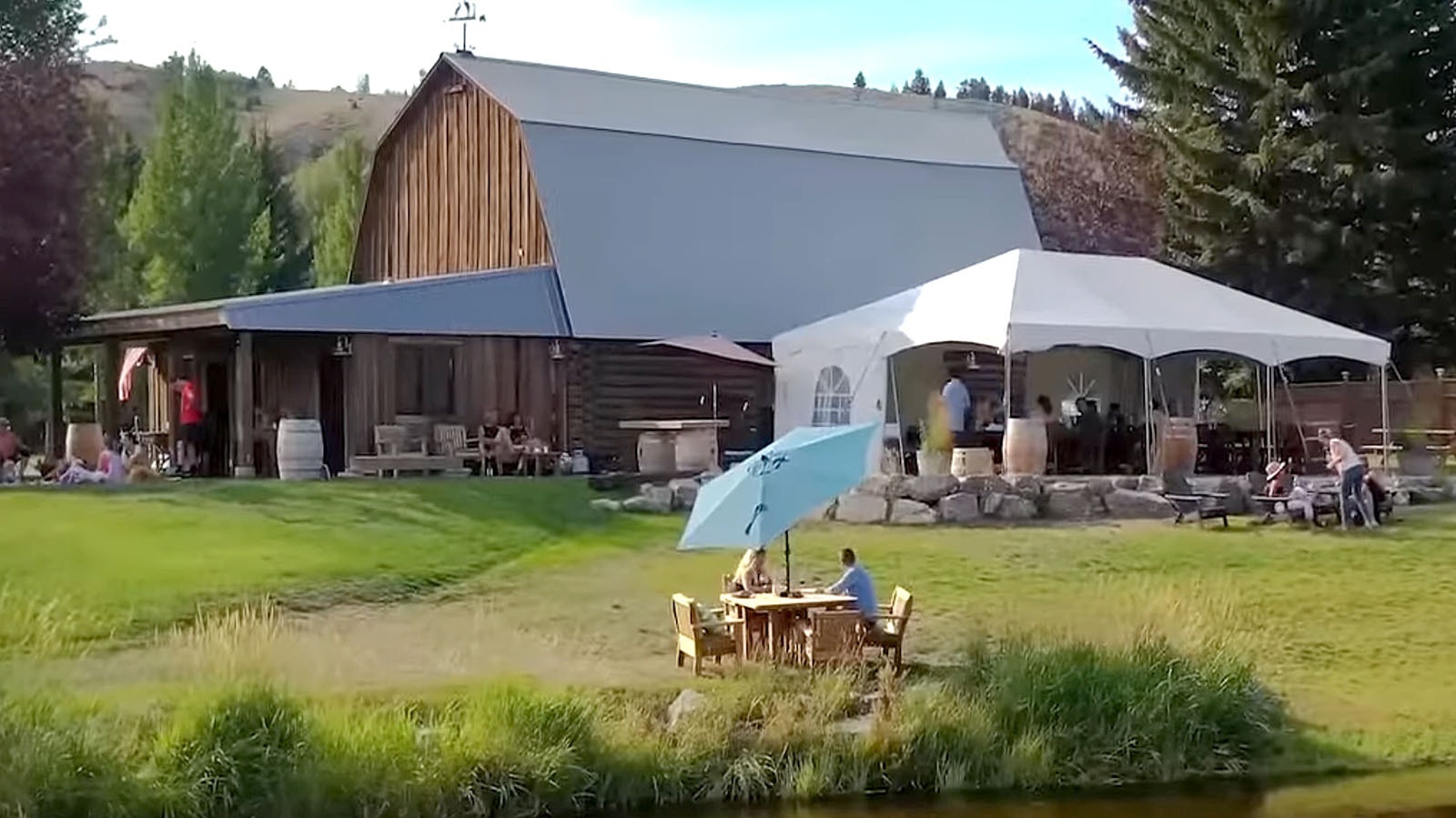
Jackson Hole Winery was featured three years ago by Jackson Hole Traveler on its YouTube channel. (Jackson Hole Traveler via YouTube) 
A lineup of Jackson Hole Winery wines in this 2020 photo. (Jackson Hole Winery via Facebook)
Then The County Got Involved
The Teton County Planning Department started hearing complaints about the winery in 2013, got in touch with the Schroths and eventually issued the Schroths a conditional use permit in 2016. The county added some restrictions to the permit in 2022. For example, it limited the business to 30 tasting-room guests per day, Robert Schroth said.
Court documents say the Schroths “kept making improvements to their winery” over the years, spending more than $600,000 on improvements to the property. The documents say the wine sales yielded a gross revenue of about $2 million in 2022, and the winery’s other merchandise netted a gross of $40,692 that year.
Then In 2020 …
The Kirks visited the winery in September 2020 for a friend’s birthday party, toured it and drank wine. They were surprised by the scale of the operation, but believed it was temporary due to the COVID-19 pandemic and that the Schroths were looking for a different space for their business.
The Kirks tried to stop the county from re-approving the Schroths conditional use permit in 2022. They reported their concerns to their homeowner’s association that year as well, “but nothing came of it,” court documents say.
So, they sued the Schroths that November, asking for a permanent ban on most of the winery’s home-based activities.
But These Rules
Froelicher judged the case early in the Kirks’ favor early this March, then issued an order about three weeks later permanently banning most of the winery’s home marketing activities, as well as the employment of anyone who’s not in the Schroth family.
Robert Schroth said he will likely need to let four employees go if he doesn’t receive a stay or a different judgment from the court.
Froelicher’s summary judgment order says the Schroths should have known better than to “(turn) a home hobby of making wine in a garage into a full-fledged commercial business that generates significant revenue” when they are part of a covenant that forbids commercial activity.
The judge also said that though the Kirks delayed two years in filing their lawsuit from their earliest cited concerns in 2020, the delay didn’t hurt the Schroths.
The Schroths’ post-judgment filings counter, saying the Kirks knew about the business’ success as early as 2017. If the court accepts this argument, that would mean the Kirks delayed five years, not two, before suing.
But again, the Kirks contest this claim in their own court filings.
‘Regardless’
Froelicher’s order says the argument in this case is not about whether the winery’s activities have harmed the Kirks.
“Regardless of whether Jackson Hole Winery’s operations directly, physically impact the Kirks, a large and growing commercial wine-making, wine-distributing, wine-selling and wine-marketing business is not consistent with the covenants,” says the judge’s order.
The judge also ruled that if the Kirks did delay filing their lawsuit, the extra money-making years helped — rather than harmed — the Schroths, so that delay isn’t a reason to discard the lawsuit as unfair.
Clair McFarland can be reached at clair@cowboystatedaily.com.