By rights, Yellowstone National Park’s Wolf 907F shouldn’t even be alive, much less have a new litter of pups.
Then again, the 11-year-old, one-eyed wolf matriarch has been surprising wildlife researchers for years.
“Any day, I kind of expect we’ll hear her tracking collar signal a mortality. But I’ve thought that before, and she’s always kept going, so maybe she’ll keep going,” wolf researcher Kira Cassidy told Cowboy State Daily.
Only about one out of every 300 wolves even makes it to age 11 in the wild. Most are killed around age 3 or 4, said Cassidy, a research associate with the Yellowstone Wolf Project.
And yet 907F not only keeps living, she gave birth to another litter of pups roughly two weeks ago, and has been spending most of her time holed up in her den with them.
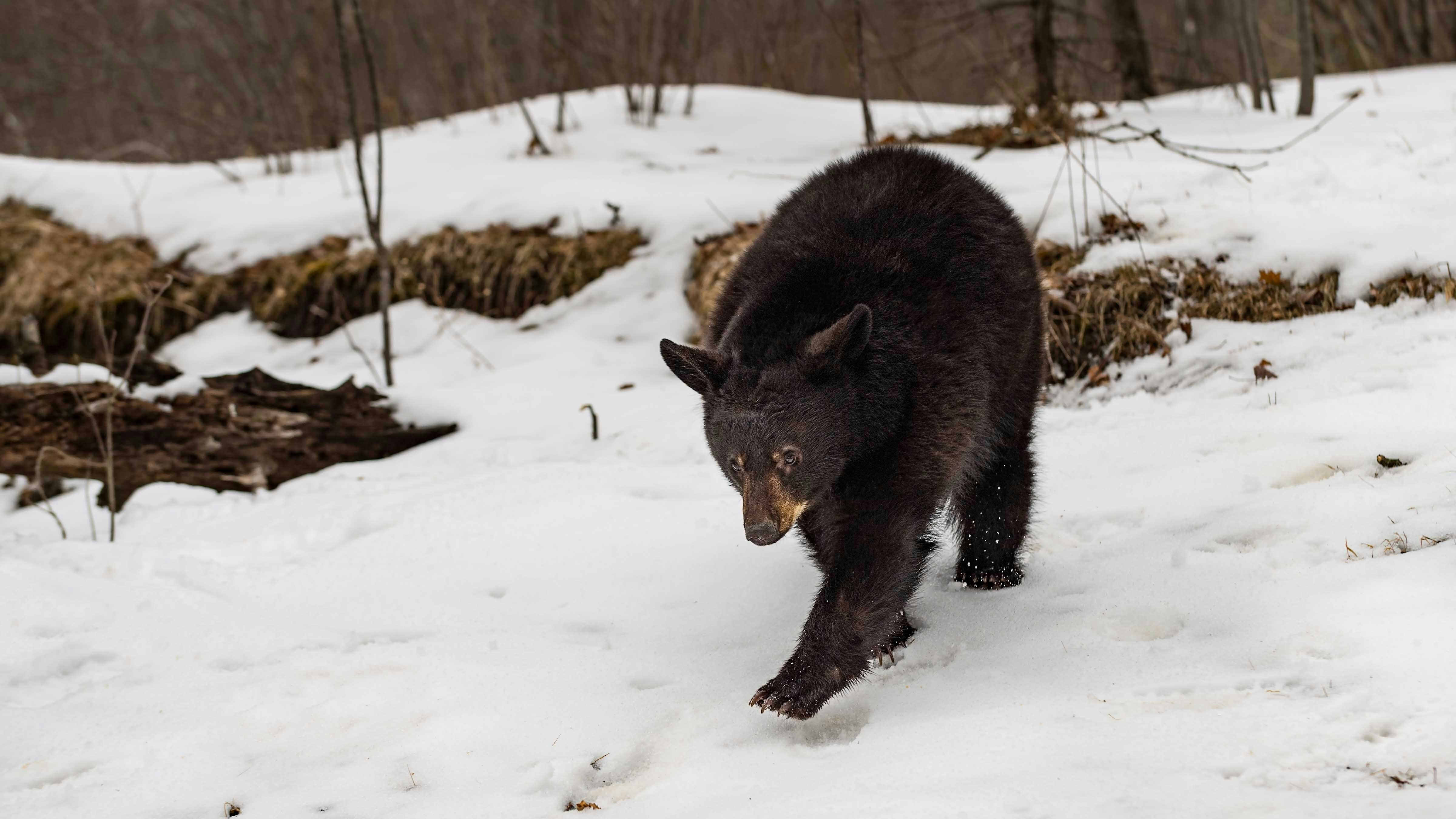
That makes her comparable to another Wyoming wildlife mom of an impressively advanced age, Grand Teton’s 28-year-old Grizzly 399. She recently emerged from hibernation with her super-sized yearling cub.
It’s not known how many pups are in Wolf 907F’s latest litter, Cassidy said. Wolf pups don’t emerge from the den until they are several weeks old.
“We haven’t seen them (the pups) yet,” Cassidy said. “We know that she’s lactating and nursing. She’ll come out of the den to get some water and when other wolves from the pack bring her food.”
It’s an established routine for Wolf 907F, who is a member of the Junction Butte wolf pack and had her first litter in 2015.
“She knows what she’s doing,” Cassidy said. “She’s been doing this for a while.”
Wolves Almost Never Make Senior Status
Wolf 907F still appears to be in good health, but time is catching up with her.
“She’s getting close to that maximum age you can reach as a wolf,” Cassidy said.
Wolves age at about the same rate “as a really big breed of dog,” so their biological clocks allow for about 10-12 years maximum, Cassidy said.
The longest-lived wild wolf was probably one in Idaho that nearly reached age 14, she said.
However, “most wild animals don’t die of old age,” and wolves are certainly no exception, Cassidy said.
The average three- to four-year wolf lifespan is due largely to them getting killed in one of three ways.
The most common cause of death is fighting with other wolves from rival packs.
Wolves are frequently fatally kicked, stomped or gored trying to bring down large prey animals.
And human-caused deaths — such as being shot by hunters or struck by vehicles — are also common.
“Say you had 100 wolves. About 50 would likely be killed by other wolves, 15 would be killed trying to take down prey, and 10, 15 or even 20 will die by human causes,” Cassidy said.
The lives of wild wolves are tough and dangerous, and 907F hasn’t come through unscathed.
She lost her left eye at around age 4.
“We don’t know how it happened, whether it got poked out by a stick or maybe an antler when she was hunting,” Cassidy said. “It’s not completely gone. It’s not an empty socket. But it’s shrunken in, and it’s not a functional eye.”
It’s The Little Things That Matter
Wolf 907F’s exceptionally long life can be credited partly to luck, but also to her savvy, Cassidy said.
Over the years, the elderly wolf has seemed to watch out for “the little things,” such as looking both ways before crossing a highway, she said.
She’s become over the years a wise matriarch for her pack, helping to keep the other wolves out of trouble.
“An older wolf can know even simple things, like where it’s safest to cross a river during flood stage,” Cassidy said.
The Junction Butte pack rarely strays outside of Yellowstone park, which has kept it mostly safe from human hunters.
It’s also a large pack, which gives the Junction Butte pack an edge in brawls with other packs. It currently has nine members, but in times past has included up to 35 wolves.
The Junction Butte wolves eat well because they sometimes hunt bison. The pack usually goes for bison calves, but will attempt to take down adult bison during the winter when deep snow gives them an advantage.
Wolf 907F has proven herself to be a great hunter, but with age, she’s also taken the smart approach, Cassidy said.
“She can kind of let younger, stronger wolves take on that really dangerous act (of dragging a bison down) and then she can come in and still benefit from a large animal,” she said.
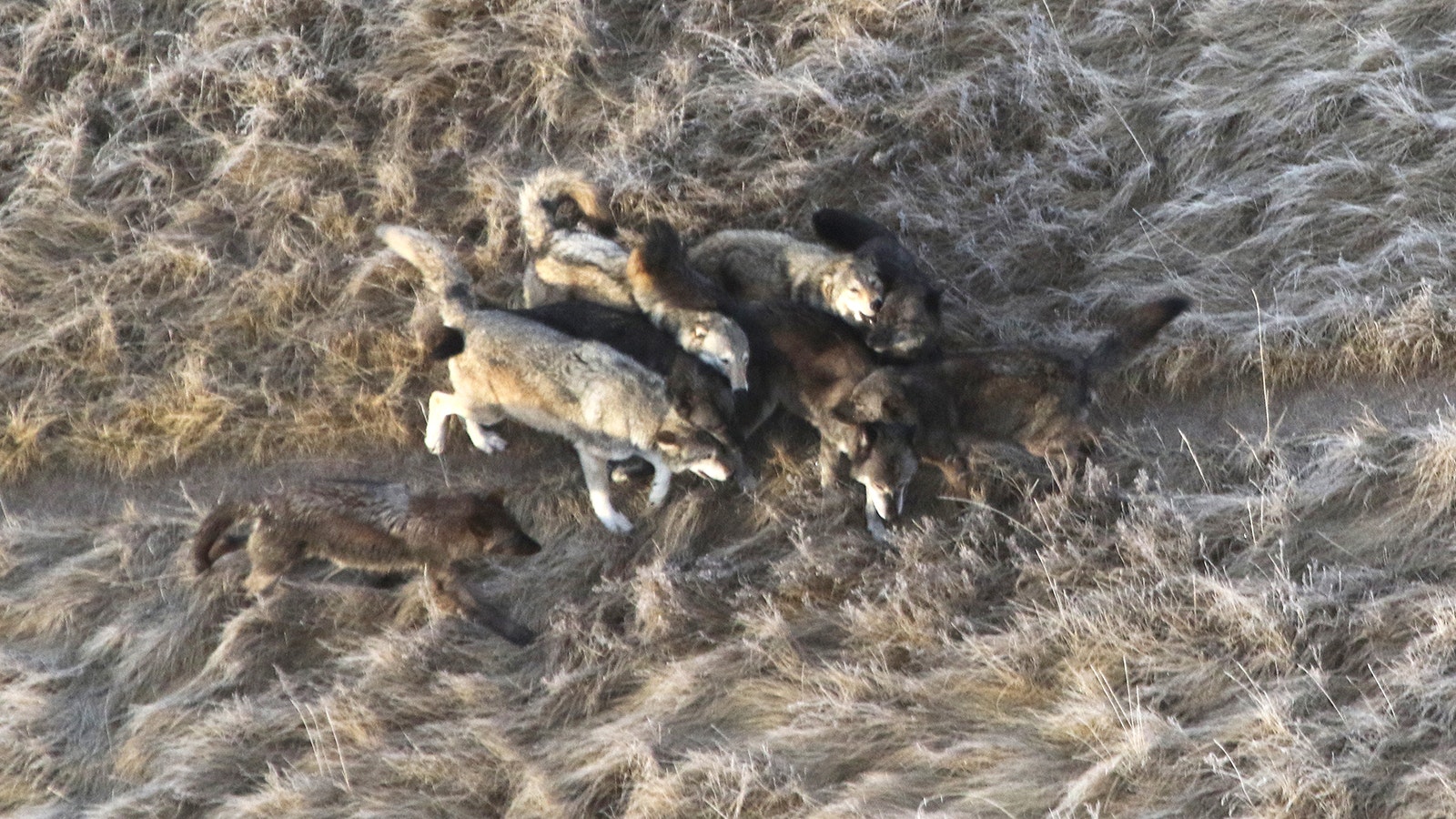
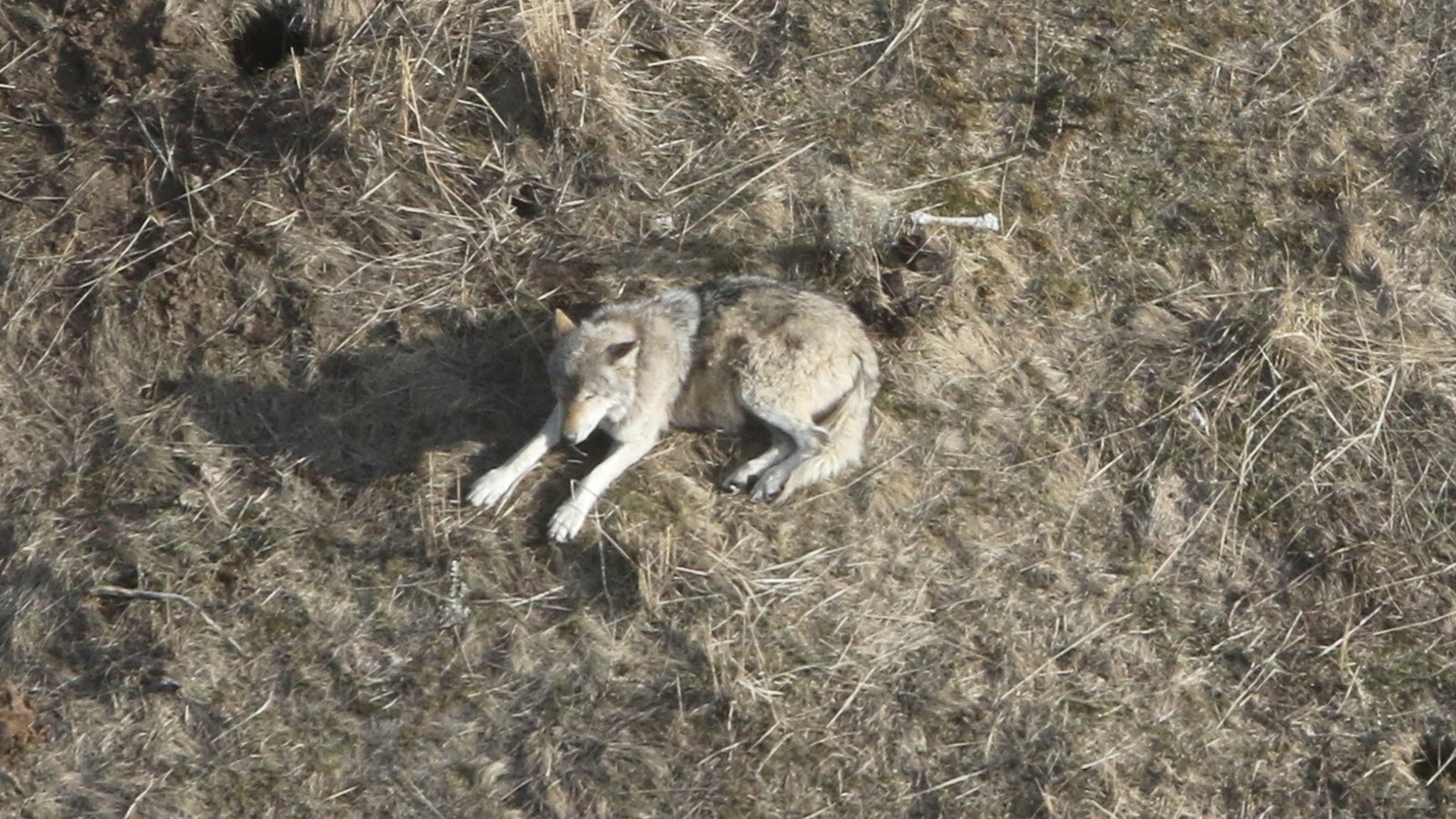
One of Yellowstone’s oldest wolves, Wolf 907F is pictured here with her pack last year. She’s the gray collared wolf on the lower left. (Courtesy Yellowstone Wildlife Project) 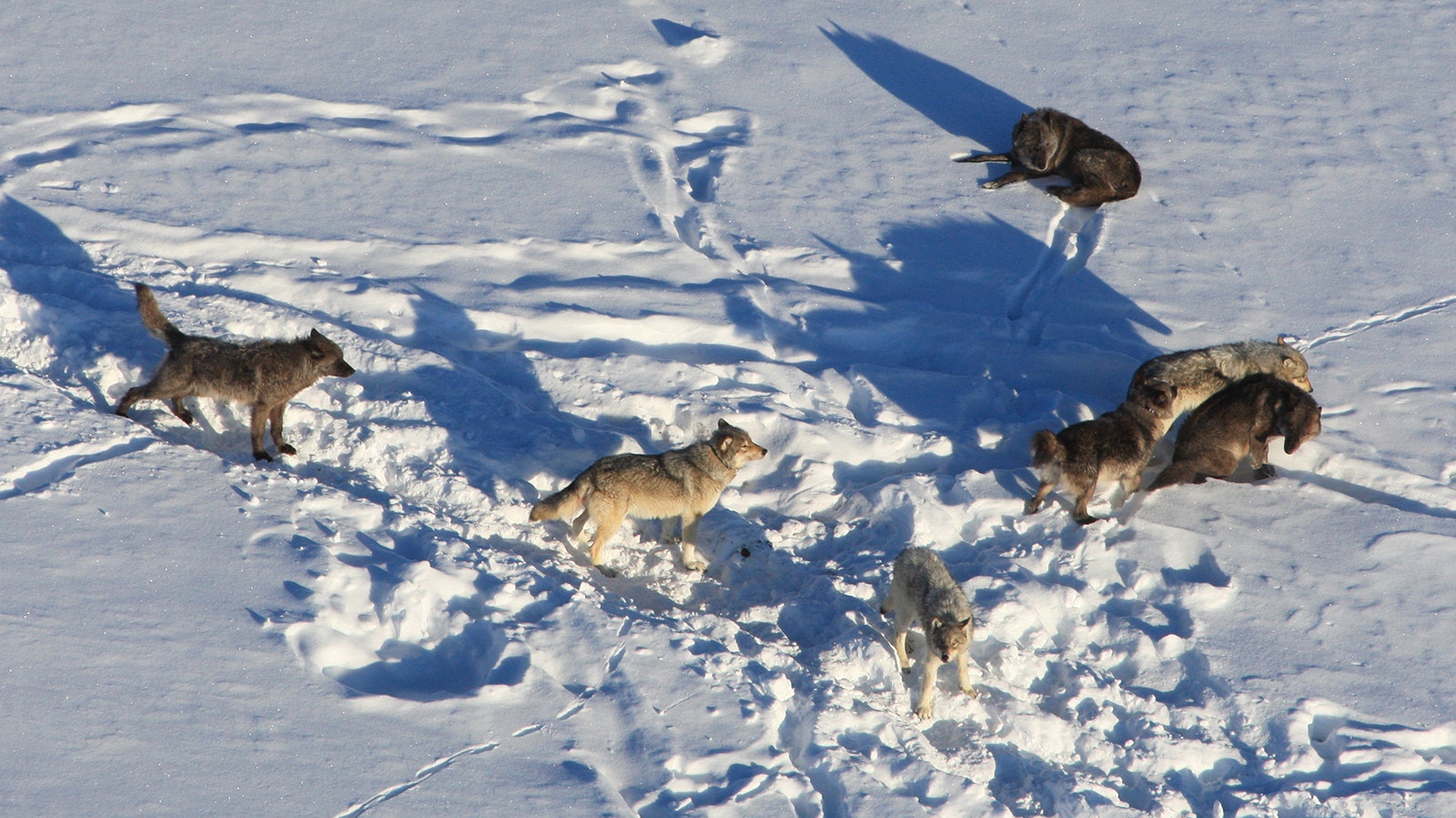
At age 11, Yellowstone’s Wolf 907F – the gray wolf in the center of this photo from 2020 – has lived more than double the typical lifespan of wolves in the wild. (Courtesy Yellowstone Wildlife Project) 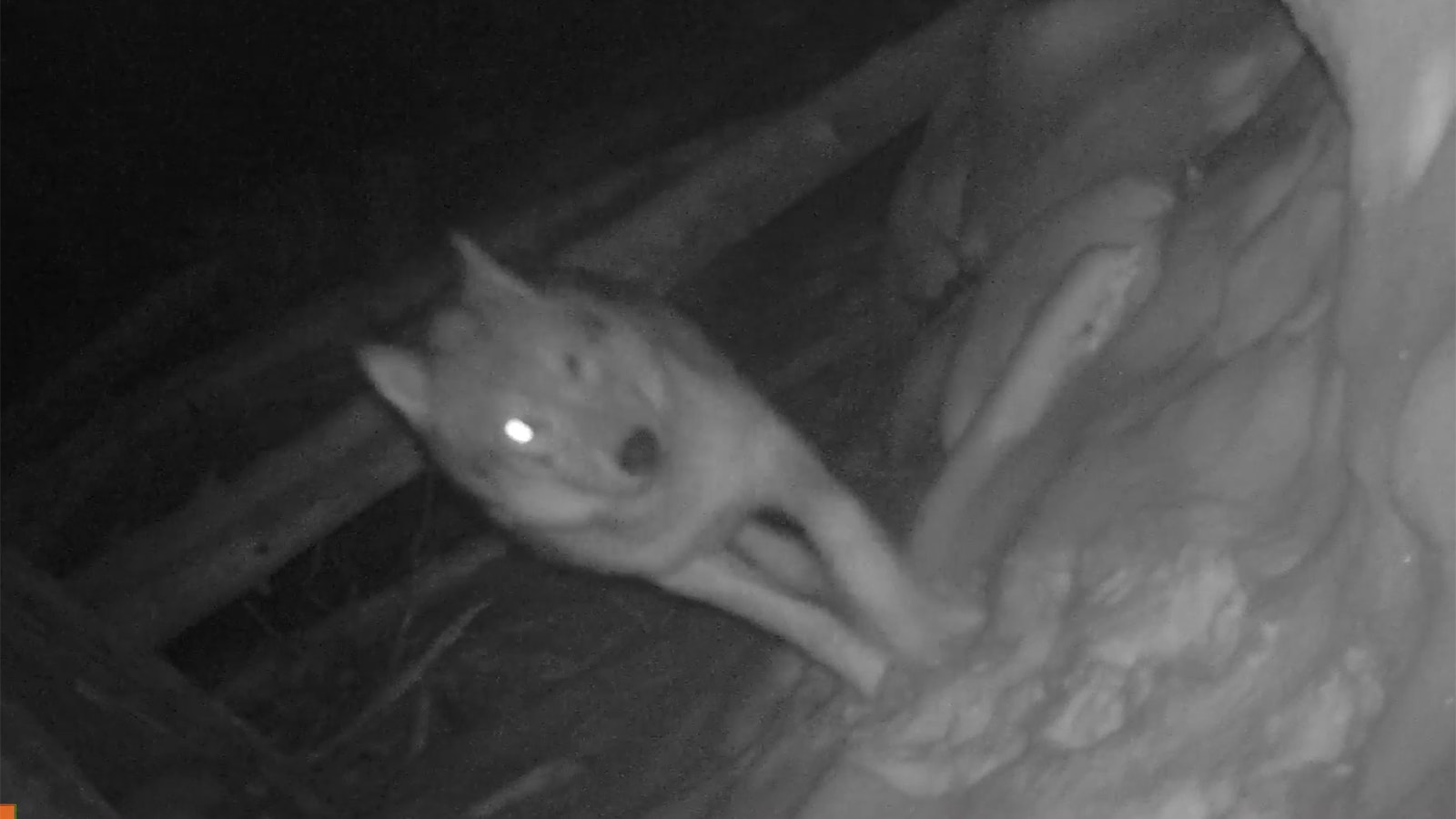
Wolf 907F, Yellowstone's aging matriarch at 11 years old, only has one eye. She's the fourth wolf to pass by this trail cam. (Courtesy Yellowstone Wildlife Project)
No Telling How Many Pups
Exactly how many pups Wolf 907F has had over the years is essentially impossible to know, Cassidy said.
The Junction Butte pack has frequently had more than one female birthing pups, and the pups are usually raised all together. So, there’s no telling which pups belong to which mom.
“With genetic testing, we have confirmed that there have been at least five wolves that have survived into their first or second year that she’s been the mother of,” Cassidy said.
As to Wolf 307F still giving birth at such an advanced age, “wolves don’t go through menopause, or at least there’s no evidence of that,” she added.
Regardless of how much longer Wolf 907F lives, she’s firmly established herself as a Wyoming wildlife legend that beat the odds.
“I’m sometimes shocked that she’s lived this long, but it makes sense,” Cassidy said.
Given Wolf 907F’s smarts, experience and large pack, “she can navigate those three most dangerous things that a wolf has to deal with,” she said.
Mark Heinz can be reached at mark@cowboystatedaily.com.