“Meet Me at the Wort” used to be a common refrain in Jackson. Even before the Silver Dollar Bar was added in 1950, the hotel featured a bar/lounge that provided an informal assembly of the town’s movers-and-shakers and the valley’s dusty cowboys.
In 1941, John and Jess Wort envisioned their livery stable should become an upscale hotel (at least fancier than the other two lodging establishments at the time — Hotel Jackson and Crabtree Inn) that would be a community gathering place.
The Wort Hotel and the attached Silver Dollar Bar have been exactly that for 83 years — an institutionalized gathering place to drink and dine.
Home to an array of users — civic groups of all kinds, the Cattleman’s Association, political groups, the chamber of commerce and various rodeo clubs — “meet me at the Wort” has always been more than a slogan.
Power players still hold regular coffee roundtables on select mornings. Relaxed two-hour lunches featuring a burger and a beer (and maybe a real estate deal) are a frequent occurrence. And when the sun goes down, the Silver Dollar Bar hosts all kinds, from barflies to tourists to swing dancers.
Piggin’ Out On Tuesdays
First of all, locals rarely refer to the Silver Dollar Bar by its name. Most just say they are going to the Wort, in reference to the hotel the Silver Dollar is in.
It’s standing-room-only on a Tuesday in April. It’s supposed to be the off-season, but the place is packed.
A frisky, greasy-haired hippy chick is grinding her backside into a tattooed poser wearing Carhartts and a Peaky Blinders newsboy cap. The twerking is not the worst this grand ol’ bar has seen, but its oddly incongruent with the bluegrass One Ton Pig is laying down.
Bill Monroe likely never envisioned anyone backing their thang up while strumming his mandolin.
One Ton Pig has probably played something like 750 shows at the Silver Dollar. It’s been a regular on Tuesdays for 17 years. So, there is little the six-piece ensemble hasn’t seen.
Owner Bill Baxter ordered a bar expansion in 2015 as a revival of the showroom from its glory days. It gives dancers more room, he said. It’s been called the “House That Pig Built.”
“We’re going way down south for this one,” a band member said while his compatriots fiddled with their tuning.
“Oh great, here come some Charlie Daniels Band,” you think before OTP launches into a jangly cover of Men at Work’s
“Down Under.”
“Well played, mates,” you say, lifting a Blue Moon salute pretending it’s a Foster’s.
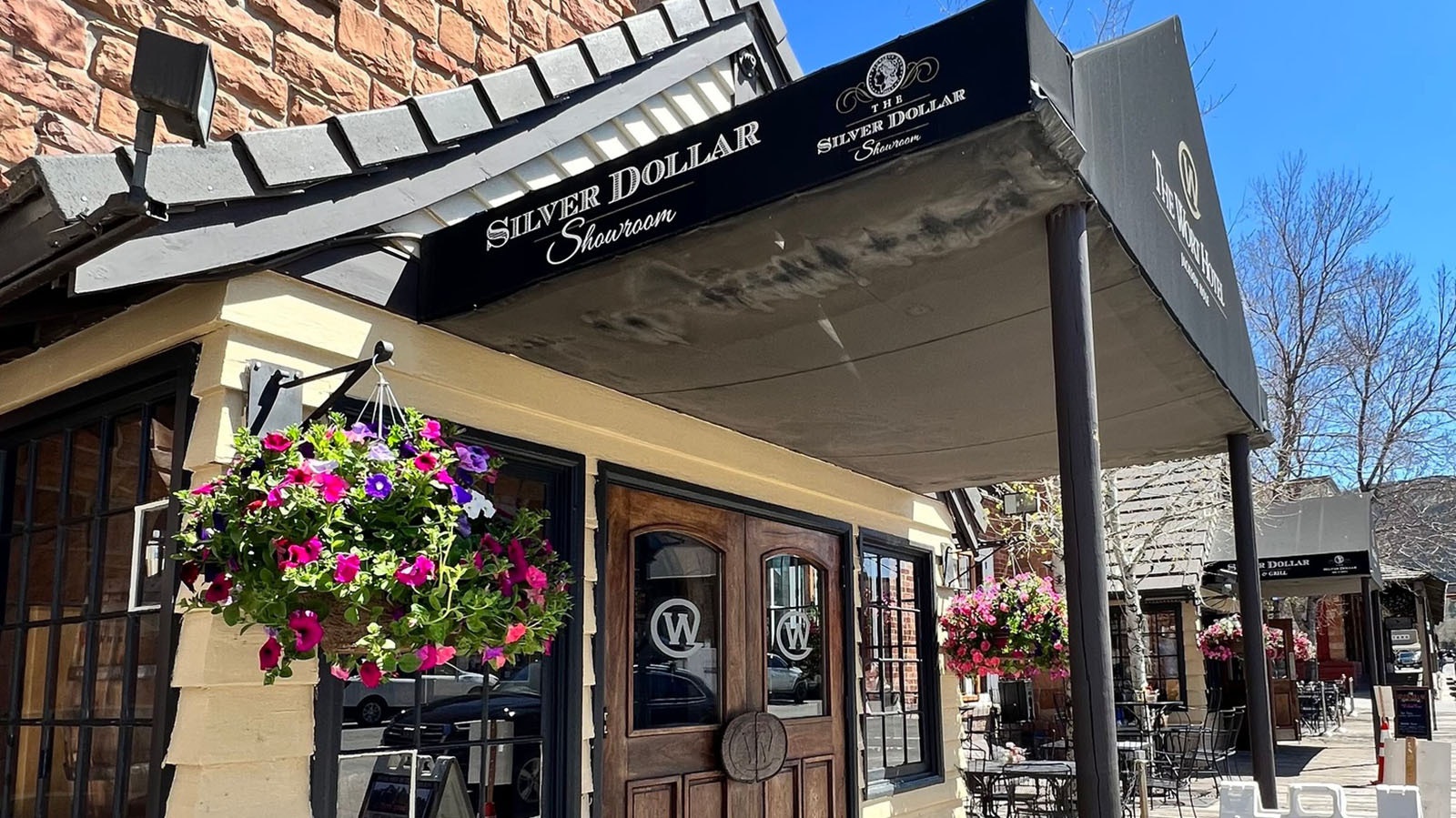
The Silver Dollar Bar in The Wort in Jackson is a go-to spot in a town full of go-to spots. (Silver Dollar Bar and Grill via Facebook) 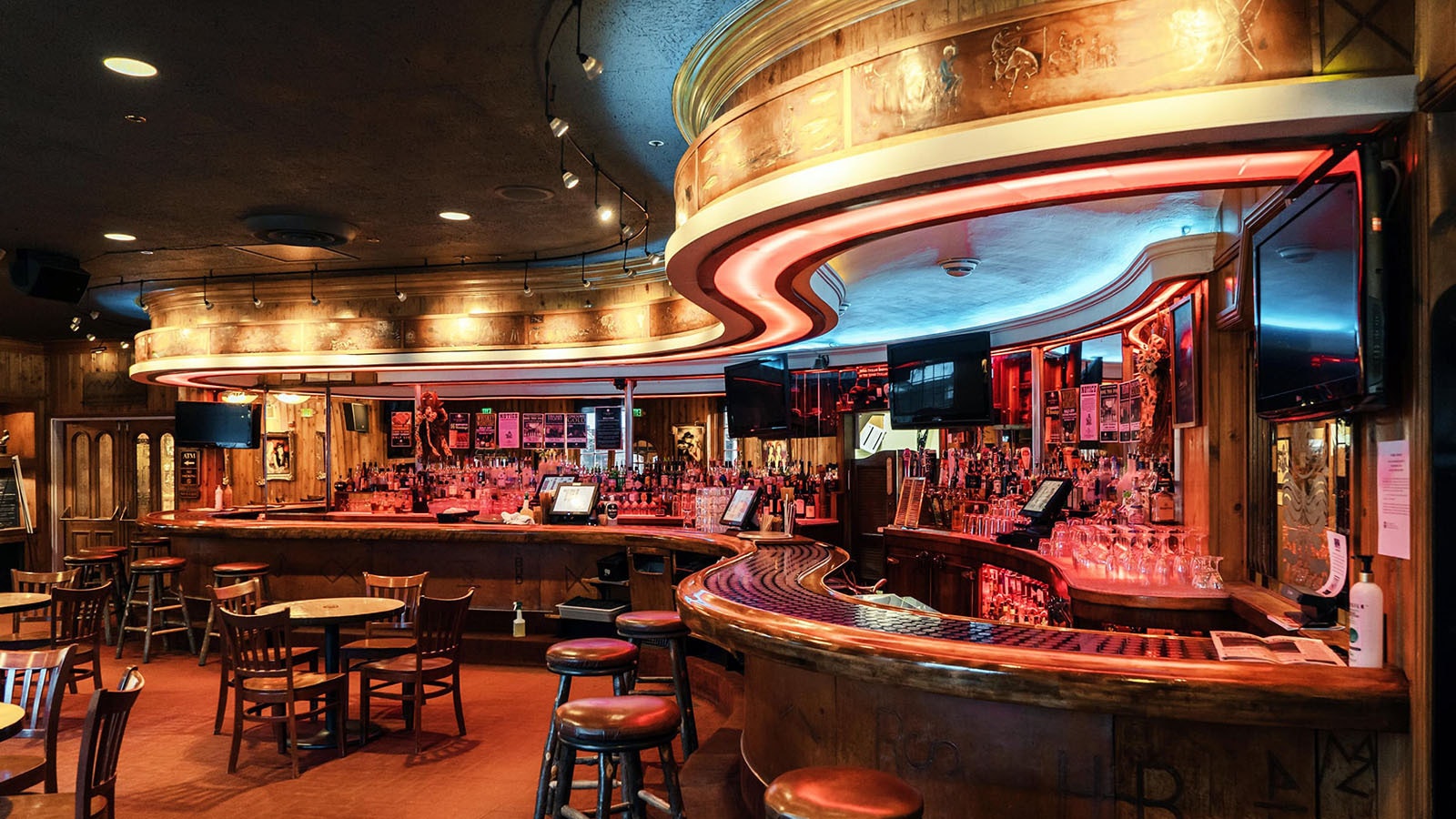
The iconic bar at the Silver Dollar in Jackson is a throwback to Harold’s Club Silver Dollar Bar in Reno, Nevada. (Silver Dollar Bar and Grill via Facebook) 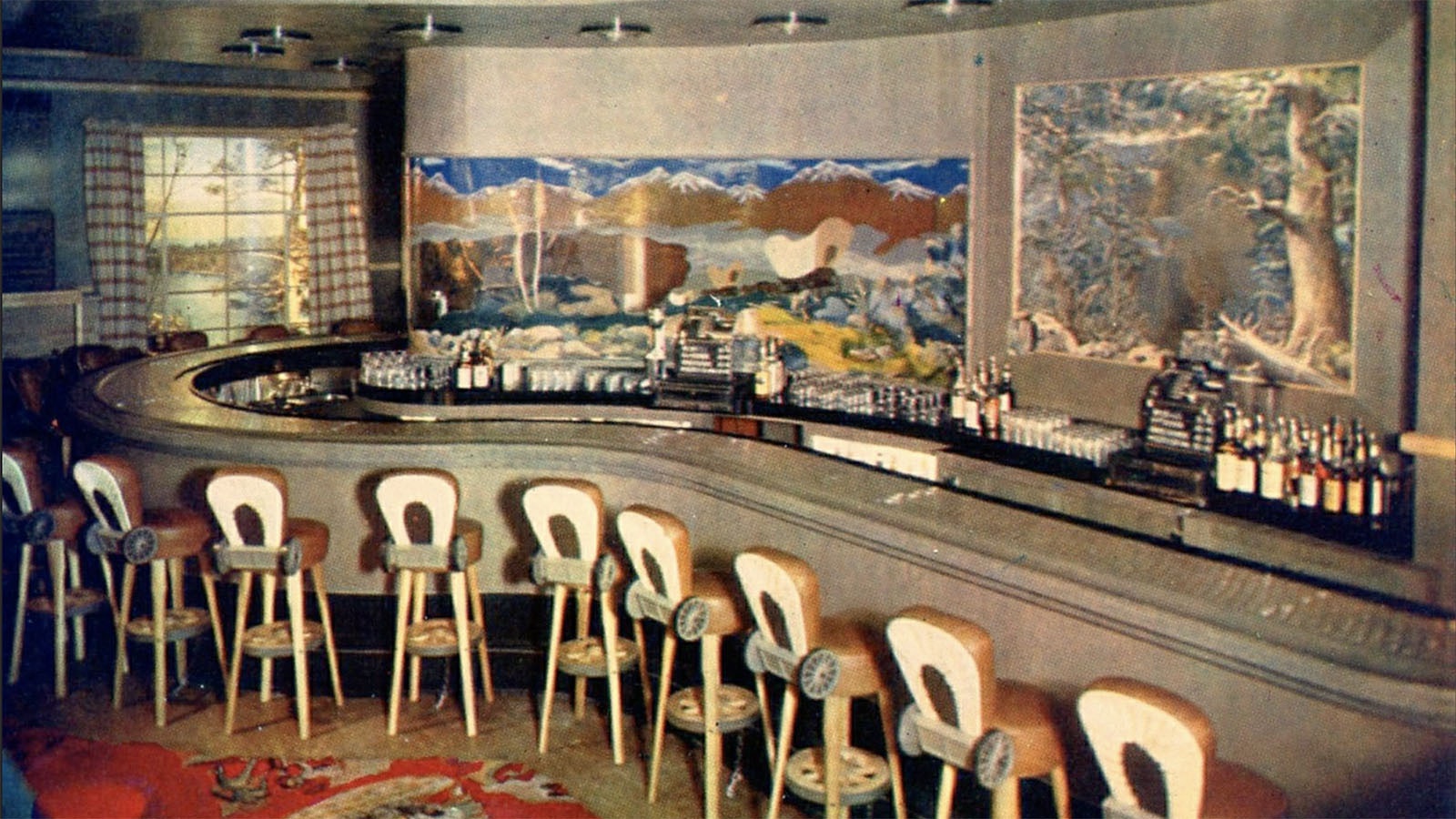
The Silver Dollar Bar in Jackson, Wyoming, found its inspiration from Harold’s Club Silver Dollar Bar in Reno, Nevada. (Courtesy Photo) 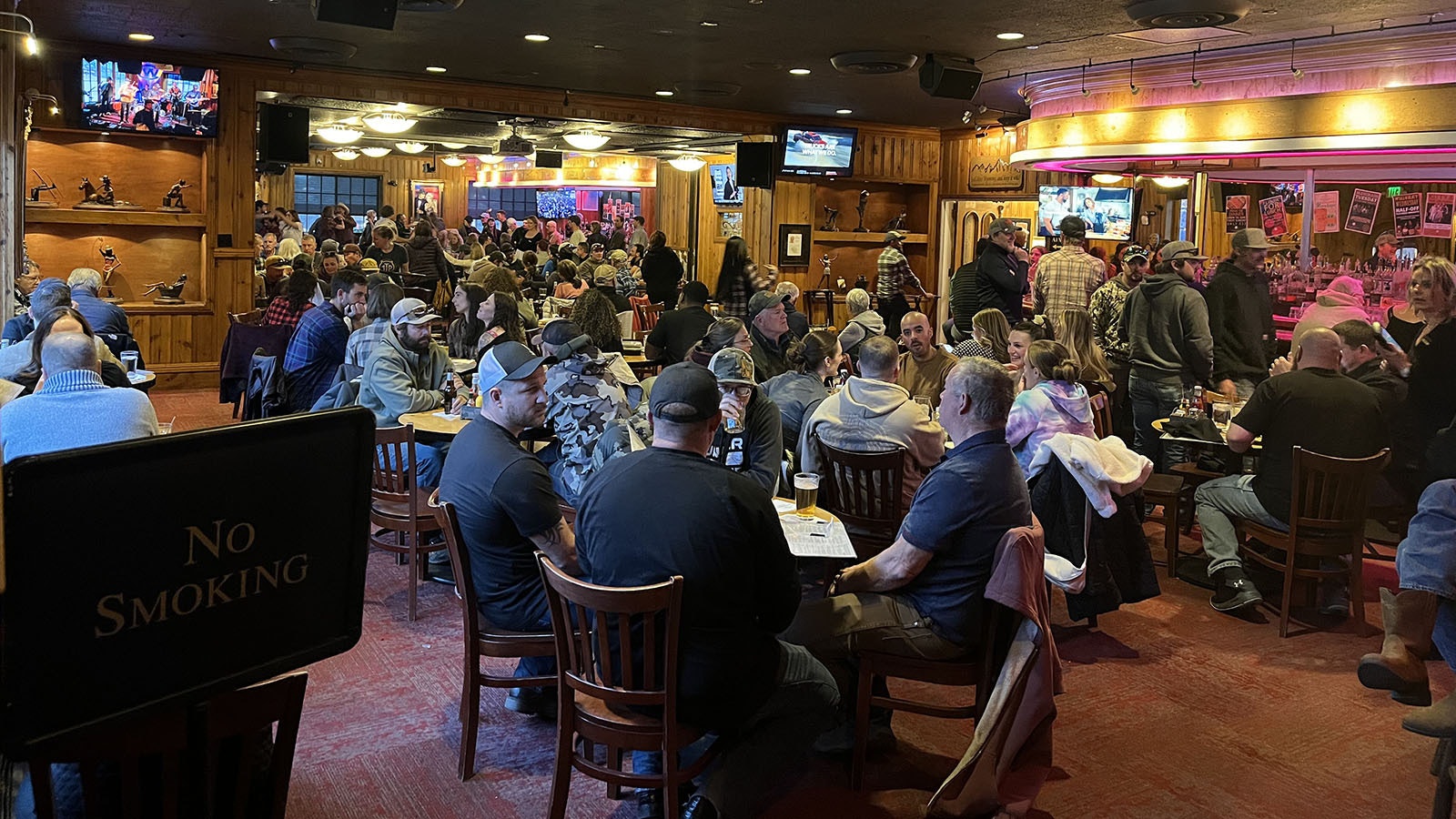
Original section of the Silver Dollar before expansion to the rear. (Jake Nichols, Cowboy State Daily) 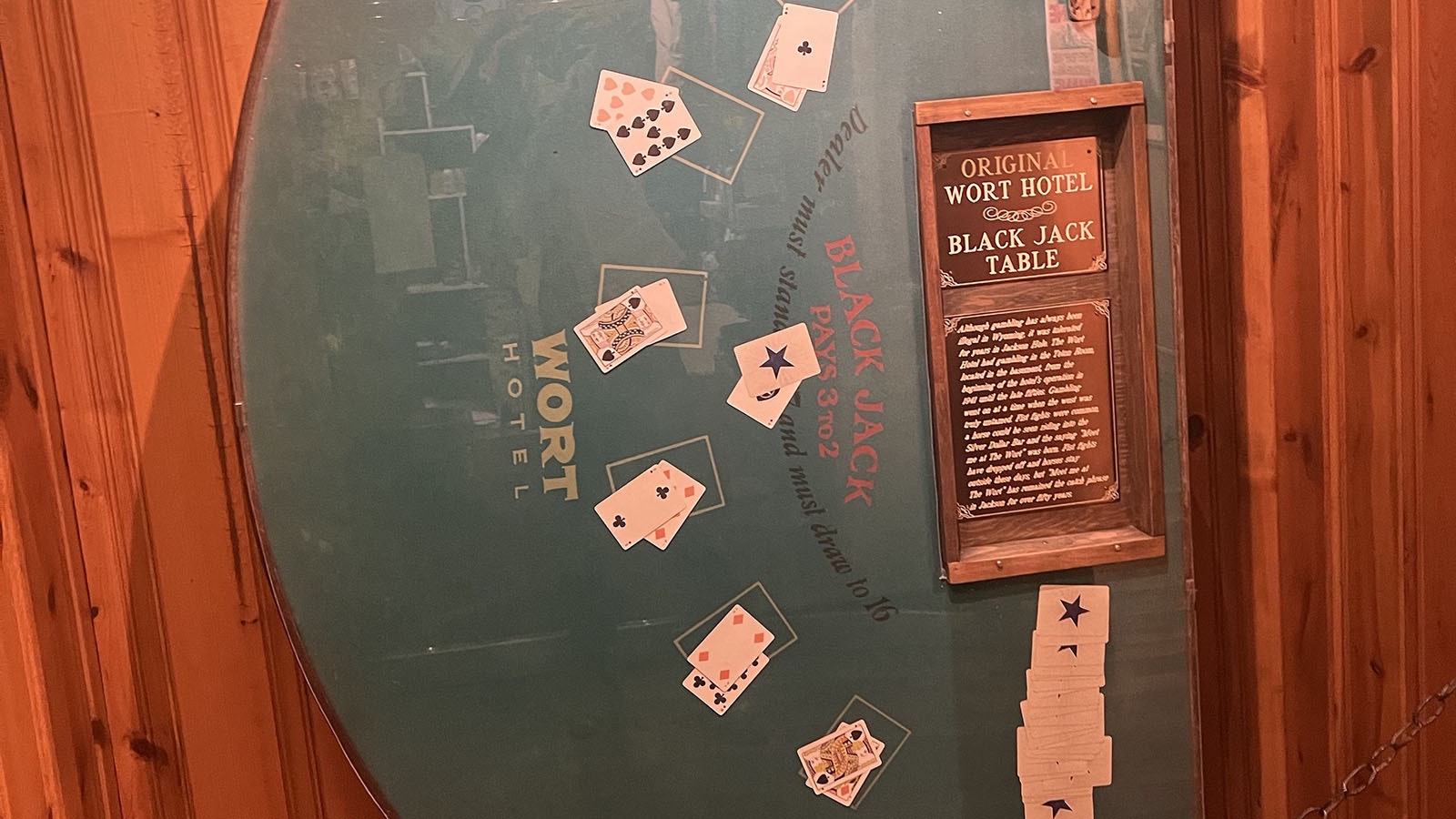
Original blackjack table used at the Silver Dollar Bar. (Jake Nichols, Cowboy State Daily) 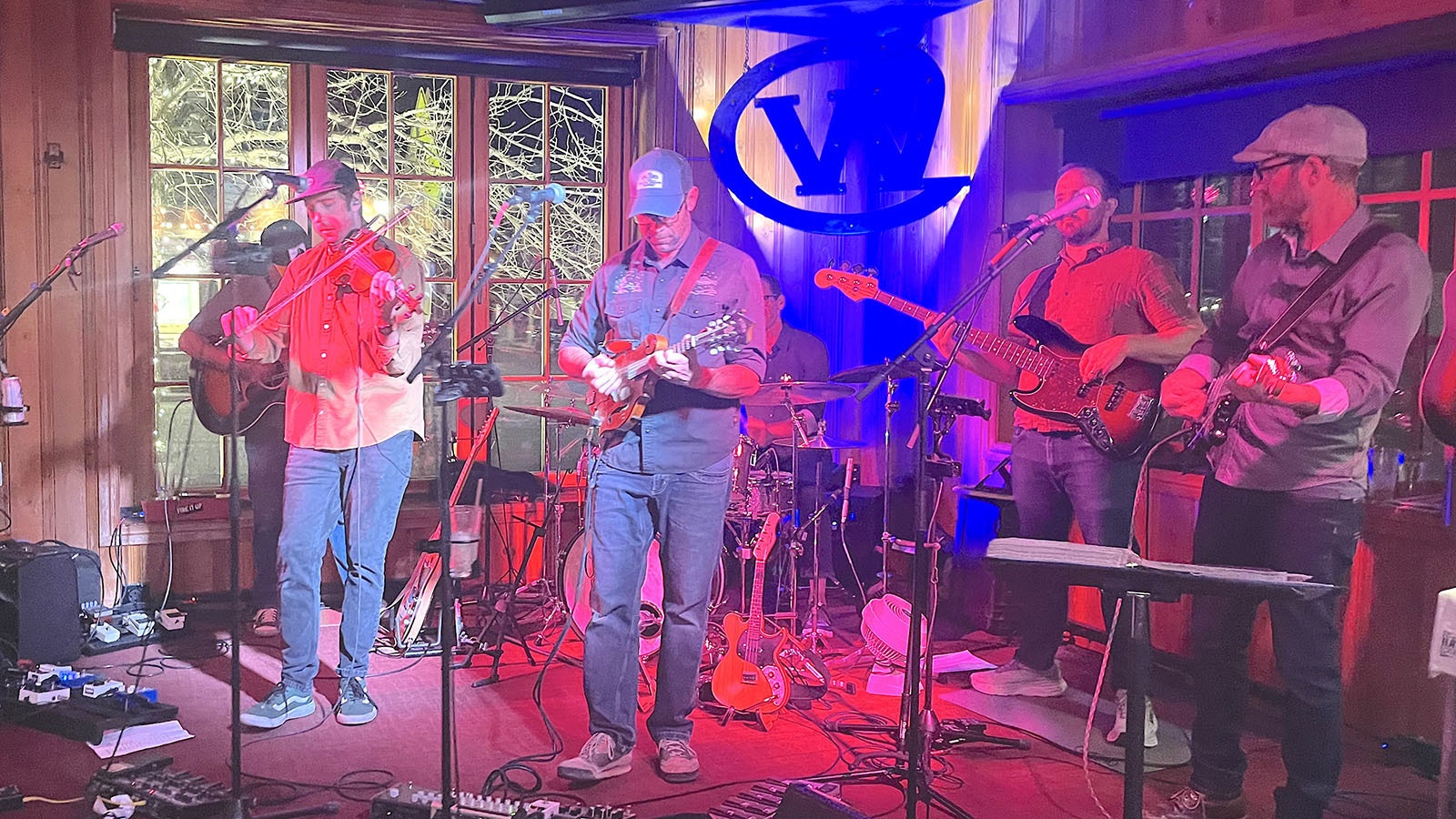
One Ton Pig gets its jam on at the Silver Dollar, known for its live music and active dance floor. (Jake Nichols, Cowboy State Daily) 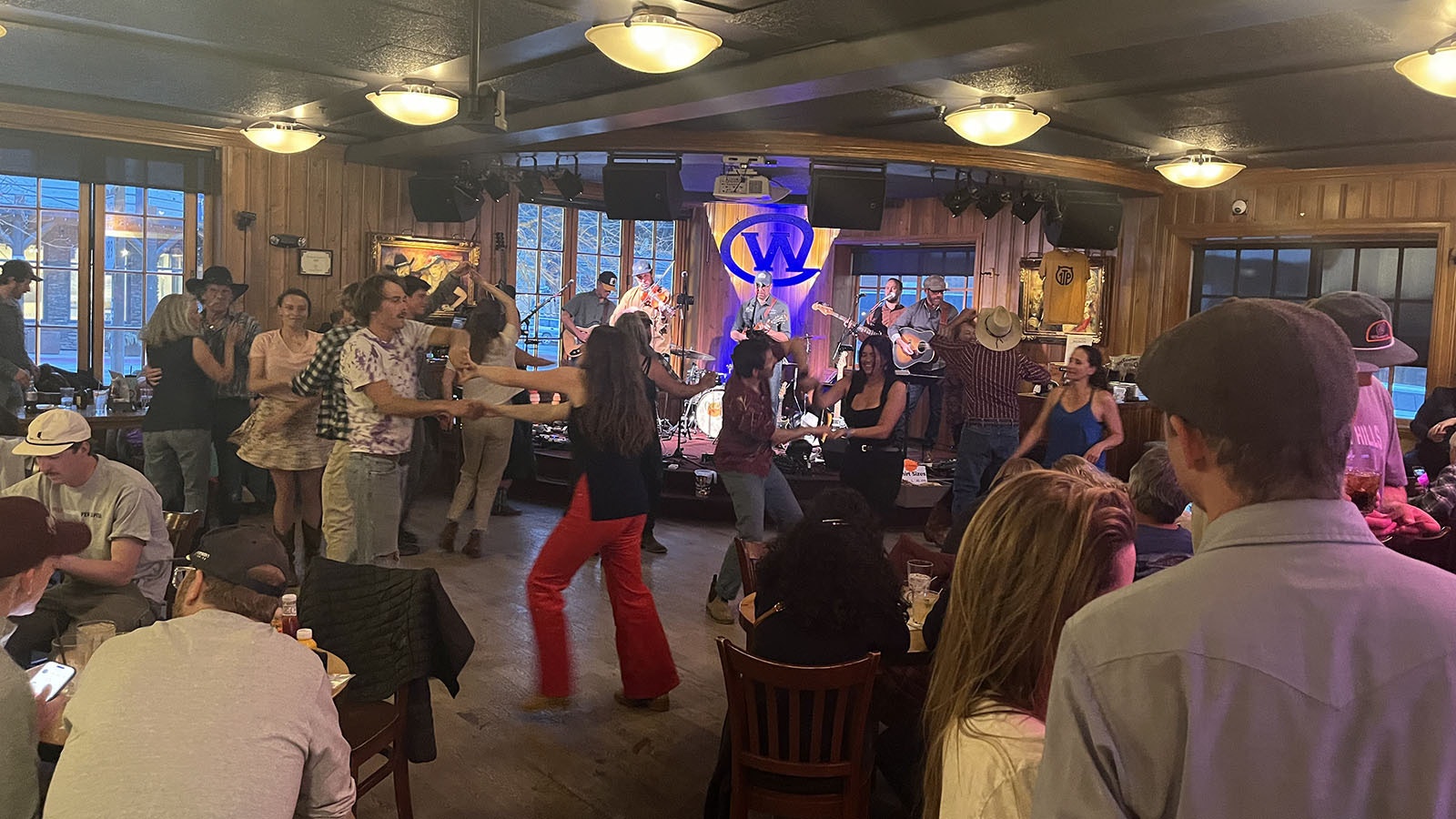
New expansion added in 2015 provides for more dancing room. (Jake Nichols, Cowboy State Daily)
Star-Studded Stage
One Ton Pig might be the longest-playing act to appear at the Silver Dollar, but they share the limelight with a few other noteworthy artists.
Willie Nelson played here. He and some buddies from Texas were in town for a week to hunt and fish sometime in the early 1960s. Willie was not very well known at the time, but house regular Garn Littledyke sure knew who he was.
Littledyke invited Nelson onstage to sing a few numbers with his trio, but it didn’t go over well.
“Everyone just wanted to dance,” Littledyke said.
Bing Crosby was once identified in the Silver Dollar after a band played one of his numbers and someone shouted from the back, “Who’s that singing Bing Crosby?”
“That’s me,” the band’s singer answered, chuckling. “I am Bing Crosby.”
Another man in the audience stood up and said, “No you’re not, I am.”
And it was, indeed, the famed crooner.
The hotel and bar played host to the cast of “Shane” in 1951 and “Spencer’s Mountain” in 1962. It was during the shooting of “Spencer’s Mountain” that famed wild child and sometimes Wort server Margene Jensen became romantically involved with Henry Fonda.
He was 57, she was 24.
The Hollywood legend asked for Margene’s hand and the Star Valley girl turned him down flat.
Margene is a story herself. Granddaughter of an LDS bishop, the Afton high schooler snuck into the Silver Dollar Bar over and over again in the summer of 1955. She just wanted to see the shows. But she was only 17.
Jensen turned 18 that summer and, as luck would have it, took a job at the Silver Dollar. She was an awful waitress but got better. “Goddess of the Firewater,” her friends called her.
When not working the Silver Dollar, Jensen could be found taking ballroom dancing lessons in San Francisco while learning to be a nurse. She spent time in Florida raising 500 greyhounds. There was a marriage to a golf pro in Rancho Mirage, dealing blackjack at Harrah’s in Lake Tahoe, even a job at Prudhoe Bay, Alaska, when the oil boom was on.
But Jensen always came back to Jackson and to the Silver Dollar Bar. As many times as she was 86’d there, she always owned the joint.
Melting Pot Of A Dance Floor
My dimpled server does not know what Shiner Bock is. I'm disappointed. All of Texas is mortified.
“They have it over at the Cowboy Bar,” I plead.
“They’re different than us,” the server says.
Both the Wort and Cowboy Bar are owned by Tennessean Bill Baxter, who has been a faithful steward of the properties and their past while pushing to make them even better. The Cowboy Bar might be better known for its longnecks. The Silver Dollar boasts an extensive list of original cocktails, but I'm in a beer mood.
I settle on a Blue Moon and notice the evening’s first dance floor fumble.
Every night, regardless of the venue, a drunk man overestimates his own strength or his dancing partner’s momentum, and down she goes. It usually happens on the big dip at song’s end, but later in the night the body count turns higher and both men and women bite sawdust.
Now here comes an Ivy League preppy wearing a Brooks Brothers tennis sweater draped over his shoulders, tied at the arms. It’s a look so contrived it was often used in 1980s movies to signify upper-crust yachting-club wealth.
His trophy wife is wearing everything Kemo Sabe Jackson has on the showroom floor. She carries an oversized Hermes bag worth more than the truck you drove here in. In it sits a bottle of wine and a designer dog with bug eyes and a fresh shampoo.
You silently dare them to dance.
One Ton strikes up Grateful Dead’s “Deep Ellum Blues” and the harmonies are sublime.
Tasha from Tasha & the Goodfellows is here. You haven’t lived until you hear the throaty singer belt a rendition of “Route 66.” Her band plays the Silver Dollar in two days.
It’s Josh’s birthday, says bandleader Michael Batdorf. A smattering of applause is cut short as a hot girl walks to the bar and stands next to the TV. Suddenly, every guy in the place is the world’s biggest hockey fan.
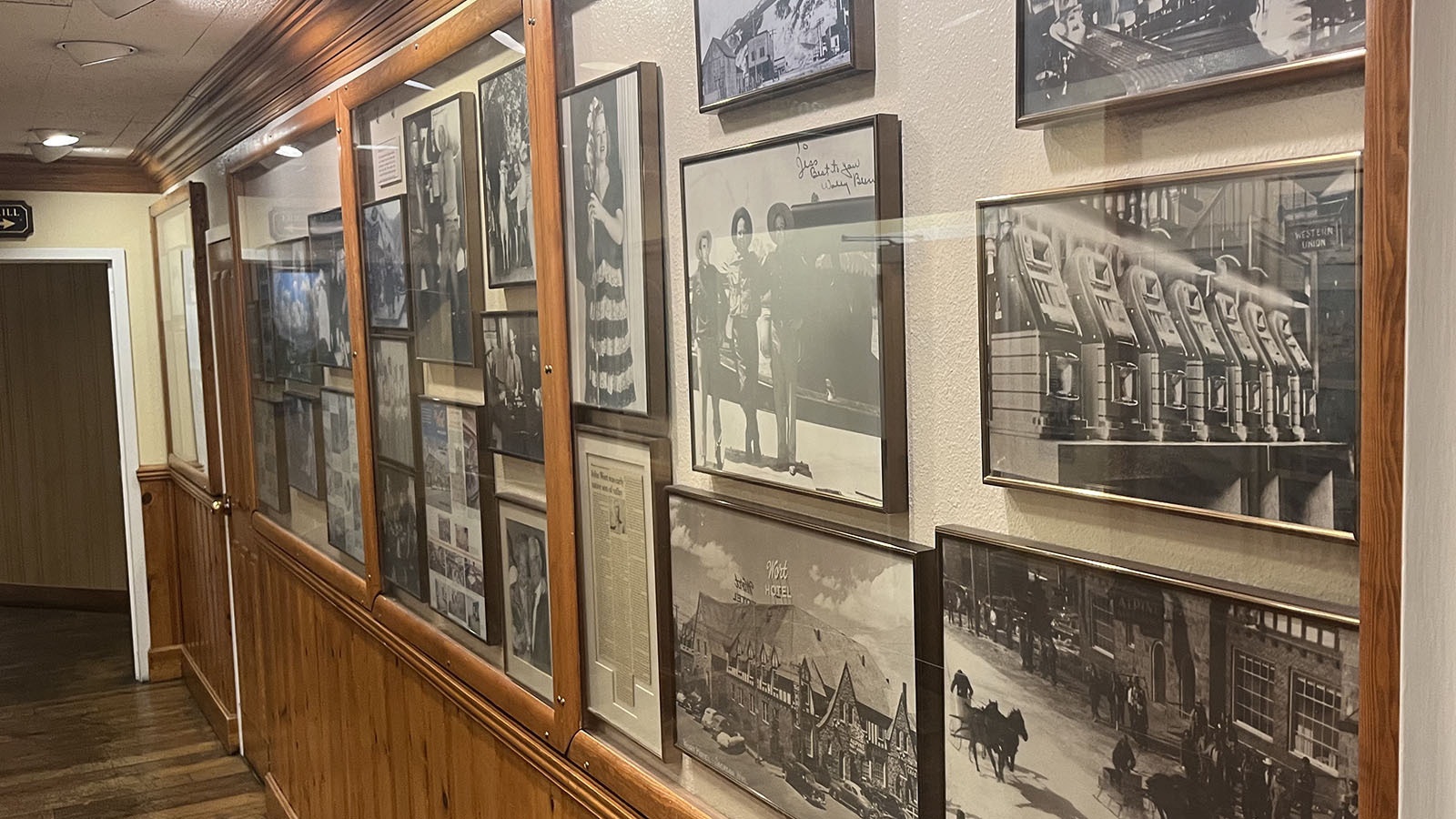
The walls at the Silver Dollar Bar in The Wort Hotel in Jackson, Wyoming, is a who's who of the past and present at the iconic watering hole. (Jake Nichols, Cowboy State Daily) 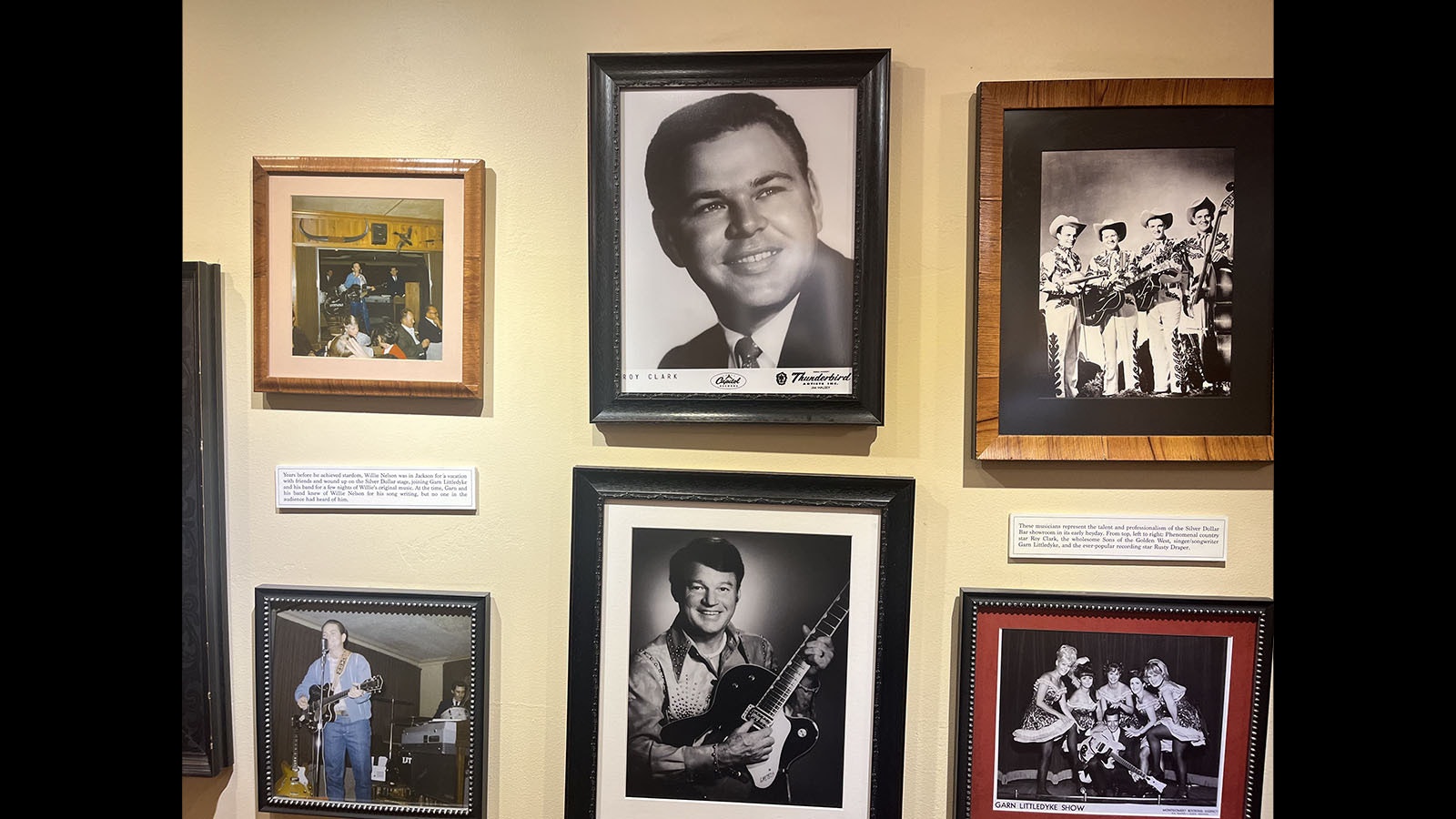
The walls at the Silver Dollar Bar in The Wort Hotel in Jackson, Wyoming, is a who's who of the past and present at the iconic watering hole. (Jake Nichols, Cowboy State Daily) 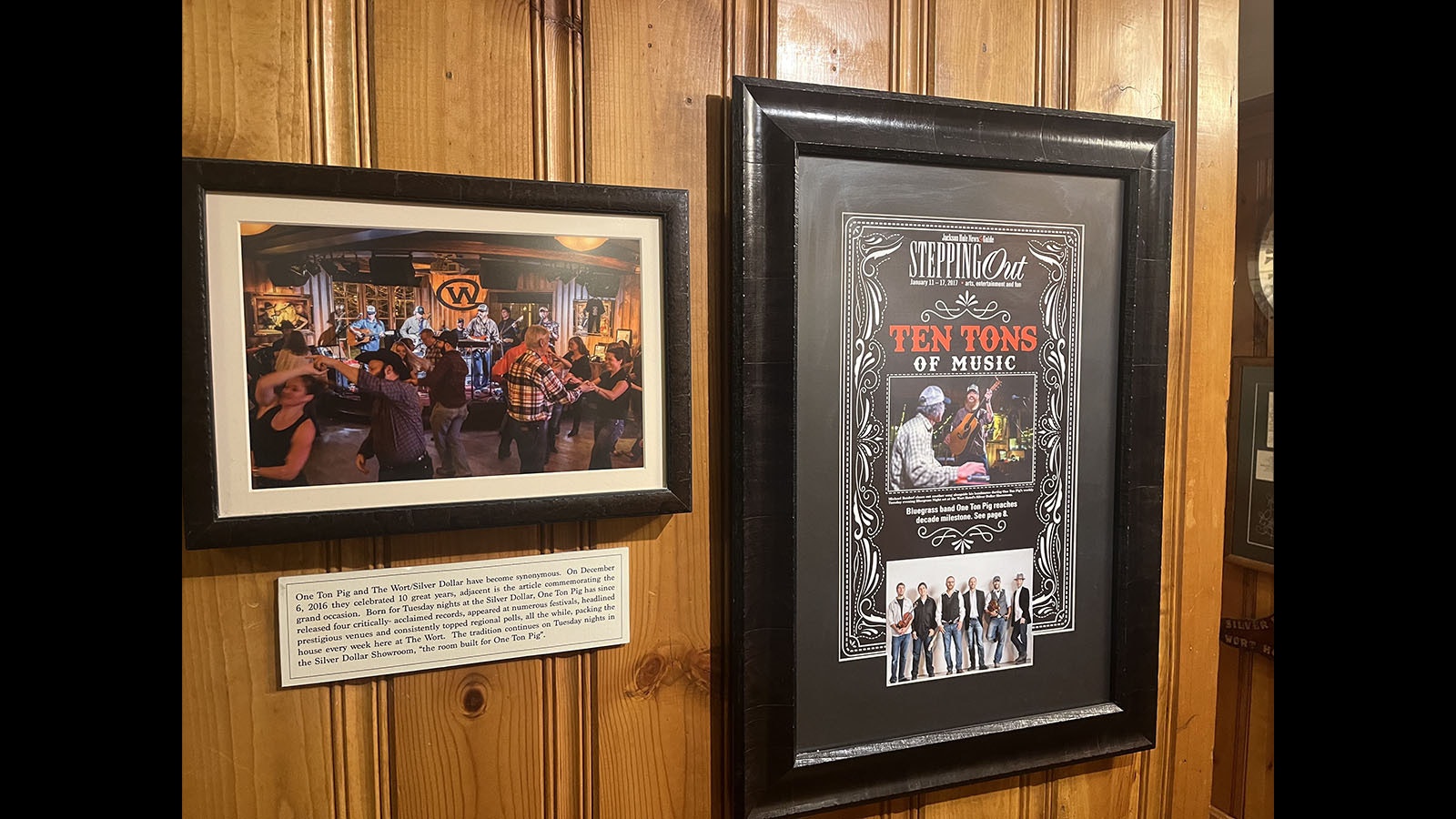
The walls at the Silver Dollar Bar in The Wort Hotel in Jackson, Wyoming, is a who's who of the past and present at the iconic watering hole. (Jake Nichols, Cowboy State Daily) 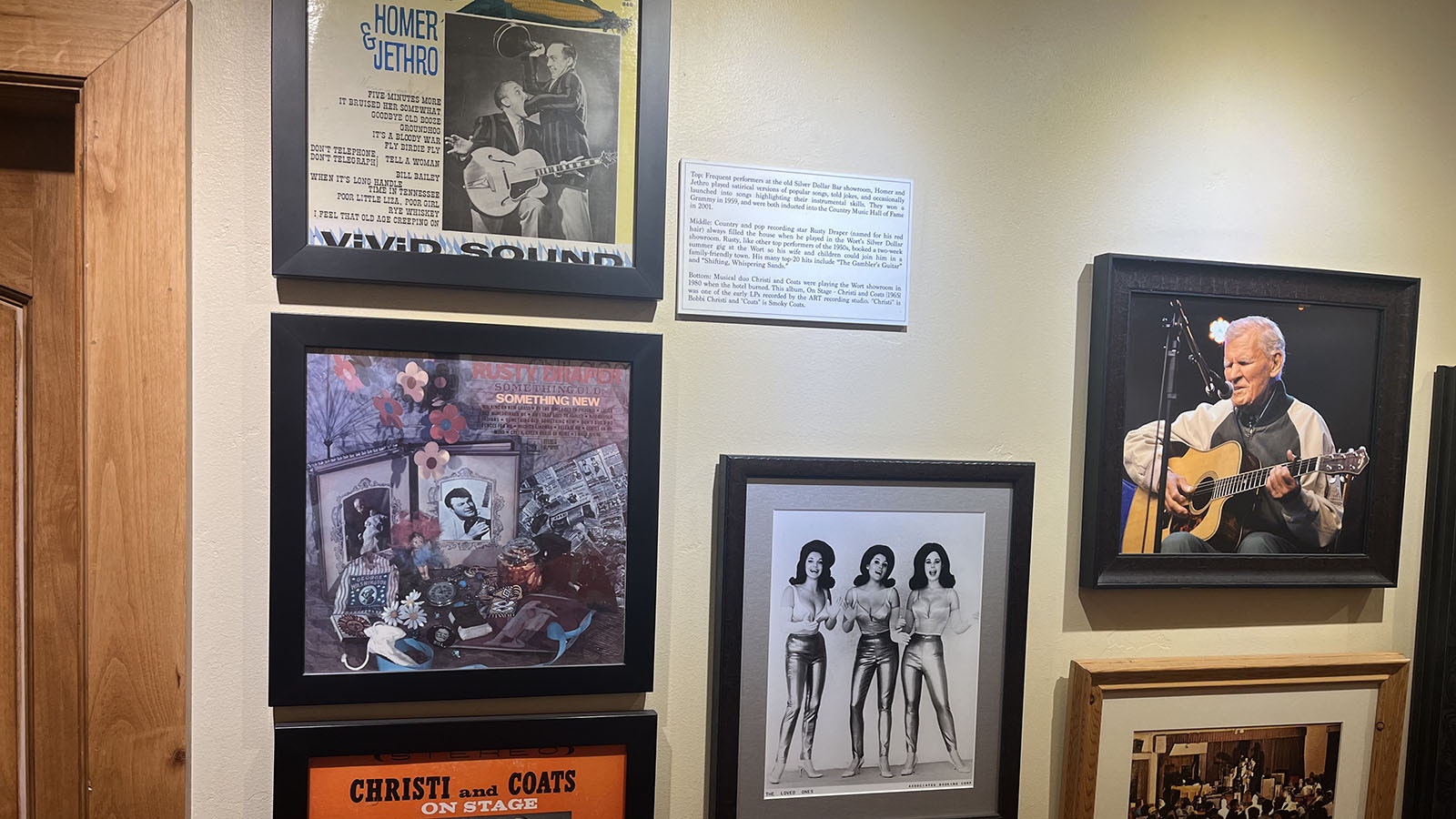
The walls at the Silver Dollar Bar in The Wort Hotel in Jackson, Wyoming, is a who's who of the past and present at the iconic watering hole. (Jake Nichols, Cowboy State Daily) 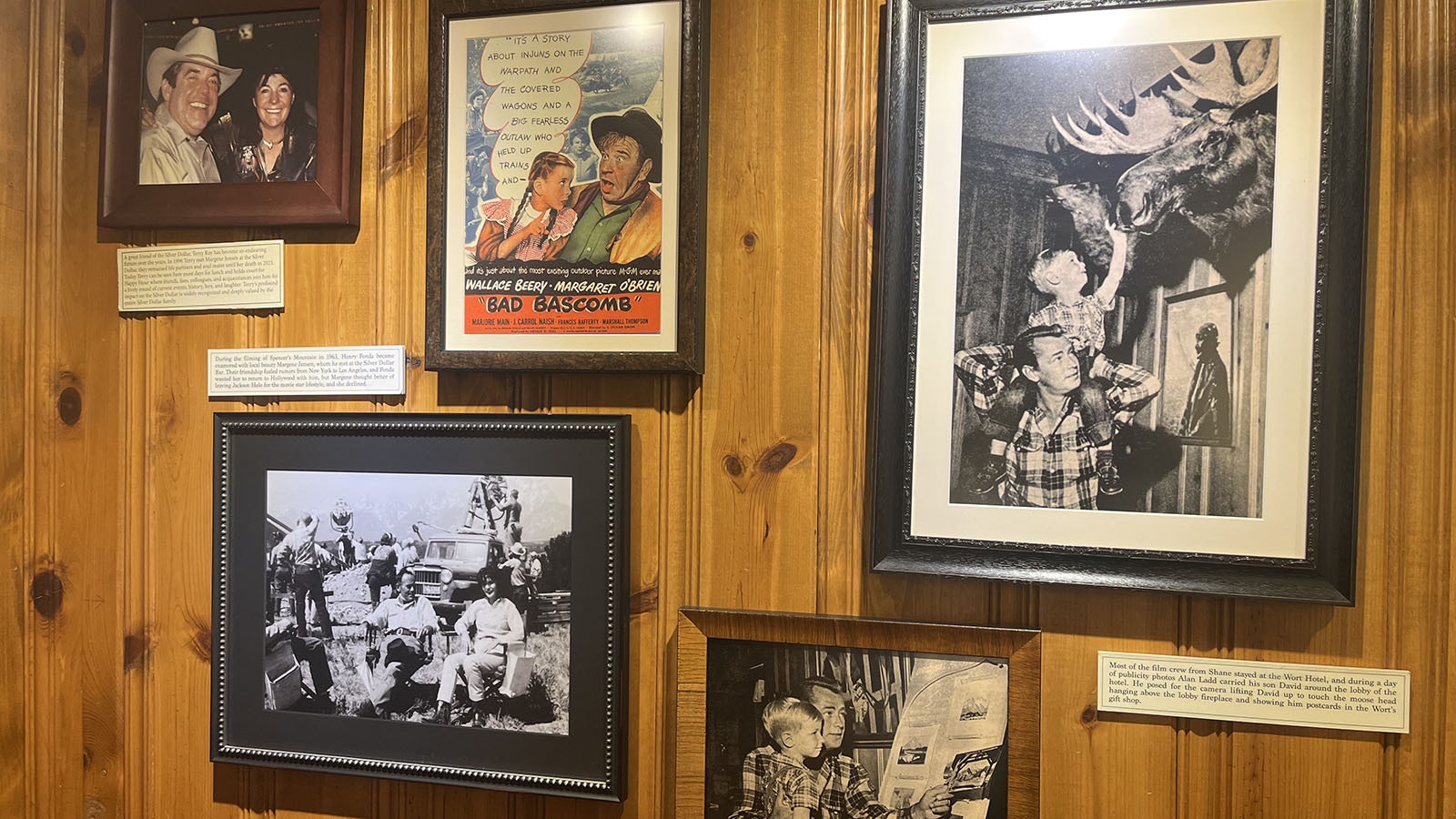
The walls at the Silver Dollar Bar in The Wort Hotel in Jackson, Wyoming, is a who's who of the past and present at the iconic watering hole. (Jake Nichols, Cowboy State Daily) 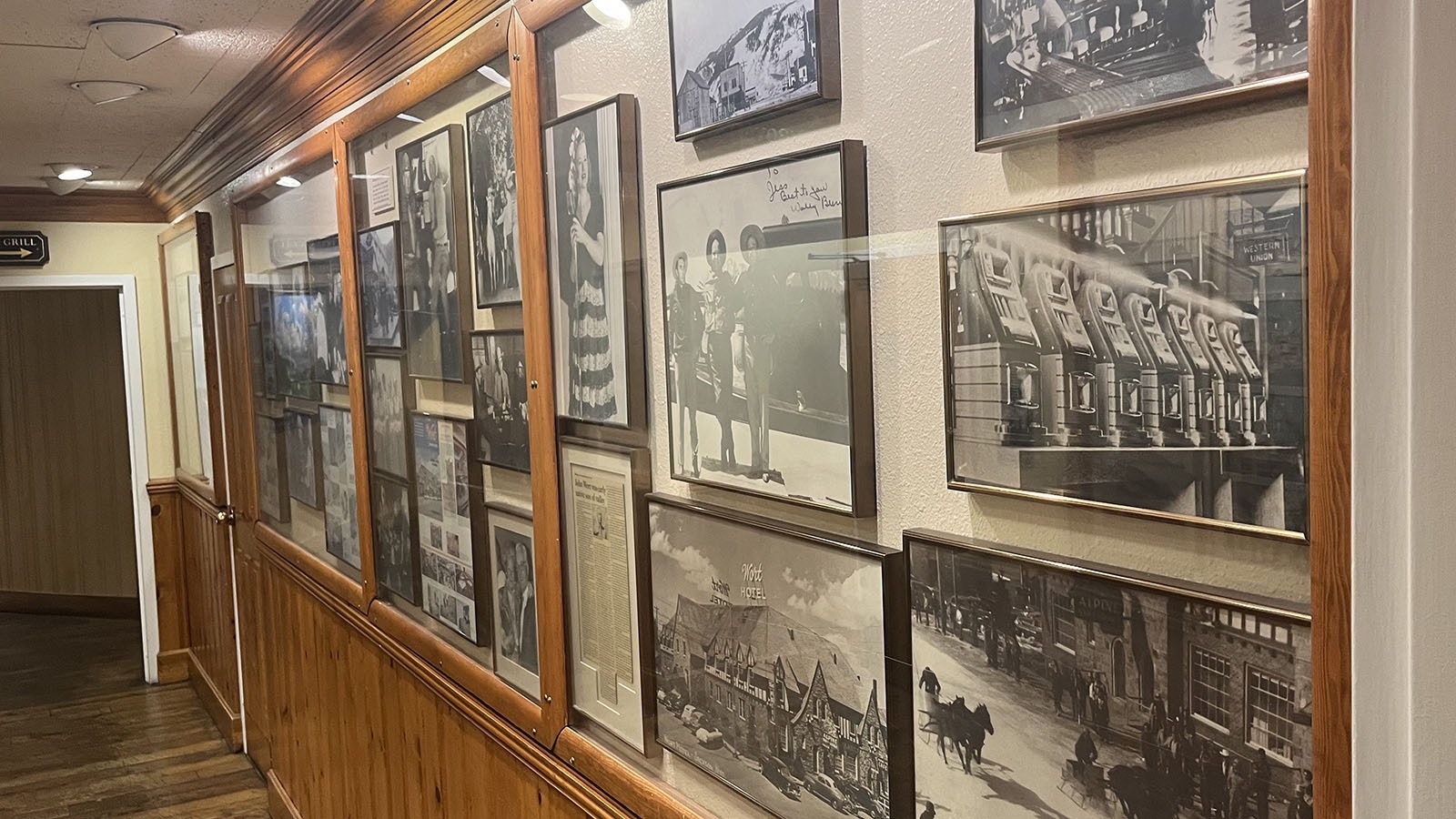
The walls at the Silver Dollar Bar in The Wort Hotel in Jackson, Wyoming, is a who's who of the past and present at the iconic watering hole. (Jake Nichols, Cowboy State Daily) 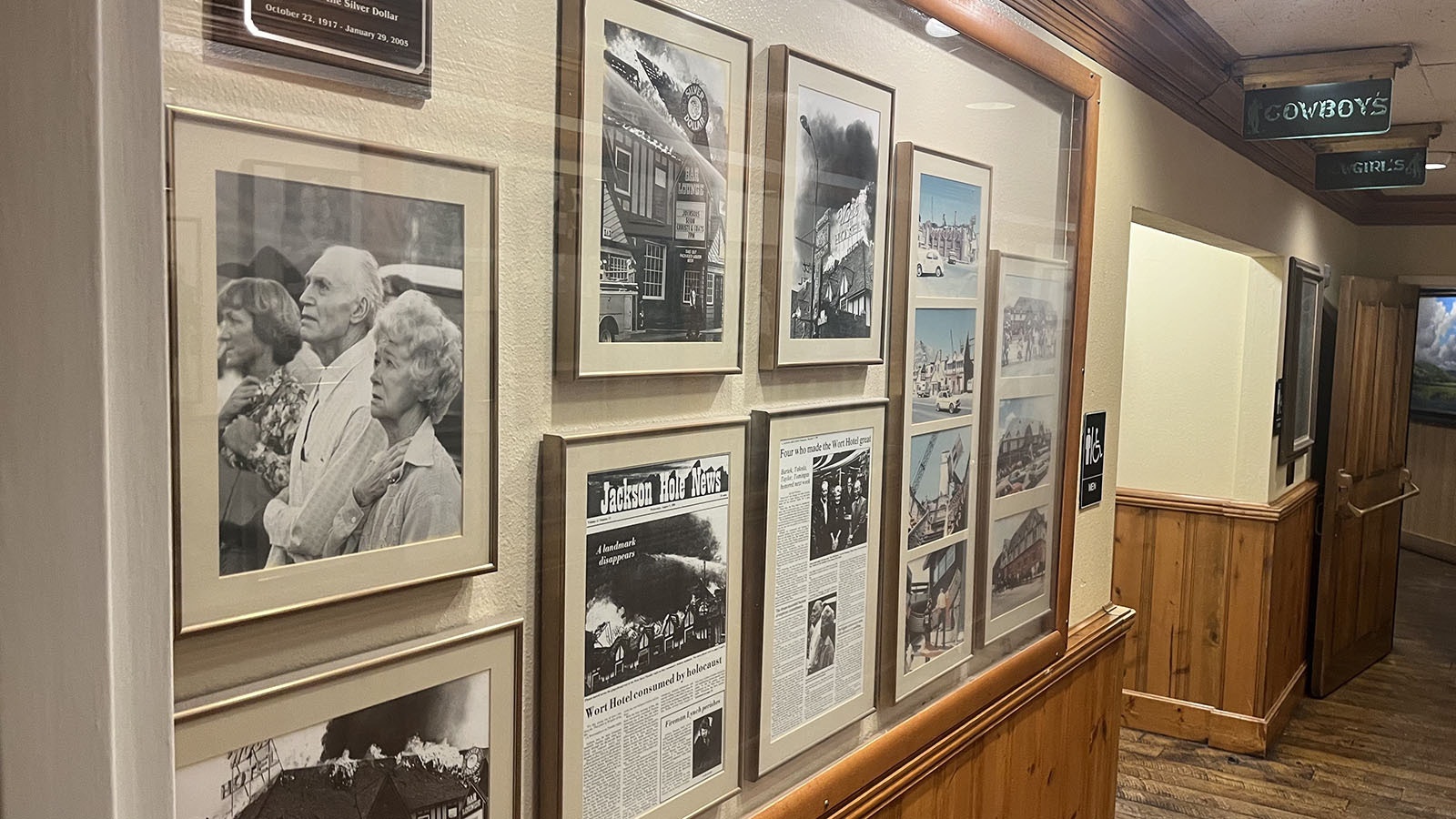
The walls at the Silver Dollar Bar in The Wort Hotel in Jackson, Wyoming, is a who's who of the past and present at the iconic watering hole. (Jake Nichols, Cowboy State Daily) 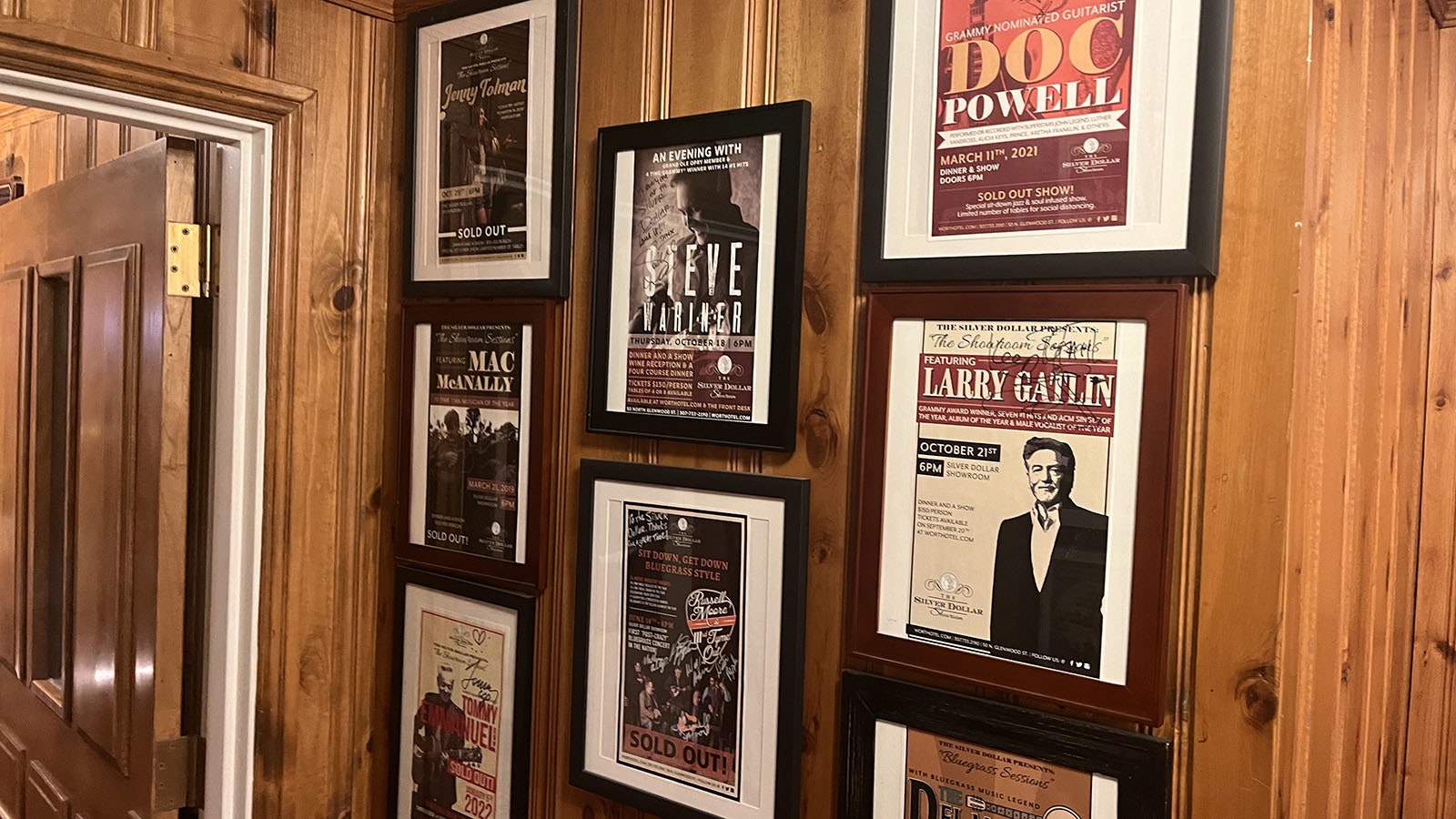
The walls at the Silver Dollar Bar in The Wort Hotel in Jackson, Wyoming, is a who's who of the past and present at the iconic watering hole. (Jake Nichols, Cowboy State Daily)
Them That Came Before
There is so much history in this place you can feel it. The rugged characters who came to bend an elbow and blow off steam include the brawling Dutch Olsen, rodeo legend Bob Crisp, and everyone’s pain-in-the-ass Mike McCarol.
Longtime bartender Little Bill Lowthian recalled giving McCarol $10 to go drink down the street at the Rancher.
“I can’t, Jimmy Rochford just gave me a twenty to drink here,” McCarol said.
If someone got way out of line, Silver Dollar bartenders would “slip them a mickey” — a few drops of croton oil that would bring on a violent fit of diarrhea.
In the 1950s, a BYU wrestling coach named Buzz served as the bouncer. He would put rowdies in a headlock and it was over. But one night Dutch Olsen, who was a good boxer, beat up Buzz pretty bad.
Jess Wort didn’t like having a bouncer who could be beat in a fight, so he hired a young boxer from Salt Lake named Rick Richardson. Richardson had been a professional fighter before he was bayonetted in Korea and couldn’t fight anymore. The sheriff gave Richardson a set of handcuffs and the keys to the jail, which were reportedly put to good use over the years.
Poncho Roice was the original bouncer who was known to follow lucky gamblers outside into the alley and relieve them of their winnings.
John “Cookie” Cooke was another icon in his time.
Cooke conducted all his business at the Silver Dollar. He was a pioneer whitewater rafter and fishing guide. He worked for the legendary White Grass Ranch and Bar BC Ranch. Rare was the night Cookie could not be found sipping and smoking at the Silver Dollar.
Heartbeat Of Town Nightlife
A single girl dances close to the front. She hasn’t taken a song off yet. It’s 9:15 p.m. and the band started at 7:30.
A pudgy out-of-towner in a Pink Floyd T-shirt has been giving you the stink-eye since you came in. He elbows his buddies and points. Dutch Olsen would have tossed him through the front window by now.
Hippy Chick has dragged Peaky Blinders onto the dance floor. He’s doing his best to play along, air-slapping the booty as she puts it on him.
Your waitress is swing dancing with a cowboy. The bartender is jigging along the serpentine bar pocked with silver dollars and used swivel sticks, spinning a bottle of Ketel One expertly by the neck.
It’s getting loose.
I've been coming here for longer than anyone has been working here but they don't know that.
The Silver Dollar was a regular meeting spot back in the 1990s. Fresh off work at area ranches, our crew would start a Saturday night at the Silver Dollar before heading to the Log Cabin or the Rancher where the drinks were cheaper and a friendly fight more likely.
Then on to the Cowboy Bar to see if we could convince any ladies we weren’t total heathens. The night would inevitably wind up at the Silver Dollar again, where we counted our losses and looked for a sober ride back to the ranch.
Those days are gone. So is the Rancher, so is the Log Cabin. But the Silver Dollar remains. Same as it ever was.
Legend Lives On
The Silver Dollar has survived the loss of gambling, a major fire and the karaoke era. It has done so with class, professionalism and committed ownership.
The Worts themselves gave up on the place in 1960 when gambling was all but squashed.
For nearly a decade The Wort operated illegal gambling tables right out in the open. Slot machines in the lobby; poker, blackjack, roulette and craps in the bar. Every game was reportedly rigged. Professional casino dealers used marked cards and loaded dice. No one cared.
Except the governor.
The Wort was raided several times by state officials in the early 1950s. They never found anything. Sheriff Olin Emery, who dealt cards at the Wort, and County Attorney Wilford Neilson catch wind of the impending raids every time and they tip off the bar. Slot machines were trucked away, the gaming tables were moved to the basement.
Gov. Milward Simpson didn’t appreciate the sneakiness. He finally cracked down hard on the gambling in 1956. He sent the state attorney general to Jackson and threatened to bring in the National Guard.
Under threat of impeachment by the state’s office, Sheriff Emery resigned and the establishment’s four liquor licenses were temporarily suspended.
The gambling went underground but continued until at least 1960. A basement casino called the Snakepit housed the card games. Patrons had to know the secret knock to get through the door.
The Worts sold their hotel in 1960. A hunting buddy, Leo Haywood, bought the place for $500,000.
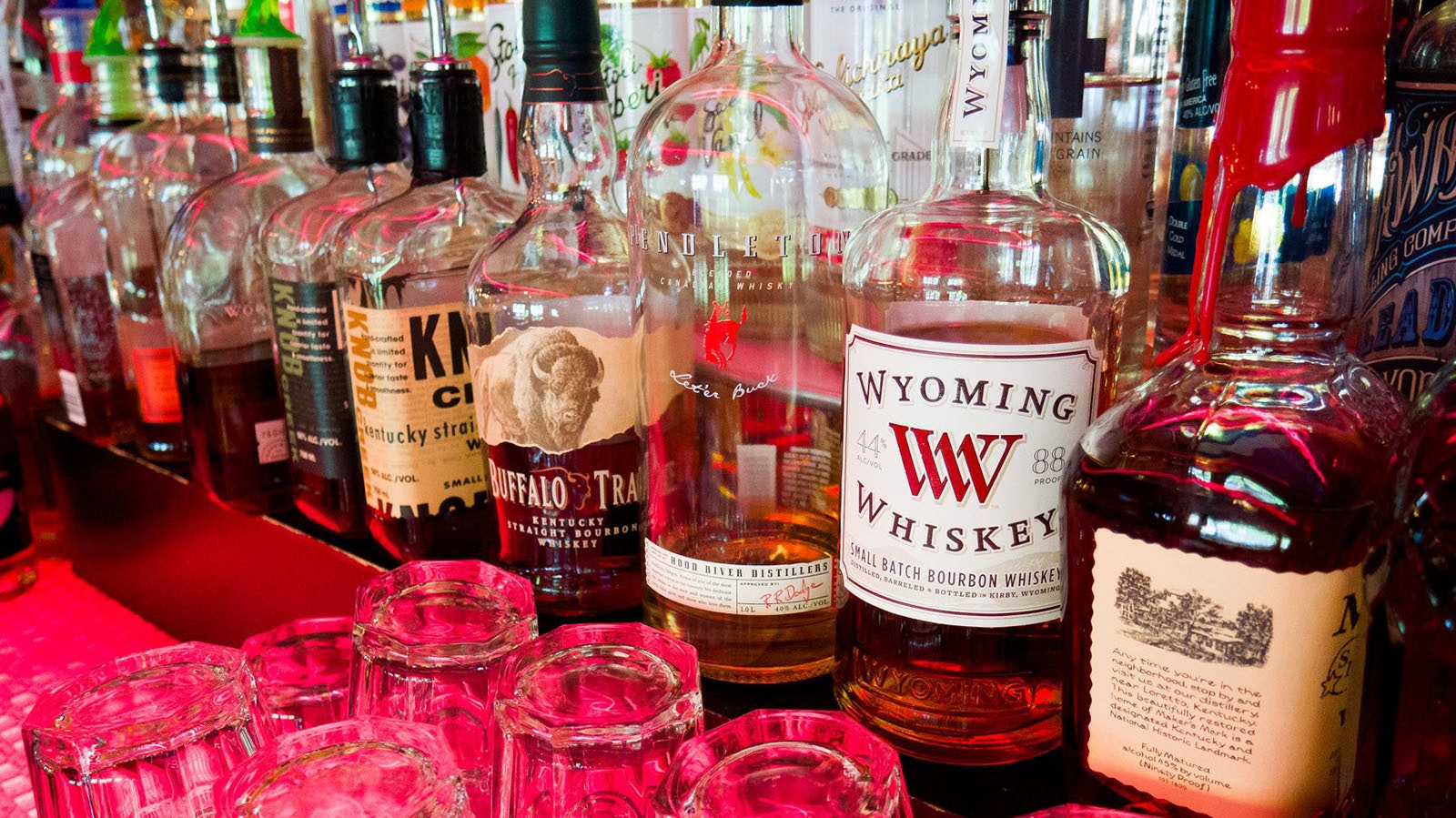
There's a lot to the Silver Dollar, but first and foremost it's a bar. And there's nothing like having your drink served up on the iconic silver dollar-infused bar. (Silver Dollar Bar and Grill via Facebook) 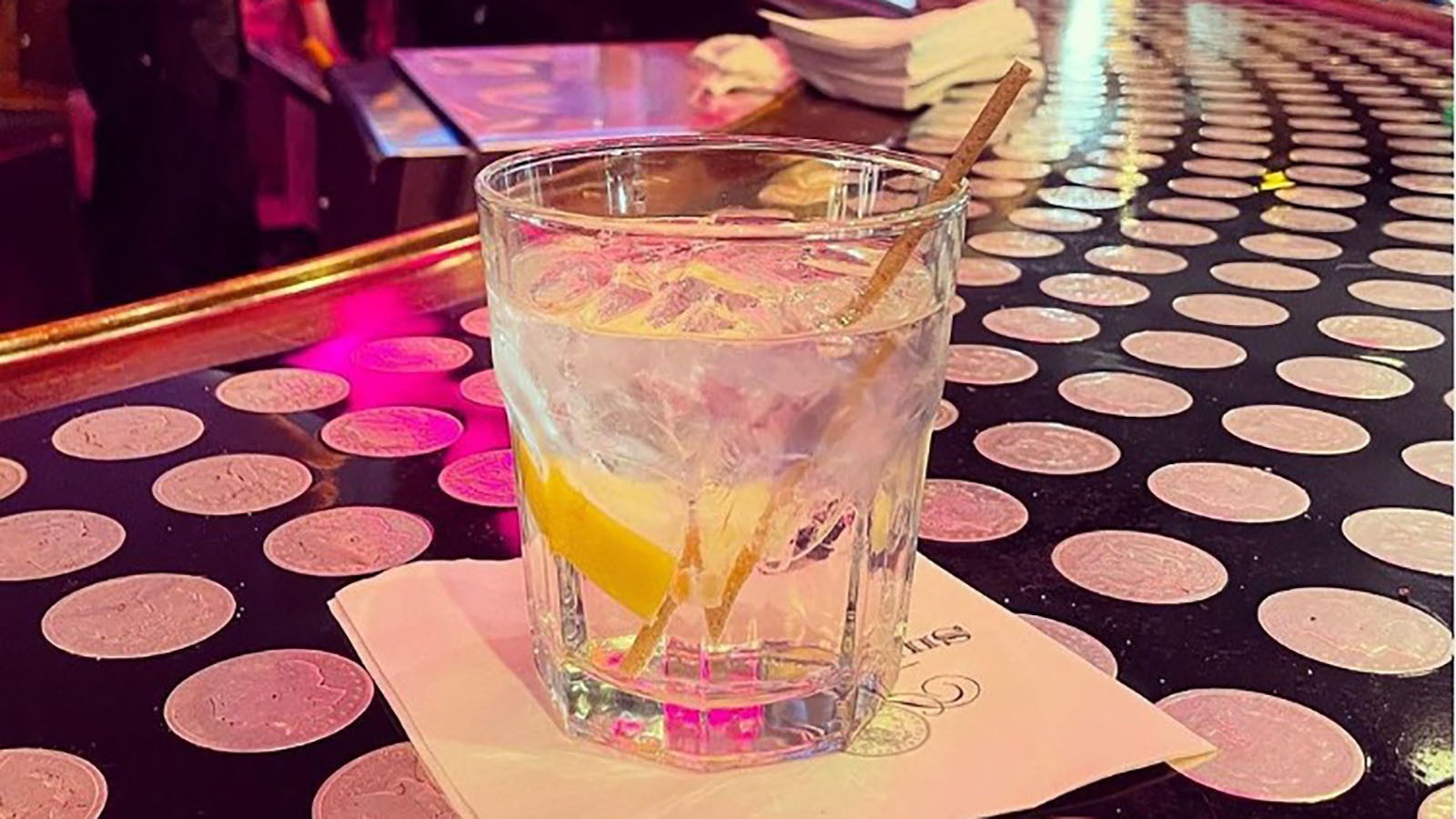
There's a lot to the Silver Dollar, but first and foremost it's a bar. And there's nothing like having your drink served up on the iconic silver dollar-infused bar. (Silver Dollar Bar and Grill via Facebook) 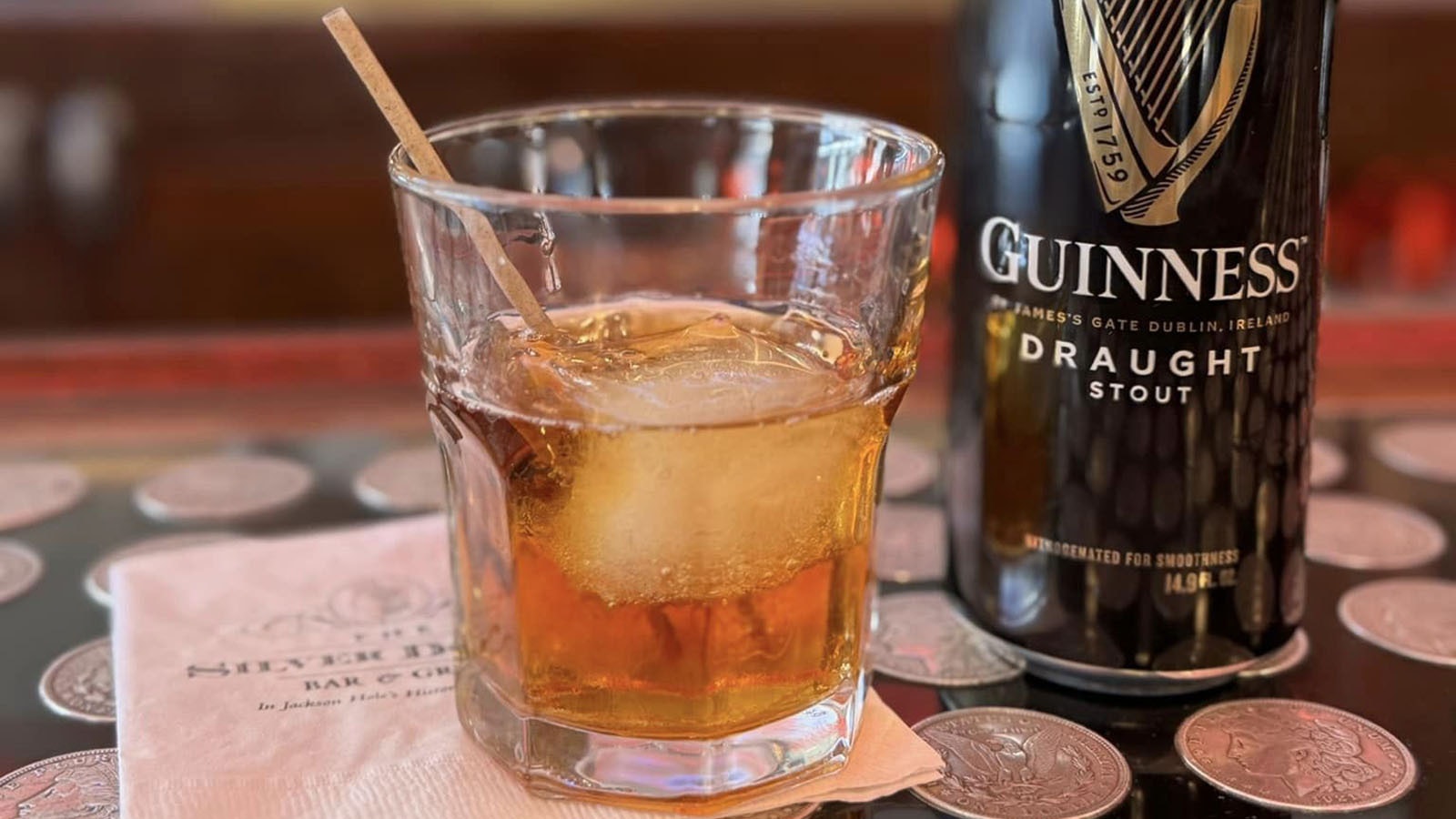
There's a lot to the Silver Dollar, but first and foremost it's a bar. And there's nothing like having your drink served up on the iconic silver dollar-infused bar. (Silver Dollar Bar and Grill via Facebook) 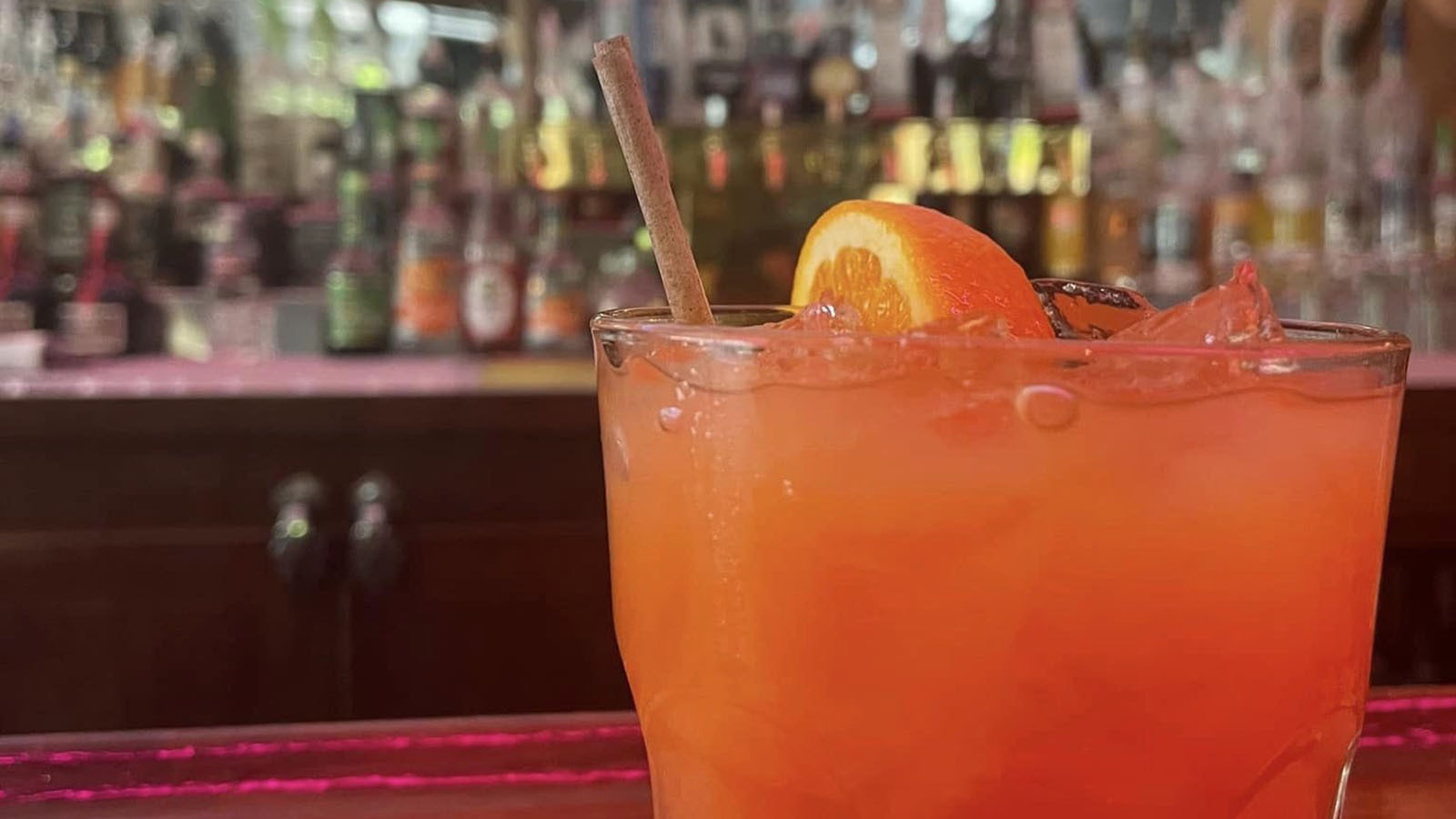
There's a lot to the Silver Dollar, but first and foremost it's a bar. And there's nothing like having your drink served up on the iconic silver dollar-infused bar. (Silver Dollar Bar and Grill via Facebook) 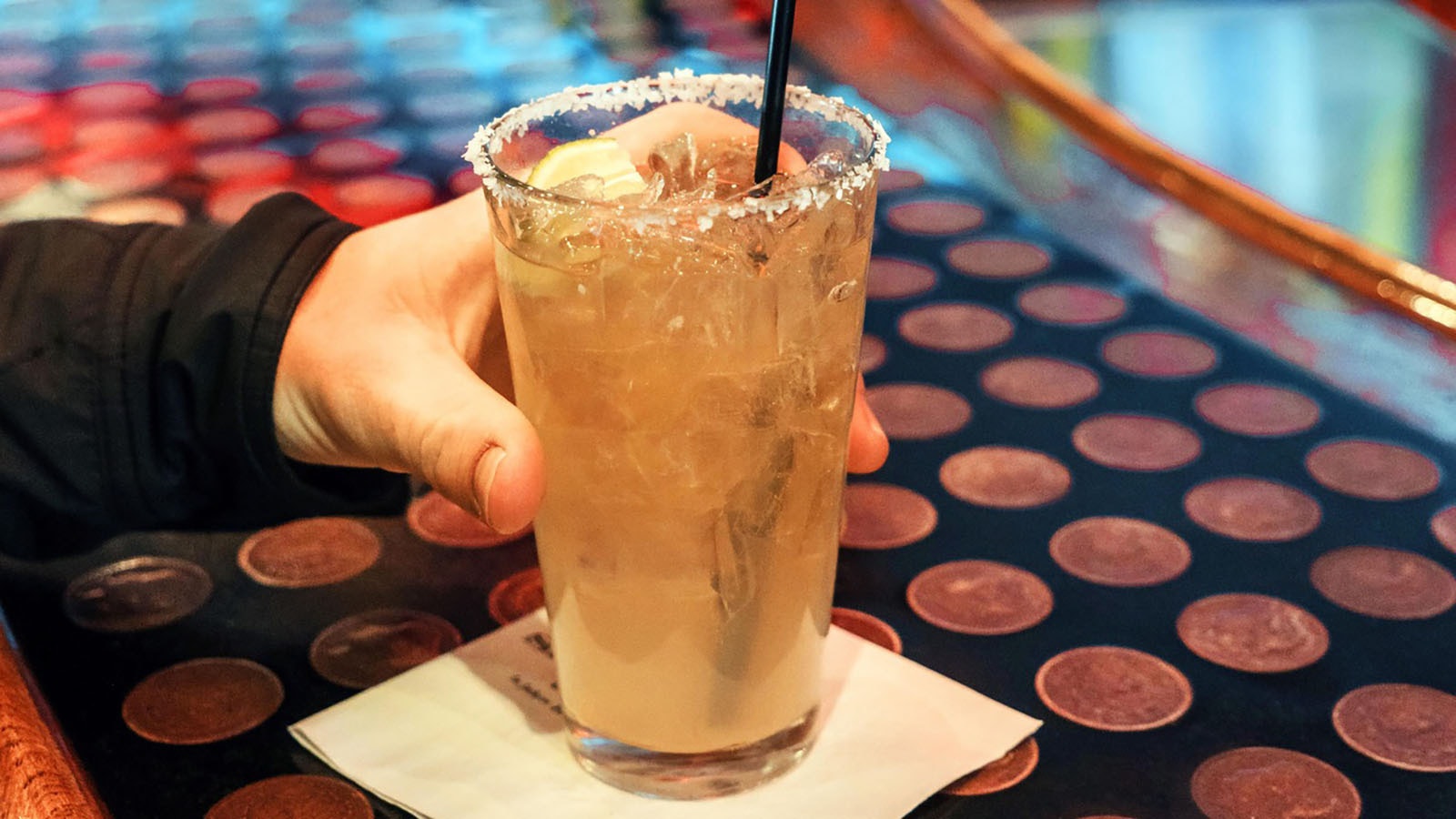
There's a lot to the Silver Dollar, but first and foremost it's a bar. And there's nothing like having your drink served up on the iconic silver dollar-infused bar. (Silver Dollar Bar and Grill via Facebook) 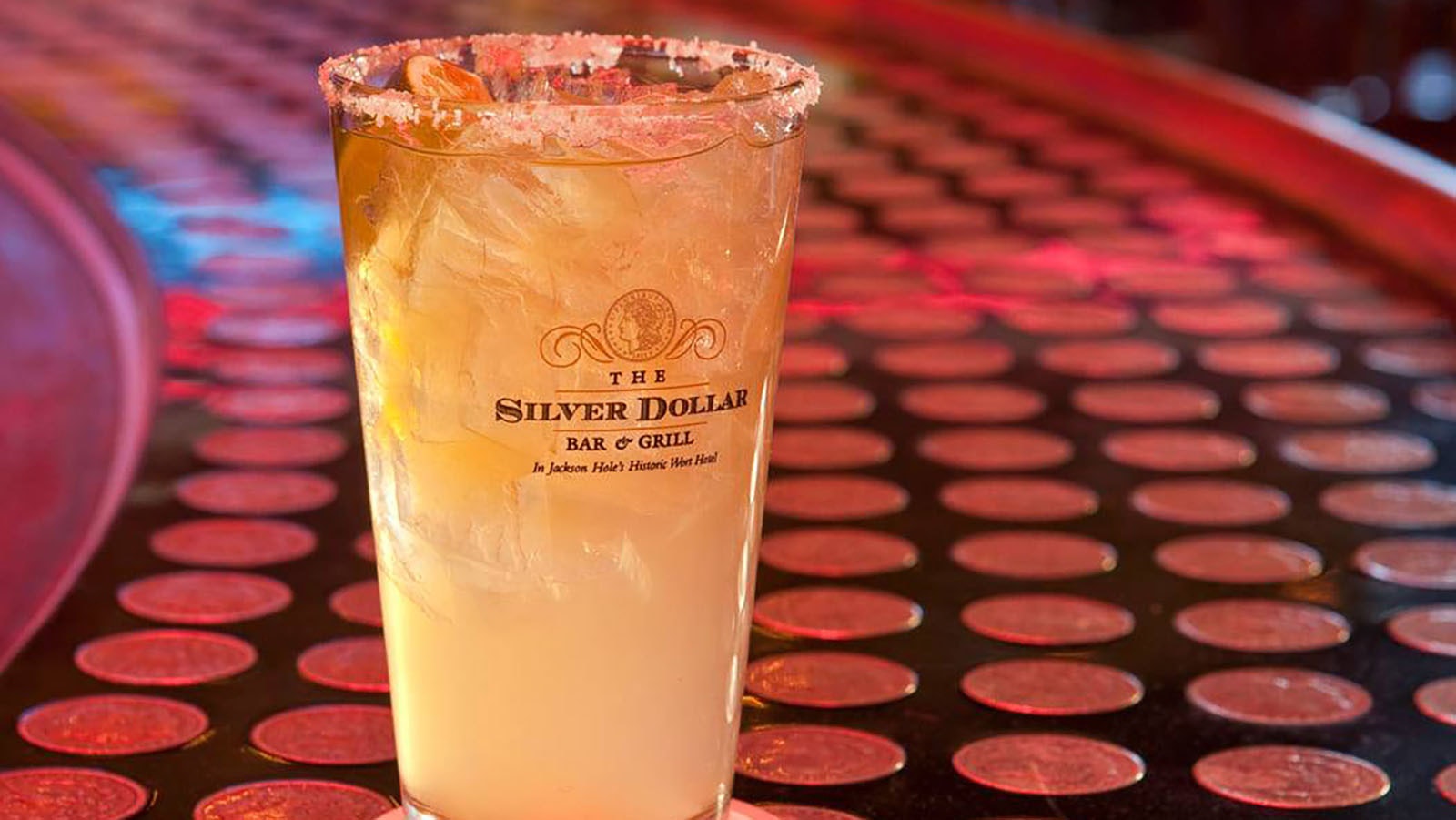
There's a lot to the Silver Dollar, but first and foremost it's a bar. And there's nothing like having your drink served up on the iconic silver dollar-infused bar. (Silver Dollar Bar and Grill via Facebook) 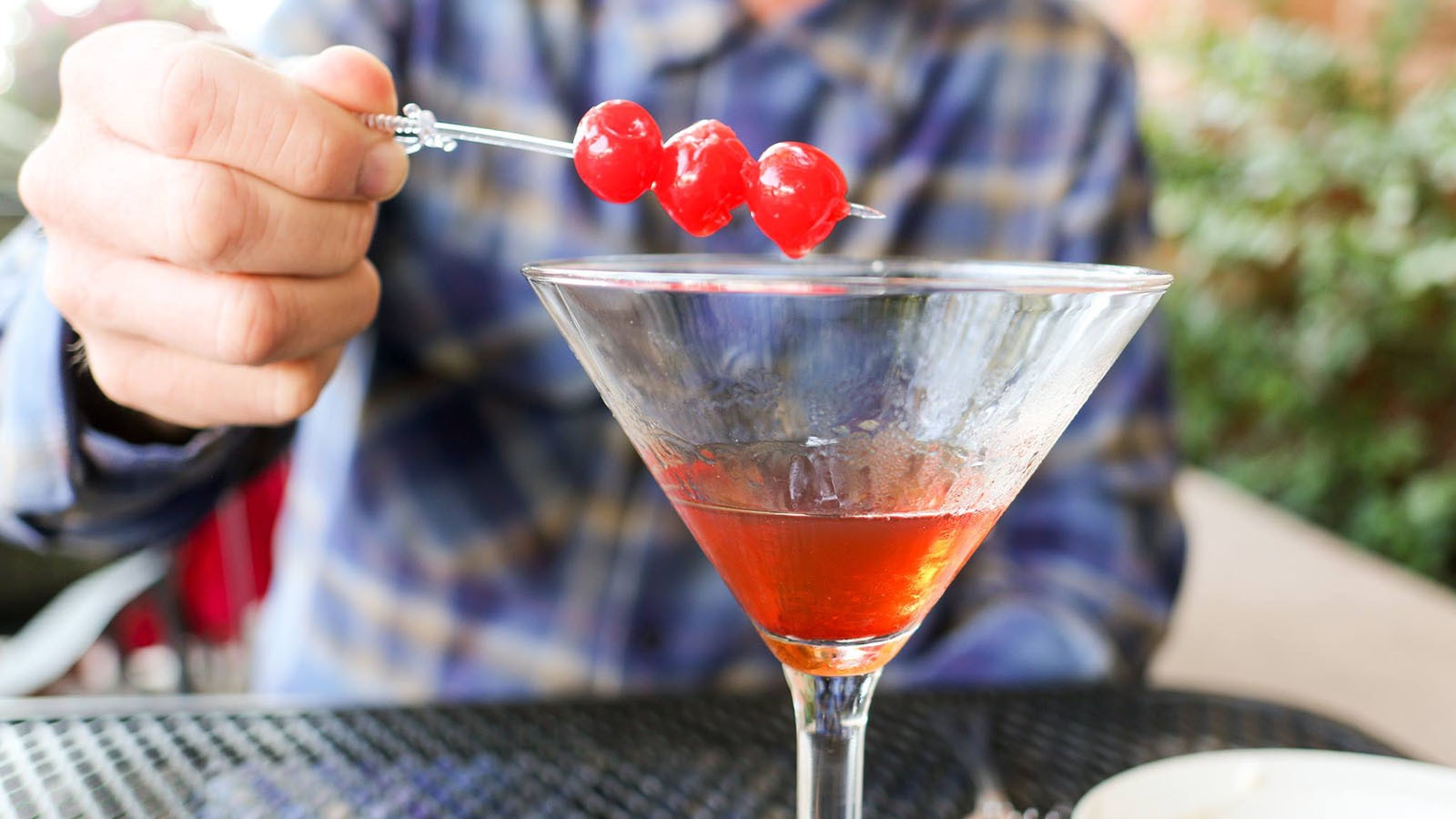
There's a lot to the Silver Dollar, but first and foremost it's a bar. And there's nothing like having your drink served up on the iconic silver dollar-infused bar. (Silver Dollar Bar and Grill via Facebook)
Rolling With The Times
With the demise of gambling, an era of entertainment began.
Through the 1950s and ’60s, Jackson Hole became a tourist destination for both Eastern dudes and Hollywood stars.
Top traveling acts of the day were hired straight out of Las Vegas to make stops at the Wort.
The Coquettes, Christi and Coats, the Sofisto Cats, Boys ‘n’ Ivy, Homer & Jethro, the Diamonds, Dennis and Cree, and Sons of the Golden West all made steady appearances at the Silver Dollar.
The road shows were joined by emerging local talent like the Braun Brothers (Muzzie’s kids would go on to form Reckless Kelly) and Bruce Hauser & the Sawmill Creek Band, who made their first appearance in 1974.
The 1970s seemed to be a decade where the Silver Dollar Bar really hit its stride, the talent onstage matched by the talented staff.
Steve Bartek, the longtime bartender, had moved to manager. Little Bill Lowthian poured drinks and the legendary cocktail waitress Wilma “Queen of the Silver Dollar” Taylor served ’em up. It was the golden era of the Wort.
Bartek basically built the bar. He booked the acts, trained the staff, poured drinks, broke up fights. For 30 years, Bartek was the face of the Silver Dollar. For 28 years, Taylor was its queen.
End Of The Night
My time at the Silver Dollar has come to an end. The bartender warns me about taking pictures.
“They’re for a story,” I explain.
Dimpled server slaps my bar tab down on the table signaling it’s time to go.
I take one last look around the hallowed halls. From high rollers to hillbillies, this place has seen it all. The big floor shows of the 1950-60s to the bigger bills in the Greenback Lounge Showroom of the 1980s featuring Taj Mahal, Doc Watson, Leo Kottke and Jerry Jeff Walker.
The biggest names associated with this famous bar have never been its entertainers. The Silver Dollar Bar’s real stars have been its staff and clientele.
Oh, and the silver dollars, of course.
The Building And The Burning
When the Wort brothers needed inspiration for their new bar they found it in Harold’s Club Silver Dollar Bar in Reno, Nevada. The serpentine feature of the bar inlaid with silver dollars was exactly the kind of Western vibe the Worts were looking for.
The U.S. Treasury agreed to supply 3,000 uncirculated 1921 silver dollars from the Denver Mint. John Fetzer and his German cabinetmakers finished the job by drilling holes in the bar top the exact size of the coins, and then shrinking the silver dollars ever so slightly using dry ice. They barely had to be glued into place they fit so snugly.
In all, 2,032 dollars were used. The extras went to a coffee table for John Wort.
Thirty years later, firefighters and volunteers made a desperate bid to save the bar as the hotel was engulfed in flames.
At around 7:40 p.m. on Aug. 5, 1980, the Wort caught fire. Christi & the Coats were playing that night. They had barely started when they were told about the blaze. Bobbi Christi calmly told patrons to exit the building and she and her bandmates grabbed their instruments and headed outside.
The entire second floor was lost. The fire was likely started by a bird’s nest built on the transformer of the hotel’s neon sign. The building suffered smoke and water damage, but the bar and its silver dollars — the heart and soul of the Silver Dollar — were saved and restored.
A year and a half later, the Wort reopened in December 1981. Haywood eventually sold the property to Tom Chrystie in 1985, saving it from rumored demolition.
In 2001, the Wort Hotel was placed on the National Register of Historic Places. Bill Baxter bought the property in 2003 and has had it on an upward trajectory since, honoring the past and continuing the establishment’s tradition of providing true Western hospitality.
“We are all stewards of the Wort,” said current general manager Jim Waldrop. “Everyone has a Silver Dollar story. We are proud and appreciative of the foundation that was built by those before us.”
Contact Jake Nichols at jake@cowboystatedaily.com
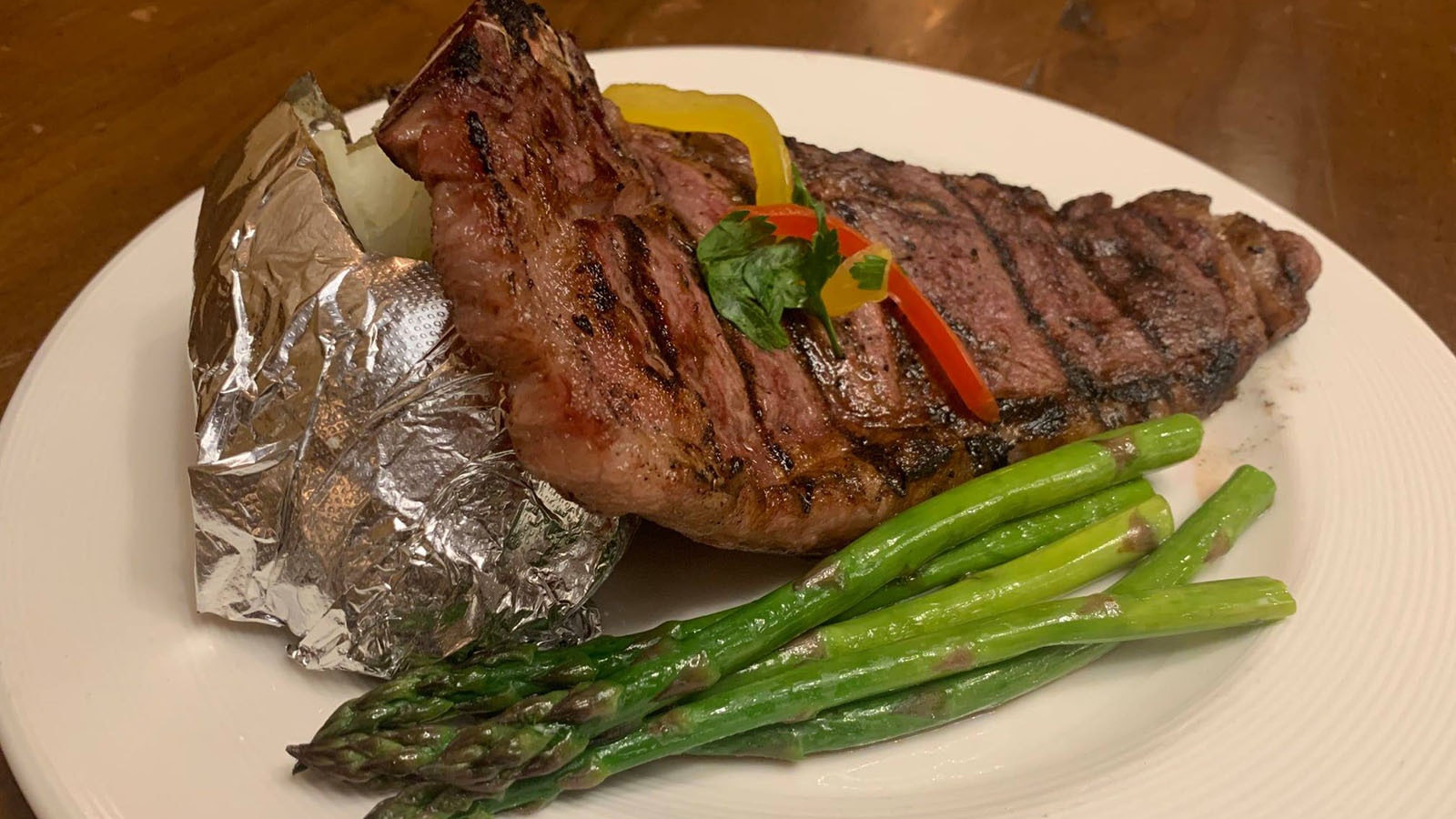
The food at the Silver Dollar Bar and Grill in Jackson, Wyoming, is several notches above typical bar grub. (Silver Dollar Bar and Grill via Facebook) 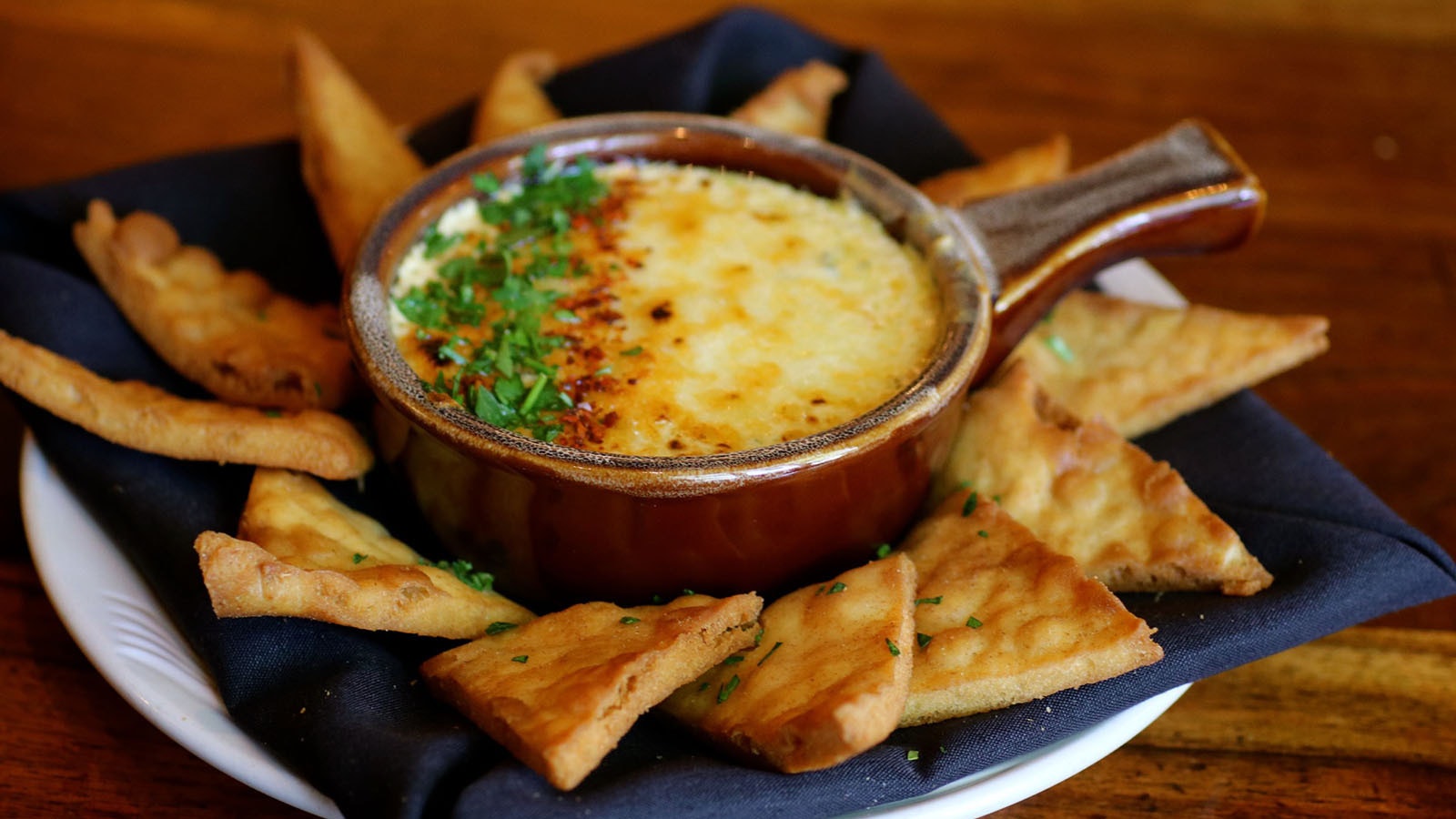
The food at the Silver Dollar Bar and Grill in Jackson, Wyoming, is several notches above typical bar grub. (Silver Dollar Bar and Grill via Facebook) 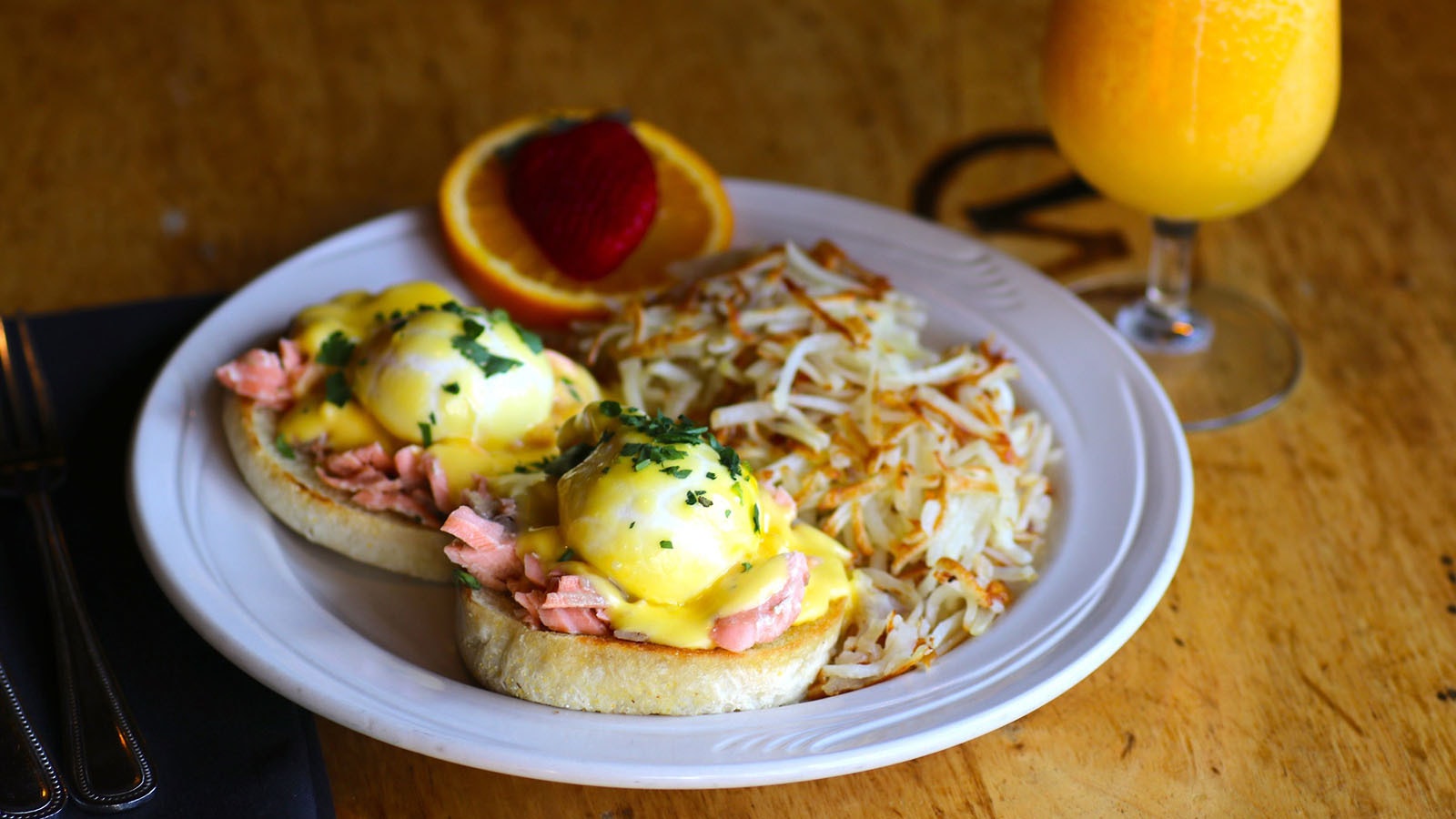
The food at the Silver Dollar Bar and Grill in Jackson, Wyoming, is several notches above typical bar grub. (Silver Dollar Bar and Grill via Facebook) 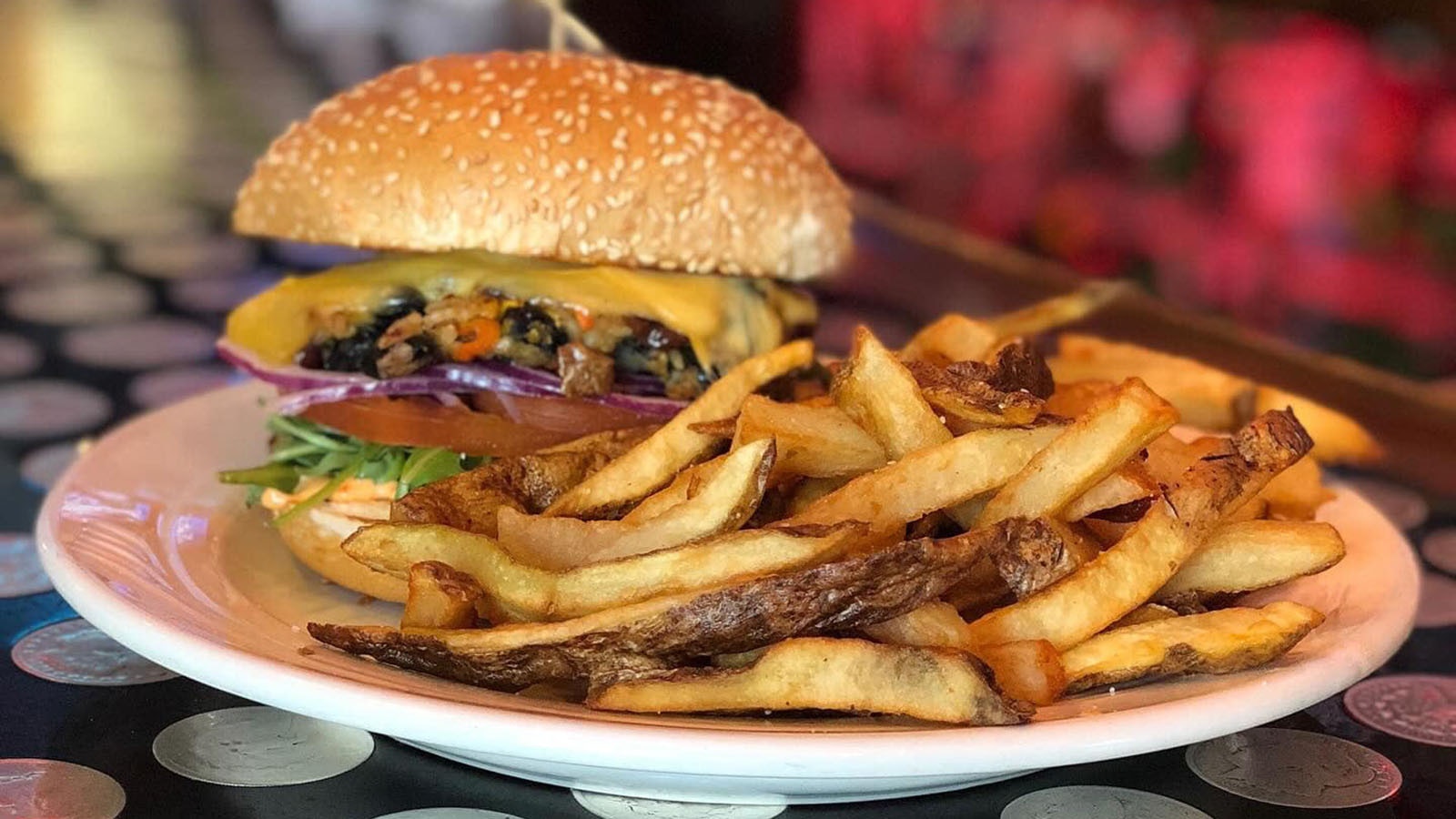
The food at the Silver Dollar Bar and Grill in Jackson, Wyoming, is several notches above typical bar grub. (Silver Dollar Bar and Grill via Facebook) 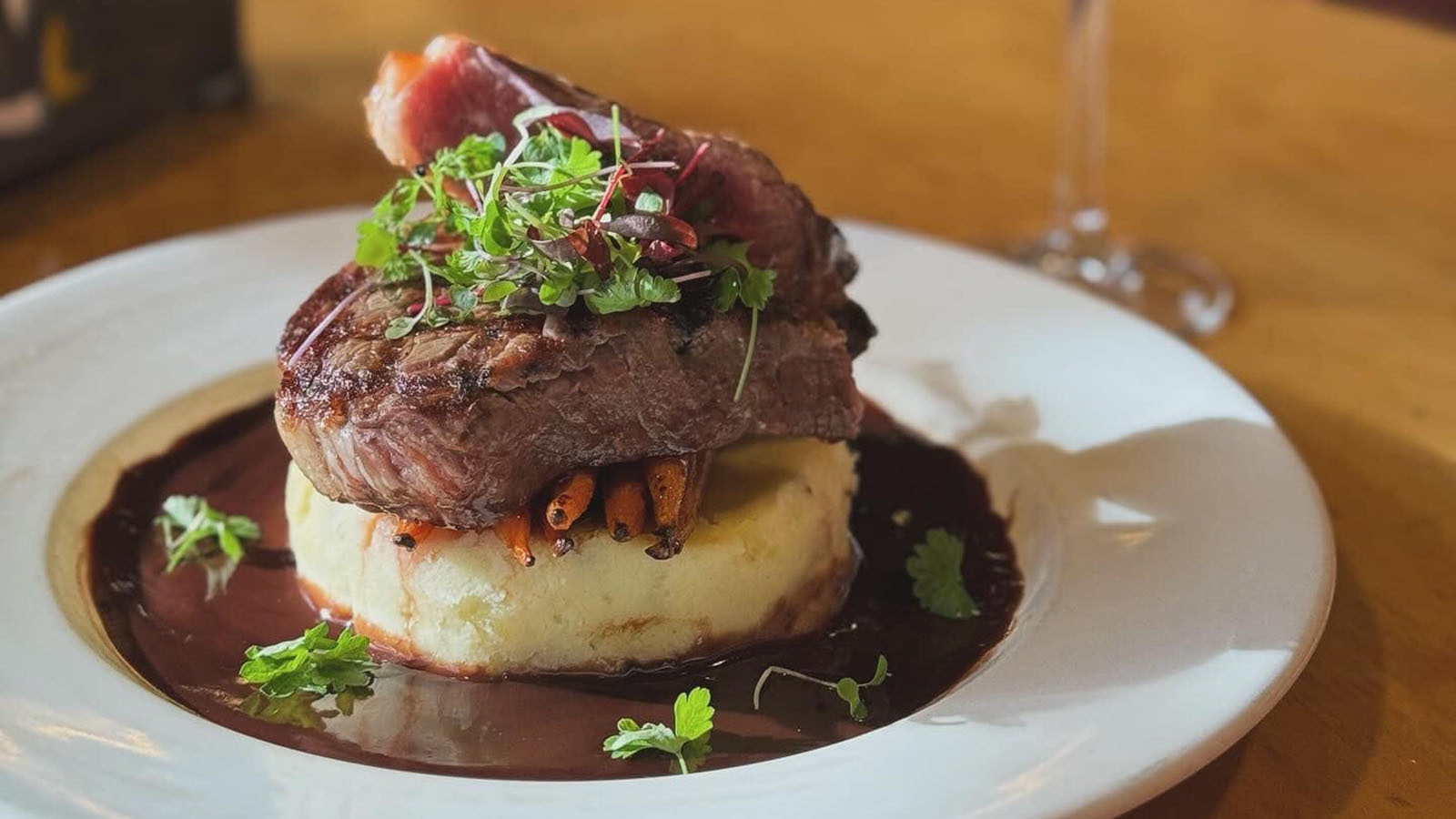
The food at the Silver Dollar Bar and Grill in Jackson, Wyoming, is several notches above typical bar grub. (Silver Dollar Bar and Grill via Facebook) 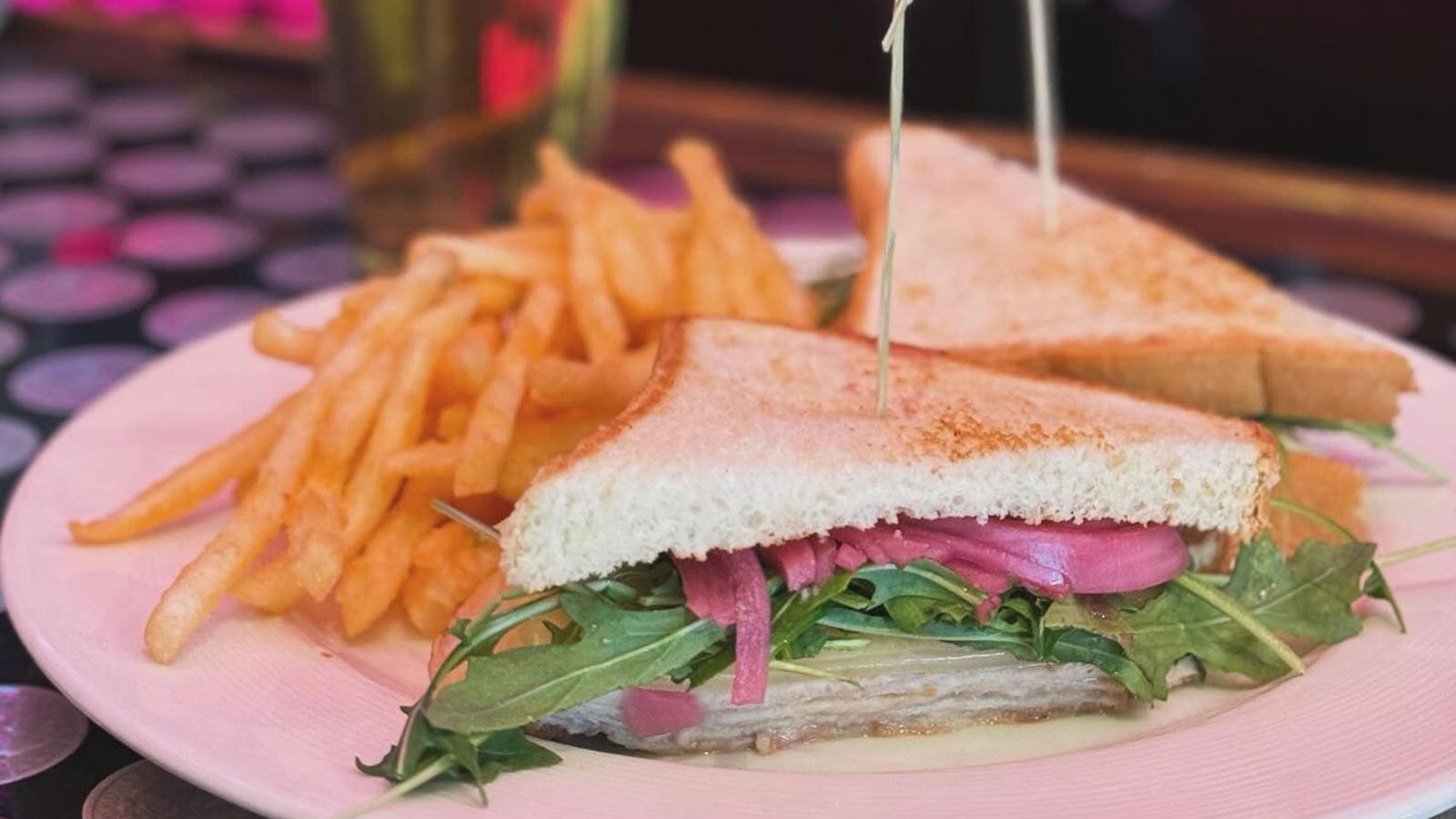
The food at the Silver Dollar Bar and Grill in Jackson, Wyoming, is several notches above typical bar grub. (Silver Dollar Bar and Grill via Facebook) 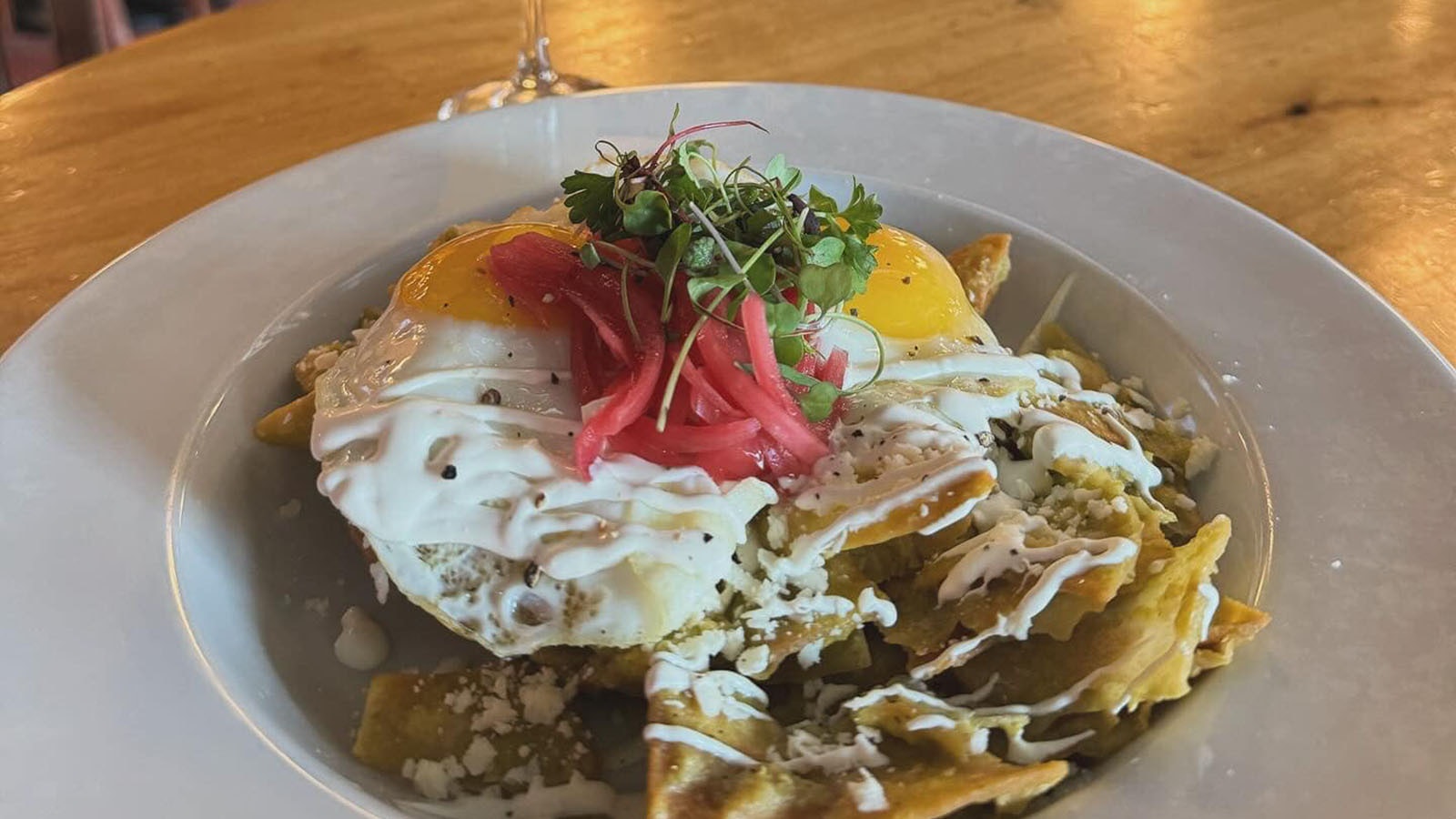
The food at the Silver Dollar Bar and Grill in Jackson, Wyoming, is several notches above typical bar grub. (Silver Dollar Bar and Grill via Facebook) 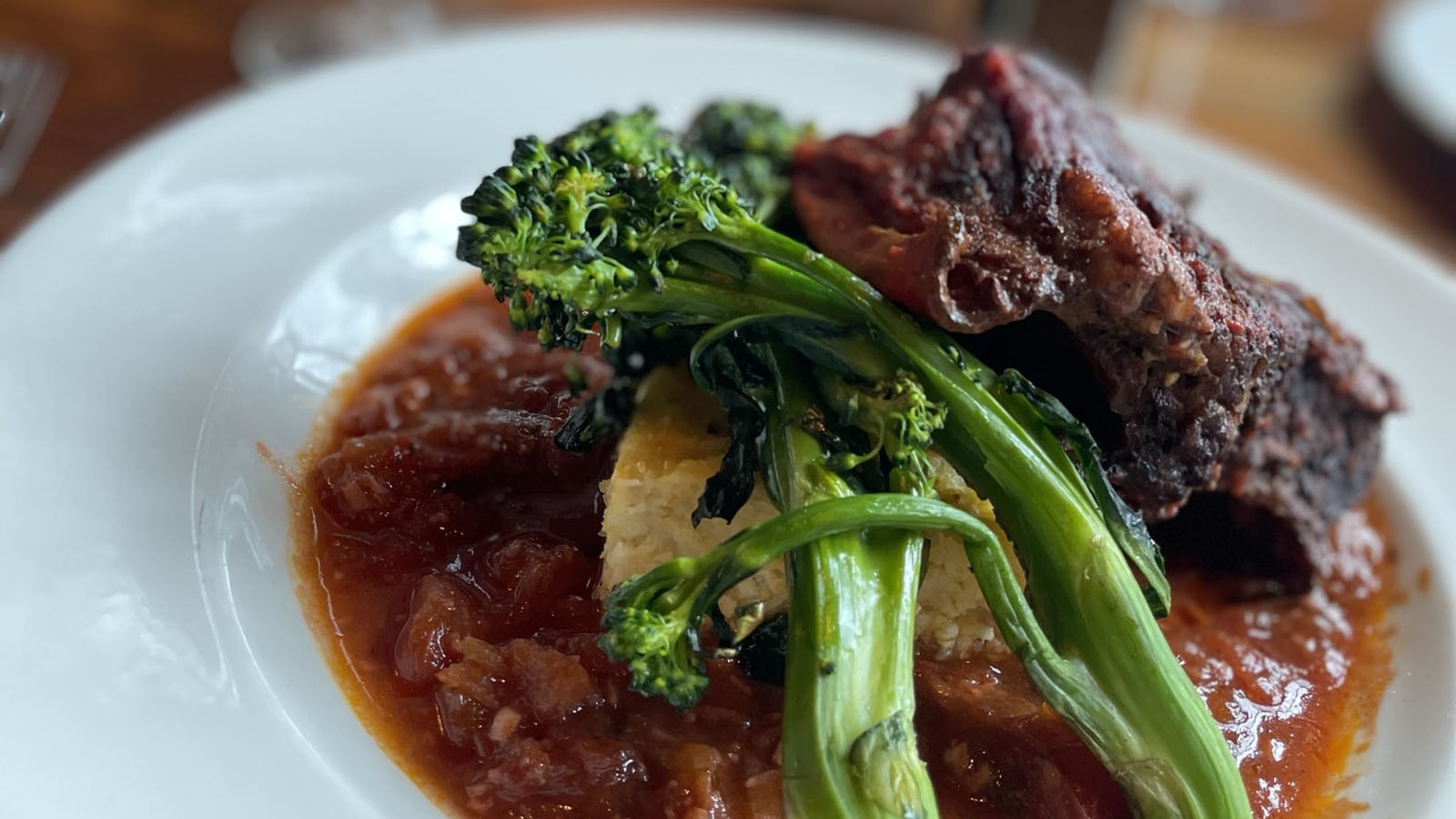
The food at the Silver Dollar Bar and Grill in Jackson, Wyoming, is several notches above typical bar grub. (Silver Dollar Bar and Grill via Facebook) 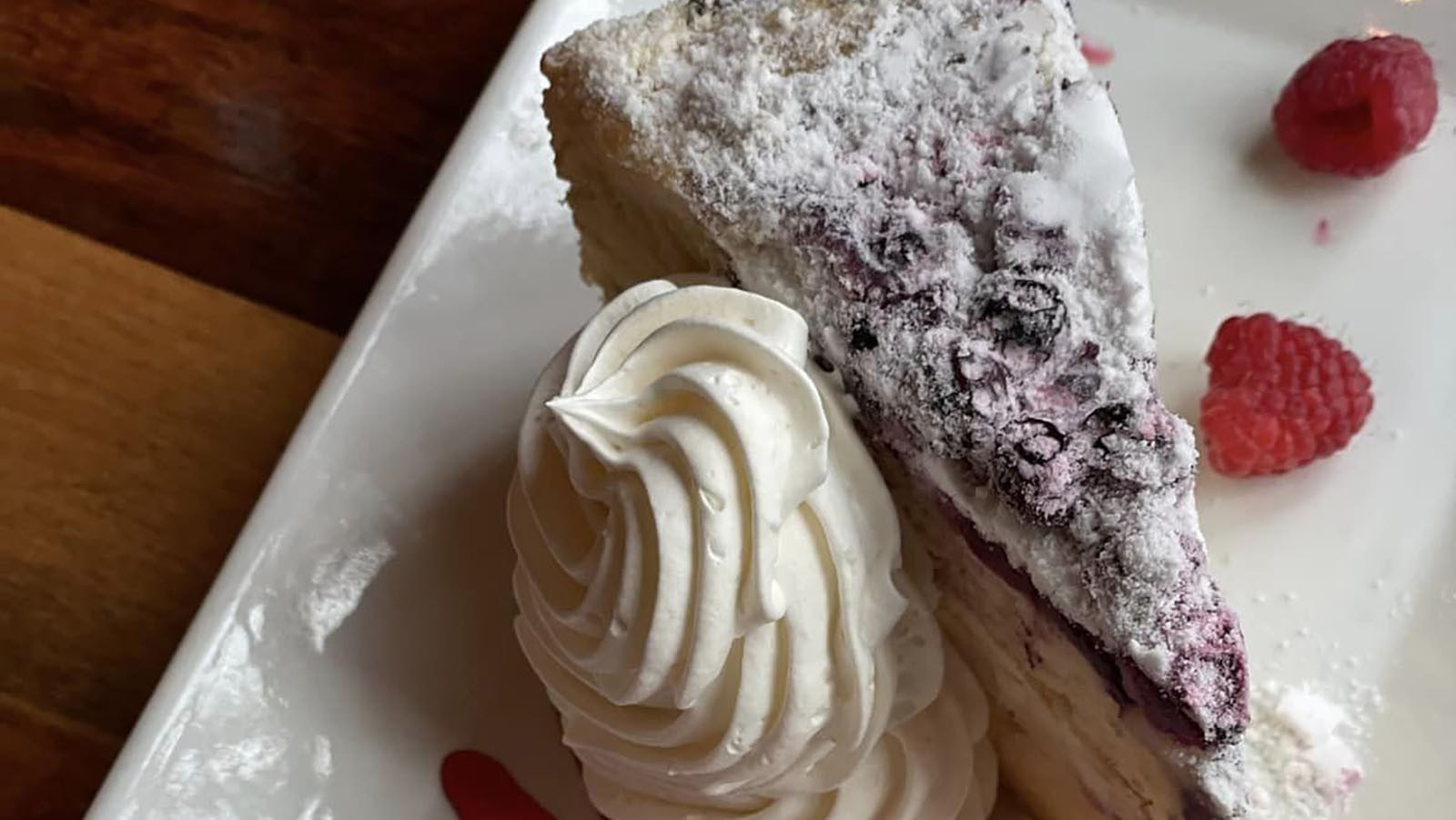
The food at the Silver Dollar Bar and Grill in Jackson, Wyoming, is several notches above typical bar grub. (Silver Dollar Bar and Grill via Facebook) 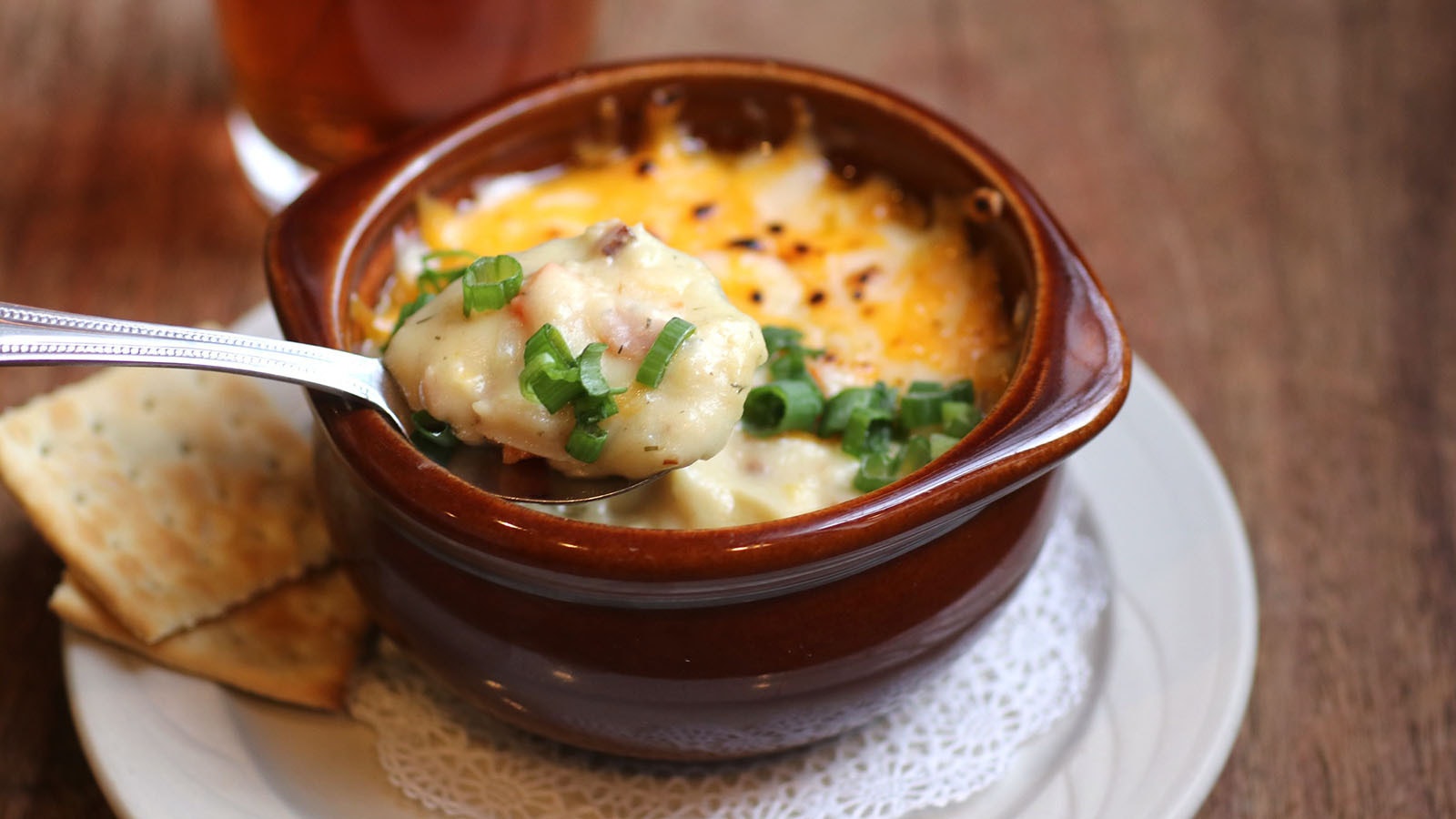
The food at the Silver Dollar Bar and Grill in Jackson, Wyoming, is several notches above typical bar grub. (Silver Dollar Bar and Grill via Facebook) 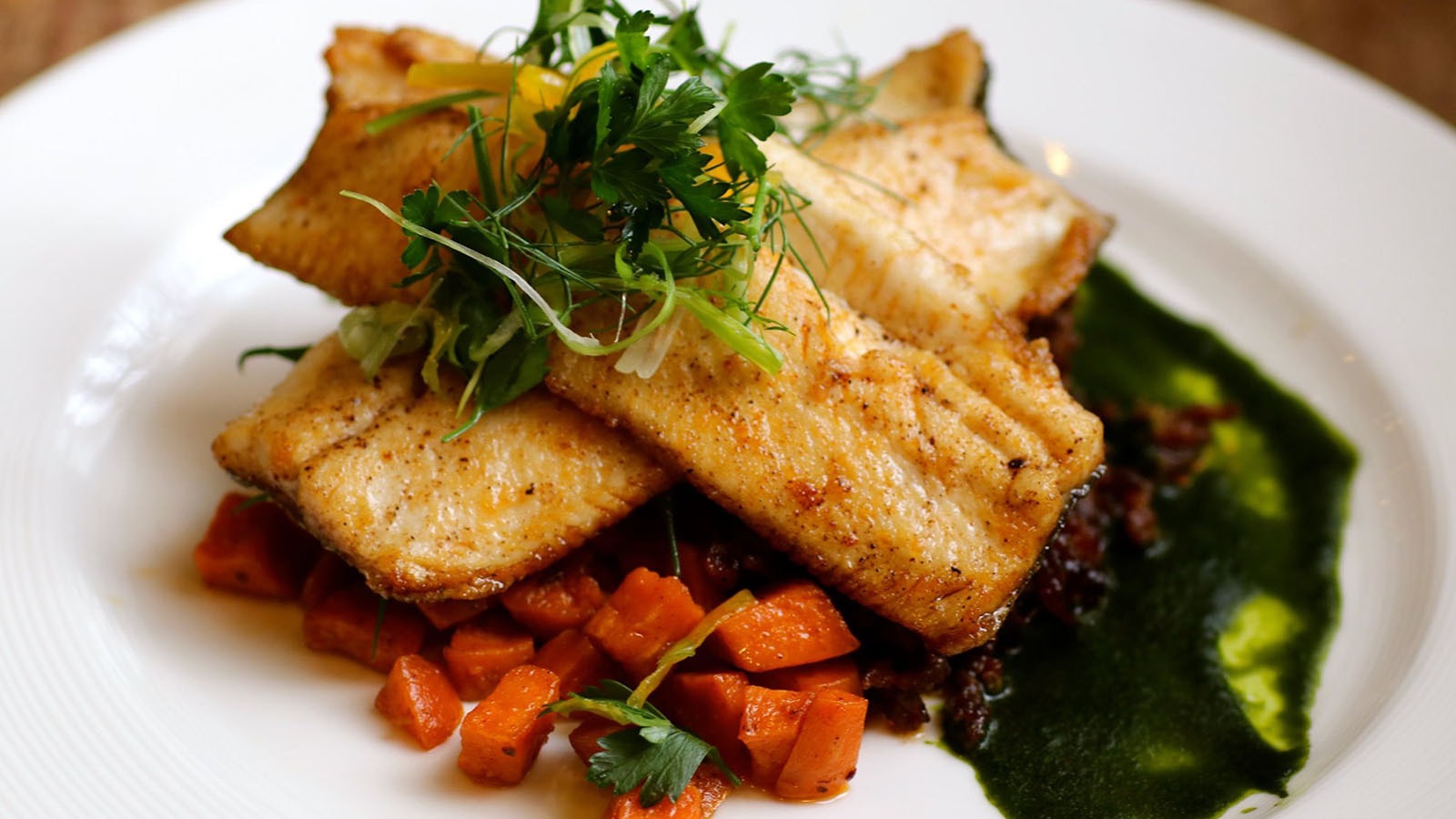
The food at the Silver Dollar Bar and Grill in Jackson, Wyoming, is several notches above typical bar grub. (Silver Dollar Bar and Grill via Facebook) 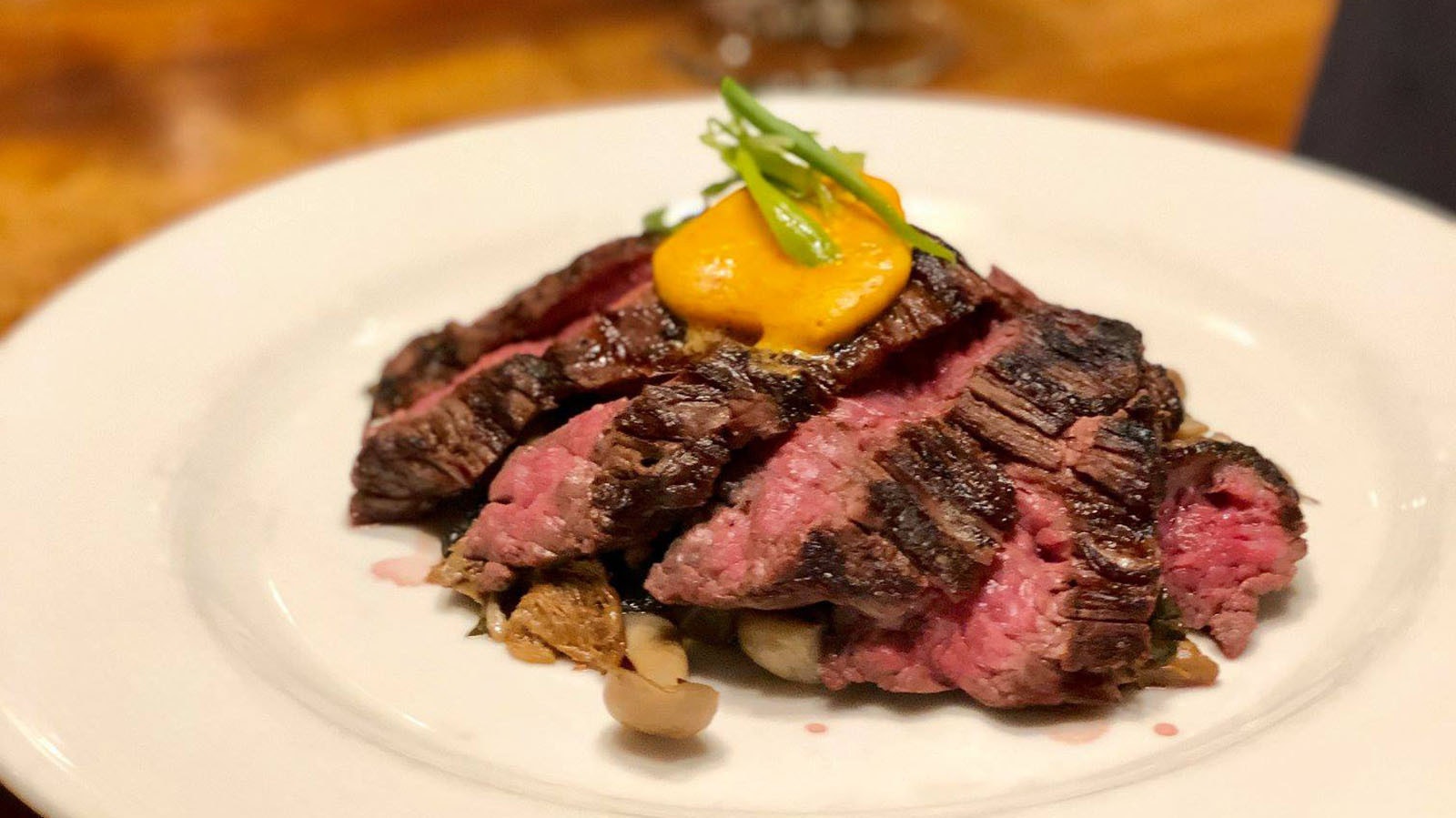
The food at the Silver Dollar Bar and Grill in Jackson, Wyoming, is several notches above typical bar grub. (Silver Dollar Bar and Grill via Facebook)
Jake Nichols can be reached at jake@cowboystatedaily.com.