Sit next to J.B. Zielke picking guitars around a glowing campfire, you wouldn’t give him a second look. Lope up beside him riding drag on a cattle drive, he looks and sounds like any other hand you’ve ever cowboyed with. He’s a humble Wyoming good ol’ boy through and through.
Except for one thing.
His passport carries more ink than Post Malone.
Quite by accident and much to his content, the world-traveling jetsetter traded a short-lived, adrenaline-fueled bull riding career for something just as treacherous — ranch work in some of the remotest places on earth. Far-reaching lands that time has forgot.
Two things Zielke has learned are same no matter where he was off to — people and horses.
“Meeting people with hustle and drive was very motivational to me. People like that everywhere that adapt in different ways to the hand they are dealt,” Zielke told Cowboy State Daily. “I learned a lot from them. It’s something I aspire to be every day.”
And wherever he hung his hat, death and danger were close at hand. It wasn’t always because of bad horses, but they usually didn’t offer much comfort either.
“Pretty much everywhere I went it was, ‘Can you take this wild, angry, spoiled, half-psycho horse that nobody has touched in three years and get a day’s work done on it?’” Zielke shared.
Inspirations, revelations Zielke met with were too good to keep to himself. Somewhere along the way in his world travels during his early 20s, Zielke knew he had to share his experiences with the world. He began journaling and eventually self-published a book “The Lost Cowboy,” which won two 2024 Spur Awards.
In the book, Zielke chronicles his adventures on six of the world's seven continents, places that offer the last of the Old West.
“People sometimes say they were born 100 years too late. They are nostalgic for a time gone by,” Zielke said. “Well, the truth of the matter is you still can go back.
“I mean, sell your stuff and move to Mongolia or Argentina. They don’t have phones. They don’t check their email. A lot of them can’t read and write. They’re riding horses to get their food and everything else,” he added. “It still exists. These places are kind of like time capsules that you can jump back into.
“And, unfortunately, a lot of them are vanishing. So to me, it was important to go see those before they were long gone.”
Outback In Australia
Most people, if they visit Australia, go to Sydney. Maybe Brisbane or Melbourne. Surfers hit the Gold Coast, scuba divers love the Great Barrier Reef.
When Zielke went Down Under he did it more like an exiled Brit to the penal colonies in the late 1700s. At age 21, the Saratoga puncher said he felt like a lost boy, like someone who didn’t belong in the world he grew up in. When he set boots down in the northernmost part of Australia in Cape Town, Queensland, he should have felt right at home.
Zielke’s first trip outside the United States had him surrounded by every category of societal castoff, renegade and outlaw. And those were the civilized people he met. Barefoot aboriginal tribesmen of Kowanyama taught him shoes were optional, so Zielke stopped wearing his.
Predictably, Zielke remembers his first foray out in the world as eye-opening.
“The biggest thing about my time in Australia is it made me realize how big the world is. It was hard for me to wrap my mind around how many more people there are out there,” Zielke said. “To go to the other side of the earth and meet the people there. To see them working in agriculture and doing things in a very different way but still get the same, if not better, outcomes than the way I knew to do things.”
Zielke settled in with a group of bull catchers. His ragtag outfit was tasked with herding up feral cattle using "Mad Max"-style tricked-out trucks, motorbikes and half-wild horses.
It was hot, dusty, backbreaking work where Zielke slowly earned the respect of his hardened crew who had their doubts when they first laid eyes on the ghost white cowboy from Wyoming.
By the time he finished, Zielke was proud to earn the local moniker “ringer from the top end.” It’s a term used for Aussie cowboys who wrangle cattle in north Australia.
That title didn’t come easy. Zielke had to survive croc-infested waters so dangerous he was afraid to fill his canteen, wild town dogs that wanted to rip him to shreds and a green-broke horse intent on dislodging him at any given moment.
None of it was as dreadful as the green ants. They covered him in painful bites one night as he slept in his hammock.
“The green ants got me. You always think it will be the biggest animals that are the most dangerous,” Zielke said. “I had been warned about them and I guess I didn’t know about them or how they behaved. I was just told never to hit one of their nests or they would all come out and tear you up.”
Zielke also buddied up with a couple of rodeo legends in Australia at the end of his work visa there. He drank grog in ramshackle dive bars, watched organized bareknuckle boxing matches (“Australians will fistfight over anything,” he said), and swing danced the ladies.
When Zielke returned to the U.S., he had to get used to wearing shoes again and stop using the “c-word” so freely (it’s an Aussie thing).
“I carried with me a reckless lack of care for society’s opinion or my safety,” he wrote in his book.
Marco Polo To Argentina
Zielke’s next adventure was to Argentina, where he had a job waiting at a five-star dude ranch.
He hated it.
Life at the estancia was too fancy and his work had him too often away from horses. He quit after only a month and picked up work at a working ranch owned by a co-worker’s family.
Argentina is the hotbed for polo and it wasn’t long before Zielke was introduced to the sport and its fine horses. But polo is not a pastime of the poor in South America. The vast difference between a polo pony and the family nag quickly became apparent.
“I did see that great horsemanship and horse culture Argentina is known for. But also, for the first time, I saw a culture where horses were not held in high regard,” Zielke said. “I saw a lot of things I did not agree with. They were pretty hard on their horses and heavy-handed in their training techniques.
“Working cowboys in Argentina treat their horses a lot like many people treat their cars or farmers treat their tractors. They miss oil changes, or sometimes don’t put the right tire size on, or duct tape a cracked headlight and call it good. For a lot of the poor people, they weren’t trying to make the best performance horse in the world. They were getting on them and using them like a car or a four-wheeler.”
It was also in Argentina that Zielke met someone who could not read. That was a first for him.
Argentina also provided the first of many hard lessons learned for Zielke. While biding time in a hostel for his second job to begin, he was robbed of his money and credit cards.
And, once again, Zielke came face-to-face with danger on a foreign continent.
It wasn’t the horses, though he did disclose it was difficult to get used to how loosely Argentinians cinch their mounts (he was forever slipping off). Nor was it the shit-slinging monkeys that attacked him in a dense jungle.
“My fellow gauchos were yelling ‘Hands, hands, run!’” he said.
Turns out the Spanish word for hands and monkey are very similar. Zielke found out too late as what he thought was a cloudburst was actually dozens of monkeys peeing on him from the tree canopy above. He hit a high lope just as the monkeys started throwing their poop down at him and his horse.
But the real danger for Zielke was again in the smallest thing. He developed stomach cramps which worsened. He felt so sick he had to return to the states. Once home, he was never successfully diagnosed.
“They did a bunch of tests and concluded, at 23-years-old, I had the liver of a 50-year-old severe alcoholic. They never could figure it out,” Zielke said.
He assumed it was Zika virus from a mosquito bite. He no longer drinks and has not experienced further problems.
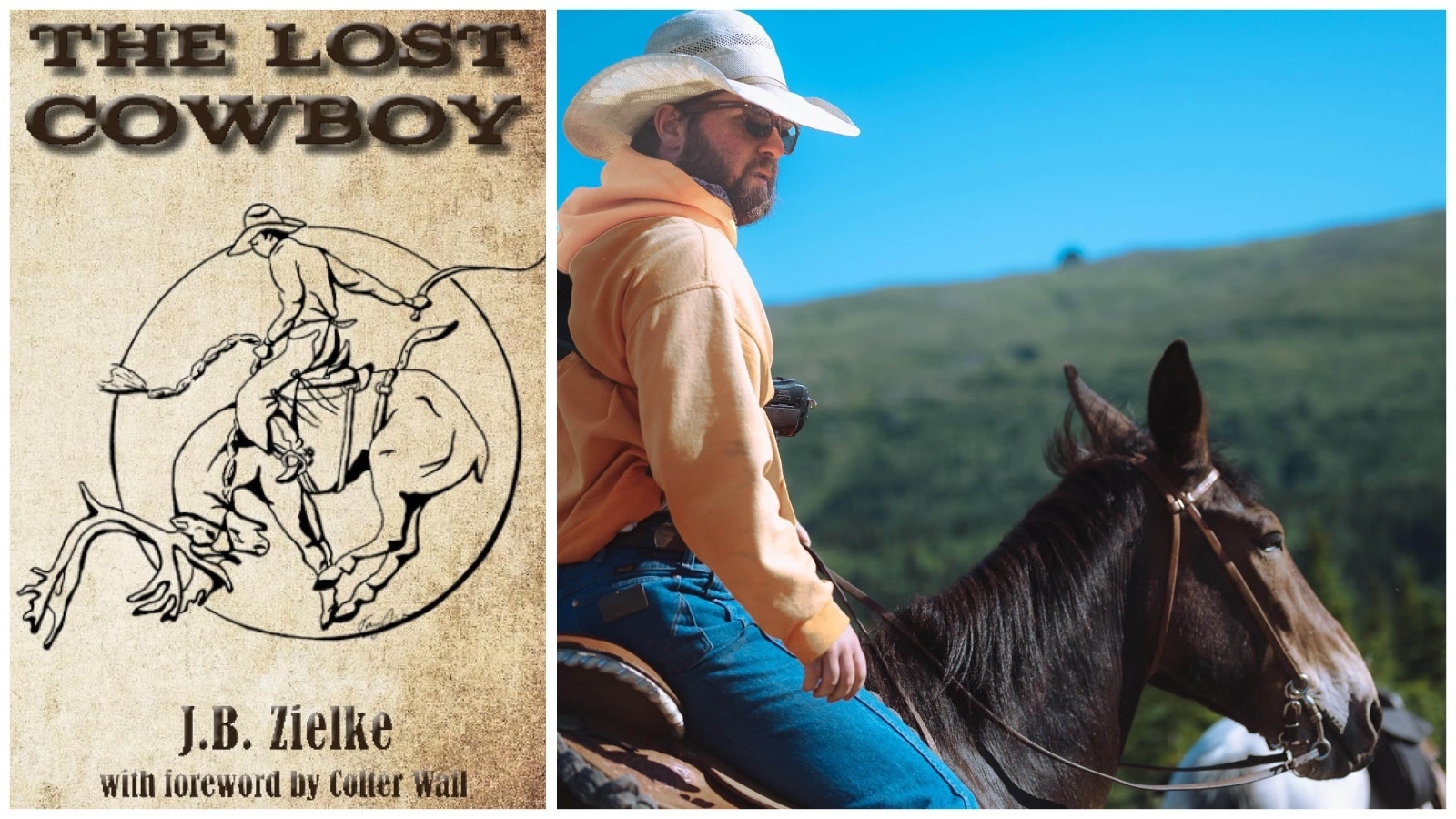
Wyoming author J.B. Zielke has won two 2024 Spur Awards for his Western novel "The Lost Cowboy." 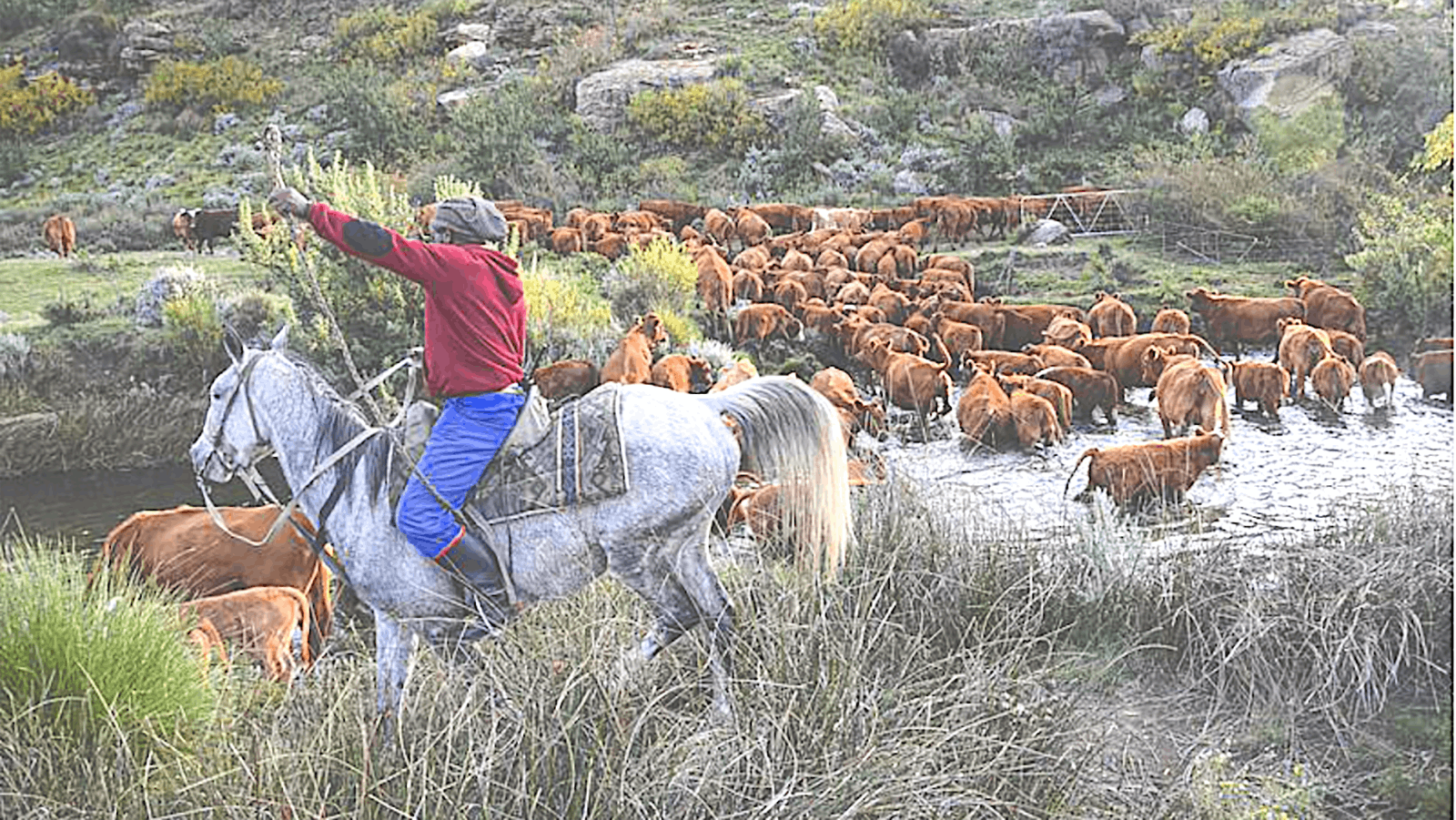
J.B. Zielke's travels took him to far reaching places like West Africa, where the job of a puncher is the same as it is in Wyoming. (Courtesy JB Zielke, The Lost Cowboy) 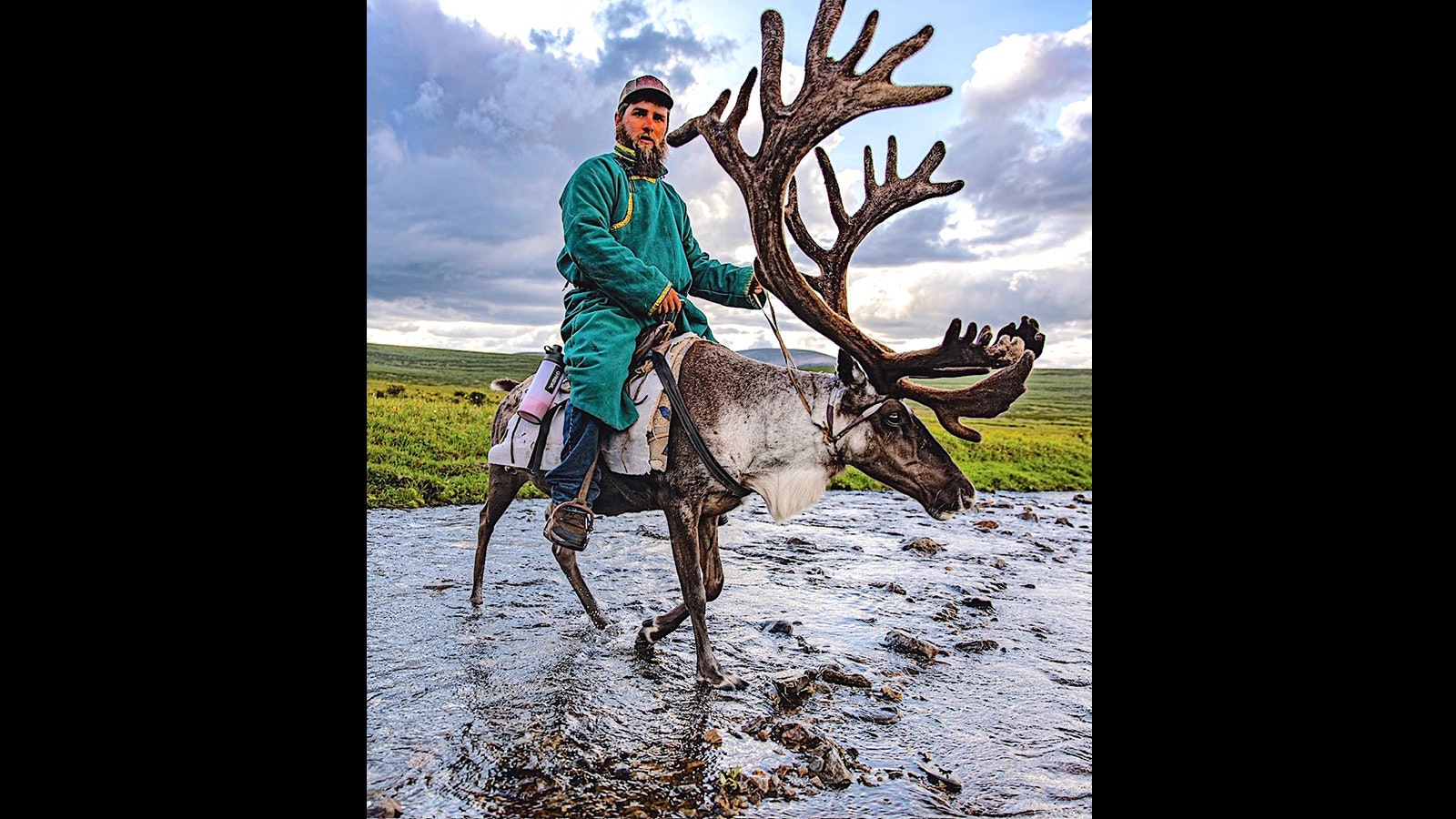
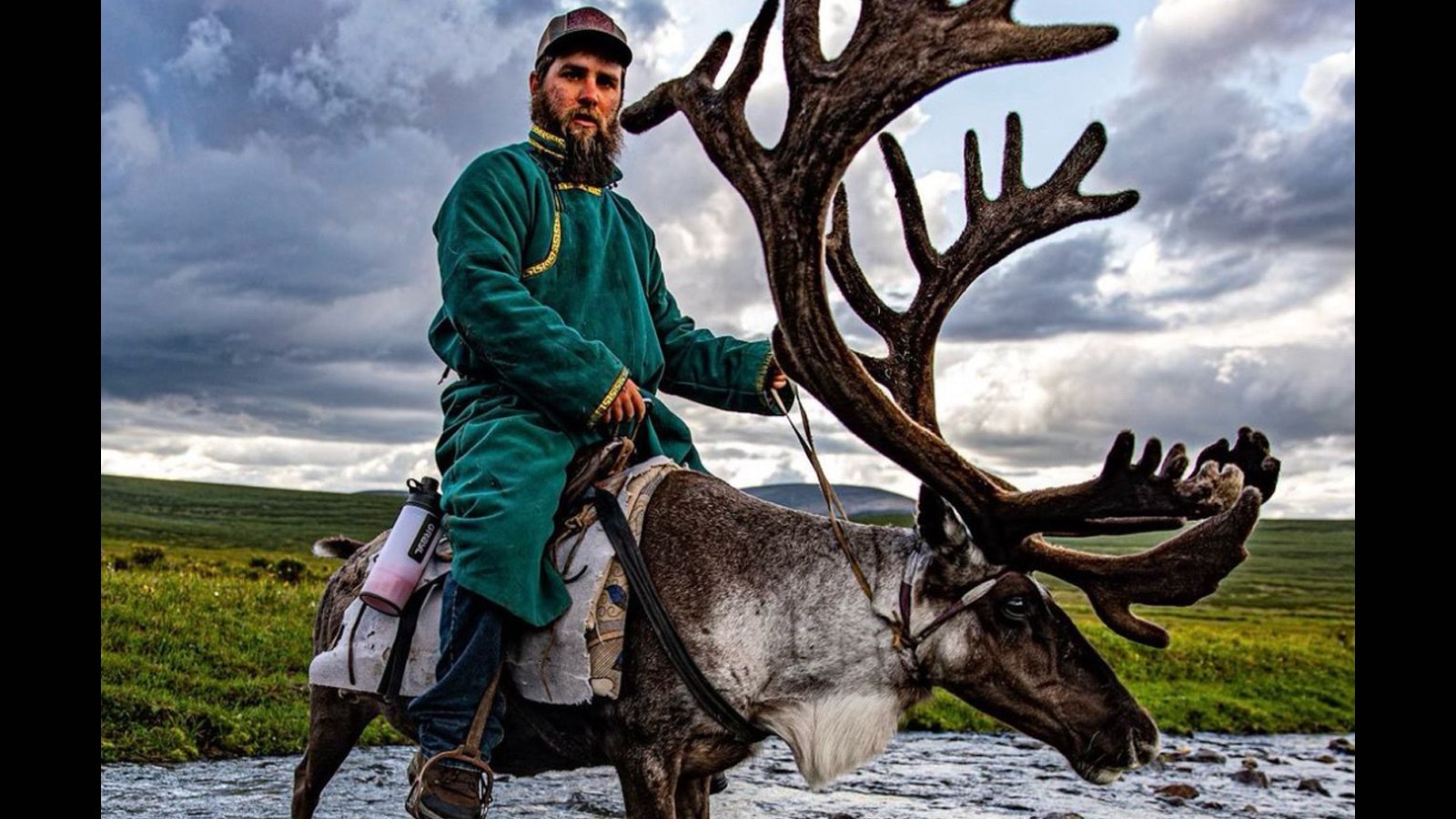
Yeah, they ride reindeer in Mongolia, J.B. Zielke learned. (Courtesy JB Zielke, The Lost Cowboy) 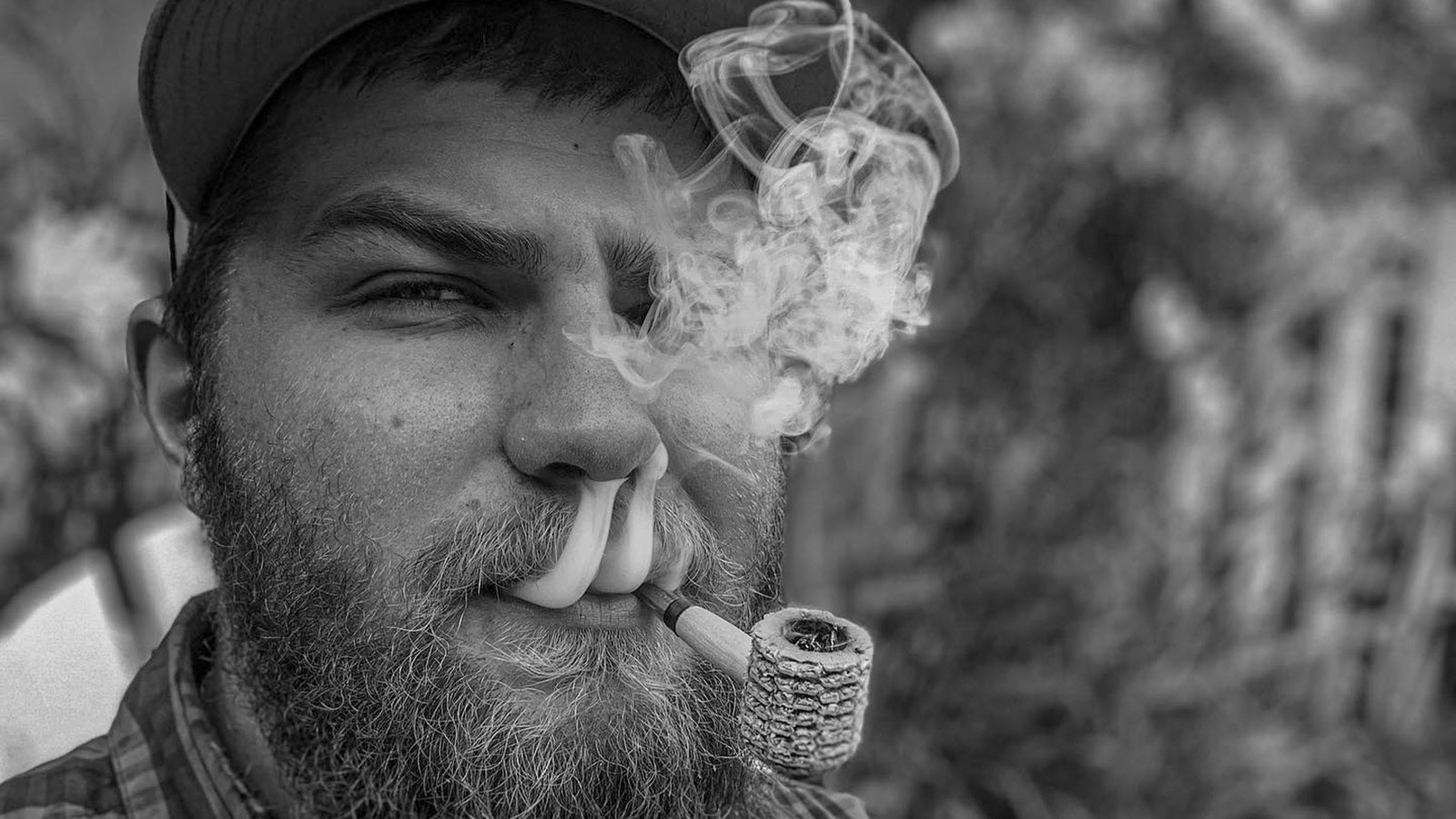
J.B. Zielke has learned how different, and similar, cowboying is all over the world. (Courtesy JB Zielke, The Lost Cowboy) 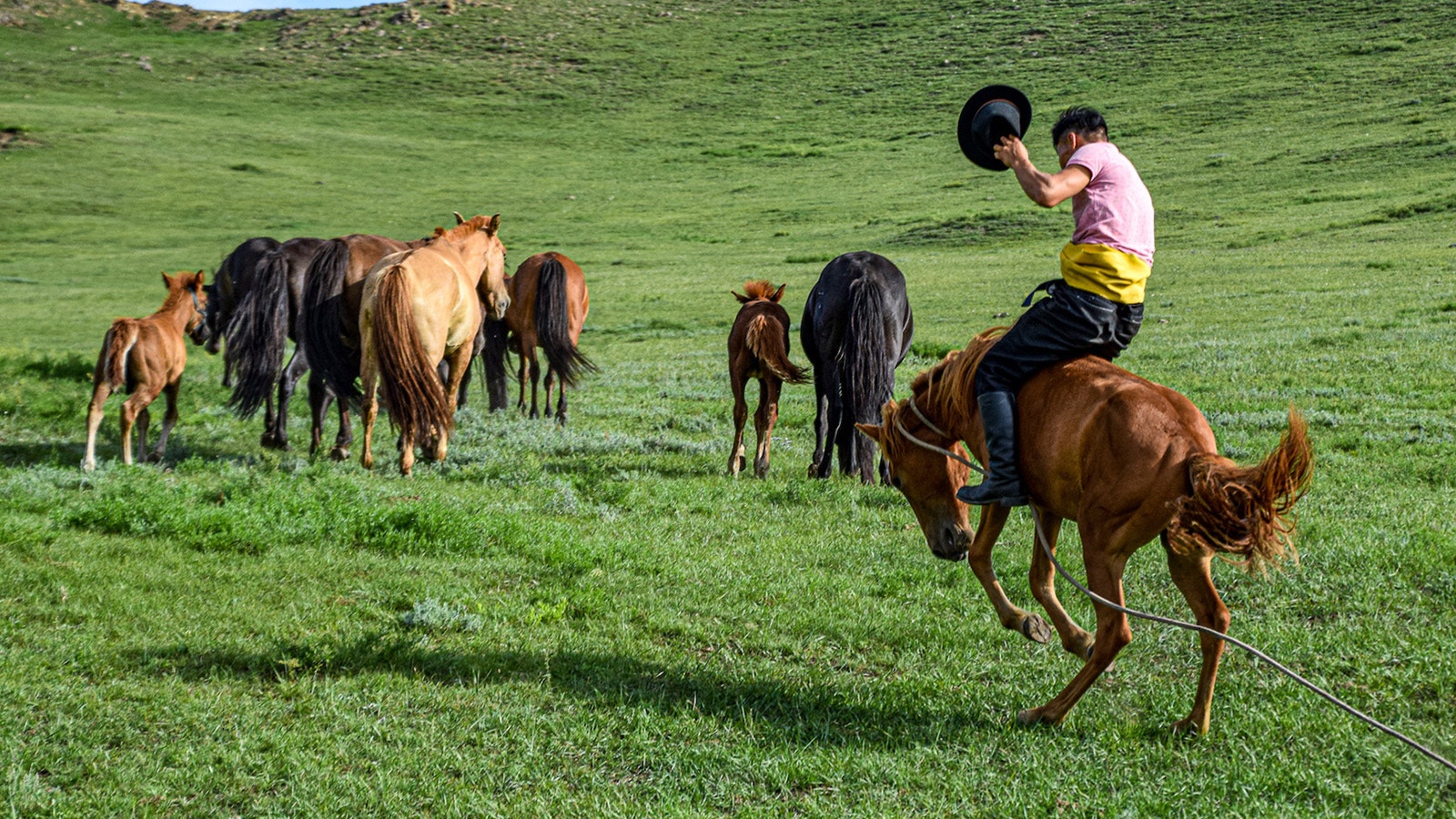
Things always got Western no matter where J.B. Zielke travelled to. (Courtesy JB Zielke, The Lost Cowboy) 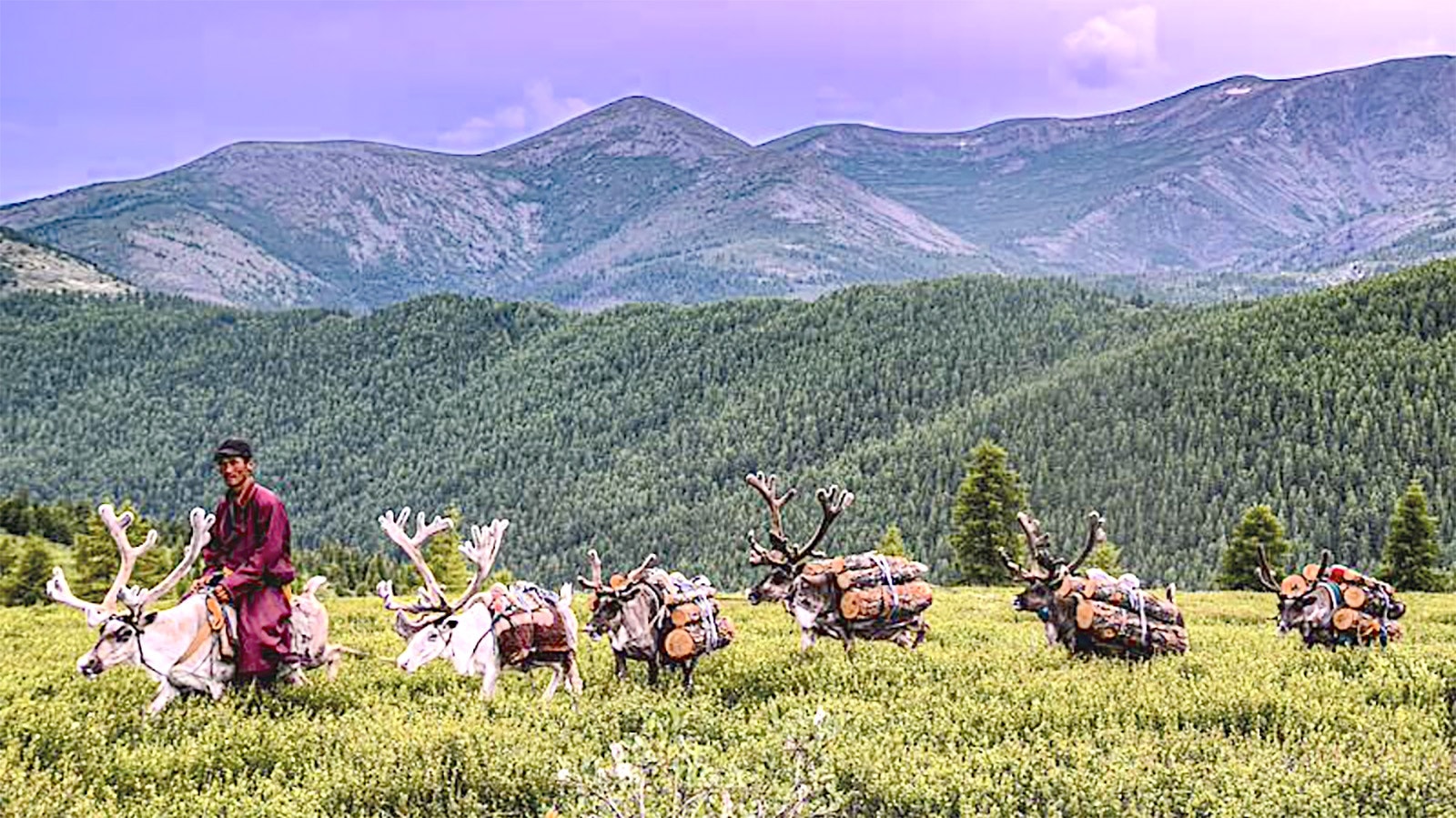
Mongolians packed and rode male reindeer. (Courtesy JB Zielke, The Lost Cowboy) 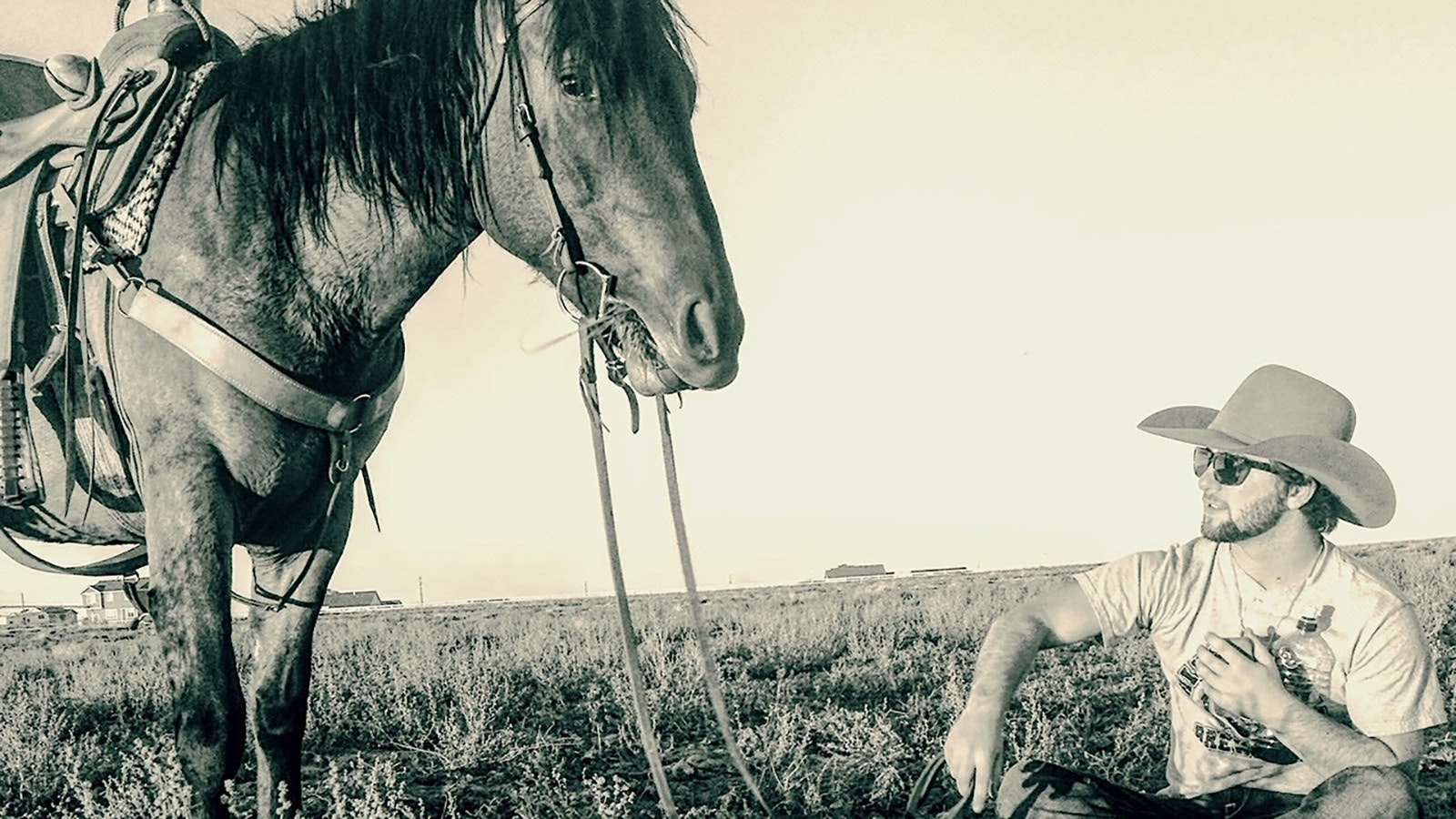
Wherever he's been, J.B. Zielke is always at home with a good horse. (Courtesy JB Zielke, The Lost Cowboy)
Socialist Sweden
While not technically socialistic, Sweden to Zielke was very government-controlled.
Zielke made a go at ranching in Wyoming after his return from Argentina, but that fell apart in financial ruin. A friend suggested he try coming to her native land to ranch. The next thing he knew, Zielke was on a plane to Sweden. It was an experience he called “life-changing” but for different reasons than Australia and Argentina.
“It was eye-opening to go from where things were pretty lawless, where policing and government had no strength at all, to the other end of the spectrum where government was stepping into your life every day and telling you what to do,” Zielke said. “Sweden is a country where lots of decisions are out of your hands and government has a lot more power and influence over your life.”
All cattle in Sweden are identified in a nationwide database using scannable ear tags. Still, with medical records constantly updated, regular surprise visits from government veterinarians would mean Zielke and his ranch hands would have to somehow coax a bull into a trailer (because it is illegal to rope a cow in Sweden) and then find someone qualified to drive the trailer since that required a special license and permit few possessed.
On top of that, until recently, it was illegal to keep a cow outside in wintertime. They had to be kept in a barn, Zielke said.
“I think a lot of Americans, especially ranchers and rural people, are not terribly open to have government intervention in any aspect of their life,” he said. “What I saw in Sweden is a lot of rural Americans’ worst nightmare when it comes to the government being all up in your business.”
Out Of Africa
After the modern Euro experience of Sweden, Zielke had his sights set on somewhere a little more Third World. A contact at Future Farmers Foundation put him in touch with a farm in South Africa in need of someone to help train and mentor their young workers.
While waiting for his crop duster at O.R. Tambo Airport in Johannesburg, Zielke again got taken. He surrendered 1,000 rand in cash to a Zulu-speaking shyster. Crooked cops were no help and Zielke vowed to be doubly wary of strangers.
“My travel experience was making me more callous toward strangers — maybe not quickly enough,” he said. “It’s unfortunate because some of the nicest people and coolest things I’ve done only happened because of trusting a stranger. But multiple times I was hoodwinked. I learned to put up a guard where I don't trust like I used to, but still try to remember the world is mostly full of good people.”
The remainder of Zielke’s experience in South Africa was all positive. And positively revelatory.
“Africa was absolutely was the most soul-shaking place I've been. I don’t know I described it well in the book and don't know I could describe adequately now,” Zielke said. “There is just an ever-present feeling hanging over you the whole time, an inherent sense of how old the culture is. How this land feels like the beginning of time and still today is simple. Food, way of life, it’s all incredibly simple in the best way possible.
“Africa was like waking up and wiping the sleep out of my eyes after 24 years, seeing the world as it really was for the first time in my life,” he added in his book.
Zielke hunted jackal and springbok, picked up a fair bit of Afrikaans and learned to appreciate the natives’ unwritten mantra of carpe diem and live in the present.
Maybe it’s because death and danger always felt so near to Zielke while he was there.
“I saw a lot of dead people and danger when I was there,” Zielke recalled. “In more civilized society and developed countries, we do our best to hide death as much as we can. We don't want people to see dead bodies or experience death and danger. In Africa, death feels like it is all around, but it is probably why people seemed more alive to me. They live in the moment a lot more.”
The closest to death Zielke came in Africa was riding runaway horses that did not know the meaning of the word “whoa.”
Gringo Vaquero In Mexico
Zielke lasted eight months on a ranch in southwest Wyoming before the traveling bug bit again. Mexico was never high on his bucket list, but it was another acquaintance who hooked him up with a job for the winter outside Chihuahua.
Mexico was everything the Wyoming cowboy thought it would be before he went. Dangerous for gringos, labor intensive and something straight out of a Western movie.
“I do my best not to scare people from going there. Yes, there is danger. Yes, I was in the middle of an actual shootout,” Zielke said. “But there was also some of the most beautiful places I've ever been and amazing people I've ever met down there. I wish people would visit and see real Mexico. I don’t mean Cancun and the insulated all-inclusive places.”
Zielke said he was glad he was not the testosterone-fueled 21-year-old when he went to Mexico. He was mature enough to know when to mind his own business and look the other way, which was pretty much all the time.
“There are things I saw that I have chosen not to include in the book to protect myself and everyone I was associated with,” he stated.
“The government does not have a lot of power in Mexico. Cartels assume the role of police. They do actually add a lot of stability to some regions, and that left me very conflicted about cartels and crime. I can see both sides of it. Not that I would advocate for cartels in any way, but I question whether they were truly bad or good for the local people,” Zielke pondered.
In his book, Zielke recounted a terrifying moment when he spent the night face-down on a tiled floor as a gunfight erupted in the streets outside.
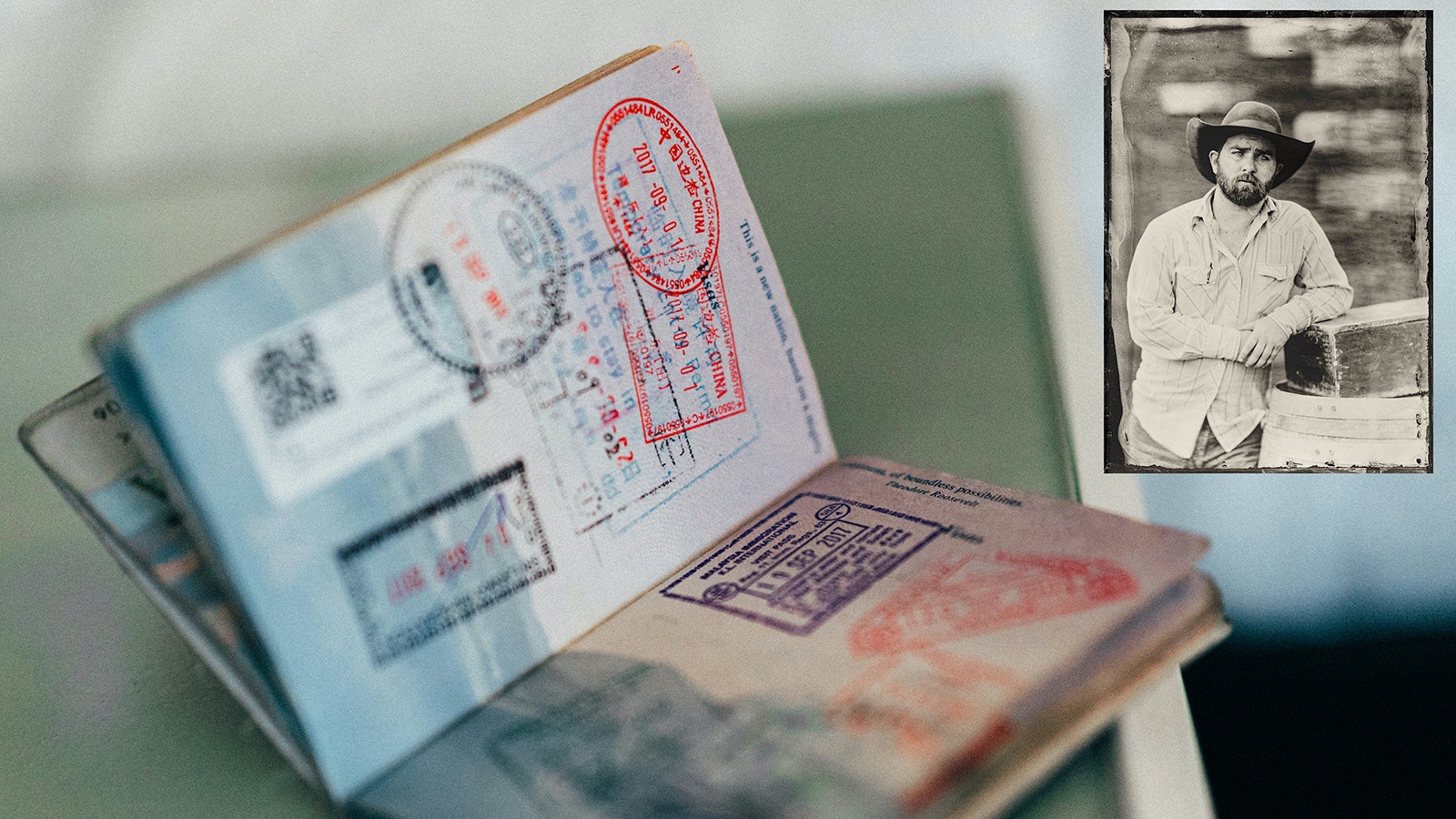
J.B. Zielke is the most well travelled cowboy on the planet. (Courtesy JB Zielke, The Lost Cowboy; Joseph Wyman Brown) 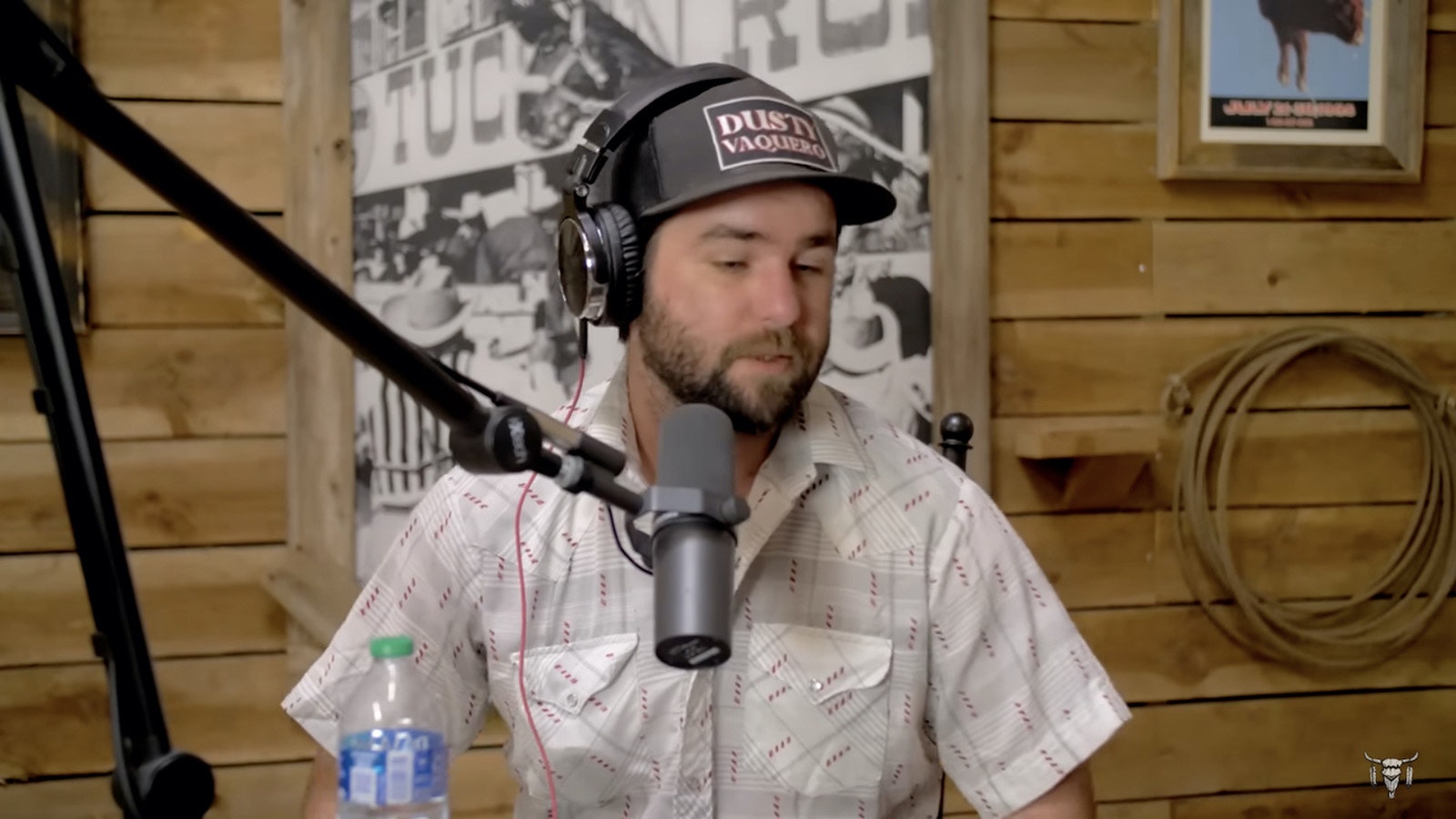
J.B. Zielke interviewed on a recent podcast. (Courtesy JB Zielke, The Lost Cowboy) 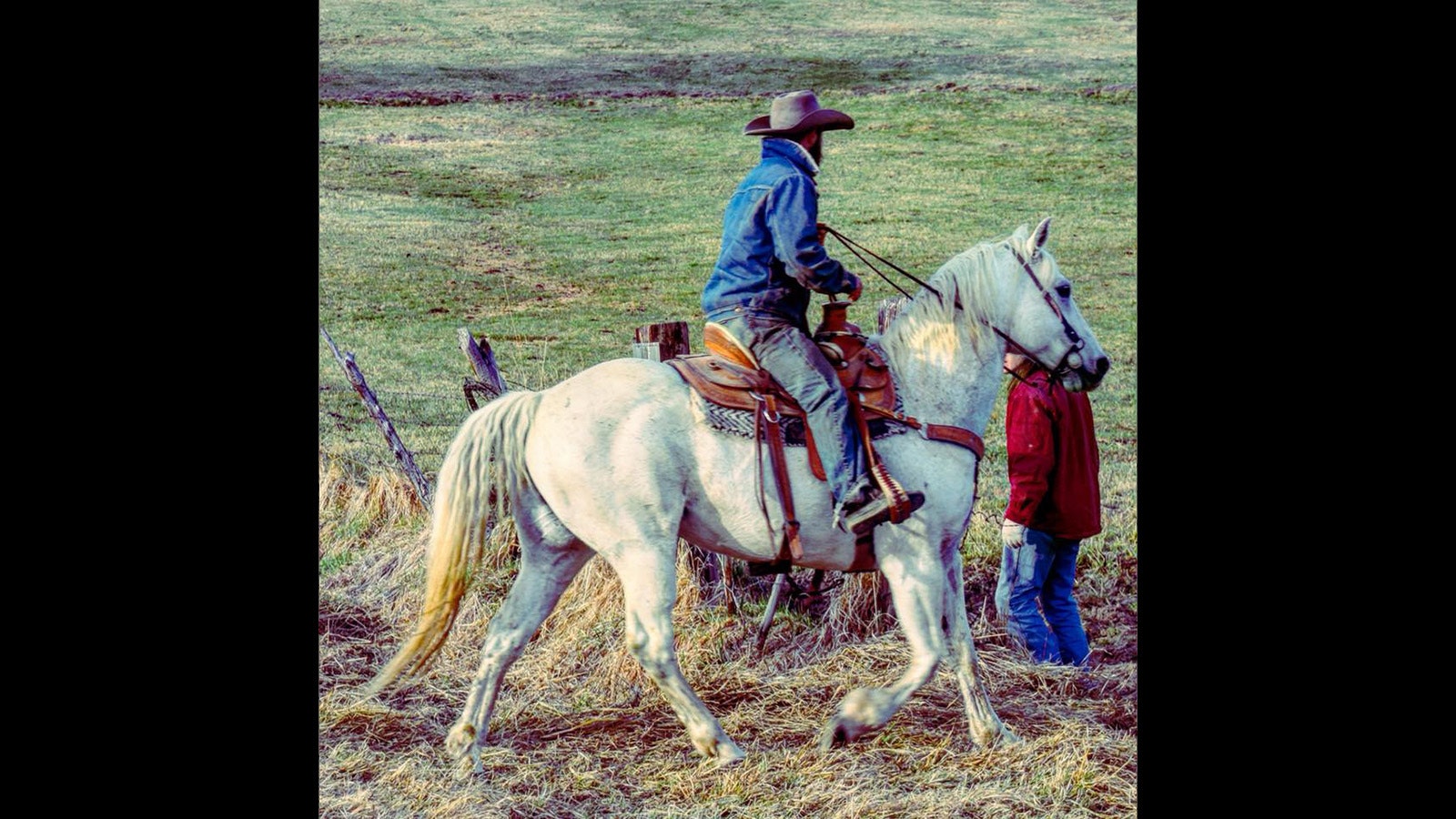
J.B. Zielke has ridden the range all over the world. (Courtesy JB Zielke, The Lost Cowboy) 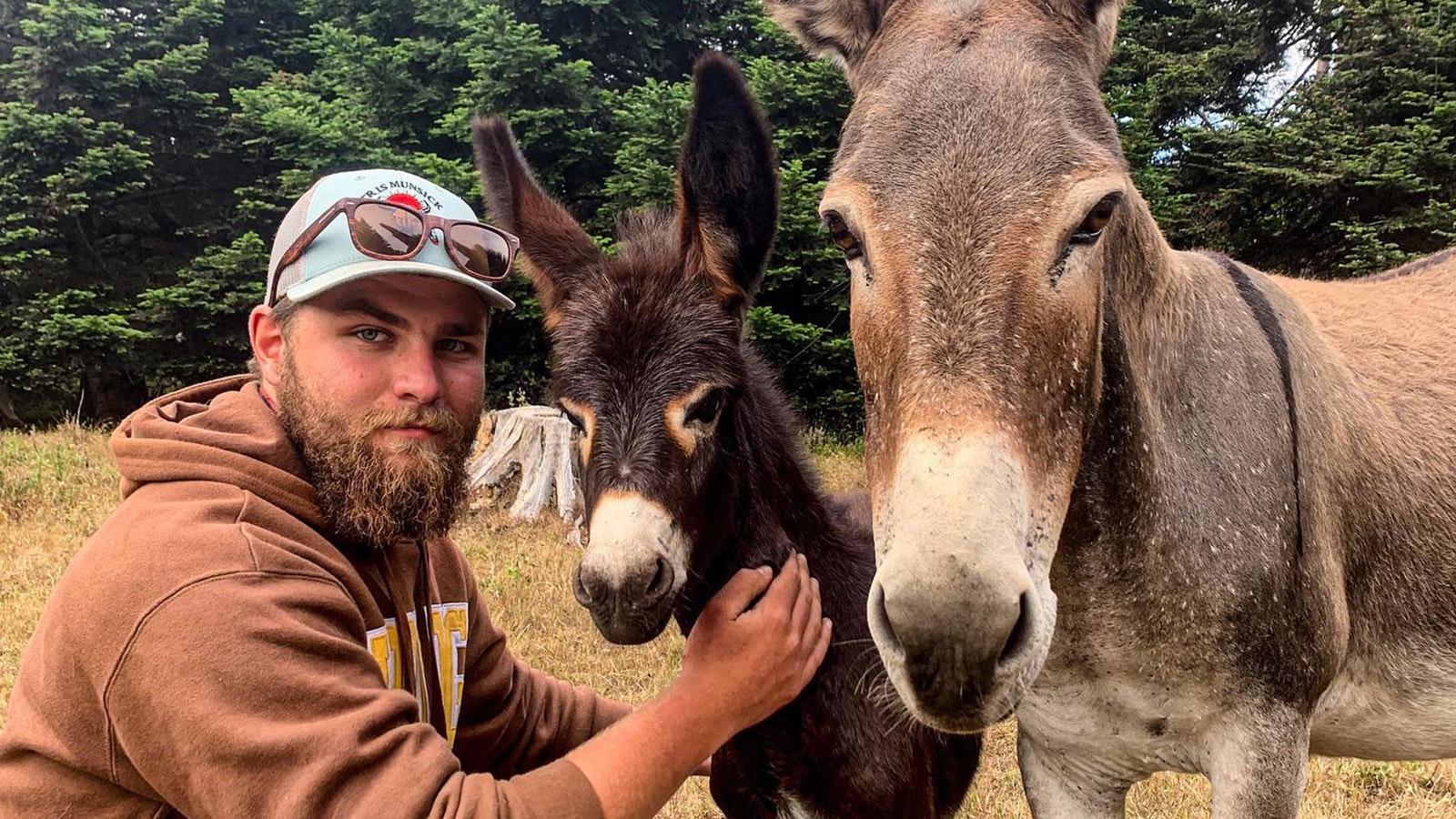
J.B. Zielke and a couple of his best friends. (Courtesy JB Zielke, The Lost Cowboy) 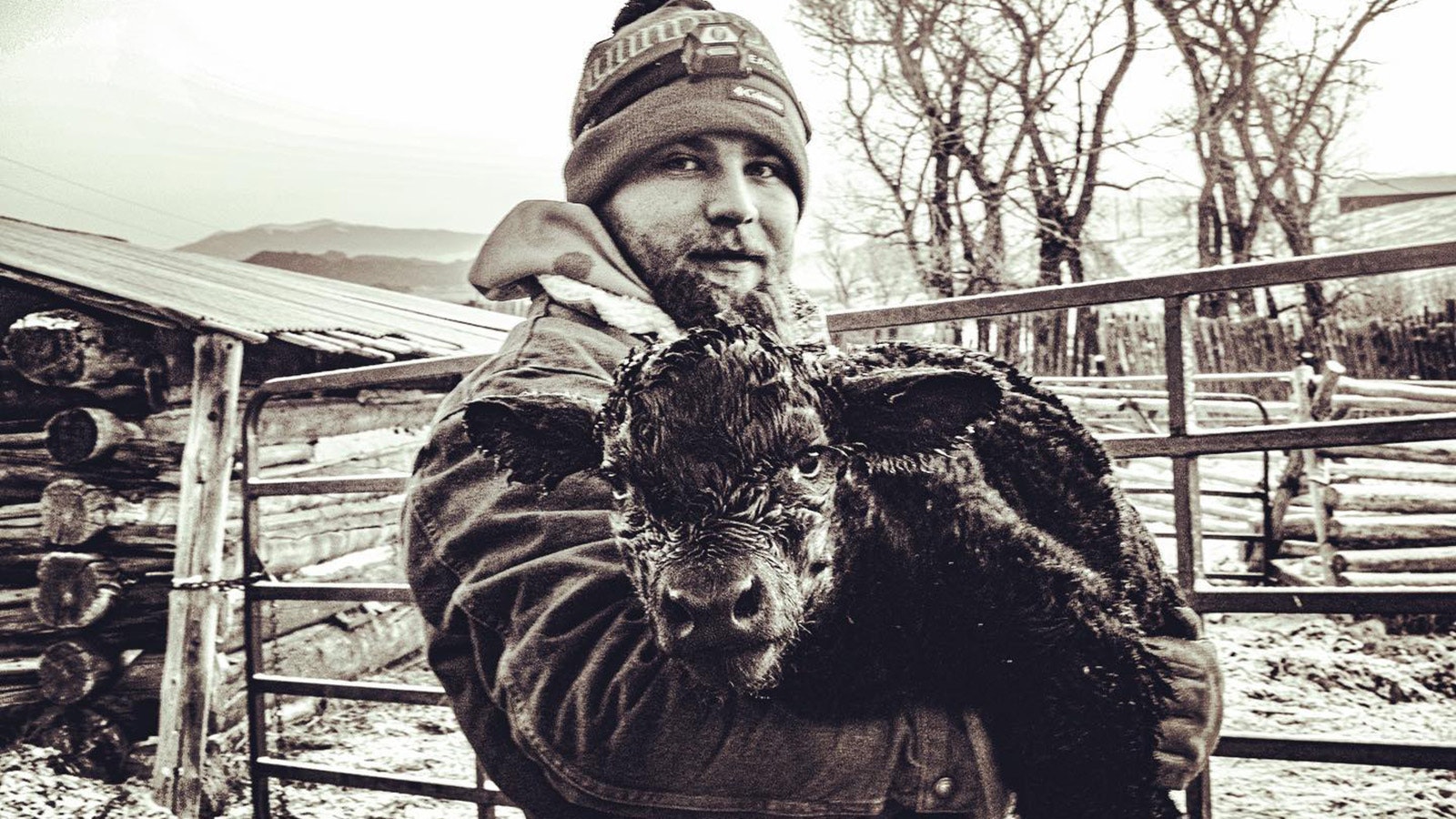
No matter the cultural and geographical differences, there are some things about cowboying that are the same anyplace on the planet. (Courtesy JB Zielke, The Lost Cowboy)
Genghis Khan In Mongolia
If Argentinians conceived of horsemanship, Mongols invented horses. From warring to wandering, the horse is simply baked into the Mongolian culture.
“A Mongol without a horse is like a bird without the wings," author and world traveler Elizabeth Kimball Kendall once wrote.
Zielke saw it firsthand from semi-nomadic Tsaatan herders who rode their small, wooly horses and packed reindeer like they were mules. The tribesmen lived off the land, making pilgrimages through the rugged steppe in northern Mongolia.
Largely unchanged since the time of Genghis Khan, this hardy breed traces its lineage to the prehistoric Przewalski horse. They are short, stocky and indefatigable.
They quickly earned the respect and the intrigue of Zielke.
“Mongolian horses, I think, are technically not actually horses at all. They are more closely related to donkeys,” Zielke conjectured. “They are really small. One interesting thing I noticed was they would bob their head constantly — up and down — while standing still. At first, I thought they were trying to get flies off their face, but there were no flies around, so it wasn’t that. They all did it and I never figured out why.”
Zielke saw Mongolia and its ancient ways as a land the world has passed by. It reminded him of the American West before the barbwire. When a free spirit could ride unencumbered anywhere in any direction.
Zielke said his globetrotting ways were slowed by the pandemic. He was “forced” to get a job, but soon found a second calling. He now shoots music videos out of Austin, Texas, for a company he founded called Dusty Vaquero.
Jake Nichols can be reached at jake@cowboystatedaily.com.