Wyoming’s wildlife is always in the spotlight, but that doesn’t mean it can be spotlighted. That’s illegal.
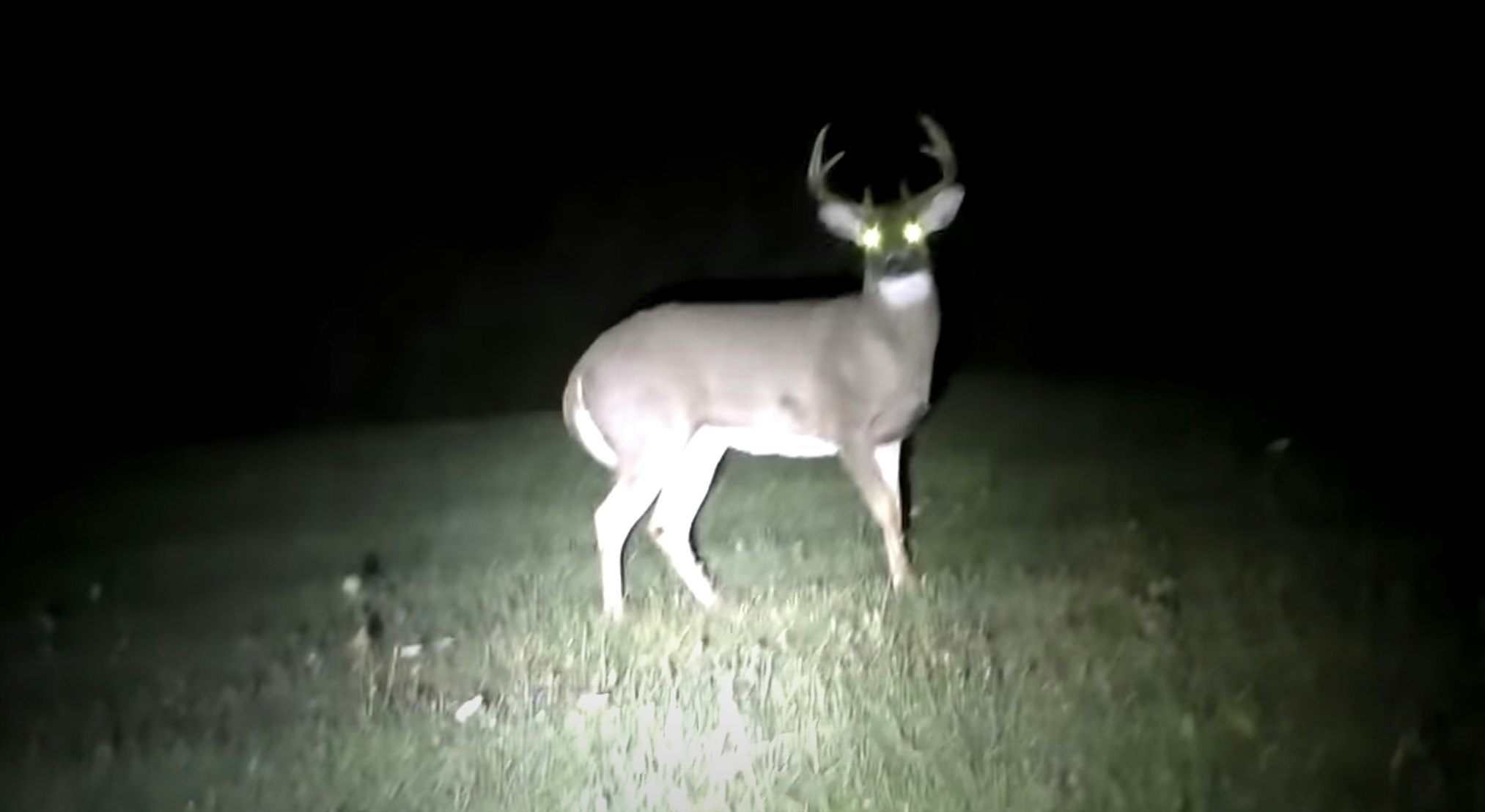
Spotlighting is the practice of using bright lights to hunt or observe wildlife at night. The concept is inherently simple: All that’s needed is a bright light and a dark night.
Wildlife spotlighting is an increasingly common practice across Africa, where vehicles carrying tourists might have a mounted spotlight for nighttime wildlife tours or to increase visibility for photography.
But simple concepts have a penchant for being abused. Poachers often use spotlighting to stun animals, making them easier to hunt.
Year after year, wildlife tourism has contributed to record-breaking attendance in Yellowstone National Park and elsewhere around Wyoming. With larger herds of people flocking to see those wild herds, there could be a growing interest and demand for wildlife spotlighting.
The good news for Yellowstone purists is that the question of spotlighting has already been asked and answered — nope, can’t do it — and it’s unlikely to change, as long as Wyomingites ensure it doesn’t.
Lights Off
Spotlighting is illegal on public land in Wyoming. The state banned spotlighting in conjunction with hunting, and the federal government prohibits spotlighting for wildlife observation in Yellowstone and throughout the National Park System.
Laws and regulations can change with enough public support or opposition, but there isn’t much demand to allow spotlighting in Yellowstone or Grand Teton national parks.
“We've never been asked for that,” said Alvin Heggie with Cody Shuttles, which conducts tours of Yellowstone. “Nobody’s asked us for ways to attract wildlife. They are more focused on what kind of equipment we have for them to use to see wildlife.”
Heggie said people might book a wildlife tour through Cody Shuttles and other wildlife tour companies for various reasons. Most want to get the best experience within the legal and ethical boundaries established throughout the Greater Yellowstone Ecosystem.
“They want to see wildlife in wild country,” he said. “Tourists are looking for the people they feel are going to treat them the best and put them in the best position to see wildlife.”

Making The Market
The only night tours offered in the Greater Yellowstone region are for stargazing in the pristine dark skies over Yellowstone and Grand Teton. If there’s ever a future demand for nighttime tours with wildlife spotlighting, Heggie doesn’t see it starting with tourists.
“It would be more of a pull than a push,” he said. “It’s hard to forecast because it's not permissible or ethical here now. But I would imagine for that kind of an experience, outfitters and guides would offer that service and create their own interest. It doesn't feel like that would be very pervasive.”
Even if spotlighting were permitted in Yellowstone, which is extremely unlikely, Heggie wouldn’t promote the practice. He believes many wildlife tour companies would also shun it.
“I'm not a fan of them,” he said. “It diminishes the wildlife experience because you're not watching wildlife. You're watching a stunned, kind of manipulated animal, causing them undue stress. It’s an unnecessarily dangerous situation, and I don't think that's appropriate.”

The Ethical Status Quo
There’s not much chance that wildlife spotlighting will ever be permitted in Yellowstone National Park. But in the 21st century, the struggle over what is and isn’t allowed in the park is constantly challenged, mainly by the accelerating sophistication and accessibility of new technologies.
For instance, it didn’t take long for commercial drones to be banned throughout the National Park Service after a visitor crashed one into Grand Prismatic Spring in 2014. Often, new gadgets and technologies aren’t banned until they’ve already caused significant incidents.
Regarding wildlife tourism in Yellowstone, Heggie doesn’t necessarily believe in following “the status quo.” His primary considerations are the most ethical practices for the safety of tourists and wildlife.
“Maintaining the status quo is not a goal of mine,” he said. “I think the question is more about ethical practices. If it's an ethical practice and you can leverage it, I think you should. If not, it should be banned because it's not good for what we do and the wildlife.”
In Heggie’s perspective, wildlife tourism companies and guides have just as much responsibility as tourists. The best way to prevent literal spotlighting is to focus the metaphorical spotlight on the people and companies providing wildlife experiences within ethical boundaries.
“There's a stark difference between a guide service that has multiple experienced guides with decades of experience that know the ins and outs of the park and someone who's using sound or light to attract wildlife,” he said. “I believe the ability to purvey in our market is predicated on our accumulated experience, the experience we create, and how well we communicate that to the consuming public.”
Andrew Rossi can be reached at arossi@cowboystatedaily.com.