A Wapiti, Wyoming, man who is a former U.S. Marine and member of an unorganized militia filed a civil complaint against the federal government Monday, saying a federal ban on most machine guns is unconstitutional under the Second Amendment.
This is Jake DeWilde’s second attempt to have a federal court overturn Congress’ ban on owning or transferring machine guns possessed after 1986.
In light of the 2022 U.S. Supreme Court case New York Rifle Assn. vs. Bruen, eligible citizens should be allowed to receive application approvals and build machine guns, DeWilde has argued both in his first unsuccessful case and in the new one he filed Monday.
“I believe the militia was critical to securing our independence during the American Revolution,” reads DeWilde’s filing. “Service in the militia was generally mandatory; the militia traditionally consisted of able-bodied men capable of dutifully arming themselves.”
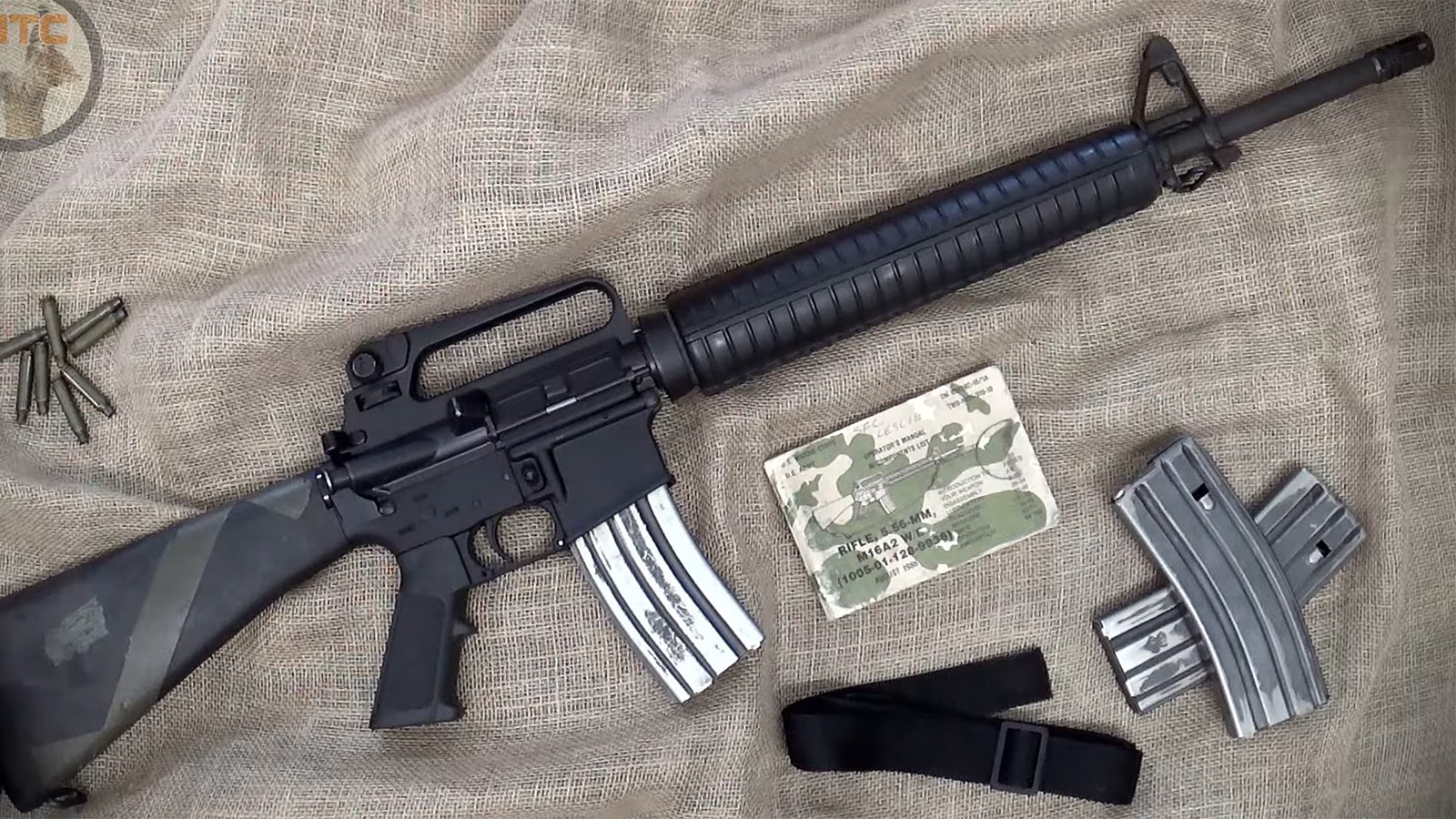
DeWilde wrote that he believes the Founders envisioned the militia to be a force that was at least at parity with any standing army, and he notes that the U.S. military issues M16 machine guns to service members.
The First Case
DeWilde first sued the U.S. Attorney General and the Bureau of Alcohol, Tobacco, Firearms and Explosives (ATF) last August, saying the ATF denied his application to build an M16 machine gun, but the Second Amendment should allow him to do so.
U.S. District Court Judge Wyoming Chief U.S. District Court Judge Scott Skavdahl dismissed that case because DeWilde did not have standing: His firearms trust had submitted the ATF application, yet DeWilde couldn’t represent his trust in court because he’s not an attorney.
But Skavdahl also disputed DeWilde’s argument, saying allowing private citizens to own weapons that are common in the military would lead to all sorts of unusual armaments.
“Where is the limit? Tanks, bombs, nuclear weapons?” wrote the judge. “This is beyond outlandish, yet it is the logical result of Plaintiff’s argument that provides no limit. The Court declines to permit such an astonishing result.”
DeWilde appealed to the 10th Circuit Court of Appeals and it upheld Skavdahl’s dismissal this month, citing both the trust issue and DeWilde’s failure to show that he faced a concrete and imminent injury if the court didn’t act.
The 10th Circuit did not address DeWilde’s Second Amendment argument, but spent multiple pages describing his lack of standing to sue.
“A mere desire to possess a machine gun, untethered from any allegation that he faces a credible threat of prosecution, is insufficient,” reads the 10th Circuit’s affirmation, filed April 10.
Ready, Set…
On the day a 10th Circuit judge ruled against him, DeWilde submitted a new form asking the ATF for permission to build his own machine gun for all lawful purposes, including defense of hearth and home and militia activities, says the new lawsuit complaint filed Monday in the U.S. District Court for Wyoming.
Two days later, the ATF disapproved his form through what he calls an oblique reference to the federal machine gun ban.
“You cannot make machine guns on a form 1 as the registry has been closed since 1986,” says the ATF’s email to DeWilde, attached as an exhibit in his court petition.
Gun Regulations Must Align With ‘Historical Tradition’
So DeWilde crafted his current civil complaint challenging the statute’s constitutionality against the Second Amendment and citing part of the U.S. Supreme Court’s Bruen ruling. The passage, penned by U.S. Supreme court Justice Clarence Thomas, reads:
“When the Second Amendment’s plain text covers an individual’s conduct, the Constitution presumptively protects that conduct. The government must then justify its regulation by demonstrating that it is consistent with the Nation’s historical tradition of firearm regulation.”
Well, You Asked
In an apparent nod to the 10th Circuit’s critique that DeWilde didn’t show concrete and imminent injury from the machine gun ban, nor a concrete plan to build a machine gun, DeWilde’s new filing lists his detailed, step-by-step plan to build an M16 machine gun if the government will allow him.
The ban is the only thing stopping him, since he’s authorized to own guns and owns a pre-1986 machine gun, DeWilde’s complaint says.
He also lists the tools and supplies he has and which he’ll need, and a blueprint for the gun.
DeWilde references a Wyomingite’s unlawful machinegun possession case as proof that he faces prosecution if he makes an M16 machine gun without the court’s intervention.
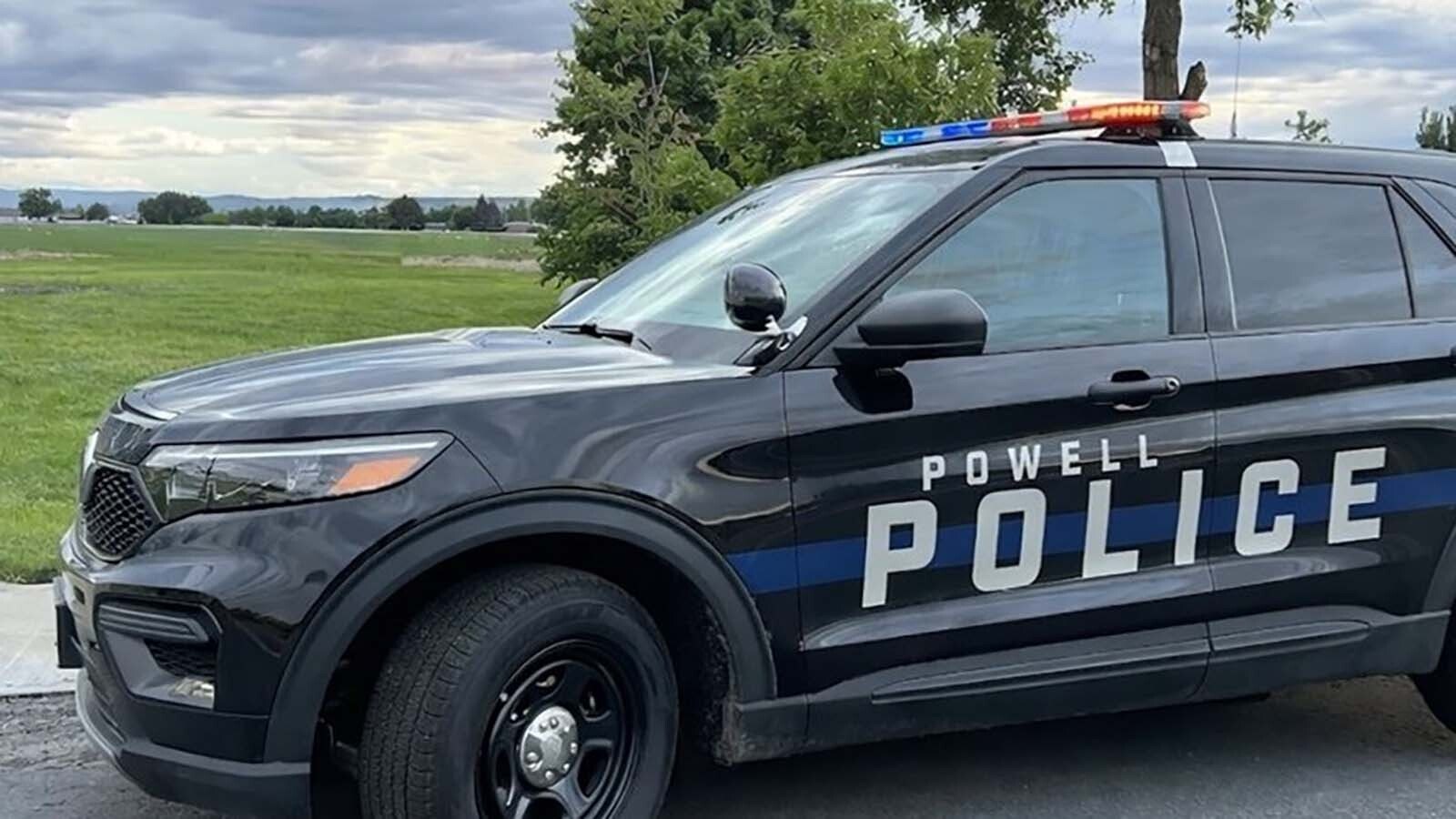
Steven Shobert, 48, pleaded guilty April 11 to converting a 9 mm Glock into a machine gun with a Glock Switch conversion device. His sentencing is set for July 3.
“I can discern no circumstances where the government would not investigate, arrest and prosecute me with violating (the ban) in the same manner,” wrote DeWilde in his Monday filing.
This case is ongoing.
Clair McFarland can be reached at clair@cowboystatedaily.com.