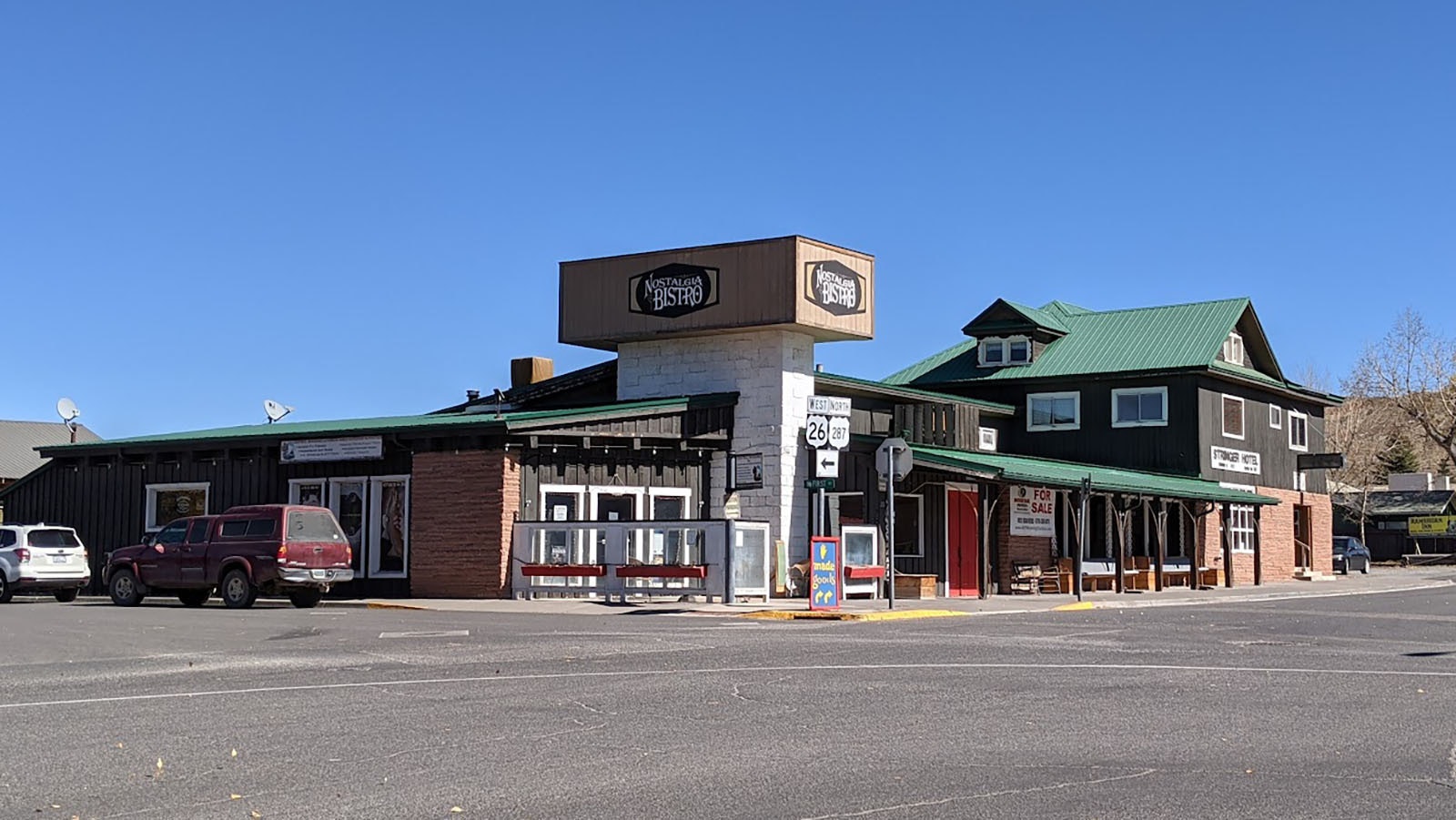
Oscar Stringer and his brothers built a grand hotel in Dubois in 1914, the same year the town was officially incorporated.
Dubois was about to become a happening place, they reasoned, with the Wyoming Tie and Timber Co. headquartering a giant log-milling operation northwest of Dubois in the DuNoir, near present-day Brooks Lake Lodge.
Thanks to that, Dubois would earn a place on the map as one of the largest railroad tie suppliers in the country.
The tie hack industry faded away with the railroad industry shortly after World War II.
The remains of the many wood flumes used to transport railroad ties down the Wind River to Riverton, built primarily by Scandinavian immigrants, are still visible around Dubois for those who know where to look.
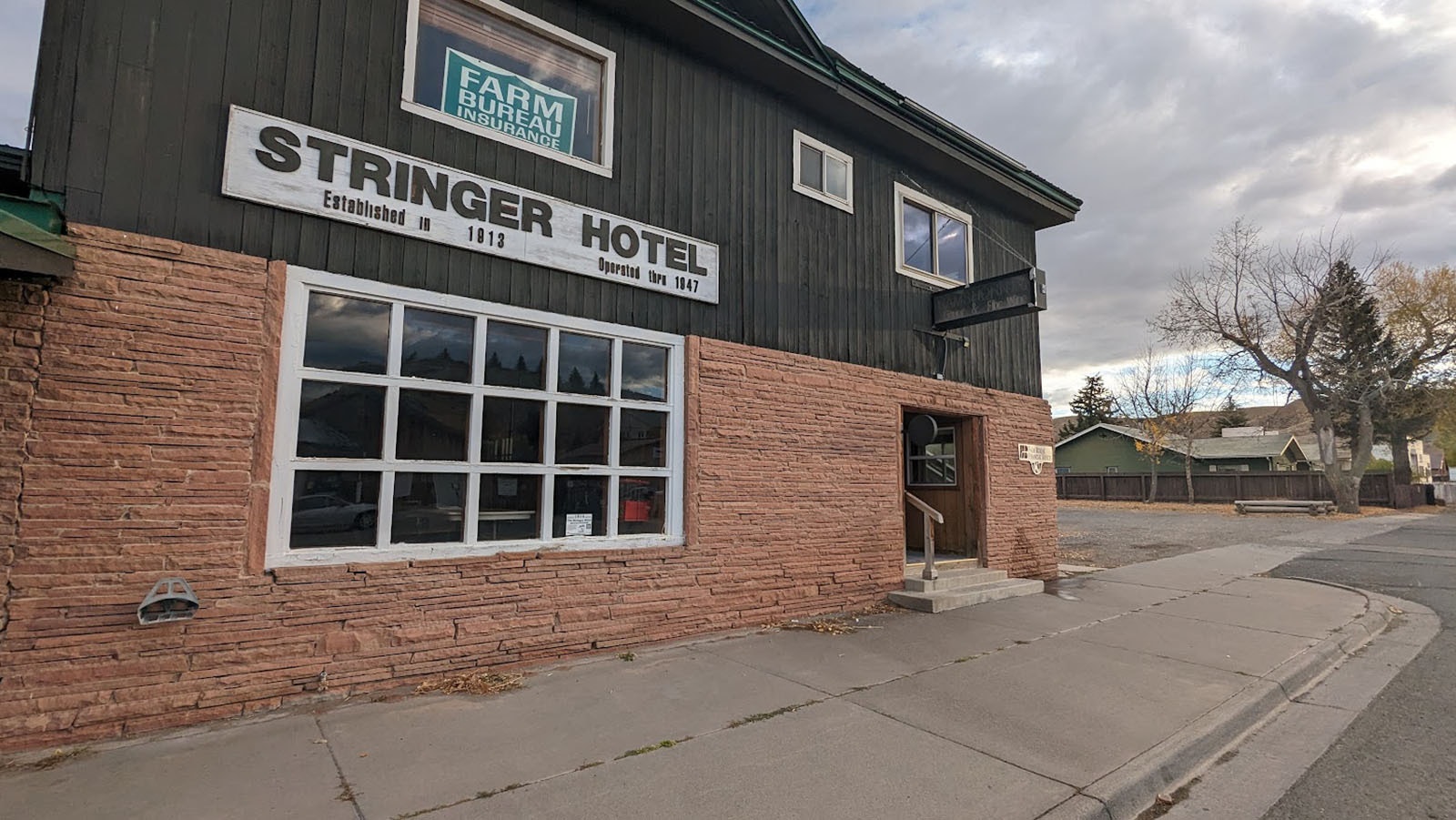
So, too, is the Stringer Hotel at 202 E. Ramshorn St.
Today, it’s looking a bit fresher than it has in a long time thanks to restoration work by its present owner, Dubois resident Jason Kintzler.
“This was a place where everybody came, and we have stories of guys who would ride their horses onto the dance floor and just all kinds of crazy stuff like that,” Kintzler said. “And this was the largest building in Dubois when it was built, and it may still be. It’s three stories.”
Over time, the hotel would have many lives in Dubois: gas station, restaurant, fly shop and even a salon. When the Rams Horn Inn across the street burned down, it took on those functions for a time as well.
Eventually, though, the Stringer Hotel was filling the role of a sad and derelict building about to fall down and be lost forever.
“What a lot of people don’t know is, when I started looking at purchasing it, I was working with the owner and he had another person interested and their plan was to buy it and knock it down,” Kintzler said. “They were going to totally demolish it.”
That convinced Kintzler that he needed to buy it instead.
“It just has so much history here,” he said. “And I just feel like a lot of these buildings, you know these old structures in Wyoming, we’re never going to get them back.”
(Courtesy Jason Kintzler) 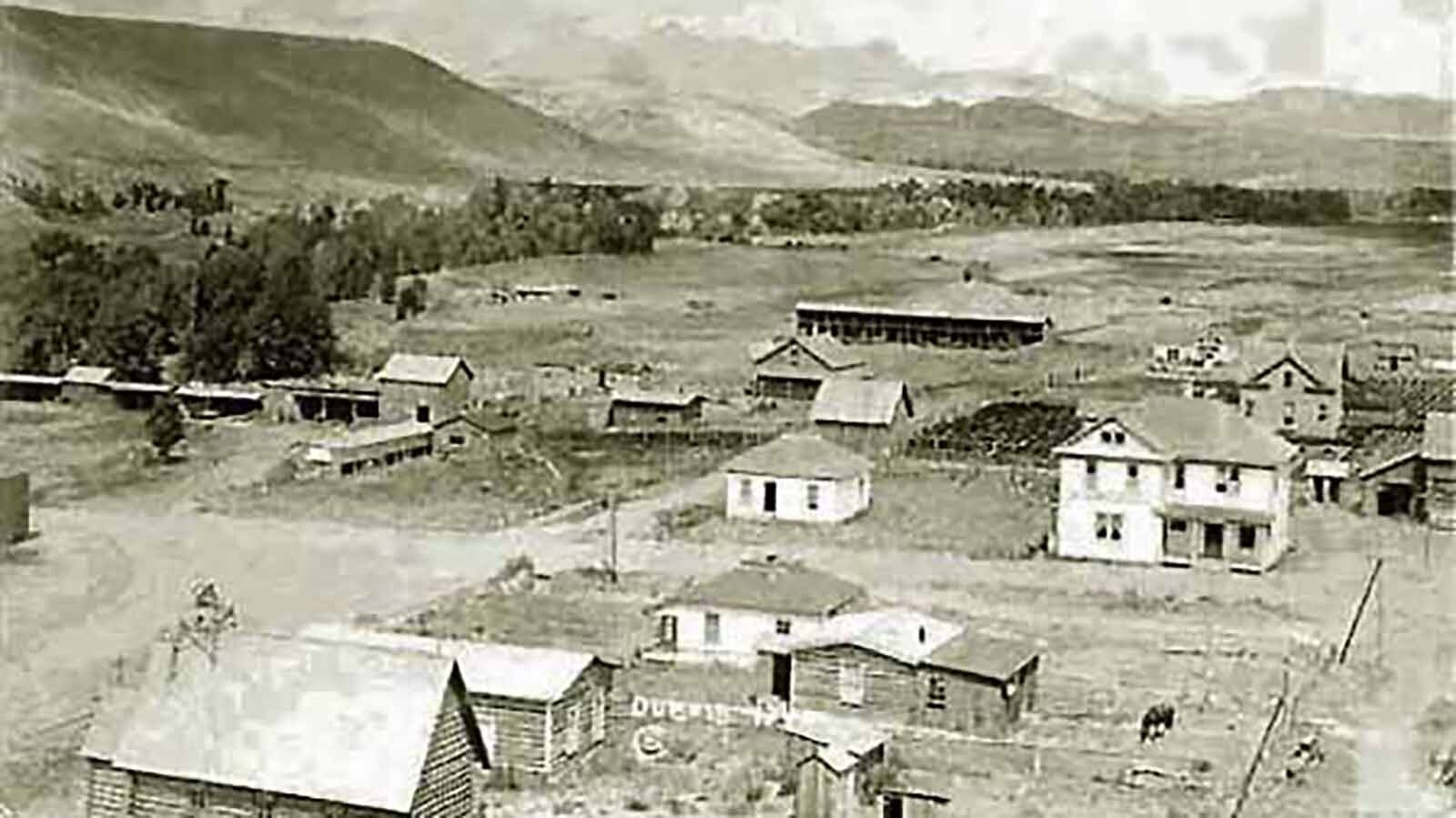
The Stringer Hotel, right, in 1915 about a year after it was built in Dubois, Wyoming. Today, it's had several expansions to take up the whole city block, including where that house is to the left. 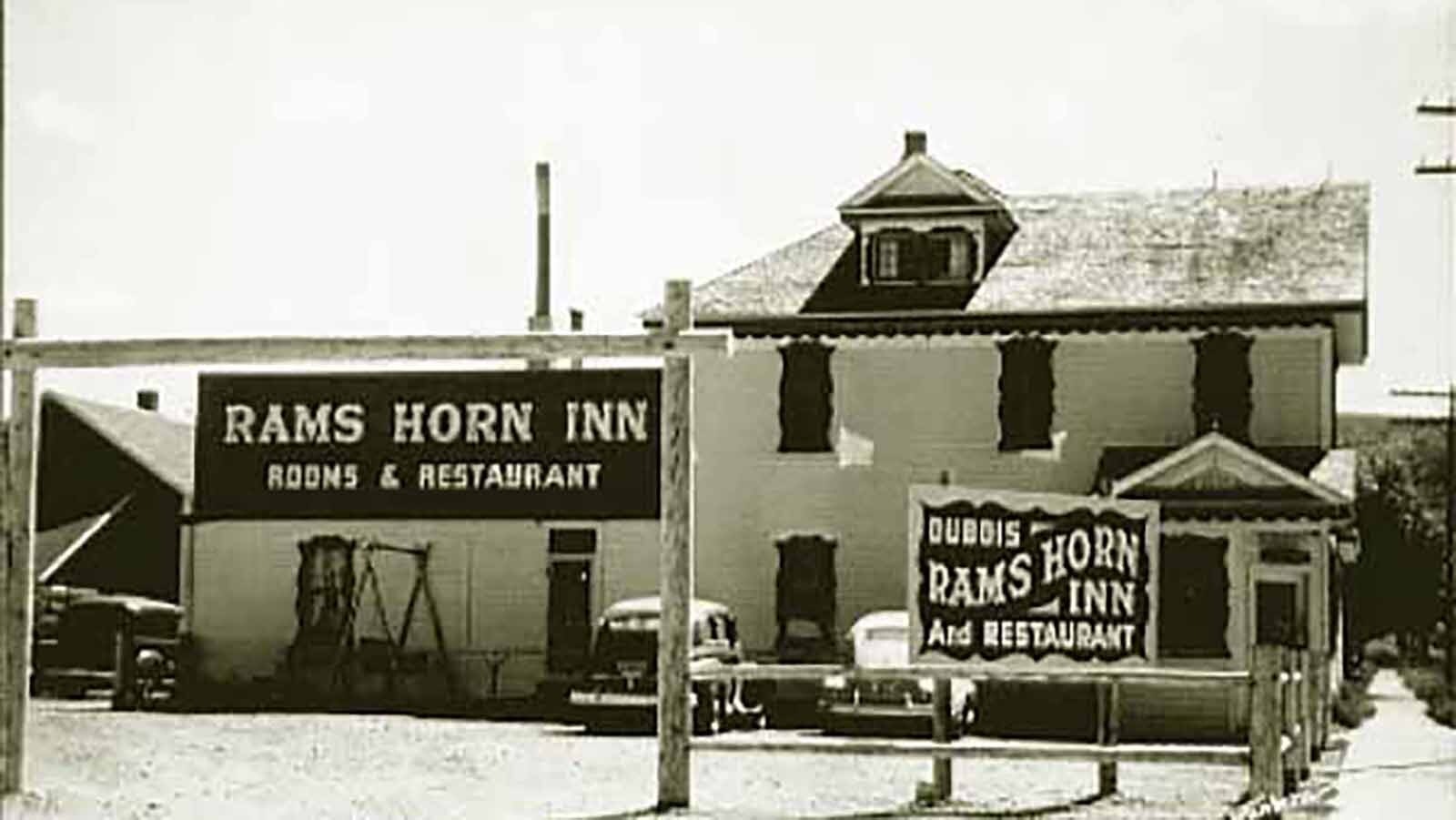
The Stringer Hotel as the Rams Horn Inn in the late 1940s, one of many lives the historic building has had in 110 years. 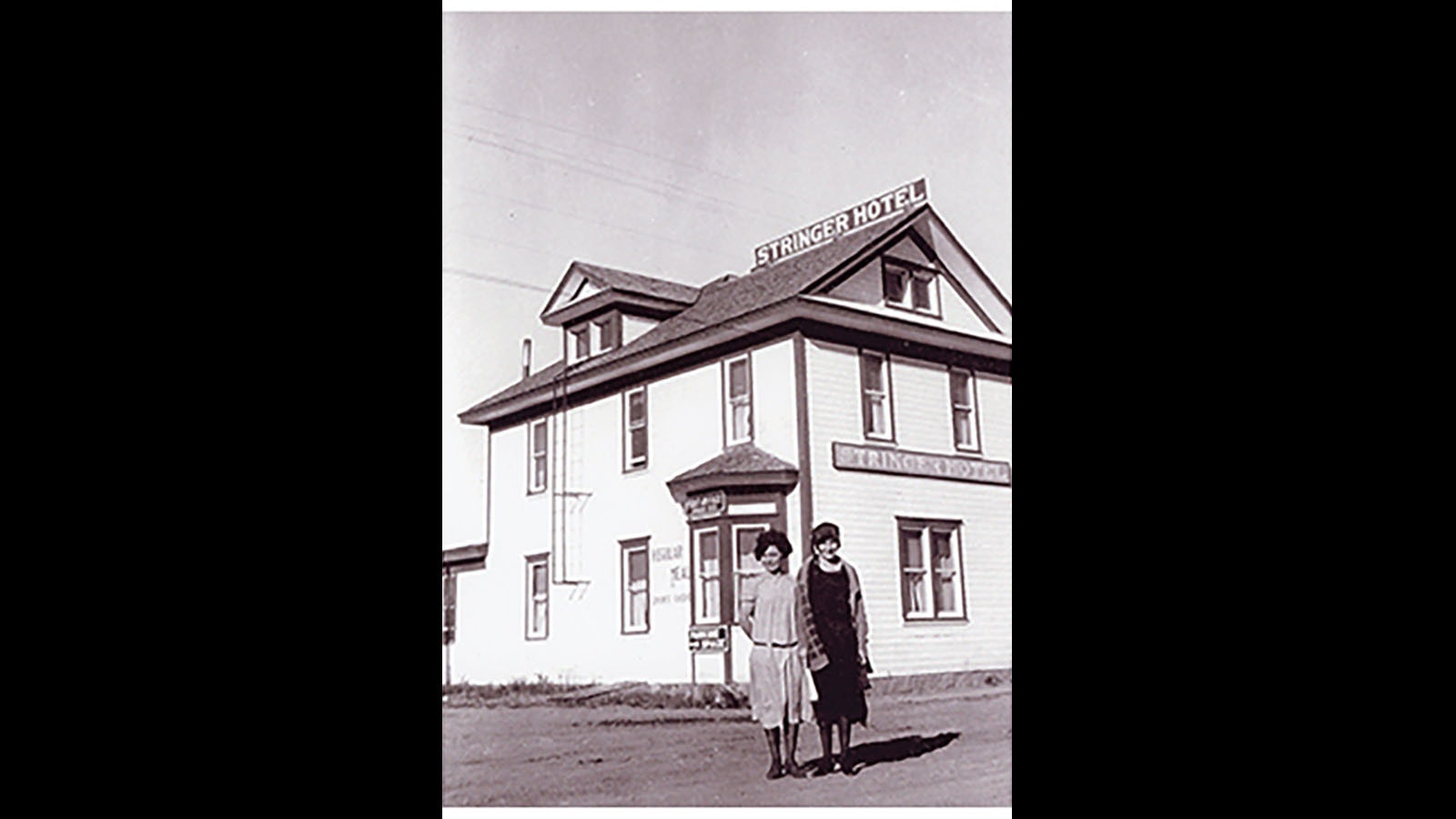
The Stringer Hotel in an undated photo.
One Cold Winter
To make this deal work, Kintzler needed to move his own business, making wearable technology, into the building and start renovating from the inside out.
That first winter in the building in 2021 was a particularly cold one, Kintzler recalled. The building was still using a rather antiquated heating system, one that’s more often used in places like barns or shops.
“There was this huge steel square tank, and it was, you would pour grease in it, and it would burn this grease and then blow through the heating system,” Kintzler said. “And so, if you’ve ever seen vents with, like, black around them, that’s what it was like. So, it was like, it was kind of a nasty thing.”
The heating system itself wasn’t in great repair either.
“We spent the winter in there with a fireplace,” Kintzler said.
Once the weather improved, though, the restoration took off at full speed for the summer, and one of the first things completed was an ice cream shop with outdoor seating, as well as offices for his business.
“We spent a lot of time just peeling layers back and fixing, you know, they had some water damage,” he said. “And they would just cover it up and go to the next thing and then the next thing.”
That led to all sorts of oddball discoveries.
“The restaurant had one of those partitions where the hostess would stand,” Kintzler recalled. “And when we started unboxing it, there was like a dirt planter inside, with dirt still in it.”
The plants, of course, had already died.
But in addition to unexpected things like that were also beautiful rafters hiding behind dingy drop ceilings that could be salvaged.
“We’ve spent a couple of years and a lot of money to get this where it is now, and it’s pretty great now,” Kintzler said. “We’re getting a lot of compliments from people who come through town and think it’s really cool.”
He’s also had a lot of passersby stop to take pictures with the new cursive neon sign.
“It says, ‘This ain’t no Jackson Hole,’” Kintzler said. “And so that’s kind of our, that’s our mark, and a lot of people, a lot of tourists stop and take pictures of that, because that’s kind of a Dubois vibe.”
Funny Stringer Hotel Stories
Since coming to own the building, Kintzler has heard lots of interesting things about the original Stringer Hotel, all of which have reinforced his decision to buy and save Dubois’ tallest building.
Among the funnier stories he’s found at the Fremont County Museum is one from Sue Beck, who recalls being a new bride living at the Trail Lake Ranch sometime between 1914, when the Stringers built the hotel, and 1946, when they sold it.
Her mother had promised to write the new bride a postcard every week from Philadelphia. Several weeks went by, however, and no postcards.
Finally, out of frustration, she went to town to talk to Oscar Stringer who, in addition to owning the hotel, was also the postmaster.
“Don’t you have any postcards for me?” she asked.
Indeed he did, he told her, returning with a whole stack of them. But, he added, he hadn’t finished reading them yet.
So rather than just give her the postcards he was not yet finished with, he then offered to read her some of what her mother had written instead.
Another story the museum tells suggests the hotel has always been a bit cold in winter.
The second and third floors had grates to allow heat to move upward.
That also made it so that people could readily eavesdrop on the goings on of the hotel, something good old nosey Oscar probably didn’t object to.
The grates only partially helped with the heating situation, though, leaving patrons pretty cold overnight.
One guest at the hotel, a salesman, who had shivered through the night recalled going into the lobby to warm himself by one of the heating vents, where he encountered a guy named Jack Cunningham. He’d just arrived at the hotel from a place he owned on the DuNoir, and hadn’t even taken off his overcoat yet.
Icicles still hung from his eyebrows and his beard, prompting the sleepy salesman to ask, “Good God, what room did you have?”
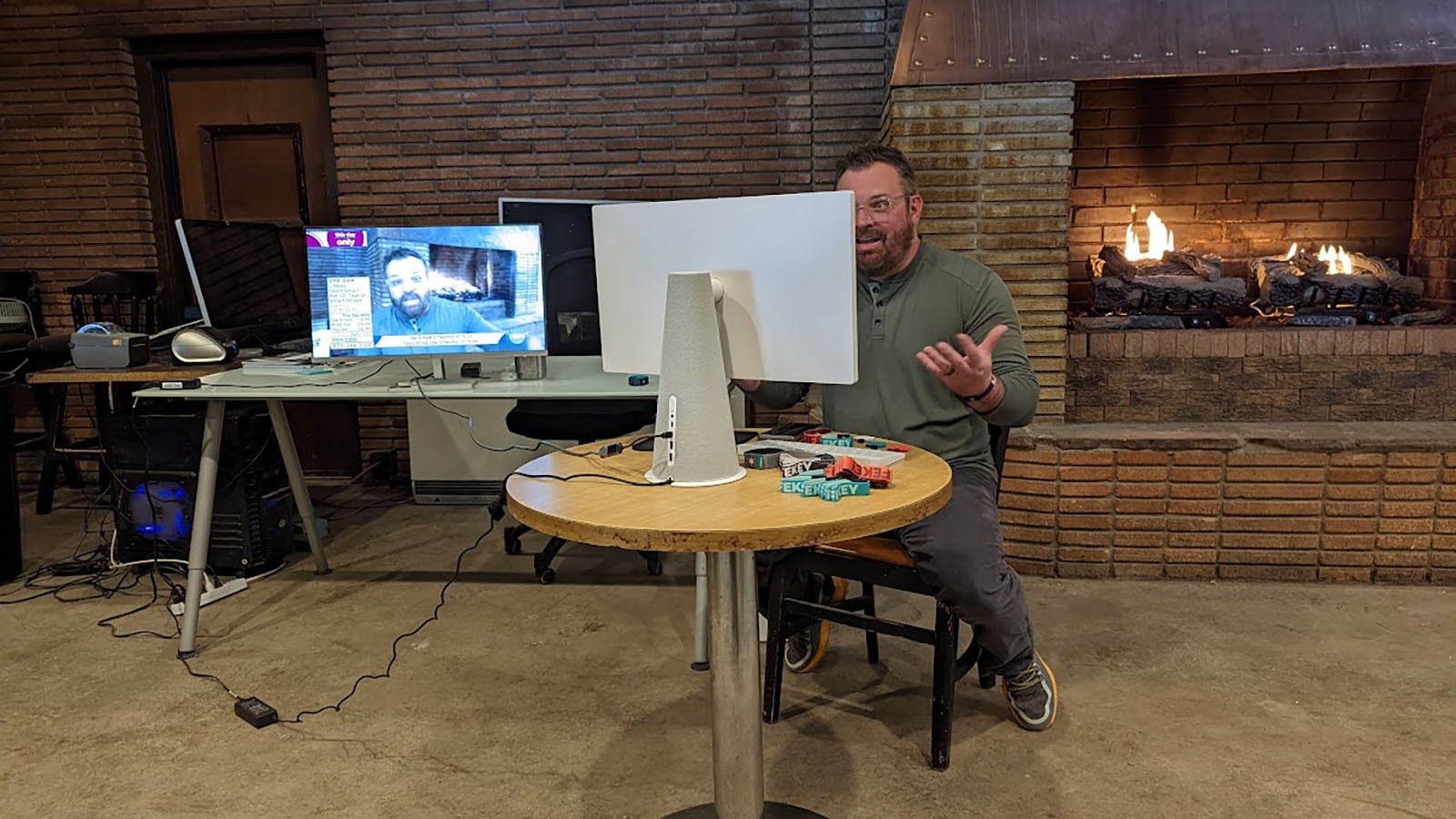
Stringer Hotel owner Jason Kintzler bought the historic building to keep it from being torn down. (Courtesy Jason Kintzler) 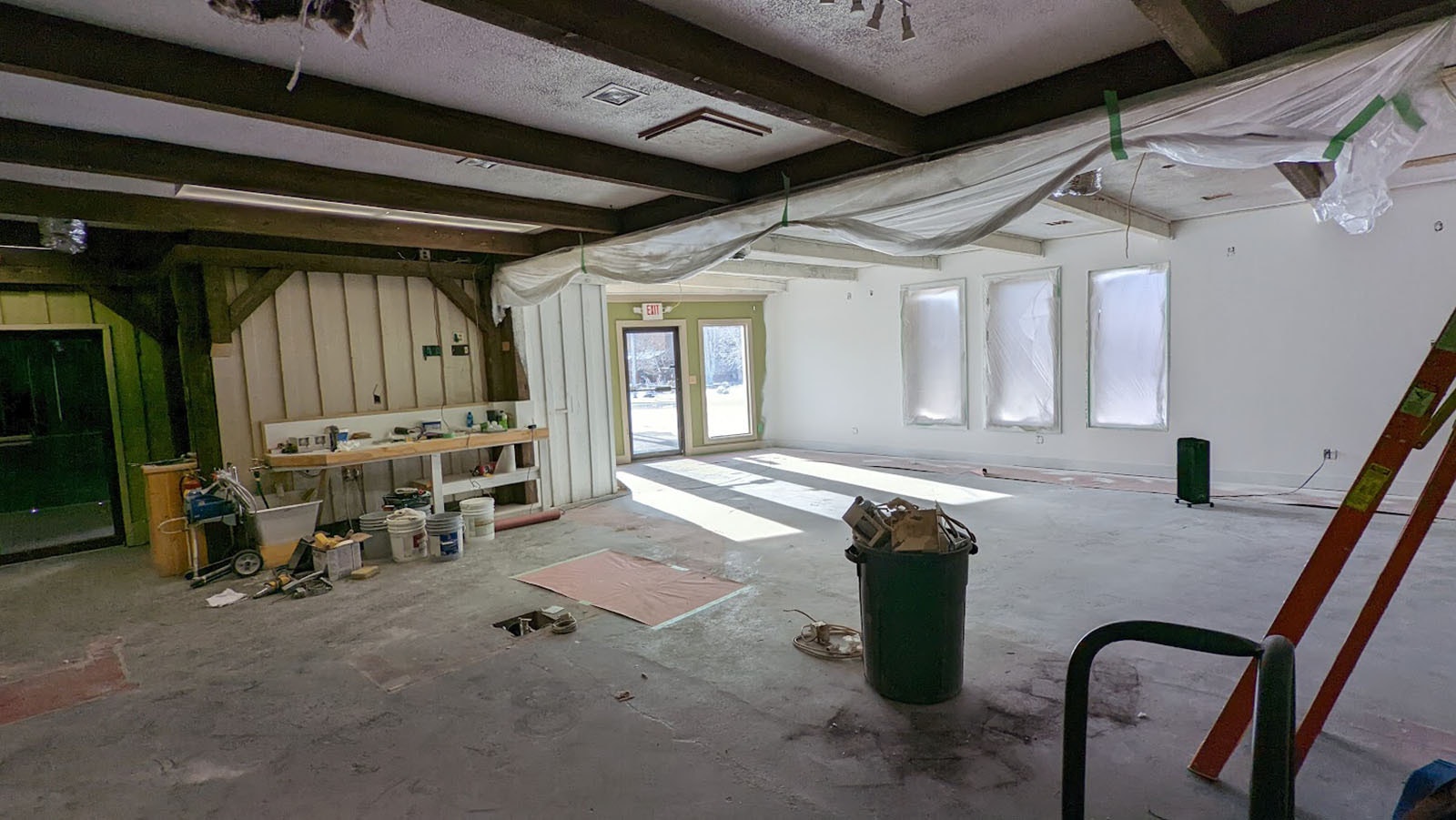
Work has been ongoing to renovate the old Stringer Hotel for several years. (Courtesy Jason Kintzler) 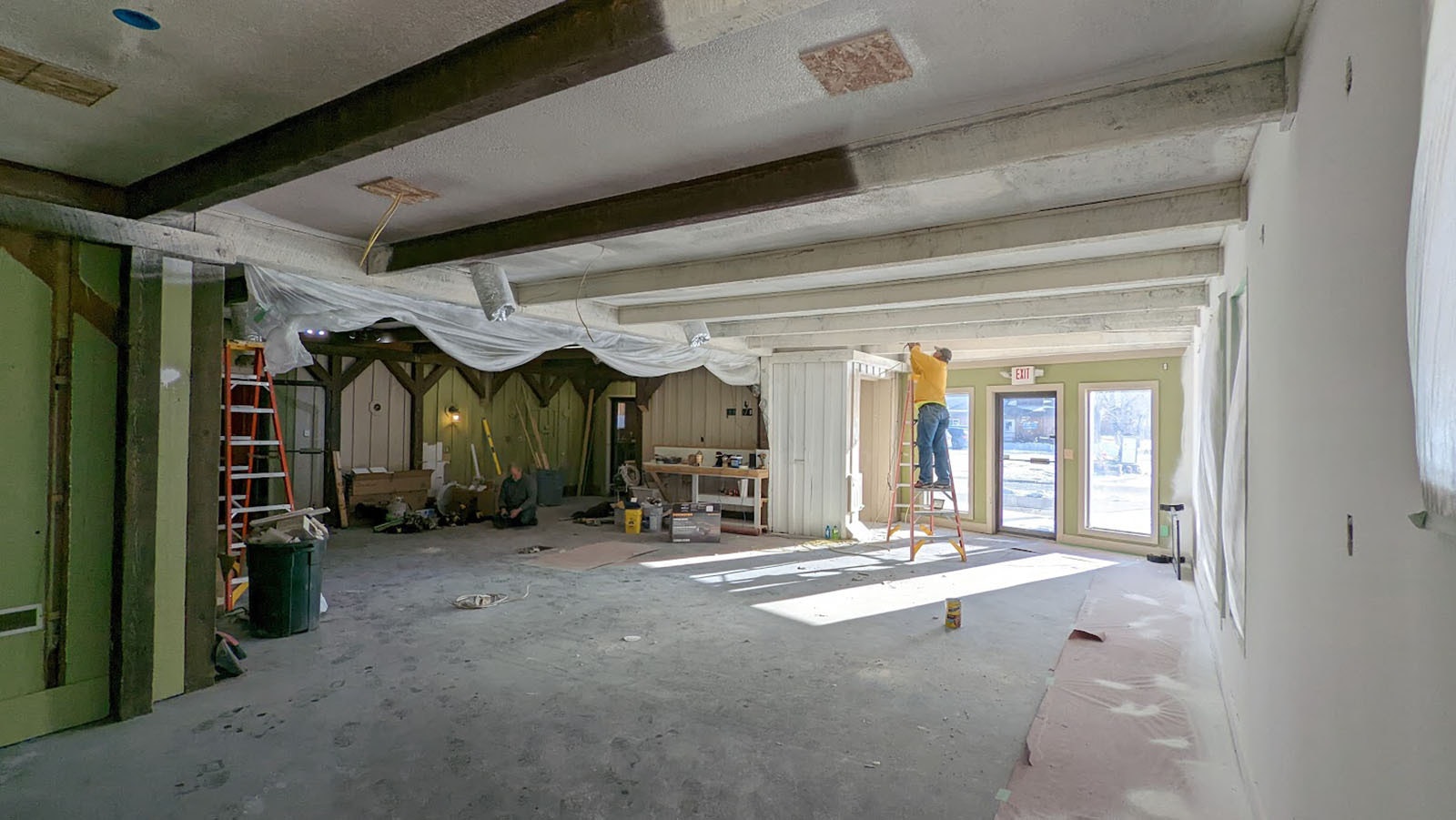
Work has been ongoing to renovate the old Stringer Hotel for several years. (Courtesy Jason Kintzler) 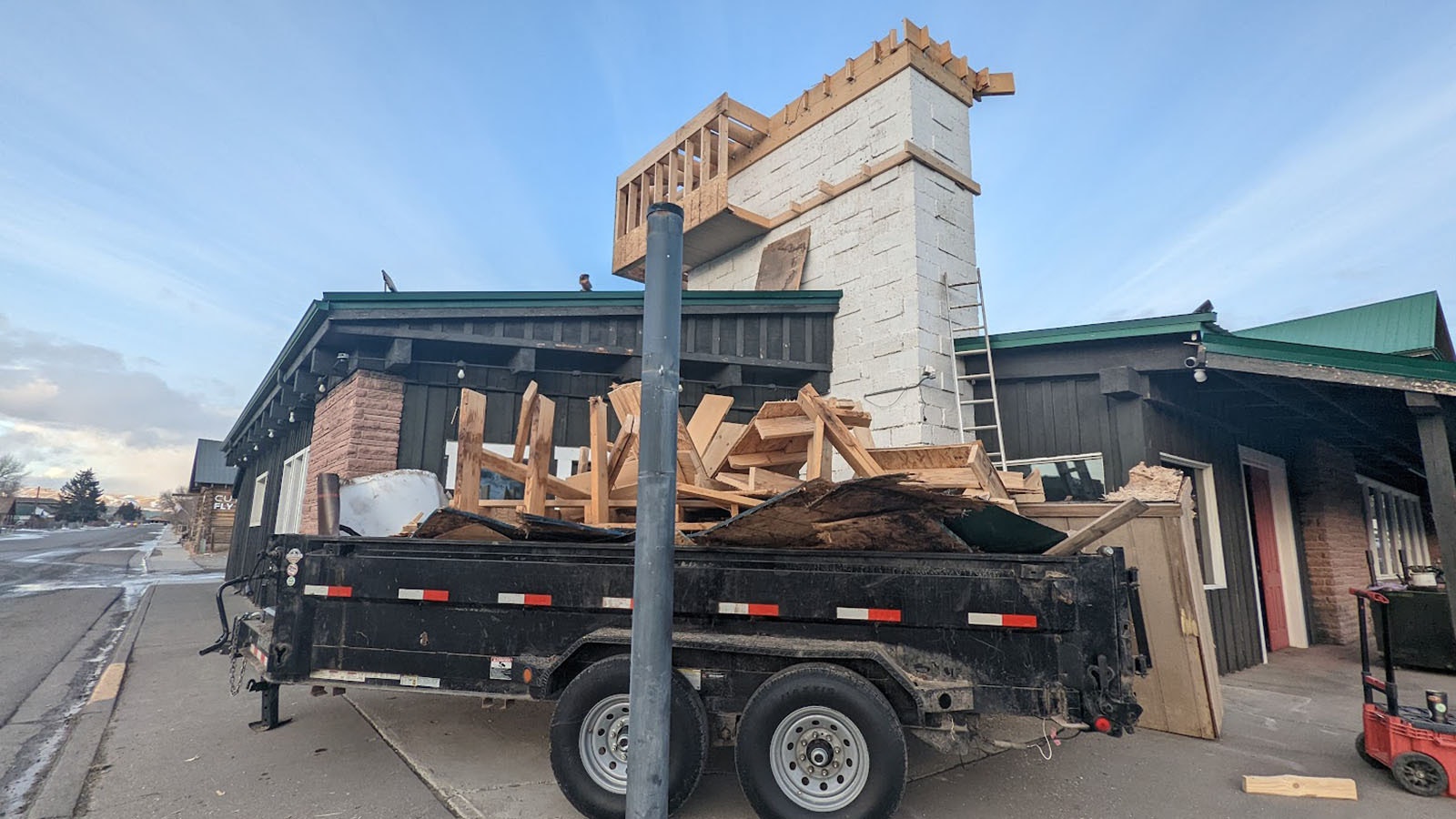
Building the signboard for the retail and food space attached to the Stringer Hotel. (Courtesy Jason Kintzler) 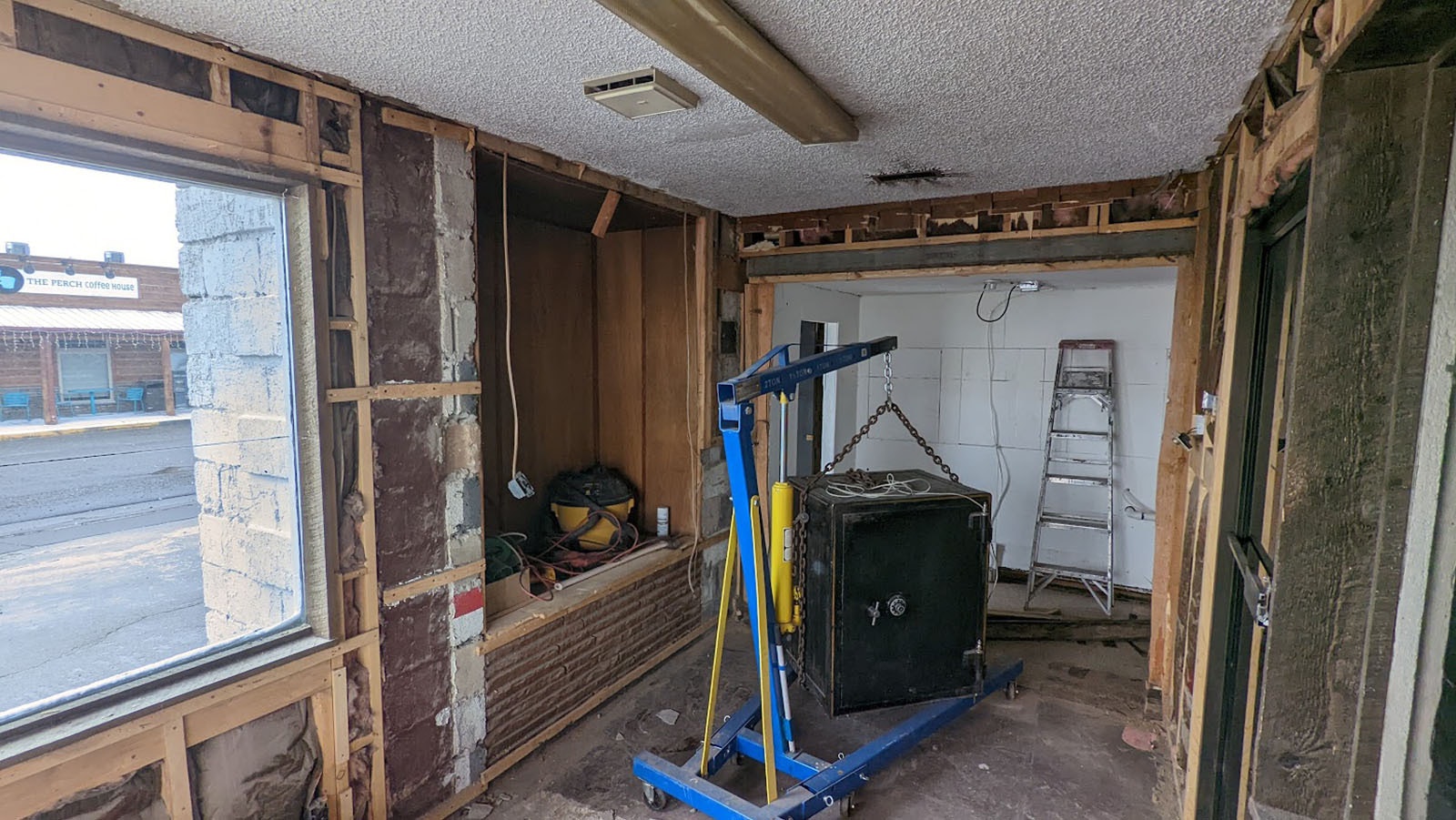
An old safe is moved as work to renovate the Stringer Hotel progresses. (Courtesy Jason Kintzler) 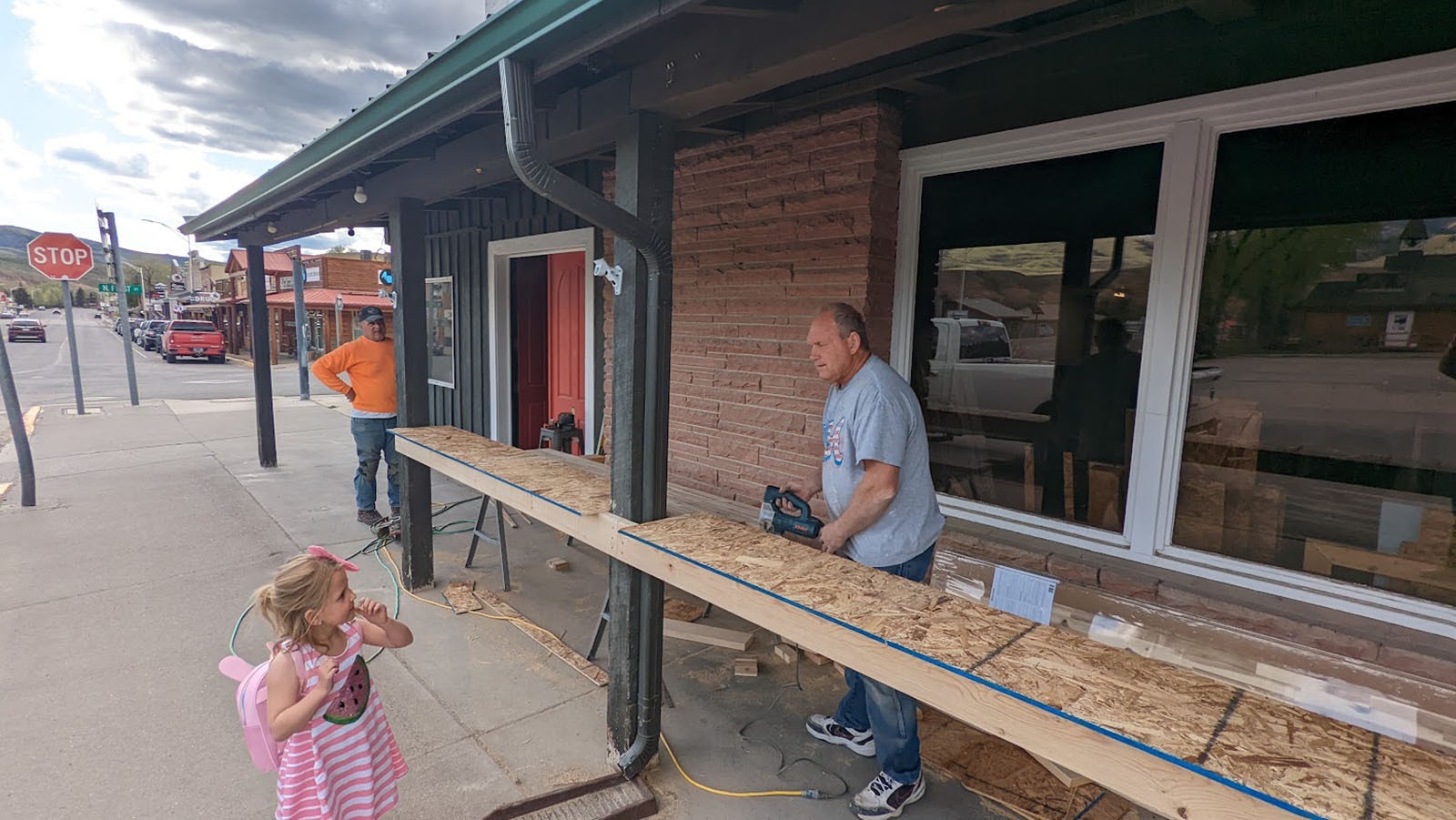
Work has been ongoing to renovate the old Stringer Hotel for several years. (Courtesy Jason Kintzler)
Keep It Authentic Wyoming
The funny tidbits of history about the hotel, as well as the cool things he’s found there, have all reinforced Kintzler’s decision to buy the Stringer hotel and save it.
“We have found all sorts of stuff they had like stored in the walls,” Kintzler said. “So, you’d like open up the wall and there’d be old shoes, like with the soles nailed onto them, and stuff like that.”
Kintzler said he’s been told these wall closets were a custom at the time the hotel was built. A portion of a wall would be cut and hinges attached, creating a makeshift cubby to store things out of sight.
“The (hotel) rooms were really small at the time,” Kintzler said. “I’m not really sure if that was just part of how they (built) storage back in those days.”
He’s also noticed how former owners covered up problems with wallpaper, or sometimes new walls or ceilings.
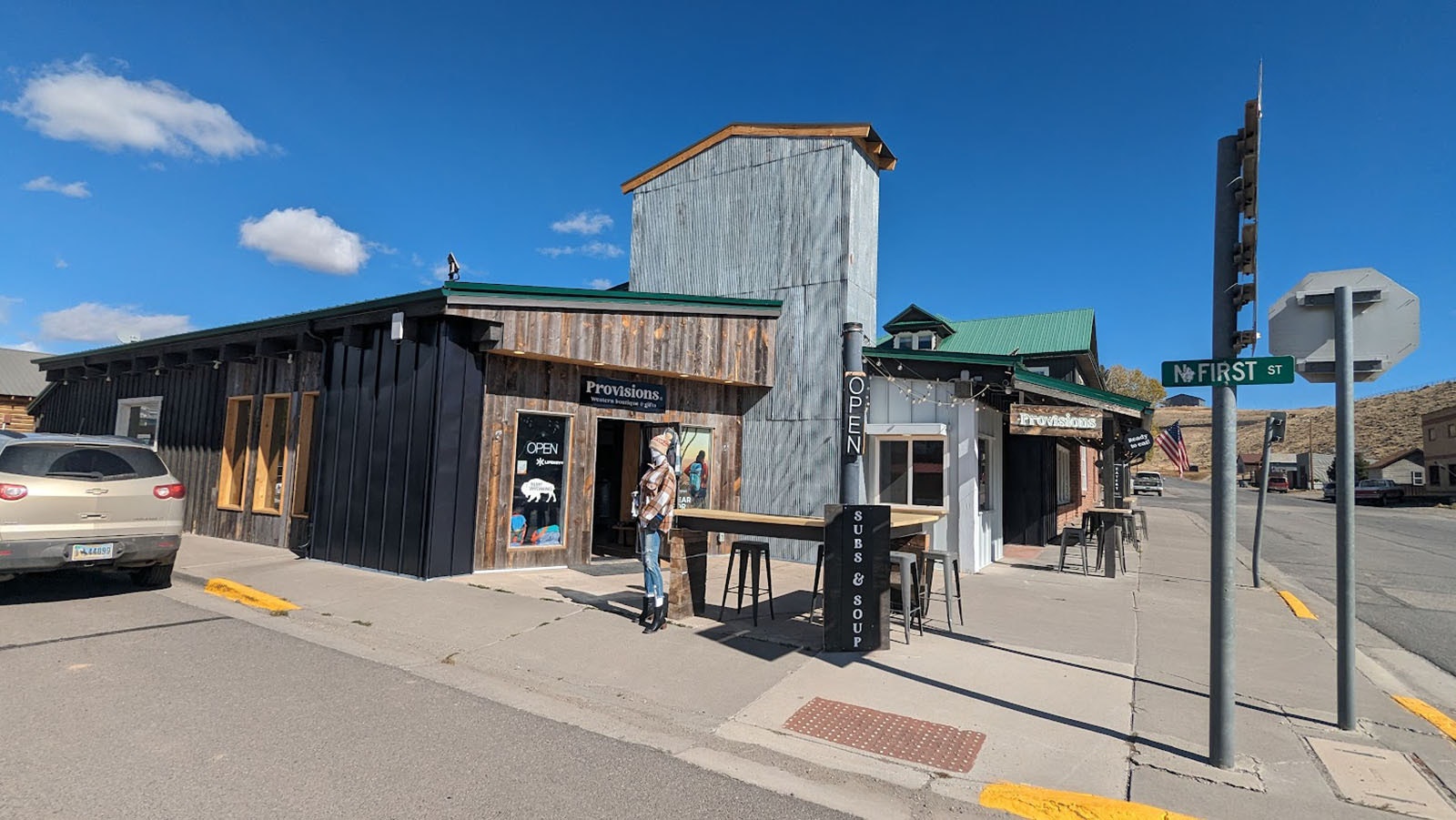
But Kintzler didn’t want to cover up history at all. He wanted to expose it and keep it central to the restoration. That’s led to some unique pieces, particularly in the retail space he built for Provisions, his wife’s ice cream, sandwich and gift shop with some clothing.
The “Woodstack” counter is probably the most striking piece, he said. It’s built of stacked, split logs — like a giant wood pile, but in an impossibly orderly form and shape.
“We get a lot of compliments on that, and people take pictures of it all the time,” Kintzler said.
He’s also used weathered wood from Centennial Woods in Laramie, which manages the state’s snow fence contracts. The company replaces all of the wooden snow fences every 10 years, creating a unique discarded wood product in high demand thanks to all the color variations and textures caused by the weathering.
“The boards they take down are really coveted,” Kintzler said. “So, people buy that snow fence to use in their buildings. I mean, tech companies like Google or high-end houses or whatever.”
Kintzler felt that the wood really fit right into the historical nature of the Stringer Hotel, with its connection to the tie hack industry.
He also used some of the boards salvaged from the town’s board walk, which was damaged in a fire, to build sliding doors. The boards still have names stamped on them from the townspeople who bought the boards as a means to help build the boardwalk.
“This has been a fun project, and I think we’ve turned it into an asset in the community that probably will be here for a while now,” Kintzler said. “I don’t think it’s something that’s going to get torn down any time soon.”
(Courtesy Jason Kintzler) 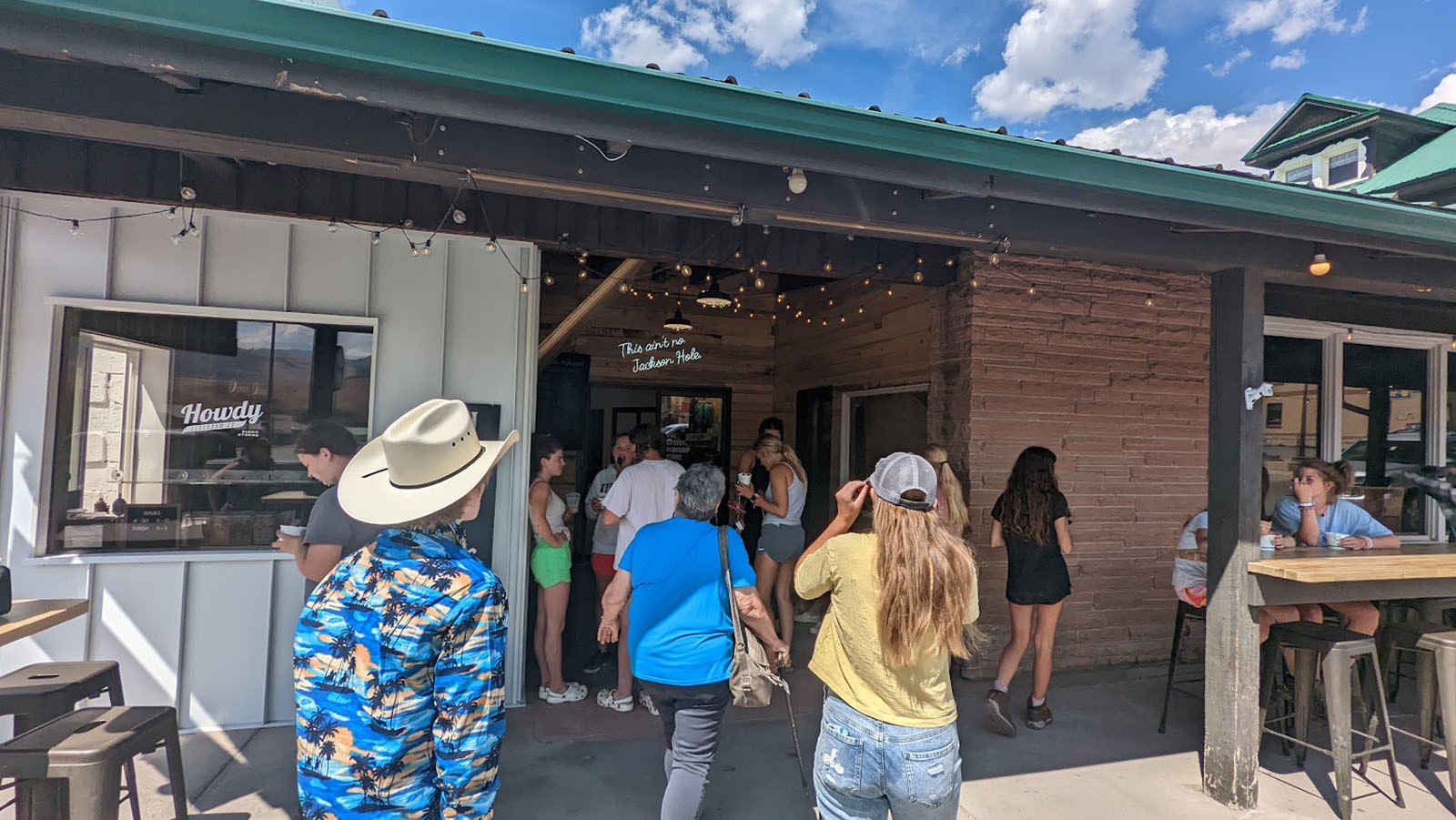
Provisions is new retail space that's opened in part of the Stringer Hotel complex in Dubois, along with an ice cream and sandwich shop. (Courtesy Jason Kintzler) 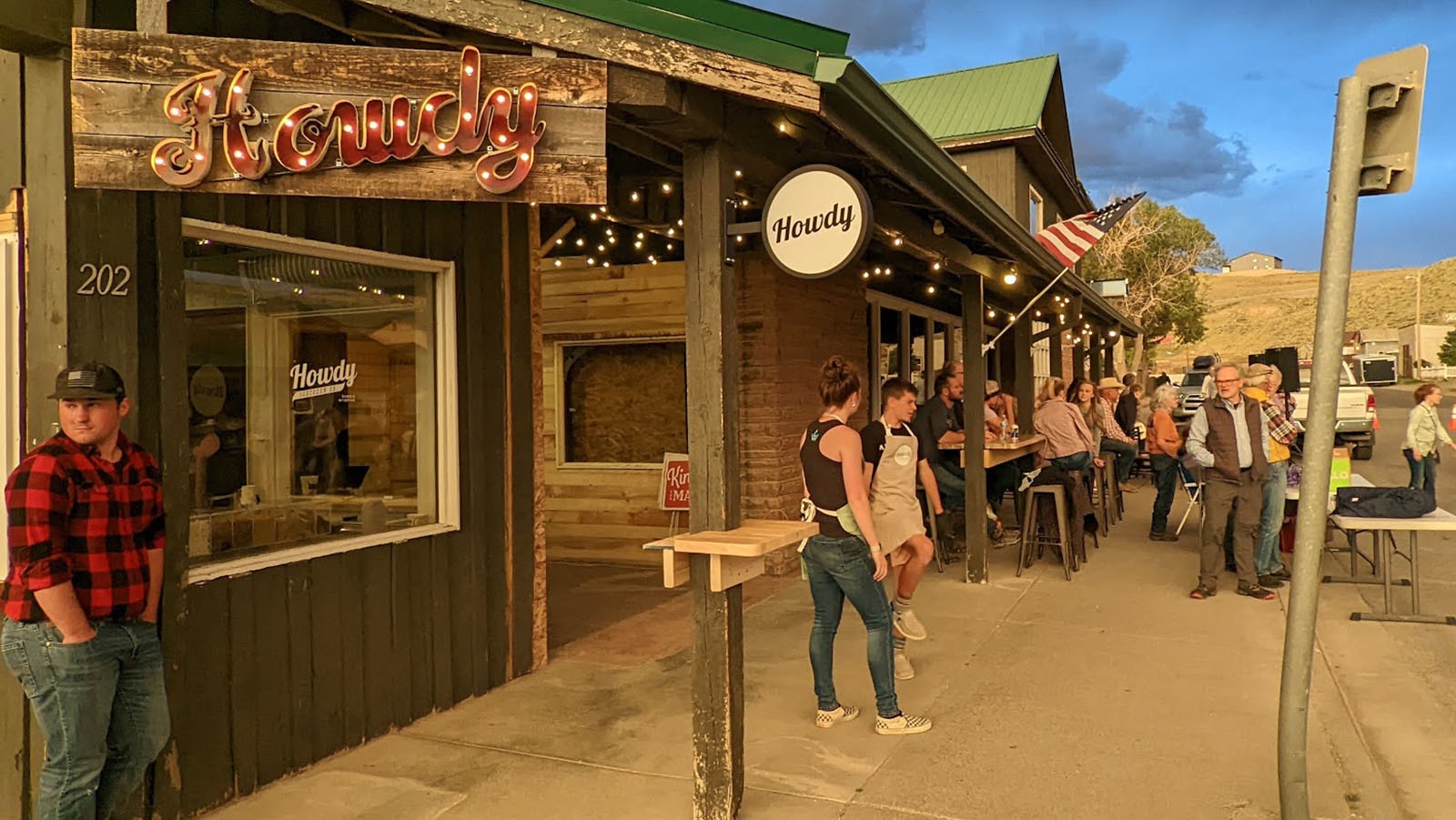
Provisions is new retail space that's opened in part of the Stringer Hotel complex in Dubois, along with an ice cream and sandwich shop. (Courtesy Jason Kintzler) 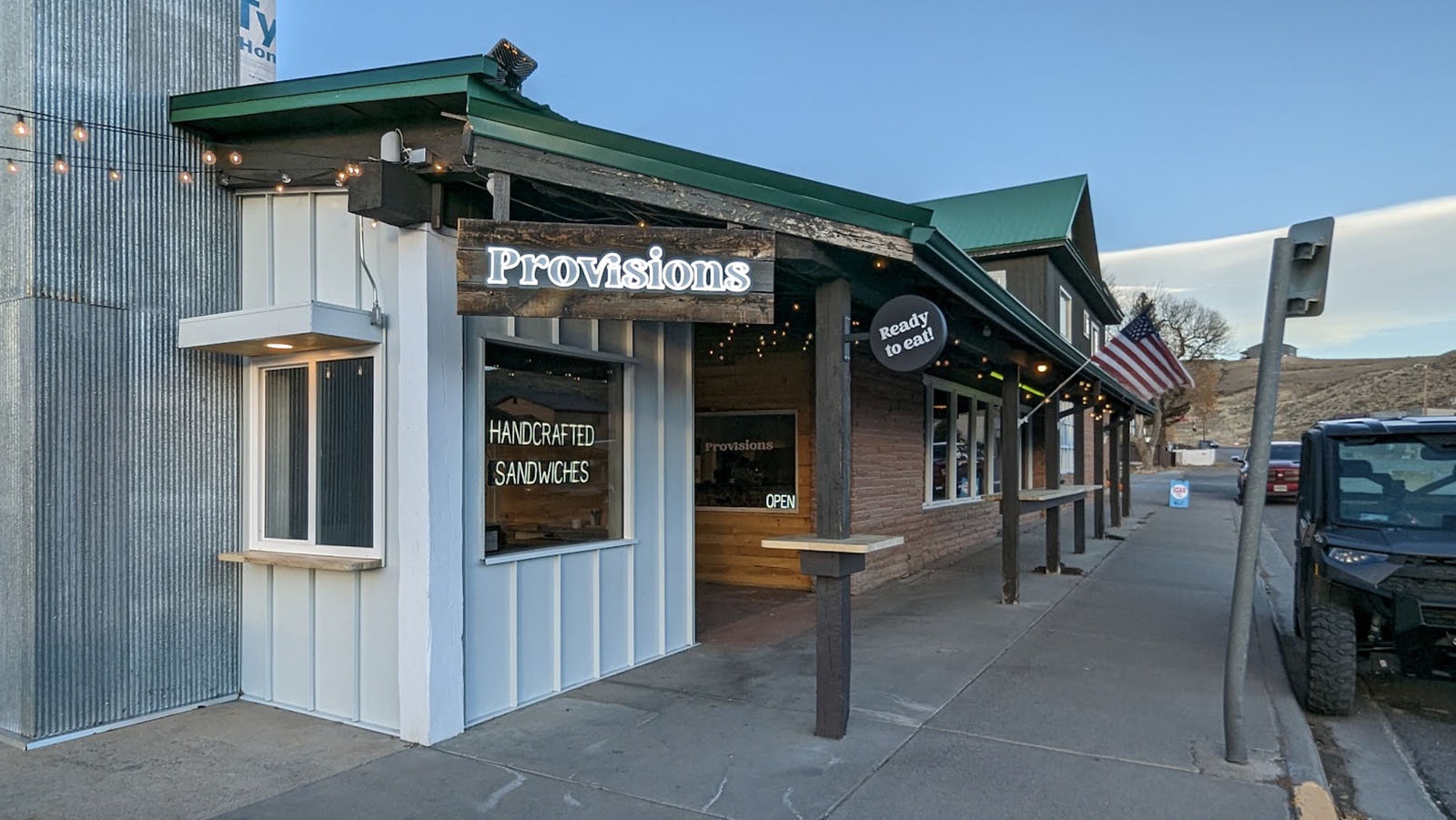
Provisions is new retail space that's opened in part of the Stringer Hotel complex in Dubois, along with an ice cream and sandwich shop. (Courtesy Jason Kintzler) 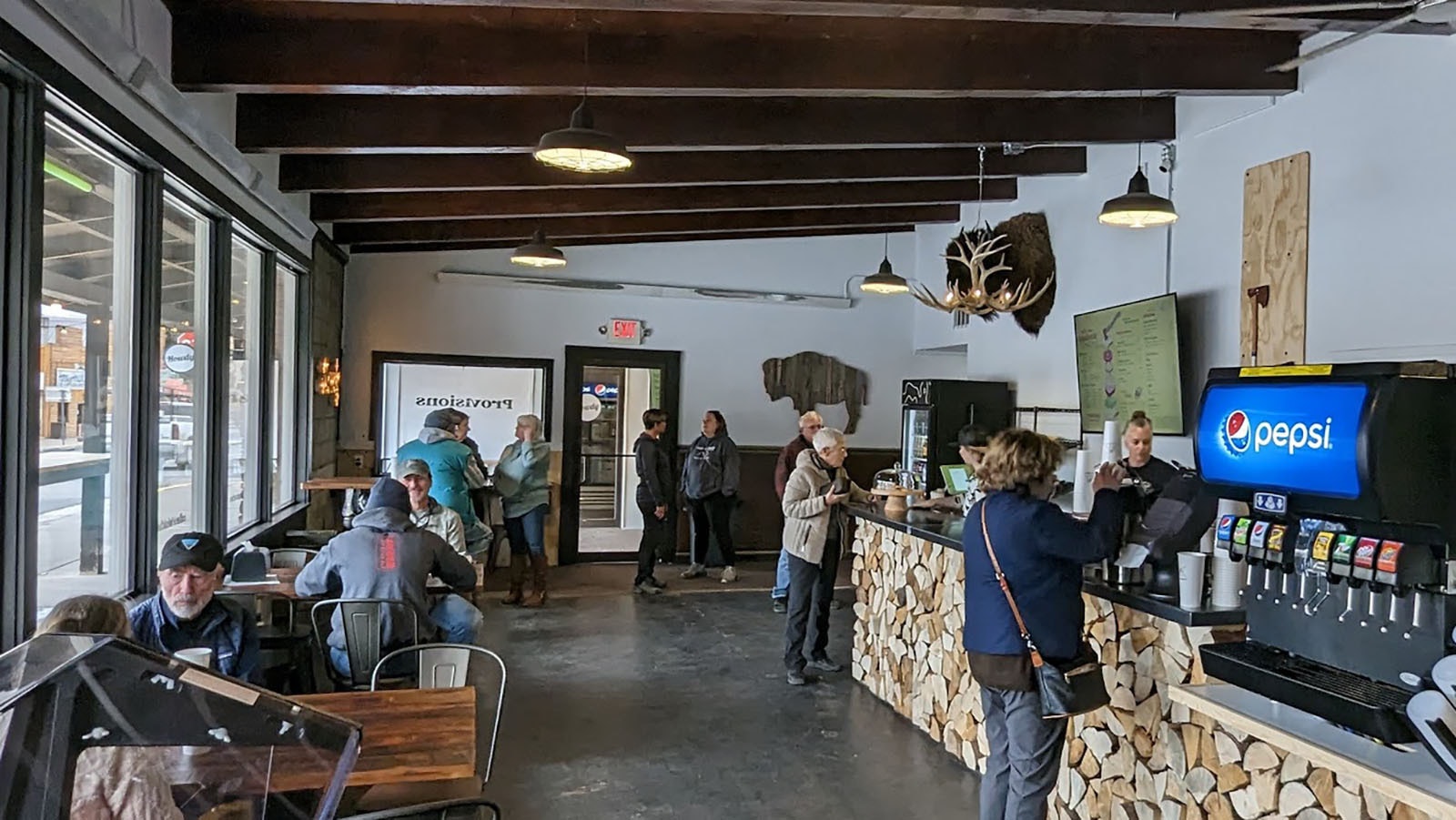
Provisions is new retail space that's opened in part of the Stringer Hotel complex in Dubois, along with an ice cream and sandwich shop. (Courtesy Jason Kintzler) 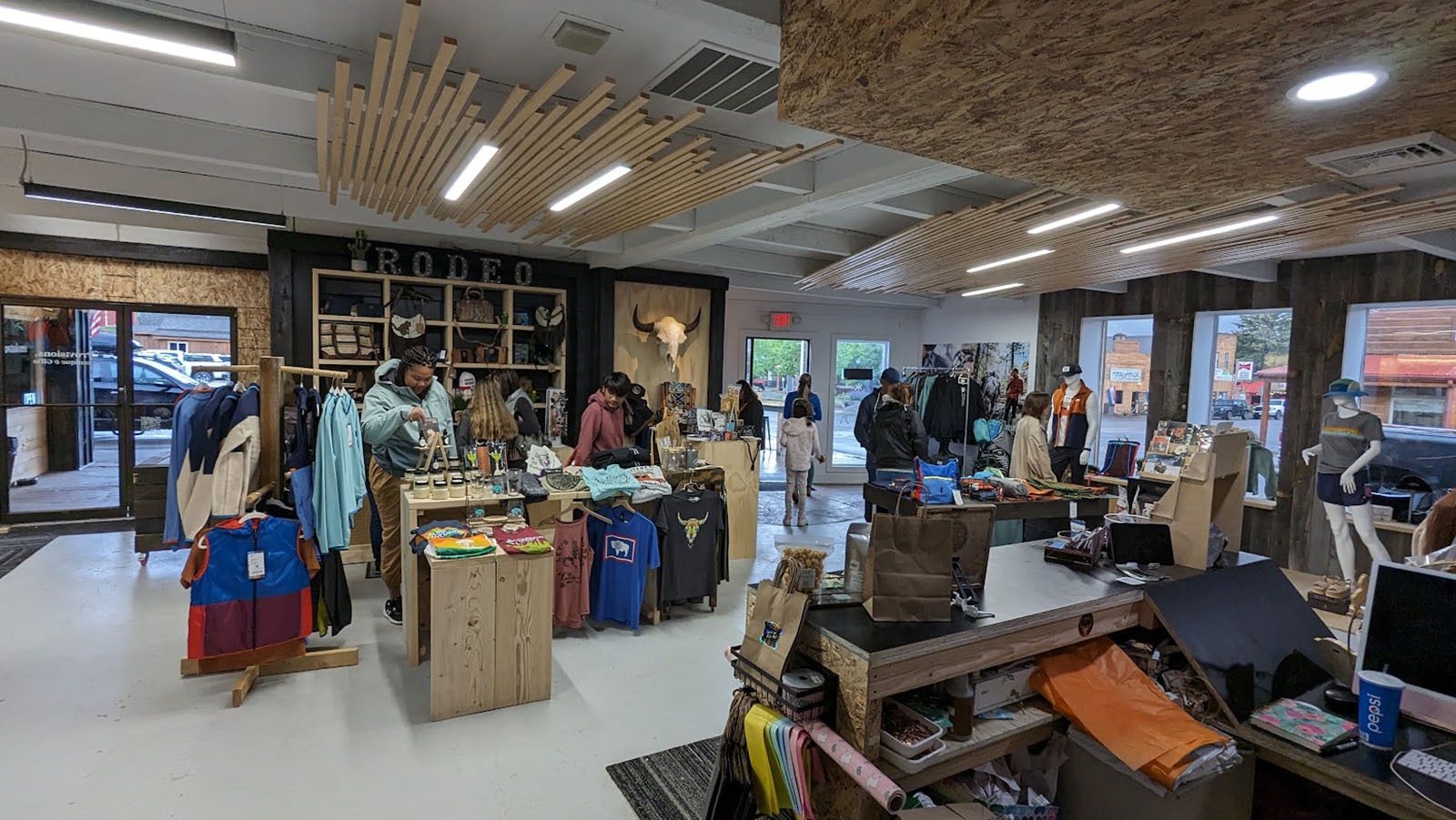
Provisions is new retail space that's opened in part of the Stringer Hotel complex in Dubois, along with an ice cream and sandwich shop. (Courtesy Jason Kintzler) 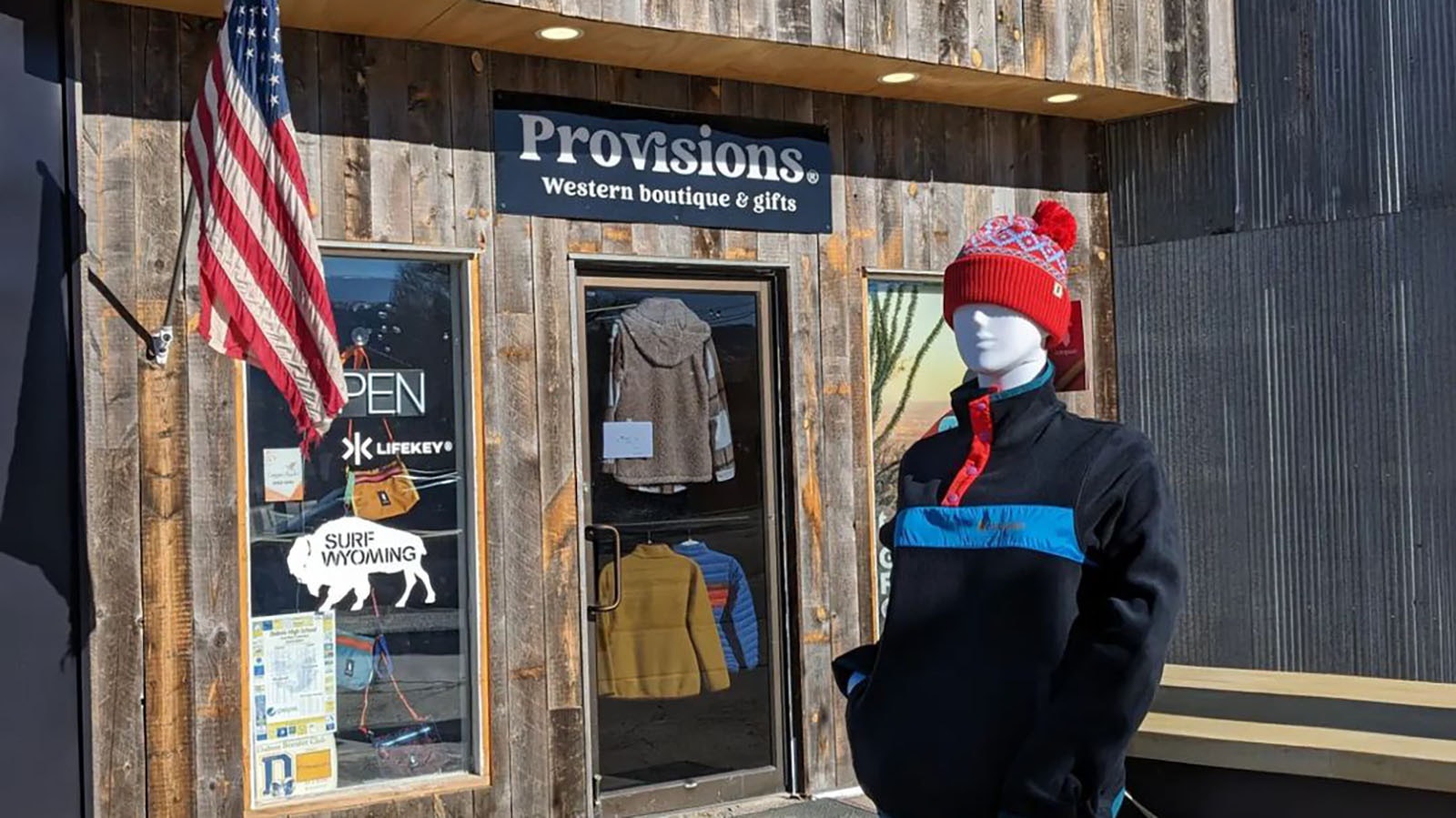
Provisions is new retail space that's opened in part of the Stringer Hotel complex in Dubois, along with an ice cream and sandwich shop. (Courtesy Jason Kintzler)
What’s Next
The next phase of the old hotel’s restoration would be the upstairs rooms of the hotel, which still have their old room numbers, as well as those unique cubby hole closets in the wall.
But Kintzler’s not sure whether he will be the one doing that part of the project.
“We do have some people interested in the building, so I don’t know what’s going to happen there,” Kintzler said. “And I don’t know that somebody else might not have some bigger plans for (the upstairs area of the building).”
He feels he has already accomplished his mission, which was to ensure the building didn’t get demolished. And, if he did sell part or all of the building, he could look for another old building to save, he told Cowboy State Daily.
That’s one way he feels that towns like Dubois can not only hang onto their authentic Western roots, but keep it Wyoming.
Renée Jean can be reached at renee@cowboystatedaily.com.