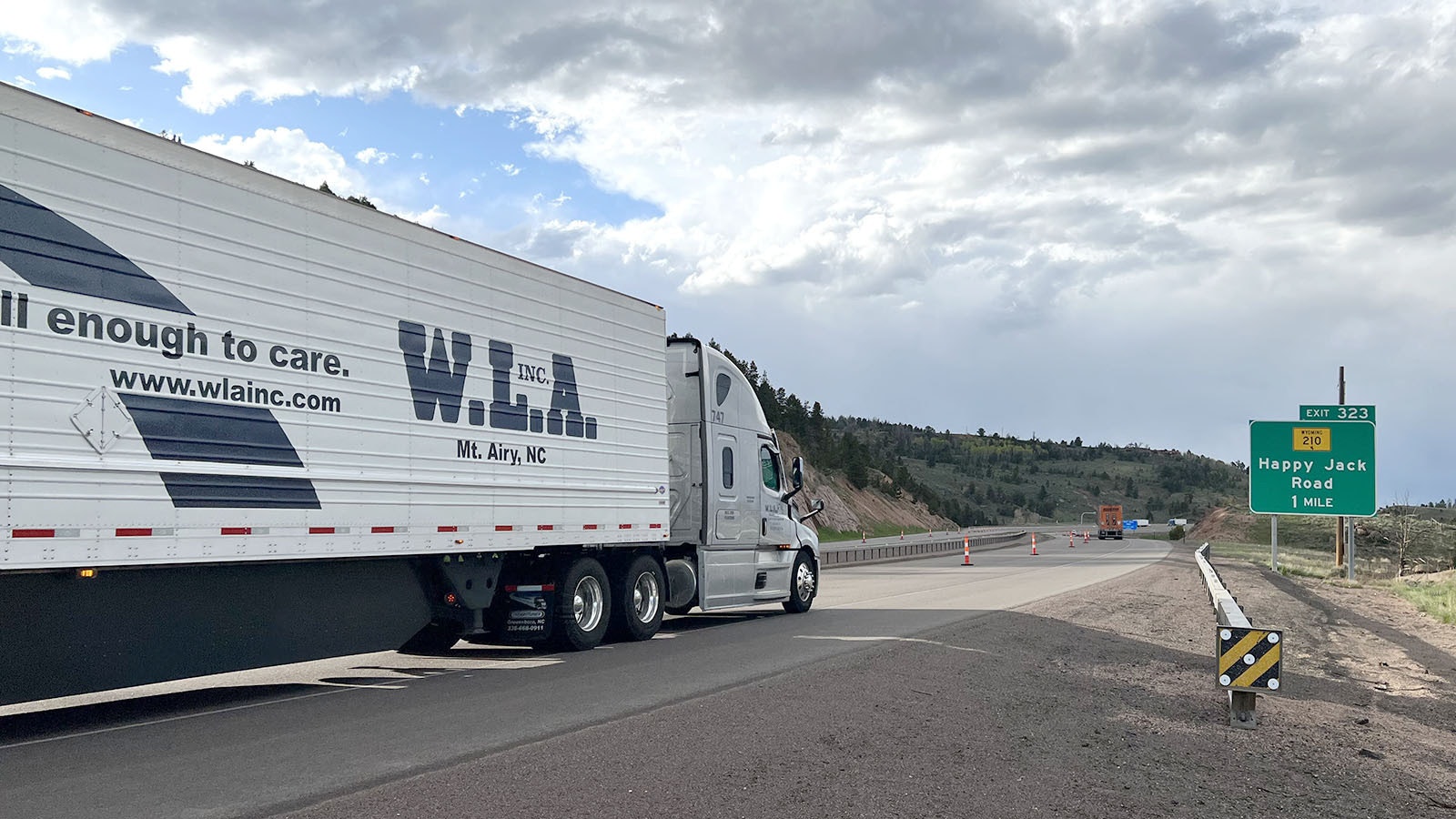
The Cowboy State hasn’t fully embraced the adoption of electric vehicles (EV) and spending millions of taxpayer dollars on a charging station infrastructure along Wyoming highways.
This reluctance is mirrored by truckers who crisscross Wyoming as one of the major east-west routes across the United States. Big rigs are now the focus of a federal initiative to bring the same kind of EV focus to 18-wheelers over the next few years with a goal to achieve zero carbon dioxide emissions by 2032.
The response from truckers has been frosty — at best. Wyoming’s truckers are critical of many aspects of the new federal clean air rules that want to replace their diesel-powered trucks with electric.
The pushback isn’t because they’re anti-EV, the truckers tell Cowboy State Daily. It’s because in some ways, the technology hasn’t yet caught up to be a viable, reliable replacement for what they’re driving now.
They range from criticism of Washington, D.C., bureaucrats who fail to understand the loss in battery power when hauling heavy loads of cargo in frigid weather conditions, to how the new EV trucking rules could impose added expenses to pools of drivers in an industry already experiencing shortages.
The Federal Rules
The hoopla on the changing face of the trucking industry is over the Biden administration’s final rulemaking guidance issued last week through its U.S. Environmental Protection Agency.
The federal clean air regulator set average pollution limits for truck makers’ fleets that are expected to push them in the direction of electric and other lower-emitting technologies like hybrids.
The EPA’s final greenhouse gas emissions regulations are designed for cleaning up pollutants emitted by so-called “heavy-duty vehicles.”
In other words, every 18-wheeler that moves across Wyoming along Interstate 80 or travels along the I-25 corridor from Cheyenne to Sheridan will be required to significantly cut down on diesel emissions — not right away, but beginning in three years.
The regulation will likely boost sales of electric or other zero-emission heavy vehicles for trucking companies in Wyoming and elsewhere.
“This is very challenging for all truckers — Wyoming-based or nationwide,” said Sheila Foertsch, president and CEO of the Wyoming Trucking Association in Casper.
“These are unachievable targets because of the current state of technology as well as lack of infrastructure and power grid restrictions, and will carry real consequences for the supply chain and movement of freight,” she said.
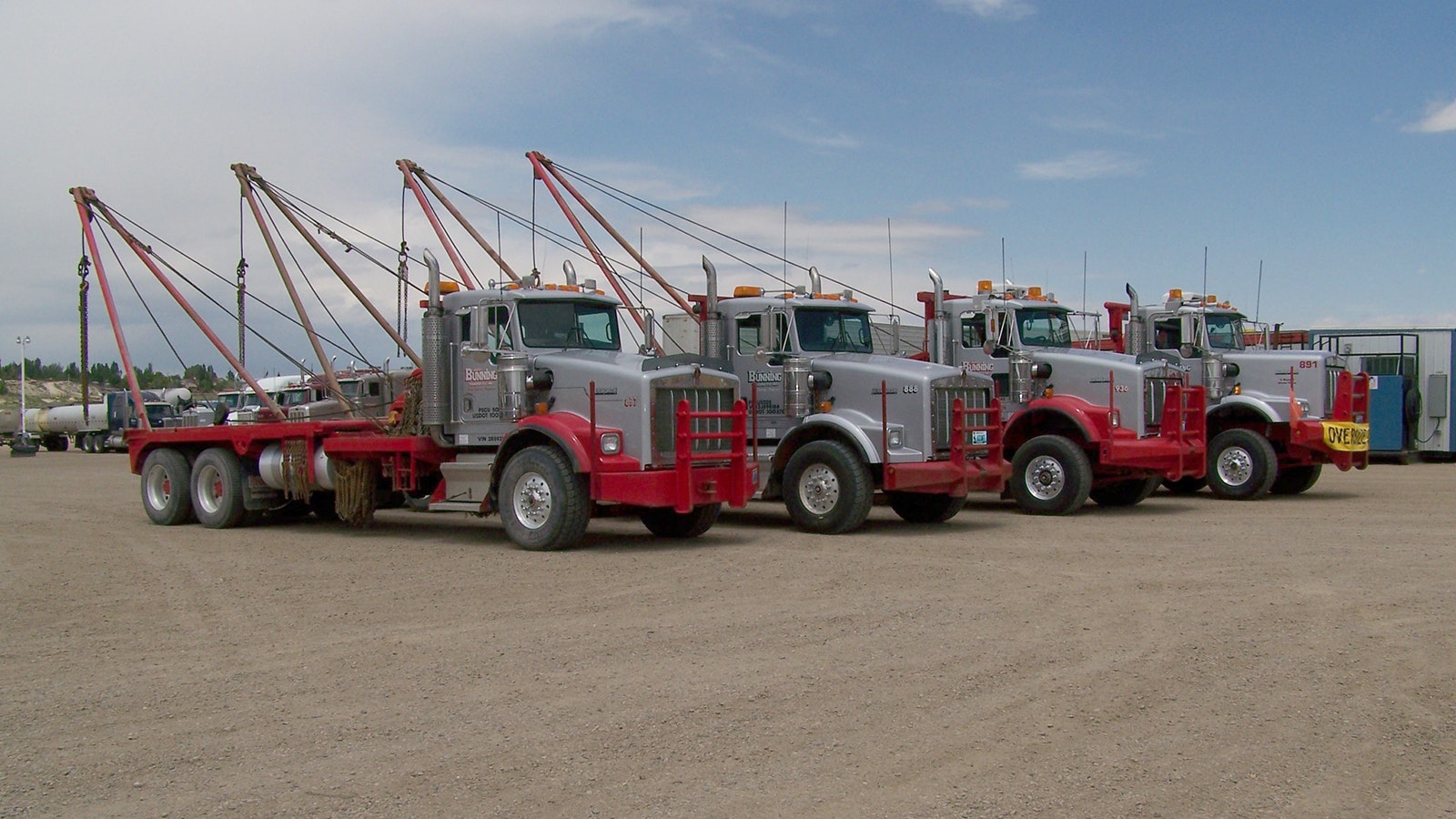
The John Bunning Transfer Co. runs a fleet of 80 trucks out of its Rock Springs headquarters but worries that a federal move to make heavy-duty trucks become powered by batteries could drive some small companies out of business. (John Bunning Transfer Co. via Facebook) 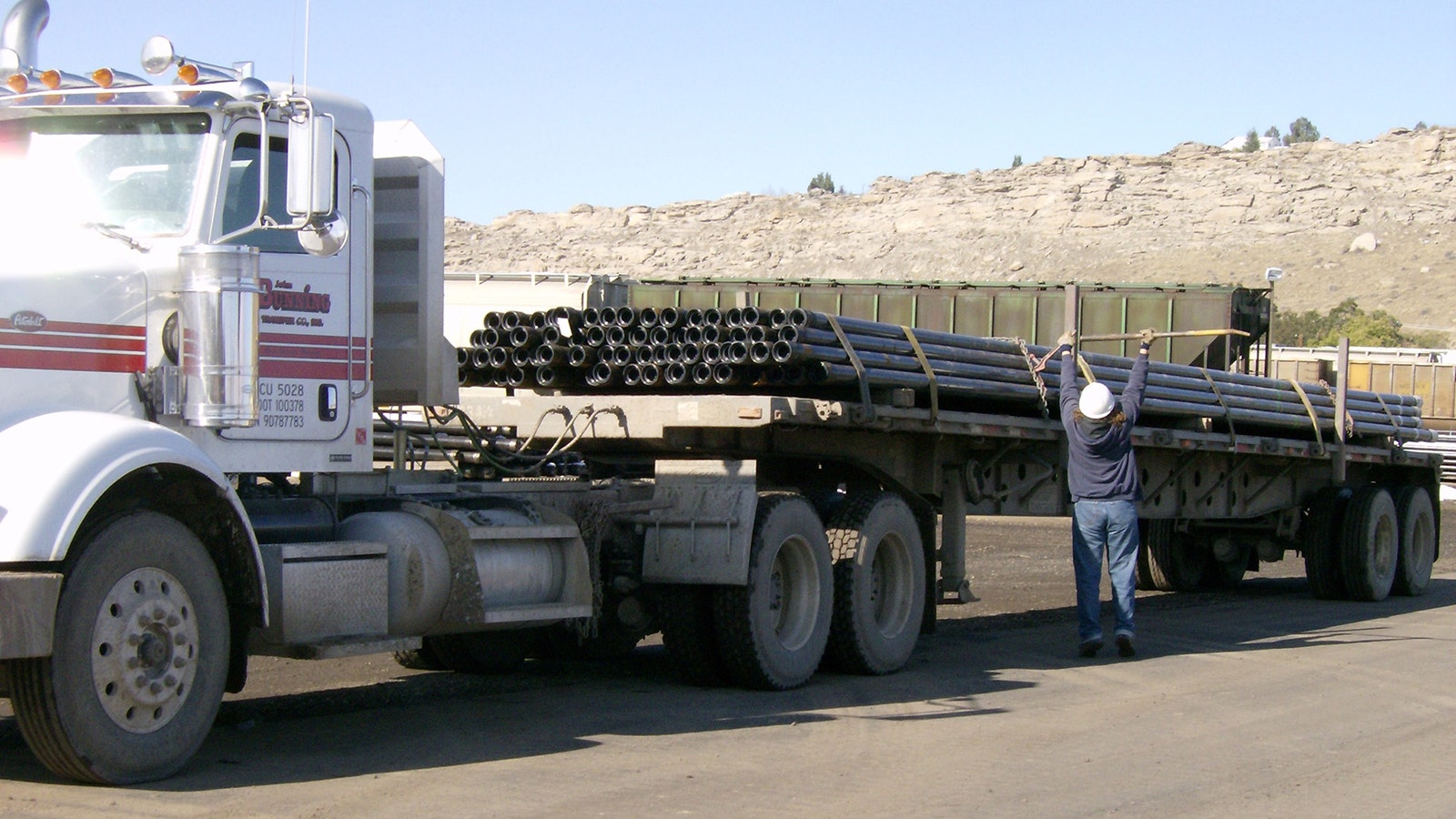
The John Bunning Transfer Co. says a federal move to make heavy-duty trucks become battery-powered may exacerbate supply chain problems in America, as the low-emission trucks won’t get as much range, adding more delays to deliveries. (John Bunning Transfer Co. via Facebook) 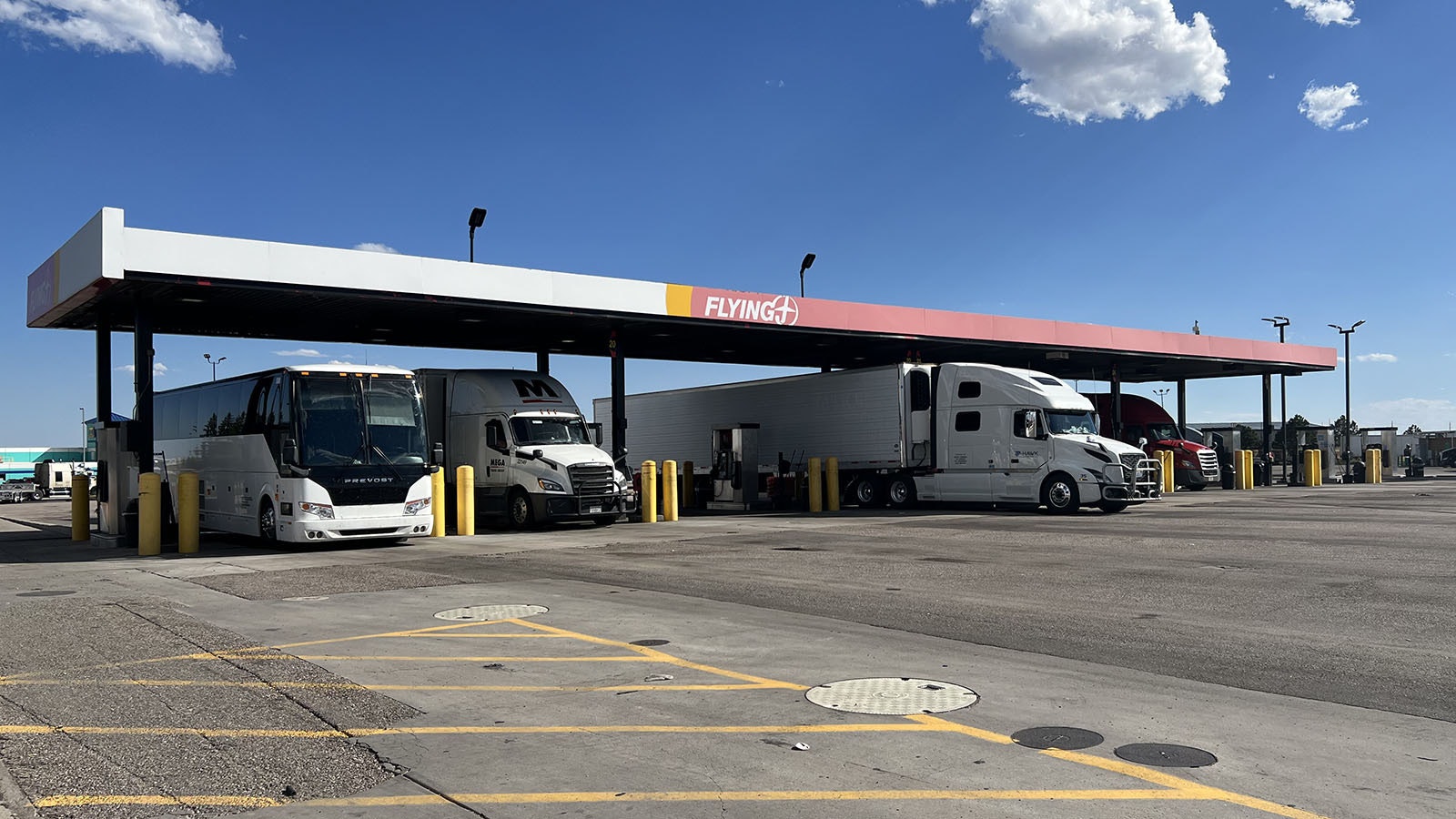
Wyoming truckers say new federal regulations designed to convert their industry to EVs aren't realistic and could hurt smaller companies. (Greg Johnson, Cowboy State Daily)
No Support
The Wyoming trucking industry watchdog said that she isn’t aware of any support for electrification of trucks in the state, whether that be from those who drive cement trucks, school buses or others that haul coal, molten sulfur or soda ash.
“I have not received specific feedback from any Wyoming-based WTA members who are moving toward electrifying any part of their fleets,” she said.
Roger King, president and CEO of Cowboy State Trucking Inc. in Kemmerer, summed up his reaction to the federal rules in one word: “Asinine.”
“This doesn’t work in our climate with the distances we have to go and the amount of time that the [Department of Transportation] allows” for truckers to be on the road, King said.
The clean air rule will “double the time” needed to make deliveries because EV trucks will take more time to haul merchandise and bulk commodities, he said. Then there’s the time required to recharge, which is much longer than fueling up at a diesel pump.
“If you think the supply chain is bad now, if everybody is forced to go EV, then groceries will go up, everything will go up,” King said. “One size does not fit all. This might work in Texas, in a flat place, but it won’t work in our climate with freezing weather.”
King, who runs a fleet of 39 trucks, also sees problems with truckers hauling heavy loads over Wyoming’s roads.
EV trucks could pull 60,000 to 80,000 pounds of gross weight over Wyoming’s roads, but will struggle with batteries that could drain faster with heavier loads that range from 117,000 pounds to 153,000 once they cross over into states that permit those larger loads.
“EV trucks were made to haul potato chips,” he said.
“In hauling up to 153,000 pounds in other states, the batteries would last maybe 100 miles,” said King, whose trucking company hauls coal, soda ash, molten sulfur, cement fly ash and bulk chemicals.
Expensive EVs
King also is aghast at the pricing for diesel-fueled trucks, which have shot up 45% from a 2023 cost estimate of $150,000 in 2023 to $217,000 for the same model.
With older trucks grandfathered under the EPA rule, King said he’ll delay buying new turcks and instead repair older models.
“We’ll try to use our older vehicles first,” he said.
Andy Fletcher, operating officer of John Bunning Transfer Co. Inc. in Rock Springs, said that the new EPA rule could force some smaller trucking firms out of business.
“This will make it hard for small, regional carriers to find drivers,” said Fletcher, who runs a fleet of 80 trucks that deliver dry bulk commodities as well as tubular pipes and drilling rigs to oil and gas industry customers.
“I can’t speak out specifically to the rule, but they always favor a big regional company because they’ve got all of the money in the world to put in things like electronic logs and speed limiters,” said Fletcher of gadgetry to log a truck’s transportation route and control truck speeds.
“With our job market here in Wyoming, we deal with drivers who have been drivers for a long time and are professionals who worked under a previous set of rules,” he said. “When they are faced with new ways of doing things, they’d rather retire.”
Some companies may find it easier to hire young drivers.
“Big companies can find drivers easier coming out of colleges who can conform to these new regulations,” Fletcher said.
With EV trucks getting less range, truckers could see their service limited on a daily basis, especially if EV-powered trucks travel at a slower pace by 2- to 12-mph to conserve power.
“This could add another day or so to the hours needed to get to a destination,” Fletcher said. “If there already are supply chain issues, making those trucks add an extra day on the road will exacerbate the situation.”
Washington, D.C., officials just dosn’t understand the trucking industry, he said.
“It all sounds great for fuel efficiency and limiting carbon dioxide,” Fletcher said of the new EV truck regulations. “It’s all for safety, but when they roll out these regulations, they don’t truly understand how it affects the trucking company, the driver and the consumer.”
Fletcher believes the EPA is trying to implement a rule to lower emissions without really getting perspective from the truck drivers themselves.
“It looks good on paper but not in practice,” he said. “I don’t think they talk to the guys working this business.”
Pat Maio can be reached at pat@cowboystatedaily.com.