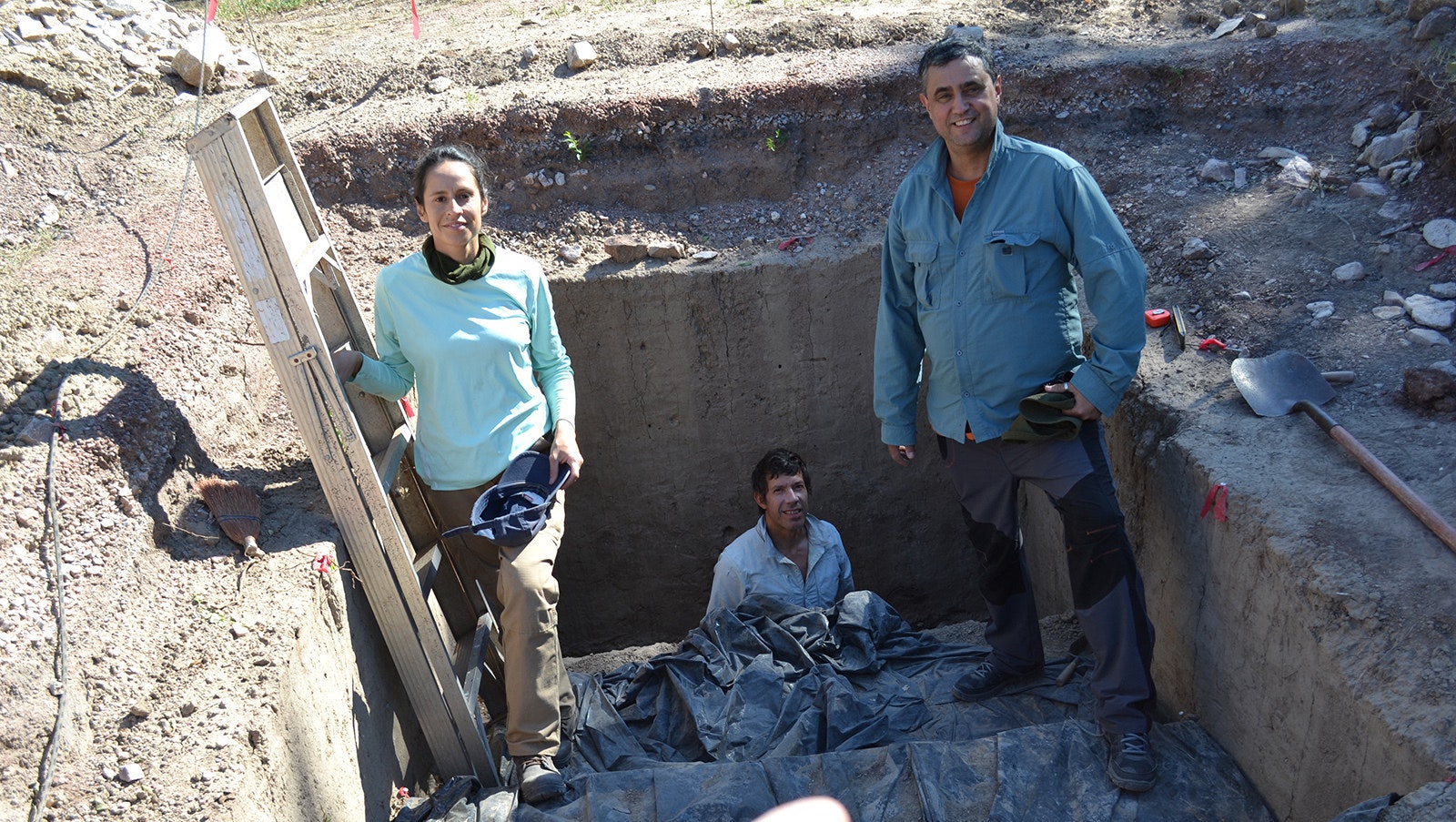
Archaeologist Dr. Steven Howard already had a satisfying career and lifestyle in Dallas, Texas, where he was one of the researchers working a site where artifacts as old as 13,500 years have been found.
Ultimately, though, he decided Wyoming has it beat after getting a call out of the blue from Torrington’s Eastern Wyoming College asking him to head up a new anthropology and archaeology program. The program would dovetail with the Sunrise, Wyoming, archaeological site, where artifacts as old as 14,000 years have been found.
“I’m going to be very candid about this,” Howard told Cowboy State Daily. “When they first asked if I would be interested in doing this up here in Wyoming — Torrington, Wyoming — my first inkling was ‘wait, I live in Austin, Texas, and it’s a great place. Why would I go up to Torrington, Wyoming?’”
But the world-class quality of artifacts being found at Sunrise, a former mining town about 40 miles northwest of Torrington now owned by John Voight, and the opportunities to develop a tourism site with international interest made him give the idea a hard look.
“I came up to visit and I actually really like the wildlife up here, I like the nature, and I’m an avid hiker,” Howard said. “And then, when they explained what they were trying to do here, I was like, ‘Wow, that’s really, really cool. I think I really want to be part of that.’
“So yeah, they convinced me to leave Austin, Texas, to come up here.”
Summer In Sunrise Is Going To Be Busy
Howard has big plans for the once-upon-a-time mining town of Sunrise.
First, it’s set to be ground zero for Eastern Wyoming College’s new field school. That’s an essential component of the new anthropology and archaeology programs that Howard is also setting up.
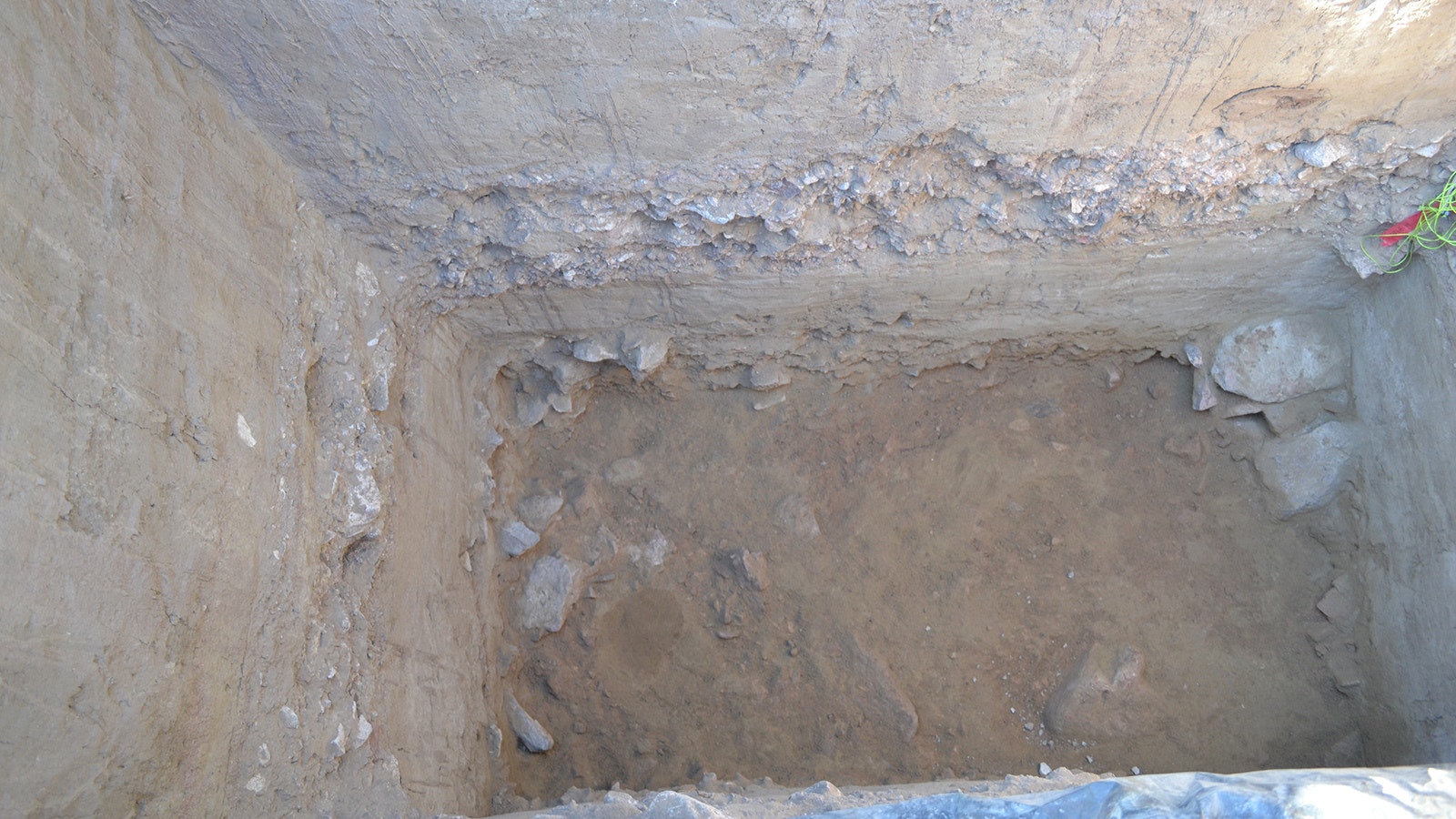
The field school is designed to be a premier opportunity for students to literally get their hands dirty, digging into the groundbreaking archaeology that’s being done at Sunrise. The students will work with real scientists who are making discoveries that could rewrite our understanding of North America’s human history.
Up until very recently, experts didn’t think pre-Clovis man existed in Wyoming. The presence of artifacts older than 13,000 years is changing that perception.
Howard has listed the Sunrise archaeology site with Volunteers for Peace, a two-week international program scheduled to be held in conjunction with the six-week field school.
“We already have one student signed up from Germany so far, and we just listed this last week,” Howard said.
The field school and the Volunteers for Peace program is a hands on experience, with participants using all the tools, processes and techniques archaeologists need out in the field.
Also part of the program is learning how to record data from the site in a way that other researchers will be able to plug into in the future.
“You can only dig a site once,” Howard explained. “If it’s done right, we can actually recreate the unit on a computer in three dimensions, allowing people to kind of go in and look and see what was there.”
The program is designed so that students will also work with actual artifacts at the site, not just observing someone else, Howard added. They will also learn how to properly identify and categorize these artifacts, as well as the correct process for determining how those artifacts were used.
The field school makes EWC’s new archaeology and anthropology program a total package for students, Howard said.
Howard also hopes it may attract students from other programs that either don’t have a field school, or whose field schools are expensive.
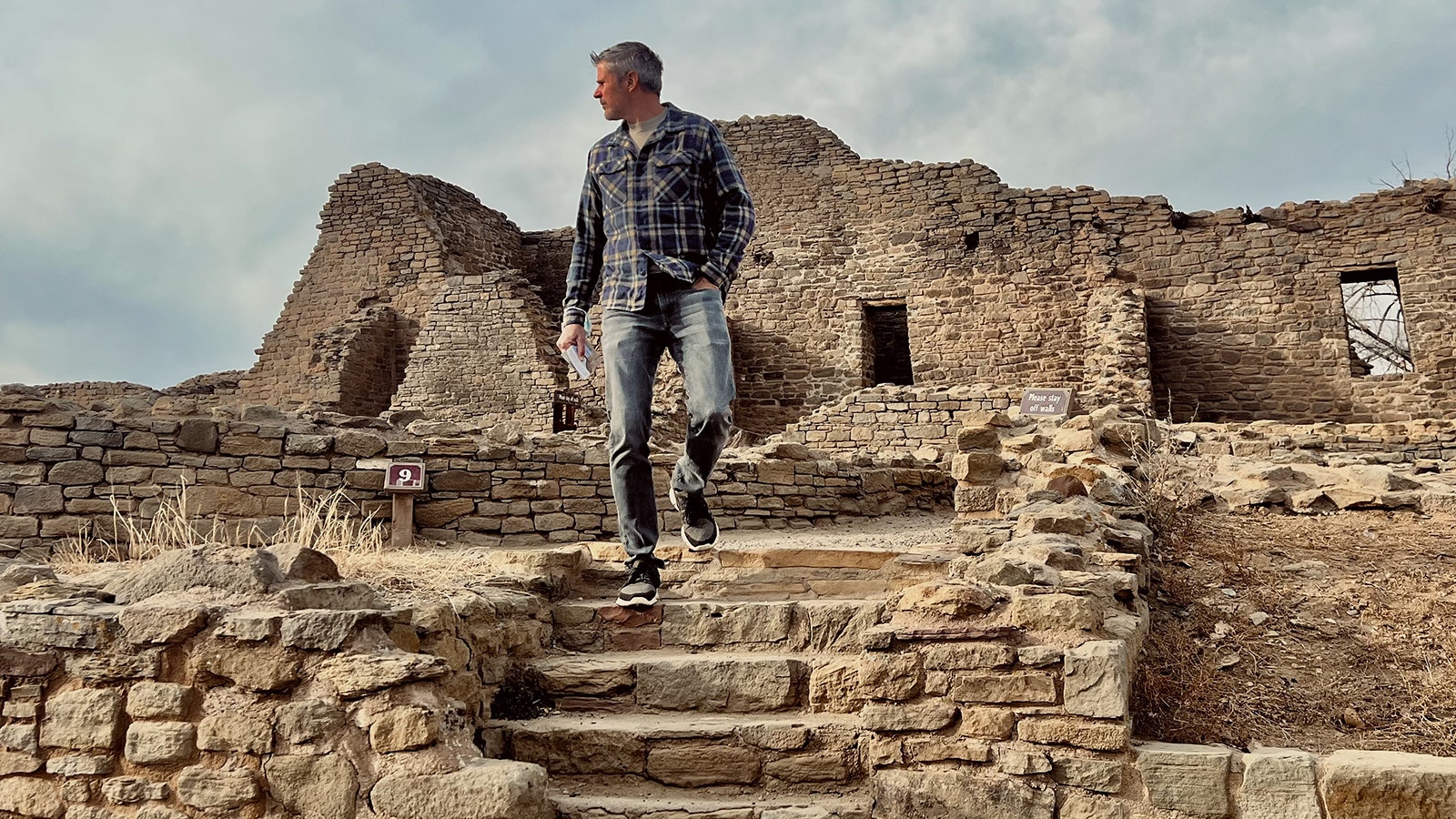
Archaeologist Dr. Steven Howard is tasked with building a new field school at Eastern Wyoming College, and help turn the Sunrise, Wyoming, area's significant archaeological site into a tourism draw. (Courtesy Photo) 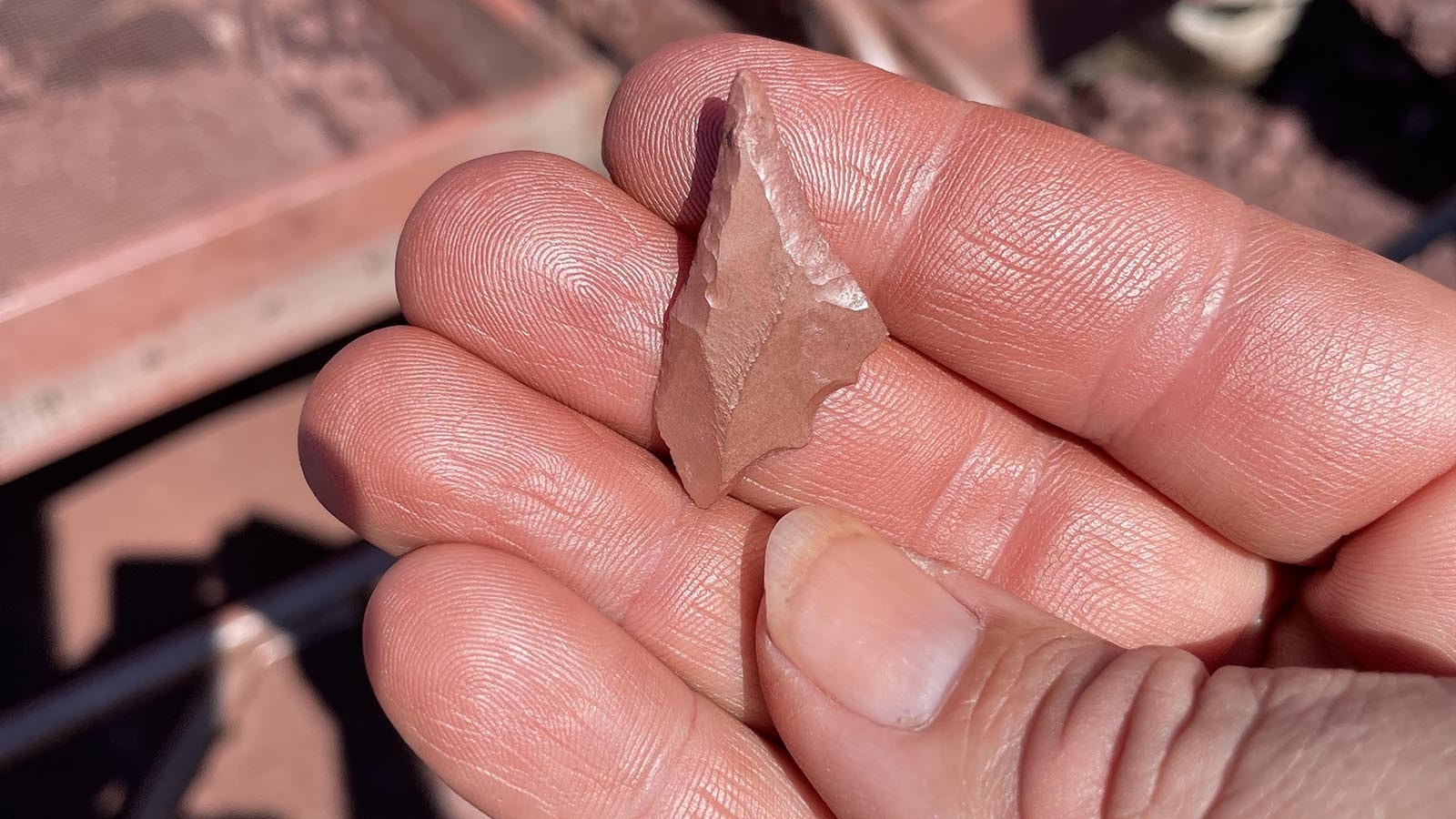
A piece of a tool thousands of years old found near Sunrise, Wyoming. (Courtesy Photo) 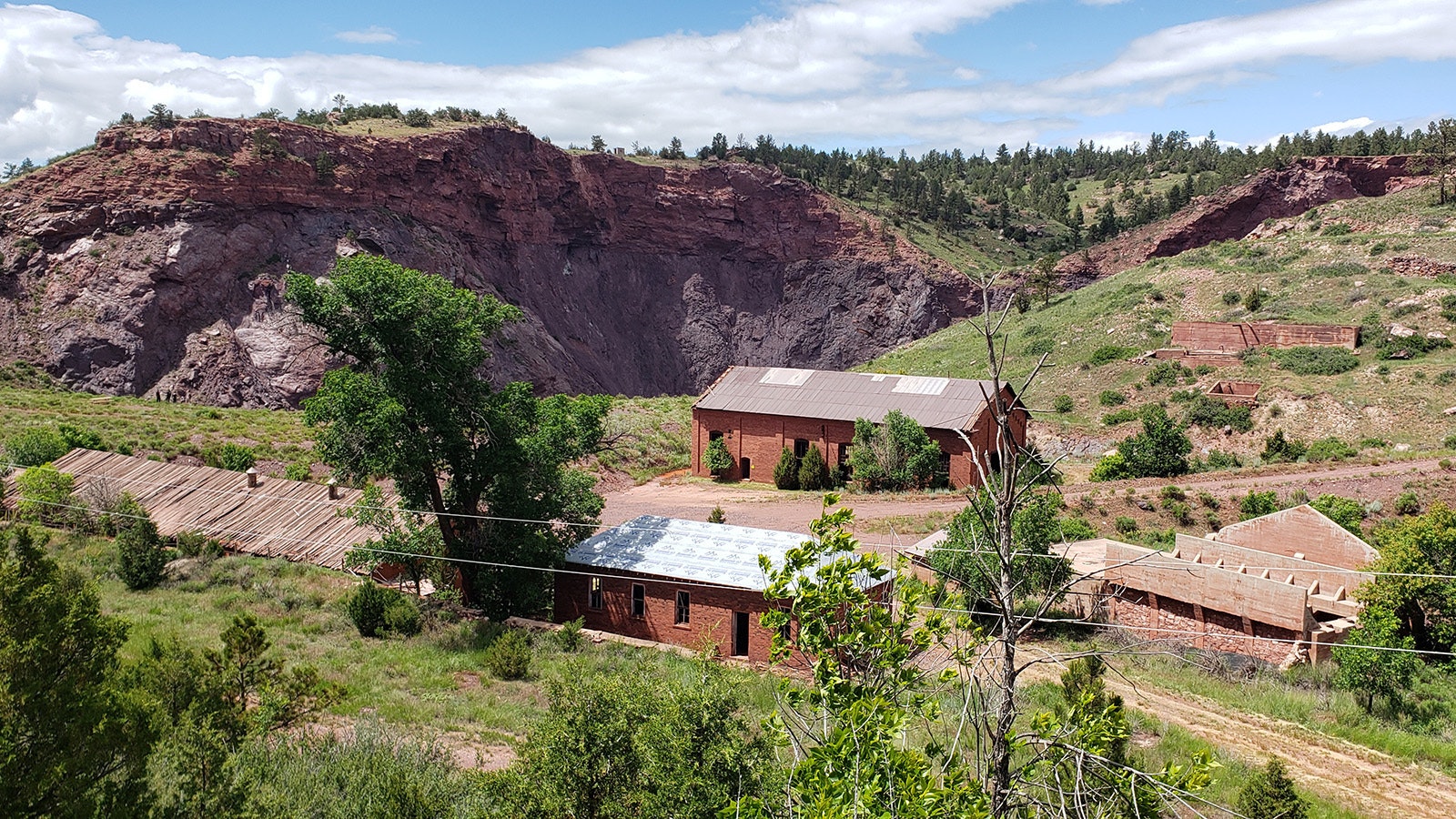
The old brick mining buildings near the Sunrise mine and historic site. (Courtesy Photo) 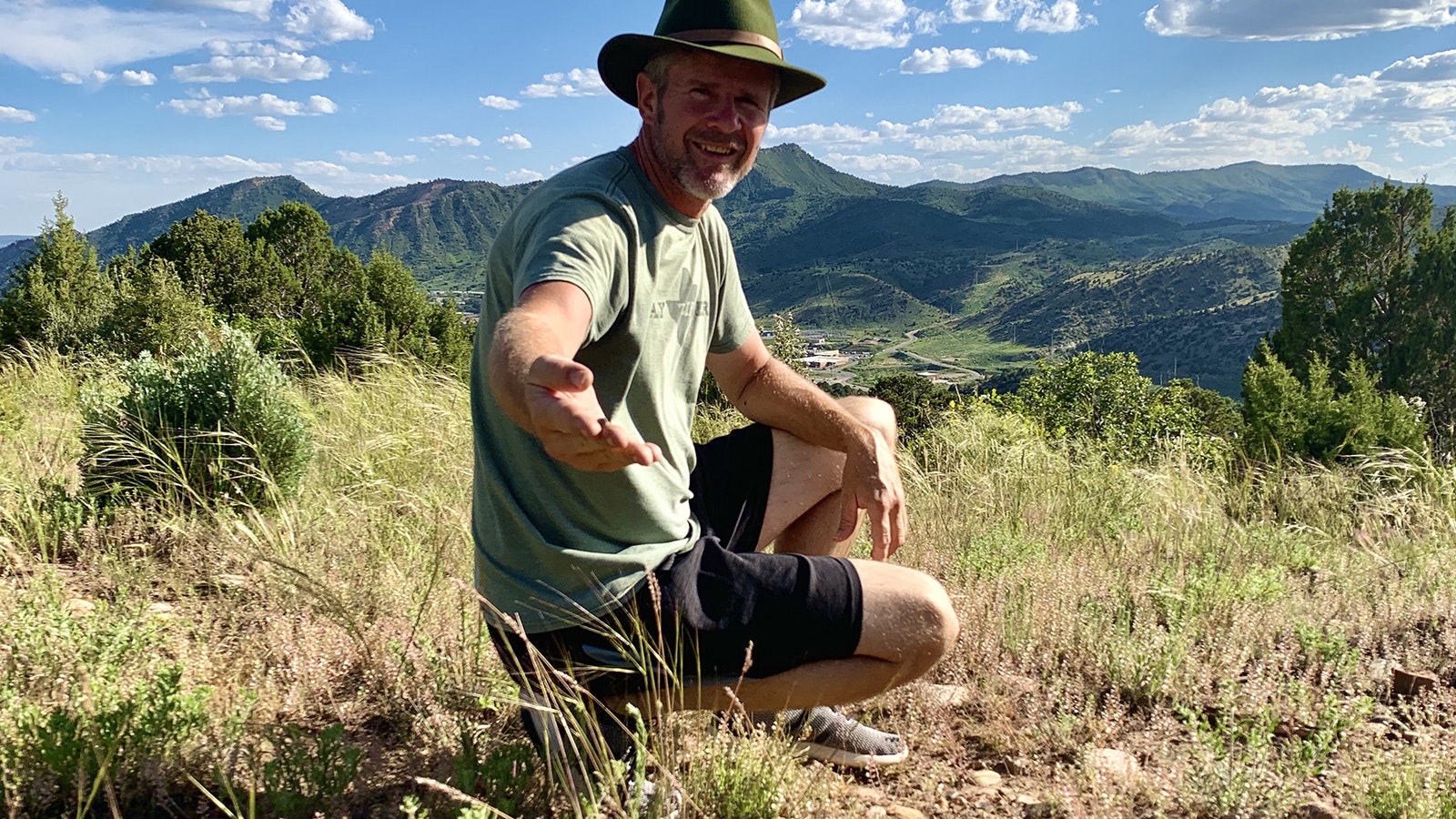
Archaeologist Dr. Steven Howard is tasked with building a new field school at Eastern Wyoming College, and help turn the Sunrise, Wyoming, area's significant archaeological site into a tourism draw. (Courtesy Photo) 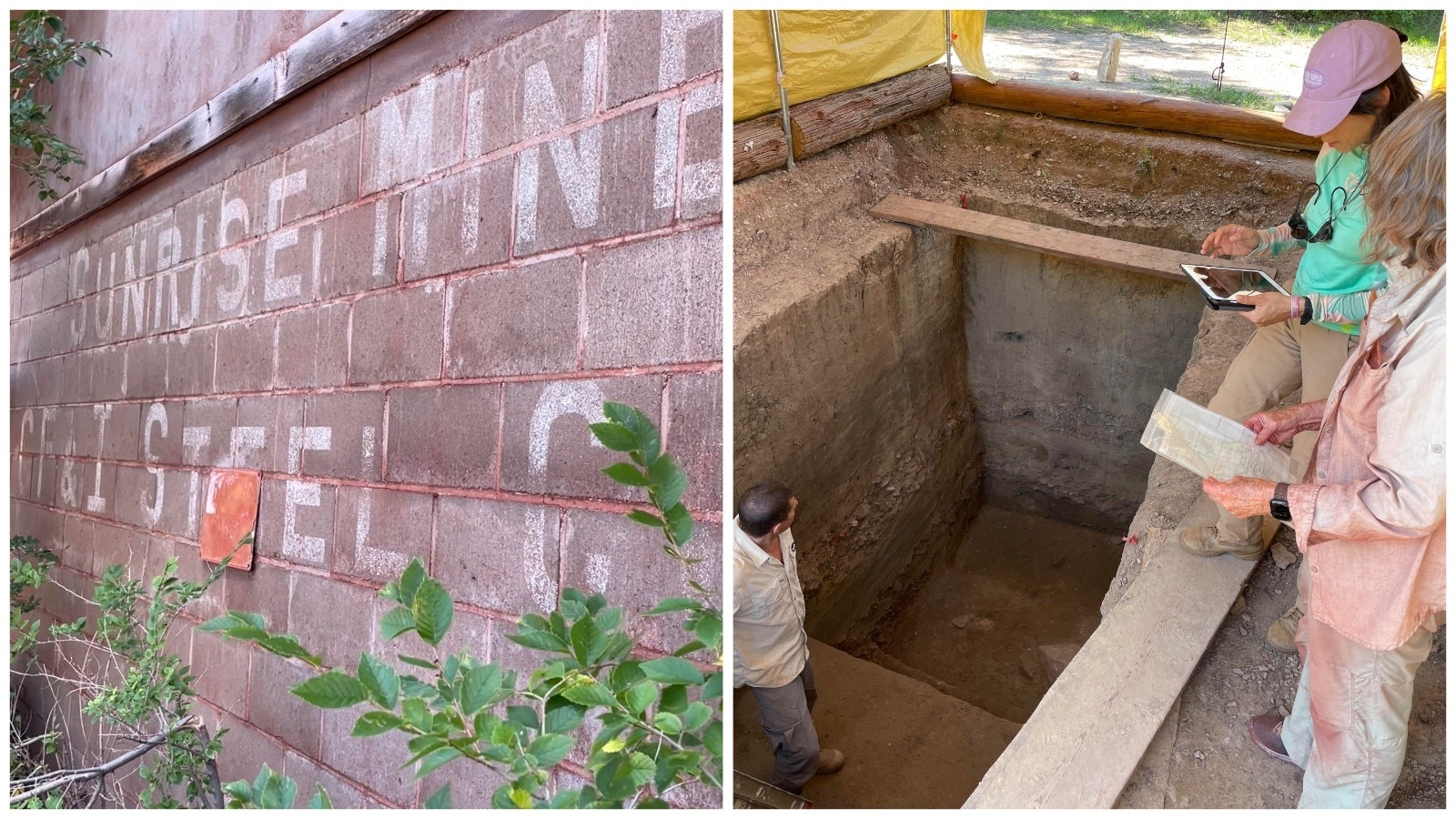
There are multiple levels of history to observe at and around the Sunrise mine site. (Courtesy Photo) 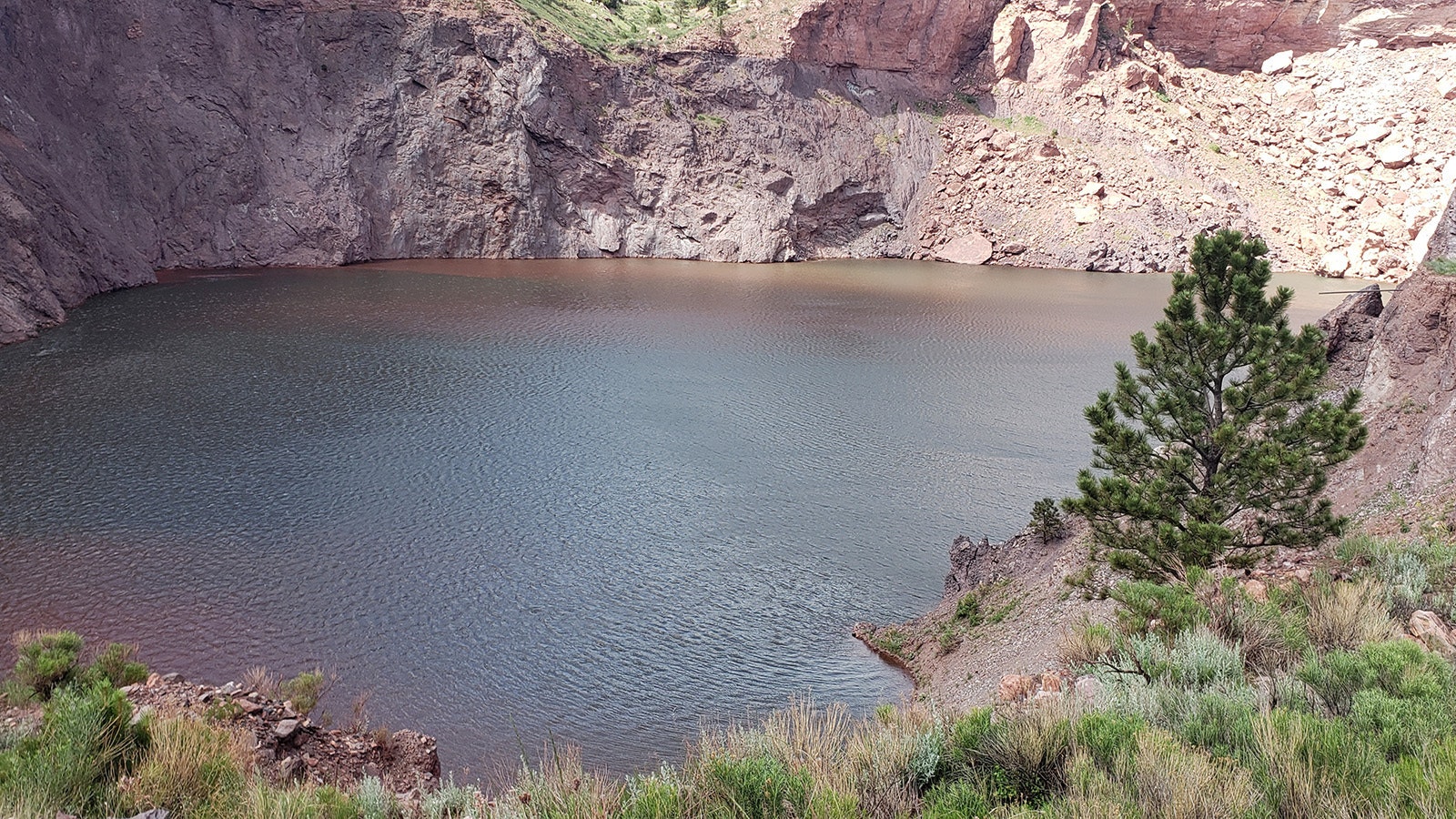
The Glory Hole Mine is now a lake. (Courtesy Photo)
New Tourism Resource
Howard envisions that the program he’s setting up will dovetail into a new tourism opportunity for the Cowboy State, and he has a $192,000 grant from the Wyoming Innovation Partnership to help make that happen.
Howard sees a very strong possibility that Sunrise can be a new draw for international tourism, as well as tourism from across the United States. He’s already working on several ideas to do that.
“That’s the other amazing aspect that drew me to this, the idea that we can engage more and more people in a responsible and sustainable manner (with this site),” Howard said. “We’re taking the tourism part of this and making it, rather than just straight-up tourism, education tourism. This will be sustainable tourism.”
That’s important not just for the scientific aspect, because “once a resource is damaged, it’s of no use to tourism,” Howard said.
Howard plans to start by having students develop a virtual tour of Sunrise, for those who can’t travel to see it. Eventually, Howard foresees students creating virtual tours for other areas of Wyoming as well.
Howard also hopes to soon have Sunrise open to the public on a more regular basis, say one day a week, starting as early as this fall.
Making The YMCA Great Again
Concurrent with Howard’s efforts to develop tourism opportunities and a field school at Sunrise, the Sunrise Historic and Prehistoric Preservation Society (SHAPPS) is working to restore Wyoming’s first YMCA building to its former grandeur.
Designed by architect William W. Stickney for the Colorado Fuel and Iron Co., the Italian Renaissance Revival-style YMCA remains very sound, but the site has lead paint that must be sealed, and it needs running water and electricity, among other improvements.
“SHAPPS is planning to do a complete restoration of the building,” Howard said. “What they’re going to do first is mitigate the lead paint and, from EWC’s (Easter Wyoming College’s) perspective, we are going to create comfortable classroom spaces in the basement that don’t get in the way of the restoration plans.”
One last cool thing Howard plans to work on is a new museum in downtown Torrington that his students would be involved in curating.
“They have an old visitor center that hasn’t been used in years,” Howard said. “So, we’re going to turn that into an archaeology museum for students to run. And we will also be helping to develop the museum at Sunrise.”
Renée Jean can be reached at renee@cowboystatedaily.com.