LARAMIE — Although the Wyoming Legislature stripped $1.7 million in state money for the University of Wyoming’s Diversity, Equity and Inclusion (DEI) office and related programming during the recently completed legislative session, the university is standing behind its program.
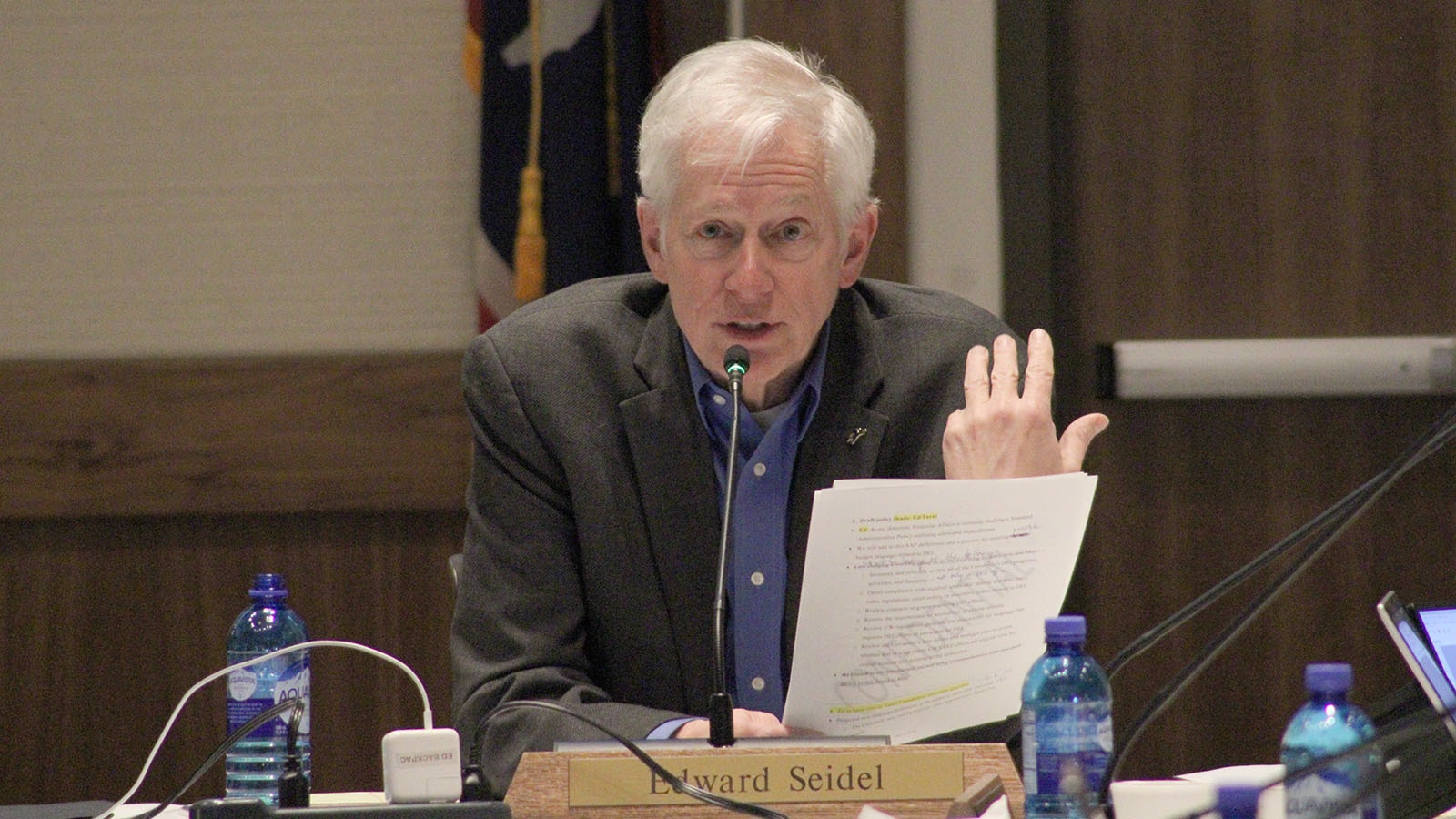
After the UW Board of Trustees held a Thursday meeting, filled with impassioned pleas from teachers and students to keep the school’s DEI office and programming, University of Wyoming President Ed Seidel told Cowboy State Daily that the school has no plans to entirely cut DEI programming moving forward under any scenario.
The DEI money was slashed from the $11.1 billion biennial budget that’s now sitting on Gov. Mark Gordon’s desk for consideration. Gordon has until Saturday to act on it.
But Seidel also said whether or not the governor saves this funding through a line-item veto, the school will study and possibly make changes to its DEI programming in order to improve the public and state legislator’s perception of this programming.
“It’s not just perception, it’s an important segment of the state,” Seidel said. “The Legislature represents the people in this state. We’re looking at everything. We’re going to be looking at everything and will see what needs to be changed. I predict some changes.”
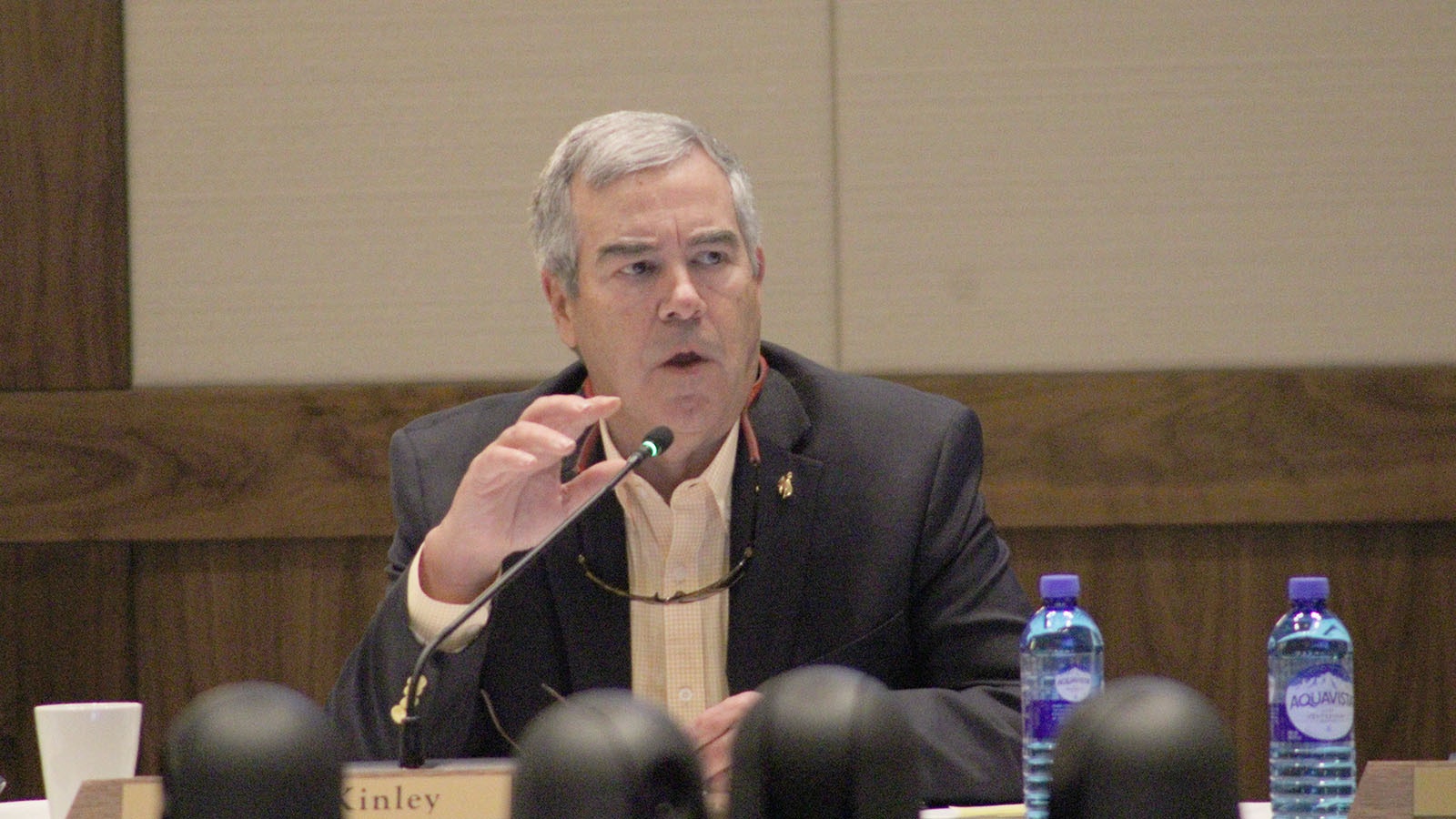
Board of Trustees Chairman John McKinley also said this could include determining what parts of UW’s DEI programming are and aren’t essential for the school’s functions.
Seidel said he views the way the budget amendment was written as only stipulating the use of state money, and that the school could continue to fund the DEI office and programming with its own money or private dollars.
“It does not say it can’t exist,” he said.

Trustees Support It
There wasn’t a single trustee or member of the public at Thursday’s meeting who spoke against the DEI programming.
Trustee Brad Bonner, whose family owns the Powell Tribune newspaper, said by virtue of his career in journalism he’s required to stay neutral on issues, but with DEI he’s not.
“I don’t want to be neutral on this issue. I fully support the mission and ideals of diversity, equity and inclusion,” he said, drawing applause from the audience.
Trustee Carol Linton agreed.
“I totally support what our DEI office does, and I think we need to have funding for it,” Linton said. “If not funded from the Legislature on a block grant, then it should be from somewhere else.”
DEI programming has become a bit of a political hot potato in Wyoming over the past year with a perception expressed by many legislators and conservatives around the state that the program is supporting a radical liberal ideology, which one legislator described during the session as a “monolith of wokeness.”
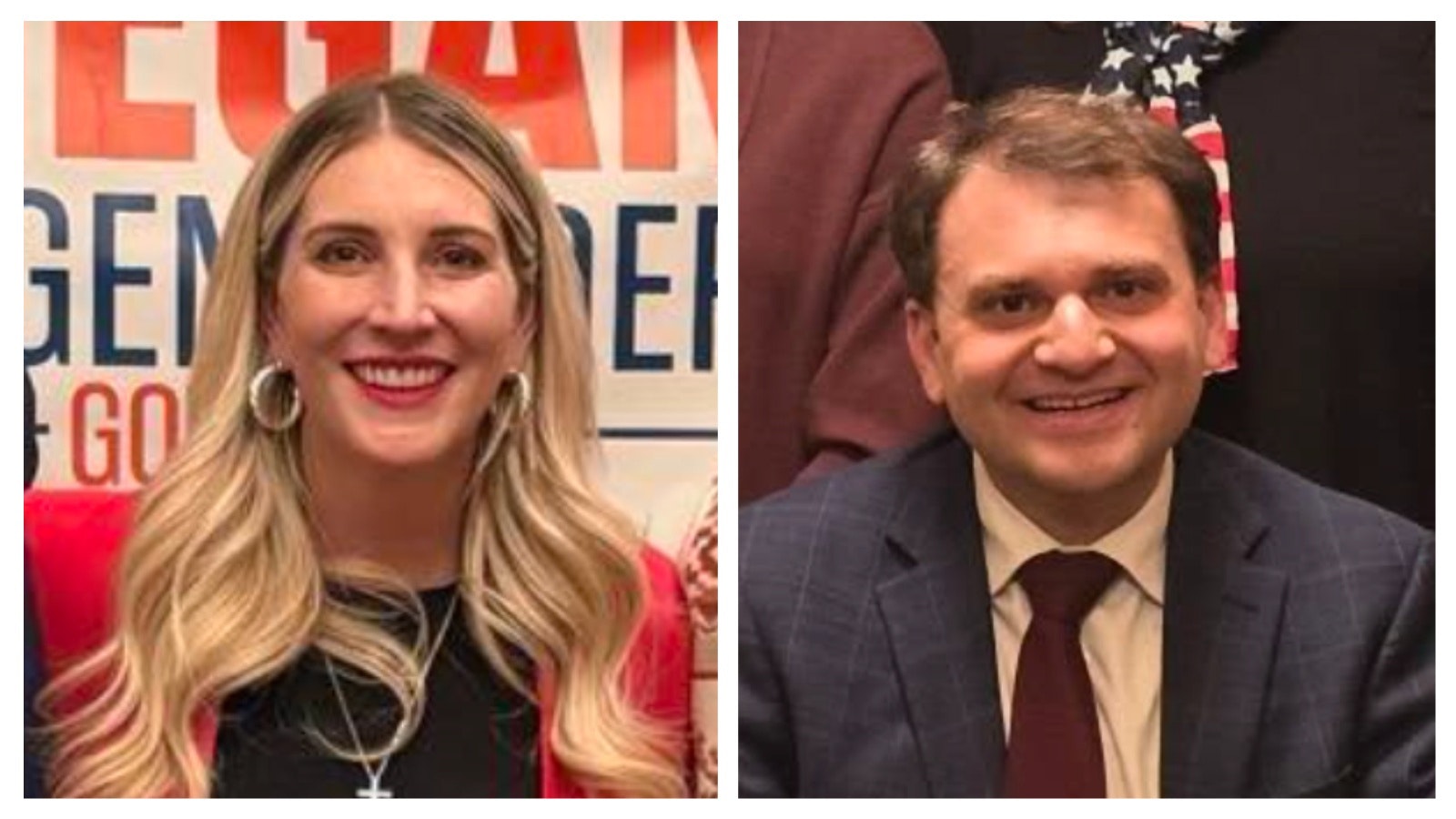
“There is a perception within the Legislature and from talking to voters around the state that DEI is in conflict with the U.S. Constitution or civil rights law,” said Superintendent of Public Instruction Megan Degenfelder via Zoom. “That is what’s coming out of some DEI programs across the country, what’s upsetting people across Wyoming. I think we need to make that distinction. If you don’t, there will be consequences.”
Although some critics of DEI have said that it harvests racism and focuses on people’s differences, many who spoke Thursday said its overall intention is the opposite.
DEI is also not a controversy limited to Wyoming. On Wednesday, Alabama Gov. Kay Ivey signed a bill that prohibits public schools and universities in her state from maintaining or funding DEI programs.
Seidel complained that many people who support cutting the programming are being misled by what they see from DEI programs in other states, while they actually know little about UW’s program.
“It’s driven by misinformation,” he said. “It’s largely driven by things happening on a national level, the kind of things we hear about are not actually happening at the University of Wyoming.”
‘Perception Is Reality’
Degenfelder, a UW grad, cautioned the trustees that perception can often become reality.
“The Legislature, whether we like it or not, that’s who funds the university,” she said. “We need to work on building that bridge, building that bridge across Wyoming.”
A few trustees and Seidel agreed and said the school needs to do a better job educating the public about its DEI programming. Seidel told Cowboy State Daily this could include better vetting for the program itself.
A few trustees also said there’s much ambiguity in what the Legislature’s budget amendment does and doesn’t cover. For example, many programs and classes throughout the university’s system implement elements of DEI although it isn’t specifically labeled as such and doesn’t fall under the direct operations of the DEI office, which was created in 2017.
McKinley also said there’s DEI compliance required for many programs within the school, like the law school, to receive accreditation and federal money, a process the DEI office assists with.
Lauren McLane, a law professor at the school’s College of Law, said she considered leaving when she heard the DEI news, but has since reconsidered.
“DEI means equality for all,” she said. “But you can’t have equality without equity. There’s plenty of room here to keep doing what we do.”
Although DEI is most often associated with race and sexuality, it can also include support for people with disabilities and provides mental health services.
Ben Moritz, executive director of the Wyoming Community College Commission, said the state’s community colleges offer similar DEI programming as the university, but somehow have avoided hitting the Legislature’s radar.
“Fundamentally, what you are doing with DEI is not that different from what we’re doing,” Moritz told the trustees. “I don’t know if those words will come back to haunt me. We’re just smaller and we were just not targeted first.”
Passionate Pleas
Thursday’s meeting was attended by more than 100 people, far more than the typical dozen or fewer who attend board of trustees meetings, Seidel said. He described it as the most moving board meeting he’s ever attended at any school in his career.
“The fact that such a large segment of the community showed up and wanted to be heard is a kind of dialogue we had never seen on a single issue,” he said.
Around a dozen people spoke in support of DEI at Thursday’s meeting and how they believe it has benefitted the school.
Mercedes Bennett, a Women and Gender Studies major at UW, said many of her fellow students feared their programs were being taken away from them virtually overnight.
“We need to work toward eliminating the negative perception of DEI,” she said. “As we know, perception just became legislation.”
Camellia Okpodu, who has been ranked one of the top 10 Black biologists from the last 30 years by Academic Influence, said she decided to continue teaching at UW because of how welcomed she’s felt by the university community and that the DEI programming has played an instrumental role in this environment.
What Next?
Gordon’s action on the biennial budget in the next two days will likely significantly affect the direction the school takes with its DEI programming.
Trustee and former state legislator Kermit Brown said the school needs to perform an inventory of what the UW DEI programming does and does not include and present that information to the public and Legislature.
“I think we’re a victim of labels and victim of misunderstanding, and victims of broad-brushed generalistic statements that failed and don’t have enough context to understand what we’re talking about,” he said. “We might find a couple things where we say we’ve got to get rid of that, and we can’t be subversive about it. I think the majority of things are acceptable and not on the list of horrors the Legislature is addressing.”
The trustees will continue discussing the issue at their meeting in May.
Leo Wolfson can be reached at leo@cowboystatedaily.com.