The Wyoming Senate is considering a bill to keep people convicted of sex crimes against minors from working or volunteering in teen hangouts, such as arcades.
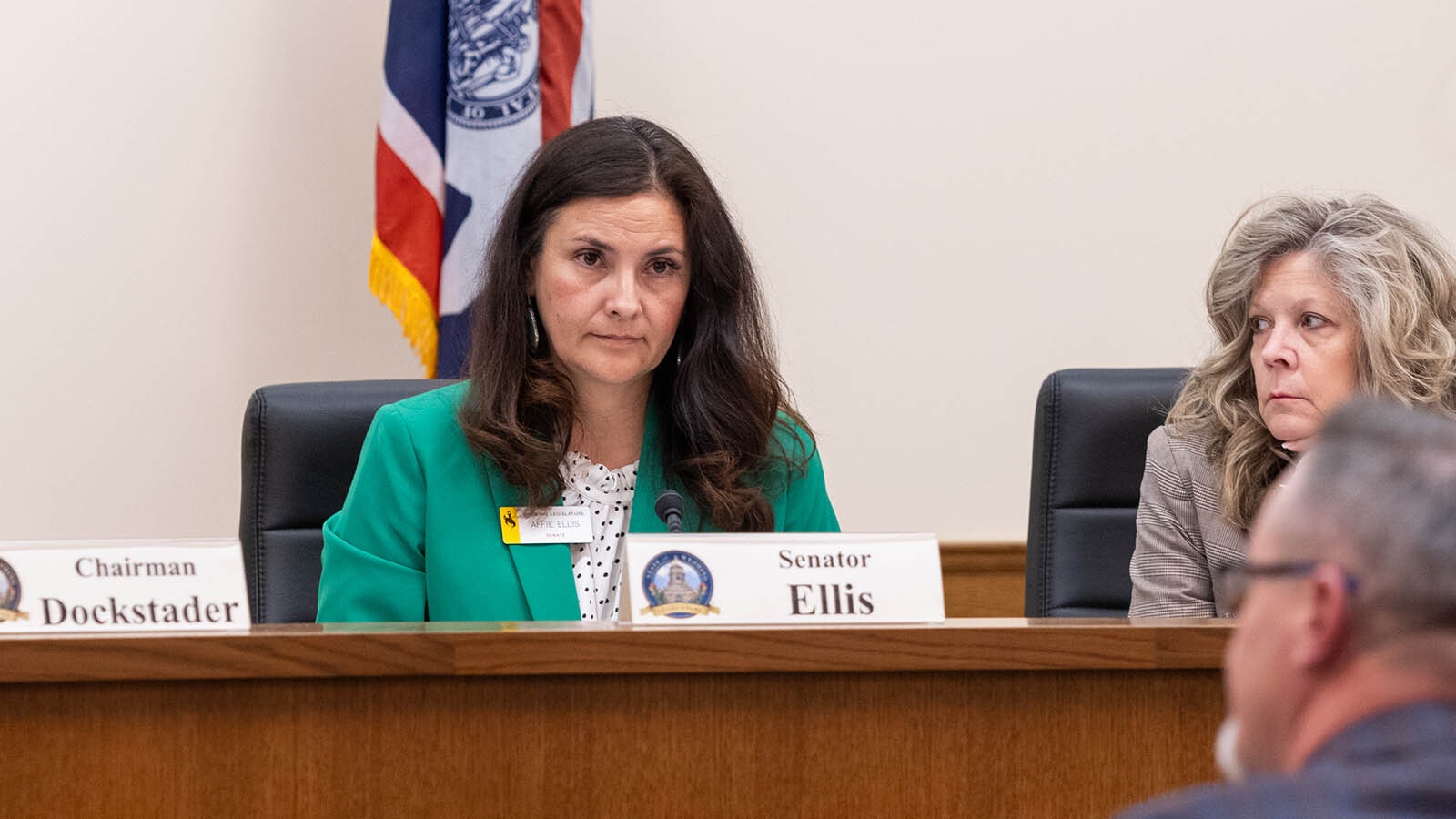
Bill sponsor Sen. Affie Ellis, R-Cheyenne, touted Senate File 92 as a protective measure for teens working in fast-food restaurants or kids hanging out at an arcade when she presented it Friday to the Senate Judiciary Committee.
The committee voted 4-1 to advance the bill to the Senate floor, with only Sen. Cale Case, R-Lander, voting against it.
SF 92 would bar anyone required to register as a sex offender for a crime involving a minor victim from applying for or accepting any paid or unpaid position requiring him to interact primarily with coworkers younger than 18, or underage customers who aren’t accompanied by their parents.
If the bill passes, offenders affected by it could petition for a court order exempting them from its ban.
Such As Fast Food Restaurants
Ellis said she brought the bill at a the urging of a constituent, but had a “real-life example” of her own of the realm it would affect.
Ellis’ daughter was 15 last summer and took her first job at a fast-food restaurant where many employees were also teens, Ellis said.
“I would drop her off this summer and walk in, sometimes get myself a sandwich,” she said. “Just seeing all these young teenage faces, I was imagining how comfortable some of those parents might be if they weren’t even aware that one of the colleagues interacting in close quarters with those young people … was a registered sex offender.”
She said the bill would only apply where there’s a “pretty strong concentration of minors” and minors made up the workforce primarily, or unaccompanied minors are the primary consumer base.
She referenced a local arcade and a trampoline park.
Violators could face up to six months in jail and $750 in fines under this bill. That penalty mirrors that of the misdemeanor crime already in law for sex offenders working at schools without special permission.
Only New Job Applicants
Ellis pointed to a carveout in the bill to address “ex post facto concerns” — the worry that the bill could layer on new penalties for crimes for which people have already been punished.
The carveout makes the bill apply only to offenders seeking the prohibited jobs or volunteer positions after July 1 of this year.
That would grandfather in sex offenders who already have arcade or other youth-centric jobs, so they don’t have to seek new employment because of a law change, she said.

Only New Offenders
Ellis offered an amendment in the same vein to make the bill apply only to sex offenders added to the sex-offender registry after July 1 of this year.
She said she’s concerned about sex crime perpetrators having the chance to prey on minors, but she doesn’t want to be “punitive” to people who have paid their debt to society.
The committee adopted that amendment.
‘One Of The Best People I Ever Hired’
Senator Case spoke against the bill, saying the sex offender registry list already stigmatizes offenders with a broad brush by encompassing “statutory rape” offenders: people convicted for having sex with minors, even if both parties involved considered the relationship consensual.
He spoke of men in their 20s having sex with girls in their late teens.
“These are people that have otherwise paid their debt to society. They’re on a registry for their lifetime. We’re adding to it,” said Case. “To me it’s akin to marking someone with something on their forehead or sewn into their clothing. And I’m really kind of offended.”
Case said he’s employed a man who is about 30 years old at his hotel in Lander, which contains a restaurant where teens can work. The man applied for a job there about a decade ago, and was honest about his sex crime conviction and the nature of his crime, Case said.
“I hired that young man. He’s one of the best people I ever hired,” Case continued. “An exemplary citizen and I’m very proud of him.”
Case said the state would pose a hardship on him by forbidding him from hiring such people at his discretion.
Ellis said she understood his concerns. She noted that the Judiciary Committee has been studying the sex offender registry statutes for months, possibly to reform their requirements and fine-tune them to varying crimes.
Her bill isn’t the vehicle to do that, she added.
Not For Juvenile Offenders
Case proposed an amendment to the bill to exempt offenders convicted in juvenile court, and for other offenders to shed the ban after 10 years of living crime-free.
Ellis said she liked those amendments, and the committee approved them.
Clair McFarland can be reached at clair@cowboystatedaily.com.