Lander Lil didn’t see her shadow on Groundhog Day, so there are another six weeks of winter in Wyoming (even though she’s a prairie dog, and fake).
But Cowboy State residents can find some cold comfort in the fact that solar spring is already here.
Never heard of the solar spring? You’re not alone, but it happens every year.
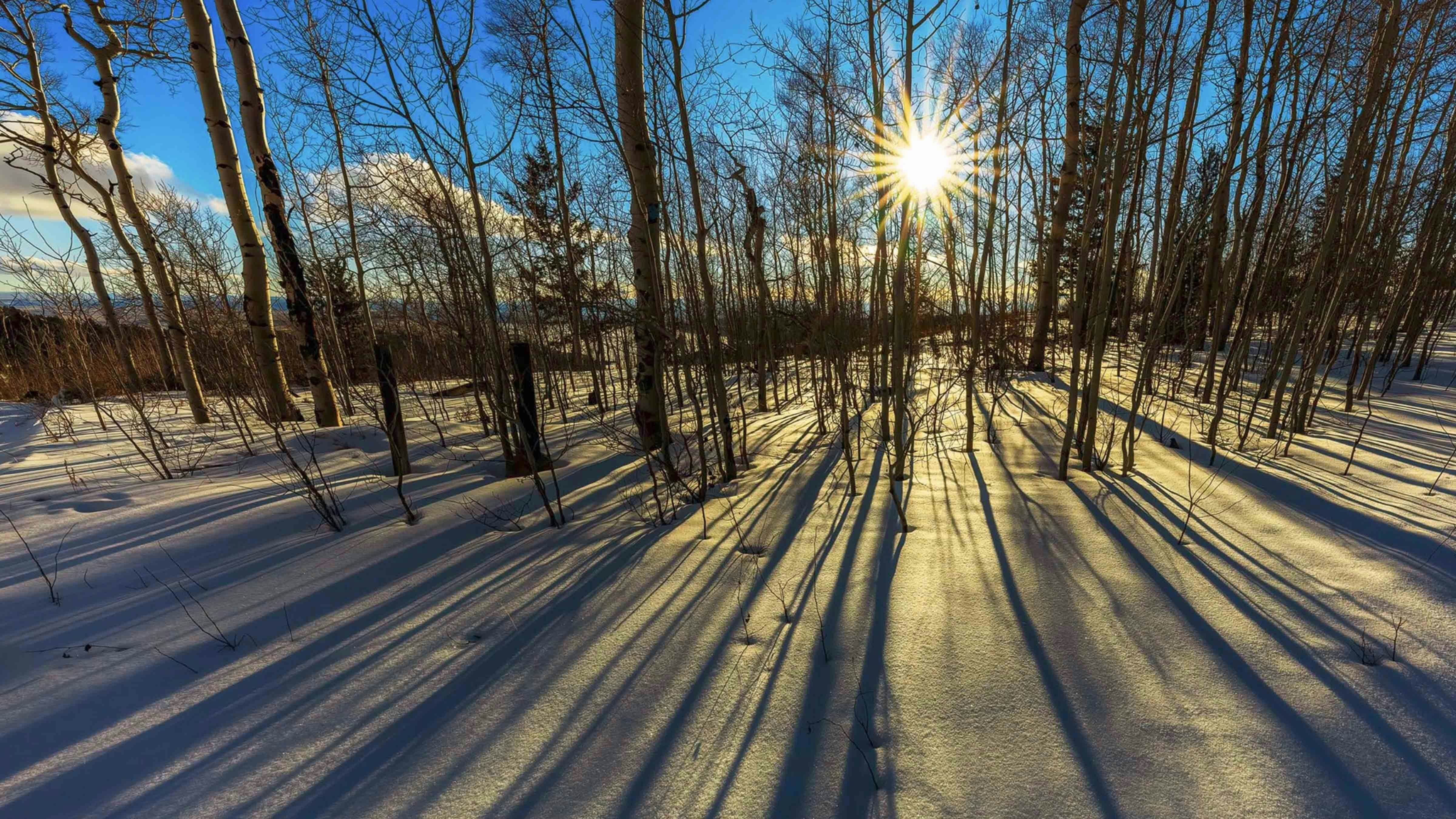
Solar spring, which typically runs from early February to early May, is the time of year when daylight increases at its fastest rate. The darkest months of the season are officially over.
“I think a lot of people across Wyoming have said to themselves, ‘If we could just make it ’til Valentine's Day or Washington's birthday, we'll get this warmer weather,’” said Chris Jones, a meteorologist with the National Weather Service Office in Riverton. “And sure enough, there is some truth to that.”
Sensing Solar Spring
The impact of solar spring is a night-and-day difference for many people, to a degree.
Since the winter solstice in December, each day has gained around a minute of daylight. But it’s not until the months between Feb. 5 and May 4, the “official” dates of solar spring, that the days become noticeably brighter.
Jones said February has “the greatest gain” of sunlight during solar spring. It’s such a dramatic gain that most people should be able to notice it, especially in the evenings.
“Almost everybody sees an increase of about an hour and 10 minutes of daylight, probably most noticeable at the end of the day for most of us,” he said.
According to the NWS Riverton, Cody and Greybull will be the brightest by the end of February, with a daylight increase of an hour and 19 minutes. Buffalo and Worland won’t be far behind with an extra 1:18 of daylight.
Jackson, Riverton and Lander will see a daylight increase of 1:15, and Casper will see a minute less than that. Rock Springs and southwest Wyoming get the smallest increase in February, but should still see an extra 1:12 of daylight by the end of the month.
Across Wyoming, daylight will increase from less than 10 hours on Feb. 1 to more than 11 hours by Feb. 29 (it’s a leap year).

Warm Enough To Enjoy
The increase in daylight comes with a sustained rise in temperature. Jones said there could still be cold days with subzero windchills, but average temperatures will consistently rise.
“Temperatures depend on if you want to look at it,” he said. “In Casper, for example, the average high temperature climbs a little over 9 degrees over the course of February. Throughout the month, (the high temperature) climbs anywhere from around 5 to 10 degrees.”
In February, Greybull and Worland usually see the most significant increase in average daytime temperatures, as high as 11 degrees between the first and last days of the month. Meanwhile, Buffalo only sees an increase of 4 degrees, on average.
Even with these sustained patterns of increasing daylight and temperatures, it won’t feel the same everywhere in the Cowboy State.
Jones said certain areas, like the Bighorn and Wind River Basins, are notorious for capturing cold and keeping it there.
February might be the best month for increasing daylight, but Jones said temperatures tend to rise fastest in March.
“March is the month where we see the greatest difference,” he said. “Over the course of that month, it's about 10 degrees gain in high temperatures.”
Everything All At Once
Solar spring is more than rising temperatures and longer days. It’s the time of year when snowpacks start to be slowly whittled away, which kicks higher temperatures into high gear.
Jones said the winter snow reflects a lot of sunlight, which keeps everything cold. Solar spring brings more sunlight, which melts more snow and facilitates warmer temperatures.
“The sun angle gets higher, we melt more snow and we get warmer days,” Jones said. “We also start to see more wind that also boosts temperatures. If you didn't have the snowpack, the warm-up may not (feel) as stark.”
Melting snowpack in February could be a cause of concern for many. This winter season has been relatively dry, especially when compared to the immense amount of snow during the last winter season.
However, Jones said it's too early to get too concerned. Solar spring brings plenty of moisture, too.
“The wetter months of the year east of the Continental Divide are still to come in March and April,” he said. “We have a lot to make up. But let's see how things play out in March and April before we start being too concerned about what we may portend for the summer.”
In the meantime, Wyomingites don’t have to wait to enjoy this year’s solar spring. When most people leave work at 5 p.m. this month, they can take it all in and enjoy stepping into the light.
“It's a noticeable change for a lot of folks,” Jones said. “You can get outside and enjoy 50 degrees because it's still daylight. By the time we get to mid-March, it’s 7:30 p.m. before the sun goes down. It’s that feeling that you can go outside and enjoy this.”
Andrew Rossi can be reached at arossi@cowboystatedaily.com.