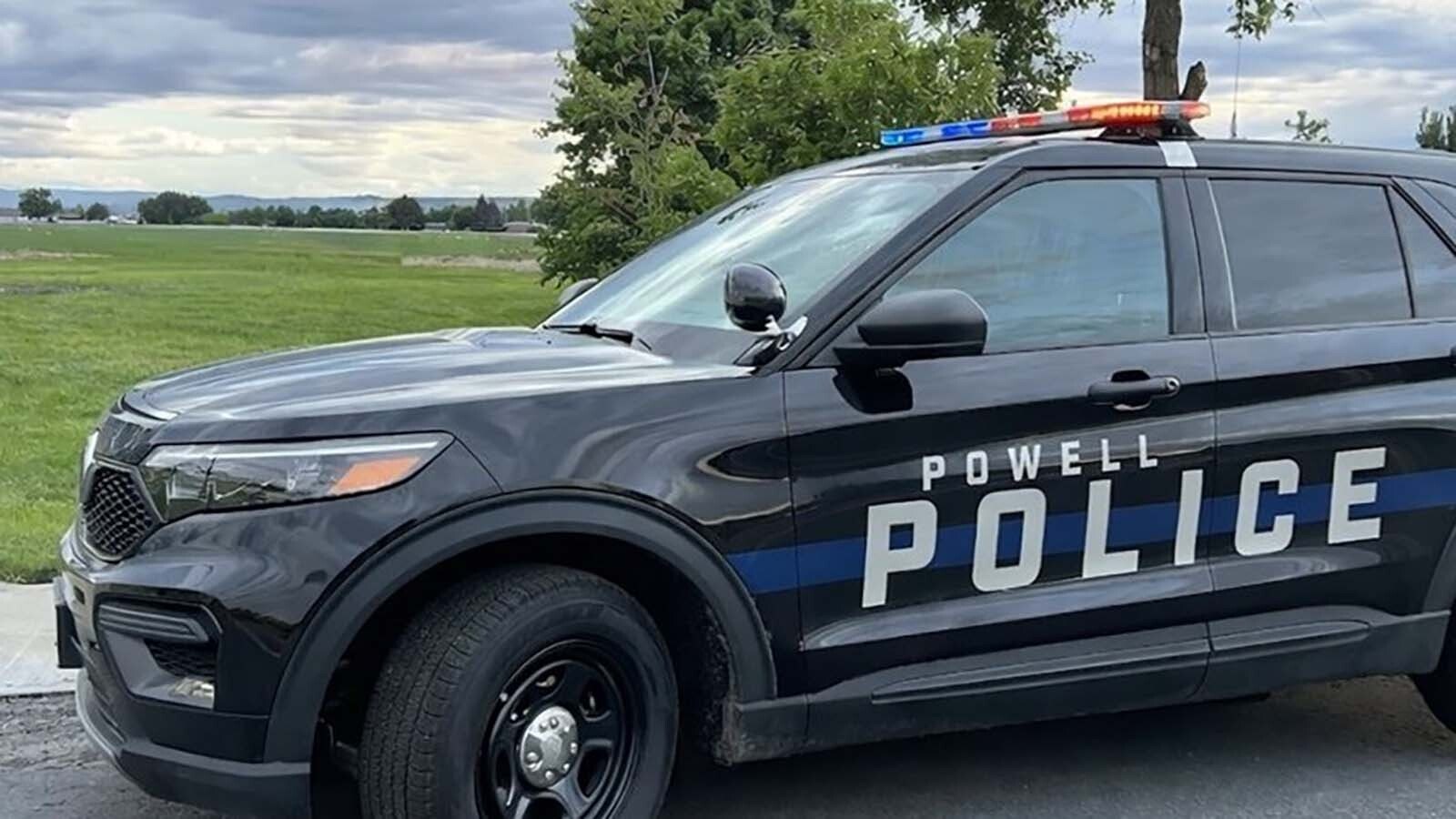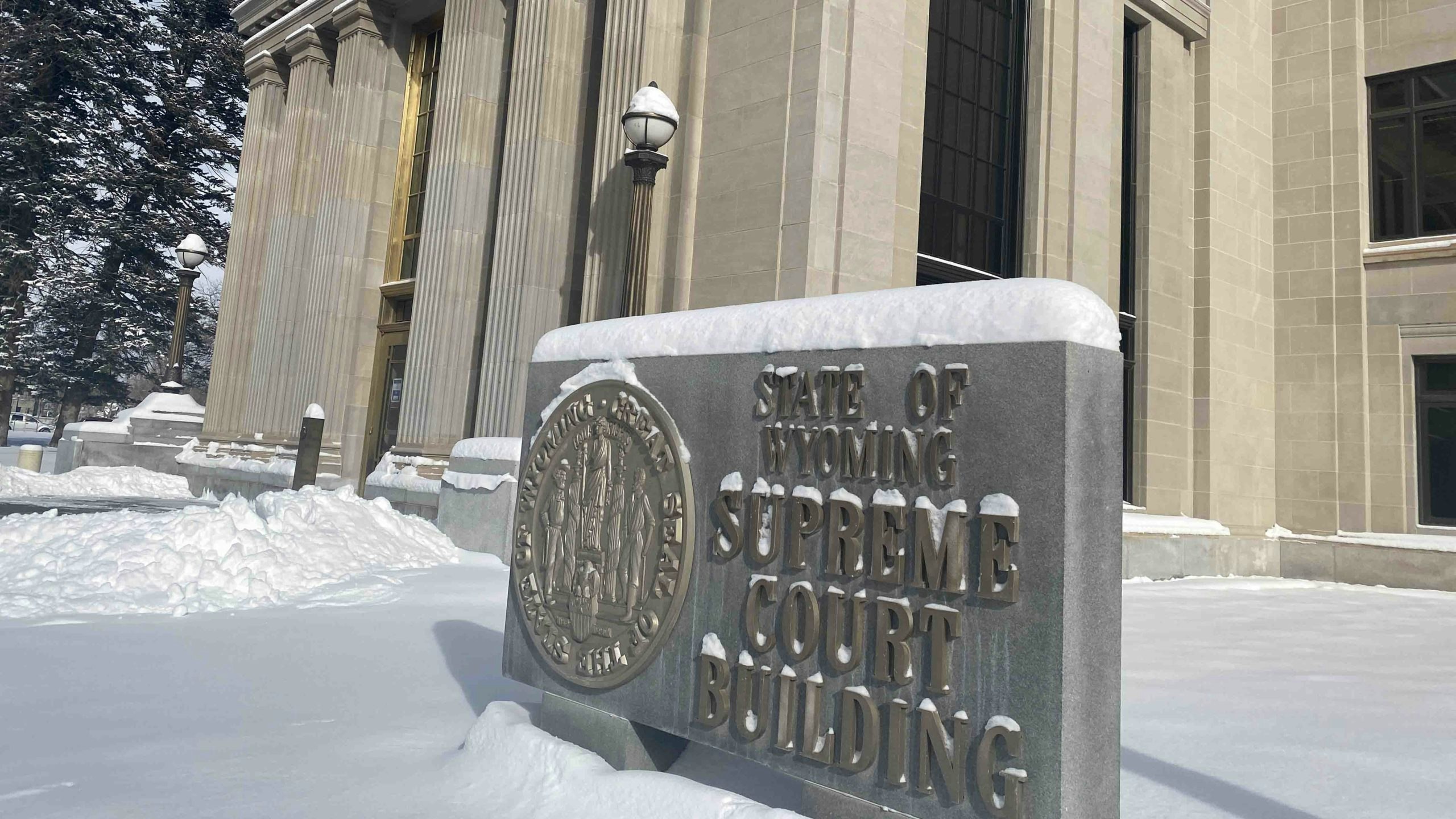
A man sentenced to a year in jail after Cheyenne police found cocaine in his underwear lost his appeal Thursday when the Wyoming Supreme Court ruled that police did not enter the man’s home illegally.
Darrell Leonardo Alexander was the subject of a domestic violence call at a Cheyenne apartment the night of March 13, 2022, according to court documents.
Cheyenne Police Department Officers J. Miles, Cole Tompkins and Brockton Hayden went to the building.
On the stairs just outside the apartment, they found two women sitting together.
“I’m just support,” said one of the women, gesturing to the second woman, whom court documents identify by her initials, EB.
“What’s going on tonight?” Miles asked.
“Look,” said EB, pointing at her injured face, court documents say.
“What happened?” asked Miles.
“He’s drunk, f***ed up,” answered EB, while weeping and rubbing her face. She said she was trying to get Alexander home, but “he kept hitting on me,” and now she had no place to go.
Here’s The Fourth Amendment Question
Police reportedly did not realize it at the time, but EB did not live with Alexander; his apartment was not hers.
“Is he in there?” asked Officer Hayden.
Rather than answering with words, EB stood, opened the apartment door, stepped inside without closing the door behind her and announced, “Dell, Dell, here you go, the police are here for you.”
Miles and Hayden crossed the threshold, following her into the apartment. They asked her to step back outside.
As she stepped outside, she told Alexander: “For what you just did,” court documents say.
Waking Up A Sleeping Man
The officers found Alexander apparently asleep on a couch in the apartment. He woke, “visibly intoxicated, confused and incoherent,” the documents say.
Miles and Hayden interviewed him.
“Why is she doing this?” asked Alexander, along with asking, “Why are you here?” He also said, “This is my house” and that EB did not live with him.
Meanwhile on the stairs outside the apartment, Tompkins was also learning that EB did not live in the apartment. She told Tompkins that Alexander had punched her and choked her, and beat her worse when she tried to use her phone to call for help.
The neighbor woman had reportedly heard EB “gasping” for air and rushed to help her.
Cocaine In Some Places
Officers arrested Alexander for domestic battery.
In the car ride to the jail, Tompkins and Hayden swapped intel from their respective interviews and acknowledged that EB did not live in the apartment, but was in a 12-year, on-and-off relationship with Alexander, say the court documents.
When jail deputies booked Alexander into the jail, they found 39 grams of crack cocaine and 26 grams of cocaine powder in Alexander’s underwear — felony amounts.
Please Shred This
During his prosecution Alexander filed a motion to suppress any evidence “that flowed from” the search and seizure. He argued that officers violated the Fourth Amendment to the U.S. Constitution and a similar provision in Wyoming’s Constitution (Article 1, Section 4) when they entered his apartment without a warrant, without his consent and without exigent circumstances.
The prosecutor argued that the officers didn’t enter illegally because they believed EB had the authority to let them into the apartment, and they believed that she gave “implied consent” to follow her in with the way she opened up the door and walked inside.
Laramie County District Court Judge Thomas Campbell declined Alexander’s request and allowed prosecutors to wield their evidence against him. He said EB’s behavior “clearly indicated consent to enter the residence,” and that, based on all facts available to the officers when they stepped over that threshold, their belief that she had the authority to let them in was reasonable.
Then The Appeal
Alexander gave a conditional guilty plea to the charge of cocaine possession, and the prosecutor dropped the other domestic abuse charges against him.
Campbell sentenced him in January to between 12-14 months’ incarceration, which he was to serve concurrently with a separate federal sentence he was serving for possession with intent to distribute cocaine.
Alexander appealed to the Wyoming Supreme Court immediately afterward.
He argued that Campbell was wrong when ruling the officers were reasonable to rely on EB’s “apparent authority,” and that Campbell was wrong in ruling that the woman’s nonverbal gestures and actions implied her consent.
On both arguments, the high court upheld Campbell’s rulings.
‘I Still Believed’
The high court cited Officer Miles’ testimony from a hearing in Campbell’s court, in which Miles said he believed the apartment was EB’s – before and during his entry.
“And when she opened the door, whose apartment did you believe it was?” the prosecutor asked Miles.
“I still believed that she at least had authority to go in there, come and go as she pleased, so I believed it was hers,” Miles answered.
The other officers testified similarly.
Tompkins noted that the domestic violence call was placed from that apartment, and that domestic violence calls suggest that the victim is in a relationship with the alleged perpetrator.
“Domestic violence calls tend to be some of the most violent calls that an officer can respond to,” Tompkins said.
Come On In
Alexander had disputed Campbell’s ruling that EB’s gestures invited the officers to enter. He argued that EB was simply retrieving him for the officers and they were meant to wait outside.
The high court disagreed.
“Certain gestures by their very nature will provide clear evidence of consent,” says the high court’s Thursday order, quoting one of its own cases from 2022.
“The district court did not err,” the order concludes.
Clair McFarland can be reached at clair@cowboystatedaily.com.