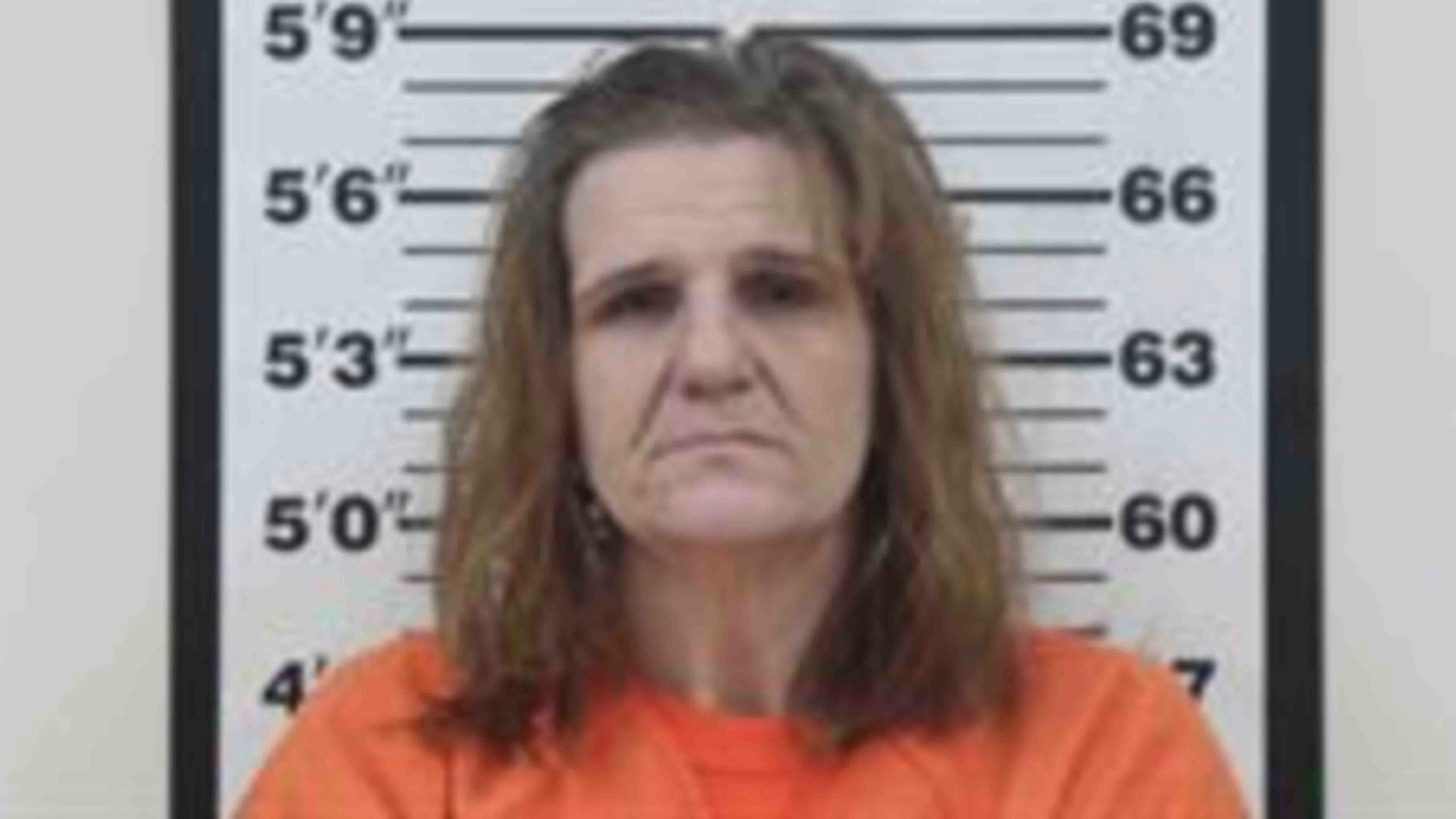
A prosecutor is allowed to bring to trial evidence that a Kemmerer babysitter allegedly said she was “sick of,” “hated” and “just wanted to kill” the 5-year-old girl she’s accused of having beaten to death in November 2022, a judge ruled last week.
Lincoln County District Court Judge Joseph Bluemel ruled in a Dec. 20 order that the prosecutor trying Cheri Marler, 52, may bring evidence to Marler’s trial of the woman saying she despised the kindergartener who died of injuries sustained in her care last year.
Bluemel also denied a motion Marler made asking him to exclude her police-interview confession from the evidence pool.
Marler had confessed to Kemmerer police in November 2022 that she beat the 5-year-old in her care just before the girl’s death, by clapping the girl’s head between her hands.
In an argument she filed Nov. 21 of this year via her attorney Elisabeth Trefonas, Marler said she was under heavy medication at the time and her confession was therefore not voluntary and would not be proper trial evidence.
Five days after a hearing on that argument, Bluemel denied Marler’s request in one of his orders last week.
Marler’s trial is set for Jan. 22.
First, ‘Bad Acts’
The Lincoln County Attorney’s Office asked Bluemel on Nov. 22 if a prosecutor could bring “character evidence” against Marler at trial.
That evidence is the testimony of Marler’s acquaintance Anita White, who is expected to testify at trial that in the weeks leading up to the kindergartener’s death, Marler was saying she was “sick of” the little girls in her care and “hated them” and “just wanted to kill them.”
Marler also is charged with abusing the 5-year-old girl’s younger sister.
Wyoming’s evidence rules say that prosecutors can’t parade evidence about a defendant’s prior “bad acts” or character flaws through trial to demonstrate that someone has criminal tendencies.
But prosecutors can bring relevant “bad act” evidence to prove a limited point, such as motive, if the evidence’s value as proof outweighs its potential to prejudice the defendant.
In this case, the prosecutor says the acquaintance’s testimony will show that Marler had a motive, and that the girl’s death was no accident. The brief argues that White’s recollections won’t poison the jury against Marler as much as the charge of first-degree murder will on its own.
The jury can judge White’s truthfulness for itself, the brief adds.
After Bluemel filed his Dec. 20 order allowing this testimony, the Lincoln County Attorney filed a pre-trial memo listing White as a “will-call” witness at trial, along with medical professionals, numerous law enforcement agents and other acquaintances of Marler’s.
Then There’s This Interview
Bluemel’s order denying Marler’s request to have her confession scrubbed from the trial evidence doesn’t say much.
“The motion to suppress evidence is denied,” the judge wrote.
However, Lincoln County deputy prosecutor John Bowers argued this month that Marler’s police interview was not coercive, and that her confession was voluntary.
Bowers noted that police agents read Marler’s Miranda rights to her multiple times and tried to make her feel comfortable and unconfined. He also rebutted Trefonas’ argument that Marler was too heavily medicated for such an interview.
“Her speech was not slurred, nor were there other indications that she did not understand the questioning or her waiver of her Constitutional rights,” wrote Bowers.
Clair McFarland can be reached at clair@cowboystatedaily.com.