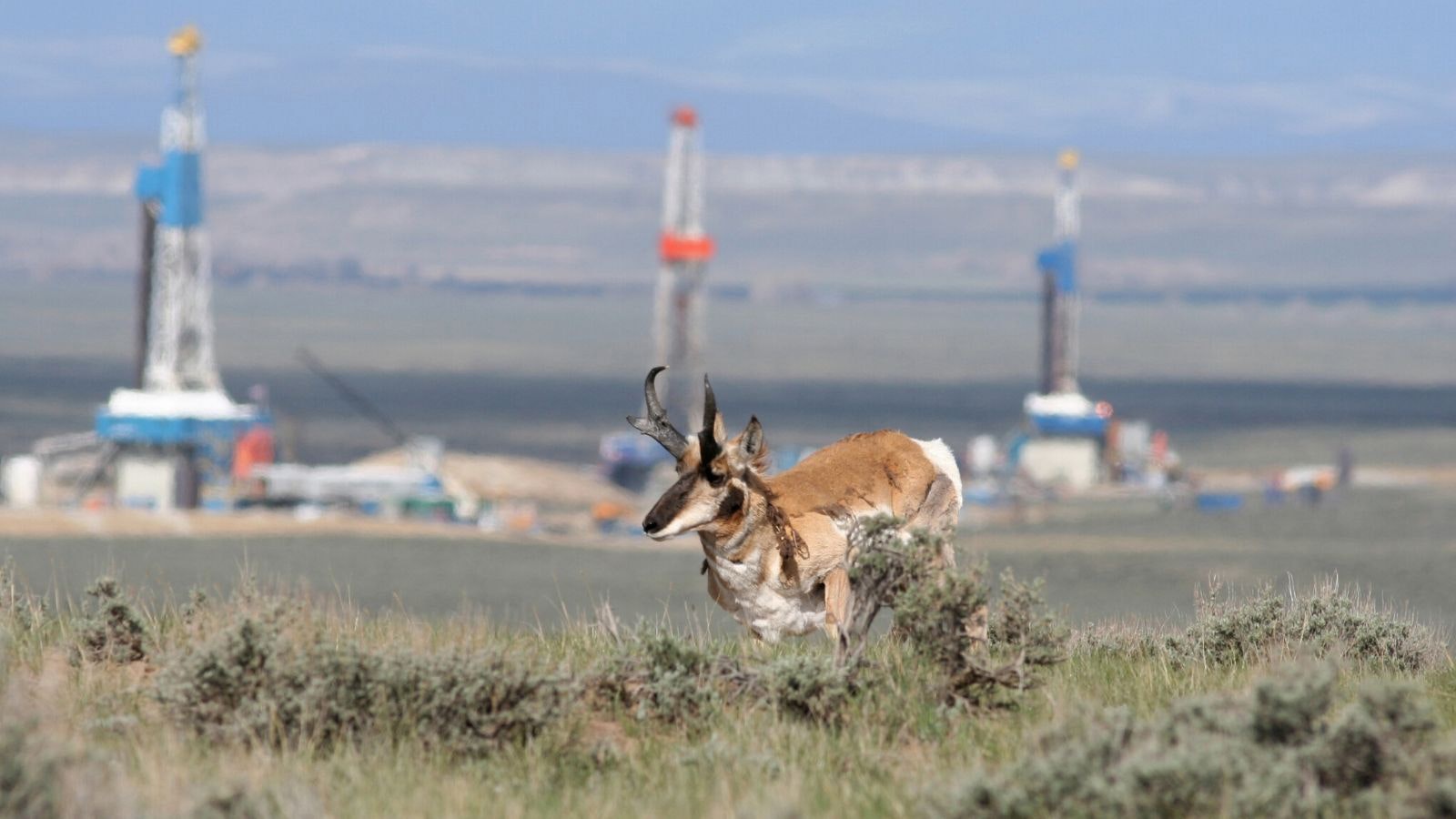
Instead of harming antelope along Wyoming’s “Path of the Pronghorn” migration route, oil and gas wells might have spared some from freezing to death during the devastating winter of 2022-2023, a Wyoming energy company owner said.
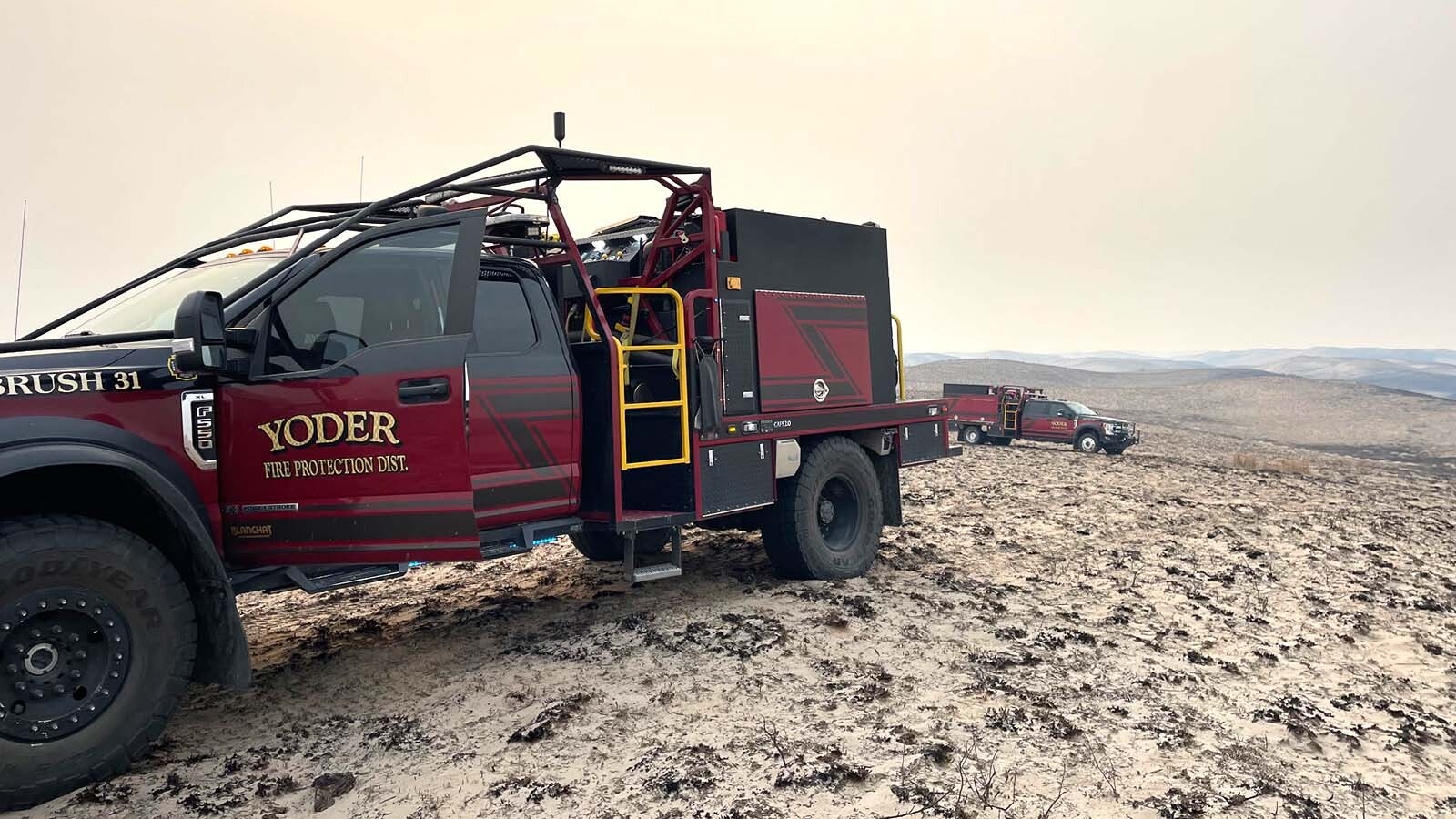
Mike Schmid, owner of La Barge-based SOS Well Services, and his employees went about recovering 1,500 antelope carcasses from some of their well sites this spring.
“Most of the carcasses were piled up next to the production units,” Schmid told Cowboy State Daily. “They were laying against them, trying to stay alive because of the heat coming off of the units. So, how many animals stayed alive because of the heat generated by those units?”
‘Path Of The Pronghorn’
What’s commonly called the “Path of the Pronghorn” is a network of migration routes running between antelope summer range in the Grand Teton National Park area and winter range in the Red Desert near Rock Springs.
The antelope herd using the migration routes averages around 44,300 animals, and at one time peaked at roughly 62,000, Schmid said.
It was knocked back to about 23,600 this spring after the last brutal winter. That was because of massive winterkill, coupled with an outbreak of rare type of pneumonia that is particularly deadly to antelope, but didn’t seem to sicken other wildlife.
The upper sections of the migration route are already protected by federal agencies such as the U.S. Forest Service that limit development, Schmid said.
Game and Fish also is considering some protections for the lower sections of the Path of the Pronghorn.
Is It Needed?
Schmid, a former member of the Wyoming Game and Fish Commission, questions the need for those protections.
“It’s just another layer of government regulation that isn’t needed. This pronghorn herd has been strong for 32 years,” he said. “The Game and Fish has done a wonderful job of managing that antelope herd.”
He said the agency’s records from 1991-2022 indicate that before this spring, the herd’s numbers never dipped below 37,000 antelope, and ran more than 50,000 during some years.
“They have been nearly spot-on the Game and Fish objective of 48,000 animals without any protections and through the height of development,” he said. Adding migration route protection “is just not needed. How much better can it get with a designation?”
Wildlife And Energy Development
Schmid said he’s frequently seen antelope and other wildlife hanging around gas and oil wells, sometimes using the infrastructure for shade or shelter.
“I’ve watched for years how critters, not just pronghorn, but all critters use these gas fields,” he said.
He even recalls a few years ago some owls raised their young inside an oil and gas compressor shack.
Even so, the Game and Fish Department in its draft document states that the Path of the Pronghorn faces some serious threats, including possibly from energy developmet.
The draft document states that “pronghorn both avoid energy infrastructure and spend considerably less time in traditional winter ranges once habitat fragmentation occurs due to development.
“Additional fragmentation and active disturbance on winter and migratory habitats therefore further reduces effective available habitat and potentially compromises the herd's ability to move around during and recover after severe winters.”
Chain-link perimeter fences and other infrastructure can also impede antelope’s movements, according to the agency.
The Wyoming Game and Fish Department is seeking public comment on its migration corridor threat evaluation draft worksheet. The document names energy development “both oil and gas and more recently renewable energy such as solar and wind” as possible threats to antelope migration.
Comments can be submitted online, or mailed to the Game and Fish Pinedale regional office, P.O. Box 850, Pinedale, 82941. The deadline to submit comments is Jan. 5.
Mark Heinz can be reached at mark@cowboystatedaily.com.