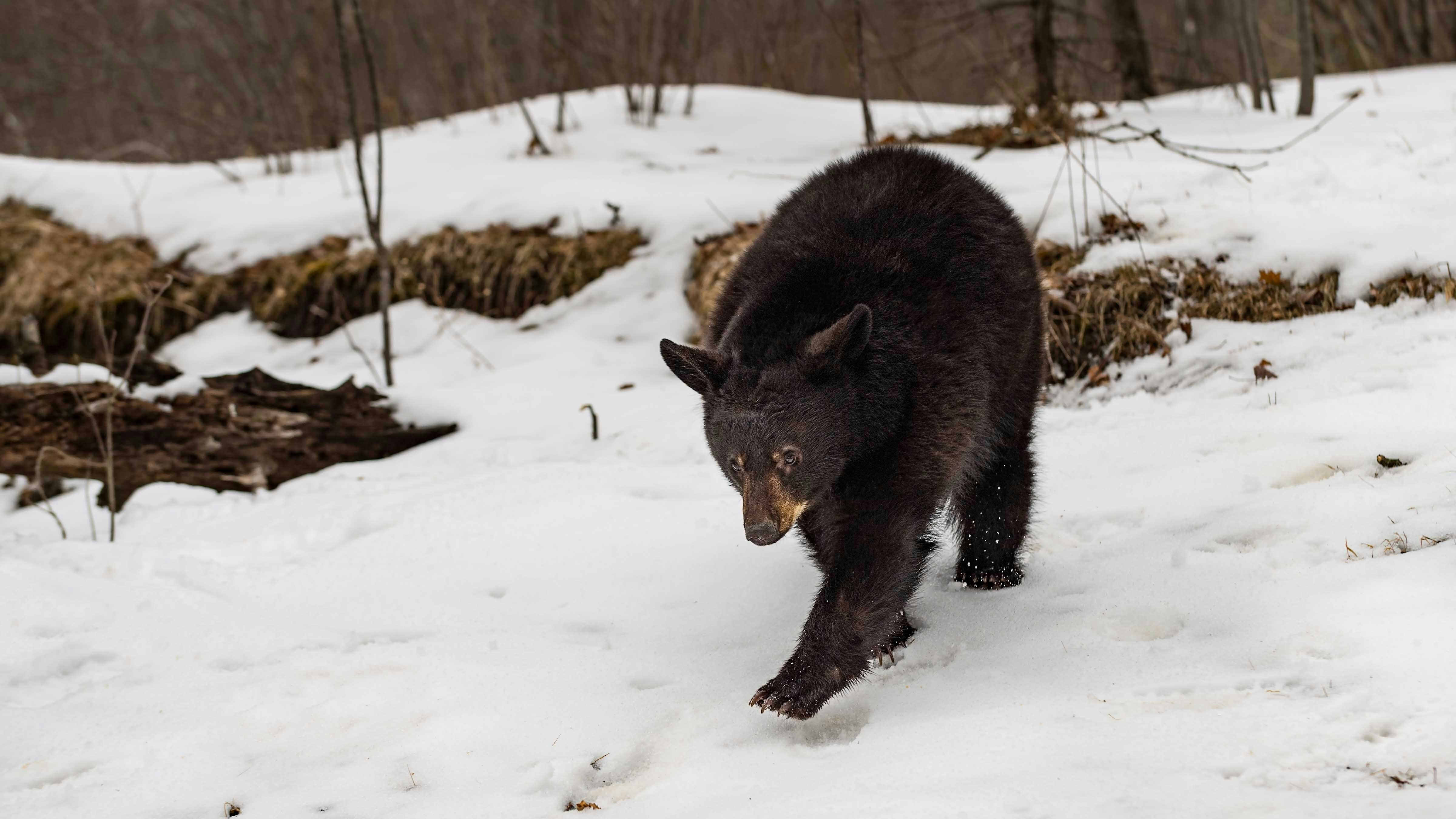
Grizzlies getting “drunk” on fermented grains spilled from rail cars and stumbling about, or even passing out near railroad tracks, might seem humorous, but it can turn deadly for the bears and isn’t something the railroad wants to see happen, either.
In response to a Cowboy State Daily report that at least 63 grizzly bears have been struck and killed by trains since 1980 along a roughly 200-mile stretch of railroad tracks that run near Glacier National Park, BNSF Railway told Cowboy State Daily on Wednesday it spends millions of dollars trying to keep the tracks safe the bears and other wildlife.
The company is headquartered in Fort Worth, Texas, but BNSF spokesman Zak Andersen grew up in Montana and said he still feels a connection to the wilderness and robust population of grizzlies that the Big Sky State boasts in its Northern Continental Divide region.
“There are not places where it (grizzlies getting hit) is clustered, it’s random all along that stretch,” he said.
No Derailments Since 2005
Part of the problem is that grain that spills from railcars can ferment after getting wet from rain or snow. Wildlife ecologist Chuck Neal recently told Cowboy State Daily that can turn into a “de facto brewery” for grizzlies. And the bears are more likely to be struck by trains when they’re in a drunken stupor.
Andersen said that might happen on occasion, but he doesn’t think it’s frequent. BNSF regularly patrols that stretch of railway for piles of fermenting grain, as well as big game carcasses or anything else that might draw grizzlies to the tracks, he said.
The company sometimes brings huge vacuum trucks to those sites to clean up spilled grain, he said, adding that some grain might leak from railcars, but “this isn’t the same railroad of 50 years ago” and grain cars are usually sealed tightly.
Big spills might happen if “chutes” at the bottom of railcars aren’t properly sealed when they’re loaded or unloaded, he said.
As far as gigantic spills from a train derailment, that hasn’t happened along that stretch of rail line since 2005.
And BNSF responded quickly, Andersen said.
“We came in, fenced in the grain, had bear dogs there and lights set up, and we kept the bears away until we could get all of the grain vacuumed up,” he said.
Working With Wildlife Agencies
BNSF has been involved in a habitat management plan to try keeping bears safe along the rail lines, Andersen said. Some of the other groups and agencies involved include the Northern Blackfeet Indian Nation, the U.S. Fish and Wildlife Service, Montana Department of Park and Wildlife and the Montana Outdoor Life Foundation.
Realizing that some bear deaths along the tracks might be inevitable, BNSF is trying to get “incidental take permits” from the USFWS, he said. Since grizzlies in the Lower 48 remain under federal endangered species protection, USFWS is the only agency that can make allowances for some of them being killed.
The number of incidental take permits BNSF might get hasn’t been finalized, but it will likely be small, “probably fewer than 10,” Andersen said.
What About Fences Or An Overpass?
As far as long-term solutions to keeping wildlife safe around railroad tracks, a few ideas have been kicked around, Andersen said.
Bears are frequently struck by trains in Canada, and rail companies there have tried using noisy alarms to warn grizzlies and other wildlife of a approaching trains. But the results have been mixed, he said.
The idea of fencing off railway through the worst stretches has been considered. However, that would be incredibly expensive, Andersen said. Moreover, it might not even be effective, or it could end up blocking vital wildlife migration routes.
Wildlife crossings, either underpasses or overpasses, are becoming more popular. Most recently in Wyoming, a $15 million wildlife highway underpass project was completed along prime mule deer migration routes between La Barge and Big Piney.
Underpasses aren’t practical for a railroad, but a wildlife overpass might work, Andersen said. It would probably take extensive planning, as well as pooled funding between BNSF and other entities.
“It would have to be very wide, because the highway runs adjacent to the railroad through there, and a wildlife overpass would have to span both,” he said.
Mark Heinz can be reached at mark@cowboystatedaily.com.