The Wyoming Library Association on Monday announced its opposition to “opt-in” library lists and other major portions of recent statewide public education guidance geared toward restricting sexually explicit books in school libraries.
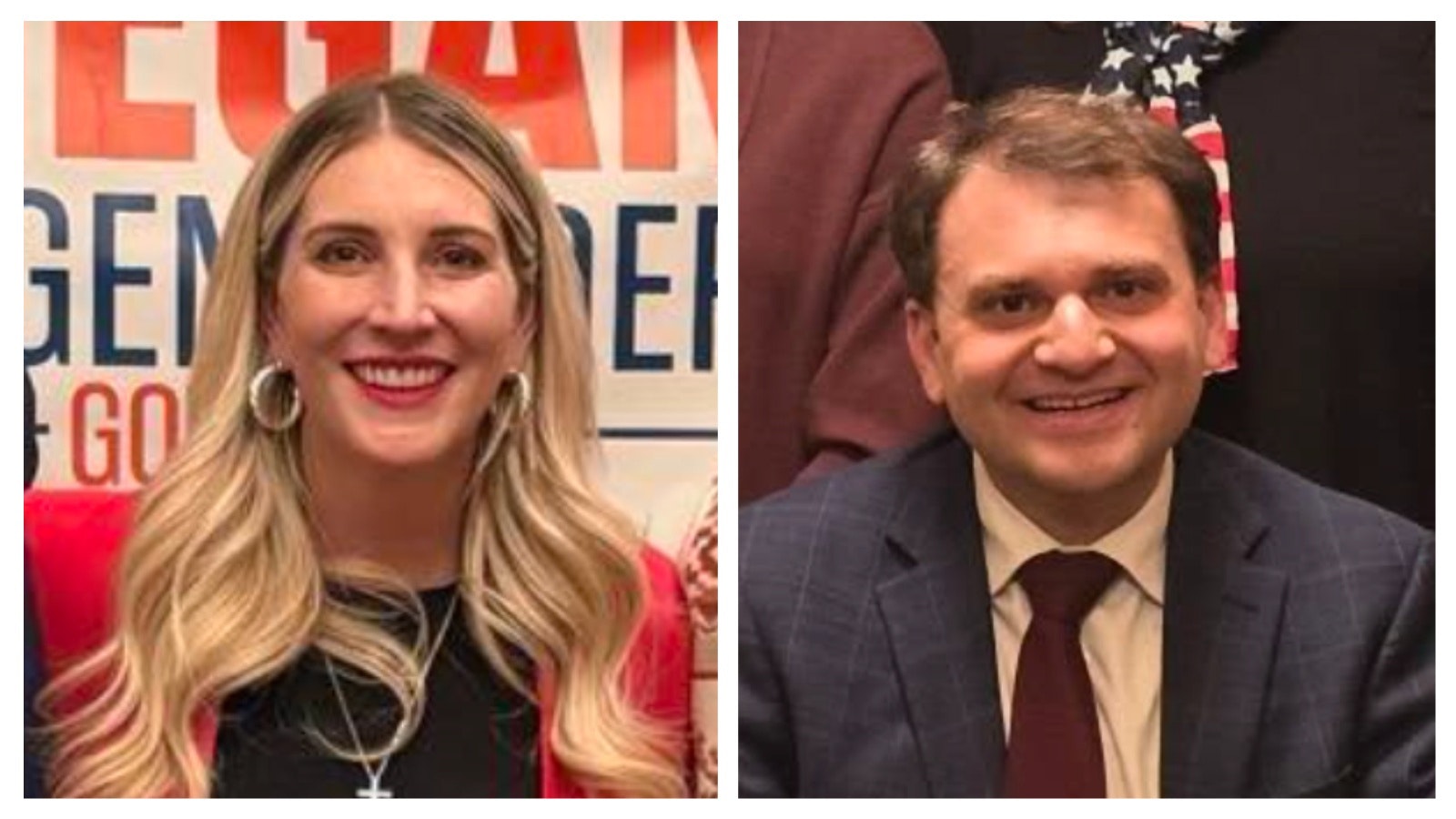
Wyoming Superintendent of Public Instruction Megan Degenfelder unveiled a statewide policy guidance Nov. 1 designed to give local school boards a framework for defining sexually explicit content and for drafting policies to limit it in their libraries and classrooms.
The Wyoming Library Association, an advocacy and support group for the state’s libraries, dispatched a statement Monday voicing agreement with some portions of Degenfelder’s guidance, but opposition to most of it.
WLA agreed with Degenfelder and the guidance that school library policies should be applied in a viewpoint neutral way; that is, without regard to the sexual orientations represented in books and materials.
But the WLA opposed other major portions of the guidance.
“The Wyoming Library Association (WLA) and its School Library Interest Group are committed to the free, robust exchange of ideas that is foundational to our democracy,” says the WLA’s statement. School libraries, it continues, should make available “the widest possible range of viewpoints, opinions and ideas so that all individuals, young and old, have the opportunity to learn about, and engage with, a broad range of diverse topics and concepts.”
No Opt-In
Specifically, the WLA disagrees with “opt-in” policies, as Degenfelder’s guidelines offer.
An opt-in policy designates a list of challenged, relegated or questionable books and material that students cannot access without parental consent.
It’s different from an opt-out policy, whereby parents can review a school library’s catalogue and compose a list of books or materials that their students are not allowed to access. Under an opt-out policy, a student would have access to everything except what a parent has opted out of.
“WLA does not recommend districts implement an ‘Opt-In’ policy,” says the statement, which calls those policies restrictive. “Instead, WLA recommends districts implement an ‘Opt-Out’ policy which supports parental involvement.”
Parents can talk to librarians about their students’ individual needs, the statement says. It adds that parents should have meaningful talks with their children and teens, be aware of what their students are reading and “not abdicate their responsibility to governmental entities.”
Wait For Implementation
Another issue WLA said it has with Degenfelder’s guidance is that some policy offerings are modeled from draft language in Laramie County School District No. 1.
“WLA does not recommend modeling work on school district policy that is still in a public comment period,” says the statement, adding that the state should offer to schools policy from models that have been implemented.
The Laramie County District No. 1 draft policies propose different types of access, including one option for the school to keep a list of sexually explicit content that students can’t access without parental permission.
Another draft policy defines sexual conduct and sexually explicit content via a multi-paragraph definition encompassing a panoply of sexual behaviors and the ways they may be depicted in books.
Rating Scales
WLA also derided the “rating scales” portion of an offering from a Park County School District No. 1 policy.
The rating scale gives reviewers the ability to rate books on an explicit content rubric from 1-5. Books determined to be at level 5 would not be allowed in any school in the district. That category includes explicit sexual nudity, reference to anal, oral or vaginal intercourse; fingering, anilingus or ejaculation; and “profoundly pornographic” content.
Lastly …
The best practices for addressing book challenges are for reviewers to consider a book or work as a whole, rather than just excerpts, the WLA wrote.
The group also encourages school boards to use legal counsel when crafting “legally sound policies and definitions.” That was a recommendation Degenfelder’s guidance also gave.
“School librarians are professional selectors, trained to assume the responsibility of curating age-relevant collections - including credible information about human development and sexual education,” says the WLA’s statement. “School librarians also recognize the role of parents in the education of their individual students.”
Lastly, the WLA encouraged school boards to seek out their librarians’ expertise when changing library policies.
Clair McFarland can be reached at clair@cowboystatedaily.com.