In the wake of a recent fatal grizzly attack in one of its national parks, Canada is considering bringing artificial intelligence to bear to save others from getting mauled, but Wyomingites said people using their brains works better.
“I hope we never have to go to Skynet levels to address issues related to bears and people,” Dan Thompson, Wyoming Game and Fish Department large carnivore specialist, told Cowboy State Daily.
AI Tracking Polar Bears
In Canada’s northernmost reaches, wildlife researchers have successfully tracked polar bears with AI-driven radar. They’ve used it to keep tabs on the whereabouts of polar bears, which can be aggressive toward humans.
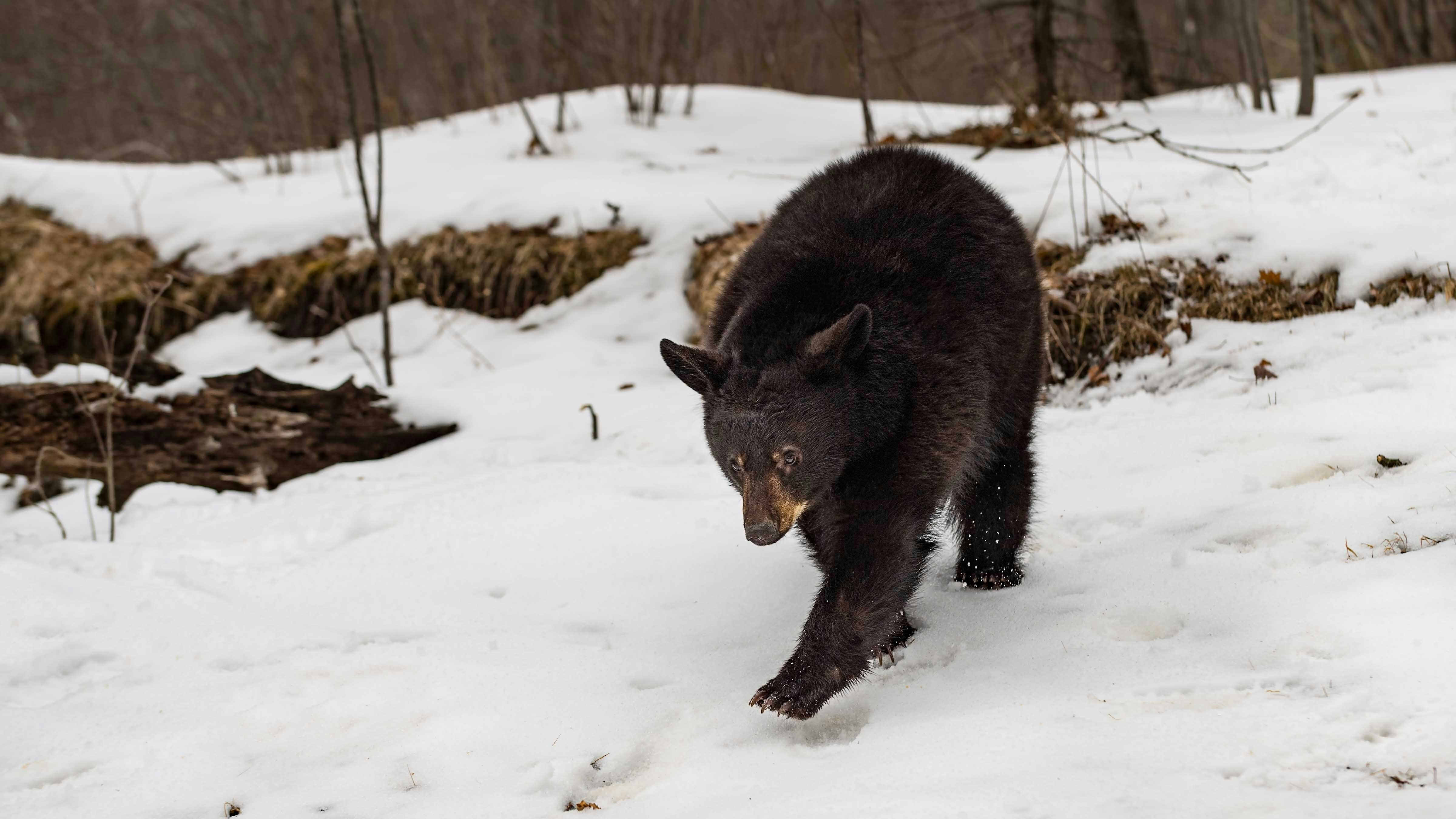
Canada has seen an uptick in sightings of, and run-ins with, polar bears in some isolated northern communities. Human interaction and trouble with grizzlies and black bears also have been on the rise across Canada.
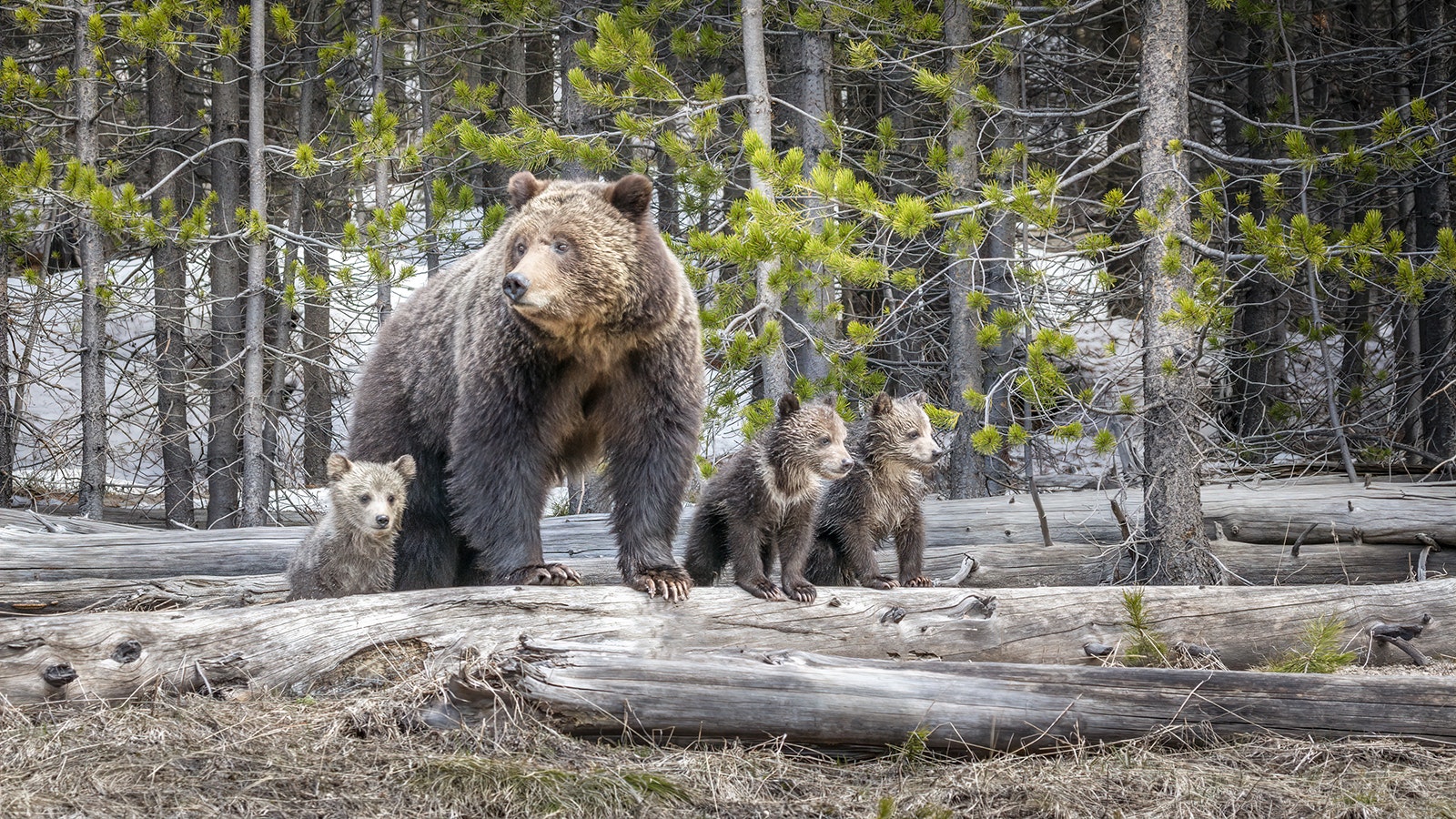
Most recently, a grizzly killed a Canadian couple and their dog in a remote section of Banff National Park. And close encounters with bears are becoming more common in the park’s more heavily trafficked areas.
The fur of bears made them all but impossible to track with older radar technology. But AI has enhanced the ability to pick polar bears out from other blips on the screen, Canadian researchers claim.
And they’ve used that technology to issue polar bear warnings to residents in far-north villages such as Churchill, Manitoba. It’s basically an early warning system for marauding polar bears that gives people more time to get out of the bears’ way.
Now researchers hope to apply the same technology in grizzly and black bear county in Canada, perhaps to send out bear proximity alerts to campers, hikers and others.
What About Bears In The Woods?
Radar-tracking polar bears across open ice floes and across barren tundra is one thing. But in the heavily forested habitat that grizzlies and black bears inhabit in Wyoming and Canada, the technology would likely be limited, bear expert Chuck Neal of Cody told Cowboy State Daily.
“This seems to be most effective on open landscapes and it is questionable how effective it would be in the wooded campsites so common in the Rocky Mountains,” he said.
What’s more, the technology, at least for now, is too expensive to make it practical in Wyoming, Neal said.
“Perhaps over time, the technology will improve and lower the cost and effectiveness in other more broken and wooded landscapes,” he said.
Game And Fish Will Stick With What Works
Don’t expect Wyoming Game and Fish to turn to AI-driven bear safety measures anytime soon, Thompson said.
Instead, the agency will continue to rely on tried-and-true methods that hinge on educating the public on how to be “bear aware” and people putting those good practices to use in grizzly country.
“In terms of safety, we will continue our primary focus of securing attractants (such as food and garbage) and promoting responsible human and bear behavior,” Thompson said.
What Canada is attempting with AI bear radar might be worth watching just out of curiosity, he added.
“It will be interesting to follow this as they test the efficacy of their program and costs associated therein,” he said.
Don’t Use It As A Crutch
Neal agreed that people’s best defense in grizzly county is being aware, cautious and respectful of the bears’ territory.
He’d doesn’t want to see technology become a crutch in place of good, old-fashioned backcountry savvy.
“I actually would hate to think of a technology so effective that humans would become so complacent in bear country that they would lose all respect for the bear and become as sloppy in their habits as they are in a completely sanitized environment, such as their homes,” Neal said.
Mark Heinz can be reached at mark@cowboystatedaily.com.