It was unimaginably fast, completely brutal and, for a few awful moments, seemed to be turning deadly. That’s how Jen Royce described a vicious attack by an otter that left her hospitalized.
“As I kept trying to keep my head above water, that’s when I had that, ‘This is how I’m going to die’ moment, and it honestly pissed me off,” she told Cowboy State Daily in a Thursday interview.
“Yes, I was scared, and terrified beyond measure,” she said. “But if you can believe it, I had enough time to think of my three kids. I think as a parent you’d get it.
“I thought about them hearing that their mother died by an otter in a river. Like, really? No way was I going to let that happen to them. So, I fought as long and as hard as I could.”
Otter attacks are extremely rare, but when they do happen, wildlife experts recommend fighting back.
And fighting back is likely what saved Royce on Aug. 2 when she and two friends were attacked by an otter while floating on inner tubes in Montana’s Jefferson River. Her wounds were so severe she had to be life-flighted to a nearby hospital.
‘Like We Had Been Hunted’
Royce, who continues to recover at home in Bozeman, Montana, told Cowboy State Daily through a text interview that the attack is still too traumatic to try talking about it out loud to a stranger.
Wildlife biologists say that when otters attack people, it’s because they’re defending something, like their young or a stash of food.
Royce said she didn’t see any pups or young otters during her ordeal, and still isn’t sure why she and her friends were attacked.
She described the events as unfolding suddenly and unexpectedly. The otter was about only a foot or two behind one of her friends as they floated on the river when she first spotted it.
“I was chatting with my friend to the left — we were on a double float — and when I turned to my other friend who was tied to us on the right, I saw the otter behind her,” Royce said. “It was … stealthy. I’m not sure how to explain it. Almost like if you push a child’s plastic boat in water and it just continues to float forward once you release your hand.”
She said the animal seemed to be in hunting mode.
“It had crept up so quietly, and when I saw it my brain said, ‘Oh shit, there’s an otter!’ But I couldn’t get those words out of my mouth quick enough before it bit my friend and then popped her inner tube,” she said. “It almost felt like we had been hunted.
“When she reacted to the bite and jumped back, that’s when I was tossed over backward into the water. We did not see any babies. We didn’t see anything until right before it attacked. We were in a deep part of the river though, so maybe there was a good supply of fish?”

‘Incredibly Strong’
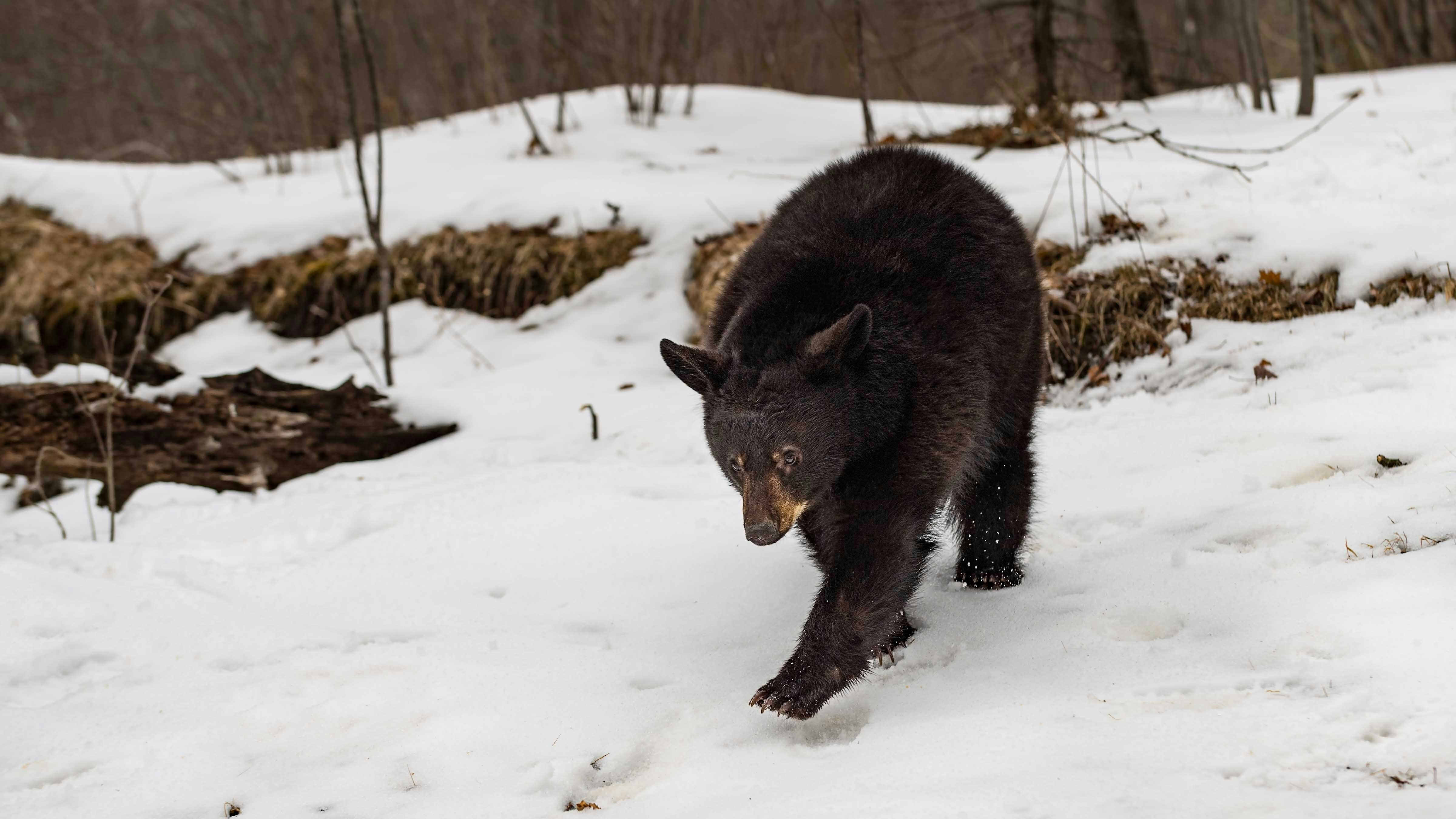
Otters are members of the weasel family. American River otters generally weigh between 11 and 30 pounds. But like all weasels, they are strong for their size, which Royce can attest to.
“It all happened so fast. When it bit me the first time it was a startle and a ‘What the hell is going on?’ The second time, which I think was on my face, I realized, ‘Oh shit, this is really serious,’ and (it was) not just a quick bite and disappear. It was vicious,” Royce said. “It was incredibly strong. Someone wrote it is the strongest animal pound for pound. Pure muscle. I don’t know if that is a fact, but I wouldn’t argue it.”
She continued with her story.
“What scared me the most was that we were in deep water, and I couldn’t touch the bottom,” she said. “I am not a great swimmer to begin with, but not being able to have your feet under you while trying to find the strength to fight back? It’s damn near impossible.
“The thing was biting my face and ears and arms over and over, and trying to push me under the water. I’d try to kick it away, but it just bit me in my legs.”
That’s when she had her “this is how I’m going to die” moment, and her fight instinct went into overdrive.
“At one point I was able to grab the otter by the shoulder joint to hold it back long enough to use my other arm to kind of back-swim to where I could touch the ground,” Royce said. “That was my game-changer. I wasn’t in a state to fight, only to defend, so I tried to get to shore and out of the water as quickly as I could. Once I was able to do that, it turned and swam away.”
Healing Body And Mind
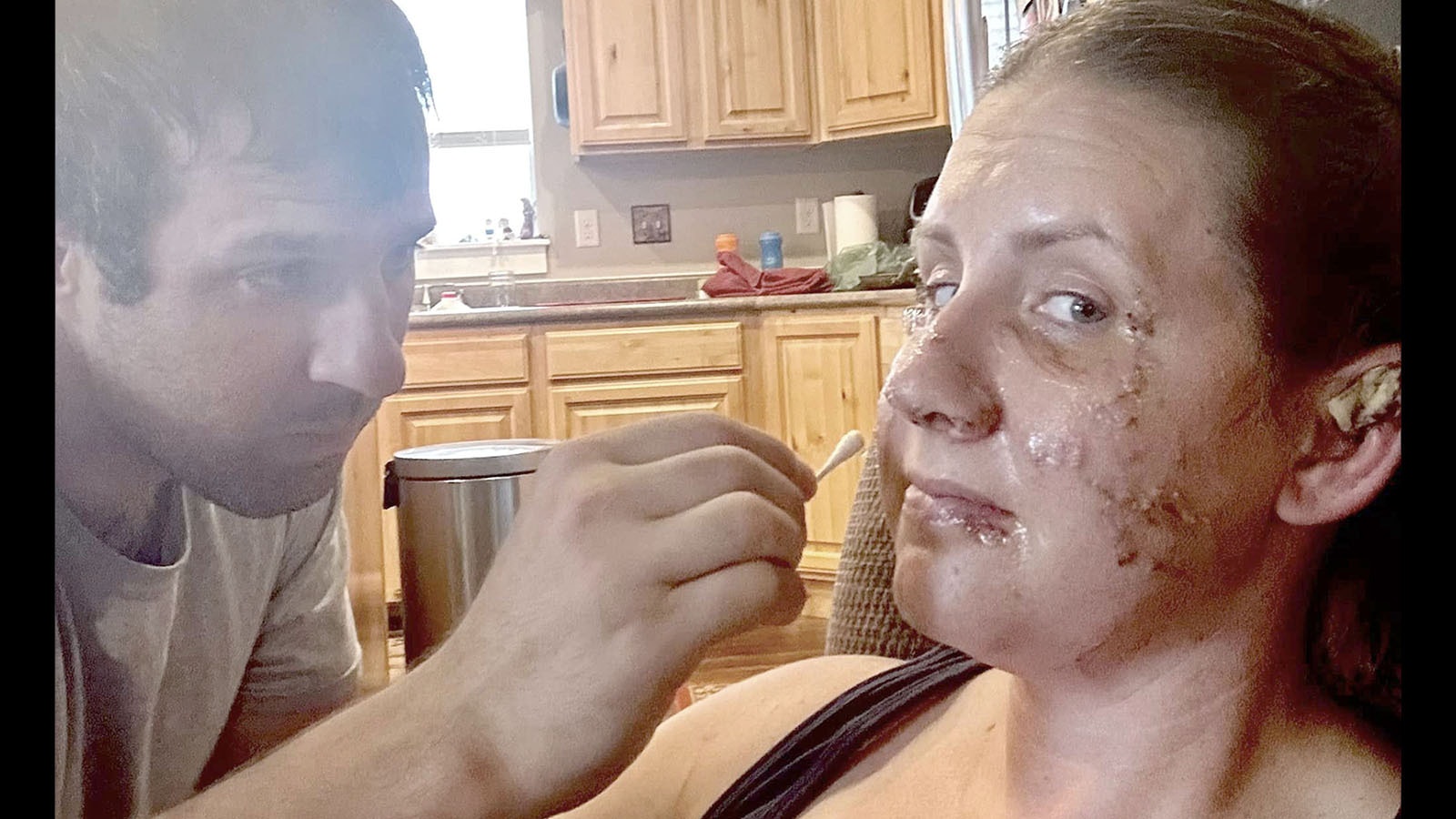
Royce said her physical wounds are starting to heal.
“Physically, it’s going well. My face is healing fairly quick. My hands and fingers are taking longer, which makes me impatient,” she said. “This whole process is teaching me to be even more humble and less prideful. It’s hard to accept help and not do for myself, but my family and friends are practically forcing me so I don’t have a choice!”
The psychological impact of the attack has been tough to deal with.
“Emotionally, that’s why I’m texting and not talking out loud. The words bring up the emotion so much more and it’s hard to say the story out loud,” she said. “My mental health and those of my friends is top priority right now. I have an appointment scheduled already to talk with a licensed counselor.”
She stated that countless people, loved ones and strangers have responded to her social media posts about the attack with support, encouragement and well-wishes, and that’s helped.
‘Will I Go Back?’
In the wake of her harrowing experience, Royce offered some advice for those venturing into otter habitat. First and foremost, stay alert and give the critters space.
“As for recreating in otter habitat: be aware and be prepared,” she said. “I don’t know exactly what that looks like. People have mentioned carrying oars, which just helps with floating anyways, or strapping a dive knife to their leg. I don’t personally recommend and haven’t used either, obviously, but I think they are worth considering and researching more.”
If it comes down to a fight, expect to fight like hell, she said.
“Give plenty of space of course. But for a wrong place wrong time type of situation, you just have to fight as hard and as long as you possibly can and get out of the water,” Royce said.
When she’s well enough, Royce wants to get back outdoors, but probably won’t go float-tubing on the Jefferson River again. The Jefferson, Madison and Gallatin rivers meet near Three Forks, Montana, to form the Missouri River.
“Will I go back or will I float again? I’d sure like to think so! I will definitely not return to the Jefferson for floating in inner tubes,” she said. “Even though many people recreate there, I don’t think it is as ‘busy’ of a river, which probably did not work in our favor. I would more than likely go to the Madison, which is way more populated.
“But when it comes to getting in the water with my tube? I really don’t think I’ll know the answer until I get there and try.”
Mark Heinz can be reached at mark@cowboystatedaily.com.