Wildlife agents have suspended the search for a grizzly that killed a woman near West Yellowstone, Montana, on Saturday, surmising the attack was purely defensive on the grizzly’s part, and that the bear and its cub have probably moved on.
“We are not at this time actively searching for the bear (involved in the fatal attack) or attempting to capture the bear. Our hope is that this bear has moved out of the area,” Morgan Jacobsen, Montana Fish, Wildlife and Parks spokesman for the southwest region, told Cowboy State Daily on Tuesday.
A grizzly attacked and killed Amie Adamson, 47, of Derby, Kansas, early Saturday on the Buttermilk Trail roughly 8 miles west of West Yellowstone.
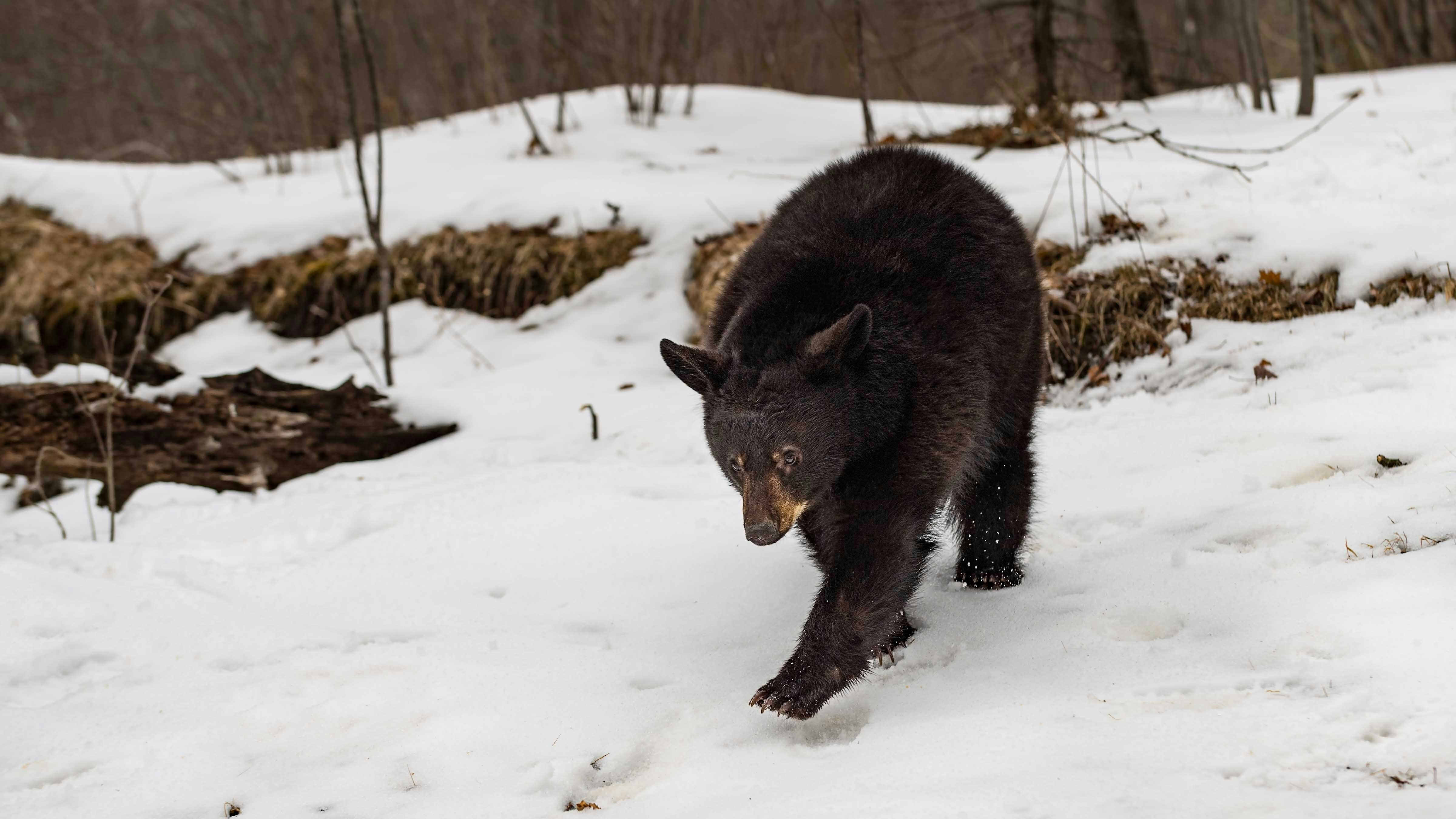
The evidence indicates that it was a “surprise, close-encounter attack” by a female grizzly with a cub, Jacobsen said, adding that’s what the tracks show.
The evidence points to Adamson probably suddenly and unintentionally startling the bears at close range, and the female grizzly was trying to defend its cub. The attack probably wasn’t predatory, and the grizzly didn’t try to eat the victim’s body, he said.
“There’s no evidence to suggest that (a predatory attack),” he said, adding that an autopsy of the woman’s body revealed “no evidence of consumption.”
A U.S. Forest Service shutdown of campgrounds in the area remained in effect Tuesday, Jacobsen added.
Bears Have Probably Moved On
The area where the attack happened is a “travel corridor” for grizzlies, he said. So, it’s possible that the female and her cub were passing through and have moved on.
“As of last night, no bear had been seen or captured,” Jacobsen said.
After three nights of trying to catch the female grizzly and her cub, that’s a good indication they aren’t hanging around, he said. And the primary concern was over human safety because of the nearby campgrounds and other human-occupied areas.
Also, if trapping efforts continued, odds are good that FWP would end up catching the wrong bear or bears, he added.
Wildlife agents will “continue to monitor” the area for any signs of bear activity and resume trapping efforts if there’s any reason to think the female and her cub have returned, Jacobsen said.
With so much human activity around there, there’s risk that the grizzlies could become “food-conditioned” and have more run-ins with people, he said.
Will The Bear Go Free?
If the grizzly that killed Adamson is ever captured, her fate would come down to a mutual decision between FWP and the U.S. Fish and Wildlife Service, which still has federal jurisdiction over grizzlies in the Greater Yellowstone area of Wyoming, Montana and Idaho.
“If the bear was to be euthanized, it would be because of continuing human safety hazard because of a habituated bear,” Jacobsen said. “That’s a decision we would make in collaboration with the USFWS. We’d have to ask, ‘is this bear involved in any other conflicts with humans?’”
So, as long as the grizzly and her cub stay clear of populated areas and don’t start raiding garbage dumpsters or other such food sources, there’s a good chance they’ll go free.

‘Culvert Traps’
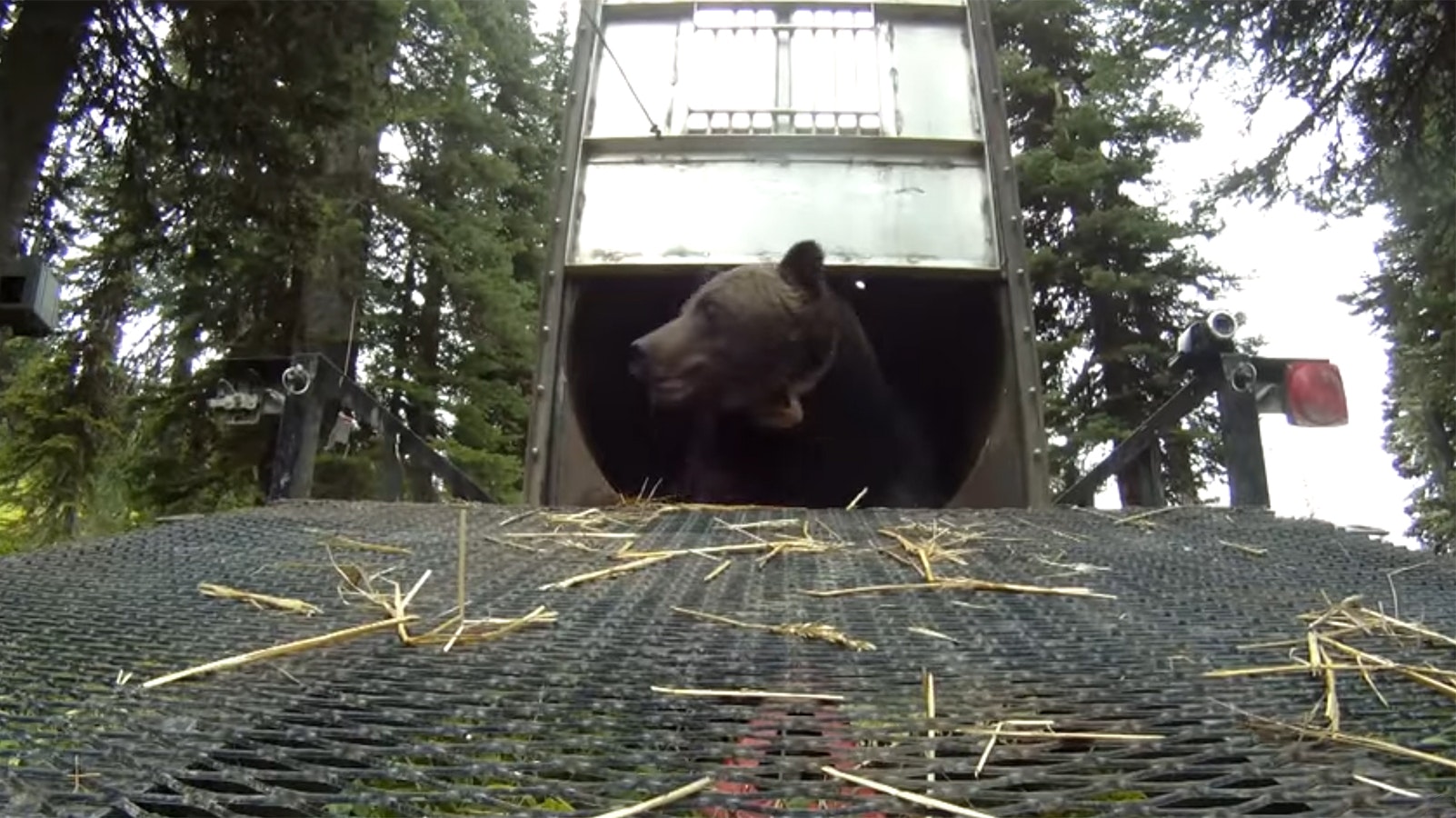
Large metal tube-shaped traps called “culvert traps” are used to capture grizzly bears, Jacobsen said.
The traps are usually mounted on trailers, making it easy to transport the bears for relocation, when that’s the intent.
The devices are simple. Bait is placed inside the main tube with a spring-loaded open door at one end. If a grizzly ventures inside and tries to get the bait, it triggers the door, which drops and traps the bruin inside.
When game agents are ready to release a grizzly, the door can be lifted remotely, like a garage door, via an electric motor.
Video footage shared with Cowboy State Daily by FWP shows instances of bears galloping out of traps once the doors are lifted. Although in a couple of clips, clever bears are shown reaching inside and snagging bait — parts of big game carcasses — before the door slams down.
Mark Heinz can be reached at mark@cowboystatedaily.com.