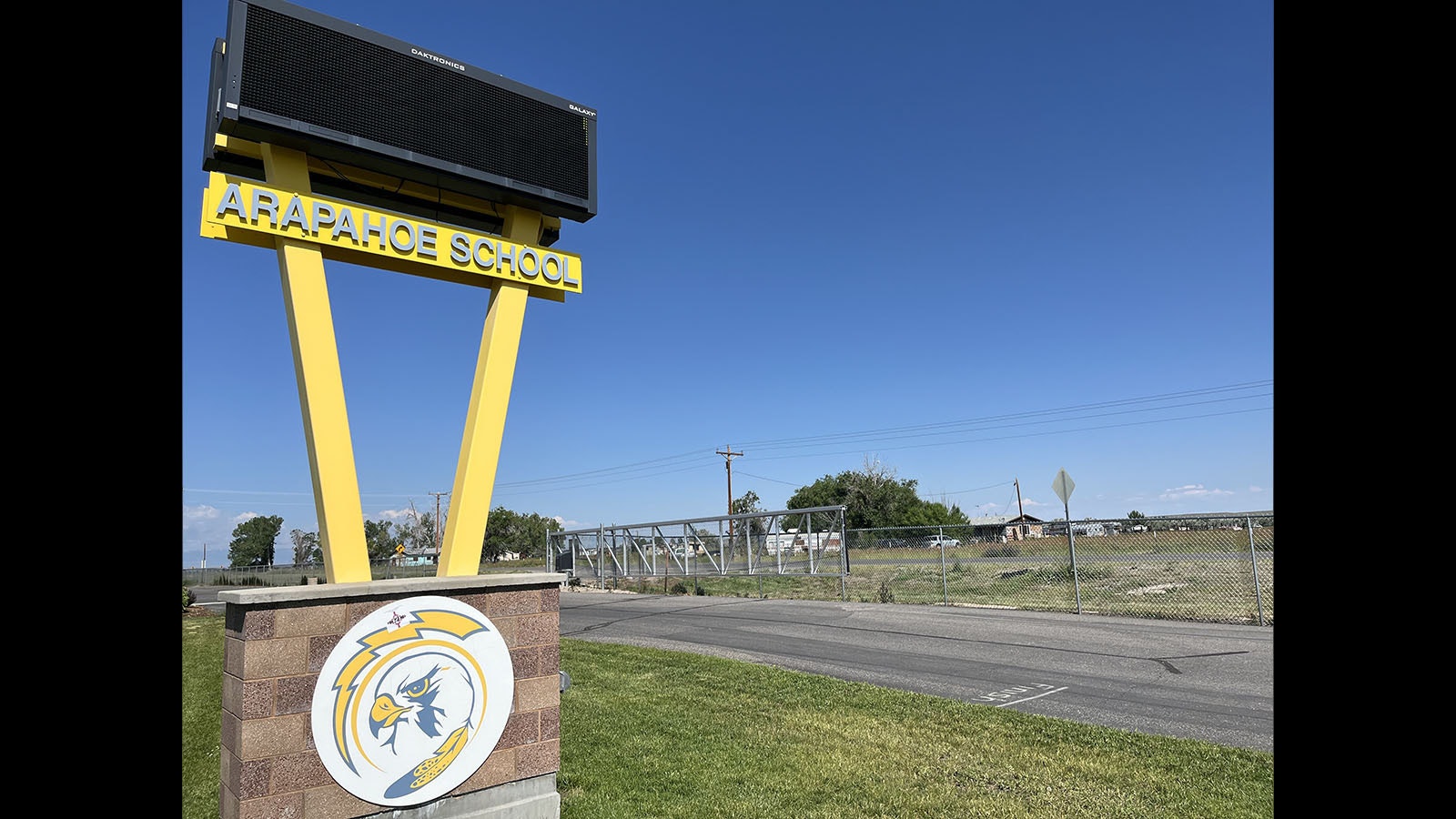
In a reservation school in Arapahoe, Wyoming, more than 95% of tested third graders were below proficient on state-tested literacy skills last year.
Less than 5% were proficient at reading, writing and related skills for their grade level in the Wyoming Test of Proficiency and Progress (WyTOPP) assessment.
Averaged out across tested grade levels from grades three to 10, the entire district, Fremont County School District No. 38, had a 10% proficiency rating in English Language Arts last year, compared to 7% the year before that.
The WyTOPP state average for Wyoming schools that term, 2021-2022, was more than 10 times higher at 53% literacy proficiency.
Schools in the Wind River Indian Reservation’s other two state school districts fared a little better, but not much, with the Fort Washakie and Wyoming Indian districts each averaging 14% proficiency on WyTOPP literary standards.
The schools’ math proficiency ranged from 3% to 5% from grades three to 10 in 2022, compared to a 48% state average.
Tribal and state officials met Thursday in Fort Washakie to seek solutions.
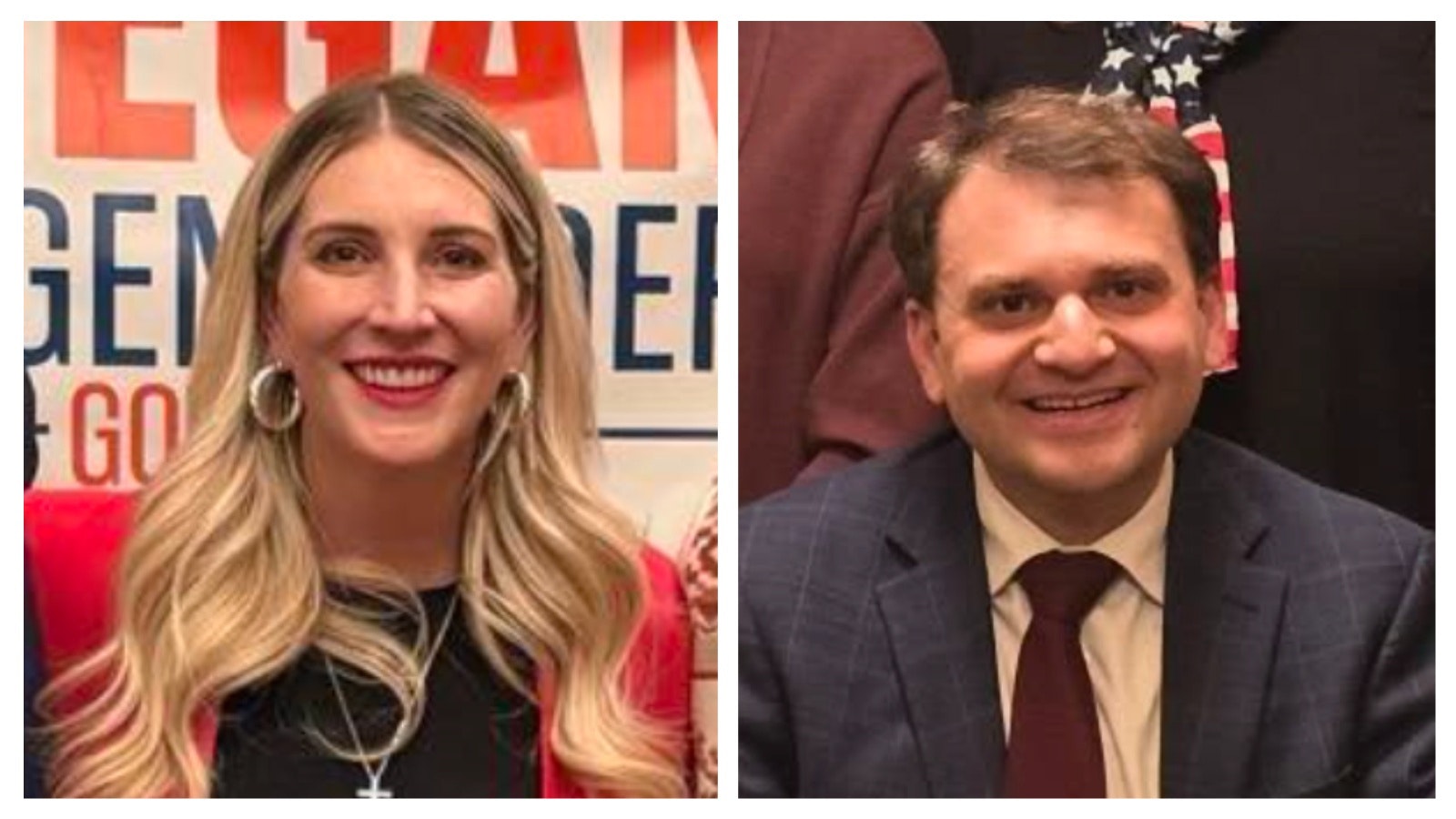
“We can do better. We have to do better for our Native students,” said Megan Degenfelder, Wyoming superintendent of Public Instruction, during the meeting of the Wyoming Legislature’s Select Taskforce on Tribal Relations. “I am committed to that.”
Home For A Year
Wanda Maloney, Degenfelder’s chief policy officer, read aloud test score, graduation rates and attendance figures about the reservation’s three state school districts, Fremont County School Districts 38 (Arapahoe), 21 (Fort Washakie) and 14 (Wyoming Indian).
All were lower than the state average.
The three districts averaged 68.4% in high school attendance in 2021-2022, compared to an 87.8% state average. Reservation school attendance decreased from pre-pandemic averages after the Wind River Intertribal Council, or reservation-wide government, imposed a strict four-month stay-at-home order in 2020 and school shutdowns into 2021. The council amended its conditional stay-at-home order in January 2021 to allow for in-person instruction for schools with COVID-19 mitigation plans in place.
Internet instruction during the shutdown was spotty in the sparse valley, according to Northern Arapaho Council member Teresa His Chase, who said she was a teacher during that time.
Attendance and test scores were slightly better before the pandemic, though still well below state averages.
Graduation Rates
Both Wyoming Indian and Fort Washakie saw lower-than-usual graduation rates after the pandemic, while Arapahoe actually improved from its 2017-2019 figures in the post-pandemic years.
Of Wyoming Indian seniors, 50.9% graduated on time in the 2021-22 school year, compared with 51.3% in 2019. Fort Washakie had 34.8% graduate on time in 2022 compared with 57.5% in 2019, and Arapahoe saw 18.2% of its seniors out on time, compared with 7.1% in 2019.
Wyoming’s state average showed 81.8% of seniors graduating on time in 2022.

‘I’m At A Dead End’
Sen. Affie Ellis, R-Cheyenne, who co-chairs the Tribal Relations Committee, voiced frustration with the dismal figures.
“I just am frustrated, and I don’t know what we can do. I feel like I’m at a dead end,” said Ellis. “Do we just say, ‘Those are the scores. It’s the reservation?’ Do we do that? I just don’t feel good about this.”
Degenfelder, who became superintendent in January, said her office is “starting to dive into it,” but that she agrees the state can’t neglect the children on the reservation.
Some Pockets Of Excellence
Rep. Ken Chestek, D-Laramie, asked if the WyTOPP is the best descriptor of where the reservation-school children shine, 98% of whom are American Indian.
“Is it possible there are cultural differences that are at least partially responsible?” asked Chestek.
It’s a point that Stephanie Zickefoose, Wyoming Indian superintendent, agreed with this in a Friday interview with Cowboy State Daily.
“I know that for a fact,” said Zickefoose. “Our students don’t reflect what they know on the WyTOPP. … Standardized testing doesn’t always highlight actually what our students know, what they can do.”
For example, a group of Wyoming Indian third graders this year won a national K-12 contest for dam-building. The school’s robotics team also went to nationals to compete this spring in Houston, Texas.
“We have some pockets of excellence that are definitely worth celebrating,” said Zickefoose.
Another trait Zickefoose’s students exhibit without the WyTOPP noticing, she said, is creativity.
Laurie Hernandez, director of Standards and Assessments for the Wyoming Department of Education, answered Chestek’s question Thursday by noting that people from the Fremont County school districts join the department’s bias and fairness review committees.
Culture, Culture, Culture
American Indian kids thrive when their learning centers around their tribal heritage, said His Chase, who left her teaching job when she got elected to the Northern Arapaho Business Council (NABC).
The NABC is the Northern Arapaho Tribe’s six-person executive branch.
When His Chase taught at Arapahoe’s school, she oversaw a culture program for kids.
Students learned to dance, bead, make regalia, practice mindfulness and engage in storytelling, said His Chase. They learned the Arapaho language.
The children in the culture training showed better academic performance.
“What we need is for you guys to provide support for families so students will succeed,” His Chase told state lawmakers, adding that the cultural training “aligned with our state standards.”
Zickefoose agreed, telling Cowboy State Daily that culture does help children feel engaged.
“It (definitely) inspires a sense of belonging to their community, their tribe, to their family,” she said.
It’s How The Money Is Used
Committee Co-Chair Rep. Ember Oakley, R-Riverton, asked Sergio Maldonado, an Arapaho tribal member and the 2022 Democratic candidate for Degenfelder’s position, what the state can do.
“If you don’t have literacy by about third grade, it’s sort of, the success in so many different realms drops off,” said Oakley. “But when we look at … like a 95% illiteracy rate, what are you thinking as far as nuts and bolts?”
The money is there, Oakley added.
“The money isn’t the problem,” answered Maldonado, who substitute teaches on the reservation. “The problem is how it is used.”
Maldonado suggested putting more paraprofessionals in class, offering night classes for parents and prompting more community problem-solving discussions.
Ellis said Wyoming’s high-performing districts tend to follow a state model for how to spend their allotments of state money.
“I wonder if there’s been kind of an audit done, on these districts and their (spending model) alignment?” asked Ellis.
Degenfelder said she’d look into it.
“And it’s something we can absolutely do,” the superintendent added.
Look At The Poverty
But the issue may be bigger than teachers, and bigger than state lawmakers.
The Wind River Indian Reservation has a crime rate five to seven times the national average, media outlets reported in 2012. The region is under tribal and federal jurisdiction.
Unemployment was 80% at that time.
Poverty is severe. In Arapahoe’s school district, 22% of families with school-age children were living in poverty in 2022, according to census.gov. The figure was 21.8% for Wyoming Indian and 32.2% for Fort Washakie.
At the three school districts 100% of students are eligible for free and reduced lunches.
“We’d be remiss not to just look at the poverty,” said Zickefoose, who told Cowboy State Daily that getting more businesses onto the reservation could help the region’s children.
Clair McFarland can be reached at clair@cowboystatedaily.com.